
Explore how convenience, health trends, and online retail shape the demand for Prepared Meals, guiding consumer decisions and industry strategies.
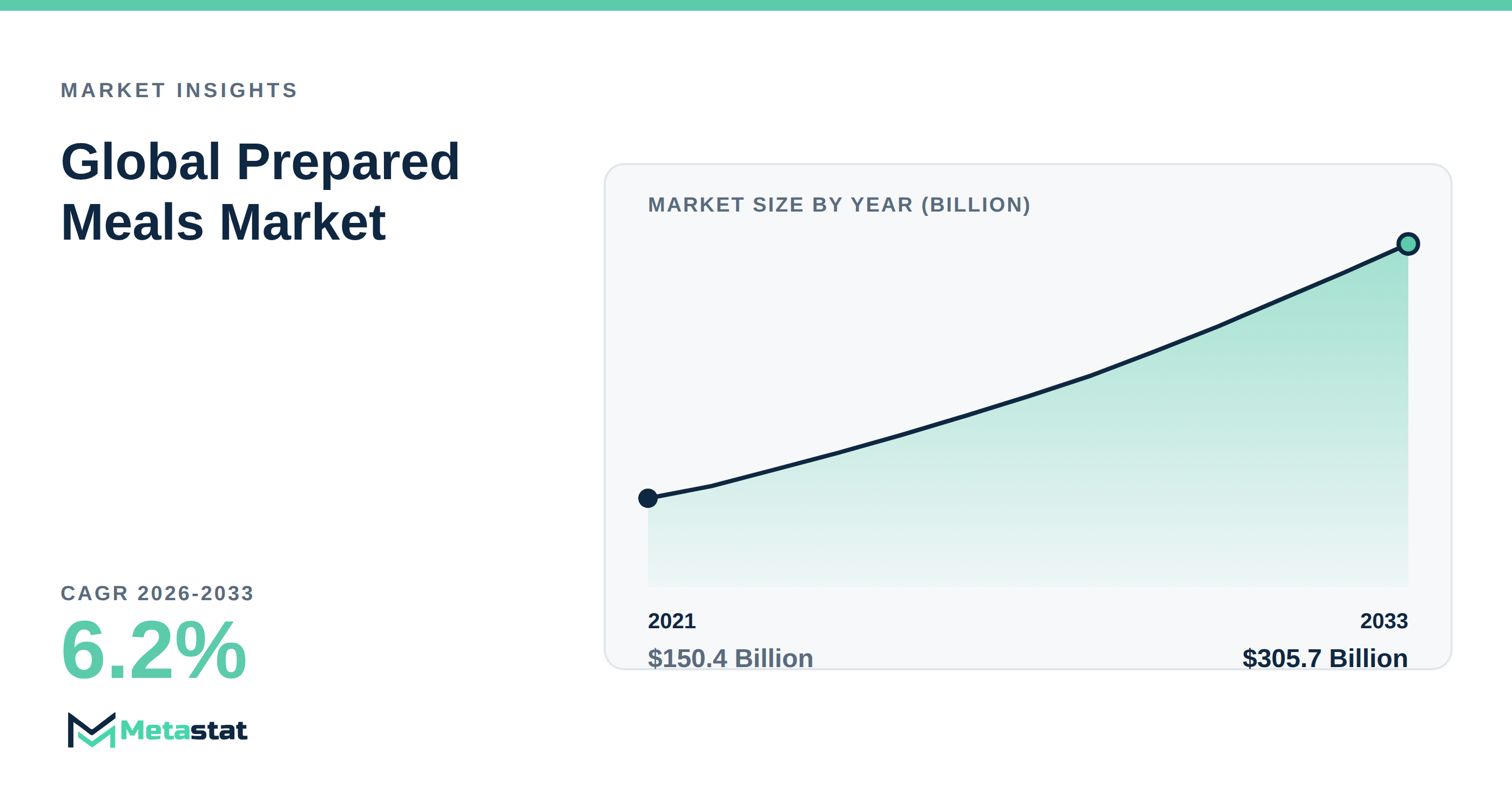
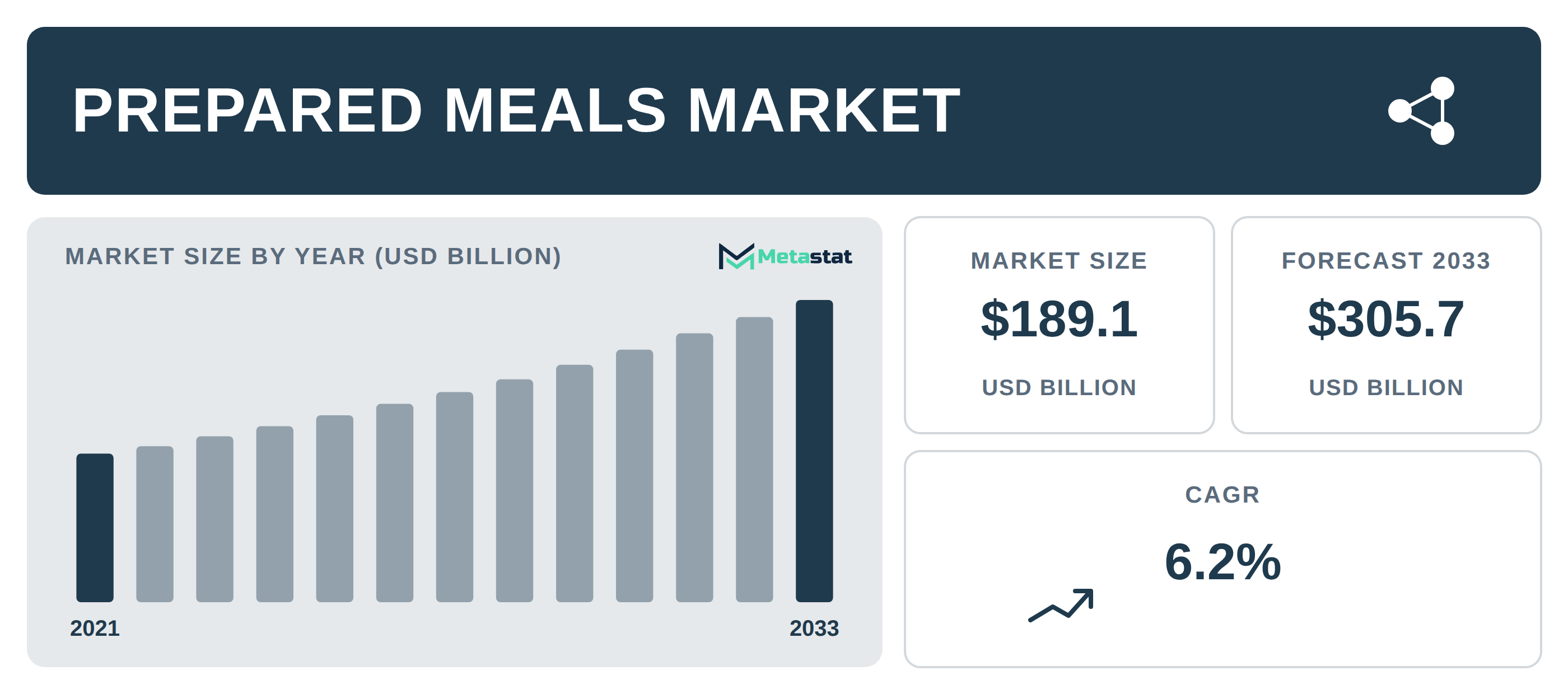
Many assume that the market for Prepared Meals is straightforward, dominated solely by convenience-driven purchases. However, this perspective overlooks crucial dynamics shaping consumer behavior. Factors including health consciousness, dietary preferences, and evolving shopping habits significantly impact the market. Understanding these factors provides deeper insights into the ongoing transformations within the Prepared Meals landscape. The full figures are in our Prepared Meals market size and forecast report.
Why convenience isn't the only driver
While convenience undeniably plays an important role in the popularity of Prepared Meals, it is not the sole factor influencing consumer choices. An increasing number of buyers, especially working professionals, prioritize not just quick meal solutions but nutritional value and quality. Health-conscious consumers are shifting towards options that align with their dietary goals, increasing the demand for meals that are not only easy to prepare but nutritious.
Exploring the rise of vegetarian meals
The growing interest in vegetarian options illustrates a significant shift in consumer preferences within the Prepared Meals sector. This segment is expanding rapidly due to heightened awareness of health benefits and environmental factors associated with plant-based diets. The shift towards vegetarianism reflects a broader societal change towards sustainable eating habits. The vegetarian segment is projected to grow from USD 178.5 billion to USD 274.5 billion by 2033, indicating that consumers increasingly favor meals that contribute to both personal wellness and environmental sustainability.
The impact of online retail on purchasing behavior
Changes in shopping habits, particularly the rise of online retail, have transformed how consumers approach meal purchasing. With a projected value of USD 71.8 billion by 2033, online retail channels are becoming essential for accessing a diverse range of Prepared Meals. Busy individuals appreciate the convenience of shopping from home, allowing them to explore various meal options that fit their tastes without the time commitment of traditional grocery shopping. This shift in purchasing behavior enhances the overall accessibility of prepared meals in consumers' daily lives.
Understanding pricing strategies in the prepared meals sector
Pricing strategies significantly influence how consumers respond to different options in the Prepared Meals sector. With a variety of price points from budget-friendly meals to premium offerings, consumers navigate these choices based on their financial capabilities and personal preferences. The Frozen Meals segment, in particular, is projected to grow from USD 104.3 billion in 2026 to USD 159 billion by 2033, driven by competitive pricing that appeals to consumers seeking value without compromising convenience. This highlights the importance of tailored pricing strategies to attract a broad range of buyers.
Future opportunities and challenges
While the market continues to evolve, stakeholders face both opportunities and challenges. Rising costs of raw materials present a significant challenge for producers, potentially impacting pricing structures and consumer affordability. However, this challenge drives innovation, compelling companies to optimize their supply chains and explore cost-effective solutions. By adapting to these pressures, businesses enhance their offerings and gain a competitive edge. The future of Prepared Meals lies in balancing convenience, quality, and affordability, ensuring products meet the evolving demands of health-conscious consumers.
In summary, while convenience remains a key aspect of the Prepared Meals appeal, understanding the intricate factors driving consumer preferences reveals a broader narrative of changing dietary habits and shopping behaviors. Stakeholders who embrace these insights and adapt their strategies accordingly are well-positioned to thrive in this dynamic environment.
Tags
About the Authors

LEAD ANALYST
Utkarsh Khirodkar is a Lead Market Research Analyst at MetaStat Insight, specializing in market intelligence, technology sector assessments, and competitive strategy.

LEAD PRINCIPAL ANALYST, PHARMA AND HEALTHCARE
Food and Beverages · Healthcare · Healthcare IT · Medical Devices
Ajay Devgire is the Lead Healthcare Analyst at MetaStat Insight, leading strategic research and market intelligence initiatives across the global healthcare domain.

SENIOR RESEARCH ANALYST
Biotechnology · Food and Beverages · Medical Devices · Packaging
Snehal Pasalkar is a Research Analyst at MetaStat Insight, operating at the intersection of life sciences research, competitive strategy, and market intelligence.