
Explore the intricacies of farm storage, including technology adoption, sustainability trends, and investment challenges faced by producers in the agricultural sector.
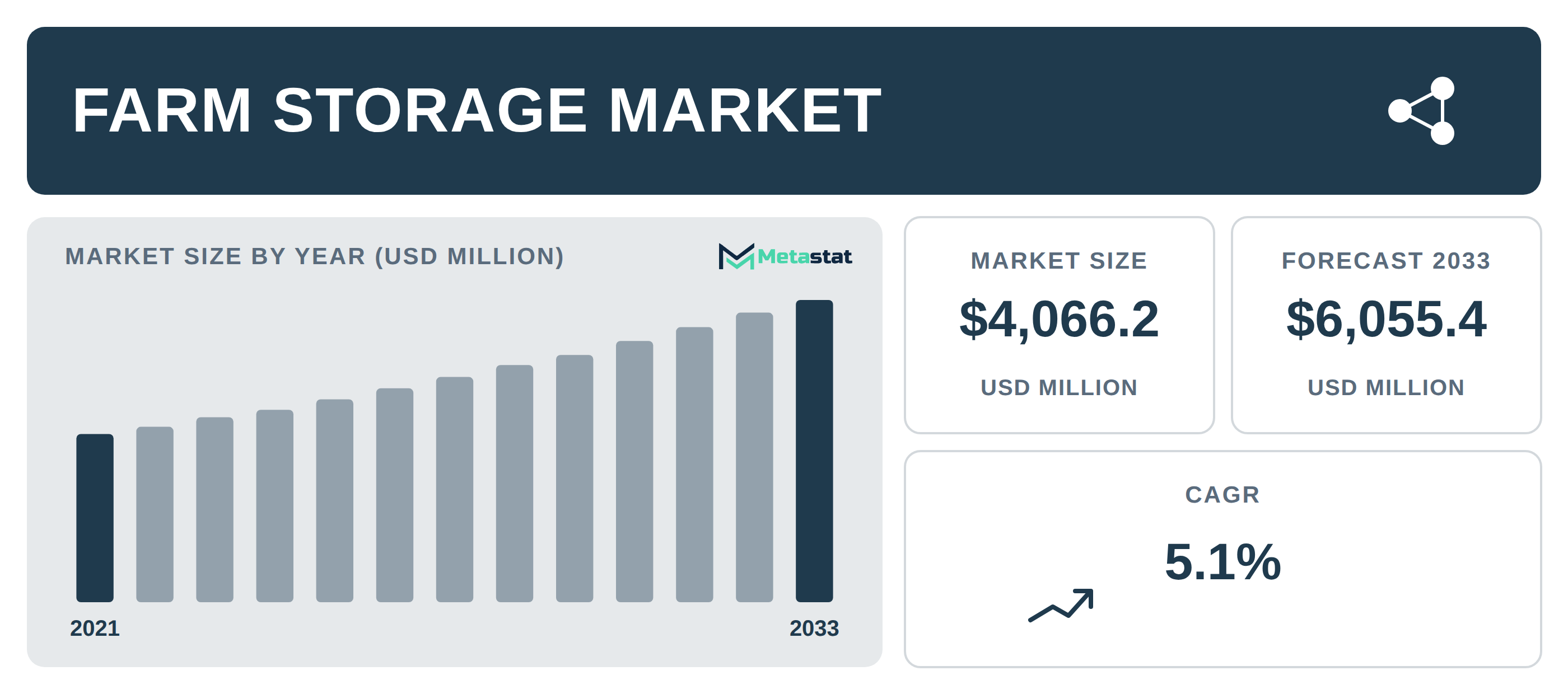
When considering growth projections for farm storage solutions, many stakeholders focus primarily on the numbers, overlooking the multifaceted challenges that accompany this growth. The current shift towards advanced storage technologies reflects evolving agricultural practices aimed at protecting yields against spoilage and waste. Understanding the underlying factors influencing this trend is vital for making informed decisions in the agricultural sector. Farm Storage market size and forecast report highlights these insights, offering clarity on a complex landscape.
Significant drivers, including the increasing global population, elevate the demand for efficient grain storage solutions. Producers face pressure to ensure that agricultural products maintain their quality over time. This growing demand directly impacts the investment decisions made by farmers, agricultural cooperatives, and food processing companies. Each of these buyer groups pursues enhanced operational efficiency by adopting modern storage technologies, which promise improved yield management and reduced losses. However, high initial costs associated with advanced storage facilities deter adoption, particularly for smaller-scale producers.
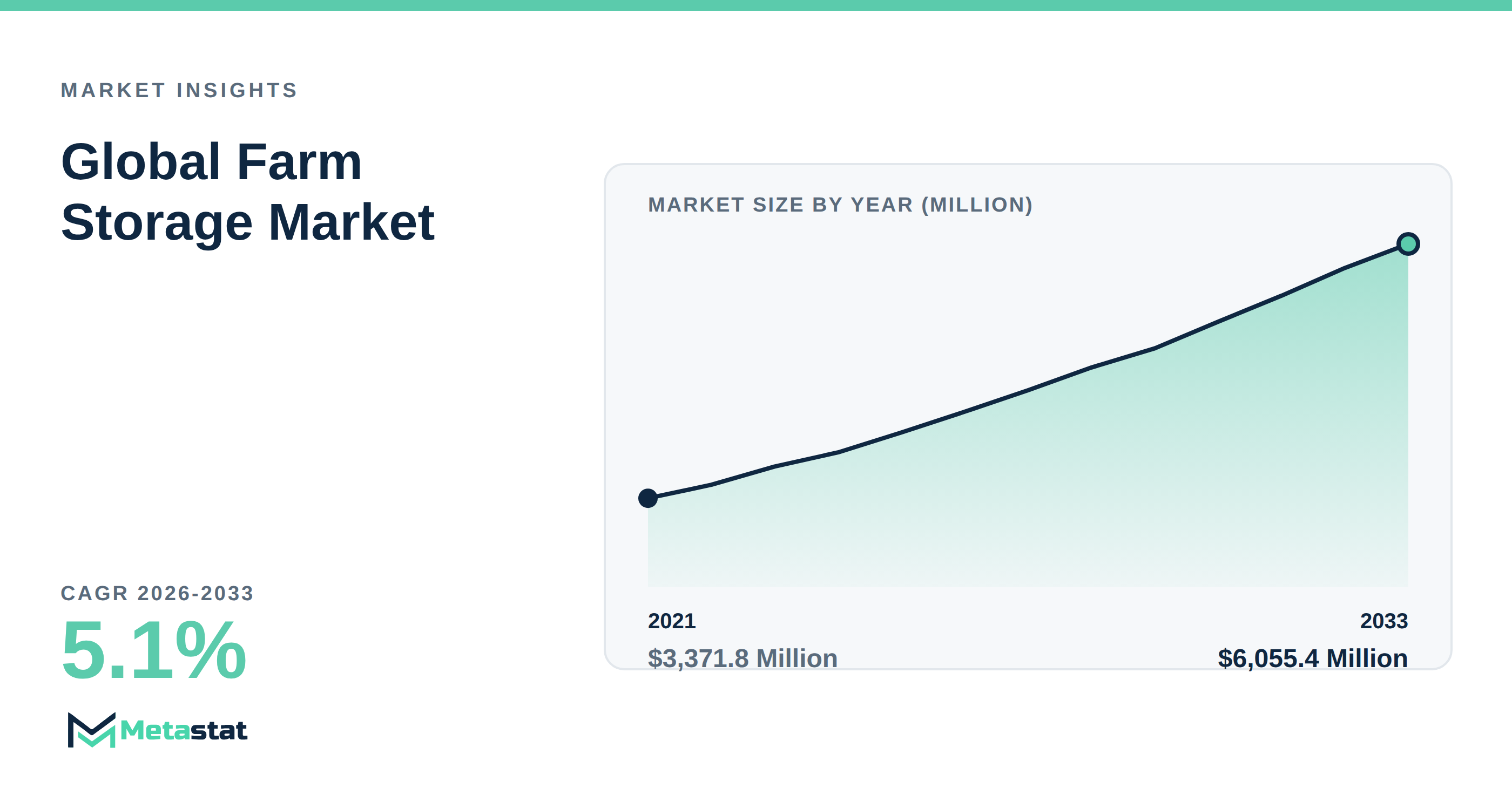
Technological advancements within farm storage are considerable. Innovations, including smart silos equipped with IoT sensors, facilitate real-time monitoring of environmental conditions, allowing farmers to make informed decisions that enhance the longevity of their harvests. However, these innovations are not universally adopted. The initial investment required for such systems poses a challenge for many, especially smaller operations that lack the capital to invest in these advanced solutions. A critical evaluation of the long-term benefits against upfront costs becomes essential in determining the feasibility of these technologies.
In addition to technological investment, the materials used in storage solutions significantly affect their effectiveness and longevity. Steel and concrete are popular choices for their durability, yet rising material costs pose challenges for manufacturers and, in turn, farmers. Suppliers face pressures to maintain competitiveness while managing the escalating input costs, which often leads to adjustments in pricing strategies. This dynamic limits access to necessary storage solutions for smaller farmers, who operate with tighter budgets and limited financing options.
The farm storage sector is witnessing a notable shift towards sustainability. Producers increasingly prioritize storage solutions that not only preserve the quality of their products but align with environmentally sustainable practices. This trend influences purchasing decisions, emphasizing the importance of meeting safety regulations and addressing environmental concerns. The growing demand for liquid storage solutions, particularly for fertilizers and agricultural chemicals, illustrates this evolution. With heightened focus on sustainability, investments in liquid storage infrastructure are expected to rise, addressing both compliance needs and producers’ operational demands.
The market for farm storage solutions is complex and often misinterpreted. Stakeholders recognize that the growth trajectory intertwines with challenges including cost, technology adoption, and sustainability practices, rather than being driven solely by rising demand. Engaging in meaningful discussions about overcoming these barriers enhances overall efficiency in agricultural practices.
Understanding the dynamics influencing the market for farm storage is essential for stakeholders looking to invest wisely. Awareness of not just the growth potential but the accompanying challenges leads to more strategic decision-making. While the agricultural landscape evolves, so too approacheses to storage solutions, ensuring that they meet current demands while supporting sustainable agricultural practices.
Tags
About the Author

LEAD ANALYST
Utkarsh Khirodkar is a Lead Market Research Analyst at MetaStat Insight, specializing in market intelligence, technology sector assessments, and competitive strategy.