
Explore how Textile Enzymes are transforming textile production by enhancing efficiency and supporting sustainability efforts, beyond just cost savings.
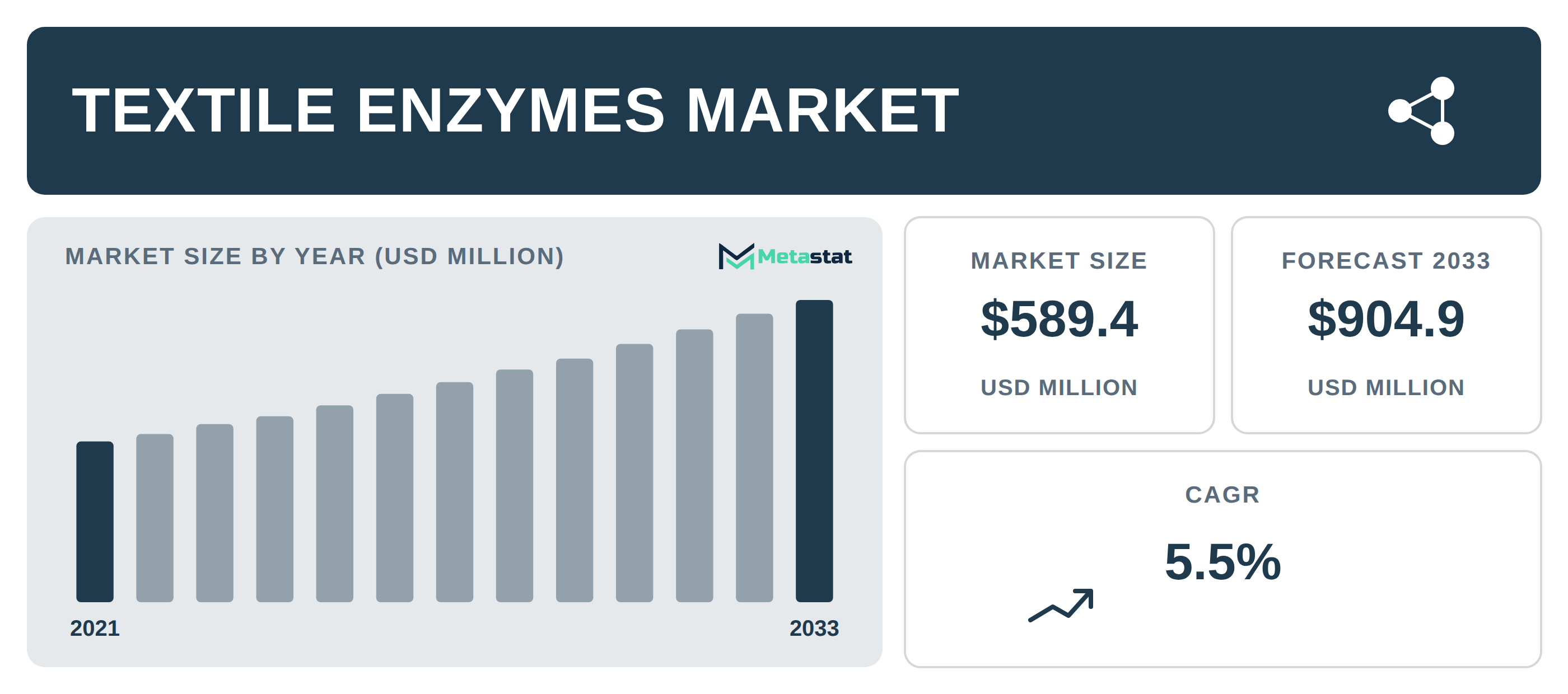
Adoption of Textile Enzymes transforms production methods across the textile sector. Misconceptions about their functionality persist, with stakeholders often assuming that the main benefit lies solely in cost-effectiveness or operational efficiency. In reality, the integration of these enzymes extends beyond mere savings; they significantly contribute to enhancing sustainability initiatives prevalent in today’s environmentally conscious marketplace. The full figures are in our Textile Enzymes market size and forecast report.
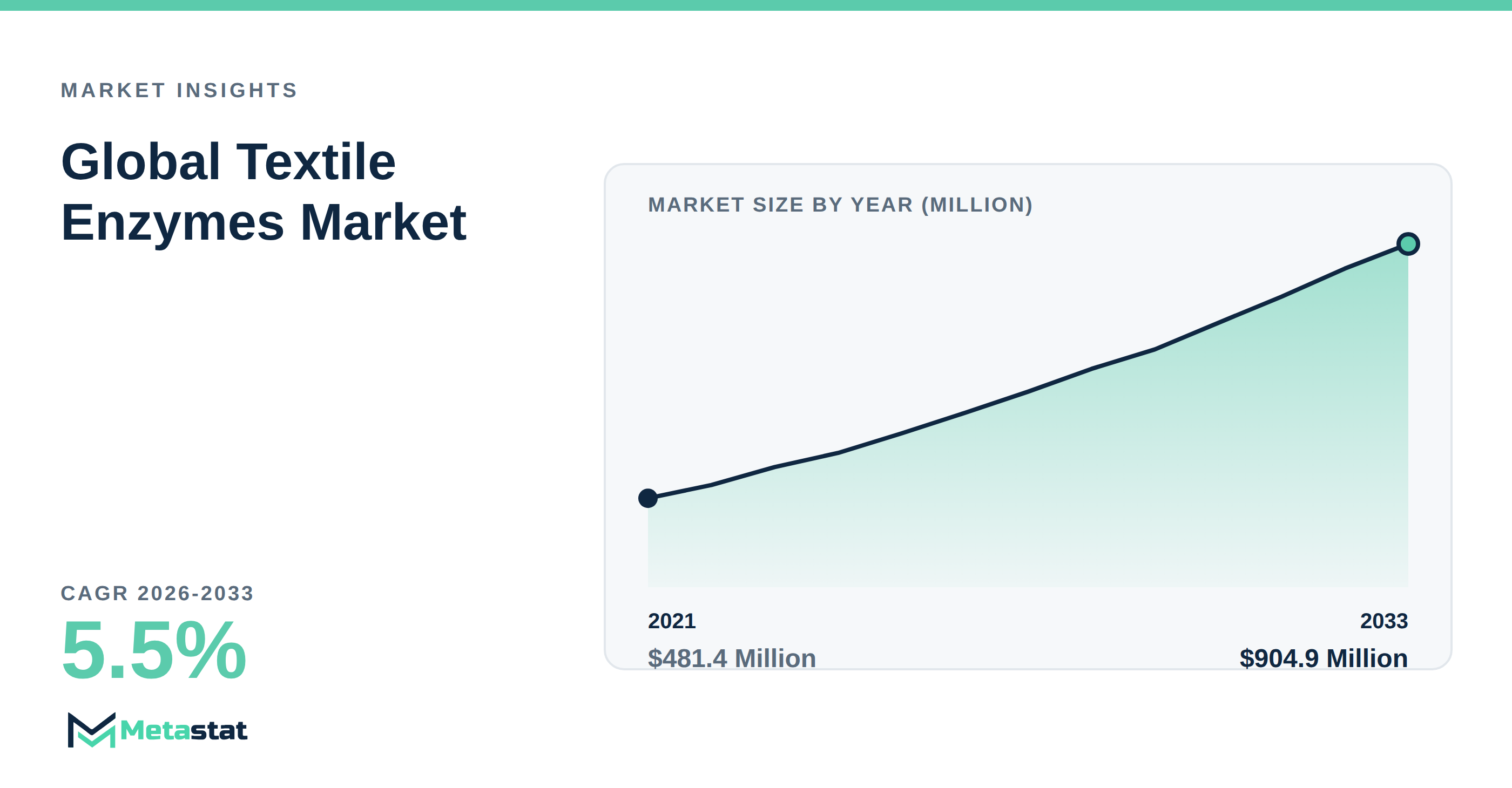
Manufacturers face increased scrutiny over their environmental impact, making the shift towards eco-friendly practices essential. The market for Textile Enzymes, which includes a range of enzymatic solutions, illustrates the necessity for sustainable textile processing methods. While buyers focus on immediate financial benefits, a deeper examination reveals that investing in these enzymes leads to long-term operational advantages that actively support sustainability goals.
One notable attribute of Textile Enzymes is their capacity to significantly lower water and energy consumption compared to traditional chemical processes. For example, the market for bio-polishing applications is set to rise from approximately USD 123.9 million in 2026 to around USD 194.2 million by 2033. This trend indicates a strong preference among manufacturers for solutions that enhance fabric quality while minimizing environmental impact.
Another common misunderstanding is that the market is driven solely by price considerations. Although cost is undoubtedly a vital factor, the growing consumer awareness surrounding sustainable textiles is fueling substantial demand for Textile Enzymes. For instance, the demand for cellulases is on track to reach an estimated USD 252.1 million by 2033, underlining their crucial role in textile treatment processes. The challenge exists in balancing the cost efficiency of these solutions with the broad-ranging environmental benefits they provide.
While performance remains a priority for buyers, many overlook regulatory compliance's critical role in procurement decisions. With countries implementing stricter environmental regulations, manufacturers are increasingly required to adopt advanced technologies that include enzymatic solutions. Those who align their operations with these regulations are better positioned to fulfill evolving market demands.
Examining competition within this sector reveals that companies including Novonesis and International Flavors & Fragrances (IFF) are centered on innovating formulations that cater to changing consumer needs. This strategic direction reflects a broader movement towards sustainable and responsible textile processing, wherein companies are competing not only on price but on the eco-friendliness of their solutions.
The growth of the cellulases segment, projected to rise significantly, indicates an enhanced focus on improving processing efficiencies through enzyme integration. As textile manufacturers become more aware of the benefits provided by these enzymes, the narrative shifts away from viewing them merely as cost-saving tools to recognizing their contribution to sustainable production practices.
Ultimately, the adoption of Textile Enzymes offers manufacturers a pathway to enhance their operational efficiency while actively engaging in environmental stewardship. The evolution of consumer preferences towards sustainable textiles has a profound impact on the demand for these enzymatic solutions. Understanding and addressing the misconceptions surrounding textile enzymes enables more informed decisions, fostering a culture of sustainability within the textile industry.
Tags
About the Authors

LEAD ANALYST
Utkarsh Khirodkar is a Lead Market Research Analyst at MetaStat Insight, specializing in market intelligence, technology sector assessments, and competitive strategy.

INDUSTRY CONSULTANT - CHEMICALS & ADVANCED MATERIALS
Chemicals and Materials · Machinery & Equipment · Packaging
Amit Gadhekar Consultant for Chemicals and Materials at MetaStat Insight, directing sector-specific intelligence, research, and strategic consulting across global chemical and processing markets.