
Explore the reasons behind the growing demand for bedding and garden plants in the floriculture market, driven by urbanization and sustainability.
Demand for bedding and garden plants is surging within the floriculture market, positioning this segment because a frontrunner compared to others. This category was valued at USD 22.8 billion in 2026 and is on track to rise to USD 33.2 billion by 2033, achieving a compound annual growth rate (CAGR) of 5.5%. Several key factors contribute to its increasing significance in the market.
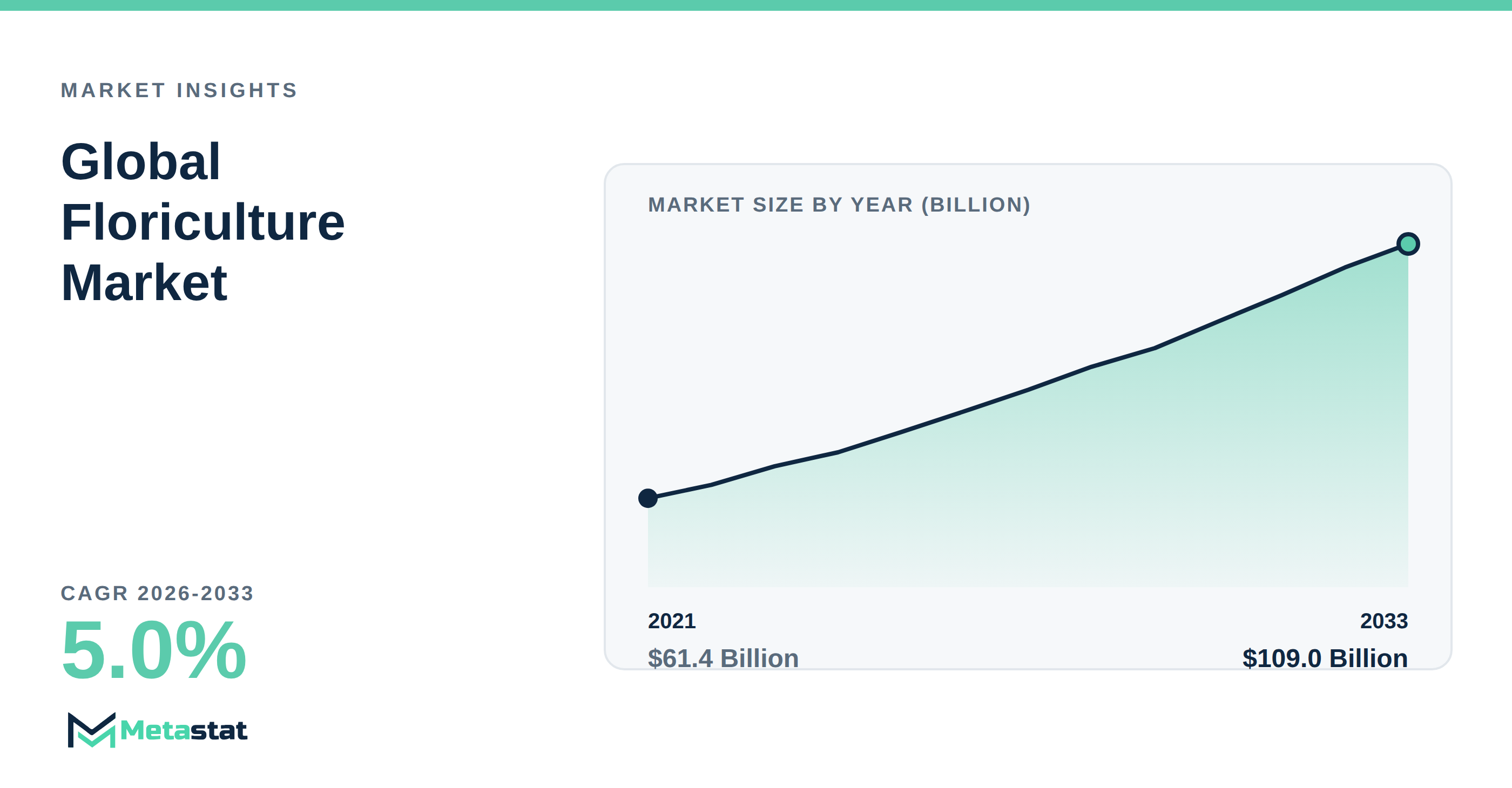
Urbanization significantly influences the rising popularity of bedding and garden plants. While more individuals move to urban areas, the need for greenery and outdoor beautification intensifies. Homeowners and city dwellers are increasingly investing in plants to enhance their living spaces. This shift towards gardening reflects a growing desire for aesthetic appeal and an improved quality of life.
Changing demographics further contribute to the heightened interest in gardening. Younger generations, particularly millennials, showcase a strong preference for sustainable and visually appealing environments. This demographic evolution drives demand for plants that not only beautify spaces but improve air quality. Retailers and suppliers are shifting their product lines to meet these evolving preferences, thereby enhancing product availability and fostering competition.
Increased awareness of environmental sustainability further bolsters demand within the bedding and garden plant segment. Consumers are becoming more ecologically conscious, actively seeking native and low-maintenance plant varieties that align with sustainable gardening practices. This trend inspires growers to innovate and focus on producing a diverse range of plant varieties that are disease-resistant and adaptable to urban settings, appealing to a wider audience.
Technological advancements in horticulture significantly enhance the growth potential of this segment. Innovative cultivation methods, including improved breeding techniques, result in increased growth rates and healthier plants. These advancements not only attract new customers but encourage existing ones to expand their selections, creating a ripple effect in consumption patterns. The application of technology in production helps tackle challenges related to resource consumption, aligning with sustainability objectives.
Strategic marketing and distribution efforts enhance the appeal of bedding and garden plants. Retailers implement promotional campaigns that emphasize the numerous benefits of gardening, from improved air quality to stress reduction. Increased accessibility through e-commerce platforms makes it easier for consumers to acquire these plants, propelling growth. This alignment with consumer demand creates a competitive advantage for suppliers focusing on this segment.
While the bedding and garden plants segment excels, other categories like potted flowering plants and cut flowers experience growth at varying rates. The potted flowering plants segment is anticipated to reach USD 25.1 billion by 2033, driven by similar growth factors but with a stronger focus on indoor aesthetics. The cut flowers segment, projected at USD 25.5 billion, faces challenges related to fluctuating raw material costs, making it less favorable compared to the more stable bedding and garden plants.
In conclusion, the bedding and garden plants segment is poised for significant growth driven by urbanization, demographic changes, sustainability trends, and technological advancements. This segment's strong appeal mirrors essential shifts in consumer preferences, highlighting the importance of aesthetics and eco-friendliness in gardening. Stakeholders in the floriculture market should recognize these trends and align their strategies to capitalize on the rising demand for bedding and garden plants.
The full analysis is in Global Floriculture Market.
Tags
About the Author

LEAD ANALYST
Utkarsh Khirodkar is a Lead Market Research Analyst at MetaStat Insight, specializing in market intelligence, technology sector assessments, and competitive strategy.