
Explore how the electronics and semiconductor manufacturing sectors drive demand for Gold-Based Industrial Materials, enhancing performance and reliability.
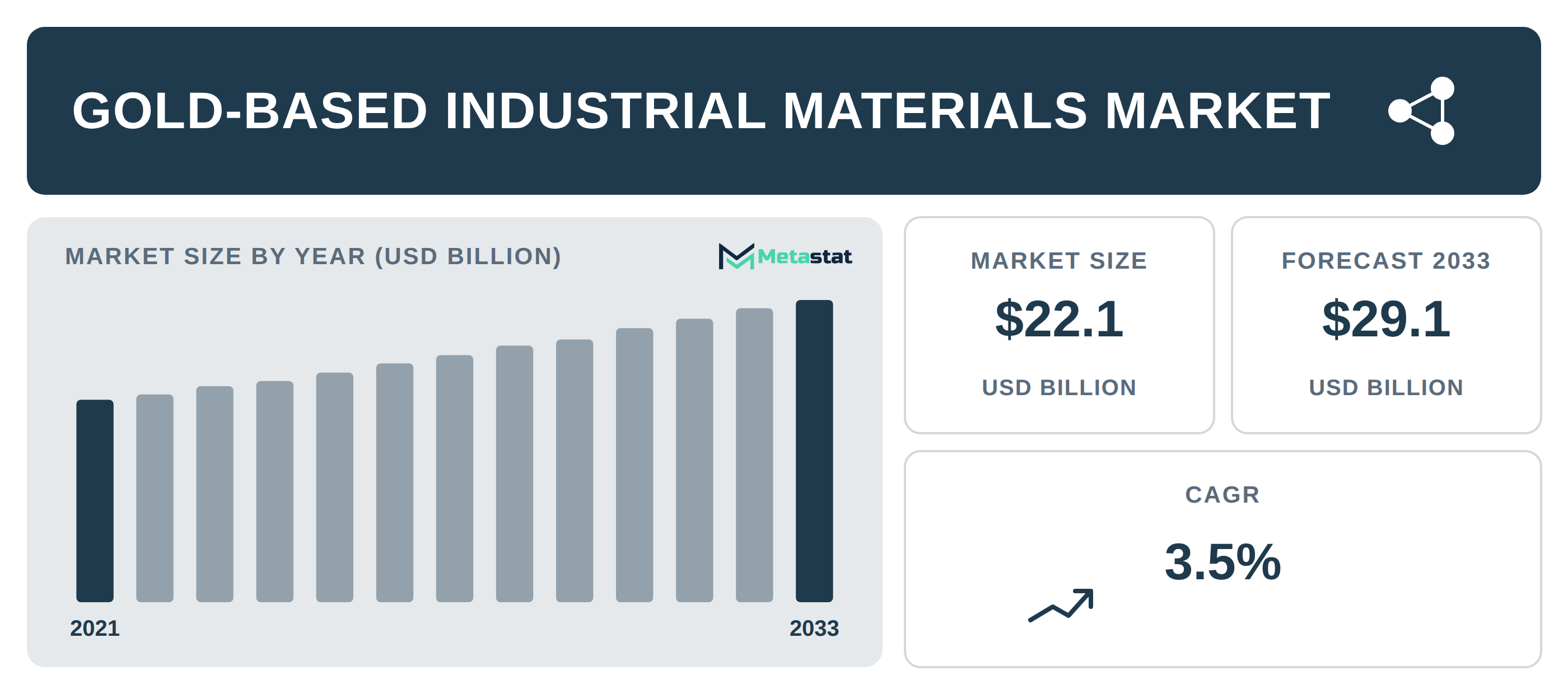
Electronics and semiconductor manufacturing is currently the largest segment in the market for Gold-Based Industrial Materials, which includes pure gold, gold alloys, and composites. This demand surge is largely driven by advancements in microelectronics and the increasing need for high-performance materials in compact device designs. The full figures are in our Gold-Based Industrial Materials market size and forecast report.
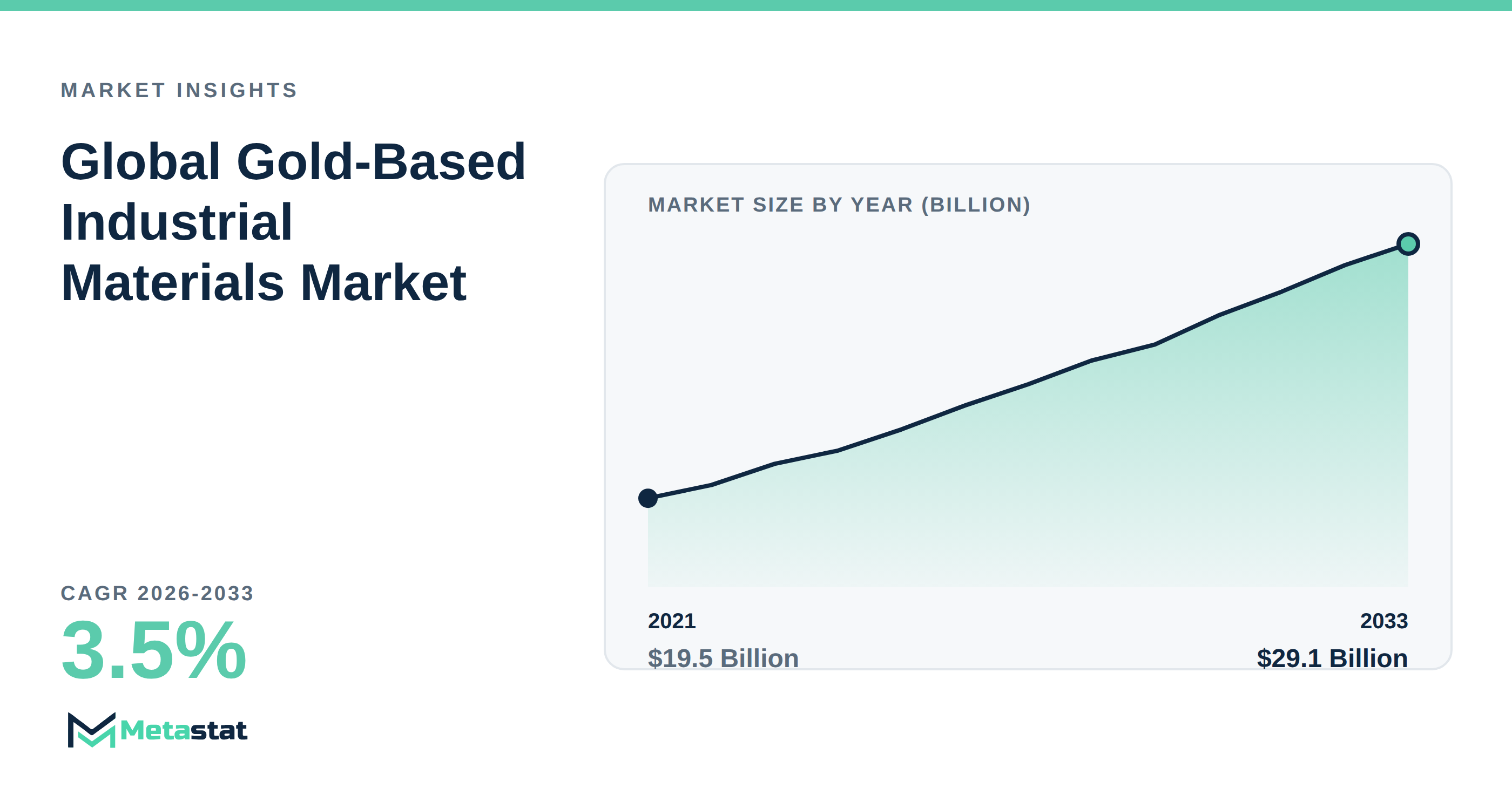
The electronics sector, expected to grow significantly, is poised to hit USD 19.3 billion by 2033. Manufacturers prioritize gold-based materials for their high conductivity and corrosion resistance. The trend towards miniaturization in devices, including smartphones, wearables, and medical equipment, has led to a rise in the usage of gold per unit, reflecting a broader emphasis on integrating advanced technology across various industries.
In pursuit of smaller yet more powerful devices, manufacturers face intensified competition to secure reliable sources of gold. The ongoing demand for essential components, including gold bonding wires and sputtering targets, is crucial for maintaining the performance and reliability of microelectronic assemblies. As device complexity and integration increase, so does the reliance on these critical gold materials.
Gold bonding wires, anticipated to be valued at USD 5.4 billion in 2026, are fundamental for interconnects in microelectronic applications. Despite facing competition from alternatives like copper and palladium-coated copper, manufacturers often justify the premium pricing for gold due to its superior attributes in high-reliability contexts. This competitive landscape emphasizes the need for suppliers to innovate while maintaining quality.
The volatility of gold prices has prompted manufacturers to implement thrifting strategies in electroplating applications. Procurement teams are negotiating contracts that include price adjustment clauses to mitigate risks associated with fluctuating costs. This adaptability showcases the market's resilience in response to economic pressures while maintaining a commitment to quality and performance standards.
Another noteworthy trend is the increasing utilization of gold nanoparticles, particularly in medical devices. With a projected market value of USD 2.2 billion by 2033, these advanced materials are favored for their exceptional biocompatibility and performance in diagnostic assays and biosensors. Manufacturers are shifting towards these innovative materials over traditional bulk gold to enhance detection speed and specificity.
Overall, the rising demand for Gold-Based Industrial Materials is closely linked to the rapid technological developments within electronics and semiconductor manufacturing. As industries emphasize reliability and performance, the preference for gold-based solutions is expected to strengthen, ensuring a promising future for this segment.
Tags
About the Authors

LEAD ANALYST
Utkarsh Khirodkar is a Lead Market Research Analyst at MetaStat Insight, specializing in market intelligence, technology sector assessments, and competitive strategy.

INDUSTRY CONSULTANT - CHEMICALS & ADVANCED MATERIALS
Chemicals and Materials · Machinery & Equipment · Packaging
Amit Gadhekar Consultant for Chemicals and Materials at MetaStat Insight, directing sector-specific intelligence, research, and strategic consulting across global chemical and processing markets.