
Hydroponics stands out in the Vertical Farming market as the fastest growing segment. Learn about the driving forces behind its growth and the challenges it faces.
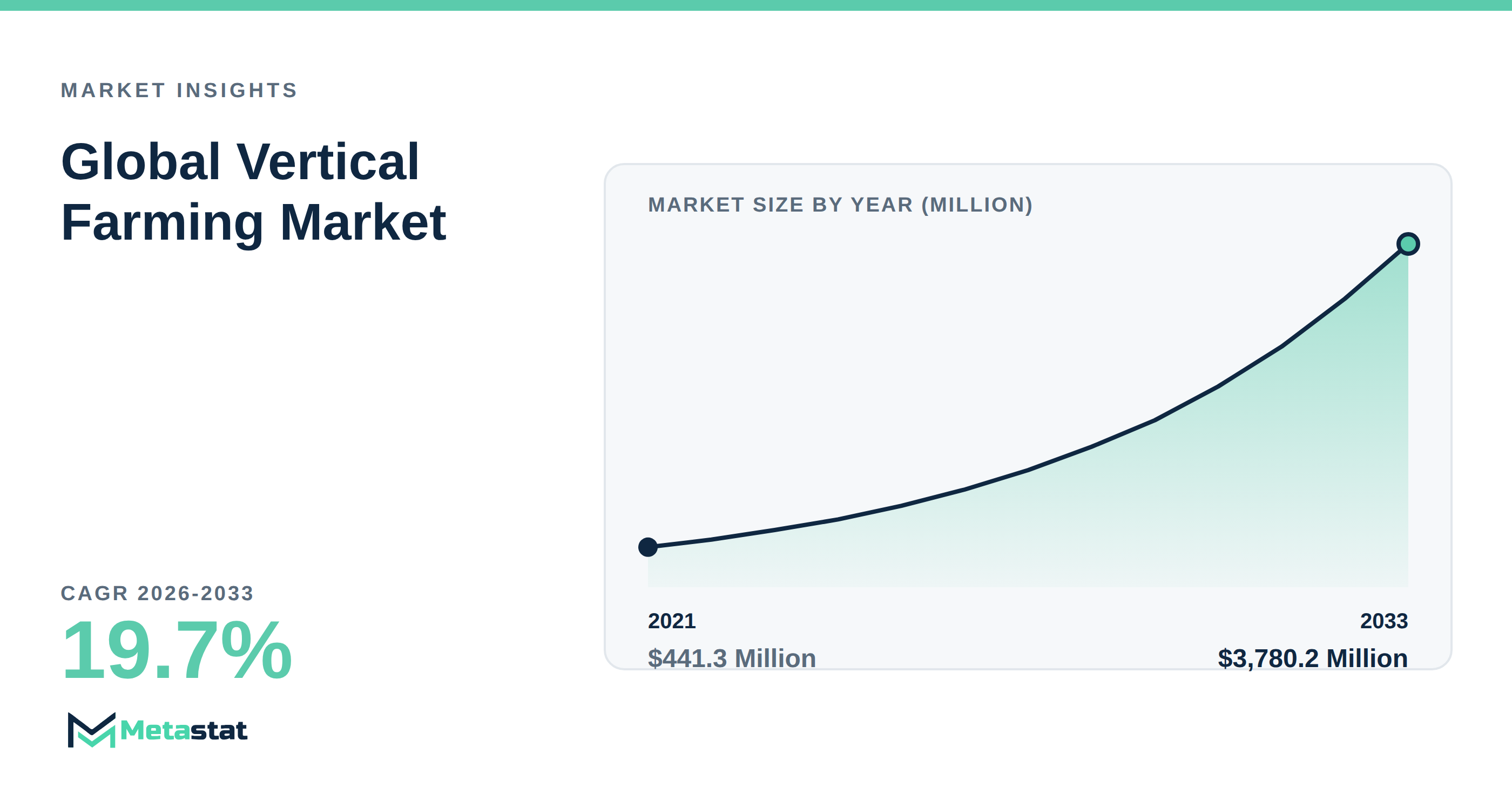
Hydroponics has emerged because the leading segment in the Vertical Farming market, exhibiting significant growth and substantial investment potential. This method of cultivation, which employs nutrient-rich water instead of soil for plant growth, has established itself because the preferred choice among urban farmers and commercial producers. The segment is anticipated to attain USD 2,085.2 million by 2033, growing at a robust annual growth rate of 19.1% during the forecast period. This significant expansion is driven by various factors that enhance the appeal of hydroponics in the evolving agricultural landscape.
What drives the growth of hydroponics?
Several key factors contribute to hydroponics outperforming other methods in the Vertical Farming market. The increasing global demand for sustainable agricultural practices is a crucial element. Urbanization has intensified the necessity for efficient food production methods, prompting cities to adopt solutions that maximize yields while minimizing resource consumption. Hydroponics effectively aligns with these objectives, enabling growers to produce food in densely populated regions with limited space.
Technological advancements further accelerate the growth of the hydroponics segment. Innovations in hydroponic equipment and systems have led to improved crop yields, reduced labor costs, and optimized resource usage. Commercial growers are increasingly investing in hydroponic technologies to enhance their production capabilities. These advancements create a compelling value proposition for hydroponics, making it an attractive option for urban farmers looking to capitalize on the growing market for fresh produce.
How does consumer demand influence market dynamics?
Consumer preferences significantly shape the hydroponics segment's performance. With a growing awareness of the environmental impact of traditional agriculture, consumers prioritize fresh, locally grown food. Hydroponic farming effectively addresses these demands, offering pesticide-free and nutritious options that appeal to health-conscious shoppers. The capability to provide fresh produce year-round, regardless of seasonal limitations, enhances hydroponics' attractiveness, reinforcing its strong position within the Vertical Farming market.
While consumers increasingly seek transparency in food sourcing, hydroponic farms offer insights into their cultivation methods and product origins. This transparency attracts eco-conscious shoppers who value sustainability, driving further investment in hydroponics. Retailers emphasize the sustainable nature of hydroponically grown products, enhancing their marketability in a competitive landscape.
What challenges does hydroponics face?
While the hydroponics segment demonstrates promising growth, it is not without challenges. High capital investment requirements present obstacles for smaller enterprises attempting to enter the market. Establishing hydroponic farms involves considerable initial expenditures for infrastructure, technology, and equipment. Rising energy costs associated with lighting and climate control systems complicate profitability for hydroponic growers. Operators actively pursue innovative energy-efficient solutions to manage these expenses while maintaining product quality, making strategic investment decisions critical.
Market participants navigate fluctuating raw material costs, impacting pricing volatility and profit margins. To remain competitive, hydroponic producers adapt to these financial pressures by embracing sustainable practices that optimize resource use while ensuring quality.
What are the future prospects for hydroponics in vertical farming?
Despite the challenges, the outlook for hydroponics in the Vertical Farming market remains positive. Ongoing advancements in technology, coupled with strong consumer demand for fresh, sustainable produce, enhance the segment's growth potential. The integration of smart farming technologies and Internet of Things (IoT) solutions improves efficiency and resource management, addressing market desires for sustainability.
Investment trends indicate a strong commitment to hydroponics, with venture capital and partnerships driving the development of innovative systems and solutions. This influx of capital not only supports technological advancements but contributes to the establishment of new hydroponic farms globally, positioning hydroponics because a vital player in the future of food production.
Hydroponics represents more than just a method of cultivation; it charts a viable path forward for sustainable agriculture in urban settings. The expected growth of the segment, projected to reach USD 2,085.2 million by 2033, highlights its significance within the broader Vertical Farming market. For those aiming to understand the full potential of hydroponics and its impact on agricultural practices, comprehensive insights are available in the Global Vertical Farming Market report.
Tags
About the Author

LEAD ANALYST
Utkarsh Khirodkar is a Lead Market Research Analyst at MetaStat Insight, specializing in market intelligence, technology sector assessments, and competitive strategy.