
LEAD ANALYST
Utkarsh Khirodkar is a Lead Market Research Analyst at MetaStat Insight, specializing in market intelligence, technology sector assessments, and competitive strategy.

Global Bone Graft Substitutes Market Size, Share, By Type (Mineralized Bone Allografts, Demineralized Bone Matrix, Cellular Bone Matrices, Synthetic Bone Graft Substitutes, Xenografts, Bone Morphogenetic Protein-Based Grafts and Peptide-Enhanced Bone Grafts), By Application (Spinal Fusion, Trauma and Long-Bone Repair, Joint Reconstruction, Dental Bone Grafting, Craniomaxillofacial Reconstruction, Foot and Ankle Fusion and Others (Bone Tumor Defect Filling, Pediatric Bone Defects)), By End-user (Hospitals, Ambulatory Surgical Centers, Orthopedic and Spine Clinics and Dental Clinics and Implant Centers), Industry Analysis, Growth, Trends, and Forecast, 2026-2033
Report ID
MSI-4838
Published
August, 2026
Pages
253 Pages
Format
Historical
Base year
Forecast
Forecast period
Report Details
Choose Your License
Global Bone Graft Substitutes Market
The global Bone Graft Substitutes market was valued at USD 3,308.9 million in 2025 and is projected to reach USD 5,275.6 million by 2033, growing at a CAGR of 6.0% over the forecast period.
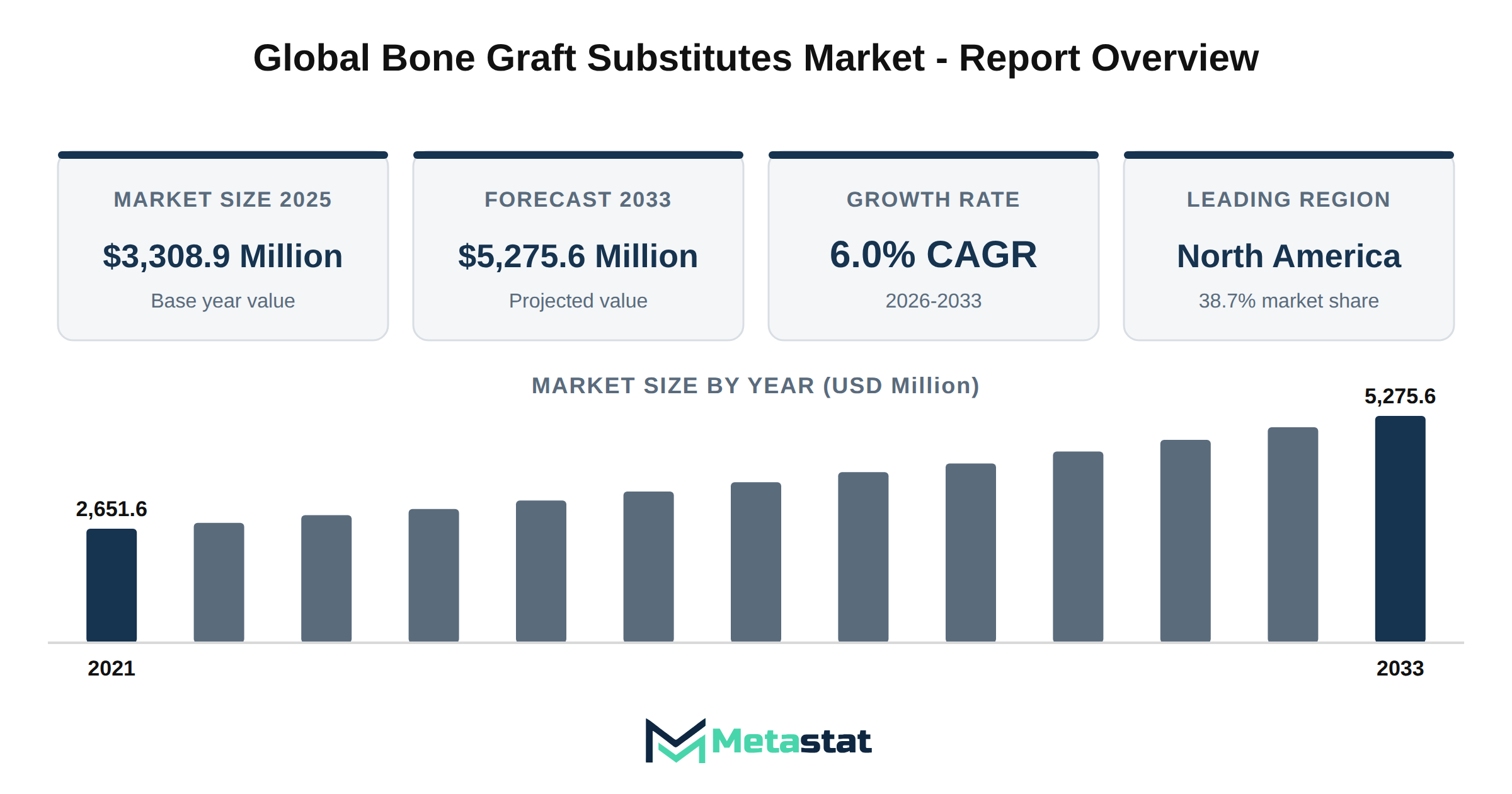
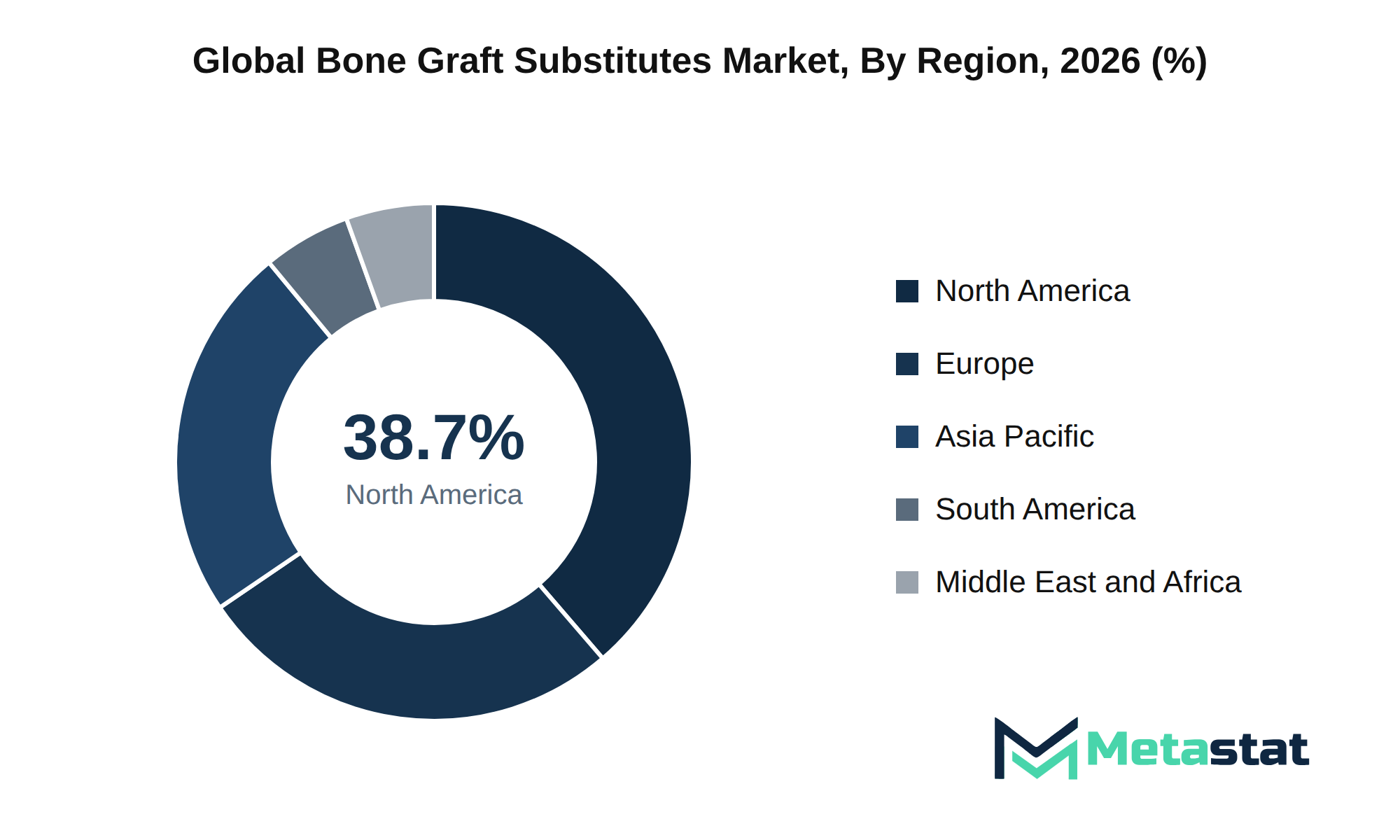
The Bone Graft Substitutes market demonstrates significant growth potential driven by advancements in medical technology and an increasing prevalence of orthopedic and dental procedures. North America holds 38.7% in 2025, with the United States leading the market share in 2026. The region benefits from a well-established healthcare infrastructure, high healthcare expenditure, and a growing aging population, which fuels demand for surgical interventions that require bone grafting solutions.
Europe follows closely with a market share of 26.8%, driven by rising adoption of innovative treatment options and increasing investments in research and development. The region's emphasis on regulatory compliance and high-quality healthcare standards creates an environment conducive to the growth of advanced bone graft substitutes. The Asia Pacific region, with a share of 23.5%, experiences rapid market expansion due to rising healthcare awareness, improving healthcare facilities, and a growing number of orthopedic surgeries.
Competitive dynamics within the market illustrate a fragmented landscape characterized by numerous players striving to capture market share through product innovation and strategic collaborations. Companies operating in the Bone Graft Substitutes market include Medtronic plc, Stryker Corporation, Johnson & Johnson MedTech, and Zimmer Biomet Holdings, Inc. These companies invest significantly in research and development to introduce next-generation products that address evolving market needs.
The ongoing trends towards sustainability and circular economy dynamics influence the market, with increasing emphasis on biocompatible materials and environmentally friendly manufacturing processes. Regulatory frameworks focused on ensuring safety and efficacy further shape the landscape, compelling manufacturers to align their offerings with stringent compliance requirements. These factors collectively drive innovation and enhance the competitive positioning of market participants.
Regulatory compliance significantly shapes the Bone Graft Substitutes market. Stringent regulations and standards govern the approval and use of these products, influencing market dynamics. Companies operating in this sector invest significantly in research and development to ensure compliance, which enhances product safety and efficacy. The focus on innovation drives competition among key players, allowing them to differentiate their offerings.
Geopolitical risk frameworks impact the supply chain and sourcing landscape. Regulatory changes and trade policies disrupt market operations, affecting the availability of raw materials and increasing costs. Manufacturers develop adaptive strategies to mitigate these risks, ensuring operational continuity and market stability. This adaptability supports growth in the Bone Graft Substitutes market.
Next-generation innovation is evident in the development of advanced materials and techniques for bone graft substitutes. Ongoing research into synthetic and cellular bone matrices has opened new avenues for treatment options, enhancing recovery rates and patient outcomes. These innovations attract investment and drive market expansion, positioning companies because leaders in technological advancements.
Sustainable transformation in the industry focuses on reducing environmental impact throughout the product lifecycle. Incorporating sustainable materials and practices aligns with consumer demand for eco-friendly solutions. Companies that adopt sustainable approaches enhance their brand reputation and market position, contributing to long-term growth in the Bone Graft Substitutes market.
The competitive landscape features a diverse array of players, each striving to capture market share through strategic partnerships, mergers, and acquisitions. Market fragmentation creates opportunities for new entrants and established companies to collaborate, driving innovation and enhancing product offerings. This dynamic environment promotes healthy competition, benefiting consumers through improved product choices.
Macroeconomic headwinds, including inflationary pressures and currency volatility, influence operational costs and pricing strategies. Companies navigate these challenges to maintain profitability while ensuring affordability for healthcare providers and patients. Strategic capital allocation is essential for sustaining growth and navigating the evolving economic landscape.
Infrastructure investments in healthcare facilities and advancements in surgical techniques support the demand for bone graft substitutes. Hospitals and surgical centers increasingly adopt innovative solutions to improve patient care, driving higher adoption rates. This trend emphasizes the importance of aligning product offerings with the evolving needs of healthcare providers and patients.
The future strategic outlook for the Bone Graft Substitutes market remains positive, with significant growth anticipated in the coming years. Companies that prioritize research, innovation, and adaptability will position themselves favorably to capitalize on emerging opportunities and meet the evolving demands of the healthcare sector.
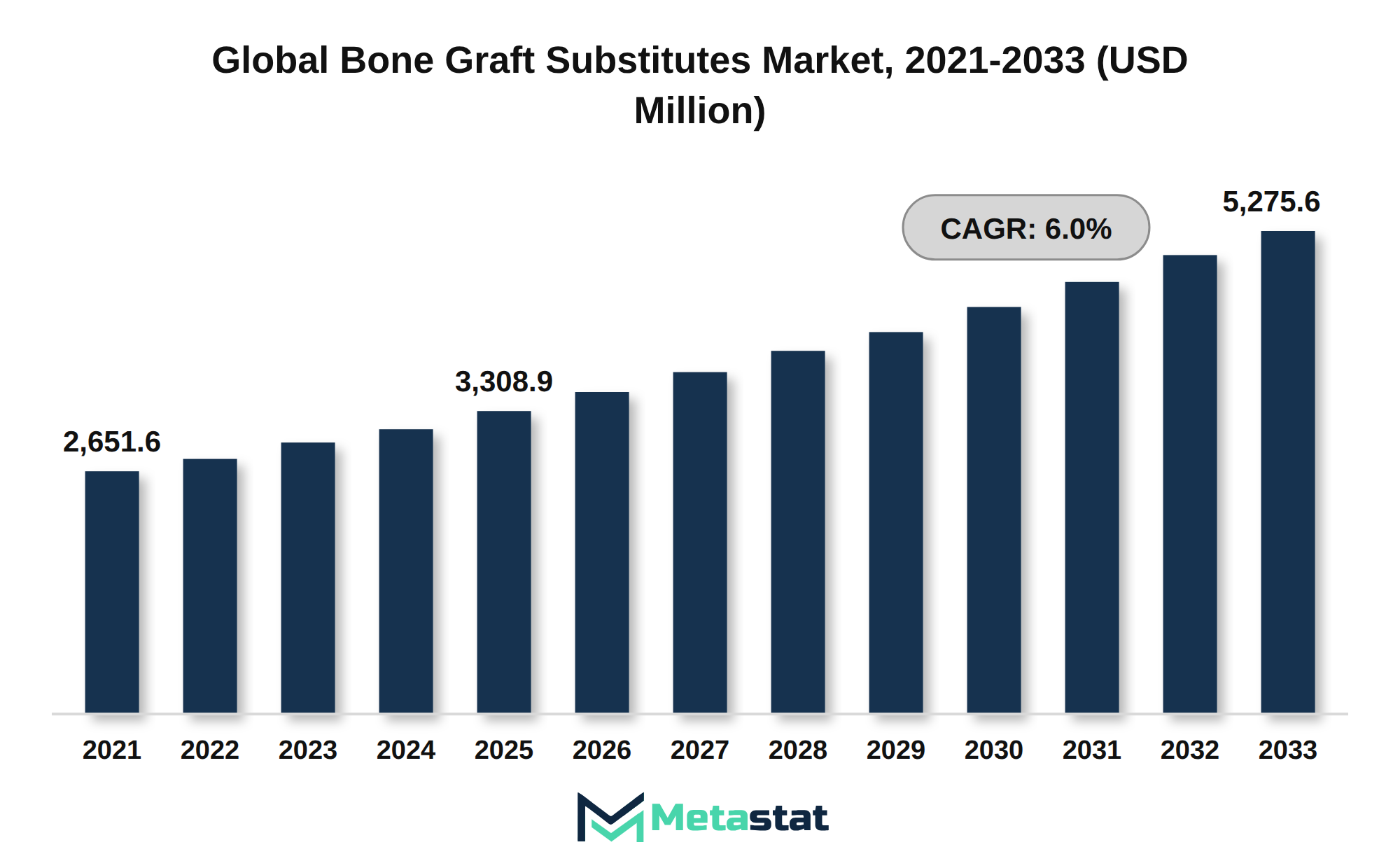
The global Bone Graft Substitutes market experiences substantial growth driven by increasing demand from aging populations. While the demographic profile shifts, the prevalence of orthopedic conditions rises, leading to greater surgical interventions. Aging individuals often require procedures including spinal fusions and joint reconstructions, which rely on advanced bone graft substitutes to facilitate healing and recovery.
Healthcare providers observe a higher incidence of conditions including osteoporosis, fractures, and degenerative diseases among older adults, contributing to increased adoption of bone graft substitutes. The expansion of healthcare infrastructure and advancements in surgical techniques enhance the accessibility of these treatments. Medical professionals incorporate innovative bone graft alternatives into standard practices, reinforcing market expansion.
The demand for products like synthetic bone graft substitutes is expected to accelerate, supported by their advantages in terms of biocompatibility and ease of use. Hospitals and surgical centers recognize these benefits, leading to a shift in preference towards advanced materials that improve patient outcomes. Overall, the growing aging population significantly influences market dynamics, increasing revenue potential for stakeholders in the bone graft substitutes sector.
The Bone Graft Substitutes market experiences growth fueled by heightened emphasis on operational productivity across healthcare facilities. Rising pressures to optimize labor and streamline processes influence various stakeholders, including hospitals and surgical centers. Efficient use of resources leads to reduced operational costs, allowing institutions to allocate funds toward innovative medical solutions, including bone graft substitutes.
Technological integration enhances operational productivity. Adoption of automation and advanced software systems facilitates faster surgical procedures and improves patient outcomes. Investment in these technologies allows healthcare providers to increase their service capacity while maintaining or reducing overhead costs. This trend is particularly evident in the adoption of digital tools that enhance workflow efficiency, ultimately benefiting the overall market.
Demographic shifts further support this growth. Aging populations and the corresponding increase in orthopedic procedures drive demand for effective surgical interventions. The need for more efficient and innovative solutions in addressing these demographic trends enhances the appeal of bone graft substitutes, which contribute significantly to improved patient care. Anticipated growth in the market highlights the importance of addressing these operational challenges through strategic investments and technology adoption.
The Bone Graft Substitutes market faces significant challenges owing to regulatory compliance hurdles. Stricter regulations regarding product safety, efficacy, and manufacturing processes increase the time and costs associated with bringing new products to market. This situation impacts manufacturers, particularly smaller firms that lack the resources to navigate complex regulatory environments, limiting their ability to compete effectively. The compliance landscape creates uncertainty, resulting in reduced investment in innovation and slowing the introduction of new technologies.
Market fragmentation presents another substantial restraint for the Bone Graft Substitutes market. A multitude of suppliers and varying product offerings lead to complications in achieving economies of scale, driving up production costs. Buyers face numerous options, making it challenging for suppliers to differentiate their products and establish strong market positions. Pricing pressure intensifies, impacting profit margins across the industry. This fragmentation delays the market's growth potential, resulting from resources spread thin among competing entities.
Inflationary pressures further contribute to operational constraints within the market. Rising costs for raw materials, labor, and logistics create a challenging environment for manufacturers. These pressures necessitate strategic pricing adjustments, which do not align with market expectations, potentially leading to reduced sales volume. Companies that succeed in managing these inflationary effects will likely gain a competitive edge. Many continue to struggle with maintaining profitability amid escalating costs.
Technological obsolescence poses a risk to existing products in the Bone Graft Substitutes market. Rapid advancements in medical technology render current offerings outdated, thereby necessitating continuous innovation and development. Suppliers that fail to adapt to emerging technologies experience declining market shares. Investment in research and development becomes crucial to remain competitive and meet evolving customer demands.
Geopolitical fragmentation introduces significant challenges for the Bone Graft Substitutes market. Increasingly complex trade relationships result in higher tariffs and trade deficits, impacting supply chain efficiency and product pricing. Fragmented geopolitical conditions complicate the sourcing of materials and components, leading to increased lead times and costs for manufacturers. These challenges hinder suppliers' ability to deliver consistent product offerings, influencing market competitiveness.
Technological disruptions present additional hurdles, particularly in research and development (R&D) integration. Companies face difficulties aligning innovative processes with existing operational frameworks, leading to inefficiencies in product development timelines. This challenge affects various market segments. Investment in new technologies is essential to maintain competitiveness against emerging alternatives.
Rising input cost structures exert further pressure on profit margins, compelling manufacturers to find ways to optimize production without sacrificing quality. Increased energy costs and raw material volatility impact overall pricing strategies, resulting in tighter margins for businesses. The ongoing challenge of balancing quality and affordability influences purchasing decisions across end-user segments, limiting growth potential.
Workforce skill gaps hinder the industry's ability to innovate and adapt to changing market demands. Advanced technologies become more prevalent, requiring skilled personnel capable of integrating these technologies effectively. Challenges in talent retention and ongoing training efforts complicate workforce management, impacting operational efficiency.
Environmental sustainability remains a focal point for market participants. Decarbonization mandates and sustainability demands shape production methods. Companies face the task of reducing their environmental footprints while adhering to tightening global regulatory standards. This dual focus on sustainability and compliance creates additional pressures on operational frameworks, influencing strategic planning and investment decisions across the market.
The Bone Graft Substitutes market experiences significant opportunities driven by emerging regional demands and technological advancements. Rapid urbanization, increasing healthcare access, and a growing focus on advanced surgical techniques contribute to heightened demand across various regions. Geographic expansion aligns with healthcare infrastructure modernization in developing economies, enhancing access to innovative medical solutions.
Technological disruptions and digital transformation facilitate the integration of next-generation innovations in bone graft substitutes. The surge in research and development efforts leads to the introduction of advanced materials and methodologies, attracting investment from both established players and new entrants. Sustainable practices appeal to environmentally conscious consumers, promoting green transformations in product development.
Strategic consolidation and cross-industry collaborations enhance market dynamics. These partnerships enable firms to diversify their offerings and expand into niche applications, thereby capturing a broader customer base. Evolving buying behaviors emphasize digital procurement shifts, compelling suppliers to adapt to new commercial models that align with consumer expectations.
Supply chain localization and strategic buffering mechanisms address challenges posed by global disruptions. These strategies ensure a steady supply of materials while minimizing dependency on external sources. The focus on asset life-cycle extensions and maintenance upgrades promotes operational efficiency, optimizing yield and profitability across the value chain. This combination of strategies supports the market's resilience and adaptability in a changing environment.
The combination of these factors positions the Bone Graft Substitutes market for sustained growth, with projections indicating the market value is projected to reach USD 5,275.6 million by 2033, reflecting a compound annual growth rate of 6%. This trajectory highlights the potential for significant advancements and profitability opportunities within the sector.
The Global Bone Graft Substitutes market is segmented based on Type, Application, End-user, and undefined.
Valued at USD 811.9 million in 2026, the Mineralized Bone Allografts segment is projected to reach USD 1,122.1 million by 2033, reflecting a CAGR of 4.7% during the forecast period. Multiple factors drive demand for mineralized bone allografts, including the rising incidence of orthopedic surgeries and the increasing preference for minimally invasive procedures. These allografts offer significant advantages, including enhanced biocompatibility and osteoconductive properties, leading to their growing acceptance across various surgical applications.
Adoption of mineralized bone allografts is further supported by technological advancements in processing and preservation techniques. Innovations facilitate improvements in product quality and shelf life, making these allografts a more viable option for healthcare providers. The demand for these products in spinal fusion, trauma repair, and joint reconstruction highlights the versatility and efficacy of mineralized bone allografts, contributing to their market expansion.
Regulatory compliance and certification standards play a crucial role in determining market dynamics. Manufacturers focus on obtaining necessary approvals to ensure safety and efficacy, which enhances market credibility. Cost structures and pricing volatility exert influence, with fluctuations in raw material costs affecting profit margins. Strategic investments in research and development remain essential for companies aiming to capture market share and address evolving consumer needs.
Market participants including Medtronic plc, Stryker Corporation, and Johnson & Johnson MedTech focus on product innovation and expansion. Their investments in next-generation upgrades and product evolution support the competitive landscape, positioning them favorably within the Bone Graft Substitutes market. Continued emphasis on supply chain resilience and raw material sourcing strategies will enhance operational capabilities and mitigate potential disruptions, ensuring sustained growth for the mineralized bone allografts segment.
Growth within the Demineralized Bone Matrix segment of the Bone Graft Substitutes market reflects a significant market tendency towards biocompatible materials that support bone regeneration. Increasing surgical procedures, particularly in orthopedics and dental applications, drive demand for effective grafting solutions. Technological advancements in the processing of demineralized bone matrices improve their performance, enhancing their appeal among healthcare providers.
The segment is estimated to reach USD 890.5 million by 2033, at a CAGR of 5.2% during the forecast period. This growth results from the increasing acceptance of demineralized bone matrices in spinal fusion, trauma repair, and joint reconstruction procedures. Surgeons favor these products due to their superior osteoconductive properties and reduced risk of disease transmission compared to allografts.
Consumption shifts towards minimally invasive surgical procedures contribute to the growth of this segment. Hospitals and surgical centers increasingly adopt these technologies, aligning with trends in patient care that prioritize recovery times and surgical efficacy. Regulatory compliance and approval from health authorities ensure quality, building confidence in the use of demineralized bone matrices.
Price volatility within the raw material sourcing for demineralized bone matrices affects cost structures, necessitating strategic planning from manufacturers. Market players investing in supply chain resilience strengthen their competitive positions by securing reliable sources of raw materials. The segment anticipates opportunities for expansion due to innovative product developments and enhancements that address evolving clinical needs.
Significant growth in the Cellular Bone Matrices segment is driven by increasing acceptance in complex orthopedic procedures. This acceptance stems from advancements in product formulations and enhanced biological performance. Surgeons and healthcare facilities express strong preference towards these matrices due to their proven efficacy and the ability to support bone regeneration in challenging scenarios.
Investment in research and development drives innovation within the Cellular Bone Matrices segment. Emerging technologies enhance product characteristics, which leads to improved adoption rates among orthopedic specialists. The segment's evolution focuses on delivering tailored solutions that meet specific surgical needs, thereby expanding its market presence.
Increased focus on regulatory compliance and certifications strengthens market confidence in Cellular Bone Matrices. Meeting stringent quality standards builds trust among healthcare providers, encouraging greater utilization in surgical applications. This compliance landscape acts because a catalyst for market growth, promoting the segment's integration into various clinical settings.
Cost structures and pricing volatility present challenges within the segment, impacting procurement strategies for healthcare facilities. Manufacturers face margin pressures because they balance innovation with affordability, forcing them to seek cost-effective raw materials without compromising quality. These dynamics shape competitive strategies, influencing market positioning.
The Cellular Bone Matrices segment is expected to reach USD 713.8 million by 2033, highlighting the robust demand trajectory. This forecast reflects the growing importance of advanced bone graft substitutes in enhancing patient outcomes, indicating a strong commercial potential within the broader Bone Graft Substitutes market.
Significant expansion in the Synthetic Bone Graft Substitutes segment is projected to grow at a CAGR of 7.1% during the forecast period. This growth results from the increasing prevalence of orthopedic surgeries and the rising demand for advanced surgical procedures. Technological advancements drive the development of innovative synthetic materials that enhance the performance of these substitutes, meeting the needs of healthcare providers and patients.
Increased adoption of minimally invasive procedures drives demand for synthetic solutions. These materials offer favorable properties, including biocompatibility and ease of use. The expanding application of synthetic substitutes in spinal fusion, trauma, and joint reconstruction supports this trend, leading to broader market acceptance.
Regulatory compliance standards influence market growth, compelling manufacturers to enhance product safety and effectiveness. Ongoing research and development efforts emphasize next-generation upgrades, focusing on improving material properties and patient outcomes. Investment in synthetic bone graft substitutes represents a strategic opportunity for players aiming to capture emerging market needs.
Supply chain resilience and raw material sourcing strategies become crucial. Market players navigate potential disruptions effectively. This segment's growth reflects a broader industry trend towards innovative solutions that address current demand while anticipating future needs in various surgical applications. The Bone Graft Substitutes market stands to benefit significantly from these dynamics, establishing a robust foundation for continued growth in the years to come.
Xenografts represent a significant category within the Bone Graft Substitutes market, driven by various factors. Demand stems from the increasing prevalence of orthopedic and dental surgeries, where these alternatives offer a suitable solution for bone regeneration. The acceptance of xenografts finds its roots in their compatibility with human tissue, enhancing healing processes in patients.
Technological maturation plays a critical role in the advancement of xenografts, leading to the development of more refined products with improved performance characteristics. Manufacturers invest in research and development to create next-generation xenografts that deliver superior outcomes, positioning themselves competitively within the market. Continuous innovation drives product evolution, addressing the dynamic needs of healthcare providers and patients.
In terms of end-use dynamics, hospitals and surgical centers increasingly adopt xenografts due to their reliability and effectiveness in complex procedures. Compliance with regulatory standards ensures the safety and efficacy of these products, building greater trust among practitioners. The impact of policy headwinds, including stricter regulations, influences the approval process and shapes market entry strategies for new players.
Cost structures and pricing volatility challenge manufacturers, requiring them to maintain competitive pricing while ensuring product quality. Margin pressures affect profitability, compelling companies to develop streamlined supply chains and optimize raw material sourcing. Supply chain resilience remains vital for maintaining consistent product availability, which is crucial in meeting the growing demand for xenografts.
Substitution risks exist, where alternative materials or techniques could replace xenografts, prompting ongoing vigilance among manufacturers. Disruptive alternatives emerge, necessitating strategic opportunity analysis to identify gaps in the market. Companies that successfully navigate these challenges benefit from enhanced market positioning and increased capital investment in this evolving environment.
Growth in the Bone Morphogenetic Protein-Based Grafts segment stems from increasing demand for advanced surgical solutions in orthopedic and spinal procedures. Surgeons and healthcare providers prioritize these grafts due to their ability to promote bone healing and regeneration, addressing a critical need in patient care. Factors influencing adoption include technological advancements that enhance the effectiveness and safety of these products, leading to broader acceptance among medical professionals.
Segment expansion benefits from ongoing research and development activities aimed at improving the performance of bone morphogenetic proteins. Innovations in formulation and delivery methods contribute to greater efficacy and patient outcomes. This progress attracts investment from key players in the Bone Graft Substitutes market, creating a competitive environment where companies strive to introduce next-generation products.
Regulatory compliance shapes market dynamics. Stringent regulations ensure the safety and effectiveness of bone morphogenetic protein-based grafts, which create barriers for entry but simultaneously enhance consumer confidence in these products. Certifications from regulatory bodies establish a framework that builds market trust, encouraging healthcare providers to choose these advanced grafts over traditional options.
Pricing volatility impacts the financial performance of suppliers and manufacturers within this segment. Fluctuations in raw material costs and research expenditures contribute to margin pressures, forcing companies to adopt strategies that optimize production without compromising product quality. Effective cost management becomes essential for maintaining competitiveness in the Bone Graft Substitutes market.
Strategic opportunity windows arise owing to healthcare systems increasingly seeking to improve patient outcomes through innovative therapies. Targeted marketing strategies and collaborations with healthcare institutions facilitate the introduction of bone morphogenetic protein-based grafts in various surgical applications. This proactive approach positions manufacturers favorably in a changing healthcare environment.
Advancements in peptide-enhanced bone grafts reflect a significant trend within the Bone Graft Substitutes market. The integration of peptides into bone graft materials enhances osteoinductive properties, promoting better healing and integration within the host bone. This innovation attracts substantial interest from orthopedic and dental surgeons seeking improved patient outcomes.
Growing demand for effective and reliable bone grafting solutions drives the adoption of peptide-enhanced products. Surgeons and healthcare providers recognize the benefits of these advanced materials, particularly in complex procedures including spinal fusion and joint reconstruction. An increasing prevalence of orthopedic injuries and conditions requiring surgical intervention supports the expansion of this sub-segment.
Technological maturation plays a critical role in the development of peptide-enhanced bone grafts. Research and development efforts focus on optimizing peptide formulations and improving delivery mechanisms, which contribute to enhanced performance. Manufacturers actively invest in next-generation upgrades to remain competitive in a changing market.
Regulatory compliance and certification requirements remain essential for the acceptance of peptide-enhanced bone grafts. Adhering to stringent regulatory standards ensures product safety and efficacy, building trust among healthcare professionals. Compliance with international guidelines facilitates market entry and expansion in regions with rigorous regulatory environments.
Pricing volatility and margin pressures impact the affordability of peptide-enhanced solutions. Manufacturers carefully strategize pricing models to balance cost structures while maintaining competitive positions in the market. Supply chain resilience influences the availability of raw materials necessary for production, thereby affecting product pricing and market dynamics.
Strategic opportunity windows exist for companies operating in this segment. Identifying white-space analysis and unmet needs within specific patient populations leads to targeted product development. Continuous innovation and adaptation to emerging trends enhance the growth trajectory of peptide-enhanced bone grafts within the broader Bone Graft Substitutes market.
Growth within the Spinal Fusion application segment of the Bone Graft Substitutes market stems from an increasing incidence of spinal disorders and a rising elderly population. The segment is valued at USD 1,321 million in 2026 and is projected to reach USD 1,890.2 million by 2033, at a CAGR of 5.3% during the forecast period. Enhanced surgical techniques and the development of advanced biomaterials significantly contribute to market expansion. Technological advancements in spinal surgery, including minimally invasive procedures, boost the adoption of bone graft substitutes, providing better patient outcomes and shorter recovery times.
Market participants actively invest in research and development to innovate products tailored for spinal fusion procedures. The introduction of next-generation grafts and improved delivery systems plays a critical role in addressing specific clinical needs, enhancing the efficacy of spinal fusions. Regulatory compliance and certification processes for new materials further drive market dynamics, ensuring that products meet stringent safety and effectiveness standards.
Pricing volatility of raw materials influences the market, prompting manufacturers to optimize their supply chains and seek cost-effective sourcing strategies. The resilience of supply chains becomes essential in mitigating risks associated with material shortages, ensuring a steady supply of bone graft substitutes. Strategic opportunities arise from companies exploring partnerships and collaborations to enhance their product offerings and expand their market reach.
Demand for the Trauma and Long-Bone Repair segment of the Bone Graft Substitutes market experiences growth driven by increasing incidences of bone fractures and traumatic injuries. The rise in sports activities and related injuries, along with an aging population susceptible to osteoporosis, significantly influences market expansion. Healthcare providers increasingly adopt advanced bone graft substitutes due to their effectiveness in promoting healing and reducing recovery times, enhancing patient outcomes.
Technological advancements in material science and surgical techniques further support segment growth. Innovations in synthetic bone grafts and improved surgical methodologies facilitate better integration and stability during recovery. The market anticipates reaching USD 938 million by 2033, at a CAGR of 5.8% during the forecast period. This growth trajectory reflects the increasing reliance on effective solutions for trauma and long-bone repair.
Regulatory compliance standards and certifications drive manufacturers to enhance product quality, ensuring safety and efficacy in clinical applications. Ongoing investments in research and development enable companies to introduce next-generation upgrades, addressing evolving consumer needs and preferences. The competitive landscape of the market intensifies owing to key players, including Medtronic plc, Stryker Corporation, and Zimmer Biomet Holdings, Inc., striving to capture market share through innovative product offerings and strategic partnerships.
Shifts in end-user dynamics highlight the growing preference for outpatient procedures, leading to a rise in demand for bone graft substitutes in ambulatory surgical centers. This trend reflects a broader movement towards minimally invasive surgical techniques, which are associated with shorter recovery times and reduced hospital stays. The Trauma and Long-Bone Repair segment stands to benefit from these developments, strengthening its position within the overall Bone Graft Substitutes market.
Joint reconstruction represents a critical area within the Bone Graft Substitutes market, with increasing surgical procedures driving demand for effective solutions. Factors including an aging population and the rising prevalence of joint-related disorders significantly contribute to the segment's growth. Enhanced surgical techniques and advancements in biomaterials support the adoption of bone graft substitutes, aiding recovery and improving patient outcomes. Innovations in product development, including synthetic and cellular options, offer improved integration and healing properties, further boosting market interest. The segment is projected to reach USD 719.1 million by 2033, reflecting a strong trajectory for investment and expansion within this application. Increased healthcare expenditure and technological advancements within the orthopedic field play vital roles in shaping demand dynamics and competitive strategies among market participants.
Growth within the Dental Bone Grafting application reflects several factors influencing the market. An increase in dental procedures, including implants and restorations, drives demand. More individuals seek functional and aesthetic improvements. Advances in biomaterials and surgical techniques enhance the success rates of dental interventions, encouraging practitioners to adopt bone graft substitutes in routine procedures. The growth rate of 8.1% CAGR during the forecast period signifies robust interest and investment in this sector.
Regulatory compliance standards and certifications for dental materials support market expansion. These standards ensure products meet safety and efficacy requirements. Continued development of innovative grafting materials, including synthetic substitutes and cellular matrices, contributes to adoption among dental professionals. The demand for effective solutions for bone loss resulting from periodontal disease or injury further influences the demand for bone graft substitutes in dental applications.
Investment in research and development by key market players enhances product offerings, driving competition and innovation. Industry players including Medtronic plc, Stryker Corporation, and Johnson & Johnson MedTech actively pursue next-gen upgrades, focusing on improved performance and patient outcomes. These advancements create strategic opportunities for stakeholders within the Bone Graft Substitutes market, positioning them favorably in a growing industry.
Craniomaxillofacial Reconstruction represents a vital application within the Bone Graft Substitutes market, driven by increasing incidences of craniofacial deformities and trauma cases requiring surgical intervention. The demand for innovative and effective bone graft substitutes in this area rises owing to advancements in surgical techniques and enhanced material properties, which facilitate better integration and healing outcomes.
Technological maturation in material sciences contributes significantly to the expansion of this sub-segment. Enhanced biocompatibility and structural integrity of bone graft materials ensure better performance, leading to improved patient outcomes. Next-generation upgrades, including 3D-printed scaffolds and bioactive materials, present strategic opportunities for manufacturers aiming to capture a larger share of the market.
Downstream applications in craniomaxillofacial reconstruction often involve complex procedures requiring precise grafting solutions. Regulatory compliance standards governing the safety and efficacy of these products influence market dynamics, with manufacturers focusing on obtaining necessary certifications to enhance their market position. Consumption shifts towards synthetic and cellular bone graft substitutes reflect evolving preferences among surgeons and healthcare professionals.
Market players navigate cost structures and pricing volatility effectively to maintain competitiveness. Margin pressures arise from the need for continuous innovation and compliance with changing regulations. Strategic investment in research and development remains crucial for capitalizing on emerging trends and addressing challenges inherent to this specialized market segment.
Foot and ankle fusion represents a vital application within the Bone Graft Substitutes market, driven by increasing rates of orthopedic surgeries and an aging population. The rising prevalence of foot and ankle disorders, including arthritis and injuries, has heightened demand for effective surgical solutions. Technological maturation enhances the performance of bone graft substitutes, leading to improved patient outcomes and faster recovery times. Next-generation upgrades in product formulations, including bioactive compounds and advanced scaffolding materials, support more effective healing processes.
End-use dynamics within orthopedic clinics and hospitals fuel a shift towards innovative surgical techniques, creating opportunities for market participants to develop specialized solutions tailored for foot and ankle procedures. Regulatory compliance standards continue to evolve, influencing product development and ensuring safety and efficacy in new offerings. Pricing volatility and margin pressures arise from fluctuations in raw material costs and the competitive landscape, challenging manufacturers to optimize operations for sustainability.
Supply chain resilience is essential for maintaining consistent product availability, while logistics vulnerabilities impact timely delivery to healthcare providers. Shifts in consumption patterns towards minimally invasive procedures create strategic opportunity windows for manufacturers to introduce disruptive alternatives that enhance patient care. Strategic investments in research and development facilitate the continual evolution of products, aligning with the growing demand for bone graft substitutes in specialized applications including foot and ankle fusion.
In the Bone Graft Substitutes market, the Others segment, which includes Bone Tumor Defect Filling and Pediatric Bone Defects, experiences growth driven by an increasing prevalence of bone tumors and pediatric orthopedic conditions. Rising incidence of these conditions necessitates innovative solutions for effective treatment, enhancing patient outcomes and improving quality of life.
Advancements in biomaterials and surgical techniques support segment expansion, with trends showing a shift towards less invasive procedures and the use of biocompatible materials. This shift aligns with the demand for safer and more efficient treatment options, appealing to both healthcare providers and patients. Emphasis on personalized medicine further encourages the adoption of tailored solutions for specific patient needs, particularly in pediatric applications.
Regulatory compliance standards surrounding biomaterials and surgical practices present both challenges and opportunities within this segment. Companies focusing on obtaining necessary certifications enhance their market positioning, ensuring that their products meet safety and efficacy requirements. This regulatory landscape influences product development strategies, with increased investments in research and development aimed at achieving compliance and driving innovation.
Strategic opportunities arise from the need for specialized products catering to unique anatomical and physiological considerations in pediatric patients, where conventional graft substitutes do not suffice. Manufacturers focusing on this niche capitalize on unmet needs and differentiate their offerings within the competitive environment. Overall, the Others segment reflects a dynamic area within the Bone Graft Substitutes market, influenced by evolving patient demographics and technological advancements.
Valued at USD 1,880.7 million in 2026, the Hospitals segment is projected to reach USD 2,718.5 million by 2033, achieving a CAGR of 5.4% during the forecast period. Growth within this segment results from an increasing number of surgical procedures and a rising prevalence of orthopedic disorders, driving demand for effective bone grafting solutions. Hospitals play a crucial role in the patient care continuum, requiring reliable and innovative products to enhance surgical outcomes.
The adoption of advanced technologies in hospitals fuels the growth of the Bone Graft Substitutes market. Surgeons increasingly prefer minimally invasive techniques, which contribute to a greater focus on biocompatible materials that promote faster healing and reduced complication rates. This trend necessitates continuous investment in next-generation upgrades and product evolution, ensuring that hospitals remain competitive in the healthcare sector.
Regulatory compliance standards significantly influence product selection within hospitals. Adherence to stringent regulations regarding medical device safety and efficacy compels suppliers to maintain high-quality standards. Hospitals prioritize partnerships with manufacturers that demonstrate a commitment to compliance, thus establishing long-term relationships that enhance supply chain resilience.
Cost structures and pricing volatility impact purchasing decisions in hospitals. Budget constraints require careful negotiation with suppliers to secure favorable pricing while maintaining product quality. Effective cost management strategies directly influence hospitals' ability to invest in the latest bone graft substitutes, positioning them for sustained growth in a competitive market.
The ongoing evolution of the healthcare environment, marked by shifts in consumption patterns and patient expectations, further drives demand within the Hospitals segment. Increasing patient awareness and the push for improved healthcare outcomes compel hospitals to integrate innovative solutions, making ongoing capital investment essential for future success in the Bone Graft Substitutes market.
Ambulatory Surgical Centers exhibit significant growth potential within the Bone Graft Substitutes market, driven by an increase in outpatient procedures and a rising preference for minimally invasive surgeries. Demand for bone graft substitutes in these centers is influenced by advancements in surgical techniques and technologies that enhance patient outcomes and reduce recovery times. The growing prevalence of orthopedic and spinal disorders contributes to the rising application of these substitutes, further boosting market expansion.
Technological maturation in bone graft products leads to the development of next-generation substitutes, which significantly improve efficacy and safety. This evolution attracts a wider array of healthcare facilities, creating opportunities for investment and innovation. Regulatory compliance standards reinforce the adoption of high-quality substitutes, ensuring that healthcare providers meet the necessary certifications and quality benchmarks.
Cost structures within this segment reflect the competitive pricing environment, where providers strive to offer cost-effective solutions while maintaining high standards of care. Pricing volatility remains a concern, influenced by raw material sourcing and market demand shifts. Despite these challenges, the Ambulatory Surgical Centers segment is projected to reach USD 1,025 million by 2033, with a CAGR of 6.9% during the forecast period.
Strategic opportunities arise from identifying white-space areas within the market, enabling suppliers to introduce innovative products tailored to specific applications. The resilience of the supply chain ensures steady access to raw materials, mitigating potential disruptions. Overall, the segment's growth trajectory aligns with broader trends in the healthcare industry, positioning it for sustained expansion within the Bone Graft Substitutes market.
Growth within the Orthopedic and Spine Clinics segment reflects an increasing focus on specialized healthcare services targeting musculoskeletal disorders. The rise in orthopedic procedures and spinal surgeries drives demand for advanced bone graft substitutes, crucial for effective healing and recovery. The increasing prevalence of conditions including osteoarthritis and spinal injuries contributes significantly to the volume of surgeries performed in these clinics, expanding the need for reliable grafting materials.
Innovations in bone graft technology, including the development of synthetic and bioengineered substitutes, enhance the appeal of these materials for orthopedic applications. Clinics favor products that offer higher biocompatibility and better integration with host tissues, supporting faster recovery times and improved surgical outcomes. Regulatory advancements regarding the approval of new grafting products create growth opportunities for manufacturers aiming to penetrate this specific market segment.
The Orthopedic and Spine Clinics segment is projected to reach USD 811.4 million by 2033, driven by escalating investments in healthcare infrastructure and advancements in surgical techniques. Rising patient awareness of treatment options and the effectiveness of bone graft substitutes will further support market expansion. The segment's trajectory hinges on ongoing research and development, along with strategic collaborations among key players within the Bone Graft Substitutes market.
Rapid growth in the Dental Clinics and Implant Centers segment reflects increasing demand for dental implants and related procedures. Factors driving this demand include a rise in the aging population, greater awareness of oral health, and advancements in dental technology. These clinics seek effective solutions to enhance patient outcomes, contributing to higher adoption rates of bone graft substitutes. This trend aligns with the broader expansion of the Bone Graft Substitutes market, which is projected to experience a compound annual growth rate (CAGR) of 7% during the forecast period.
Technological advancements in materials and methods significantly influence the growth trajectory of this segment. Innovations in bioactive materials and improved surgical techniques create opportunities for enhanced product offerings, which appeal to dental professionals focused on patient care. Investment in next-generation products is vital for maintaining competitive positioning within the market.
Price volatility and margin pressures remain considerations for dental clinics and implant centers. These entities encounter fluctuating costs for raw materials, which impact pricing strategies for bone graft substitutes. Effective management of these factors is essential for sustaining profitability while ensuring access to high-quality products for patients.
By 2033, the market value for the Dental Clinics and Implant Centers segment is expected to contribute significantly to the overall growth of the Bone Graft Substitutes market, driven by continuous advancements and a dynamic environment of dental procedures.
Based on geography, the Global Bone Graft Substitutes market is divided into North America, Europe, Asia-Pacific, South America, Middle East, and Africa.
North America holds a substantial position in the Bone Graft Substitutes market, with a projected market size of USD 1,887.1 million by the end of 2033, expanding at a CAGR of 6.0% during the forecast period. The region accounts for 38.7% of the global market share in 2025, highlighting its importance in the overall landscape.
Demand for bone graft substitutes in North America arises from various factors, including an aging population and increasing prevalence of orthopedic disorders. The United States dominates the market, driven by advanced healthcare infrastructure and significant investments in medical research and development. Canada and Mexico contribute to regional growth through improving healthcare systems and rising awareness about innovative treatment options.
Technological advancements in bone graft materials and techniques fuel market growth. For example, synthetic bone graft substitutes exhibit a higher CAGR of 7.1%, indicating a trend towards innovative solutions. The rising number of surgical procedures, particularly in spinal fusion, drives demand for effective and reliable bone graft substitutes.
The market environment features several prominent players, including Medtronic plc, Stryker Corporation, and Johnson & Johnson MedTech. These companies invest heavily in research and development to maintain competitive advantages and expand their offerings across the region. Collaborative efforts and mergers and acquisitions enhance their market presence.
Regional factors, including geopolitical stability and healthcare policies, influence market dynamics. Local compliance mandates and trade policy shifts shape operational strategies for supply chain management. Understanding these nuances allows for better adaptation to market changes.
Overall, the North American Bone Graft Substitutes market illustrates significant growth potential, supported by demographic trends, technological advancements, and a competitive environment that drives innovation and investment in the segment.
The European market for Bone Graft Substitutes represents a significant segment, driven by increasing demand for advanced healthcare solutions and a rising aging population susceptible to orthopedic procedures.
Investment in healthcare infrastructure modernization supports market growth across the region. Enhanced surgical capabilities and the adoption of innovative technologies, including synthetic bone graft substitutes and cellular bone matrices, contribute to improving patient outcomes and operational efficiencies within healthcare facilities. Hospitals and ambulatory surgical centers emerge owing to key end-users, generating substantial revenue streams resulting from their adaptation to evolving patient needs.
Regional dynamics reflect varying adoption rates of bone graft substitutes. Countries like Germany and the UK exhibit strong market penetration, while regions in Southern Europe face challenges related to local compliance mandates and healthcare budgets. This variation influences competitive strategies among domestic market participants, including Medtronic plc and Stryker Corporation, because they seek to enhance market presence and expand their product portfolios.
Emerging market front-runners are influential in shaping the future of the market. Companies including Geistlich Pharma AG and BioHorizons aim to capitalize on localized manufacturing densities and supply chain regionalization initiatives, strengthening their operational capabilities while responding to specific regional demands.
Overall, the Bone Graft Substitutes market in Europe is poised for continued expansion, driven by strategic investments, innovative product developments, and a focus on localized procurement dynamics. Over the forecast period from 2026 to 2033, this market is expected to experience significant growth, fueled by the increasing prevalence of bone-related disorders and the rising demand for minimally invasive surgical techniques.
China, Japan, India, South Korea, Australia, and Southeast Asia represent significant contributors to the Bone Graft Substitutes market in the Asia-Pacific region. The market's share in this region is driven by several factors, including an aging population and an increasing incidence of orthopedic surgeries.
Infrastructure modernization enhances market accessibility in these countries. Investments in healthcare facilities and technological advancements support the adoption of innovative bone graft substitutes, particularly in urban areas.
Emerging market front-runners, including India and Southeast Asia, exhibit underpenetrated territories that offer substantial growth potential. Increased healthcare spending and rising awareness of advanced treatment options in these regions facilitate market expansion.
Competitive dynamics in Asia-Pacific are characterized by a mix of domestic market participants and international players. Companies including Medtronic plc, Stryker Corporation, and Johnson & Johnson MedTech strategically leverage their presence through localized manufacturing and targeted procurement practices.
Cultural nuances and regional B2B buying behaviors impact the sales strategies employed within the market. Understanding local preferences enhances the effectiveness of product offerings, catering to specific needs within diverse demographic segments.
Regional resource availability and energy grid resiliency influence operational capabilities in the production of bone graft substitutes. Areas with established manufacturing densities provide competitive advantages, facilitating efficient supply chain and distribution networks.
Overall, the Asia-Pacific Bone Graft Substitutes market is projected to experience significant growth, fueled by incremental growth vectors that capitalize on the region's unique characteristics and demands.
South America holds a share of USD 1,004.1 million in the global Bone Graft Substitutes market for the year 2025. Brazil and Argentina represent the primary markets within this region, supported by a growing demand for advanced medical procedures and modernization of healthcare infrastructure. Increasing investment in medical technology, coupled with a rise in orthopedic and dental procedures, drives growth in the market.
The region's market expands due to a combination of factors, including an aging population and rising awareness of the benefits of bone graft substitutes. Brazilian and Argentinian healthcare providers adopt innovative solutions to enhance patient outcomes, contributing to the overall market growth. The presence of local suppliers supports procurement dynamics, with an emphasis on localized manufacturing and reduced supply chain complexities.
Several domestic market participants, including established players, enhance competition by introducing new products and expanding their service offerings. This competitive landscape encourages innovation and stimulates further investment in the Bone Graft Substitutes market. The anticipated growth trajectory encourages foreign direct investment flows, creating additional opportunities for market expansion.
The Bone Graft Substitutes market in the Middle East and Africa reflects a growing interest driven by advancements in healthcare infrastructure and a rising prevalence of orthopedic and dental procedures. Saudi Arabia and the UAE exhibit considerable demand for innovative medical solutions, influenced by increasing investments in healthcare facilities and technology. South Africa, while showing growth potential, faces challenges related to accessibility and affordability, which impact the adoption rates of bone graft substitutes.
The region's market share is expected to grow significantly by 2025. Demand for Bone Graft Substitutes is projected to be supported by a higher incidence of trauma cases and an aging population, necessitating effective treatment solutions for bone-related disorders. Localized manufacturing initiatives and regional partnerships are likely to enhance supply chain efficiency, enabling better market penetration.
Investments in modernizing healthcare infrastructure create growth opportunities for domestic market players. Regulatory environments vary across countries, influencing compliance and market entry strategies. The competitive landscape includes established companies including Medtronic, Stryker Corporation, and Zimmer Biomet, which operate in the region to cater to local needs.
Emerging trends indicate a shift towards synthetic bone graft substitutes, driven by their cost-effectiveness and availability. This shift is expected to reshape the product offerings within the market, leading to increased competition among suppliers in the region. Overall, the combination of demographic factors, infrastructure development, and evolving consumer preferences will influence the market dynamics in the Middle East and Africa.
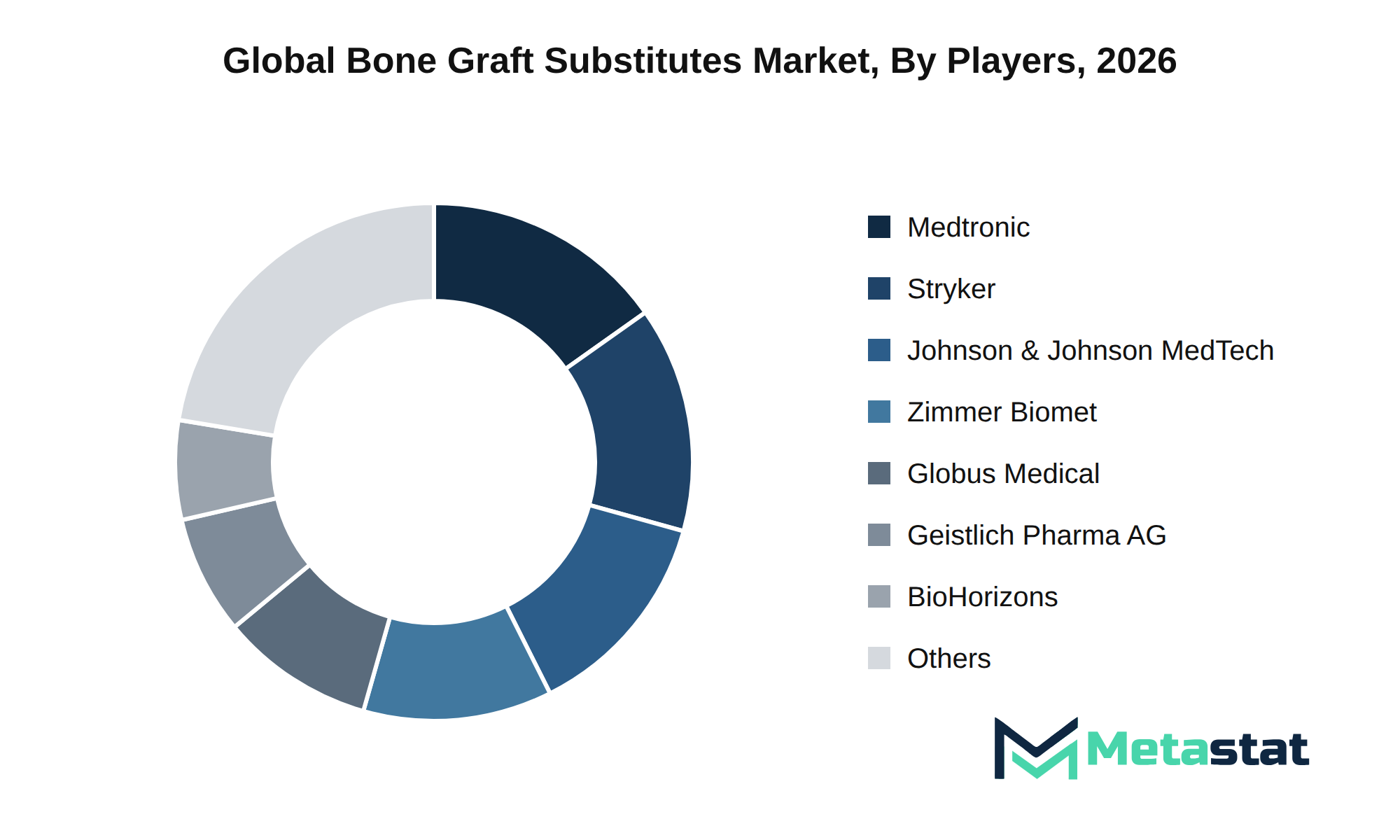
The Bone Graft Substitutes market features a competitive environment shaped by several key players. Medtronic plc, Stryker Corporation, and Johnson & Johnson MedTech operate in the market through extensive product portfolios and significant investments in research and development. These companies focus on enhancing their offerings through innovative technologies, targeting applications including spinal fusion, trauma repair, and dental grafting.
Strategic alliances and partnerships play an important role in market positioning, enabling players like Geistlich Pharma AG and Globus Medical, Inc. to enhance their distribution networks. The collaborative efforts facilitate cross-industry partnerships, driving advancements in proprietary technologies. Companies including Zimmer Biomet Holdings, Inc. and BioHorizons further strengthen their market presence through aggressive pricing strategies and value chain integration.
The market experiences an influx of new entrants, intensifying competition and pushing existing players to innovate continuously. Barriers to entry include established brand equity and the need for robust intellectual property portfolios, which protect proprietary technologies. Companies like LifeNet Health and MTF Biologics leverage these advantages, ensuring sustained customer retention through quality products and strong relationships within the healthcare ecosystem.
Future competitive dynamics will revolve around technological defensibility and the ability to adapt to changing regulatory environments. Players that successfully navigate these challenges will likely enjoy a growing share of the anticipated market growth, projected to reach USD 5,275.6 million by 2033.
Market size is forecast to rise from USD 3,308.9 million in 2025 to over USD 5,275.6 million by 2033, representing a compound annual growth rate (CAGR) of 6.0%. This growth trajectory reflects increasing demand for the Bone Graft Substitutes market, driven by advancements in surgical techniques and rising incidences of orthopedic surgeries.
In the bull case, robust research and development efforts expedite innovation timelines, leading to earlier market entries for next-generation products. Enhanced technologies, including synthetic and cellular grafts, are expected to capture significant market share, facilitating broader adoption across various applications. This scenario could further increase market values beyond projections.
Conversely, in the bear case, unforeseen regulatory changes could impact product approvals and market entry, delaying expected growth. Economic downturns or shifts in healthcare funding restrict capital allocation towards advanced medical technologies. Such conditions would challenge the Bone Graft Substitutes market, limiting revenue growth and investment in critical research.
Overall, the market is set for substantial growth, influenced by macroeconomic factors, technological advancements, and regulatory landscapes, which are expected to shape demand trends in the coming years.
The report strategically identifies and profiles the key market players and analyses their core competencies in each sub-segment of the Bone Graft Substitutes market.
|
Report Attributes |
Details |
|
Study Period |
2021-2033 |
|
Base Year |
2025 |
|
Estimated Year |
2026 |
|
Forecast Period |
2026-2033 |
|
Historical Period |
2021-2025 |
|
Growth Rate |
CAGR 6.0% from 2026 to 2033 |
|
Revenue Unit |
USD million |
|
Segmentation |
By Type, Application, End-user, and Region |
|
By Region |
North America (By Type, Application, End-user, and Country)
|
|
Europe (By Type, Application, End-user, and Country)
|
|
|
Asia Pacific (By Type, Application, End-user, and Country)
|
|
|
South America (By Type, Application, End-user, and Country)
|
|
|
Middle East and Africa (By Type, Application, End-user, and Country)
|
Find answers to common questions about this report
The Metastat Insights study reveals that the Bone Graft Substitutes market size was valued at USD 3,308.9 million in 2025.
The Bone Graft Substitutes market is projected to grow at a CAGR of 6.0% during the forecast period from 2026 to 2033.
The North America Bone Graft Substitutes market size is estimated to reach USD 1,887.1 million by 2033.
Mineralized Bone Allografts lead the Bone Graft Substitutes market with a projected value of USD 1,122.1 million by 2033, surpassing the Demineralized Bone Matrix segment, which is expected to reach USD 890.5 million in the same year.
The key drivers for the Bone Graft Substitutes market include the increasing demand from aging populations and the rise in orthopedic conditions leading to more surgical interventions. Enhanced healthcare infrastructure and technological advancements further support market growth, because healthcare providers adopt innovative bone graft alternatives that improve patient outcomes and operational productivity.
North America holds the dominant share of the Bone Graft Substitutes market, accounting for 38.7 percent in 2025. The region's market value is projected to reach USD 1,887.1 million by 2033.
The Bone Graft Substitutes market faces significant challenges from regulatory compliance hurdles, market fragmentation, and inflationary pressures. Stricter regulations increase costs and time for product introduction, while numerous suppliers complicate differentiation and pricing. Rising input costs further strain profit margins, impacting overall market growth.
The increasing demand for bone graft substitutes is driven by the aging population, which experiences a rise in orthopedic conditions requiring surgical interventions. Enhanced healthcare infrastructure and advancements in surgical techniques improve treatment accessibility, while the growing emphasis on operational productivity in healthcare facilities supports the adoption of innovative solutions, further fueling market growth.
The Bone Graft Substitutes market is estimated to reach a valuation of USD 5,275.6 million by 2033.
Top players operating in the Bone Graft Substitutes market include Medtronic plc, Stryker Corporation, Johnson & Johnson MedTech, Zimmer Biomet Holdings, Inc., Globus Medical, Inc., Geistlich Pharma AG, and BioHorizons.
The analysts below cover Medical Devices research at Metastat Insights.
LEAD ANALYST
Utkarsh Khirodkar is a Lead Market Research Analyst at MetaStat Insight, specializing in market intelligence, technology sector assessments, and competitive strategy.

LEAD PRINCIPAL ANALYST, PHARMA AND HEALTHCARE
Food and Beverages · Healthcare · Healthcare IT · Medical Devices
Ajay Devgire is the Lead Healthcare Analyst at MetaStat Insight, leading strategic research and market intelligence initiatives across the global healthcare domain.

SENIOR RESEARCH ANALYST
Biotechnology · Food and Beverages · Medical Devices · Packaging
Snehal Pasalkar is a Research Analyst at MetaStat Insight, operating at the intersection of life sciences research, competitive strategy, and market intelligence.
Our team was tracking whether regional recycling infrastructure could realistically absorb the growing volume of lithium iron phosphate batteries over the next decade. The report did a solid job separating announced hydrometallurgical plant capacity from active, permitted operational throughput. That distinction made the feedstock availability projections and regional recovery rate models far more credible than standard commercial overviews.
Tracking capacity expansion in single-use bioprocessing requires dependable data on raw material availability and cleanroom-grade polymer supply chains. The competitive landscape chapter gave a grounded evaluation of secondary component suppliers across North America and Asia-Pacific rather than simply reprinting press releases. Having that level of supplier benchmarking helped clarify dual-sourcing considerations for our clinical pipeline planning.
When evaluating distributed energy resource management systems, standard research summaries tend to gloss over the operational differences between front-of-the-meter utility deployments and behind-the-meter industrial sites. The MetaStat Insight report addressed those distinctions directly, especially regarding software interoperability standards and grid interconnection backlogs. The five-year market sizing across regional transmission organizations provided actionable context for our grid modernization strategy.
Explore related market intelligence reports worth reading alongside this one.