
LEAD ANALYST
Utkarsh Khirodkar is a Lead Market Research Analyst at MetaStat Insight, specializing in market intelligence, technology sector assessments, and competitive strategy.

Europe Portion Packs Market Size, Share, By Product Type (Sauces and Condiments, Jams, Marmalades and Fruit Preserves, Butter, Margarine and Dairy Portions, Sugar and Sweeteners, Honey and Syrups, Chocolate, Nut and Savoury Spreads, Salt, Pepper, Herbs and Spices, Biscuits and Confectionery Accompaniments, Powdered Beverage Mixes), By Packaging Format (Sachets, Stick Packs, Portion Cups and Tubs, Mini Jars, Foil-Wrapped Portions, Flow-Wrapped Packs, Snap-and-Squeeze Packs), By End-Use Channel (Hotels and Resorts, Restaurants and Cafés, Quick-Service Restaurants and Takeaway, Contract Catering and Workplace Dining, Healthcare and Care Facilities, Education and Institutional Catering, Travel Catering, Vending and Self-Service, Events and Leisure Catering), By Region (Germany, United Kingdom, France, Italy, Spain, Netherlands, Belgium, Poland, Switzerland, Rest of Europe), Industry Analysis, Growth, Trends, and Forecast, 2026-2033
Report ID
MSI-5338
Published
September, 2026
Pages
254 Pages
Format
Historical
Base year
Forecast
Forecast period
Report Details
Market Valuation: Valued at $4,396 Million in 2025, projected to reach $6,349.9 Million by 2033 at a 4.7% CAGR.
Dominant Segment: The Sauces & Condiments segment leads the market, driven by a growing consumer preference for flavor enhancement and convenience in both retail and foodservice sectors.
Geographic Lead: Germany, France, and the United Kingdom are the leading countries in the market, reflecting diverse consumer preferences and strong foodservice demand.
What's Inside: The report provides a comprehensive analysis of market dynamics, competitive landscape, and growth forecasts from 2026 to 2033, covering various product types, packaging formats, and end-use channels.
Emerging Technologies: Innovations in packaging technologies, such as smart and interactive designs, are shaping product offerings and enhancing consumer engagement in the market.
Investment in Automation: Investment in automation technologies is enhancing operational efficiency, allowing manufacturers to meet rising demand for portion packs while reducing costs.
Choose Your License
Europe Portion Packs Market
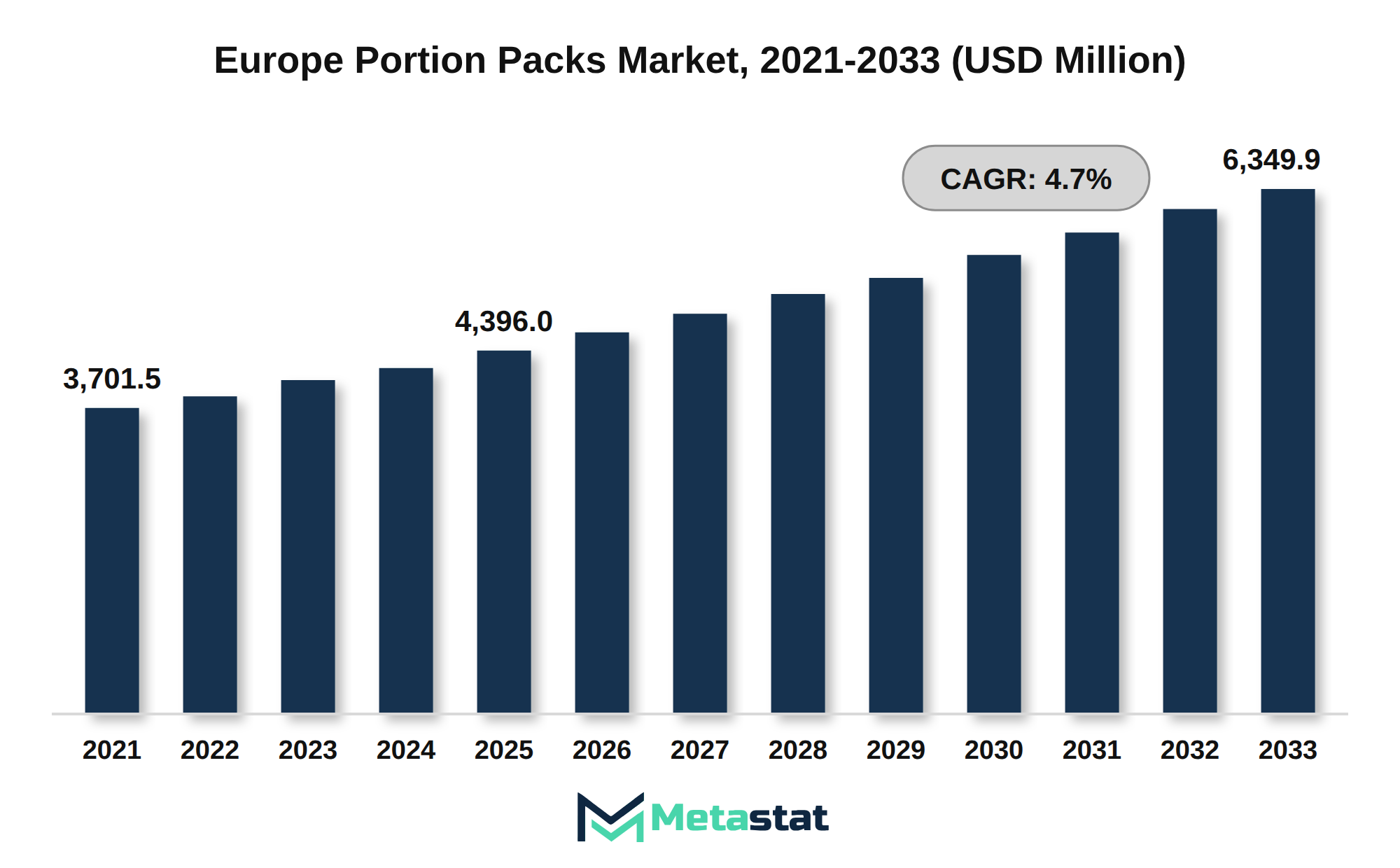
The Europe Portion Packs market was valued at USD 4,396 million in 2025 and is projected to reach USD 6,349.9 million by 2033, growing at a CAGR of 4.7% over the forecast period.
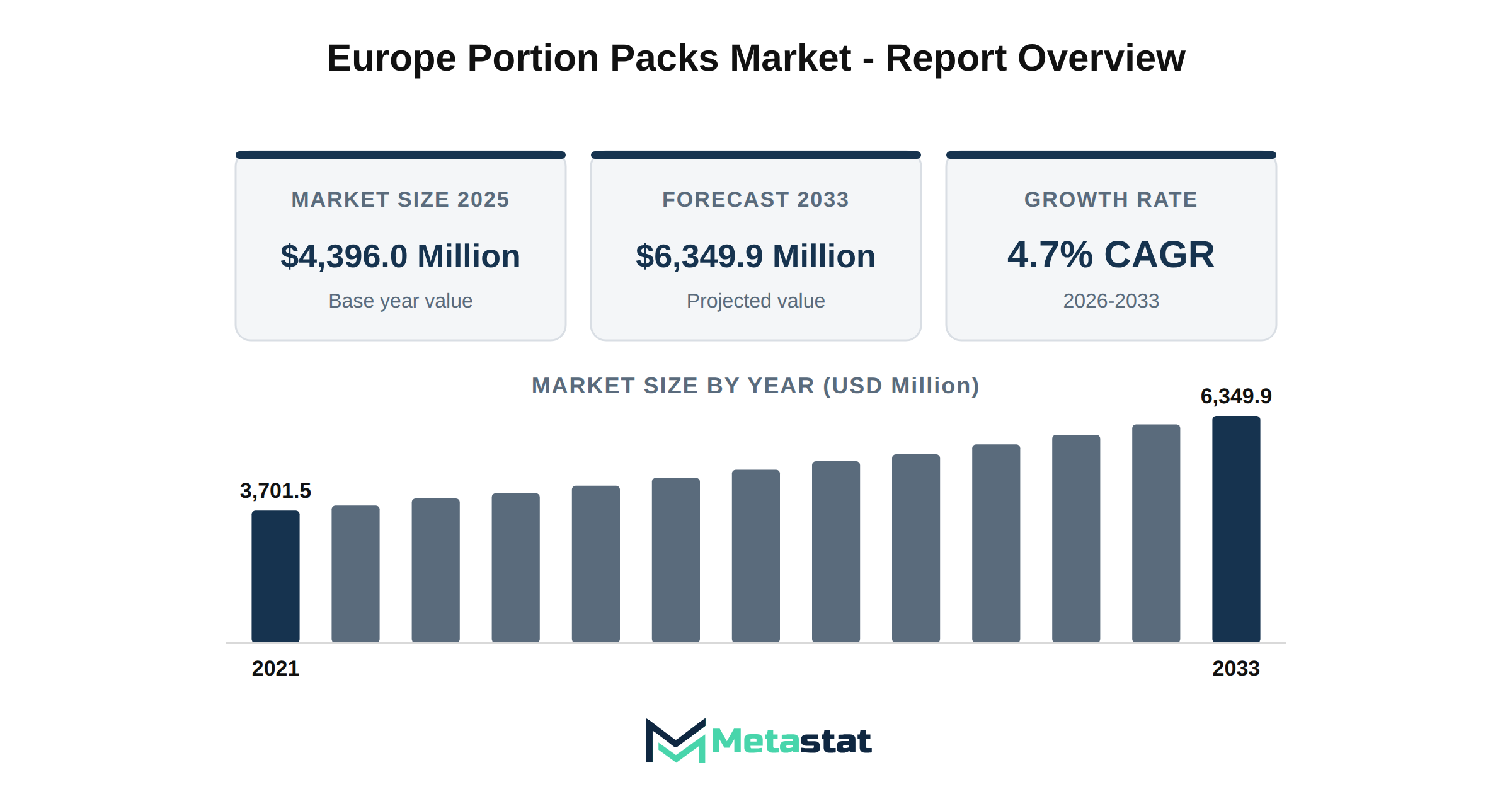
The Europe Portion Packs market reached a valuation of USD 4,396 million in 2025 and is projected to grow to USD 6,349.9 million by 2033, reflecting a compound annual growth rate (CAGR) of 4.7%. Strong demand for single-serve portion packs in the foodservice industry drives market expansion. The trend towards convenience and hygiene benefits fuels an increased preference for single-serve formats, significantly impacting consumer purchasing behavior.
Innovations in portion pack materials and formats reshape the market, with a notable shift towards recyclable and reduced-plastic packaging. Manufacturers implement sustainable practices to align with consumer preferences for environmentally friendly products. The growth of sachets, stick packs, and portion cups aligns with the rising demand for convenience across various sectors, including hotels, restaurants, and cafés.
Quick-service restaurants and takeaway channels significantly influence portion pack consumption. The hospitality and breakfast service trends contribute to the adoption of single-serve packaging, catering to changing consumer lifestyles. Innovations in sauces, condiments, spreads, and dairy portion packs enhance product offerings, appealing to a broader consumer base seeking quality and convenience.
Premiumization trends in jams, honey, and chocolate spread portion packs reflect evolving consumer preferences for high-quality products. The market adapts to these preferences, enhancing product offerings and ensuring competitive positioning. European packaging regulations increasingly influence portion pack design and materials, encouraging manufacturers to innovate while adhering to sustainability standards.
Single-use packaging rules impact the market by prompting manufacturers to explore sustainable barrier materials and lightweight packaging innovations. Cost and raw material trends affect portion pack manufacturers, presenting both challenges and opportunities for growth. Supply chain developments across Europe enhance the distribution efficiency of portion packs, ensuring timely delivery to consumers.
Opportunities arise in private-label and contract packing within the portion packs market, allowing brands to expand their offerings without significant investment in production. Competitive dynamics among European portion pack manufacturers intensify, driving innovation and efficiency in production processes. Automation and high-speed filling technologies enhance production capabilities, positioning manufacturers to meet rising demand effectively.
Portion pack demand in healthcare, education, and institutional catering continues to grow, reflecting the sector's need for convenient and hygienic food options. Travel catering and on-the-go consumption support portion pack growth, driven by the increasing prevalence of busy lifestyles across Europe. Vending and self-service channels expand single-serve pack demand, catering to consumers seeking quick and easy meal solutions.
Germany, France, and the United Kingdom lead trends in the portion packs market, reflecting varying consumer preferences and market dynamics. The Netherlands presents opportunities for growth driven by foodservice demand, while central and eastern Europe emerges owing to significant growth markets. Future growth opportunities in the Europe Portion Packs market extend through 2033, highlighting the ongoing evolution of consumer preferences and industry dynamics.
The rising demand for single-serve portion packs in the foodservice sector significantly drives growth in the Europe Portion Packs market. Increased consumer preference for convenience and hygiene fuels this trend, particularly in hotels, restaurants, and cafés. Catering to this demand, manufacturers innovate and expand their product offerings to include a variety of portion sizes and formats that enhance customer experience.
Sustainability trends reshape the materials and formats used in portion packs. Consumers increasingly favor products with eco-friendly packaging, prompting manufacturers to transition towards recyclable and reduced-plastic options. This shift addresses environmental concerns and aligns with changing consumer expectations regarding sustainability.
The growth of sachets, stick packs, portion cups, and other single-serve formats reflects a broader shift in consumer preferences. Quick-service restaurants and takeaway channels play a significant role in driving portion pack consumption, offering convenient solutions for on-the-go dining. This trend contributes to overall market expansion, with manufacturers adapting their product lines to meet the needs of these channels.
Hospitality trends, particularly in breakfast services, support the increasing adoption of portion packs. Innovative offerings in sauces, condiments, spreads, and dairy portion packs enhance menu variety and customer satisfaction. Premiumization in categories like jams, honey, and chocolate spread portion packs attracts consumers willing to pay a premium for quality products, further driving market growth.
Convenience and hygiene benefits associated with single-serve packaging significantly influence demand. Packaging regulations in Europe encourage manufacturers to design portion packs that comply with sustainability goals while maintaining functionality. The impact of single-use packaging rules shapes product development, prompting a focus on sustainable barrier materials and lightweight packaging innovations.
Cost and raw material trends affect manufacturers within the market. Fluctuations in raw material prices challenge profitability, compelling manufacturers to explore more efficient production methods and supply chain developments. Opportunities for private-label and contract packing within the sector create avenues for growth, allowing companies to expand their market reach.
The competitive dynamics among European portion pack manufacturers highlight the importance of innovation and efficiency. Automation and high-speed filling technologies enhance production capabilities, supporting the growing demand for portion packs. This technological advancement is vital for staying competitive in a changing market.
Demand for portion packs in healthcare, education, and institutional catering reflects a significant growth opportunity. Travel catering and on-the-go consumption trends further support market expansion, with vending and self-service channels becoming crucial for single-serve pack demand. Regional trends in countries like Germany, France, and the United Kingdom illustrate diverse consumer preferences, while emerging markets in Central and Eastern Europe present future growth opportunities through 2033.
The increasing preference for convenience and single-serve options drives demand in the Europe Portion Packs market. Lifestyle changes, including busy schedules and the rise of on-the-go consumption, encourage consumers to seek easy-to-use and portioned products. This trend particularly appeals to urban populations and younger consumers, who prioritize convenience in their purchasing decisions.
The aging population further influences the demand for portion packs, driven by older consumers who often prefer smaller, manageable sizes that reduce food waste and promote easy usage. Retailers and foodservice operators respond by expanding their offerings of portioned products to align with evolving consumer preferences. This adaptation supports the market's growth by creating a wider range of products suitable for various demographics.
Increased health consciousness among consumers leads to a preference for portion-controlled products that support balanced diets. The market benefits from the introduction of healthier options in portion packs, which attract health-focused consumers looking for convenient yet nutritious choices. This demand enhancement positions various suppliers favorably because they innovate to meet these preferences, ultimately driving market expansion.
Investment in automation technologies significantly influences the Europe Portion Packs market. The desire to streamline production processes and improve operational efficiency drives many industry players to adopt advanced technologies including artificial intelligence and robotics. These technologies facilitate faster production cycles, reduce labor costs, and improve product consistency, allowing companies to meet growing consumer demand for portion packs.
Increased capital investment in automation and digitization creates an environment ripe for innovation and growth. Companies investing in updated infrastructure and automated processes reduce overhead costs and enhance supply chain resilience. This trend attracts venture funding and supports public-private partnerships aimed at modernizing manufacturing capabilities, contributing positively to overall market growth.
The integration of automated systems enables manufacturers to respond more swiftly to changing consumer preferences within the Europe Portion Packs market. By leveraging data analytics and real-time inventory management, businesses enhance their product offerings and introduce new portion sizes tailored to specific consumer segments. This adaptability positions firms favorably in a competitive environment characterized by rising expectations for convenience and customization.
Overall, the focus on automation and technology integration aligns with broader economic trends, stimulating growth within the market. Companies embrace these advancements, and the potential for increased productivity and cost efficiency drives substantial opportunities for expansion and revenue generation in the Europe Portion Packs market.
The Europe Portion Packs market faces significant constraints stemming from regulatory compliance and economic conditions. Stricter regulations on packaging materials and food safety protocols affect production processes, increasing operational costs for manufacturers. These costs are absorbed throughout the supply chain, impacting pricing strategies and profitability across various sectors.
Macroeconomic headwinds, including inflationary pressures and rising operational expenses, complicate market dynamics. The increase in raw material prices has led to escalated production costs, forcing companies to reassess their pricing models. Geopolitical instability disrupts supply chains, creating uncertainties that hinder strategic planning and investment in the market.
Technological obsolescence presents another challenge for companies operating within the Europe Portion Packs market. While advancements in packaging technology evolve, businesses face pressure to upgrade equipment and processes, which incurs high capital investment requirements. This shift adds financial strain and heightens the risk of market fragmentation, resulting from smaller players struggling to keep pace with larger competitors.
The evolving landscape of consumer preferences introduces substitution risks, where alternative packaging solutions appeal more to environmentally conscious consumers. This evolution forces established businesses to innovate rapidly or risk losing market share. Consequently, this situation leads to intensified competition and pricing pressures, complicating growth prospects in an already saturated market.
Finally, talent gaps and workforce overhead contribute to operational challenges within the market. Skilled labor shortages hinder productivity and innovation, restricting companies' ability to adapt to changing consumer demands effectively. This combination of factors creates a complex environment, impacting investment potential and overall market growth in the Europe Portion Packs sector.
The Europe Portion Packs market experiences challenges due to geopolitical fragmentation, which disrupts trade dynamics and creates uncertainty in supply chains. Trade deficits and tariff frictions hinder cross-border transactions, impacting the cost and availability of raw materials and finished products. These disruptions affect various stakeholders, including suppliers and manufacturers, leading to increased operational complexities and costs.
Technological disruptions create additional hurdles for the market. Rapid advancements in technology necessitate continuous investments in research and development, presenting complexities in integrating new solutions while managing existing infrastructure. The inability to keep pace with technological evolution results in interoperability issues among various systems and processes, hampering efficiency and innovation.
Logistics disruptions significantly impact the distribution of portion packs across Europe. Challenges in transportation, warehousing, and last-mile delivery lead to increased costs and delayed product availability. Companies face margin pressures, particularly when competing in a market characterized by tight pricing strategies and evolving consumer preferences.
The market grapples with rising input cost structures, driven by fluctuating feedstock prices and labor costs. Increased competition for resources creates volatility, affecting production budgets and profitability. Workforce skill gaps hinder the adoption of advanced manufacturing techniques, complicating talent retention and increasing reliance on manual labor.
Environmental sustainability demands place additional pressures on the market. Companies are compelled to adapt packaging and production processes to meet stringent regional regulatory standards and consumer expectations for sustainable practices. This transformation incurs significant compliance overhead, diverting resources from other critical operational areas.
The Europe Portion Packs market encounters multifaceted challenges rooted in geopolitical tensions, technological disruptions, logistical complexities, rising costs, and sustainability demands. Addressing these issues remains crucial for maintaining competitive advantage and ensuring long-term growth within the market.
The Europe Portion Packs market experiences significant opportunities through emerging technologies shaping product offerings and enhancing consumer engagement. The integration of advanced packaging solutions, including smart packaging and interactive designs, effectively attracts health-conscious buyers and environmentally aware consumers. These technologies enable real-time information sharing regarding product contents and sustainability practices, appealing to modern purchasing preferences.
Geographical expansion remains a key driver, with growing urban populations leading to increased demand for convenient food options. Changing lifestyles in various European countries create the need for portable and easy-to-use portion packs. This shift in demographic trends encourages manufacturers to diversify product lines and improve market presence in untapped regions.
Sustainability imperatives drive market innovation, emphasizing eco-friendly materials and practices. Manufacturers invest in green transformations, aligning with consumer expectations and regulatory trends. This focus on sustainability enhances brand reputation and drives customer loyalty and satisfaction, translating into higher sales and improved market positions.
Digital transformation impacts distribution strategies and buying behaviors. The transition towards digital procurement and e-commerce platforms simplifies access to portion packs for both consumers and businesses. This shift enables suppliers to reach a broader audience, ultimately expanding market penetration and creating growth opportunities.
Strategic consolidation through mergers and acquisitions supports market competitiveness. Such initiatives enhance operational capabilities and encourage collaboration among stakeholders, enabling efficient resource utilization and innovation. This trend highlights a proactive approach to managing market dynamics and evolving consumer preferences, ensuring sustained growth in the Europe Portion Packs market.
The Europe Portion Packs market is segmented based on Product Type, Packaging Format, End-Use Channel, and Region.
Sauces & Condiments segment is valued at USD 1,138.9 million in 2026 and is projected to reach USD 1,626.2 million by 2033, at a CAGR of 5.2% during the forecast period. This segment benefits from a growing consumer preference for flavor enhancement in various dishes, driving demand across both retail and foodservice sectors. Increased awareness about portion control and health benefits associated with smaller serving sizes supports market growth. Innovations in packaging facilitate the introduction of convenient formats that cater to on-the-go consumption, enhancing product accessibility. Evolving culinary trends, including the rising popularity of global cuisines, significantly impact the Sauces & Condiments segment. Consumers seek diverse flavors, propelling the development of new products that address these preferences. Regulatory compliance, particularly concerning food safety and labeling requirements, influences product formulation and market entry strategies. Strategic collaborations among key players facilitate the expansion of product portfolios, aligning with emerging consumer trends and preferences. Investment in marketing initiatives strengthens brand presence and consumer engagement, particularly through digital platforms. The shift toward online shopping and home dining creates new avenues for growth within the Europe Portion Packs market. Overall, the combination of consumer demand for convenience, innovation in product offerings, and proactive marketing strategies positions the Sauces & Condiments segment favorably for continued expansion in the coming years.
Growth in the Jams, Marmalades & Fruit Preserves segment reflects changing consumer preferences toward convenient and ready-to-eat options. This segment is expected to reach USD 902.3 million by 2033, growing at a CAGR of 4.2% during the forecast period. Increased health consciousness among consumers drives interest in fruit-based products, highlighting the nutritional benefits associated with jams and preserves. The rising trend of artisanal and premium offerings fuels product evolution, encouraging manufacturers to innovate with unique flavors and organic ingredients.
Adoption of portion packs facilitates ease of use and portion control, aligning with modern lifestyles that emphasize convenience. This format proves especially appealing in foodservice settings, where quick service and minimal waste are priorities. Regulatory compliance regarding food safety and quality standards significantly influences market dynamics, ensuring products meet consumer expectations in taste and health benefits.
Pricing volatility remains a concern, influenced by raw material costs and supply chain dynamics. Manufacturers focus on optimizing production processes to enhance margins while ensuring product quality. Strategic investments in marketing and distribution networks strengthen the market position of participants, enabling them to capture emerging opportunities within the Europe Portion Packs market.
Growth in the Butter, Margarine & Dairy Portions segment is driven by rising consumer demand for convenient, single-serve options. Increasing health consciousness fuels interest in portion-controlled products, particularly among health-conscious consumers and the foodservice sector. This segment is projected to reach USD 807.7 million by 2033.
Regulatory compliance and standards significantly shape product development within the market. Manufacturers focus on meeting health regulations, which influences product formulation and packaging innovations. Investment in sustainable practices enhances brand reputation, attracting environmentally conscious consumers.
Technological advancements contribute to operational efficiency and product quality. Innovations in packaging technology enhance product shelf life and convenience, expanding the segment's appeal across various end-use channels, including hotels, restaurants, and cafés. These dynamics create a favorable environment for the segment's growth within the overall Europe Portion Packs market.
Pricing volatility presents a challenge to manufacturers, impacting profit margins. Fluctuations in raw material costs require firms to implement strategic pricing models to maintain competitiveness. Supply chain resilience and effective sourcing strategies remain crucial for navigating these market conditions.
Growth in the Sugar & Sweeteners segment aligns with the increasing focus on health-conscious consumer behavior. Rising awareness regarding sugar alternatives fuels demand for portioned sugar products among health-focused consumers and foodservice operators. The segment expands at a CAGR of 3.4% during the forecast period.
Product evolution within this segment reflects an expansion of options, including natural and low-calorie sweeteners. New formulations and innovative packaging formats enhance convenience and appeal to a broader audience. Downstream application across various sectors, including restaurants and catering services, drives consumption of these portion packs.
Regulatory compliance standards shape the segment's landscape. Food safety considerations and labeling requirements influence product development and marketing strategies. Pricing volatility in raw materials impacts overall cost structures within the segment, compelling manufacturers to adopt strategic sourcing and pricing strategies to maintain margins. Supply chain resilience remains essential for securing consistent access to quality raw materials.
Competition among manufacturers intensifies, driven by the capture market share. Strategic opportunities arise from emerging trends that highlight the need for healthier options in foodservice offerings. The Europe Portion Packs market continues to evolve, presenting a dynamic environment for investment and product innovation within the Sugar & Sweeteners segment.
Growing consumer interest in healthy and natural sweeteners drives the demand for honey and syrups within the Europe Portion Packs market. Shifting dietary preferences towards natural ingredients reflect a significant factor behind this trend, because more consumers seek alternatives to refined sugars. The expansion of the organic food sector supports the uptake of honey and syrup products, aligning with the increasing focus on wellness and clean-label offerings.
Technological advancements in packaging developments enhance product availability and presentation. Innovations in portion pack formats, including eco-friendly materials and user-friendly designs, contribute to consumer attractiveness and convenience. These factors encourage usage in various end-use applications, including hospitality, retail, and home consumption.
Increased emphasis on sustainability shapes the market dynamics. Regulatory compliance regarding packaging waste and environmental impact prompts manufacturers to adopt sustainable practices, thereby appealing to environmentally-conscious consumers. This regulatory environment creates a competitive advantage for companies that prioritize eco-friendly sourcing and production processes.
Downstream applications of honey and syrups extend beyond food and beverage sectors, influencing health and wellness markets. Usage in dietary supplements and functional foods demonstrates versatility and expands opportunities for segment growth. The market observes rising interest in artisanal and gourmet varieties, prompting suppliers to innovate and differentiate their product offerings.
Cost structures and pricing dynamics impact market stability. Fluctuations in raw material prices, including honey production volumes affected by climate conditions, create pricing volatility. Companies pursuing strategic sourcing initiatives and cost management strategies alleviate margin pressures, providing resilience against market challenges.
Strategic opportunity windows exist for market players focusing on product diversification and innovation. Exploring potential combinations and unique flavor profiles captures consumer interest and differentiates brands in a competitive landscape. Investing in marketing initiatives highlighting the benefits of portioned honey and syrup products further enhances market penetration, driving growth across the segment.
Strong consumer preference for indulgent products drives demand for chocolate, nut, and savoury spreads in the Europe Portion Packs market. Increased focus on health and wellness influences product formulations, encouraging manufacturers to develop spreads with reduced sugar and healthier ingredients. This trend aligns with growing awareness of nutritional content among consumers, prompting a shift towards premium products made from natural ingredients.
Segment expansion drives innovation, with brands introducing unique flavour combinations and artisanal offerings to capture consumer interest. The rise of gourmet and specialty products enhances market dynamics, attracting consumers seeking high-quality options. Strategic partnerships between manufacturers and retailers facilitate wider distribution, improving accessibility of chocolate, nut, and savoury spreads across various end-use channels.
Increased consumption of these spreads in foodservice applications contributes to market growth. Restaurants and cafés leverage portion packs to enhance their menu offerings, appealing to customers seeking convenience without compromising quality. Regulatory compliance and food safety standards shape product formulations, ensuring that offerings meet consumer expectations for quality and safety.
Market players face challenges related to sourcing raw materials, particularly in a competitive environment where prices fluctuate. Volatility in pricing impacts margins, requiring businesses to adopt strategies that enhance supply chain resilience. New technologies emerge and consumer preferences evolve. Ongoing investment in product development and marketing drives sustained growth in the chocolate, nut, and savoury spreads segment of the market.
The demand for salt, pepper, herbs, and spices in portion packs aligns with consumer trends toward convenience and flavor enhancement. This segment benefits from the growing interest in culinary experiences among consumers, particularly in the foodservice industry. Establishments increasingly adopt portion packs for their efficient use in meal preparation and service, enhancing operational efficiency and reducing waste.
Further expansion in the market stems from advancements in food technology and packaging innovations. Products in convenient formats appeal to both chefs and home cooks, facilitating easy incorporation of flavors into various dishes. Demand shifts toward higher-quality, natural ingredients impact supplier sourcing strategies and influence product offerings, driving market growth.
Regulatory compliance regarding food safety and quality standards significantly shapes the landscape for suppliers. Adherence to these standards strengthens brand reputation and consumer trust, leading to increased loyalty within the competitive market. Differentiation opportunities arise in the premium segment, where unique flavor profiles and organic certifications attract discerning consumers, expanding the addressable market.
Price volatility in raw materials creates margin pressures for suppliers, necessitating effective cost management strategies. Strategic partnerships with growers and suppliers enhance supply chain resilience, ensuring consistent access to high-quality inputs. This proactive approach supports competitiveness and long-term sustainability within the Europe Portion Packs market, reinforcing supplier positions amid fluctuating costs.
Consumer trends increasingly favor portion-controlled options, enhancing the appeal of biscuits and confectionery accompaniments in the Europe Portion Packs market. This shift reflects a growing desire for convenient, easy-to-consume snacks that align with busy lifestyles. Retailers and foodservice operators recognize this demand, prompting an expansion of offerings in this sub-segment. Increased focus on product innovation supports the development of unique flavors and healthier alternatives, attracting diverse consumer demographics.
Regulatory compliance plays an important role, with manufacturers adjusting to standards concerning packaging and ingredient transparency. This focus on quality and safety enhances consumer trust, influencing purchasing decisions in the market. Consequently, companies prioritizing regulatory adherence gain competitive advantages and strengthen their market presence.
Strategic opportunity windows emerge for brands effectively targeting younger consumers seeking novelty and indulgence. Leveraging social media marketing and influencer partnerships facilitates engagement with this demographic, driving sales growth. The continuous evolution of consumer preferences necessitates manufacturers staying attuned to market dynamics, ensuring their product lines remain relevant and appealing.
Overall, the biscuits and confectionery accompaniments sub-segment stands poised for growth, driven by changing consumer behaviors, regulatory influences, and the need for innovation. Stakeholders remain agile in adapting to these trends to capitalize on the expanding opportunities within the Europe Portion Packs market.
Consumer preferences increasingly shift toward convenient beverage options, driving growth in the Powdered Beverage Mixes segment. This segment benefits from a surge in on-the-go lifestyles, particularly among busy professionals and families seeking quick, easy solutions for hydration and flavor enhancement. Innovations in flavor profiles and formulations cater to evolving tastes, encouraging further adoption across various demographics. The market responds to rising demand for healthier alternatives through the introduction of low-sugar and natural ingredient options. Technological advancements streamline production processes, resulting in improved product consistency and quality while minimizing costs. The segment's growth aligns with broader trends in health and wellness, with consumers showing an inclination toward functional beverages offering added nutritional benefits. Regulatory compliance regarding labeling and health claims enhances transparency and builds consumer trust, further supporting market expansion. Strategic opportunities exist for brands to innovate with eco-friendly packaging solutions, aligning with sustainability trends. Increasing consumer awareness of environmental impacts drives companies focused on sustainable sourcing and production methods to strengthen their market position. The segment remains poised for growth within the Europe Portion Packs market, promising adaptability to changing consumer demands.
Consumer preferences increasingly shift toward healthier and more convenient food options, significantly influencing the growth of the Others (Fruit Purées, Cereals & Snack Portions) sub-segment within the Europe Portion Packs market. This trend aligns with rising health consciousness among consumers, driving demand for portion-controlled products that offer convenience without compromising nutritional value.
Development in this sub-segment benefits from the growing trend of snacking and increased consumption of fruit-based products. These products cater to busy lifestyles, providing quick and healthy alternatives for consumers seeking nutritious snacks. The emphasis on natural ingredients and minimal processing enhances the appeal of fruit purées and cereals, reinforcing their market position.
Technological advancements contribute to product evolution, enabling manufacturers to innovate and enhance the quality of offerings. Improved packaging techniques ensure product freshness and extend shelf life, addressing consumer concerns regarding quality and safety. Regulations surrounding food safety and labeling standards drive compliance among producers, further ensuring product integrity.
Distribution channels play a crucial role in expanding the market presence of these products. Channels including supermarkets, convenience stores, and online retailers facilitate greater accessibility, helping to capture a broader consumer base. Strategic marketing efforts focusing on health benefits and convenience strengthen brand positioning and consumer loyalty.
The Others (Fruit Purées, Cereals & Snack Portions) sub-segment benefits from evolving consumer preferences, technological advancements, and effective distribution strategies, contributing to its growth within the Europe Portion Packs market.
Valued at USD 1,438 million in 2026, the Sachets segment is projected to reach USD 1,894.8 million by 2033, reflecting a CAGR of 4% during the forecast period. This growth stems from a notable increase in consumer demand for single-serve packaging, driven by convenience and portion control preferences. The rise in on-the-go lifestyles influences higher consumption rates within the Europe Portion Packs market.
The segment benefits from the expansion of foodservice channels, particularly in restaurants and cafés, where sachets enhance customer experience by offering individually packaged condiments and sauces. Innovations in packaging technology contribute to improved product integrity and shelf life, further supporting market growth.
Increasing regulatory compliance around food safety and hygiene standards adds to the demand for sachets. These requirements encourage manufacturers to adopt more stringent quality controls, which enhances consumer trust and drives sales within the market.
Cost structures affecting production and raw material sourcing influence pricing strategies for sachets. Fluctuations in the costs of raw materials create pricing volatility, impacting profit margins for suppliers. Strategic opportunity windows arise for companies investing in supply chain resilience, enabling them to mitigate risks associated with material shortages and disruptions.
Overall, the Sachets segment illustrates strong potential for growth within the Europe Portion Packs market, driven by evolving consumer preferences, technological advancements, and favorable regulatory landscapes.
Growth in the Stick Packs segment within the Europe Portion Packs market shows strong potential, with an estimated value of USD 1,045.8 million by 2033, reflecting a compound annual growth rate (CAGR) of 5.6% during the forecast period. This growth is driven by increasing consumer demand for convenient, single-serve packaging solutions that facilitate portion control and enhance on-the-go consumption.
The expansion of the segment aligns with evolving consumer preferences for convenience, portability, and ease of use. Stick packs provide an efficient means of packaging for various products, including sauces, condiments, and beverages, catering to both retail and foodservice channels. Rising demand for compact and easy-to-use packages influences end-use channels, including restaurants, cafés, and quick-service outlets.
Technological advancements contribute to the segment's growth, with innovations in packaging materials and design enhancing product shelf-life and user experience. Manufacturers focus on developing environmentally friendly materials, aligning with consumer trends towards sustainability. Supply chain resilience remains a vital factor, ensuring that raw material sourcing and logistics vulnerabilities do not impede growth in this dynamic segment.
The Stick Packs segment presents a strategic opportunity within the Europe Portion Packs market, offering significant potential for investment and product evolution. Industry players align their offerings to meet the growing demand for portion-controlled solutions, strengthening their market position while catering to shifting consumer behaviors.
Portion Cups & Tubs has gained traction within the Europe Portion Packs market, driven by increasing demand for portion-controlled servings among consumers. This demand arises from heightened awareness regarding food waste and a preference for convenient meal solutions. The convenience factor aligns with contemporary consumer lifestyles, particularly in urban settings, where on-the-go eating continues to rise.
This segment is projected to reach USD 1,245.9 million by 2033, reflecting a growing trend towards ready-to-eat and easy-to-use products. Expansion of the segment is supported by innovations in packaging technologies that enhance product freshness and user experience. Manufacturers focus on sustainable materials for production, addressing environmental concerns while capturing market interest.
Increased adoption of Portion Cups & Tubs within various end-use channels, including hotels and quick-service restaurants, highlights its versatility. Ongoing evolution in packaging formats allows for better customization, catering to diverse consumer preferences across the Europe Portion Packs market. This adaptability positions the segment well for growth, capitalizing on the shift towards convenience and sustainability in consumer choices.
Projected growth at a CAGR of 3.5% during the forecast period highlights the Mini Jars segment's significance in the Europe Portion Packs market. Increasing consumer demand for portion control and convenience drives expansion within this segment. Many consumers prioritize single-serving formats for their practicality, aligning with evolving dining trends across various dining channels.
Product evolution within the Mini Jars segment encompasses a focus on innovative flavors and healthier ingredients, enhancing market appeal. Adaptations in packaging design and materials support sustainability efforts, attracting environmentally conscious consumers. Regulatory compliance standards mandate transparency in ingredient sourcing and labeling, influencing product formulation and marketing strategies.
The segment's resilience stems from strategic partnerships throughout the supply chain, ensuring reliable sourcing of raw materials. Awareness of potential logistics vulnerabilities prompts companies to diversify suppliers and optimize distribution networks. Strategic opportunity windows arise from expanding consumer bases across different end-use channels, including restaurants, hotels, and catering services.
Investment in next-generation upgrades enhances production efficiency and product variety, reinforcing competitive positioning within the market. With projected market value reaching USD 1,245.9 million by 2033, growth in the Mini Jars segment signals robust demand for innovative and convenient packaging solutions in the Europe Portion Packs market.
Consumer interest in portion control drives the adoption of Foil-Wrapped Portions within the Europe Portion Packs market. This segment supports the growing trend for convenience, allowing consumers to enjoy products in single-use formats without the need for measuring or sharing. The appeal of these portions aligns with the lifestyle of on-the-go consumers, emphasizing quick and easy access to food items.
Technological advancements influence product evolution in the Foil-Wrapped Portions segment. Innovations in packaging materials ensure that products remain fresh while enhancing shelf life, appealing to both manufacturers and consumers. Regulatory compliance standards related to food safety and packaging sustainability shape developments, impacting the design and acceptance of foil-wrapped solutions.
End-use dynamics within the market reflect an increasing preference for foil-wrapped options across various sectors, including quick-service restaurants and hospitality venues. These industries value the convenience and portion control offered by foil-wrapped products, enhancing customer satisfaction while reducing food waste. Strategic opportunities for suppliers lie in developing products that align with health and dietary trends, appealing to a broader consumer base.
Raw material sourcing remains a critical consideration, with suppliers focusing on sustainable options to meet consumer demand for environmentally friendly packaging. This focus enhances brand reputation while addressing regulatory pressures regarding sustainability. Adapting to these shifts ensures that participants in the Foil-Wrapped Portions segment maintain competitiveness within the broader Europe Portion Packs market.
Growing emphasis on convenience and portability among consumers influences the adoption of Flow-Wrapped Packs within the Europe Portion Packs market. This segment appeals to a broad range of industries, including food service, retail, and hospitality, because it provides consumers with single-serving options that enhance the consumption experience. Increased demand for on-the-go food products and snacks drives manufacturers to innovate in packaging solutions, promoting further growth in this segment.
Technological advancements in packaging materials and processes contribute to segment expansion. Manufacturers increasingly invest in sustainable packaging solutions that align with consumer preferences for environmentally friendly products. This shift enhances brand loyalty and drives demand within the market, presenting strategic opportunities for companies focused on sustainable practices.
Regulatory compliance standards regarding food safety and packaging materials impact the Flow-Wrapped Packs segment. While regulations evolve, companies prioritize certifications and adherence to policies, ensuring product safety and quality. This focus supports consumer confidence and influences purchasing behavior in the market.
End-use dynamics, particularly in the quick-service restaurant and takeaway sectors, significantly impact the demand for Flow-Wrapped Packs. The segment aligns with the growing trend of convenience dining, providing operators with effective solutions that meet consumer preferences. This trend reinforces the importance of single-serving packaging formats and drives further investment in this area.
Consumer demand for Snap-and-Squeeze Packs reflects a significant shift toward convenience in food consumption. The rise of on-the-go lifestyles necessitates packaging solutions that enable quick and easy access to portioned products. This shift impacts various industries, including food service, hospitality, and retail, where convenient and user-friendly packaging enhances the overall consumer experience.
Technological maturation in packaging processes supports the expansion of Snap-and-Squeeze Packs. Innovations in materials and design allow for improved functionality, including ease of use and preservation of product integrity. Manufacturers increasingly adopt these advancements to meet consumer preferences for practical packaging that maintains product quality while ensuring safety and compliance with regulatory standards.
Consumption shifts toward healthier options further align with the attributes of Snap-and-Squeeze Packs, offering portion-controlled servings that cater to health-conscious consumers. Changes in dietary habits emphasize the significance of manageable portions, effectively driving demand within the Europe Portion Packs market. Retailers and food service providers benefit from the incorporation of these packs, appealing to a broader customer base seeking healthier eating solutions.
Identifying strategic opportunity windows within the Snap-and-Squeeze segment enhances market positioning. The growing emphasis on sustainability in packaging encourages companies to explore eco-friendly materials and practices, aligning with consumer expectations for environmentally responsible products. This strategic focus builds brand loyalty and supports long-term growth in the competitive environment.
Investment in the development of Snap-and-Squeeze Packs remains critical. Capital allocation toward research and development facilitates continuous product evolution, enhancing features that meet modern consumer needs. This proactive approach ensures that market players remain competitive while adapting to trends and preferences in the Europe Portion Packs market.
Demand for portion-controlled products continues to rise among consumers seeking convenience and ease of use in their food and beverage choices. The shift towards more personalized consumption experiences drives interest in unique packaging formats, with cubes, pods, triangles, and mini bottles offering innovative solutions that cater to modern lifestyles.
While portion packs evolve, technological advancements enhance production capabilities while promoting product innovation. Brands strategically invest in next-gen upgrades to create appealing and functional packaging that meets consumer preferences. Environmental considerations increasingly influence product evolution, prompting manufacturers to explore sustainable materials and designs in the Europe Portion Packs market.
End-use dynamics reflect a growing reliance on these formats across various sectors, including hospitality, retail, and institutional catering. The versatility of cubes, pods, triangles, and mini bottles facilitates easy integration into diverse applications, aligning with the trend of on-the-go consumption. Regulatory compliance and certification standards play a crucial role in shaping product offerings, ensuring safety and quality while adhering to consumer expectations.
Consumption shifts towards convenience and portion control directly impact demand for these packaging formats, highlighting their relevance in contemporary food and beverage markets. Strategic opportunities arise from manufacturers identifying white-space analysis across different consumer segments, enabling targeted marketing efforts and product launches that align with specific demographics.
Investments in supply chain resilience and raw material sourcing further enhance market stability. Companies navigate challenges associated with logistics vulnerabilities and substitution risks by developing robust partnerships and exploring alternative sourcing strategies. Overall, the growing importance of cubes, pods, triangles, and mini bottles in the Europe Portion Packs market supports sustained interest and investment in this sub-segment, driving future growth and innovation.
Demand for portion packs within hotels and resorts stems from a growing emphasis on convenience and quality in dining experiences. This segment is valued at USD 853 million in 2026 and is projected to reach USD 1,131.6 million by 2033, reflecting a CAGR of 4.1% during the forecast period. Increasing consumer expectations for personalized services drive hotels and resorts to adopt portion-controlled products, enhancing guest satisfaction while improving operational efficiency.
Guests seek diverse culinary experiences during their stays, prompting hotels and resorts to require innovative portion pack solutions that cater to varying tastes. Expansion within this segment benefits from trends towards sustainability and eco-friendly packaging, appealing to environmentally conscious consumers. This shift reflects broader changes in consumer behavior, with heightened awareness of waste reduction and sustainable sourcing influencing the market.
Suppliers in the Europe Portion Packs market respond to these dynamics by focusing on product evolution, introducing new flavors and formats tailored to the hospitality sector. These enhancements build brand loyalty and encourage repeat business, contributing to revenue growth. The segment's growth trajectory aligns with increased investment in food service operations, ensuring hotels and resorts remain competitive in attracting a discerning clientele.
Consumer interest in convenient dining experiences drives the growth of the Restaurants & Cafés segment within the Europe Portion Packs market. This segment is estimated to reach USD 1,330.9 million by 2033, at a CAGR of 4.2% during the forecast period. The increasing trend toward takeout and delivery options significantly influences the adoption of portion packs, with establishments focusing on enhancing customer satisfaction and operational efficiency. Portion packs offer portion-controlled solutions that address growing consumer demand for convenience and quality.
Foodservice operators seek to streamline operations, and portion packs provide an effective means of managing food waste while ensuring consistent portion sizes. Segment expansion is fueled by technological advancements in packaging that improve product shelf life and maintain quality. Regulatory compliance regarding food safety and sustainability enhances the appeal of portion-pack solutions, encouraging establishments to adopt innovative packaging formats.
In response to shifting consumer preferences, the segment experiences growing demand for healthier portion-controlled options. Restaurants and cafés emphasize offering a diverse range of flavors and cuisines, enhancing the market's appeal. The competitive environment encourages continuous product evolution and innovation, ensuring establishments remain aligned with consumer expectations within the Europe Portion Packs market.
Growing consumer interest in quick-service dining experiences drives substantial market demand. The Quick-Service Restaurants & Takeaway segment is projected to reach USD 1,215.4 million by 2033. This segment benefits from evolving dining preferences, with consumers increasingly opting for convenient meal options. Adoption of portion packs occurs across various menu items, supporting faster service and reducing food waste. Market players invest in innovative packaging formats to enhance user experience while ensuring product freshness. The focus on food safety and compliance with regulatory standards strengthens brand loyalty among consumers, contributing to steady growth within the Europe Portion Packs market.
Demand for portion packs within the Contract Catering & Workplace Dining segment aligns with the increasing focus on convenience and efficiency in food service operations. This segment is projected to grow at a CAGR of 4.8% during the forecast period, reflecting an ongoing shift towards more flexible meal options that cater to various dietary preferences and portion control. The trend towards healthier eating habits directs catering services to seek out innovative portion packs that allow for balanced meal offerings.
Primary drivers for growth in this segment include the rising need for quick service in corporate environments and the expansion of meal delivery services in workplaces. Catering providers prioritize portion packs for their ability to streamline service and reduce waste, which significantly enhances operational efficiency. Investments in new technologies and product formats further contribute to the market's evolution, enabling companies to meet the diverse demands of corporate clients.
Regulatory compliance regarding food safety and portion sizes influences product development within the market. Adherence to these standards builds consumer trust and enhances brand loyalty among catering services. The focus on sustainability leads to the adoption of eco-friendly packaging solutions, aligning with consumer preferences for environmentally responsible practices.
Strategic investment in innovative portion pack formats strengthens competitive positioning among catering service providers. Companies that prioritize product evolution and align with market trends are well-positioned to capture increasing demand in the Europe Portion Packs market. Overall, the Contract Catering & Workplace Dining segment represents significant growth potential driven by its adaptability to the changing landscape of consumer preferences and operational requirements.
Increasing demand for portion-controlled products in healthcare and care facilities reflects a broader trend toward convenience and hygiene in food preparation and consumption. Healthcare institutions prioritize food packaging solutions that enhance safety and reduce waste while ensuring nutritional balance for patients. The market experiences significant growth driven by the need for efficient meal delivery systems within nursing homes, hospitals, and assisted living facilities.
Adoption of portion packs results from regulatory compliance standards aimed at ensuring food safety and quality in healthcare settings. These regulations encourage the use of single-serving packaging to minimize contamination risks and facilitate easier portion management. The evolution of product offerings to include healthier options aligns with consumer interest in wellness, further boosting market penetration.
Strategic opportunity windows arise from the increasing emphasis on dietary management in healthcare. Healthcare providers focus on tailored meal solutions that cater to specific dietary needs, which creates demand for innovative packaging formats. Supply chain resilience ensures consistent availability of portion packs, particularly because healthcare facilities respond to fluctuating patient numbers and dietary requirements.
Investment in next-generation upgrades enhances the functionality and appeal of portion packs within healthcare. Providers increasingly seek packaging that incorporates biodegradable materials, reflecting a growing awareness of environmental impact. Such initiatives align with broader consumer trends towards sustainability, influencing purchasing decisions in the Europe Portion Packs market.
Growing demand for portion-controlled food options within educational settings drives attention toward the Education & Institutional Catering segment. This sector emphasizes the importance of healthy, convenient meal solutions tailored for students and staff in schools and universities. Educational institutions seek to enhance meal offerings, and the market experiences an increase in the adoption of portion packs, aligning with nutritional guidelines and dietary requirements.
Regulatory compliance shapes product offerings within this segment. Institutions increasingly focus on meeting health standards and dietary regulations, impacting sourcing and product selection. These requirements encourage suppliers to develop innovative solutions that cater to nutritional needs while maintaining portion control, driving product evolution in the market.
Consumer preferences continue to evolve, with a noticeable shift toward healthier meal options. This trend influences the Education & Institutional Catering segment, prompting suppliers to enhance their offerings with nutritious and diverse portion-controlled products. The sector benefits from strategic opportunities since educational institutions prioritize wellness and healthy eating habits, further expanding market potential.
Supply chain resilience is vital for ensuring timely product delivery and maintaining quality standards in this segment. Raw material sourcing strategies become increasingly important, driven by suppliers seeking to mitigate risks associated with fluctuating ingredient availability. The market adapts to these challenges by exploring alternative sourcing methods and forming strategic partnerships to ensure a consistent supply of high-quality portion packs.
Pricing volatility presents challenges within the sector, because fluctuating raw material costs impact profit margins. Institutions often operate within tight budgets, necessitating careful pricing strategies to balance cost and quality. Suppliers that navigate these pressures effectively position themselves for growth within the Europe Portion Packs market.
Travel catering reflects a significant component of the Europe Portion Packs market, driven by the increasing number of travelers and the demand for convenient meal options during transit. Airlines and transport services seek to enhance passenger experience by offering portion-controlled products that cater to diverse dietary preferences. This segment experiences growth due to the rising focus on health and wellness among consumers, which influences the demand for nutritious and pre-packaged food items.
Adoption of innovative packaging technologies enhances the appeal of travel catering offerings, with suppliers introducing next-generation upgrades that promote sustainability and convenience. The evolution of products enhances consumer satisfaction while aligning with broader trends toward environmentally friendly solutions. Sophisticated supply chain dynamics and raw material sourcing strategies contribute to the resilience of this segment, supporting its expansion within the broader market.
Regulatory compliance and certification standards present both challenges and opportunities for travel catering. Firms operating within this segment navigate increasingly stringent food safety regulations; adherence to these standards fortifies brand reputation and consumer trust. Pricing volatility and margin pressures affect product offerings, but strategic opportunity windows exist for businesses that optimize operational efficiencies while catering to shifting consumption patterns among travelers.
Increasing consumer preference for convenience and accessibility shapes the Vending & Self-Service segment within the Europe Portion Packs market. This trend has led to higher demand for ready-to-eat meal options and snack items offered in portion packs. Various industries, including retail and hospitality, adapt their offerings to accommodate this shift, providing consumers with easily accessible food solutions in self-service formats.
The rise of on-the-go lifestyles encourages manufacturers to innovate within this sub-segment, focusing on packaging solutions that enhance convenience without compromising quality. This evolution supports new product launches that appeal to busy consumers seeking quick meal solutions or snacks. The prevalence of portion packs in vending machines and self-service kiosks meets consumer needs and reinforces their relevance in the broader market.
Technological advancements in packaging and product design contribute to segment expansion, enabling suppliers to enhance the durability and appeal of portion packs. Evolving consumer expectations push manufacturers to adopt next-generation upgrades that improve user experience and drive sales through automated self-service channels. In response to this situation, brands invest in research and development to capture a larger share of the market.
Regulatory compliance and standards focused on food safety and sustainability impact product development within the segment. Adherence to these regulations ensures consumer safety and builds brand loyalty among environmentally conscious shoppers. Competition intensifies, and brands that prioritize compliance and sustainability differentiate themselves and enhance their market position.
Strategic opportunity windows in the Vending & Self-Service sub-segment arise from evolving consumption patterns among younger demographics. This group seeks diverse and convenient meal solutions, and brands that successfully cater to their preferences gain a competitive edge. Strong growth prospects in this segment attract investments, further enhancing the resilience and adaptability of the supply chain.
Growth in leisure activities and events drives demand for portion packs in the Events & Leisure Catering sub-segment. Consumers increasingly seek convenient solutions for gatherings, influencing purchase decisions for portion-controlled products. The market experiences heightened interest in smaller, ready-to-use packages that enhance user experience and reduce waste.
The rising trend of outdoor events and social gatherings creates opportunities for innovative product offerings within this segment. Brands providing unique flavors and customizable options attract consumers seeking memorable catering experiences. Increased engagement in leisure activities across Europe supports expansion in this area, stimulating market growth.
Regulatory compliance and safety standards play a critical role in shaping product offerings within this segment. Adherence to these standards ensures consumer trust and satisfaction, directly influencing purchasing behaviors. The market's focus on quality and safety reinforces the importance of meeting these criteria in developing new portion pack products.
Strategic partnerships with event planners and catering services enhance distribution channels for portion packs, allowing brands to gain visibility and market share. Leveraging these relationships creates growth opportunities while addressing the evolving needs of consumers enjoying leisure and event experiences. The Europe Portion Packs market continues to adapt to these dynamics, highlighting the relevance of this segment in the broader catering landscape.
Increasing demand for portion packs in Germany reflects a shift towards convenience and controlled servings across various consumer segments. This segment is valued at USD 858.4 million in 2026 and is projected to reach USD 1,146.2 million by 2033, with a CAGR of 4.2% during the forecast period. Factors driving this growth include the rising popularity of ready-to-eat meals, which fuels demand for single-serving packaging formats.
In the food service sector, restaurants and cafés exhibit strong adoption of portion packs, enhancing customer experiences with pre-packaged condiments and sauces. This trend aligns with an increase in dining out and the expansion of quick-service restaurants, driving sales and new product innovations in the Europe Portion Packs market. Heightened awareness regarding portion control among health-conscious consumers supports demand for smaller serving sizes across different food categories.
Technological advancements influence the market, enabling the development of diverse packaging formats like sachets and stick packs. These innovations enhance product shelf life and maintain quality, which is crucial for suppliers aiming to meet consumer expectations. Evolving regulatory compliance standards regarding food safety and packaging sustainability compel manufacturers to invest in higher quality materials and processes, shaping the industry's landscape.
Growing competition among key players intensifies the focus on product differentiation and marketing strategies. Companies like PortionPack Group and The Kraft Heinz Company actively explore strategic partnerships and investments to capture share in this expanding market. This competitive pressure encourages continual product evolution and adaptation to shifting consumer preferences, ensuring sustained growth opportunities within the Germany portion pack segment.
Demand for portion packs in the United Kingdom reflects significant growth potential within the Europe Portion Packs market. The segment is estimated to reach USD 908.7 million by 2033, at a CAGR of 4.4% during the forecast period. Shifts in consumer preferences toward convenience drive expansion, particularly in foodservice channels including restaurants and cafes. Increased focus on portion control aligns with health-conscious trends, prompting manufacturers to innovate with various portion sizes and packaging formats.
Urbanization and busy lifestyles among consumers contribute to the rising demand for easy-to-use portion packs. The United Kingdom's food and beverage sector experiences heightened competition, which incentivizes brands to enhance product offerings with unique flavors and health benefits. Regulatory compliance surrounding food safety standards influences manufacturers to adopt stringent quality control measures, enhancing consumer trust and driving sales in the market.
Technological advancements in packaging solutions facilitate longer shelf life and improved freshness, attracting more consumers to portioned products. The combination of these factors creates a robust environment for growth in the United Kingdom, revealing significant opportunities in the Europe Portion Packs market. Strategic investments in marketing and distribution channels position companies favorably within the competitive environment, ensuring sustained demand and profitability.
Consumer preferences in France prioritize convenience and portion control, driving growth in the Europe Portion Packs market. This trend is fueled by busy lifestyles, leading to an increased demand for single-serve products across various food categories. The France segment is expected to reach USD 839.5 million by 2033, reflecting a strong market presence and growth trajectory.
The popularity of sauces and condiments is notable within the French market, contributing to overall sales and reinforcing consumer loyalty to brands that offer convenient packaging. The introduction of new flavors and product variations enhances product appeal, attracting diverse consumer segments.
Regulatory compliance regarding food safety and packaging standards influences market dynamics. Meeting these standards ensures product quality and builds consumer trust, which is crucial for driving sales. While the market adapts to these regulations, companies focus on innovation and quality control to maintain competitive positioning.
Investment in marketing strategies targeting younger demographics supports market expansion. Engaging advertising campaigns highlight the benefits of portion packs, appealing to consumers seeking convenience without compromising taste or quality. This focus on targeted marketing enhances brand visibility and strengthens consumer loyalty.
The shift towards online shopping continues to reshape distribution channels in the French market. E-commerce platforms facilitate easy access to portion packs, catering to the growing preference for online grocery shopping. This trend not only increases product availability but enhances consumer convenience, further driving growth in the market.
Italy's portion pack market is projected to grow at a CAGR of 4.5% during the forecast period. Increased consumer focus on convenience and portion control significantly influences this growth. The rise in single-serving products aligns with trends toward healthier eating habits and on-the-go lifestyles. Various suppliers respond to these consumer preferences by developing innovative packaging solutions and portion sizes tailored to specific consumer needs.
Busy lifestyles in urban areas contribute to the demand for ready-to-use portion packs, particularly in the food service sector. Restaurants and cafés increasingly adopt these products to enhance customer experience and streamline service operations. The trend toward sustainable and eco-friendly packaging further drives innovation within the market. Companies investing in next-generation packaging technologies and environmentally friendly materials position themselves favorably to capture market share.
Italy's portion pack market reflects a competitive landscape, with both established players and emerging brands competing for consumer attention. While the market evolves, strategic investments in product development and marketing campaigns play a critical role in shaping the market's direction. Overall, the Europe Portion Packs market continues to experience a shift toward more convenient and sustainable options, driven by changing consumer behaviors and preferences.
Shifting consumer habits in Spain significantly influence the growth of the Europe Portion Packs market. Increased focus on convenience and portion control aligns with evolving dining preferences, resulting in heightened demand for portioned products across various settings. The rise of on-the-go consumption patterns drives segment expansion, particularly within quick-service restaurants and takeaway outlets.
Technological advancements contribute to the evolution of portion packs, enabling innovative packaging solutions that enhance user experience. Enhanced product offerings, coupled with strategic marketing efforts, create opportunities for brands to capture consumer attention. This dynamic environment drives competition among suppliers, prompting continuous improvements in product quality and packaging formats.
Regulatory compliance standards play a vital role in shaping market dynamics in Spain. Manufacturers face pressures related to food safety and labeling regulations, necessitating investments in quality assurance and compliance systems. Companies that effectively navigate these challenges establish a competitive edge, enhancing their market positioning.
Increased collaboration within the supply chain enhances resilience against potential disruptions. Strong relationships between suppliers, manufacturers, and distributors facilitate efficient logistics management and ensure timely delivery of products to end-users. This interconnectedness supports the overall growth trajectory of the market.
Cost structures reflect fluctuations in raw material prices, impacting profit margins for producers. Efficient sourcing strategies and production processes become crucial in mitigating pricing volatility. Investment in automation and technology drives operational efficiencies, enabling companies to adapt to market demands and maintain profitability.
Consumption shifts towards healthier, portion-controlled options inform product development strategies. Consumers increasingly seek transparency in ingredient sourcing and nutritional information, prompting brands to innovate based on these preferences. This trend highlights the importance of aligning product offerings with evolving consumer expectations within the Europe Portion Packs market.
Growing consumer interest in sustainable and responsibly sourced products influences the market dynamics in the Netherlands. This trend aligns with increasing awareness of environmental issues and health concerns, prompting consumers to seek portion packs that offer convenience without compromising quality or ethical standards. The rising popularity of meal kits and home cooking contributes to demand for products that facilitate easy preparation and portion control. This shift encourages manufacturers to innovate and develop new portion pack offerings that cater to these evolving preferences.
Expansion of the foodservice sector significantly impacts the market landscape. Establishments including restaurants and cafés actively adopt portion-controlled products to enhance customer experiences and streamline operations. The competitive nature of the sector drives operators to differentiate their offerings, with portion packs serving because an effective solution for managing costs and reducing waste. This trend aligns with broader consumption shifts toward convenience and on-the-go dining, reflecting consumer expectations for quick and accessible meal options.
Technological advancements in packaging and preservation techniques support the evolution of portion packs. Innovations in materials and design enhance the shelf life and appeal of products, ensuring that consumers receive fresh and high-quality offerings. Collaboration between manufacturers and technology providers supports the development of next-generation packing solutions, which are critical for maintaining product integrity and meeting regulatory compliance standards within the market.
Strategic opportunities arise from the increasing focus on health and wellness. Consumers prioritize products that align with their dietary preferences, leading to a growing demand for healthier portion pack options. Manufacturers that proactively address these preferences through product development and marketing efforts are well-positioned to capture market share. The emphasis on transparency in ingredient sourcing and nutritional information further strengthens consumer trust and loyalty within the Europe Portion Packs market.
In Belgium, the demand for portion packs aligns with a growing trend toward convenience in food consumption. Consumers prefer smaller packaging that facilitates portion control and reduces food waste. This shift in consumer behavior creates an environment conducive to the adoption of portion pack solutions across various sectors, including hospitality and retail, enhancing operational efficiency and customer satisfaction.
Regulatory compliance influences the market, focusing on food safety standards and labeling requirements. Manufacturers invest in achieving certifications that assure consumers of product quality and safety. This emphasis supports brand loyalty and drives sales within the Europe Portion Packs market, reinforcing competitive positioning among suppliers.
Technological advancements in packaging materials and production processes contribute significantly to the evolution of portion packs. Innovations in sustainability, including biodegradable and recyclable materials, attract environmentally conscious consumers. This focus on sustainable practices enhances market dynamics and supports long-term growth, positioning manufacturers favorably in a competitive landscape.
Pricing volatility presents challenges within the Belgium segment. Fluctuations in raw material costs affect overall pricing strategies, compelling manufacturers to optimize their supply chains. Strategic investment in cost-effective production methods is essential to maintain competitive pricing while ensuring quality, enabling firms to navigate market pressures effectively.
Overall, the Belgian market for portion packs reflects a convergence of consumer preferences, regulatory influences, and technological advancements. This multifaceted landscape positions the market for sustained growth within the broader Europe Portion Packs market, driven by evolving consumer demands and industry innovation.
Consumer trends in Poland increasingly favor portion-controlled products, driven by busy lifestyles and a demand for convenience. This shift influences the adoption of portion packs across various retail channels, including supermarkets and convenience stores. The foodservice sector, particularly in quick-service restaurants, experiences a rising preference for packaged portions that enhance operational efficiency and reduce food waste.
Technological advancements in packaging solutions enhance product appeal, enabling better shelf life and freshness. Innovations including recyclable materials align with consumer expectations for sustainability, providing strategic opportunities for market participants. Regulatory compliance regarding food safety and packaging standards influences product development and market entry strategies, ensuring a focus on quality and safety.
Pricing volatility, influenced by raw material costs and supply chain dynamics, poses challenges to profitability. Effective cost management strategies enable businesses to mitigate these impacts while maintaining competitive pricing. The Europe Portion Packs market reflects these trends, presenting a landscape ripe for growth driven by evolving consumer preferences and market dynamics.
Switzerland's portion pack market reflects growing consumer trends towards convenience and portion control, particularly within the hospitality sector. An increasing number of people dining out, coupled with the rise of quick-service restaurants, drives demand for ready-to-use portioned products. Shifts in consumer behavior emphasize the need for easy-to-use packaging solutions, which aligns with the broader trends observed in the Europe Portion Packs market.
Regulatory compliance standards influence product offerings, attributed to manufacturers adapting to meet local food safety regulations and consumer preferences. The push for sustainable and eco-friendly packaging solutions shapes the market landscape, with consumers prioritizing environmentally responsible options. Innovations within product formats and flavors cater to evolving tastes, ensuring competitive positioning in the market.
Emerging opportunities for manufacturers to invest in next-generation upgrades, including technology-driven packaging solutions, enhance product appeal. These advancements support operational efficiency while addressing consumer demands for freshness and quality. Switzerland maintains a dynamic portion pack market, closely aligned with trends impacting the broader Europe Portion Packs market.
Consumer interest in portion packs across the Rest of Europe aligns with a growing focus on convenience, particularly in the context of busy lifestyles. This region experiences notable demand for single-serving sizes that simplify meal preparation and portion control. Various food service sectors, including hotels, restaurants, and quick-service outlets, influence the adoption rates of portion packs, driven by an increasing emphasis on streamlined service delivery.
Technological advancements in packaging solutions enhance the appeal of portion packs, enabling brands to offer innovative formats that meet consumer expectations for freshness and quality. The market experiences continual evolution in product offerings, with emerging flavors and health-oriented options gaining traction among consumers. Shifting dietary preferences contribute to growth potential, leading to an expansion of portion pack varieties that cater to specific health and wellness trends.
Regulatory compliance and evolving food safety standards shape the operational landscape for suppliers within this segment. Brands focus on transparency and responsible sourcing to address consumer concerns regarding food quality and environmental impact. Supply chain resilience remains critical, particularly with fluctuations in raw material sourcing and pricing volatility affecting profitability. Strategic investment in sustainable practices and efficient logistics strengthens competitive positioning across the market.
Overall, the Rest of Europe segment reflects an adaptive response to shifting consumer behaviors, with the market capturing growth opportunities through innovative product development and effective marketing strategies tailored to regional preferences.
The Europe Portion Packs market displays a competitive environment shaped by strategic behaviors among key players. Companies including PortionPack Group, The Kraft Heinz Company, and Ferrero Group engage in product differentiation and innovation to capture consumer interest. Significant investments in research and development pipelines enhance proprietary technology moats, providing firms with competitive advantages. Partnerships and collaborations within the market drive cross-industry synergies, enabling participants to leverage complementary strengths.
Strategic consolidation through mergers and acquisitions influences market dynamics, allowing companies to enhance their market position and expand their product offerings. Established players like Unilever Food Solutions and Nestlé Nespresso S.A. (Nespresso Professional) emphasize customer retention strategies, aiming to build strong brand equity within the market. Barriers to entry persist, ensuring that new entrants face challenges in establishing substantial market presence. The ongoing focus on sustainability and innovation shapes the competitive landscape, positioning the market for long-term growth.
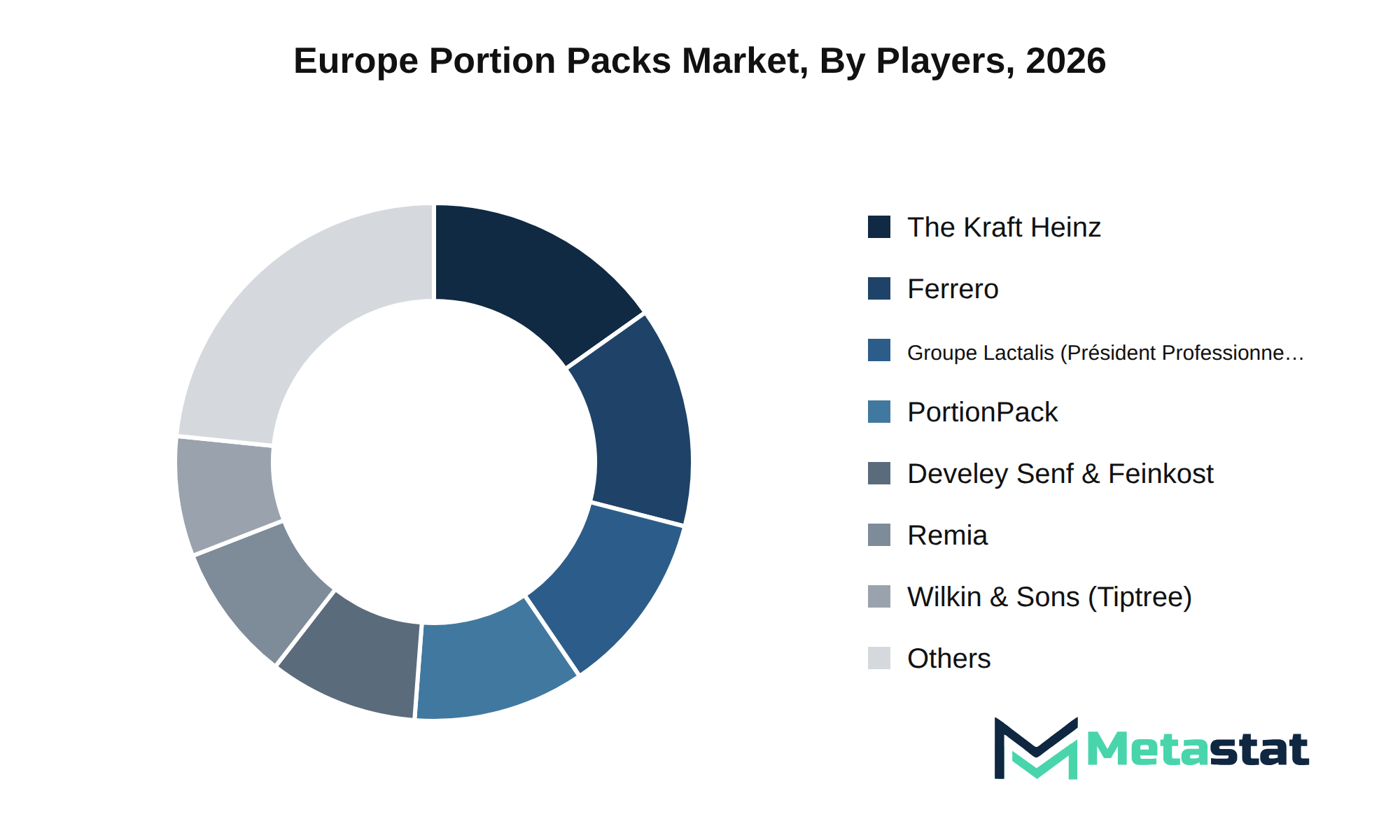
Market size is forecast to rise from USD 4,396 million in 2025 to over USD 6,349.9 million by 2033. The base case estimates a compound annual growth rate (CAGR) of 4.7% during this period. In a bullish scenario, heightened consumer interest in convenience and portion control drives growth beyond current projections, influenced by evolving lifestyle trends and increased availability of innovative portion pack offerings. A bearish outlook arises from economic downturns or significant shifts in consumer preferences away from pre-packaged products, which restrain growth in the Europe Portion Packs market.
Strategic capital allocation plays a crucial role in shaping the market landscape. Investments in next-generation technology and R&D commercialization enhance product offerings and streamline operations. Companies focusing on innovative packaging formats and sustainable practices find emerging white-space opportunities, responding to unmet enterprise needs and evolving regulatory requirements. Integrating sustainability into product life cycles aligns with increasing consumer demand for environmentally friendly options, creating potential high-growth pockets.
Macroeconomic factors, including geopolitical realignments and shifting trade corridors, influence supply chain dynamics within the market. Firms adapt their operational strategies to navigate these changes and ensure compliance with regulatory evolution timelines. Effective defensibility roadmaps support companies in maintaining competitive advantages and positioning themselves for future growth. The Europe Portion Packs market evolves, driven by strategic imperatives that respond to market demands and emerging trends.
The report strategically identifies and profiles the key market players and analyses their core competencies in each sub-segment of the Portion Packs market.
Report Attributes | Details |
Study Period | 2021-2033 |
Base Year | 2025 |
Estimated Year | 2026 |
Forecast Period | 2026-2033 |
Historical Period | 2021-2025 |
Growth Rate | CAGR 4.7% from 2026 to 2033 |
Revenue Unit | USD million |
Segmentation | By Product Type, Packaging Format, End-Use Channel, Region, and Region |
Find answers to common questions about this report
The Portion Packs market size in Europe was valued at USD 4,396 million in 2025.
The Portion Packs market is projected to grow at a CAGR of 4.7% during the forecast period from 2026 to 2033.
The leading segment in the Europe Portion Packs market is Sauces & Condiments, with a projected value of USD 1,626.2 million by 2033. This segment holds the largest share compared to other product types.
The key drivers for the Europe Portion Packs market include the increasing preference for convenience and single-serve options, influenced by lifestyle changes and a growing aging population. heightened health consciousness among consumers fuels demand for portion-controlled products that support balanced diets, prompting retailers and foodservice operators to expand their offerings.
The Europe Portion Packs market faces significant constraints from regulatory compliance, economic conditions, and technological obsolescence. Stricter regulations on packaging materials and food safety increase operational costs, while inflation and rising raw material prices further complicate pricing strategies and profitability. skilled labor shortages hinder productivity and innovation, restricting companies' ability to adapt to changing consumer demands.
The increasing preference for convenience and single-serve options drives product adoption in the Europe Portion Packs market. Lifestyle changes, including busy schedules and rising health consciousness, encourage consumers to seek easy-to-use, portion-controlled products that support balanced diets. Retailers respond by expanding their offerings, aligning with evolving consumer preferences.
The Portion Packs market is estimated to reach a valuation of USD 6,349.9 million by 2033.
Key players in the Europe Portion Packs market include PortionPack Group, The Kraft Heinz Company, Ferrero Group, Develey Senf & Feinkost GmbH, Remia, and Nestlé Nespresso S.A. (Nespresso Professional).
Germany leads the Europe Portion Packs market, projected to reach USD 1,146.2 million by 2033, growing at a CAGR of 4.2%.
The sauces and condiments segment is expected to grow from USD 1,138.9 million in 2026 to USD 1,626.2 million by 2033, achieving a CAGR of 5.2%.
The analysts below cover Packaging research at Metastat Insights.
LEAD ANALYST
Utkarsh Khirodkar is a Lead Market Research Analyst at MetaStat Insight, specializing in market intelligence, technology sector assessments, and competitive strategy.

SENIOR RESEARCH ANALYST
Biotechnology · Food and Beverages · Medical Devices · Packaging
Snehal Pasalkar is a Research Analyst at MetaStat Insight, operating at the intersection of life sciences research, competitive strategy, and market intelligence.

INDUSTRY CONSULTANT - CHEMICALS & ADVANCED MATERIALS
Chemicals and Materials · Machinery & Equipment · Packaging
Amit Gadhekar Consultant for Chemicals and Materials at MetaStat Insight, directing sector-specific intelligence, research, and strategic consulting across global chemical and processing markets.
Evaluating sovereign cloud deployments for core banking platforms demands a clear view of data residency regulations and migration exit strategies. MetaStat Insight delivered an exhaustive review of regional latency tolerances, mainframe decommission milestones, and third-party vendor concentration risk. The regulatory compliance mapping across European and Asian financial jurisdictions gave our team a dependable baseline for multi-cloud infrastructure discussions.
Replacing petrochemical surfactants with bio-based alternatives requires realistic timelines on industrial precision fermentation scaling. The market research broke down commercialization timelines, feedstock sugar price sensitivities, and regional cosmetic ingredient regulatory approvals in Europe and East Asia. That supplier readiness mapping gave our formulations team reliable context when comparing renewable chemical sourcing roadmaps.
Tracking ceramic matrix composite adoption in high-bypass aero engines requires strict attention to material qualification cycles and FAA airworthiness testing milestones. The MetaStat Insight team provided a detailed timeline of silicon carbide fiber manufacturing capacity and commercial foundry lead times. Having clear visibility into upstream thermal barrier coating supply helped us stress-test our long-term component procurement strategy.
Explore related market intelligence reports worth reading alongside this one.