
LEAD ANALYST
Utkarsh Khirodkar is a Lead Market Research Analyst at MetaStat Insight, specializing in market intelligence, technology sector assessments, and competitive strategy.

Global Granular Biochar Market Size, Share, By Product Type (Wood Source Biochar, Corn and Wheat Source Biochar, Other Source Biochar), By Feedstock Type (Wood and Forestry Residues, Agricultural Residues, Crop and Grain Residues, Animal Manure and Digestate, Food and Green Waste, Other Biomass Feedstocks), By Application (Soil Conditioner and Soil Amendment, Biochar-Based Fertilizer, Horticulture and Landscaping, Water Treatment, Soil Remediation, Animal Feed and Bedding, Construction and Industrial Materials, Carbon Removal), By Particle Size (Fine Granules (10 mm)), Industry Analysis, Growth, Trends, and Forecast, 2026-2033
Report ID
MSI-5162
Published
September, 2026
Pages
259 Pages
Format
Historical
Base year
Forecast
Forecast period
Report Details
Choose Your License
Global Granular Biochar Market
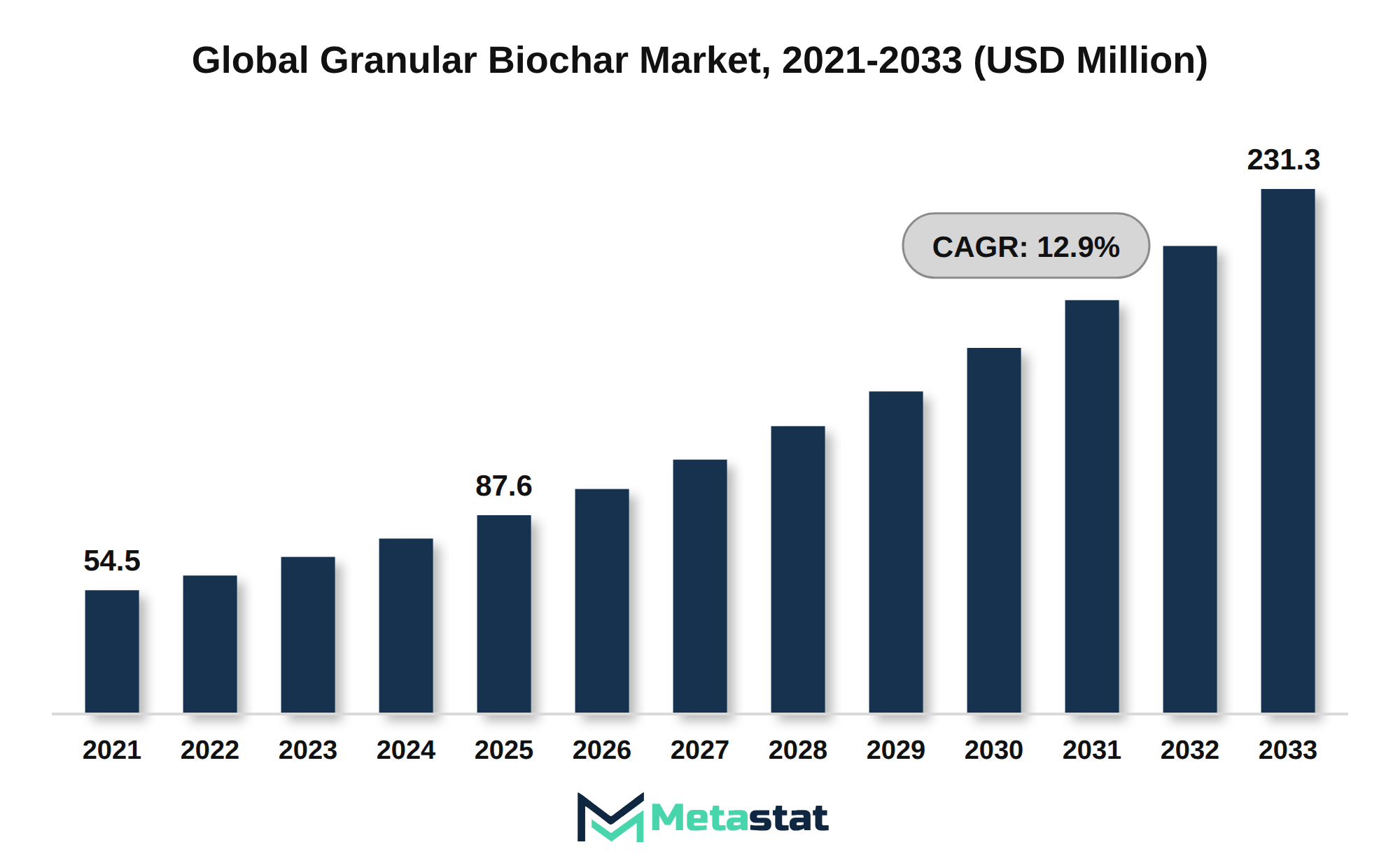
The global Granular Biochar market was valued at USD 87.6 million in 2025 and is projected to reach USD 231.3 million by 2033, growing at a CAGR of 12.9% over the forecast period.
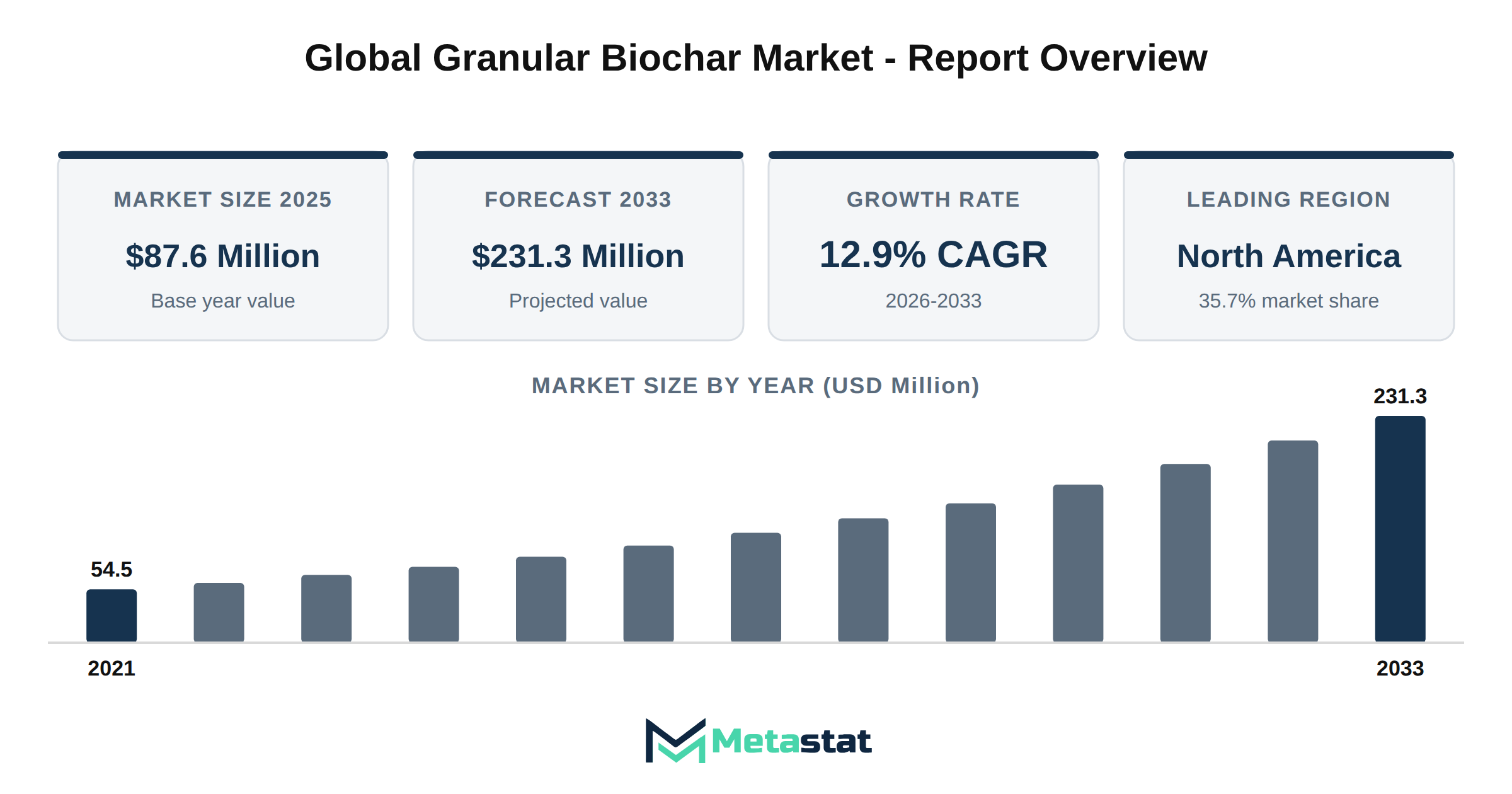
The granular biochar market reached a base value of USD 87.6 million in 2025, demonstrating significant growth from USD 54.5 million in 2021. The market is projected to expand to USD 231.3 million by 2033, reflecting a compound annual growth rate (CAGR) of 12.9 percent during the forecast period from 2026 to 2033. Key drivers of this growth include increasing awareness of biochar's benefits in enhancing soil quality and carbon sequestration.
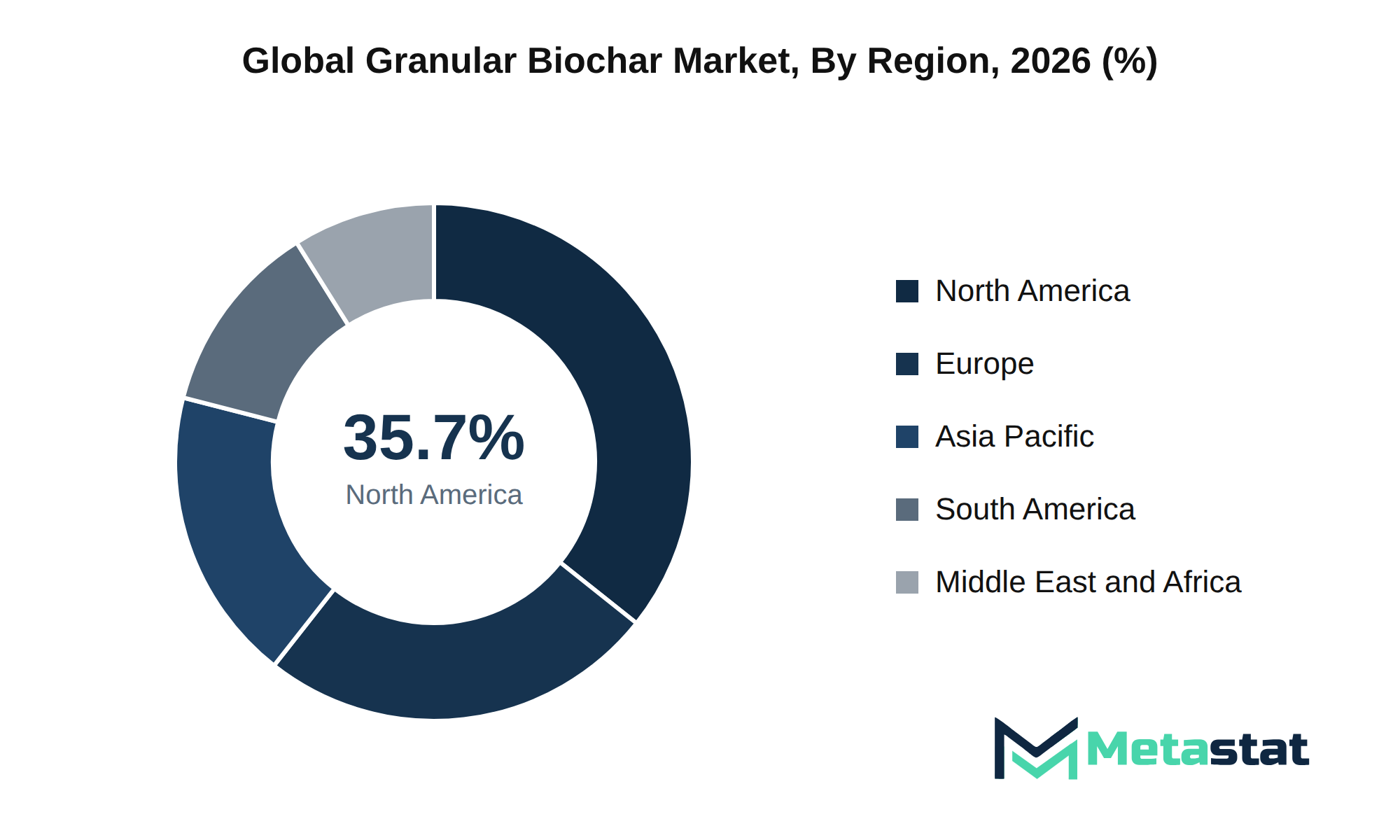
North America holds the largest market share at 35.7 percent, followed by Europe at 24.9 percent and Asia Pacific at 18.4 percent. Regional dynamics shape the competitive landscape, with North America expected to generate USD 76.6 million by 2033 at a CAGR of 12.9 percent. The market's expansion across these regions stems from heightened agricultural practices and environmental regulations promoting sustainable farming.
Product segmentation indicates that wood source biochar contributed USD 41.1 million in 2026, with projections reaching USD 91.3 million by 2033. Corn and wheat source biochar is anticipated to achieve a value of USD 104 million by the end of the forecast period, driven by the agricultural sector's increasing demand for effective soil amendments. Other source biochar rounds out the segment, with growth opportunities emerging from diverse feedstock utilization.
Feedstock types further define market dynamics. Wood and forestry residues are expected to grow from USD 38 million in 2026 to USD 82.8 million by 2033, reflecting a CAGR of 11.8 percent. Agricultural residues will achieve a value of USD 42.8 million by 2033, supported by rising emphasis on waste utilization and recycling in agricultural practices. Crop and grain residues present significant market opportunities due to sustainable feedstock alternatives.
The granular biochar market benefits from increasing regulatory compliance and standards that emphasize sustainable agricultural practices and carbon sequestration. Various regions implement frameworks to facilitate the adoption of biochar, enhancing its market potential. Compliance with environmental regulations supports market growth by ensuring product safety and efficacy.
Disruption in traditional agricultural practices drives innovation in biochar applications. Research and development trajectories focus on improving biochar production processes and exploring new feedstock sources. Next-generation innovations in biochar technology enhance its utility in various sectors, including soil remediation and carbon management.
Sustainable transformation efforts within the market align with global decarbonization initiatives. Circular economy dynamics emphasize the importance of using biochar in waste management and soil enhancement, contributing to a more sustainable agricultural ecosystem. This alignment presents opportunities for market participants to engage in environmentally responsible practices.
The supply chain landscape for granular biochar is evolving, with logistics architecture adapting to meet growing demand. Strategic sourcing practices enhance the availability of quality feedstocks, thereby supporting production efficiency. Market fragmentation results from the presence of numerous players, increasing competition and innovation.
Mergers and acquisitions within the industry signal consolidation efforts aimed at enhancing market share and operational efficiencies. Value chain dynamics highlight the importance of collaboration among producers, distributors, and end-users to optimize product delivery and customer satisfaction. Procurement strategies focus on securing reliable sources of feedstock to ensure consistent production levels.
Understanding customer journey dynamics is crucial for effectively addressing market needs. Tailored solutions enhance customer experience and facilitate adoption across various sectors. Capital allocation towards infrastructure investments strengthens production capabilities, positioning companies for future growth.
The future strategic outlook for the granular biochar market appears promising, driven by robust demand and technological advancements. Corporate imperatives emphasize sustainability and innovation, prompting companies to explore new opportunities and enhance their competitive stance. High-value recommendations for market participants include investing in research and development, optimizing supply chains, and forming partnerships to leverage shared expertise.
Heightened awareness regarding environmental impacts has intensified the demand for granular biochar. Emission limits established by various organizations encourage businesses to adopt sustainable practices that align with these regulations, driving a shift towards closed-loop systems. This transition directly influences industries including agriculture and waste management, where the utilization of biochar contributes to carbon footprint reduction and enhances soil health.
Advancements in technology streamline the production and application processes of granular biochar. Integration of automated systems and digital solutions improves efficiency and reduces operational costs, making biochar an attractive option for various applications. Industries recognize the commercial advantages associated with adopting sustainable practices, resulting in heightened investment and expanded market participation.
Growing interest in sustainability initiatives further boosts the granular biochar market. Companies seek solutions that comply with emission standards and contribute to broader environmental, social, and governance (ESG) goals. This dynamic leads to increased funding for research and development, ultimately expanding the array of biochar products available to meet diverse consumer demands.
The Granular Biochar market experiences growth driven by rising emphasis on sustainability initiatives. Companies are prioritizing environmental, social, and governance (ESG) mandates, prompting shifts in production practices towards more sustainable alternatives. This transition aligns with global trends in carbon footprint reduction and circular economy initiatives, which enhance the adoption of biochar in various sectors.
Investments in sustainable technologies and practices enhance operational productivity and cost efficiency, allowing firms to streamline processes and reduce overhead. The agricultural sector, a significant consumer of biochar, increasingly seeks solutions that not only enhance soil health but support sustainable farming practices. This growing demand creates ample opportunities for expansion within the market.
Consumer behavior has shifted towards products that align with sustainable practices, influencing purchasing decisions across demographics. While urbanization and lifestyle changes take shape, consumers actively seek products that contribute to environmental stewardship. This trend reinforces the market's positioning because a vital component in the sustainable development agenda, ultimately fueling its growth through increased adoption and investment.
The granular biochar market faces significant challenges due to regulatory hurdles that impede market access. Compliance with various environmental standards creates complexities for producers, resulting in increased operational costs. Many companies encounter difficulties navigating the intricate regulatory landscape, leading to delays in product approvals and market entry. Such barriers particularly affect smaller players, limiting their ability to compete effectively against established suppliers.
Macroeconomic headwinds contribute to a challenging environment for the market. Inflationary pressures impact production costs and consumer purchasing power, influencing overall demand for granular biochar. Rising costs for raw materials and energy further complicate the operational landscape, forcing companies to adjust pricing strategies or absorb these expenses, which affects profitability.
Technological obsolescence poses a risk to market participants. Rapid advancements in alternative offerings create competitive pressure, compelling producers to innovate continually. Failure to keep pace with technological developments results in diminished market share and reduced relevance. In addition, the emergence of substitute products diverts potential customers, affecting the market's growth trajectory.
Infrastructure gaps, particularly in logistics and distribution, hinder the efficient delivery of granular biochar to end-users. Insufficient transportation networks and storage facilities create bottlenecks that delay product availability in key regions. Such challenges exacerbate the impact of existing market fragmentation, making it difficult for companies to establish a foothold in new markets.
Talent gaps and skilled labor deficiencies further constrain the market. Finding qualified personnel for production and R&D roles proves challenging, limiting the ability of companies to expand operations. This shortage leads to slower adoption rates of granular biochar, stalling growth and innovation within the market.
The granular biochar market encounters significant challenges owing to geopolitical fragmentation, which disrupts trade dynamics. Trade deficits and tariff friction complicate cross-border transactions, affecting supply chains and operational costs. The repercussions of these geopolitical tensions extend to pricing strategies, because producers adjust to shifting market conditions. Marginal profit margins face pressure from rising input costs associated with logistical disruptions and supply chain instability. This situation creates uncertainty for stakeholders across the value chain, influencing investment decisions and potentially slowing market growth.
Technological disruptions pose additional hurdles for producers aiming to innovate within the granular biochar market. Integration complexities in research and development efforts delay product advancements and impact competitiveness. A fragmented geopolitical environment exacerbates these challenges, because firms struggle to align their strategies with global trends and technological shifts. Consequently, stakeholders navigate an increasingly complex landscape, affecting overall market potential and adoption rates.
Workforce skill gaps further complicate operations within the market. The rapid pace of technological change necessitates a workforce adept in new methodologies and tools. Without sufficient training or talent retention strategies, firms face difficulties in maintaining productivity and efficiency. This skill shortage influences market performance, because organizations struggle to implement innovative practices crucial for meeting evolving consumer demands.
The granular biochar market anticipates significant growth driven by technological disruptions that enhance production processes and product efficacy. Innovations in pyrolysis technology improve energy efficiency, enabling the conversion of biomass into biochar with higher yields. This advancement appeals to manufacturers seeking cost-effective methods, increasing adoption among producers who prioritize operational efficiency.
Digital transformation plays an important role, facilitating data-driven decision-making and enhancing supply chain management. Companies integrate advanced analytical tools to optimize production and distribution, leading to increased market responsiveness. Increased efficiency attracts investment into the market, further accelerating growth.
Emerging regional demands contribute to market expansion, particularly in North America and Europe, where there is a strong push for sustainable agricultural practices. The market benefits from heightened interest in eco-friendly solutions, prompting farmers and agricultural businesses to seek biochar products that enhance soil health while aligning with environmental sustainability goals.
Next-generation innovations, including specialized application methods including biochar-based fertilizers and soil amendments, create niche markets within the broader market. These developments drive downstream diversification, allowing companies to capture a wider customer base while responding to evolving consumer preferences.
Overall, the convergence of technological advancements and changing market dynamics positions the granular biochar market for significant growth in the upcoming years, creating opportunities for stakeholders across the value chain to capitalize on emerging trends.
The Global Granular Biochar market is segmented based on Product Type, Feedstock Type, Application, and Particle Size.
Valued at USD 41.1 million in 2026, the Wood Source Biochar segment is projected to reach USD 91.3 million by 2033, at a CAGR of 12.1% during the forecast period. The shift towards sustainable agricultural practices drives demand for biochar derived from wood sources, particularly for its benefits in soil enhancement, carbon sequestration, and waste management. Increased adoption in various agricultural applications contributes to segment expansion, especially within regions prioritizing environmental sustainability and climate change mitigation.
Technological maturation within the sector enhances the production processes, leading to improved biochar quality and consistency. Innovations in pyrolysis technology improve the efficiency of converting biomass into biochar, prompting manufacturers to invest in advanced production systems. Enhanced product offerings, including customized biochar solutions tailored for specific soil types and crop needs, support segment growth.
While end-use dynamics evolve, Wood Source Biochar finds application in diverse agricultural and horticultural practices, reinforcing its position within the Granular Biochar market. Growing awareness of the importance of soil health stimulates demand for biochar, recognized for its capacity to retain moisture and nutrients in the soil. Regulatory compliance standards increasingly favor biochar applications owing to its status because a natural amendment, ensuring that producers align with eco-friendly practices.
Cost structures in the segment are influenced by fluctuating raw material prices and production expenses. Manufacturers face pricing volatility due to competition within the biochar landscape, compelling them to optimize operational efficiencies to maintain margins. Supply chain resilience becomes essential in securing reliable feedstock sources, with strategic partnerships emerging to mitigate risks related to raw material availability.
The Wood Source Biochar segment reflects an evolving market, with strategic opportunity windows arising from heightened environmental consciousness and regulatory support for sustainable practices. Investment in research and development continues to drive innovations, positioning stakeholders to capitalize on emerging trends that shape the future of the Granular Biochar market.
Corn & Wheat Source Biochar segment experiences significant growth, driven by rising demand for sustainable agricultural practices. Increasing awareness regarding soil health and the benefits of biochar in enhancing soil fertility drives this segment forward. This trend aligns with the broader objectives of enhancing crop yields while reducing environmental impacts associated with traditional farming methods. Regulatory frameworks promoting sustainable farming practices further support growth in this segment, providing farmers with incentives to adopt biochar solutions.
Corn & Wheat Source Biochar segment is estimated to reach USD 104 million by 2033, at a CAGR of 12.9% during the forecast period. The market faces pricing volatility, influenced by fluctuations in feedstock availability and production costs. Nevertheless, advancements in biochar production technology and processing efficiency contribute to mitigating cost pressures. Strategic investments in research and development enhance product offerings, catering to specific agricultural needs and expanding the potential applications of biochar.
Consumer preferences shift towards organic and sustainable products, increasing the market's relevance in the agricultural sector. The emphasis on improving soil health and carbon sequestration aligns with global sustainability goals, making this segment an attractive option for farmers seeking to enhance their practices. While the Granular Biochar market grows, the Corn & Wheat Source Biochar segment is positioned to capitalize on these trends, offering innovative solutions that address both agricultural productivity and environmental sustainability.
Demand for Other Source Biochar reflects an increasing interest in sustainable agricultural practices and carbon sequestration methods. Regulatory frameworks promoting eco-friendly solutions contribute to the growth of this segment, particularly among environmentally conscious consumers and industries. Companies operate within a competitive environment where innovation in biochar production techniques enhances product appeal and functionality.
Applications in soil enhancement and environmental remediation drive the adoption of Other Source Biochar in various sectors, including agriculture and landscaping. The segment is expected to reach USD 35.9 million by 2033. Increased focus on soil health and the need for effective nutrient management solutions further support this upward trajectory in the Granular Biochar market.
Technological advancements in biochar production processes, alongside growing awareness of its environmental benefits, create new opportunities for market participants. These developments encourage investment in research and product evolution, aligning with emerging consumer preferences and regulatory requirements. Overall, the combination of strategic opportunities and evolving market conditions positions Other Source Biochar favorably within the broader Granular Biochar market.
Valued at USD 38 million in 2026, the Wood & Forestry Residues segment is projected to reach USD 82.8 million by 2033, at a CAGR of 11.8% during the forecast period. This segment experiences growth driven by increasing utilization of agricultural waste and forestry residues for biochar production, leading to significant demand from industries focused on sustainability and soil enhancement. Rising awareness of environmental benefits associated with biochar application stimulates investment and adoption within the agricultural sector. Enhanced soil fertility, improved water retention, and carbon sequestration contribute to the appeal of products derived from wood and forestry residues.
Investment in advanced production technologies supports the segment's expansion, with new methods allowing for more efficient conversion of feedstocks into biochar. Regulatory frameworks promoting sustainable practices encourage the use of biochar, further boosting market engagement. The trend toward organic farming and sustainable land management fuels demand for biochar applications in soil conditioning and carbon removal, reinforcing the segment's relevance in the Granular Biochar market.
Efforts to improve supply chain resilience and raw material sourcing strategies influence the economics of production. Producers face pricing pressures due to fluctuating raw material costs and competition from alternative soil amendments. Nevertheless, the segment's growth trajectory remains robust, with strategic opportunities for investment and market penetration projected through 2033.
Increasing focus on sustainable agricultural practices drives demand for biochar derived from agricultural residues. This feedstock type supports the reduction of greenhouse gas emissions and enhances soil fertility. Adoption of agricultural residues for biochar production aligns with global sustainability initiatives, further propelling market growth.
Valued at USD 42.8 million by 2033, the segment registers a compound annual growth rate (CAGR) of 13.2% during the forecast period. This growth results from rising awareness of the benefits of biochar in improving soil health and productivity, influencing farmers and agricultural businesses to seek out biochar solutions.
Market expansion is driven by advancements in production technology, which enhance the efficiency and quality of biochar derived from agricultural residues. These developments enable manufacturers to meet increasing consumer demands for high-quality biochar products. The Granular Biochar market reflects a growing preference for environmentally responsible agricultural inputs, further increasing the segment's attractiveness.
Regulatory compliance standards favoring climate-smart practices encourage the use of biochar, creating a strategic opportunity for industry players. Increased investment in research and development for agricultural biochar applications strengthens market position, addressing challenges related to raw material sourcing and production costs.
Increasing focus on sustainable agricultural practices drives adoption of biochar derived from crop and grain residues. These materials provide a renewable source for biochar production, aligning with efforts to enhance soil health and improve crop yields. The market responds to consumer demand for environmentally friendly fertilizers, encouraging farmers to adopt biochar in their cultivation processes.
Technological advancements in biochar production from crop and grain residues facilitate efficient conversion processes, enhancing product quality and availability. Innovations enable producers to optimize feedstock sourcing and reduce costs, further expanding the market's potential. Agricultural residues become more integrated into biochar production, transforming the landscape for this segment and creating opportunities for increased investment and growth.
Regulatory incentives supporting the use of agricultural by-products contribute to the upward trend in this segment. Governments implement policies promoting sustainable agriculture, and the market for biochar derived from crop and grain residues is expected to flourish. The Crop & Grain Residues segment is projected to reach USD 51.1 million by 2033, reflecting significant growth and investment in sustainable practices.
Strong demand for biochar produced from animal manure and digestate stems from growing interest in sustainable waste management solutions. This segment addresses concerns related to nutrient recycling and soil enhancement, aligning with global agricultural trends. Increased adoption of biochar in various agricultural practices reflects a shift towards eco-friendly and regenerative farming methods. Animal manure and digestate offer a cost-effective feedstock source while improving soil structure and fertility.
Valued at USD 38 million in 2026, this segment is projected to grow at a CAGR of 14.3% during the forecast period. The market's expansion relies on the continuous development of technologies enhancing biochar production efficiency. Adoption of these methods drives lower production costs and higher profit margins for suppliers. Regulatory compliance and certifications focusing on environmental sustainability further encourage market growth, making animal manure and digestate crucial contributors to the overall Granular Biochar market.
While end-users increasingly prioritize sustainable practices, biochar's role in soil amendment and carbon sequestration becomes more prominent. This trend increases demand for animal manure and digestate biochar, reinforcing its position within the market. Adoption of innovative techniques and strategic partnerships among suppliers enhances product offerings, ultimately supporting long-term growth within the Granular Biochar market.
Awareness regarding waste management solutions drives increased interest in converting Food & Green Waste into a feedstock for granular biochar production. This growing emphasis on sustainable practices aligns with global efforts to reduce landfill waste and promote circular economy principles. Various stakeholders, including farmers and agricultural businesses, actively seek innovative methods to enhance soil health and fertility. By converting organic waste into biochar, these stakeholders benefit from improved crop yields and reduced reliance on chemical fertilizers.
Adoption of biochar derived from Food & Green Waste contributes to a reduction in greenhouse gas emissions. This outcome aligns with regulatory efforts targeting climate change mitigation. Technological advancements in biochar production processes enhance conversion efficiencies, enabling better quality biochar from organic residues. Ongoing research into biochar's multifunctional applications in agriculture and environmental remediation reinforces its position within the market.
Market players are increasingly investing in developing scalable production technologies and establishing partnerships to enhance supply chain resilience. The stability of raw material sourcing remains a critical factor, particularly for Food & Green Waste, driven by fluctuations in waste availability that impact production capabilities. Strategic opportunities arise from the potential for product evolution tailored to various agricultural applications, facilitating expanded market penetration.
While consumer preferences shift towards sustainable products, the market stands ready to capitalize on this trend. The integration of biochar into organic farming practices is gaining traction, supported by its ability to improve soil structure and retain moisture. These dynamics highlight the importance of Food & Green Waste feedstock within the broader granular biochar market, emphasizing its potential for growth and adoption in the coming years.
Growing interest in sustainable agricultural practices drives the demand for biochar derived from various biomass feedstocks. This trend reflects a broader shift towards ecological farming and land management techniques, where the application of biochar enhances soil health and fertility. The Granular Biochar market benefits from ongoing investments in research and development, which improve the exploration of alternative feedstocks, enhancing product versatility and expanding potential applications across different agricultural settings.
The evolution of biochar production technologies supports the incorporation of diverse biomass sources, thereby enhancing the market's adaptability. Innovations in pyrolysis and gasification techniques result in improved efficiencies in biochar production, reducing overall production costs while maintaining product quality. This technological maturation influences the adoption rate of biochar among farmers and agronomists seeking sustainable solutions to improve crop yield and resilience against changing climate conditions.
Regulatory compliance and incentives play significant roles in shaping market dynamics. Governments and agricultural organizations recognize the potential of biochar in carbon sequestration and soil enhancement, leading to policies that support its use. This regulatory landscape creates a favorable environment for investment and development, enabling players in the Granular Biochar market to capitalize on emerging opportunities.
Shifts in consumption patterns, driven by increased awareness of environmental impacts, prompt end-users to seek sustainable alternatives. The integration of biochar into traditional farming practices aligns with consumer demand for environmentally friendly products, enhancing market appeal. By addressing these consumption shifts, stakeholders position themselves strategically within the evolving agricultural sector.
Valued at USD 39 million in 2026, the Soil Conditioner & Soil Amendment segment is projected to reach USD 84.9 million by 2033, at a CAGR of 11.8% during the forecast period. Increasing adoption of biochar for soil improvement reflects the growing emphasis on sustainable agriculture and soil health. Utilization of biochar in this segment enhances soil fertility, moisture retention, and nutrient availability, driving demand from agricultural producers focused on maximizing crop yields.
Technological maturation in biochar production techniques supports greater efficiency and quality, making biochar more accessible for various agricultural applications. While producers and farmers become more aware of the environmental benefits associated with biochar, the market experiences heightened interest. Regulatory compliance standards promoting organic farming practices further increase the adoption of biochar in soil enhancement.
Cost structures associated with biochar production remain competitive, particularly owing to improved feedstock sourcing and more streamlined production processes. This segment's growth is closely tied to shifts in consumer preferences toward organic and environmentally friendly agricultural solutions. Consequently, the Granular Biochar market anticipates ongoing expansion, fueled by these factors.
Growing recognition of the benefits of using biochar in agriculture increases the demand for biochar-based fertilizers. This segment is estimated to reach USD 45.6 million by 2033, at a CAGR of 12.7% during the forecast period. Farmers increasingly adopt biochar-based fertilizers owing to their ability to enhance soil health, improve nutrient retention, and support sustainable farming practices. Technological advancements in biochar production facilitate the development of more effective and efficient fertilizers, creating opportunities for growth in the market.
Regulatory compliance standards regarding sustainable agricultural practices contribute to the expansion of the biochar-based fertilizer segment. Policies promoting eco-friendly farming methods encourage the use of biochar, aligning with global trends toward sustainability and environmental stewardship. The market benefits from these shifts in consumer preferences, because end-users prioritize products that enhance crop yields while minimizing environmental impact.
Pricing volatility in agricultural inputs influences the market dynamics for biochar-based fertilizers. Fluctuations in the costs of raw materials impact the pricing strategies of suppliers, affecting overall market competitiveness. The long-term benefits associated with biochar, including improved soil fertility and reduced dependency on chemical fertilizers, support its adoption across various agricultural sectors.
Investment in R&D for biochar production technologies strengthens the segment's position within the granular biochar market. Innovations focused on improving the efficiency and quality of biochar-based fertilizers create strategic opportunities for market players. Capital investments in production capacity and technology upgrades enhance the allure of biochar because a sustainable alternative in agriculture, addressing both current and future market demands.
In the Granular Biochar market, the Horticulture & Landscaping application segment shows considerable potential for growth, with expectations to reach USD 24.3 million by 2033. This expansion is driven by increasing adoption of biochar in enhancing soil fertility and sustainability practices. The segment benefits from rising consumer awareness regarding eco-friendly gardening and landscaping solutions, prompting gardeners and landscapers to incorporate biochar into their practices.
Technological advancements in biochar production techniques contribute to the segment's evolution, enhancing product quality and broadening its appeal. Innovations in manufacturing processes improve the efficiency and effectiveness of biochar, aligning with the growing trend towards sustainable horticultural practices. Demand for biochar-based fertilizers further supports segment growth, driven by their efficacy in nutrient retention and soil improvement.
Shifts in consumption patterns towards organic and sustainable gardening practices reinforce the segment's trajectory. Regulatory compliance standards encouraging the use of sustainable materials in landscaping applications enhance the market's attractiveness. These standards facilitate greater acceptance among consumers, increasing the segment's penetration within the broader Granular Biochar market.
Cost structures related to biochar production remain competitive, enabling producers to offer attractive pricing while maintaining quality. The segment's overall growth outlook highlights significant strategic opportunity windows for investment in R&D and marketing initiatives, facilitating enhanced awareness and adoption of biochar in horticulture and landscaping applications.
Increasing regulatory focus on water quality drives growth in the Water Treatment segment of the Granular Biochar market. This segment is projected to grow at a CAGR of 14.5% during the forecast period. Biochar's ability to adsorb heavy metals, nutrients, and organic pollutants enhances its application in water treatment processes. Rising demand for sustainable and efficient treatment solutions contributes to the expansion of this segment, attracting investments from public and private sectors.
Technological advancements in biochar production and application techniques support integration into water treatment systems. Enhanced processing methods improve biochar's adsorption properties, making it a preferred choice for wastewater remediation. The growing trend of circular economy practices encourages industries to adopt biochar for water treatment, leading to a shift towards environmentally friendly alternatives.
Increased awareness among industrial and municipal entities regarding the effectiveness of biochar in improving water quality influences consumption patterns. The shift from traditional treatment methods to biochar-based solutions reflects changing end-use dynamics, with stakeholders seeking more efficient and sustainable options. The Granular Biochar market is expected to benefit from these trends, further reinforcing biochar's role in addressing water treatment challenges.
Growing concerns about soil degradation and pollution drive interest in biochar for soil remediation. This application targets the restoration of contaminated soils, enhancing their quality and fertility. Regulatory compliance standards regarding soil health and environmental sustainability push agricultural and industrial sectors to adopt biochar solutions. Specific certifications related to biochar usage facilitate acceptance among users focused on regulatory adherence and best practices.
Technological maturation influences product evolution in the granular biochar market, with advancements in biochar production methods improving efficacy and reducing costs. Next-gen upgrades, including innovative carbon capture techniques, optimize the performance of biochar in soil remediation applications. Consumption shifts occur because end-users recognize the long-term benefits of biochar in enhancing soil health and fertility.
Strategic opportunity windows arise due to expanding awareness of environmental issues. Capital investment outlooks improve, with funding allocated toward innovative approaches in soil remediation. Supply chain resilience becomes crucial, ensuring consistent raw material sourcing for biochar production. Disruption risks from alternative soil remediation methods remain relevant, but biochar continues to establish its place in sustainable practices.
Pricing volatility affects market dynamics, influencing purchasing decisions among end-users. Margin pressures associated with production and distribution impact the overall competitive landscape. Nevertheless, the granular biochar market's growth potential remains evident, supported by increasing emphasis on sustainable agricultural practices and environmental responsibility.
Growing interest in the application of biochar for animal feed and bedding stems from its potential benefits in animal health and manure management. Incorporating biochar within these applications enhances nutrient retention and reduces odor, contributing to improved livestock performance and environmental sustainability. Implementing biochar promotes better waste management practices, addressing concerns related to agricultural byproducts, which aligns with increasing regulatory pressures for sustainable farming practices.
The Granular Biochar market experiences shifts driven by advancements in production technologies, enhancing the quality and efficiency of biochar used in animal feed and bedding applications. Technological maturation, particularly in pyrolysis processes, supports the evolution of next-generation biochar products that meet stringent quality standards. Growing awareness of the importance of animal welfare and environmental impact fuels demand for biochar in this segment.
Implementing biochar in animal feed and bedding supports various end-use dynamics, including improved digestion and nutrient absorption in livestock. Regulatory compliance standards increasingly influence the adoption of biochar in agricultural practices, with certifications emerging that validate the performance and environmental benefits of biochar. Market players focusing on these aspects enhance their competitive positioning while addressing challenges related to cost structures and pricing volatility.
Strategic opportunity windows exist for suppliers looking to tap into the animal feed and bedding market, particularly driven by agricultural practices evolving towards sustainability. Innovations in product offerings, including customized biochar blends tailored for specific livestock needs, present avenues for revenue growth. The market anticipates continued interest in biochar applications, reflecting broader trends in sustainable agriculture and animal husbandry.
Adoption of biochar in construction and industrial materials reflects a growing shift toward sustainable building practices. Enhanced awareness of environmental impacts promotes the integration of biochar into various applications, providing benefits including improved material properties and lower carbon footprints. The market sees increasing interest from manufacturers focusing on eco-friendly materials that align with green building certifications and regulations.
Technological maturation in biochar production processes supports the expansion of its use in construction. Advancements allow for the creation of high-quality biochar with tailored properties suitable for specific applications. Enhanced product performance in durability, insulation, and strength encourages wider acceptance among builders and construction firms, reinforcing the segment's growth potential.
Regulatory compliance standards influencing construction materials increasingly favor the inclusion of sustainable options. Demand for environmentally friendly materials results from stringent regulations aimed at reducing carbon emissions and promoting resource efficiency. This trend reinforces the role of biochar in construction, driving investments in research and development to optimize its functionalities.
Cost structures and pricing volatility in traditional construction materials challenge industry stakeholders to explore alternative options. The use of biochar mitigates these pressures, providing a cost-effective solution that aligns with sustainability goals. The segment benefits from increased investments aimed at enhancing raw material sourcing and supply chain resilience, ensuring a steady flow of biochar for construction purposes.
Strategic opportunity windows emerge because companies seek to differentiate themselves through innovative products. The application of biochar in construction and industrial materials not only enhances performance but supports the overall sustainability narrative within the Granular Biochar market. This focus on product evolution positions biochar because a competitive alternative to conventional materials in the construction sector.
Growing emphasis on carbon sequestration strategies significantly influences the Granular Biochar market. This application of biochar contributes to environmental sustainability by capturing and storing carbon emissions, aligning with global climate goals. Increasing pressure on industries to reduce greenhouse gas emissions drives investments in carbon removal technologies, highlighting the value of biochar in carbon management initiatives.
Regulatory measures aimed at climate change mitigation further enhance the attractiveness of biochar for carbon removal applications. The integration of biochar into carbon offset programs serves because a strategic opportunity for businesses seeking compliance with evolving environmental policies. Enhanced consumer awareness about carbon footprints and sustainable practices creates a market environment conducive to growth.
The market benefits from continuous technological advancements that improve the efficiency of biochar production and application methods. Innovations in carbon capture technologies broaden the scope of biochar’s uses, impacting its role in environmental strategies. This dynamic contributes to an expanding range of applications within the broader biochar ecosystem, creating new avenues for market engagement.
Corporate investments in research and development focus on enhancing the performance of biochar in carbon removal, driving product evolution. The demand for effective carbon management solutions promotes exploration of biochar's role in diverse industrial processes. These factors collectively position biochar because a critical component in ongoing efforts to address climate change challenges.
Valued at USD 17.5 million in 2026, the Fine Granules (<2 mm) segment is projected to reach USD 37 million by 2033, at a CAGR of 11.3% during the forecast period. Growing emphasis on improving soil health drives demand for fine granules, which serve as effective soil conditioners and amendments. The ability of this biochar type to enhance nutrient retention, water holding capacity, and microbial activity in soil contributes to its adoption across agricultural and horticultural applications.
Technological advancements in biochar production are expected to support the expansion of this segment. Increased investments in next-generation upgrades improve production efficiency and reduce costs, thereby enhancing the competitiveness of fine granules within the Granular Biochar market. Regulatory compliance, especially concerning soil health and carbon sequestration, influences consumption patterns, because end-users seek environmentally friendly solutions that meet stringent agricultural standards.
Rising consumer awareness regarding sustainable farming practices increases interest in biochar, particularly fine granules. This segment benefits from ongoing shifts towards eco-friendly agricultural practices, which prioritize soil restoration and fertility. The relevance of fine granules in various applications positions this segment favorably for continued growth, establishing it because a critical player in the overall Granular Biochar market.
Increasing adoption of granular biochar for agricultural applications significantly influences demand for Standard Granules (2-5 mm). This segment addresses the specific needs of farmers seeking efficient soil amendments and conditioners. Considerable benefits associated with this particle size, including improved nutrient retention and enhanced soil aeration, support its appeal. Regulatory compliance regarding soil health and sustainability drives interest in products like biochar, contributing to market growth.
The Standard Granules (2-5 mm) segment is estimated to reach USD 78.6 million by 2033, reflecting a CAGR of 12.5% during the forecast period. This growth trajectory results from expanding applications in organic farming and eco-friendly landscaping practices. The emphasis on reducing chemical fertilizers aligns with demand for biochar-based solutions, enabling wider adoption across various agricultural sectors within the Granular Biochar market.
Rising interest in granular biochar products contributes to the expected growth of the Medium Granules (5-10 mm) segment, projected to reach USD 65.9 million by 2033. Adoption of biochar in various agricultural applications highlights its effectiveness in enhancing soil quality and promoting sustainable farming practices. Increasing consumer awareness regarding environmental issues and the need for eco-friendly agricultural solutions supports market expansion.
Technological advancements in biochar production processes drive the quality and efficiency of medium granules. Enhanced production methods lead to improved physical and chemical properties of biochar, promoting utilization across diverse agricultural practices. Rising demand for biochar-derived products, particularly in soil conditioning and amendment applications, supports substantial growth in this segment.
Market players focus on product evolution, emphasizing the importance of medium-sized granules in specific applications, including soil health improvement and nutrient retention. Shifts in consumption patterns toward organic and sustainable farming further support demand for this segment. Continuous research and development efforts lead to innovative biochar formulations that cater to the evolving needs of agricultural producers.
Regulatory compliance standards regarding soil health and sustainability enhance the segment's growth prospects. Governments and environmental agencies increasingly promote practices that incorporate biochar in agricultural systems, aligning with broader environmental goals. The Medium Granules (5-10 mm) segment stands poised for expansion, driven by strategic opportunities that align with market trends and consumer preferences.
Increasing adoption of coarse granules in various applications drives growth within the Granular Biochar market. This sub-segment is a preferred choice for soil amendment and environmental management due to its larger particle size, which enhances aeration and water retention in soils. The application of coarse granules in agriculture, particularly in improving soil structure and fertility, highlights its significance in sustainable farming practices.
The Coarse Granules (>10 mm) segment is projected to grow at a CAGR of 12.3% during the forecast period. Factors contributing to this growth include rising awareness of biochar's benefits, stringent regulatory frameworks promoting eco-friendly agricultural practices, and increasing investments in sustainable agricultural technologies. The demand for effective soil conditioner solutions is rising, positioning this segment for substantial expansion within the market.
Technological advancements in biochar production processes, focusing on optimizing particle size and improving biochar properties, contribute positively to segment growth. Enhanced production techniques result in consistent quality and performance of coarse granules, supporting their use in diverse environmental applications. The market's evolution signals a shift toward more efficient and eco-friendly agricultural practices, benefiting both producers and end-users.
Custom and mixed particle size options in the Granular Biochar market offer flexibility, catering to a diverse range of applications. This segment attracts end-users requiring specific granule characteristics to optimize performance in various agricultural and environmental applications. Increasing focus on tailored biochar solutions aligns with the growing demand for targeted applications, enhancing functionality across different sectors.
The evolution of technology within the biochar industry drives the advancement of custom particle size options. Innovations in production methods enable manufacturers to achieve precise granulation, allowing for customization based on specific end-use requirements. This capability supports the market by providing options that meet the unique needs of diverse customers.
Increasing awareness of the environmental benefits associated with biochar utilization drives adoption. Custom particle sizes facilitate better integration into soil systems, enhancing nutrient retention and improving soil health. Farmers and land managers recognize the advantages of these tailored products, further stimulating market growth.
Regulatory compliance standards increasingly emphasize the importance of product quality and performance in the Granular Biochar market. Custom and mixed particle sizes align with these requirements, ensuring that biochar products meet performance benchmarks in various applications. This compliance builds trust among users, encouraging wider adoption of customized solutions.
Strategic investment in research and development is expected to enhance the capabilities of custom particle size offerings. This investment aims to address evolving customer needs and respond to market dynamics effectively. With continued emphasis on innovation, the market is projected to see significant advancements in product development and performance.
Based on geography, the Global Granular Biochar market is divided into North America, Europe, Asia-Pacific, South America, Middle East, and Africa.
North America represents a significant portion of the Granular Biochar market, accounting for 35.7% of the global share in 2025. The market is set to expand at a CAGR of 12.9% within the forecast period, reaching a market size (TAM) of USD 76.6 million by the end of 2033. The increasing awareness of sustainable agricultural practices within the United States, Canada, and Mexico drives demand for granular biochar because a soil amendment and carbon sequestration tool.
North American agricultural producers are adopting granular biochar to enhance soil quality and improve crop yields. The focus on environmental sustainability encourages investments in biochar production, leading to modernization in local manufacturing and supply chains. Regional players actively engage in cross-border trade, strengthening market dynamics and availability of biochar products.
In addition, regional competitive landscapes reveal a variety of domestic market participants that promote innovation in product development and application methods. While more industries recognize the benefits of granular biochar, opportunities for growth expand across multiple applications, including soil conditioners and biochar-based fertilizers. The market's maturity encourages high-value replacement cycles, ensuring ongoing demand and incremental growth vectors over the forecast period.
In Europe, the Granular Biochar market benefits from a robust demand for sustainable agricultural practices, driven by environmental regulations and consumer preferences for eco-friendly solutions. Countries including Germany, France, and the UK increasingly adopt biochar to enhance soil quality and agricultural productivity. The presence of established agricultural industries in these nations accelerates market penetration, supported by local manufacturing capabilities.
Regulatory frameworks across the region emphasize the need for improved soil health and carbon sequestration. Compliance with these mandates encourages farmers and agricultural businesses to invest in biochar applications. In addition, cultural nuances surrounding sustainability in countries like Germany and France create a favorable environment for granular biochar adoption.
Emerging market front-runners include Italy and Spain, where agricultural innovations and modernization of practices drive interest in biochar products. The focus on localized procurement dynamics supports small to medium-sized enterprises offering granular biochar, promoting competition and diversity within the market.
Infrastructure modernization plays a crucial role in supporting the market, with investments in supply chain regionalization and localized manufacturing densities. This strategic focus facilitates efficient distribution channels and enhances access to granular biochar products across the region. The Granular Biochar market experiences growth driven by geopolitical factors and trade policies evolving, shaping competitive landscapes.
Overall, the combination of strong demand drivers, supportive regulatory frameworks, and innovative agricultural practices positions Europe because a significant player in the global granular biochar market. The steady growth trajectory aligns with broader environmental goals and contributes to the ongoing transition toward sustainable agricultural solutions.
The Granular Biochar market in the Asia-Pacific region exhibits significant growth potential, driven by increasing agricultural productivity demands and environmental sustainability efforts. Countries including China, India, and Japan prioritize biochar utilization for enhancing soil quality and improving crop yields, addressing local food security challenges. The emerging market front-runners benefit from government incentives, research initiatives, and public awareness campaigns that promote biochar application across various sectors.
Infrastructure modernization supports the market, with investments directed toward local production facilities and distribution networks. Southeast Asia and Australia are actively developing biochar production capabilities, contributing to regional supply chain efficiencies. Mature market dynamics in Japan, characterized by established biochar practices, complement the rapid adoption seen in developing nations within the region.
Localized procurement dynamics are critical for market growth, with preferences for domestic products influencing purchasing behaviors. Cultural nuances in countries like India and South Korea highlight the importance of tailored marketing strategies that connect with local buyers. Understanding these regional variations strengthens connections between suppliers and customers, facilitating market penetration.
The Granular Biochar market in Asia-Pacific benefits from abundant natural resources and a growing emphasis on sustainable practices. Collaborative efforts among local stakeholders enhance resource availability, while geopolitical factors encourage cross-border trade corridors that expand market reach. Foreign direct investment flows into biochar initiatives further enhance the competitive landscape, creating a robust environment for innovation and growth.
The Granular Biochar market in South America benefits from an increasing focus on soil health and sustainable agricultural practices. Brazil and Argentina emerge because key players in this region, with Brazil accounting for a significant portion of the market. Growing domestic demand for eco-friendly agricultural solutions drives investments in biochar production facilities.
Infrastructure modernization efforts in Brazil and Argentina enhance local biochar production capabilities, improving regional supply chains and distribution networks. This modernization enables producers to meet the rising demand for biochar applications in agriculture and environmental management.
Emerging market front-runners in South America leverage their natural resource availability to support biochar production. The presence of agricultural residues and wood waste in these countries provides essential feedstock for the granular biochar industry.
Localized procurement dynamics reflect distinct regional buying behaviors, with increasing collaboration between farmers and biochar producers. These partnerships enhance product adoption rates and contribute to market growth by creating tailored solutions for specific agricultural needs.
While the Granular Biochar market evolves in South America, domestic market leaders strengthen their foothold through strategic partnerships and collaborations. This trend indicates a shift towards increased vendor consolidation, enhancing competitiveness in the region.
Market dynamics in the Middle East and Africa show a significant drive towards the Granular Biochar market, fueled by environmental initiatives and agricultural modernization efforts. Investment in sustainable agricultural practices aligns with regional goals of enhancing soil health and improving crop yields. Countries including Saudi Arabia and the UAE focus on diversifying their economies away from oil dependence, leading to increased interest in biochar applications for soil enhancement and carbon sequestration.
Local agricultural businesses emphasize adopting biochar to improve soil quality and mitigate water scarcity issues, reflecting a growing recognition of its benefits. South Africa's agricultural sector is increasingly exploring biochar's potential for improving soil fertility, particularly in arid and semi-arid regions. In the Rest of Middle East and Africa, traditional farming practices provide an opportunity for market growth, driven by farmers seeking innovative solutions to enhance productivity.
The region's potential for growth remains substantial. The Granular Biochar market is anticipated to see increased participation from domestic players and international firms, which recognize the beneficial impacts of localized sourcing and supply chain efficiencies. Market expansion aligns with strategic investments in infrastructure and agricultural technologies, positioning the region favorably in the global biochar landscape.
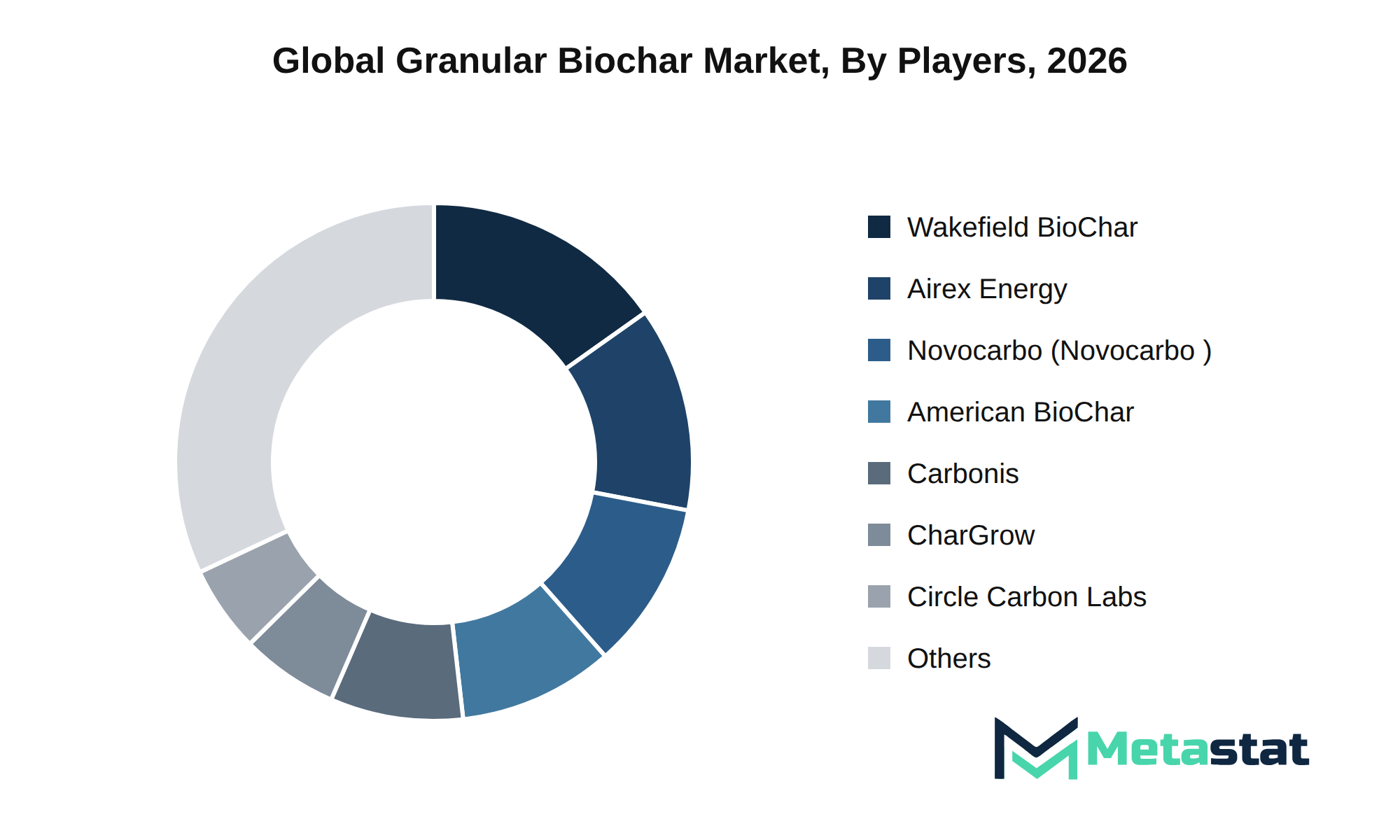
The Granular Biochar market exhibits dynamic competitive behavior driven by strategic consolidations and partnerships. Several companies actively pursue mergers and acquisitions to enhance operational capabilities and expand market reach. Strategic alliances and joint ventures facilitate collaboration across the supply chain, allowing players to leverage each other's strengths and optimize their value propositions. Companies including Wakefield BioChar, Airex Energy, and Novocarbo (Novocarbo GmbH) engage in these strategies, positioning themselves to better meet customer demands in the evolving landscape.
Product differentiation remains a critical focus within the market, with firms investing in research and development to innovate and enhance their offerings. Companies including American BioChar Company and Carbonis prioritize proprietary technology moats, ensuring competitive advantages through unique formulations and applications. Pricing architectures play a significant role, with firms implementing various commercial models to attract customers while maintaining profitability.
Barriers to entry persist in the Granular Biochar market, with established players enjoying strong brand equity and customer retention strategies. High switching costs for consumers create loyalty, establishing a stable revenue base for key companies. The competitive outlook suggests a future where continuous innovation and strategic growth vectors become imperative for maintaining market position.
Market size is forecast to rise from USD 87.6 million in 2025 to over USD 231.3 million by 2033. The base case projects a steady increase at a 12.9% CAGR. Macroeconomic fluctuations, regulatory changes, or supply chain disruptions could limit growth. Conversely, positive scenarios, including technological advancements and increased adoption across various industries, could drive accelerated demand.
The Granular Biochar market will experience significant shifts due to evolving consumer preferences and environmental regulations. Strategies focused on sustainable practices and carbon reduction will mold buying behaviors and influence market dynamics. Continued investment in research and development will facilitate the emergence of next-generation technologies, enhancing product effectiveness and operational efficiencies.
Regulatory frameworks are evolving rapidly, prompting firms to adapt to new compliance requirements. Timely adherence to these regulations allows organizations to capitalize on market opportunities more effectively. Geopolitical realignments and trade corridor adjustments shape supply chain strategies, impacting costs and availability of raw materials.
Strategic capital allocation prioritizes investments in infrastructure and technology, creating high-growth pockets within the market. Identifying unmet enterprise needs and emerging opportunities is crucial for companies seeking a competitive edge. Executive-level strategic imperatives hinge on developing defensibility roadmaps that ensure long-term sustainability and profitability in the Granular Biochar market.
The report strategically identifies and profiles the key market players and analyses their core competencies in each sub-segment of the Granular Biochar market.
Report Attributes | Details |
Study Period | 2021-2033 |
Base Year | 2025 |
Estimated Year | 2026 |
Forecast Period | 2026-2033 |
Historical Period | 2021-2025 |
Growth Rate | CAGR 12.9% from 2026 to 2033 |
Revenue Unit | USD million |
Segmentation | By Product Type, Feedstock Type, Application, Particle Size, and Region |
By Region | North America (By Product Type, Feedstock Type, Application, Particle Size, and Country)
|
Europe (By Product Type, Feedstock Type, Application, Particle Size, and Country)
| |
Asia Pacific (By Product Type, Feedstock Type, Application, Particle Size, and Country)
| |
South America (By Product Type, Feedstock Type, Application, Particle Size, and Country)
| |
Middle East and Africa (By Product Type, Feedstock Type, Application, Particle Size, and Country)
|
Find answers to common questions about this report
The Granular Biochar market size was valued at USD 87.6 million in 2025, according to the Metastat Insights study.
The Granular Biochar market is projected to grow at a CAGR of 12.9% during the forecast period from 2026 to 2033.
The North America Granular Biochar market size is estimated to reach USD 76.6 million by 2033.
The Corn & Wheat Source Biochar segment leads the Granular Biochar market, with a projected value of USD 104 million by 2033. This segment demonstrates the highest growth potential compared to other product types.
Heightened awareness of environmental impacts drives demand for granular biochar, with industries seeking compliance with emission limits and adoption of sustainable practices. This shift enhances soil health and supports carbon footprint reduction, particularly within agriculture and waste management sectors. Increased investment in sustainable technologies further supports market growth.
North America holds the dominant share of the Granular Biochar market, with a value of USD 76.6 million in 2033, representing 35.7 percent of the total market.
Regulatory hurdles create complexities for producers, leading to increased operational costs and delays in product approvals. Macroeconomic headwinds, including inflationary pressures and rising raw material costs, further challenge market growth by influencing demand and profitability. talent gaps in skilled labor hinder expansion and innovation within the granular biochar market.
Heightened awareness regarding environmental impacts drives demand for granular biochar, because industries seek sustainable practices that align with emission regulations. The agricultural sector increasingly recognizes the benefits of biochar for enhancing soil health, while investments in sustainable technologies improve operational efficiency, further favoring product adoption.
The Granular Biochar market is estimated to reach a valuation of USD 231.3 million by 2033.
Key players operating in the Granular Biochar market include Wakefield BioChar, Airex Energy, Novocarbo, American BioChar Company, Carbonis, CharGrow, and Oregon Biochar Solutions.
The analysts below cover Agriculture research at Metastat Insights.
LEAD ANALYST
Utkarsh Khirodkar is a Lead Market Research Analyst at MetaStat Insight, specializing in market intelligence, technology sector assessments, and competitive strategy.
Decarbonizing industrial thermal processes hinges on refrigerant regulations and compressor efficiency limits. Metastat Insights delivered a thorough market analysis that evaluated natural refrigerants like CO2 and hydrocarbons against synthetic low-GWP alternatives. The breakdown of utility incentives and grid capacity constraints across key European manufacturing hubs offered valuable perspective. The follow-up conversation with their sector analysts addressed our specific questions on mechanical vapor recompression systems efficiently.
Assessing 200mm wafer transition schedules and substrate supply bottlenecks requires precise technical intelligence. MetaStat Insight supplied an actionable breakdown comparing planar and trench MOSFET architectures across automotive and industrial drive markets. The regional capacity estimates for Asia-Pacific foundries helped clarify lead-time uncertainties during our strategic planning session. When we needed additional clarification on high-purity raw material sourcing, their analyst team responded with helpful context within twenty-four hours.
Tracking maintenance cycle demand for secondary flight display units and terrain collision avoidance systems across regional jet fleets involves complex aftermarket dynamics. MetaStat Insight provided practical analysis separating airline retrofit programs from OEM forward-fit production schedules in North America and Southeast Asia. The supplier matrix highlighted component obsolescence timelines without resorting to vague generalizations. The dataset served as a dependable reference during our annual program review meetings.
Explore related market intelligence reports worth reading alongside this one.