
LEAD ANALYST
Utkarsh Khirodkar is a Lead Market Research Analyst at MetaStat Insight, specializing in market intelligence, technology sector assessments, and competitive strategy.

Malaysia & Singapore Frozen French Fries Market Size, Share, By Cut Style (Straight Cut French Fries, Shoestring French Fries, Julienne / Thin-Cut French Fries, Crinkle Cut French Fries, Steak / Thick-Cut French Fries, Curly / Spiral French Fries, Waffle / Lattice French Fries and Dipper / Scoop French Fries), By End User (Quick-Service Restaurants, Full-Service Restaurants and Cafés, Hotels and Resorts, Catering and Foodservice Contractors, Institutional Foodservice, Retail Households and Entertainment Venues and Event Foodservice), By Distribution Channel (Direct B2B and Key-Account Supply, Foodservice Distributors and Wholesalers, Supermarkets and Hypermarkets, Convenience Stores and Minimarts, Specialty Frozen-Food Retailers and Online Grocery and E-Commerce), By Region (Malaysia, Singapore), Industry Analysis, Growth, Trends, and Forecast, 2026-2033
Report ID
MSI-5349
Published
September, 2026
Pages
285 Pages
Format
Historical
Base year
Forecast
Forecast period
Report Details
Market Valuation: Valued at $190.5 Million in 2025, projected to reach $296.9 Million by 2033 at a 5.7% CAGR.
Dominant Segment: The Straight Cut French Fries segment leads the market, driven by strong demand from quick-service restaurants where they are a staple menu item. This segment is projected to grow from USD 88.1 million in 2026 to USD 124.7 million by 2033, reflecting a CAGR of 5.1%.
Geographic Lead: The Malaysia & Singapore market is characterized by cross-border collaboration in cold-chain logistics, enhancing the distribution of frozen French fries. This partnership is crucial for meeting the rising consumer demand in both countries.
What's Inside: The report provides a comprehensive analysis of market dynamics, competitive landscape, and growth trends, covering various segments and distribution channels. It includes detailed forecasts from 2026 to 2033, offering insights into emerging consumer trends and investment opportunities.
Emerging Consumer Trends: Shifting consumer preferences towards health, convenience, and sustainability are shaping demand in the market. The growing inclination for healthier and innovative food options is driving product development and expansion in quick-service restaurants.
Choose Your License
Malaysia & Singapore Frozen French Fries Market
The Malaysia & Singapore Frozen French Fries market was valued at USD 190.5 million in 2025 and is projected to reach USD 296.9 million by 2033, growing at a CAGR of 5.7% over the forecast period.
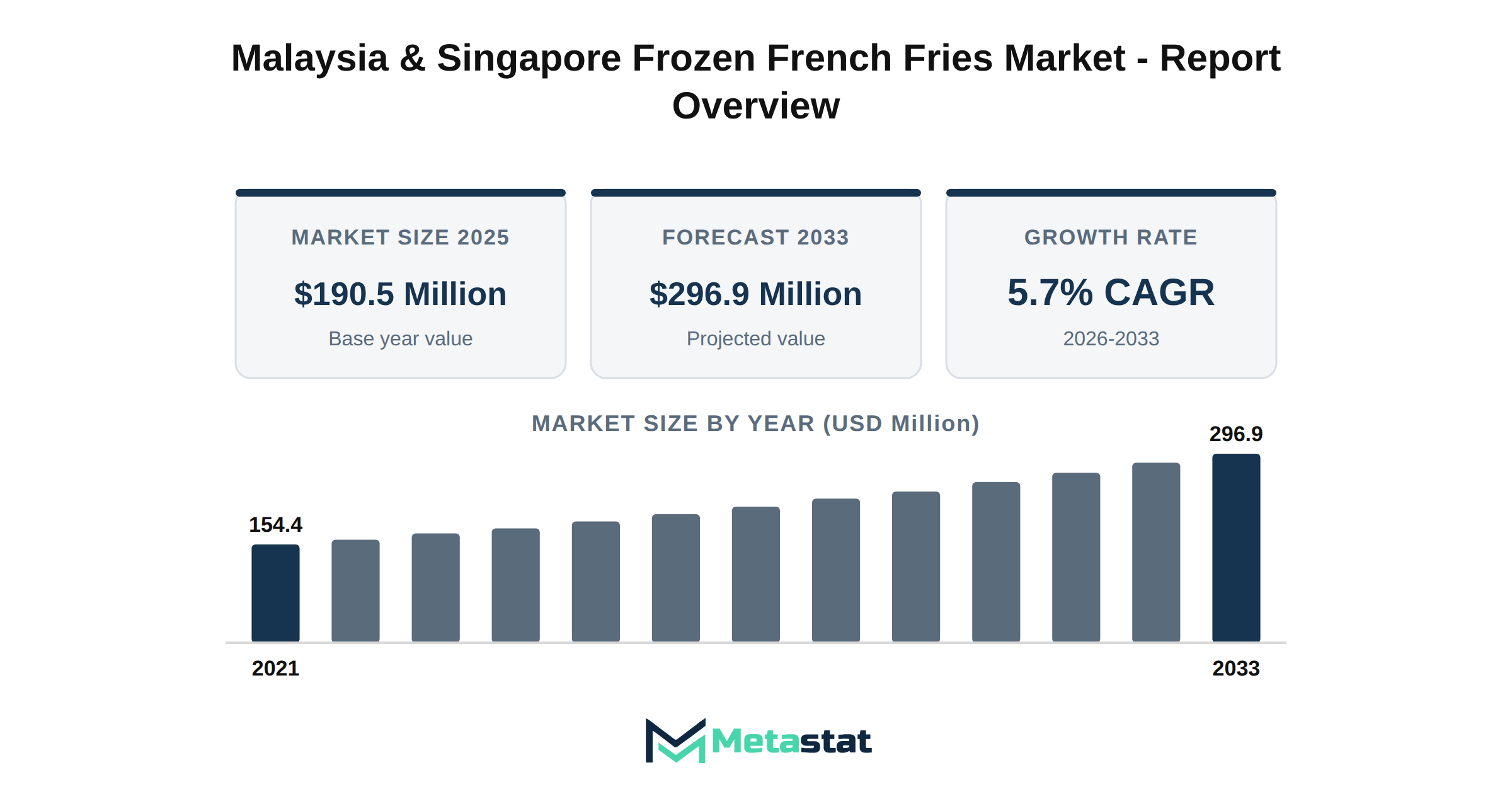
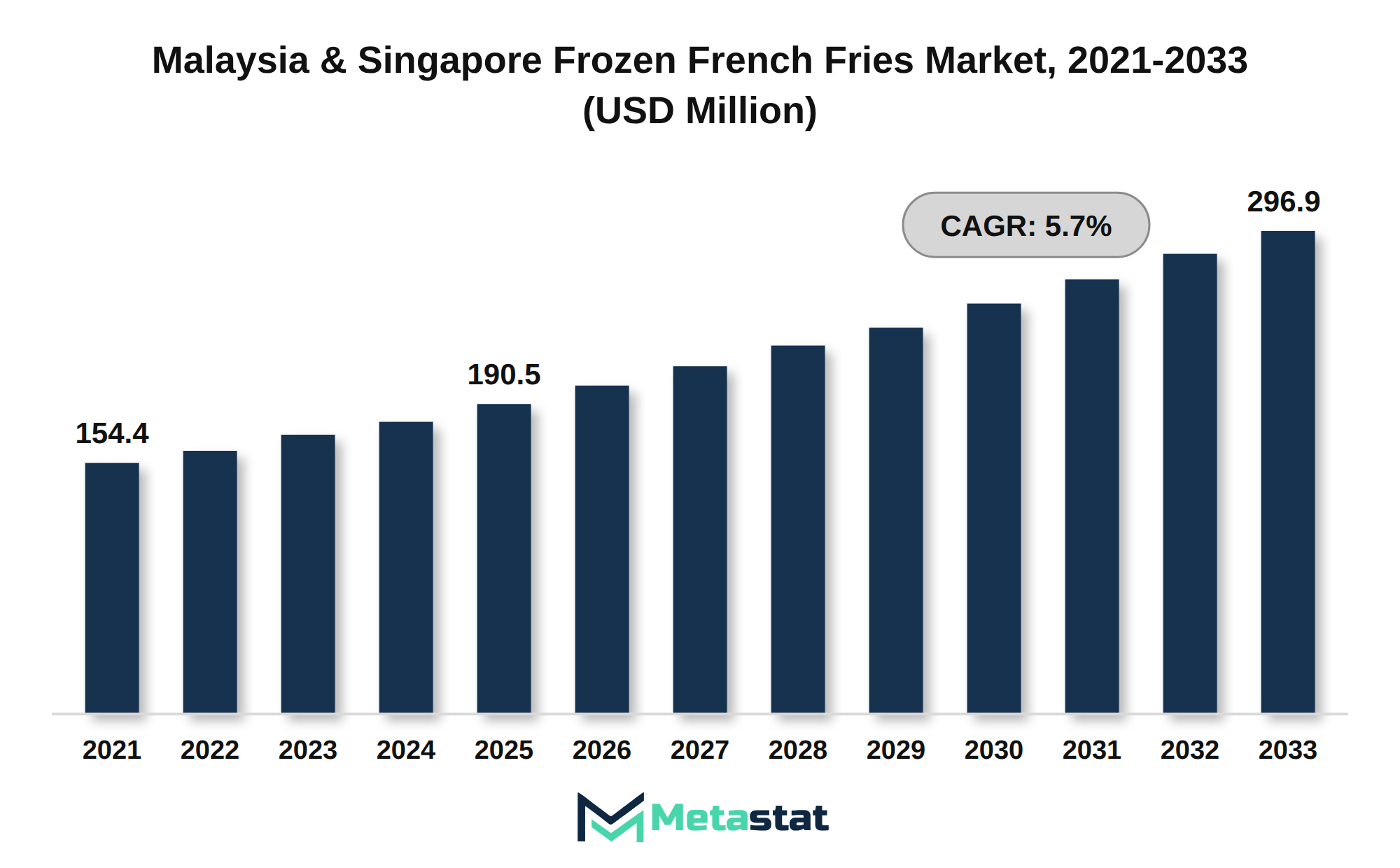
The Malaysia & Singapore Frozen French Fries market reached a value of USD 190.5 million in 2025, with a projected growth trajectory leading to an estimated USD 296.9 million by 2033. This growth represents a compound annual growth rate (CAGR) of 5.7%. Historical data indicates steady growth from USD 154.4 million in 2021 to USD 171.7 million in 2023, demonstrating a consistent upward trend in demand.
Cross-border import dependency significantly influences the market dynamics between Malaysia and Singapore. The collaboration between these nations in cold-chain logistics ensures the efficient distribution of frozen potatoes, addressing the increasing consumer demand. Quick-service restaurant expansion further drives fry consumption, particularly driven by these establishments focusing on enhancing their menus with diverse potato offerings.
Retail and e-commerce adoption of air fryer-ready and specialty cut frozen potatoes continues to expand, catering to the evolving preferences of health-conscious consumers. The rising popularity of air fryers has created a demand for products that align with this cooking method, leading to increased sales of frozen French fries.
Halal certification standards play a crucial role in shaping Malaysia's potato supply chain. Compliance with these standards is essential for suppliers aiming to access the Malaysian market, ensuring that products meet religious requirements and appeal to a broader consumer base. Singapore's food security mandates further emphasize the importance of strategic stockpiling of frozen processed potatoes, reinforcing the need for reliable supply channels.
The competitive environment includes a mix of major global exporters and regional distributors. Market share analysis reveals key players actively participating in the Malaysia & Singapore Frozen French Fries market, driving innovation and product development to meet consumer demands. Raw potato yield volatility and ocean freight headwinds influence CIF import pricing, presenting challenges for suppliers in maintaining cost-effectiveness.
Value-added product innovation, including premium coated, sweet potato, and seasoned fry variations, enhances the market's appeal. Consumer preference shifts toward casual dining, late-night food delivery, and Western fast casuals reflect changing eating habits, further driving demand for frozen French fries. Strategic investments in port infrastructure, automated cold storage, and re-export hubs position the market for continued growth.
The five-year market outlook indicates significant consumption forecasts and commercial growth opportunities across Malaysia and Singapore. The evolving landscape presents avenues for stakeholders to capitalize on emerging trends in the frozen French fries segment.
The growth trajectory of the Malaysia & Singapore Frozen French Fries market demonstrates a robust increase in market size and value, with projections indicating a rise from USD 190.5 million in 2025 to USD 296.9 million by 2033. This expansion reflects a compounded annual growth rate of 5.7% during the forecast period, driven by rising consumption in various end-user segments.
Cross-border import dependency influences the dynamics of cold-chain logistics between Malaysia and Singapore. The need for efficient cold storage solutions ensures the freshness and quality of frozen fries, which is essential for meeting consumer expectations and maintaining product integrity. This dependency encourages collaboration between suppliers and logistics providers, enhancing overall supply chain efficiency.
The expansion of quick-service restaurants significantly influences fry consumption patterns. Increased foodservice procurement trends highlight a growing demand for frozen french fries, which are integral to menus in these establishments. This trend supports the market's growth, driven by operators seeking reliable suppliers to meet customer preferences for convenience and quality.
Retail and e-commerce channels increasingly adopt air fryer-ready and specialty cut frozen potatoes. This shift in consumer behavior towards healthier cooking methods aligns with the rising popularity of air fryers, encouraging manufacturers to innovate and cater to this demand. The market responds by introducing a variety of products that appeal to health-conscious consumers.
Halal certification standards shape Malaysia's potato supply chain, ensuring compliance with local regulations. This certification is vital for maintaining consumer trust and expanding market access, particularly in a region where a significant portion of the population adheres to Islamic dietary laws.
Singapore's food security mandates drive strategic stockpiling of frozen processed potatoes, reinforcing the importance of maintaining a stable supply. This proactive approach helps mitigate risks associated with global supply chain disruptions, ensuring that consumers have access to essential food products.
The competitive landscape of the market reveals a diverse array of major global exporters and regional distributors. Analysis of market share among these players provides insights into their strategies and operational strengths, highlighting the importance of innovation and customer service in gaining a competitive edge.
Raw potato yield volatility impacts CIF import pricing, creating challenges for importers. Fluctuations in yield lead to increased costs, affecting pricing strategies and profit margins for distributors and retailers alike.
Value-added product innovation, including premium coated, sweet potato, and seasoned fry variations, enhances the market's appeal. These innovations cater to evolving consumer tastes and preferences, driving new growth opportunities within the Malaysia & Singapore Frozen French Fries market.
Consumer preferences shift towards casual dining, late-night food delivery, and western fast casuals. This trend influences purchasing decisions, prompting foodservice operators to adapt their offerings and enhance the dining experience, further supporting market growth.
Strategic investments in port infrastructure, automated cold storage, and re-export hubs strengthen the supply chain. These developments facilitate smoother logistics and improve operational efficiency, ultimately contributing to the market's expansion.
The five-year market outlook reveals promising consumption forecasts and commercial growth opportunities across Malaysia and Singapore. With increasing demand and evolving consumer preferences, stakeholders anticipate a favorable environment for investment and expansion within the frozen french fries sector.
The Malaysia & Singapore Frozen French Fries market experiences significant growth due to shifting consumer preferences that emphasize convenience, health, and innovative flavor profiles. Increasing urbanization and busy lifestyles in both countries drive demand for quick-service options that incorporate frozen French fries. Quick-service restaurants and full-service establishments adapt their menus to cater to changing tastes, leading to increased investment in product innovation.
Health-conscious consumers influence producers to develop offerings that include healthier alternatives, including reduced-fat or organic options. This trend encourages manufacturers to invest in research and development to diversify their product lines with innovative flavors and textures. Demand for premium and specialty-cut fries, including sweet potato or unique shapes, pushes companies to enhance their product portfolios, attracting a broader customer base.
Evolving buying preferences driven by social media and food trends promote the adoption of creative marketing strategies that highlight these innovative products. The combination of consumer demand for high-quality, convenient food options and the willingness of restaurants to adapt creates a favorable environment for growth in the frozen French fries sector. The market is projected to expand, driven by continuous innovation and adaptation to consumer desires.
Investment in automation significantly influences the Malaysia & Singapore Frozen French Fries market by enhancing operational efficiency and reducing production costs. Increased capital allocation towards automation technologies enables manufacturers to streamline processes, optimize labor utilization, and decrease overhead expenses. This transition supports production scalability and improves responsiveness to market demands, enhancing competitiveness in an evolving industry.
Technological advancements have led to the integration of sophisticated machinery and software designed for food production, particularly in frozen French fries. By adopting advanced automation solutions, producers achieve higher consistency in product quality, reduced waste, and minimized labor-related costs. These factors contribute to a more favorable cost structure, ultimately supporting profit margins and investment returns.
Automation facilitates real-time data collection and analysis, enabling manufacturers to make informed decisions regarding production schedules and inventory management. This data-driven approach enhances operational productivity, ensuring that the market adapts to changing consumer behavior and demand patterns effectively. Ongoing investment in automation aligns with broader trends in digital transformation, positioning players in the Malaysia & Singapore Frozen French Fries market for sustained growth.
In the Malaysia & Singapore Frozen French Fries market, regulatory and economic pressures present significant challenges for market participants. Stringent regulations regarding food safety and quality continue to evolve, imposing compliance requirements that increase operational costs for manufacturers. This compliance burden leads to higher prices for consumers, potentially restricting market growth.
Macroeconomic headwinds, including inflationary pressures, impact consumers' purchasing power, leading to shifts in demand patterns. Rising costs of raw materials and transportation contribute to overall market uncertainty, driving companies to reassess pricing strategies and cost structures. These economic factors hinder investment in innovation and capacity expansion, which are critical for sustaining growth in the market.
Supply chain disruptions complicate the landscape, affecting the timely availability of ingredients and packaging materials. These disruptions create bottlenecks, delaying product launches and reducing the competitiveness of suppliers. Geopolitical instability in the region exacerbates these challenges, complicating trade and logistics for the frozen fries sector.
The market experiences escalating operating costs, which limit the ability of companies to invest in modernization and technology upgrades. High capital investment requirements present barriers for smaller players looking to enter the market, resulting in consolidation trends among larger firms. This fragmentation leads to uneven product offerings, with several segments underserved.
A combination of regulatory challenges, economic pressures, and supply chain issues plays a critical role in shaping the dynamics of the Malaysia & Singapore Frozen French Fries market, influencing growth potential and competitive strategies across the sector.
Geopolitical fragmentation poses significant challenges to the Malaysia & Singapore Frozen French Fries market, affecting global supply chains and trade dynamics. This fragmentation leads to trade deficits, with countries facing increasing tariff friction, impacting the import and export of raw materials and finished products. Buyers in the market experience heightened costs and delays in the acquisition of critical feedstock and components due to these international trade tensions.
Technological disruptions further complicate the market, driven by companies striving to integrate new technologies while managing interoperability issues between existing systems. The requirement for complex research and development integrations necessitates substantial investment, diverting resources from other critical areas. Consequently, companies in the market face mounting compliance overhead and evolving legal liabilities, complicating operational strategies and affecting profit margins.
Pricing compression and margin pressures persist, influenced by intensifying competition, prompting suppliers to seek cost efficiencies while grappling with rising input costs. Talent retention pressures and workforce skill gaps impact productivity, especially in sectors reliant on specialized skills. The market's ability to address these challenges hinges on developing a skilled workforce and implementing effective retention strategies.
Environmental considerations introduce additional complexity, with sustainability demands and decarbonization mandates influencing operational practices. Companies balance compliance with tightening regional regulatory standards alongside managing the environmental lifecycle footprints of their operations. These factors continue to shape the evolving landscape of the Malaysia & Singapore Frozen French Fries market.
The Malaysia & Singapore Frozen French Fries market experiences notable opportunity through emerging consumer trends that emphasize health, convenience, and sustainability. The increasing demand for healthier food options drives manufacturers to innovate with lower-fat and organic frozen fries. This shift aligns with consumer preferences for clean-label products, enhancing market attractiveness.
Convenience remains a crucial factor for consumers, driving the growth of quick-service restaurants and foodservice contractors that rely on frozen fries for essential menu items. Quick-service restaurants are projected to experience a compound annual growth rate (CAGR) of 6.3 percent between 2026 and 2033. The trend towards sustainability encourages suppliers to adopt eco-friendly practices and packaging, appealing to environmentally conscious consumers.
Geographical expansion into urban areas with growing populations highlights another opportunity for the market. Increased urbanization results in heightened demand for quick meal solutions, positioning frozen fries because an ideal choice for busy consumers. Infrastructure modernization facilitates improved distribution channels, ensuring product availability in supermarkets, hypermarkets, and convenience stores.
Technological disruptions, including advancements in processing and packaging, enhance product quality and shelf life, further stimulating market growth. The integration of digital platforms for procurement and customer engagement aligns with evolving buying behaviors, providing suppliers with strategic advantages. Overall, these emerging trends create a landscape of opportunity for the Malaysia & Singapore Frozen French Fries market, driving innovation and encouraging competitive strategies among industry players.
The Malaysia & Singapore Frozen French Fries market is segmented based on Cut Style, End User, Distribution Channel, and Region.
Valued at USD 88.1 million in 2026, the Straight Cut French Fries segment is projected to reach USD 124.7 million by 2033, at a CAGR of 5.1% during the forecast period. This segment benefits from strong demand driven by the increasing number of quick-service restaurants, where straight cut fries represent a staple menu item. Consumer preferences for convenience and familiar flavors contribute to consistent consumption patterns, ensuring a steady market presence.
Technological advancements in processing and freezing techniques enhance product quality and extend shelf life, encouraging adoption among foodservice operators. The segment's growth is further supported by partnerships between suppliers and distributors, facilitating efficient supply chain management. Pricing fluctuations in raw materials exert pressure on margins, prompting manufacturers to optimize cost structures while maintaining product integrity.
Shifts towards healthier eating habits impact end-use dynamics, with growing interest in baked or air-fried alternatives influencing product evolution. Regulatory compliance regarding food safety and labeling standards remains critical, driven by suppliers adapting to regulations affecting product formulations. The market anticipates continued capital investment in production facilities, enabling manufacturers to meet rising demand and introduce innovative product lines specific to the Malaysia & Singapore Frozen French Fries market.
Market dynamics surrounding Shoestring French Fries reflect a growing preference among consumers for convenient and flavorful food options. This segment thrives on increasing demand from quick-service restaurants, which seek to enhance their menus with appealing offerings. A focus on innovation drives product evolution, with suppliers experimenting with seasonings and cooking techniques to attract a broader customer base. The segment is projected to reach USD 56.4 million by 2033, at a CAGR of 7% during the forecast period.
Consumption shifts toward healthier and more diverse food options influence end-use dynamics. The rising trend of plant-based diets and the emphasis on natural ingredients contribute to the growing popularity of Shoestring French Fries. Pricing volatility in raw materials, including potatoes, affects profit margins, prompting suppliers to optimize sourcing strategies to mitigate impacts. Regulatory compliance standards surrounding food safety and labeling reinforce the need for consistent quality and transparency in ingredient sourcing.
Technological maturation and advancements in production processes enhance efficiency and reduce waste, presenting strategic opportunity windows for investment. This sector's resilience in the face of supply chain challenges is critical for maintaining a competitive edge in the Malaysia & Singapore Frozen French Fries market. While the segment evolves, emphasis on sustainability and ethical sourcing practices will significantly shape its future trajectory.
Demand for Julienne / Thin-Cut French Fries within the Malaysia & Singapore Frozen French Fries market reflects evolving consumer preferences towards diverse and versatile potato products. This segment is expected to reach USD 31.2 million by 2033, driven by increased consumption in quick-service restaurants and foodservice establishments that favor this cut for its appealing texture and presentation. The growing trend of meal customization fuels the expansion of this segment, driven by consumers seeking innovative dining experiences.
Technological advancements in freezing and processing methods enhance product quality and shelf life, ensuring freshness and flavor retention. While more foodservice operators focus on menu innovation, the appeal of Julienne / Thin-Cut French Fries strengthens, aligning with the market's overall growth. Robust marketing strategies and promotional activities from manufacturers further increase segment visibility, influencing purchasing decisions.
The increasing demand for healthier and convenient food options supports the shift towards frozen varieties, which provide longer shelf life without compromising quality. Environmental sustainability initiatives, including sourcing potatoes from responsible agricultural practices, gain traction, positively impacting consumer perceptions. These factors collectively contribute to sustained growth within the Julienne / Thin-Cut French Fries segment in the Malaysia & Singapore Frozen French Fries market.
Significant growth is projected for Crinkle Cut French Fries in the Malaysia & Singapore Frozen French Fries market, with a CAGR of 6.3% during the forecast period. This segment benefits from evolving consumer preferences for unique textures and shapes, driving demand among various end users including quick-service restaurants and catering services. The distinctively ridged design of Crinkle Cut Fries enhances their appeal, providing superior dipping capabilities and a satisfying crunch, aligning with trends in comfort food consumption.
Increasing investments in product innovation contribute to the expansion of the segment. Manufacturers focus on improving the quality and variety of offerings, integrating new seasoning options and healthier ingredients to attract health-conscious consumers. This diversification enhances competitiveness, enabling suppliers to cater to changing market demands effectively.
Distribution channels for Crinkle Cut French Fries are expanding, with foodservice distributors and wholesalers becoming key players in facilitating access to restaurants and catering businesses. This growth in distribution networks supports increased market penetration. The anticipated rise in consumer spending on dining experiences further reinforces the segment's growth potential.
Operational factors including supplier relationships and raw material sourcing strategies play a crucial role in maintaining price stability and product availability. While the segment evolves, it faces challenges including potential supply chain vulnerabilities, which could impact production timelines. Strategic collaborations with suppliers mitigate risks associated with raw material fluctuations, ensuring consistent quality and supply.
Overall, the Crinkle Cut French Fries segment represents a dynamic area within the Malaysia & Singapore Frozen French Fries market, driven by consumer preferences, innovation, and strategic distribution enhancements.
Demand for Steak / Thick-Cut French Fries in the Malaysia & Singapore Frozen French Fries market arises from evolving consumer preferences and the desire for premium dining experiences. Quick-service and full-service restaurant segments increasingly adopt thicker cuts due to their appealing texture and flavor, enhancing menu offerings. This trend aligns with broader shifts towards quality in food service, driving the segment's appeal among consumers seeking indulgent options.
Segment expansion receives support through advancements in food processing technologies, enabling enhanced consistency in product quality. Innovations in cooking techniques and methods of preparation further improve the sensory experience associated with Steak / Thick-Cut French Fries. These technological improvements contribute to more efficient production processes, reducing costs and maintaining profitability for suppliers.
End-use dynamics indicate that hotels and resorts have started incorporating Steak / Thick-Cut French Fries into their menus to cater to guests seeking comfort food. This aligns with increased consumer inclination towards familiar, hearty meals while dining away from home. Pricing volatility in raw materials, including potatoes, impacts profit margins, necessitating strategic sourcing and supply chain resilience to mitigate risks associated with price fluctuations.
Regulatory compliance standards surrounding food safety and quality assurance influence product development within the segment. Adherence to these standards builds consumer trust and loyalty, facilitating market penetration. While the market evolves, opportunities for capital investment in new product lines and marketing strategies emerge, further supporting the growth of the Steak / Thick-Cut French Fries segment in the Malaysia & Singapore Frozen French Fries market.
Interest in Curly / Spiral French Fries within the Malaysia & Singapore Frozen French Fries market reflects a growing trend among consumers seeking novelty and variety in their food options. This sub-segment benefits from creative marketing strategies that highlight unique shapes and textures appealing to younger demographics, particularly in quick-service restaurants and entertainment venues. Adoption of Curly / Spiral French Fries is driven by their versatility in pairing with various dips and sauces, enhancing the overall dining experience.
Segment expansion relies on innovative product development, where manufacturers experiment with flavors and seasonings to differentiate offerings in a competitive market. The evolution of consumer tastes towards more adventurous food options supports continued interest in this sub-segment. Changes in consumption patterns, including an increase in snacking occasions and on-the-go meals, further boost the demand for Curly / Spiral French Fries.
Regulatory compliance regarding food safety and quality standards influences product formulation and sourcing practices. Adherence to such standards ensures trust among consumers and foodservice operators. Pricing strategies play a critical role in maintaining competitiveness while managing cost structures. The market experiences challenges related to pricing volatility, particularly in raw material sourcing, which impacts margin pressures faced by suppliers.
Strategic opportunity windows arise from the demand for unique and appealing food experiences. Capital investment in advanced processing technologies further enhances product consistency and quality, catering to evolving consumer preferences. The emphasis on supply chain resilience is critical, ensuring reliable access to raw materials while mitigating potential disruptions. Overall, the Curly / Spiral French Fries sub-segment has potential for growth within the Malaysia & Singapore Frozen French Fries market, driven by its adaptability to dynamic consumer trends and industry demands.
Waffle / Lattice French Fries represent a unique offering within the Malaysia & Singapore Frozen French Fries market, appealing to consumers seeking distinctive textures and shapes. This segment draws interest owing to evolving culinary trends and consumer preferences for varied dining experiences. Quick-service restaurants and full-service establishments actively incorporate these fries onto their menus, enhancing their appeal. The visual appeal and textural diversity of Waffle / Lattice French Fries contribute to their growing popularity in both casual and upscale dining settings.
Factors driving adoption include a shift toward innovative menu items, where establishments aim to differentiate themselves in a competitive landscape. The market responds to consumer demands for creative and visually appealing food options, positioning Waffle / Lattice French Fries because a strategic addition to food offerings. Dining experiences continue to evolve, and establishments that incorporate these fries gain competitive advantages through enhanced customer satisfaction and loyalty.
Technological advancements play a crucial role in the production of Waffle / Lattice French Fries, ensuring consistent quality and efficient manufacturing processes. Innovations in freezing and cooking techniques improve the overall product quality, enabling suppliers to meet rising consumer expectations. This product evolution aligns with the increasing focus on premium offerings in the Malaysia & Singapore Frozen French Fries market, where quality is essential.
Regulatory compliance and food safety standards significantly impact this segment, where adherence to guidelines ensures product integrity. Suppliers prioritize certifications that demonstrate commitment to quality and safety, further enhancing market confidence. Pricing volatility in raw materials necessitates strategic sourcing approaches, allowing suppliers to maintain stable pricing while addressing consumer demand.
Strategic opportunity windows exist for suppliers focusing on Waffle / Lattice French Fries, particularly in the context of expanding foodservice channels. Investment in marketing and product development fuels growth potential, positioning suppliers favorably within the competitive landscape. The segment gains traction, and capital investment in innovation and production capacity becomes essential, supporting sustained growth and responsiveness to market trends.
Consumer preferences in the Malaysia & Singapore Frozen French Fries market shift towards unique offerings, with Dipper / Scoop French Fries appealing to buyers seeking versatile and aesthetically pleasing options for various applications. The segment benefits from rising demand in foodservice channels, particularly quick-service restaurants that prioritize menu innovations to enhance customer experience.
Technological maturation facilitates product evolution within this segment. Producers invest in advanced frying and freezing techniques to improve texture and flavor retention. The focus on high-quality ingredients aligns with growing health-conscious consumer trends, influencing purchasing decisions.
Strategic opportunity windows emerge from a rise in home cooking and the expansion of online grocery shopping. This trend enables suppliers to tap into the retail sector, where Dipper / Scoop French Fries serve because convenient meal accompaniments. The market anticipates increased competition because several players aim to enhance their product offerings to capitalize on this evolving demand landscape.
Regulatory compliance standards and certifications play a critical role in shaping product offerings, ensuring that suppliers meet food safety and quality benchmarks. Cost structures remain essential for profitability, particularly in a competitive market where pricing volatility impacts margins. Effective raw material sourcing strategies support stability, while logistics vulnerabilities necessitate efficient supply chain management to minimize disruptions.
Segment expansion for Others (Ridged and Specialty-Shaped Fries) in the Malaysia & Singapore Frozen French Fries market aligns with evolving consumer preferences. A shift toward unique and diverse food offerings drives demand, particularly in the quick-service restaurant sector. The culinary landscape increasingly favors innovative products, allowing foodservice establishments to differentiate themselves through specialty fries. This trend reflects a broader consumer inclination toward unique dining experiences, enhancing market appeal.
Technological maturation contributes to the segment's appeal. Producers adopt advanced processing techniques that improve product consistency and quality. Such innovations support the creation of distinctive shapes and flavors, appealing to consumers seeking novelty and variety. The integration of these next-generation upgrades enhances functionality and addresses current consumption shifts favoring gourmet and artisanal food items.
End-use dynamics play a crucial role in segment growth. Full-service restaurants and cafés increasingly focus on menu diversification, incorporating specialty fries that complement contemporary culinary trends. This adaptation reflects a strategic opportunity window for suppliers to meet rising demand in the market. Robust marketing strategies emphasizing the uniqueness of these products contribute to consumer awareness and preference.
Regulatory compliance standards surrounding food safety and quality significantly influence the segment. Adherence to such standards ensures that products meet consumer expectations while maintaining safety protocols. This approach strengthens brand loyalty and builds trust, ultimately benefiting market growth. Price volatility and margin pressures in the sector require producers to implement effective cost structures while maintaining competitive pricing, ensuring sustained profitability.
Strategic investment in raw material sourcing and supply chain resilience is essential for the stability of the Others segment. Producers navigate potential substitution risks and disruptive alternatives, ensuring product quality remains uncompromised. The market landscape presents a valuable opportunity for growth, driven by continuous innovation and adaptation to consumer trends.
Valued at USD 79.7 million in 2026, the Quick-Service Restaurants segment is projected to reach USD 122 million by 2033, at a CAGR of 6.3% during the forecast period. Several factors drive growth within this segment, including a rising consumer inclination towards fast food and convenience. Quick-service restaurants increasingly adopt frozen French fries because a staple menu item due to their ease of preparation and consistent quality. This trend aligns with a broader shift in consumer dining habits, emphasizing quick, on-the-go meal options that do not compromise on taste or quality. Technological advancements in food processing enhance the appeal of frozen French fries, providing quicker cooking times and improved taste retention. Innovations in freezing techniques and packaging solutions further enhance the segment's growth potential, enabling quick-service restaurants to maintain high standards while optimizing operational efficiency. Cost structures in this segment benefit from economies of scale, where bulk purchasing reduces per-unit prices, allowing restaurants to maintain competitive pricing strategies. The market outlook for the Quick-Service Restaurants segment within the Malaysia & Singapore Frozen French Fries market remains positive. Capital investment in marketing frozen French fries because a versatile and appealing menu item continues to expand market share among various consumer demographics. With evolving consumer preferences favoring convenience and speed, the segment is positioned for sustained growth through 2033, reflecting broader trends within the foodservice industry.
Demand dynamics for Full-Service Restaurants and Cafés within the Malaysia & Singapore Frozen French Fries market exhibit strong growth potential. This segment is expected to reach USD 52 million by 2033, at a CAGR of 5.3% during the forecast period. Increasing consumer preference for dine-in experiences influences demand, with establishments expanding their menu offerings to include diverse frozen French fry options that appeal to varied tastes. Enhanced product varieties and unique presentations drive menu innovation, contributing to heightened customer satisfaction and loyalty.
Changing lifestyle patterns, including a rise in social gatherings and family dining, increase the appeal of full-service establishments. This trend emphasizes the importance of premium quality and distinctive flavors in frozen French fries, motivating restaurants to source products that align with evolving consumer expectations. Establishments focus on delivering high-quality menu items, enhancing their competitive edge in a crowded market.
Amid rising operational costs, effective pricing strategies play a crucial role in sustaining profitability. Full-Service Restaurants and Cafés navigate cost structures and pricing volatility while ensuring product quality, which directly influences customer perceptions and repeat business. This segment's growth trajectory aligns with overall market expansion, reflecting the increasing importance of frozen French fries in the dining experience.
Growth in the Hotels and Resorts segment of the Malaysia & Singapore Frozen French Fries market is driven by increasing consumer demand for convenient and high-quality food options. This segment is expected to reach USD 31.2 million by 2033. Increasing travel and tourism activities contribute significantly to this demand, because hotels and resorts seek to offer diverse menu options that include frozen French fries. Emphasis on food presentation and quality enhances the appeal of these products in hospitality settings.
Segment expansion reflects ongoing trends in dining experiences, with hotels focusing on offering fast and efficient service during peak hours. This trend encourages the adoption of frozen French fries, which provide consistent quality and ease of preparation. The push for healthier menu options has led to innovations in product offerings, including lower-fat and gluten-free variants, catering to health-conscious consumers.
Continual advancements in freezing technology and product formulation enhance the quality and shelf-life of frozen French fries, making them an attractive option for hotels and resorts. These improvements directly impact operational efficiency and cost structures, enabling establishments to manage inventory better while minimizing waste. Consequently, this segment's dynamics align with broader industry movements toward sustainability and operational resilience in the Malaysia & Singapore Frozen French Fries market.
Demand for frozen French fries from Catering and Foodservice Contractors shows a positive trajectory, with a projected growth rate of 6.3% during the forecast period. This growth stems from increasing utilization of frozen food products in various foodservice operations. Restaurants and catering services focus on improving efficiency and menu versatility, resulting in heightened demand for reliable frozen French fry suppliers.
While the preference for convenience grows among consumers, catering and foodservice contractors are adapting menus to include a broader range of frozen food items. This trend aligns with the evolving dining habits of consumers who seek quick-service options without compromising quality. Consequently, the market experiences a significant uptick in demand for frozen French fries, which serve because a staple side item across multiple cuisines.
Regulatory compliance regarding food safety and quality standards significantly influences purchasing decisions among foodservice contractors. Companies supplying frozen French fries in the Malaysia & Singapore Frozen French Fries market adhere to rigorous safety protocols, ensuring that products meet established quality benchmarks. This compliance builds trust among end users, enabling suppliers to maintain a competitive edge.
Pricing dynamics in the frozen food segment influence the overall market environment. While raw material costs fluctuate, foodservice contractors adapt their sourcing strategies to mitigate impact. This adaptability enhances supply chain resilience, allowing contractors to maintain service levels while managing costs. Overall, an upward trend in market valuation reflects the increasing integration of frozen French fries within catering and foodservice operations.
With a projected market value of USD 31.2 million in 2033, the Catering and Foodservice Contractors segment demonstrates robust potential within the broader Malaysia & Singapore Frozen French Fries market. The strategic opportunity window for suppliers remains favorable, emphasizing the importance of innovation and responsiveness to shifting consumer preferences.
Growth in the Institutional Foodservice segment reflects increasing demand from various institutions, including schools, hospitals, and corporate cafeterias. These entities prioritize convenient meal options that maintain quality and taste, contributing to a steady rise in frozen French fries consumption. The ongoing trend of enhancing menu offerings with versatile side dishes drives growth in this segment.
Technological advancements in food processing and freezing methods facilitate better preservation of flavor and texture, appealing to institutional buyers who seek high-quality products. Streamlined operations in foodservice institutions support a more efficient supply chain, reducing lead times and enhancing product availability. These factors create favorable conditions for expanding the market, because institutions pursue reliable suppliers who consistently meet demand.
Consumption shifts towards healthier and more sustainable food options influence institutional buyers’ preferences. Increasing focus on nutritional content and dietary restrictions leads to heightened demand for frozen French fries made from quality ingredients. Institutions that prioritize health-conscious offerings gain a competitive edge, further propelling growth in the Malaysia & Singapore Frozen French Fries market.
Regulatory compliance and standards related to food safety and quality significantly impact this segment. Institutions prioritize suppliers who adhere to these regulations, ensuring product safety and consumer trust. Certifications that reflect compliance serve because a competitive differentiator, positioning suppliers favorably within the market.
The Institutional Foodservice segment encounters pricing volatility and margin pressures due to fluctuating raw material costs. Suppliers who effectively manage their pricing strategies while maintaining product quality enhance their market position. Strategic opportunity windows exist for those who innovate in product development, catering to changing consumer preferences while navigating cost structures.
Supply chain resilience ensures consistent product availability. Institutions benefit from suppliers with robust sourcing strategies and efficient logistics networks, minimizing disruptions. This resilience supports long-term partnerships and contributes positively to market dynamics, reinforcing the importance of adaptability in the Malaysia & Singapore Frozen French Fries market.
In the Malaysia & Singapore Frozen French Fries market, the Retail Households segment exhibits a notable trend toward increased consumption of frozen French fries. This shift stems from changing consumer lifestyles, with a rising focus on convenience and quick meal solutions. The growing availability of frozen French fries in retail outlets has contributed to their popularity among households, particularly in urban areas.
Changing eating habits influence the demand for frozen French fries, because more families seek convenient meal options that require minimal preparation time. Retail households show a preference for ready-to-cook products, aligning with busy schedules and the desire for quick, satisfying meals. The variety of products available in this segment, including different cut styles and flavors, further attracts consumers looking for diversity in their meals.
Product evolution significantly shapes the preferences of retail households. Innovative offerings, including healthier options made from alternative ingredients, cater to health-conscious consumers while still delivering the taste and convenience associated with traditional frozen French fries. Continuous technological maturation supports the development of higher-quality products that retain flavor and texture, enhancing consumer satisfaction.
Pricing volatility presents a challenge in this segment, because fluctuations in raw material costs affect retail pricing strategies. Robust demand for frozen French fries encourages suppliers to implement effective pricing models that maintain consumer interest. Strategic opportunity windows exist for brands that effectively position their products within the competitive landscape and respond proactively to changes in consumer preferences.
Overall, retail households represent a significant portion of the Malaysia & Singapore Frozen French Fries market, driven by evolving consumption patterns, product innovation, and the pursuit of convenience in everyday meals.
Growing consumer interest in frozen food offerings contributes to the demand for frozen French fries in entertainment venues and event foodservice. This segment benefits from a rise in food consumption during social gatherings, sporting events, and entertainment activities. Increased foot traffic at these venues drives sales, highlighting the importance of convenient and appealing food options for consumers seeking quick snacks. The popularity of frozen French fries aligns with the need for quick-service solutions in event catering.
Innovation in product offerings enhances attractiveness. Companies in the Malaysia & Singapore Frozen French Fries market introduce new flavors and specialty products to cater to diverse consumer preferences. The growing trend of gourmet food options provides opportunities for enhanced product profiles, creating a competitive advantage for suppliers targeting entertainment venues and events. Continuous advancements in food preparation and serving techniques support the efficient delivery of frozen French fries, appealing to both consumers and event organizers.
To navigate evolving market dynamics, suppliers focus on adaptability and responsiveness to consumer trends. The introduction of healthier options and premium products aligns with a shift toward nutritious eating habits in various foodservice settings. Collaboration between suppliers and event organizers drives growth, facilitating the integration of frozen French fries into diverse menu offerings. Strategies targeting specific consumer segments within entertainment venues enhance brand visibility and attract a loyal customer base.
With ongoing evolution in dining preferences, the market anticipates significant growth potential for frozen French fries in entertainment venues and event foodservice. Suppliers innovate and adapt, positioning the segment to meet changing consumer expectations, ultimately reinforcing the role of frozen French fries in the broader market landscape.
Valued at USD 72 million in 2026, the Direct B2B and Key-Account Supply segment is projected to reach USD 100.7 million by 2033, at a CAGR of 4.9% during the forecast period. This segment reflects increasing collaboration between suppliers and key clients, including restaurants and large foodservice providers. Strong demand drivers include the growing preference for frozen French fries among quick-service and full-service restaurants, leading to stable sales growth within the Malaysia & Singapore Frozen French Fries market.
Expansion catalysts include the rising number of foodservice establishments and the increasing use of frozen products for operational efficiency. The emergence of innovative product offerings, including specialty fries, enhances the appeal of frozen options among consumers. Cost structures in this segment benefit from economies of scale achieved through bulk purchasing and strategic supply agreements, which help mitigate pricing volatility and margin pressures. Adapting to changing consumption trends and preferences strengthens supply chain resilience, positioning suppliers for future growth in this competitive environment.
Growth within the Foodservice Distributors and Wholesalers segment in the Malaysia & Singapore Frozen French Fries market reflects evolving consumer preferences and an increase in demand for convenient foodservice solutions. Key factors driving this trend include the expansion of foodservice establishments and a shift towards frozen food products that offer efficiency and ease of preparation. While foodservice distributors enhance their supply chain capabilities and adapt to changing consumer preferences, this segment is projected to reach USD 89.1 million by 2033, growing at a CAGR of 6.1% during the forecast period.
In terms of end-use dynamics, the rising number of restaurants and cafes across Malaysia and Singapore directly influences the demand for frozen French fries. Quick-service restaurants, seeking to enhance their menu offerings with high-quality frozen products, increasingly rely on foodservice distributors for their supply needs. This growing reliance highlights the competitive landscape of the market, encouraging distributors to innovate and expand their product ranges to meet diverse customer requirements.
Cost structures and pricing volatility in the supply chain impact the strategies employed by foodservice distributors. Fluctuations in raw material prices necessitate strategic sourcing and the establishment of reliable supplier relationships. These factors contribute to the pricing dynamics within the market, influencing both distributor margins and end-user pricing strategies.
Strategic opportunity windows exist for foodservice distributors and wholesalers to diversify their offerings. By adapting to emerging food trends and consumer preferences for healthier and innovative products, distributors ensure a competitive edge in the evolving market. Continued investment in technology and inventory management supports efficient operations, ultimately enhancing profitability and customer satisfaction within the Malaysia & Singapore Frozen French Fries market.
Growth within the Supermarkets and Hypermarkets segment directly correlates with increasing consumer demand for convenient food options within the Malaysia & Singapore Frozen French Fries market. Retailers adapt by expanding their frozen food offerings to cater to shifting consumption patterns, driven by busy lifestyles and the growing trend of home-cooked meals. This segment reflects strong potential for revenue generation, with a projected market valuation of USD 47.5 million by 2033.
Technological advancements in freezing and packaging enhance product quality, appealing to health-conscious consumers seeking fresh-tasting frozen options. The segmentation further diversifies, offering products including straight cut, crinkle cut, and specialty fries, aligning with consumer preferences for variety. Supermarkets and hypermarkets serve because critical distribution channels, reinforcing their market position through targeted promotions and strategic product placements.
Regulatory compliance regarding food safety and quality standards influences operational practices within this segment. Retailers prioritize sourcing from certified suppliers to meet these standards, ensuring product integrity and consumer trust. Rising competition among supermarkets and hypermarkets necessitates strategic investments in marketing and supply chain efficiency for maintaining market share in this dynamic environment.
Overall, the Supermarkets and Hypermarkets segment within the Malaysia & Singapore Frozen French Fries market experiences significant growth, driven by evolving consumer preferences and effective distribution strategies. This segment represents a significant opportunity for market players aiming to capitalize on the increasing popularity of frozen food products.
Growth in the Convenience Stores and Minimarts segment of the Malaysia & Singapore Frozen French Fries market aligns with evolving consumer demands for convenient meal options. Increased urbanization contributes to a higher density of these stores, resulting in greater accessibility for shoppers. The projected CAGR of 3.9% during the forecast period reflects a sustained interest in frozen food products, driven by the need for quick and easy meal solutions.
Shifts in consumption patterns highlight a preference for ready-to-eat food items, with frozen French fries serving because a popular choice among consumers seeking convenience. This segment benefits from marketing strategies that emphasize the quality and versatility of frozen fries in various culinary applications, including snacking and meal accompaniment. Partnerships with major frozen food brands enhance product visibility in-store, encouraging trial and repeat purchases.
Regulatory compliance standards and certifications focusing on food safety and quality further reinforce consumer trust in frozen offerings. While customers prioritize health and nutrition, suppliers within this segment actively promote products that meet evolving dietary preferences. The overall growth trajectory in the market supports the potential for innovation within the Convenience Stores and Minimarts segment, emphasizing diverse product lines that cater to a wide range of tastes.
Strategic opportunity windows emerge for new entrants and established players alike, especially in expanding product selections or introducing unique flavors. Increased competition among suppliers drives innovation, enhancing product evolution while maintaining cost-effective pricing structures. Overall, the Convenience Stores and Minimarts segment significantly shapes the dynamics of the Malaysia & Singapore Frozen French Fries market.
Specialty Frozen-Food Retailers represent an important distribution channel within the Malaysia & Singapore Frozen French Fries market, catering to a distinct consumer base that prioritizes convenience and quality. Growth in this channel aligns with increasing consumer preferences for frozen food products and the demand for ready-to-cook meals. Retailers in this segment emphasize product variety, highlighting the availability of different cut styles and flavors to attract diverse customer demographics.
Technological advancements support the evolution of this segment, with innovations in packaging and preservation extending the shelf life of frozen products. Enhanced storage solutions contribute to maintaining product quality, enabling retailers to offer a broad range of frozen French fries that meet consumer expectations. The variety of product options promotes cross-selling opportunities, encouraging retailers to bundle offerings and enhance consumer experience.
Shifts in consumption patterns further influence the dynamics within Specialty Frozen-Food Retailers. The growing trend towards home cooking, accelerated by recent global events, prompts consumers to seek convenient and easy-to-prepare meal options. Retailers effectively capitalize on this trend by providing frozen French fries, a versatile side dish that complements various cuisines, thereby broadening their appeal.
Regulatory compliance and certification standards impact product availability and quality assurance within the segment. Adherence to health and safety regulations assures consumers of the quality of frozen products, reinforcing brand loyalty and trust. The focus on quality and compliance positions retailers favorably against potential substitutes, enabling them to maintain a competitive edge in the market.
Strategic investment in promotional activities and partnerships with suppliers enhances visibility and market penetration for Specialty Frozen-Food Retailers. Collaborative efforts with manufacturers and distributors facilitate access to exclusive product lines, maximizing the potential for sales growth. While the market continues to evolve, these retailers serve because a crucial link between producers and end-users, shaping the dynamics of the Malaysia & Singapore Frozen French Fries market.
Growth in the online grocery and e-commerce channel reflects shifts in consumer purchasing preferences within the Malaysia & Singapore Frozen French Fries market. Increasing internet penetration and the convenience of home delivery services drive demand. Consumers prioritize online shopping due to its accessibility and time-saving benefits. This shift influences various demographics, particularly younger consumers who favor digital platforms for grocery needs.
Expansion in this segment aligns with broader trends in e-commerce, where technological maturation enhances the shopping experience. Innovations in user interfaces and mobile applications facilitate easier navigation and purchasing processes, encouraging repeat customers. The introduction of subscription services for frozen food items provides a novel approach to customer retention, further enhancing this distribution channel's position in the market.
Regulatory compliance standards influence product selection and labeling in the online grocery space. Adherence to food safety regulations affects how suppliers present their offerings online, impacting consumer trust and purchasing decisions. The market's diverse product range requires constant updates and adjustments to adhere to these standards, ensuring that online retailers maintain compliance while meeting consumer expectations.
Strategic opportunity windows are evident for suppliers looking to optimize their online presence. Investment in digital marketing and partnerships with e-commerce platforms enhances visibility and accessibility of frozen French fries. This proactive approach leads to increased sales and improved brand loyalty in a competitive landscape.
Overall, the online grocery and e-commerce segment within the Malaysia & Singapore Frozen French Fries market represents a significant avenue for growth, driven by evolving consumer preferences, technological advancements, and compliance with regulatory standards.
Interest in the Others distribution channel reflects evolving consumption patterns in the Malaysia & Singapore Frozen French Fries market. Diverse applications across entertainment venues and event foodservice create unique demand drivers. An increased focus on convenience and ready-to-eat offerings contributes to growth in this segment.
Technological maturation enhances product offerings and expands market potential. Innovations in packaging and preservation methods support product evolution, ensuring quality and freshness. These advancements align with consumer preferences for convenient meal options, influencing end-use dynamics.
Shifts in consumption patterns indicate a growing appetite for diverse frozen food products within the market. Regulatory compliance standards shape sourcing strategies, affecting raw material procurement and cost structures. While regulatory frameworks evolve, suppliers adapt to enhance product offerings while maintaining compliance.
Cost pressures from raw material sourcing and pricing volatility represent ongoing challenges. Strategic opportunity windows arise from the growing popularity of frozen food items. Increased consumer awareness and demand for quality products present avenues for investment and expansion within the Others segment.
Valued at USD 148.1 million in 2026, the Malaysia segment is projected to reach USD 221.2 million by 2033, at a CAGR of 5.9% during the forecast period. The increasing number of quick-service restaurants drives demand for frozen French fries in this region. Growing consumer preferences for convenient meal options and fast food offerings create favorable conditions for market expansion. The rise in local foodservice operators further supports the consumption of frozen French fries.
Technological advancements in the production of frozen French fries contribute to improved product quality and variety. Innovations in processing techniques allow suppliers to offer a wider range of cut styles, including straight cut and shoestring varieties, catering to diverse consumer preferences. The evolving product landscape attracts new players and enhances competitive dynamics within the Malaysia & Singapore Frozen French Fries market.
End-user dynamics reflect a shift towards more casual dining experiences, driven by increasing disposable incomes and changing consumer lifestyles. Quick-service restaurants represent the primary market segment, accounting for several market participants of the total revenue. This trend encourages investment in marketing strategies and product promotion, further stimulating demand within the market.
Regulatory compliance standards shape the market landscape. Strict food safety regulations and quality assurance measures require manufacturers to maintain high standards in production. This focus on compliance enhances consumer trust and drives market growth, positioning frozen French fries because a staple in the Malaysian foodservice industry.
Singapore's market segment is projected to reach USD 75.7 million by 2033, at a CAGR of 5% during the forecast period. Rising consumer preferences for convenience foods and increasing demand from quick-service restaurants drive market growth. Adaptation to evolving dietary trends and preferences for frozen food products contribute to this expansion. The segment benefits from an increase in food service activities, particularly in urban areas, where dining options are diverse and readily available.
Investment in marketing strategies focused on frozen French fries and product innovation enhances the segment's potential. Suppliers emphasize product quality and sustainability, appealing to health-conscious consumers. This focus leads to increased sales and market penetration across various distribution channels.
In the context of the Malaysia & Singapore Frozen French Fries market, strategic collaborations among key players enhance distribution efficiency and accessibility. The competitive environment encourages innovation, ensuring the availability of diverse product offerings catering to different customer segments. Continued growth in the Singapore segment reflects a robust market trajectory driven by expanding demand for frozen French fries.
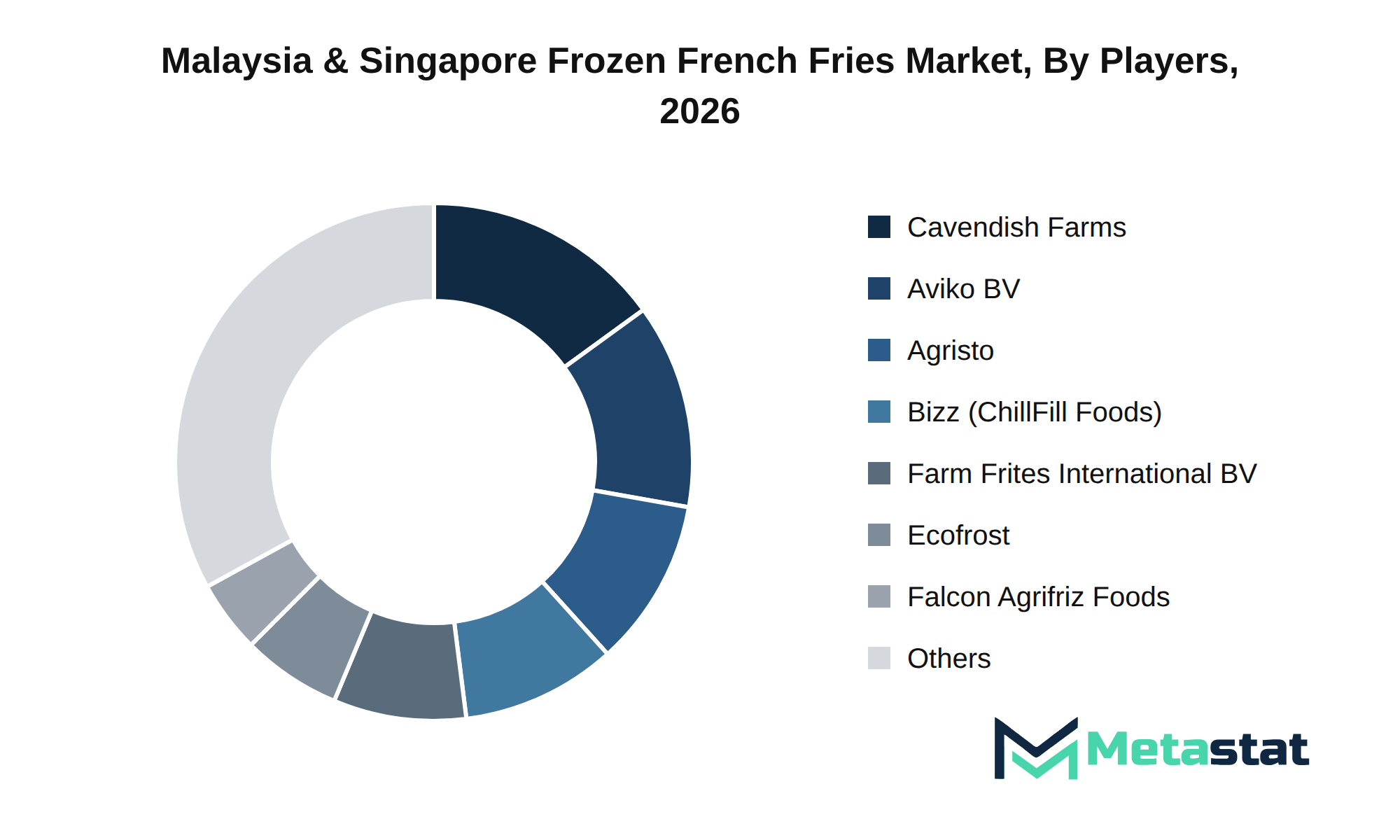
The Malaysia & Singapore Frozen French Fries market features a diverse array of players employing varied strategies to capture market share and enhance profitability. Companies including McCain Foods Limited, Lamb Weston Holdings, Inc, and Aviko BV focus on product differentiation and innovation, continuously expanding their portfolios to meet evolving consumer preferences. Strategic alliances and joint ventures create robust ecosystems, enabling firms to leverage synergies for improved market reach and operational efficiencies.
Pricing strategies play a crucial role in competitive positioning, with firms like Agrarfrost GmbH & Co KG and Cavendish Farms Corporation adopting aggressive pricing models to attract larger customer bases. Investment in research and development by players including JR Simplot Company and Ecofrost results in proprietary technologies that enhance product quality and operational capabilities. These technological advancements create significant barriers to entry for new entrants, maintaining the competitive advantage of established market participants.
Customer retention strategies significantly influence brand loyalty and market share. Notable players, including Bizz Corporation (ChillFill Foods) and Farm Frites International BV, implement comprehensive engagement initiatives to reinforce customer relationships. The need for consistent quality and service further drives switching costs, reinforcing brand equity dynamics within the market.
Overall, competitive dynamics in the Malaysia & Singapore Frozen French Fries market involve strategic consolidation, effective go-to-market strategies, and a focus on customer value, shaping the landscape for sustained growth and innovation.
Market size is forecast to rise from USD 190.5 million in 2025 to over USD 296.9 million by 2033. The base case reflects this growth at a 5.7% compound annual growth rate (CAGR). A bullish scenario envisions accelerated growth driven by increased consumer demand and expanded distribution channels, while a bearish outlook anticipates potential challenges from economic fluctuations and supply chain disruptions affecting the market.
Macroeconomic factors play a significant role in shaping the Malaysia & Singapore Frozen French Fries market. Economic cycles influence downstream demand, driven by consumer spending patterns that fluctuate with broader economic conditions. Core industry maturation leads to heightened competition, compelling firms to innovate and adapt to changing consumer preferences. Structural consumption shifts, attributed to health consciousness and demand for convenience, continue to reshape the market.
Next-generation technology integration enhances production efficiency and product quality, aligning with R&D commercialization timelines that drive innovation. Regulatory evolution, including compliance milestones, exerts influence on market dynamics, requiring stakeholders to adapt swiftly to changing policies. Geopolitical realignments and evolving trade corridors impact regional supply chains, necessitating strategic capital allocation to enhance resilience and adaptability.
Emerging white-space opportunities provide avenues for growth, particularly in segments underserved by current offerings. High-growth pockets emerge in the quick-service restaurant sector, emphasizing the need for strategic imperatives that align with consumer trends. Defensibility roadmaps, grounded in data-driven insights, support firms in navigating market complexities while positioning for future success in the Malaysia & Singapore Frozen French Fries market.
The report strategically identifies and profiles the key market players and analyses their core competencies in each sub-segment of the Frozen French Fries market.
Report Attributes | Details |
Study Period | 2021-2033 |
Base Year | 2025 |
Estimated Year | 2026 |
Forecast Period | 2026-2033 |
Historical Period | 2021-2025 |
Growth Rate | CAGR 5.7% from 2026 to 2033 |
Revenue Unit | USD million |
Segmentation | By Cut Style, End User, Distribution Channel, Region, and Region |
Find answers to common questions about this report
The Frozen French Fries market size in Malaysia and Singapore was valued at USD 190.5 million in 2025.
The Frozen French Fries market is projected to grow at a CAGR of 5.7% during the forecast period from 2026 to 2033.
Straight Cut French Fries lead the Malaysia & Singapore Frozen French Fries market, with a share of 43.8% in 2025. This segment's dominance reflects its popularity among consumers and its significant contribution to overall market revenue.
The Malaysia & Singapore Frozen French Fries market experiences growth driven by shifting consumer preferences for convenience, health, and innovative flavors. Increasing urbanization and busy lifestyles fuel demand for quick-service options, leading to menu adaptations by restaurants and investments in product innovation. Enhanced focus on premium and specialty-cut fries attracts a broader customer base.
Regulatory challenges, economic pressures, and supply chain disruptions significantly restrain growth in the Malaysia & Singapore Frozen French Fries market. Compliance with evolving food safety regulations increases operational costs, while inflation and rising raw material prices impact consumer purchasing power and demand patterns. Geopolitical fragmentation further complicates trade dynamics, leading to heightened costs and delays in acquiring essential ingredients.
Product adoption in the Malaysia & Singapore Frozen French Fries market is favored by shifting consumer preferences for convenience and health, alongside innovative flavor profiles. Increasing urbanization and busy lifestyles drive demand for quick-service options, while health-conscious consumers push producers to develop healthier alternatives, enhancing the appeal of frozen French fries.
The Frozen French Fries market is estimated to reach a valuation of USD 296.9 million by 2033.
Key players in the Malaysia & Singapore Frozen French Fries market include Agrarfrost GmbH & Co KG, Agristo NV, Aviko BV, Cavendish Farms Corporation, Lamb Weston Holdings, Inc, McCain Foods Limited, and JR Simplot Company.
Straight cut French fries hold the largest market share at 43.8%, followed by shoestring French fries at 17.2%.
The quick-service restaurants segment is expected to grow at a CAGR of 6.3% through 2033.
The analysts below cover Food and Beverages research at Metastat Insights.
LEAD ANALYST
Utkarsh Khirodkar is a Lead Market Research Analyst at MetaStat Insight, specializing in market intelligence, technology sector assessments, and competitive strategy.

LEAD PRINCIPAL ANALYST, PHARMA AND HEALTHCARE
Food and Beverages · Healthcare · Healthcare IT · Medical Devices
Ajay Devgire is the Lead Healthcare Analyst at MetaStat Insight, leading strategic research and market intelligence initiatives across the global healthcare domain.

SENIOR RESEARCH ANALYST
Biotechnology · Food and Beverages · Medical Devices · Packaging
Snehal Pasalkar is a Research Analyst at MetaStat Insight, operating at the intersection of life sciences research, competitive strategy, and market intelligence.
Our team was tracking whether regional recycling infrastructure could realistically absorb the growing volume of lithium iron phosphate batteries over the next decade. The report did a solid job separating announced hydrometallurgical plant capacity from active, permitted operational throughput. That distinction made the feedstock availability projections and regional recovery rate models far more credible than standard commercial overviews.
Tracking capacity expansion in single-use bioprocessing requires dependable data on raw material availability and cleanroom-grade polymer supply chains. The competitive landscape chapter gave a grounded evaluation of secondary component suppliers across North America and Asia-Pacific rather than simply reprinting press releases. Having that level of supplier benchmarking helped clarify dual-sourcing considerations for our clinical pipeline planning.
When evaluating distributed energy resource management systems, standard research summaries tend to gloss over the operational differences between front-of-the-meter utility deployments and behind-the-meter industrial sites. The MetaStat Insight report addressed those distinctions directly, especially regarding software interoperability standards and grid interconnection backlogs. The five-year market sizing across regional transmission organizations provided actionable context for our grid modernization strategy.
Explore related market intelligence reports worth reading alongside this one.