
LEAD ANALYST
Utkarsh Khirodkar is a Lead Market Research Analyst at MetaStat Insight, specializing in market intelligence, technology sector assessments, and competitive strategy.

Global Outplacement Services Market Size, Share, By Service Offering (Career Coaching and Career Counseling, Resume, CV and Professional Branding Services, Job Search, Networking and Placement Support, Interview Preparation, Assessments and Reskilling), By Participant Level (C-Suite and Executive Employees, Senior Managers and Directors, Mid-Level Professionals, Frontline, Hourly and Entry-Level Employees), By Delivery Mode (Virtual and Digital Outplacement, In-Person Outplacement, Hybrid Outplacement, On-Site Group and Workshop-Based Delivery), By Client Organization Type (Large Enterprises, Small and Medium-Sized Enterprises, Public-Sector Organizations), Industry Analysis, Growth, Trends, and Forecast, 2026-2033
Report ID
MSI-5328
Published
September, 2026
Pages
290 Pages
Format
Historical
Base year
Forecast
Forecast period
Report Details
Market Valuation: Valued at $5,738.4 Million in 2025, projected to reach $10,313.9 Million by 2033 at a 7.6% CAGR.
Dominant Segment: The Career Coaching and Career Counseling segment leads the market, driven by rising demand for personalized career guidance during workforce transitions. This segment is projected to grow from USD 1,653.7 million in 2026 to USD 2,643.5 million by 2033, reflecting a CAGR of 6.9%.
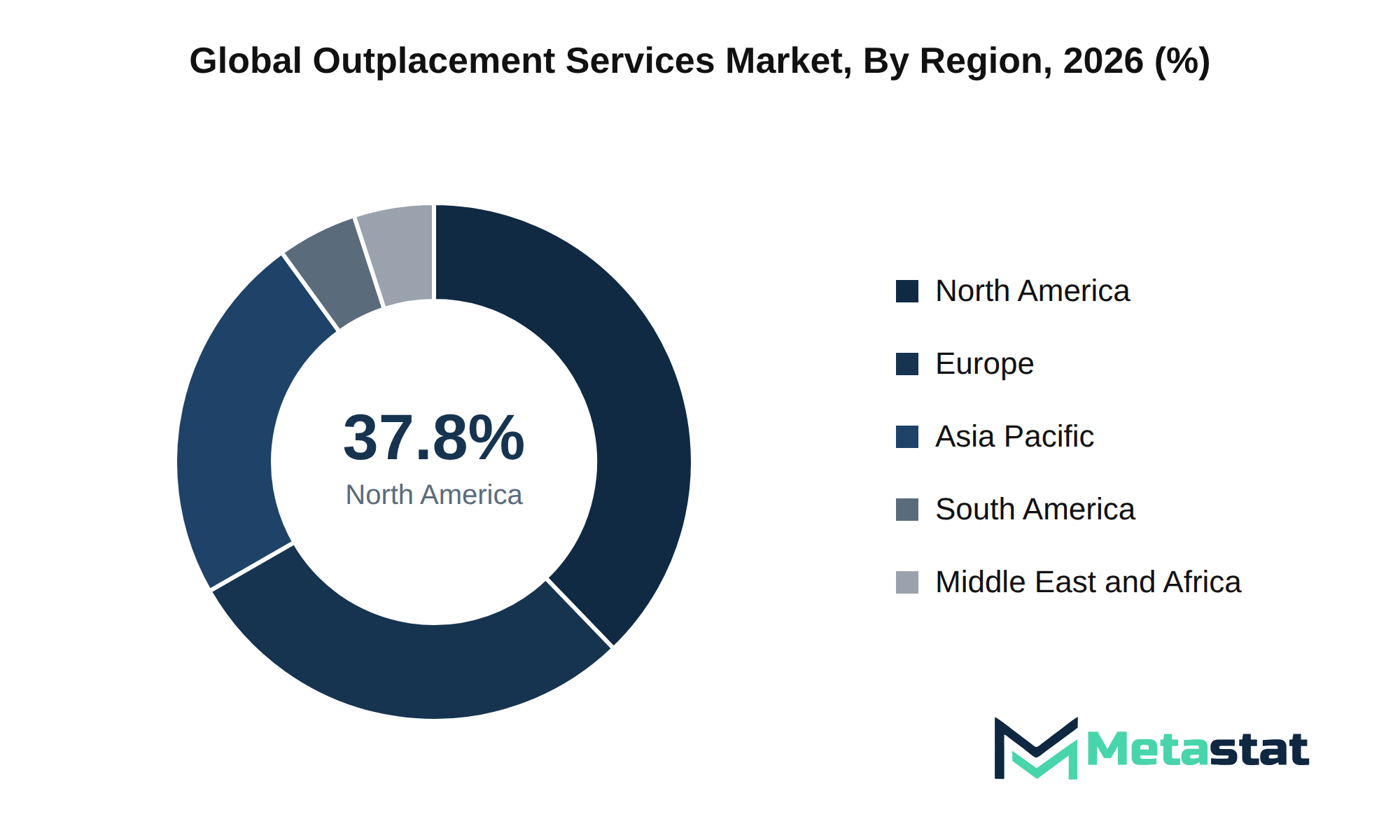
Geographic Lead: North America dominates the market, accounting for 37.8% of total revenue, fueled by robust corporate restructuring efforts and workforce realignment initiatives. Significant growth opportunities are also emerging in the Asia Pacific region as companies adapt to evolving labor markets.
What's Inside: The report provides a comprehensive analysis of the Global Outplacement Services market, including detailed segmentation by service offering, participant level, delivery mode, and client organization type. It includes competitive coverage, market dynamics, and forecasts from 2026 to 2033.
Emerging Trends: The rise of digital transformation and virtual-first service delivery models is enhancing accessibility and engagement in outplacement services. Organizations are increasingly investing in technology-driven solutions to streamline career transition processes and improve user experiences.
Choose Your License
Global Outplacement Services Market
The global Outplacement Services market was valued at USD 5,738.4 million in 2025 and is projected to reach USD 10,313.9 million by 2033, growing at a CAGR of 7.6% over the forecast period.
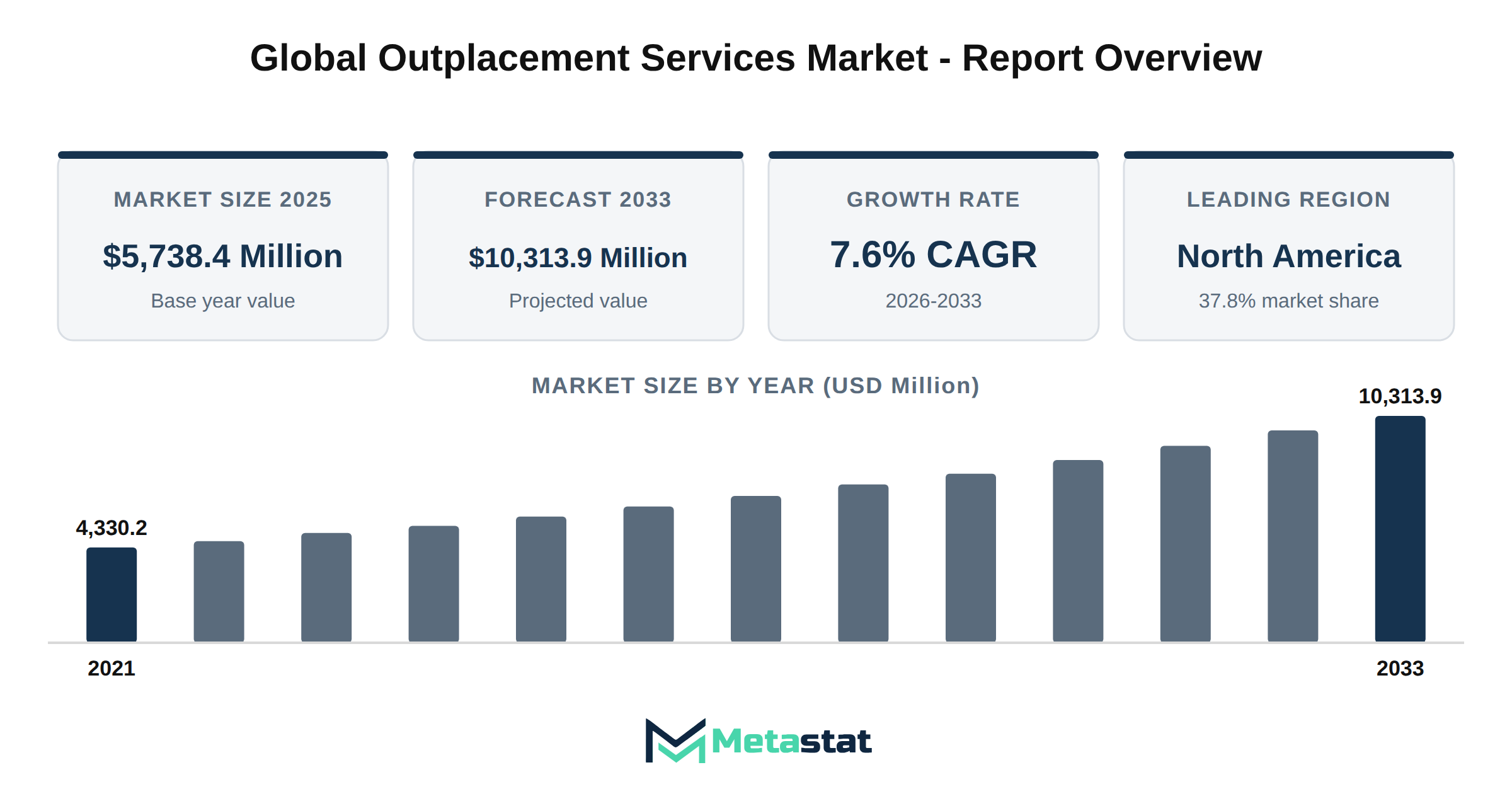
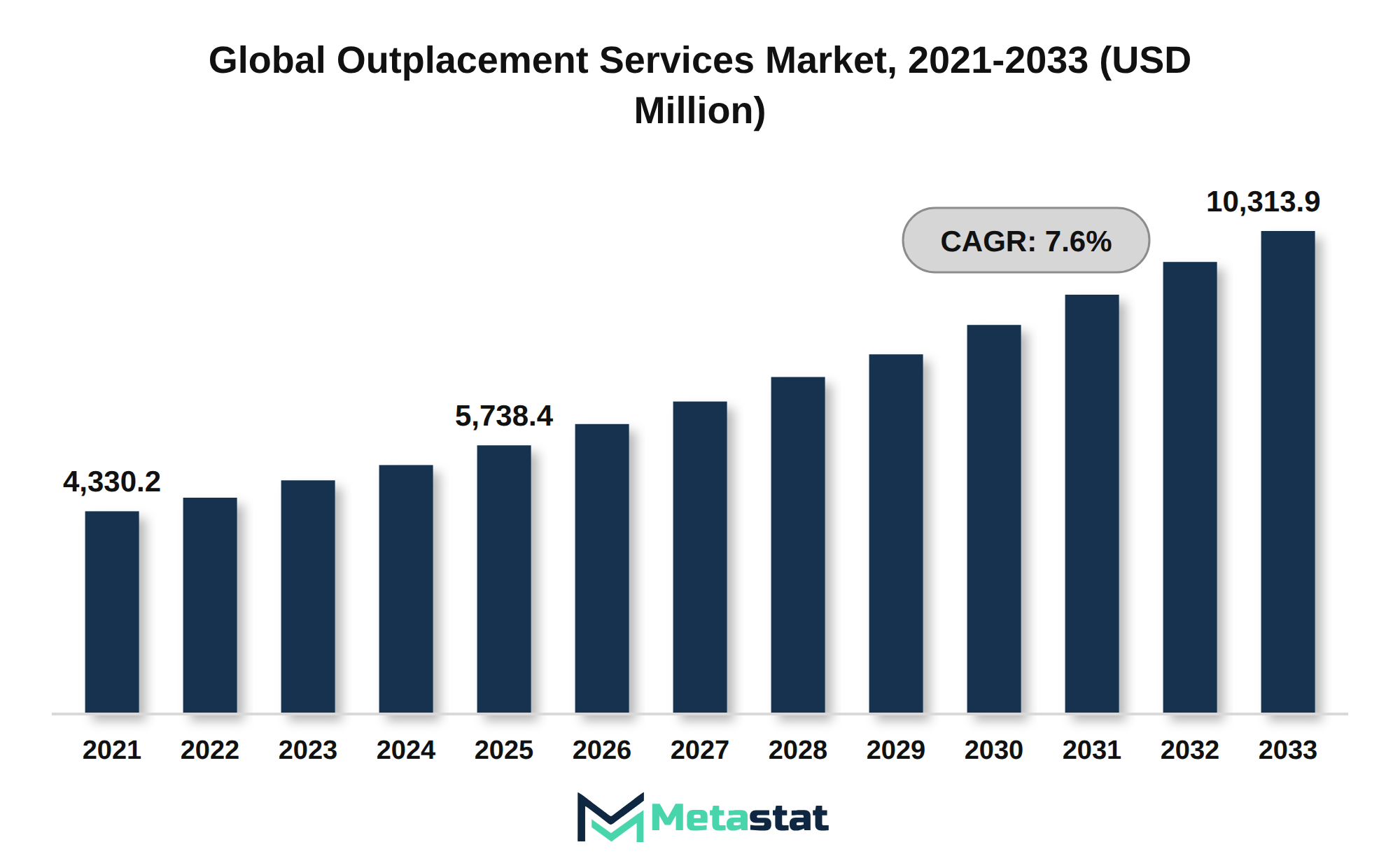
The Outplacement Services market reached a value of USD 5,738.4 million in 2025, with projections indicating growth to USD 10,313.9 million by 2033. This growth corresponds to a compound annual growth rate (CAGR) of 7.6% over the forecast period from 2026 to 2033. Historical data shows a steady increase in market value, starting at USD 4,330.2 million in 2021 and rising to USD 5,738.4 million in 2025.
Strategic drivers including corporate restructuring and workforce rationalization significantly influence the adoption of outplacement services. Key industries, including technology, finance, and manufacturing, actively seek these services to manage workforce transitions and mitigate the impacts of downsizing. The focus on retaining talent and enhancing employer branding further increases the demand for tailored outplacement solutions, positioning these services because essential in modern organizational strategies.
The shift from traditional outplacement services to AI-powered career transition platforms transforms the market. Companies increasingly adopt advanced technologies to streamline the job placement process, offering personalized recommendations and real-time support. This technological integration enhances user experience and increases placement success rates, further driving market growth.
The impact of generative AI and automated matching technologies on job placement velocity proves significant. By leveraging data analytics, organizations match candidates to suitable roles faster, reducing the time spent in the transition phase. This efficiency leads to higher satisfaction rates among both employers and participants, reinforcing the value of outplacement services in the job market.
Rising focus on employer brand protection and severance risk mitigation shapes the market dynamics. Companies recognize the importance of maintaining a positive image during layoffs and transitions, prompting investment in comprehensive outplacement programs. These initiatives support departing employees and safeguard the organization’s reputation in the eyes of remaining staff and external stakeholders.
The divergence in demand between executive career coaching and group outplacement programs highlights varying needs across different levels within organizations. Executive coaching services experience higher demand due to the unique challenges faced by C-suite and senior-level professionals during transitions. Group programs cater to a broader audience, ensuring support for diverse employee needs.
Integration of internal talent redeployment and outplacement frameworks emerges because a strategic approach for organizations. By aligning these processes, companies enhance workforce mobility and optimize resource allocation, creating a culture of continuous development and growth. This integration supports long-term employee engagement and retention while facilitating smoother transitions during restructuring.
The rise of virtual-first service delivery models boosts accessibility to digital coaching and outplacement services. Organizations increasingly offer remote options, enabling employees to access support from anywhere. This trend enhances participation rates and allows companies to cater to geographically dispersed workforces, making outplacement solutions more inclusive and effective.
The Outplacement Services market experiences significant growth driven by corporate restructuring and workforce rationalization trends across various sectors. Organizations increasingly seek effective strategies to manage workforce transitions, leading to heightened demand for outplacement services. This demand originates from industries including technology, manufacturing, and finance, where ongoing changes in workforce dynamics necessitate support for displaced employees.
A marked shift from traditional outplacement solutions to AI-powered career transition platforms influences service delivery and effectiveness. These platforms leverage advanced algorithms to provide personalized job search assistance and career coaching, enhancing the overall experience for participants. The integration of generative AI and automated matching systems accelerates job placement velocity, allowing for quicker transitions and improved outcomes for individuals seeking new employment opportunities.
Employer brand protection and severance risk mitigation emerge because critical considerations for organizations engaging outplacement services. Businesses recognize the importance of maintaining a positive reputation during workforce reductions, prompting investments in high-quality outplacement support to build goodwill among remaining employees and stakeholders. This focus directly contributes to the market's expansion, because organizations prioritize comprehensive severance packages that include outplacement services.
A divergence in demand between executive career coaching and group outplacement programs highlights the evolving needs of different employee segments. Senior leaders often require tailored coaching and support, while larger groups of displaced employees benefit from structured programs. This distinction informs the development of service offerings within the market, driving providers to customize solutions that cater to the varying needs of their clientele.
The integration of internal talent redeployment with outplacement frameworks further enhances organizational agility. Companies increasingly combine these strategies to retain valuable skills while supporting employees through transitions. This approach optimizes workforce management and encourages employee loyalty, reflecting positively on the organizational culture.
Virtual-first service delivery models gain traction, providing accessible digital coaching solutions for individuals facing job transitions. This trend aligns with the growing demand for flexible outplacement options, enabling participants to engage with services remotely. The market's adaptation to digital formats supports broader access and convenience, appealing to both employers and employees seeking efficient solutions.
Emerging markets, particularly in the Asia Pacific region, demonstrate significant growth trajectories for outplacement services. While economies develop and workforce dynamics evolve, the demand for structured support during career transitions increases. This expansion presents opportunities for service providers to enter new markets and tailor offerings to local needs, further driving overall market growth.
Competitive consolidation within the market reshapes the vendor landscape. Traditional players face challenges from tech-native entrants that leverage innovative solutions to meet evolving client demands. This dynamic creates a competitive environment that encourages continuous improvement and adaptation among existing providers, ultimately benefiting the end-users of outplacement services.
Long-term growth forecasts indicate a positive outlook for the Outplacement Services market, with a continued emphasis on workforce mobility post-restructuring. Organizations increasingly recognize the value of investing in employee transitions, aligning with broader trends in workforce management and talent retention. The market is projected to expand steadily, driven by these underlying factors.
The Outplacement Services market experiences growth driven by favorable capital investment environments, characterized by GDP growth and increased public-private spending power. Rising GDP promotes business expansion, leading to workforce transitions that require effective outplacement solutions. Enhanced spending power among enterprises enables investments in employee support during layoffs or restructuring, resulting in higher demand for services.
Interest rates play a critical role in shaping investment strategies. Lower interest rates reduce borrowing costs for organizations, encouraging capital expenditures that include outplacement services. Companies investing in talent transition support improve operational productivity and maintain workforce morale, ultimately creating a more agile and resilient labor market.
Technological integration contributes to the evolution of outplacement services, with organizations increasingly adopting digital platforms and tools to deliver support. The shift toward virtual and digital outplacement solutions enhances accessibility for displaced employees, allowing organizations to offer tailored services efficiently. Businesses leveraging technology experience improved service delivery, driving demand in the market.
Overall, the connection between capital investment environments and technological advancements creates a robust framework for growth within the Outplacement Services market, supporting companies in navigating workforce changes effectively.
The Outplacement Services market experiences growth driven by digital transformation initiatives across various sectors. Increasing reliance on technology, particularly automation and artificial intelligence, streamlines processes and enhances service delivery. Organizations invest in digitizing legacy systems, which leads to improved efficiency and adaptability in providing outplacement services. This transformation supports the creation of innovative solutions that cater to employees facing transitions, offering tailored resources and support systems.
Advancements in digital platforms facilitate communication and engagement between outplacement service providers and clients. These enhancements create a more personalized experience for individuals navigating career changes. The market benefits from investments in software adoption, which allows firms to monitor trends and provide data-driven insights to clients. Consequently, this results in a more effective support system for job seekers and an overall improvement in client satisfaction.
The growing emphasis on technological integration aids in optimizing operations and expands service offerings within the Outplacement Services market. The focus on digital tools enhances the capability to provide comprehensive career coaching and counseling services, resume and branding support, and job placement assistance. This evolving landscape positions companies to better meet the demands of a diverse client base, ultimately driving revenue growth and market expansion.
Regulatory compliance presents significant challenges for the Outplacement Services market. Companies face increasing scrutiny and evolving compliance requirements that necessitate robust frameworks for handling employee transitions. This complexity often leads to increased operational costs, resulting from organizations investing in systems and processes to adhere to legal mandates. Compliance affects budget allocations, limiting funds available for comprehensive outplacement services.
Macroeconomic headwinds further complicate market dynamics. Economic uncertainty and inflationary pressures impact corporate budgets, resulting in cautious spending on services including outplacement. Organizations prioritize immediate operational needs over long-term investments in employee support programs, leading to reduced demand for outplacement services.
Regional adoption resistors influence market growth. Variations in cultural attitudes toward career transitions and employee support hinder the widespread acceptance of outplacement services across different geographies. In regions with limited awareness or support for such programs, organizations opt for alternative solutions, which limits the overall potential for market expansion.
Talent gaps and skilled labor deficiencies exacerbate these challenges. The shortage of qualified professionals in the outplacement services sector restricts the ability of firms to deliver high-quality support, impacting service effectiveness. This situation creates a competitive disadvantage for organizations seeking to provide comprehensive outplacement solutions and hampers growth potential in the Outplacement Services market.
The Outplacement Services market faces challenges owing to geopolitical fragmentation and trade tensions that create uncertainty in global supply chains. These factors lead to trade deficits and tariff frictions, which disrupt the flow of services and increase costs for providers and clients alike. The complexities in navigating international regulations hinder expansion efforts and reduce the market's overall growth potential.
Technological disruptions bring additional strain, driven by companies adapting to rapid changes in digital tools and platforms. Many organizations struggle with integrating new technologies into their service offerings, resulting in interoperability friction across various systems. This situation complicates the delivery of effective outplacement services, impacting client satisfaction and retention.
Rising input cost structures continue to exert pressure on profitability within the market. Costs associated with talent acquisition, training, and technological investments have escalated significantly. This scenario creates a competitive environment where firms balance quality service delivery with maintaining healthy margins.
Workforce skill gaps persist, complicating the provision of effective outplacement services. Companies increasingly find it challenging to attract and retain skilled professionals capable of delivering high-quality career coaching and support. This issue is exacerbated by automation displacements, which alter traditional employment landscapes and create new demands on outplacement providers.
The Outplacement Services market contends with evolving sustainability demands. Customers increasingly prioritize providers that demonstrate strong environmental and social governance practices. This shift places pressure on organizations to adopt sustainable practices and reduce environmental footprints, which complicate operational strategies and resource allocation.
Infrastructure gaps and retrofitting barriers hinder the growth trajectory of the market. Firms require significant investment in technology and resources to enhance service delivery and meet evolving client expectations. Addressing these barriers is crucial for ensuring long-term sustainability and competitiveness within the market.
The Outplacement Services market benefits from increasing regional demands driven by economic changes and workforce transitions across various geographies. North America leads in market value, accounting for 37.8% of total revenue, propelled by robust corporate restructuring efforts and workforce realignment initiatives. Significant growth opportunities exist in Asia Pacific, with companies recognizing the need for supportive outplacement services to navigate evolving labor markets.
Infrastructure modernization across multiple regions fuels demand for outplacement services. Organizations increasingly invest in employee support during transitional phases, enhancing workforce mobility and maintaining productivity levels. The compound annual growth rate of 7.6% from 2026 to 2033 highlights the importance of these services in facilitating smooth workforce transitions.
Technological disruptions further contribute to the growth of the Outplacement Services market. The rise of digital platforms for career coaching and job placement enhances accessibility and efficiency, attracting a wider range of clients. Virtual and digital outplacement services exemplify how technology reshapes traditional service offerings in response to modern workforce needs.
Strategic consolidation within the market enables companies to expand their service portfolios and enhance value propositions. Mergers and acquisitions create synergies that improve operational efficiencies, allowing firms to offer comprehensive solutions tailored to diverse client requirements. Organizations focusing on client organization types, including large enterprises and public-sector entities, demonstrate a trend toward comprehensive support packages that cater to specific segment needs.
Evolving buying behaviors signal a shift in procurement strategies. Organizations prioritize sustainable and socially responsible practices, prompting a demand for outplacement services that align with environmental, social, and governance (ESG) criteria. This alignment influences purchasing decisions, transforming the market landscape and driving growth through eco-friendly initiatives and CSR commitments.
The Outplacement Services market experiences significant growth opportunities fueled by emerging regional demands, technological advancements, and evolving procurement strategies. Companies that strategically adapt to these developments enhance their competitive positions and capture increased market share in the coming years.
The Global Outplacement Services market is segmented based on Service Offering, Participant Level, Delivery Mode, and Client Organization Type.
Growth in the Career Coaching and Career Counseling segment stems from rising demand for personalized career guidance and professional development. Organizations increasingly recognize the importance of supporting employee transitions, particularly during downsizing or restructuring, leading to heightened interest in these services. The segment is valued at USD 1,653.7 million in 2026 and is projected to reach USD 2,643.5 million by 2033, at a CAGR of 6.9% during the forecast period. This growth reflects a broader shift toward employee-centric practices, where career coaching enhances workforce adaptability and engagement.
Adoption of digital tools and platforms enhances service delivery in this segment, allowing providers to reach a wider audience and cater to diverse client needs. Technological advancements enable virtual coaching sessions, expanding access and reducing geographical barriers. The growing acceptance of remote work arrangements further fuels demand for these services, driven by professionals seeking guidance in navigating new employment landscapes. While organizations focus on talent retention and development, investment in career coaching becomes a strategic priority, reinforcing its significance within the Outplacement Services market.
Resume, CV and Professional Branding Services segment is expected to reach USD 1,801.8 million by 2033, growing at a CAGR of 7.2% during the forecast period. Demand for these services arises from an increasingly competitive job market where candidates require standout applications to capture employer attention. Companies emphasize the importance of tailored resumes and professional branding to enhance individual marketability, driving demand from both job seekers and organizations seeking to support displaced employees. Technological advancements influence the evolution of these services, introducing tools that streamline resume creation and enhance brand visibility through digital platforms. Job seekers increasingly leverage online resources for crafting resumes, resulting in a shift towards digital and virtual service offerings. Investment in technology drives innovation, enabling service providers to offer differentiated packages that address diverse client needs. These factors contribute to steady growth within the segment, aligning with broader trends in the Outplacement Services market where adaptability and relevance are crucial for success. Pricing structures reflect the value of personalized services, with a growing willingness among clients to invest in high-quality branding solutions that yield competitive advantages in the job market.
Growth in the Job Search, Networking and Placement Support segment is influenced by several factors, including the increasing need for effective job placement strategies amid rising unemployment rates. Companies prioritize providing comprehensive support to transitioning employees, driving demand for these services. The rise of digital platforms enhances networking opportunities, facilitating connections between job seekers and potential employers.
The expected value of this segment is USD 2,675.4 million by 2033, reflecting a robust expansion trend. Participants in the Outplacement Services market invest in advanced technologies to improve service delivery, ensuring that offerings align with evolving job market dynamics. An enhanced focus on personalized services and tailored career transition plans contributes to higher client satisfaction and retention.
Adoption of virtual and digital solutions improves accessibility to job search resources, appealing to a broader demographic. This shift aligns with workforce trends favoring remote employment options. Organizations increasingly recognize the long-term benefits of investing in employee outplacement services, leading to sustained growth in the sector.
Strong demand exists for the Interview Preparation, Assessments and Reskilling segment, projected to grow at a CAGR of 8.4% during the forecast period. Factors driving this growth include a heightened focus on employee readiness and upskilling among organizations. Companies recognize the importance of preparing their workforce for new roles and responsibilities, especially during transitions.
Technological maturation introduces advanced tools for assessing candidate skills, making the segment more effective in delivering relevant training and preparation. Organizations invest in comprehensive programs that support employees in enhancing their marketability, which directly contributes to the segment's expansion. The growing trend toward continuous learning and professional development reinforces the need for effective preparation solutions.
Increased competition for talent drives businesses to offer robust outplacement services, including interview preparation and assessments. These services support individuals during career transitions and play a crucial role in ensuring workforce adaptation to the evolving job market. The rising emphasis on employee experience further increases demand for tailored outplacement offerings, positioning the market for substantial growth.
Investment in digital platforms for delivering these services enhances accessibility and convenience, allowing employees to engage with the content irrespective of their location. Organizations implementing virtual training programs benefit from cost savings while enhancing their service offerings. The strategic opportunity in this segment emphasizes the importance of a responsive approach to changing workforce needs.
The Interview Preparation, Assessments and Reskilling segment within the Outplacement Services market exhibits substantial growth potential driven by evolving workforce dynamics and increasing demand for skill enhancement. This trend is expected to shape the competitive landscape significantly, influencing investment and service delivery strategies across the sector.
Segment "Others" within the Outplacement Services market addresses unique offerings that cater to specific client needs. Diverse client requirements drive demand for tailored solutions, reflecting a growing trend among organizations to offer personalized support for transitioning employees. While traditional outplacement services evolve, these unique offerings provide flexibility, accommodating clients outside conventional frameworks. The integration of technology in delivering these services enhances accessibility and engagement, contributing to overall market dynamics.
Increasing focus on employee well-being drives organizations to seek comprehensive outplacement solutions that extend beyond standard services. Organizations recognize the value in programs that address the emotional and psychological aspects of career transitions. This shift reflects an understanding of the importance of supporting employees through their career changes, enhancing employer branding and employee loyalty. The emphasis on diversity and inclusion further shapes the landscape, encouraging the development of specialized programs that cater to diverse workforce needs.
Investments in training and development remain crucial for effective outplacement services. Organizations prioritize upskilling and reskilling programs to equip transitioning employees with relevant skills for the evolving job market. This focus aligns with the broader trend of continuous learning, ensuring that individuals remain competitive in their job searches. The market observes an increasing commitment to sustainability, prompting organizations to adopt environmentally responsible practices in their outplacement strategies.
Ultimately, the "Others" segment reflects the growing demand for customized solutions that align with contemporary workforce needs. Organizations seek innovative and adaptive services that enhance the transition experience for employees, thereby positioning themselves favorably in an evolving employment landscape.
C-Suite and Executive Employees segment is valued at USD 853.8 million in 2026 and is projected to reach USD 1,339.8 million by 2033, at a CAGR of 6.6% during the forecast period. Market demand in this segment arises primarily from the need for organizations to support high-level executives during transitions. The shift in corporate structures and the increasing frequency of layoffs drive the adoption of outplacement services for senior-level personnel, highlighting the importance of tailored support in maintaining executive morale and reputation.
Investment in C-Suite and Executive Outplacement Services reflects a growing acknowledgment of the necessity to provide comprehensive transition assistance. Organizations recognize that effective outplacement strategies not only support executive job placements but enhance the overall employer brand. The segment expansion is propelled by the rising emphasis on career coaching and personalized branding, which equips executives with the necessary tools to navigate their career transitions successfully.
This segment faces unique challenges related to pricing volatility and margin pressures. Providing high-quality, individualized services necessitates significant investment in skilled career coaches and resources, which influences cost structures. However, organizations increasingly view these services because essential, reinforcing their commitment to ensuring leadership continuity and strategic alignment during executive transitions.
While organizations focus on capital investment in workforce management solutions, the Outplacement Services market is expected to see sustained growth. The demand for tailored outplacement services for C-Suite and Executive Employees strengthens their role in strategic organizational planning and supports a resilient approach to workforce transitions.
Demand for Outplacement Services among Senior Managers and Directors stems from organizational restructuring and workforce adjustments. Companies prioritize effective transition support for high-level professionals, enhancing talent retention and maintaining positive employer branding. Growth in this sub-segment aligns with a structural shift in how organizations approach employee outplacement, emphasizing personalized and strategic support tailored to individual needs, thereby increasing the overall effectiveness of the services provided.
The Senior Managers and Directors segment is estimated to reach USD 2,384.6 million by 2033, at a CAGR of 7.1% during the forecast period. Technological advancements in service delivery, including virtual platforms, significantly influence service offerings. The rise of digital outplacement solutions enables greater accessibility and scalability, appealing to organizations aiming to streamline their human resources processes while providing robust support for transitioning executives.
The competitive landscape within the Outplacement Services market features a growing emphasis on customization and strategic alignment. Providers focusing on comprehensive support mechanisms, including career coaching and networking assistance, address the unique challenges faced by Senior Managers and Directors, further driving segment expansion. The integration of data analytics into service offerings enhances the ability to tailor services according to individual client profiles, enabling providers to deliver targeted and effective solutions.
Growth in the Mid-Level Professionals segment stems from increasing demand for tailored support during workforce transitions. Organizations recognize the value of outplacement services in enhancing employee experience and maintaining corporate reputation. This segment is projected to reach USD 3,559.3 million by 2033, driven by a rise in workforce restructuring and downsizing activities across various industries.
Adoption of outplacement services is particularly strong among firms emphasizing employee welfare. Corporate strategies focusing on retention and engagement contribute to the demand for comprehensive outplacement solutions. Heightened competition among businesses drives investment in effective transition support, enhancing operational resilience.
Technological advancements play a critical role in shaping service delivery within the segment. Virtual and digital platforms have transformed how outplacement services are accessed and delivered, improving accessibility and engagement for mid-level professionals. This evolution aligns with broader trends in remote work and digital transformation across industries, influencing consumption patterns.
Rising economic pressures and market volatility necessitate robust outplacement solutions. Organizations are increasingly aware of the financial and reputational risks associated with layoffs, fueling demand for effective transition strategies. The Mid-Level Professionals segment benefits from this heightened focus on strategic workforce management, reinforcing market growth.
Growth within the Frontline, Hourly and Entry-Level Employees segment aligns with shifting workforce dynamics and the increasing focus on employee retention strategies among organizations. Businesses recognize the importance of providing support during transitions, particularly for lower-tier employees who face greater challenges in the job market. Demand for outplacement services tailored to this demographic emphasizes personalized career coaching and job placement support.
The Frontline, Hourly and Entry-Level Employees segment is projected to grow at a CAGR of 8.5% during the forecast period. This growth stems from the rising recognition of the value of human capital and the commitment of organizations to enhance employee experience. Providing these services helps organizations mitigate the potential negative impact on their reputation during layoffs while ensuring a smoother transition for affected employees.
Increased competition within industries encourages companies to invest in outplacement services, recognizing the maintain a positive employer brand. The market benefits from advancements in technology that facilitate virtual and hybrid service delivery modes, making support more accessible to employees regardless of their location. This accessibility contributes to higher engagement levels, reinforcing the effectiveness of outplacement services.
Economic fluctuations influence hiring patterns, prompting organizations to prioritize the development of their workforce. By investing in career development programs for frontline and entry-level employees, organizations enhance their talent pool and support future recruitment efforts. This proactive approach to workforce management contributes to sustained growth within the Outplacement Services market.
Unique demands within the Outplacement Services market arise from various factors impacting organizations and their employees. This segment encompasses a range of participant levels not traditionally categorized, reflecting the diversity of workforce needs across different industries. Expanding adoption of outplacement services results from heightened awareness of employee rights and the necessity of providing adequate support during transitions. Organizations recognize the importance of maintaining a positive employer brand, which drives demand for customized offerings that cater to various workforce segments. Such services facilitate smoother transitions for displaced employees, promoting well-being and productivity in the labor market.
Strategic investment in technology enhances service delivery, enabling firms to offer more effective solutions tailored to specific participant needs. Increased digitization shapes the landscape, leading to innovative engagement strategies that address the dynamic requirements of job seekers. This shift aligns with emerging trends in workforce mobility and shifting employment patterns, further reinforcing the relevance of the market. Companies focusing on this segment exploit opportunities to create unique value propositions, enhancing their competitive advantage. The ability to respond adeptly to evolving client expectations and market demands positions firms favorably for future growth.
Valued at USD 2,033.9 million in 2026, the Virtual and Digital Outplacement segment is projected to reach USD 3,659.4 million by 2033, reflecting a CAGR of 8.8% during the forecast period. Increasing adoption of remote work arrangements influences demand for digital solutions, allowing organizations to provide outplacement services that adapt to modern workforce needs. Companies increasingly rely on virtual platforms to deliver career coaching, resume services, and job placement assistance efficiently and effectively.
The shift toward digital outplacement services aligns with broader trends in workforce management, emphasizing flexibility and accessibility. Organizations prioritize services that are cost-effective and scalable, driving investments in technology that support virtual interactions. Enhanced user experiences through digital platforms facilitate engagement and improve outcomes for job seekers, contributing to growth within the Virtual and Digital Outplacement segment of the Outplacement Services market.
Strong competition exists within this sub-segment, prompting service providers to innovate continually. The introduction of advanced technologies, including artificial intelligence and personalized career guidance tools, enhances service offerings. These developments address the evolving preferences of job seekers, ensuring that organizations maintain a competitive edge in delivering effective outplacement services.
Interest in In-Person Outplacement services arises from the personalized support they provide, enabling effective job transitions. This approach caters to the emotional and psychological needs of individuals facing job loss, enhancing their experiences during challenging times. Organizations increasingly recognize the value of offering tailored outplacement services to ensure smooth employee transitions, supporting a positive employer brand while maintaining workforce stability. This shift aligns with broader trends emphasizing employee well-being and retention within the corporate structure.
In-Person Outplacement segment is estimated to reach USD 2,562 million by 2033, at a CAGR of 6.1% during the forecast period. Demand for these services reflects a growing acknowledgment of the importance of human connection in career transitions. The segment capitalizes on the need for face-to-face interactions, allowing clients to engage in comprehensive discussions about their job search strategies, skills development, and networking opportunities.
Technological advancements play a role in this segment's evolution, enabling the integration of digital resources while maintaining the essence of personal interaction. Hybrid approaches, combining in-person sessions with digital tools, enhance service delivery, ensuring clients receive comprehensive support tailored to their unique needs. This adaptability positions the market to meet changing preferences among job seekers. They value guidance and mentorship during their career transitions.
Organizations investing in In-Person Outplacement contribute positively to their overall employee value proposition, resulting in improved retention and morale among remaining staff. The services demonstrate a commitment to employee welfare, reinforcing the organizational culture while addressing the practical aspects of job loss. Such initiatives further strengthen the Outplacement Services market, reflecting an essential component of human resource strategies, underpinning the importance of effective talent management.
Hybrid Outplacement services offer a blend of virtual and in-person support, catering to the diverse needs of clients in the Outplacement Services market. This segment is expected to reach USD 2,460.9 million by 2033, driven by the growing preference for flexible delivery modes that accommodate various participant needs.
Demand for Hybrid Outplacement arises from several factors, including technological advancements that enhance virtual interactions and the need for personalized support. Organizations increasingly recognize the value of combining digital resources with traditional methods, leading to improved job placement outcomes.
Technological maturation enables effective integration of digital platforms for career coaching, networking, and support. Enhanced virtual experiences attract a broader client base, including large enterprises and small and medium-sized enterprises, which seek effective solutions for workforce transitions.
Consumption shifts towards hybrid models reflect evolving workforce dynamics, driven by job seekers' value for accessibility and immediate support options. The market's adaptation to these preferences creates growth opportunities for providers, encouraging investment in next-generation tools and resources.
In the Outplacement Services market, regulatory compliance standards and certifications influence the provision of Hybrid Outplacement services, ensuring that offerings meet industry benchmarks. This compliance enhances trust and credibility, encouraging organizations to engage with service providers that deliver compliant solutions.
Pricing volatility in the sector impacts client decisions, pushing providers to offer competitive pricing strategies that accommodate diverse budgets. This pricing dynamic influences margins and represents a significant consideration for organizations looking to optimize costs while ensuring quality service delivery.
Strategic opportunity windows in the Hybrid Outplacement segment signal potential for growth, emphasizing the need for providers to stay ahead of trends and technological advancements. Investment in innovative solutions will strengthen competitive positions in the evolving market of Outplacement Services.
Significant growth in the On-Site Group and Workshop-Based Delivery segment reflects a strategic shift towards hands-on support in the Outplacement Services market. Organizations increasingly adopt this delivery mode to provide tailored assistance and create a supportive environment for displaced employees. The segment is projected to grow at a CAGR of 6.7% during the forecast period, driven by heightened demand for interactive workshops and group sessions that facilitate networking and skill development.
Employers recognize the value of engaging employees through facilitated group sessions, enabling them to share experiences and collaborate on job search strategies. The interactive nature of these workshops enhances the learning experience and builds a sense of community among participants. This trend correlates with the goal of improving employee satisfaction and retention during periods of organizational change.
Investment in On-Site Group and Workshop-Based Delivery generates measurable benefits for organizations. Employers leverage these services to streamline the transition process for outgoing employees, ultimately reducing the potential negative impact on workplace morale. While companies navigate workforce restructuring, integrating these workshop-based services addresses the emotional and practical needs of employees, contributing to the overall growth of the market.
The demand for personalized engagement and the effectiveness of group dynamics underpin the ongoing expansion of this segment. Participants in these workshops report higher confidence levels and improved job search outcomes, reinforcing the value proposition for employers considering Outplacement Services. Consequently, organizations that adopt this delivery method position themselves advantageously in the competitive environment, securing their commitment to employee welfare and successful transitions.
Unique offerings in the Others sub-segment focus on varied delivery methods that enhance client engagement in the Outplacement Services market. Diverse approaches appeal to companies looking for tailored solutions that align with their organizational culture and employee needs. This segment benefits from the increasing emphasis on flexibility and adaptability in service delivery, driven by organizations seeking to meet the evolving expectations of their workforce.
Technological advancements drive innovation in delivery methods, allowing for new formats that combine various aspects of virtual and in-person support. This evolution promotes enhanced client experiences, facilitating deeper connections and more effective outcomes. Demand for comprehensive outplacement solutions reflects broader trends toward employee well-being and retention strategies, positioning the Others sub-segment because an integral part of the overall market.
Adoption of next-generation upgrades in service delivery creates strategic opportunity windows for providers within this sub-segment. Providers are likely to invest in technology-driven solutions that streamline processes and enhance service offerings. The Others segment aligns with industry shifts towards integrated approaches, contributing to the overall growth trajectory of the Outplacement Services market.
Valued at USD 3,379.3 million in 2026, the Large Enterprises segment is projected to reach USD 5,466.4 million by 2033, at a CAGR of 7.1% during the forecast period. Demand for outplacement services within large enterprises stems from a focus on employee well-being during organizational changes, including layoffs and restructuring. Companies increasingly recognize the value of providing support to departing employees, which leads to improved brand reputation and retention of existing talent. Growth in this segment is fueled by rising investments in human capital management and a shift toward a more employee-centric culture. Large organizations prioritize career transition services, enhancing their ability to attract and retain top talent. Investment in technology-driven solutions, including virtual and hybrid outplacement services, increases the efficiency and accessibility of support for employees. Strategic partnerships with established outplacement providers enable large enterprises to deliver comprehensive support packages, facilitating smoother transitions for employees and promoting a positive organizational image. Demand for these services reflects broader trends in corporate responsibility and employee engagement, ensuring that large enterprises remain competitive while managing workforce changes effectively. Overall, the outplacement services market experiences significant growth, driven by the commitment of large enterprises to support their workforce during transitions.
Demand for Outplacement Services from Small and Medium-Sized Enterprises (SMEs) arises from increasing organizational transitions, particularly driven by businesses adapting to shifting economic landscapes. SMEs face unique challenges during workforce restructuring, making tailored outplacement solutions critical for maintaining employee morale and company reputation. The segment is projected to reach USD 3,155 million by 2033, at a CAGR of 8.6% during the forecast period.
Adoption of virtual delivery models has expanded significantly among SMEs, allowing for cost-effective and flexible support for displaced employees. The rising need for comprehensive career coaching and counseling services aligns with SMEs aiming to enhance their labor market positioning. This trend supports the overall growth of the Outplacement Services market, encouraging SMEs to invest in robust outplacement programs.
Investment in employee transitions results from a heightened focus on workforce resilience, with SMEs recognizing the long-term benefits of supporting affected employees. Regulatory compliance and the increased emphasis on corporate social responsibility drive organizations to seek professional outplacement services, ensuring smooth transitions while adhering to employment standards. This approach enhances SMEs' reputations and facilitates a more engaged workforce, reinforcing the value of outplacement services within the market.
In the Outplacement Services market, the Public-Sector Organizations segment is driven by the increasing focus on employee transitions and workforce management strategies within government entities. This segment experiences growth due to rising awareness of the importance of supporting displaced employees, ensuring smooth transitions, and maintaining organizational reputation. Demand for outplacement services stems from regulatory frameworks that encourage employee assistance during layoffs and restructuring processes.
The Public-Sector Organizations segment is projected to reach USD 1,139.7 million by 2033. This growth reflects a heightened reliance on professional support services to facilitate career transitions, ensuring compliance with evolving employment regulations and workforce policy mandates. Government organizations increasingly embrace strategic approaches to talent management, leading to a growing need for specialized outplacement services.
Technological advancements further enhance the delivery of outplacement services within this segment. The integration of digital platforms and virtual coaching solutions aligns with the shifting preferences of government agencies seeking efficient, scalable, and cost-effective support for their employees. This shift towards digital delivery models reflects broader trends in workforce management and employee engagement.
The Public-Sector Organizations segment within the Outplacement Services market stands poised for growth. Organizations adapt to changing workforce dynamics and embrace innovative solutions for employee support. The segment's expansion is propelled by regulatory requirements, technological maturation, and an evolving understanding of the value of career coaching and transition services.
Interest in the Others segment reflects diverse client requirements not fully covered by other organization types. Primary demand drivers include a growing recognition of the importance of effective outplacement services across various industries that do not fall neatly into traditional categories. Organizations increasingly seek tailored solutions that address unique circumstances, enhancing employee transitions and overall workforce management.
The Others segment is projected to grow at a CAGR of 8.4% during the forecast period. This growth trajectory aligns with businesses recognizing the value of supporting their employees during transitions, strengthening a positive employer brand and improving overall employee satisfaction. Contributing factors include technological advancements that streamline service delivery and increased competition among providers seeking to capture this segment of the market.
While organizations adapt to evolving workforce dynamics, demand for innovative outplacement solutions within the Others segment is anticipated to rise. Financial considerations, including cost structures and pricing volatility, significantly shape the purchasing decisions of these client organizations. Companies assessing service offerings evaluate the long-term value and return on investment associated with outplacement services.
The Others segment within the Outplacement Services market presents strong potential for growth through the continued exploration of new service models and delivery methods. Emphasis on personalized and flexible solutions supports its development, reflecting broader trends within the labor market and organizational behavior.
Based on geography, the Global Outplacement Services market is divided into North America, Europe, Asia-Pacific, South America, Middle East, and Africa.
North America Outplacement Services Market is set to expand at a CAGR of 7.6% within the forecast period, reaching a market size (TAM) of USD 3,692.4 million by the end of 2033. The region contributes a substantial portion of the global market. Growth in this market is driven by a combination of factors including the increasing demand for tailored career transition solutions among organizations seeking to support displaced employees.
The presence of a strong network of domestic market participants including LHH, Randstad RiseSmart, and Right Management, Inc. provides a competitive advantage, facilitating innovation and service diversification. An emphasis on infrastructure modernization within North America enhances the delivery of outplacement services, contributing to higher efficiency and effectiveness in addressing client needs.
Emerging trends like virtual and digital outplacement are gaining traction due to the increasing adoption of technology in service delivery. The shift towards remote work has accelerated this trend, prompting organizations to invest in digital solutions that accommodate the evolving workforce dynamics. This trend opens avenues for new service offerings and strengthens the overall growth of the outplacement services market.
Localized procurement dynamics and cultural nuances within the region influence client behaviors, pushing organizations to tailor their outplacement strategies. Organizations recognize the importance of aligning their offerings with regional expectations and values to enhance acceptance and engagement among displaced employees. This alignment directly impacts the demand for various outplacement services, ensuring that providers remain competitive.
Overall, the North American market exhibits strong growth potential, driven by strategic entry barriers, foreign direct investment flows, and an increasing focus on localized service delivery. Organizations in the region are positioned to leverage these dynamics to enhance their outplacement offerings and capture a more significant share of the market.
The Outplacement Services market in Europe demonstrates significant growth potential, driven by increasing demand for career transition support across various industries. Major economies including Germany, France, the UK, Italy, Spain, and Russia contribute significantly to market dynamics through their emphasis on workforce stability and employee well-being. An enhanced focus on human resource strategies in these countries encourages organizations to invest in outplacement services, ensuring smoother transitions for employees facing layoffs or organizational changes.
Career coaching and counseling, along with resume and professional branding services, show considerable traction among European businesses aiming to support their workforce amid evolving labor market conditions. The market benefits from a well-established network of service providers that offer tailored solutions, making it accessible for companies across different sectors. This adaptability drives higher adoption rates of outplacement services, particularly within large enterprises that prioritize employee retention and morale during restructuring processes.
Regional competitive landscapes feature several prominent players, including LHH, Randstad RiseSmart, and Right Management, Inc., which enhance their presence through localized strategies and strong service offerings. Continued investment in service innovation and technology integration positions these vendors favorably within the Outplacement Services market, driving growth further. Cultural nuances and localized procurement dynamics influence B2B buying behaviors, ensuring services align with regional expectations.
Infrastructure modernization initiatives and geopolitical factors overlay the market landscape, with organizations increasingly seeking localized solutions that align with compliance mandates and trade policy shifts. This trend emphasizes the importance of regional resource availability and local infrastructure readiness, supporting sustained market growth through enhanced service delivery mechanisms. Overall, the European region remains integral to the broader outplacement services landscape, contributing significantly to the forecasted market expansion through 2033.
The Outplacement Services market in the Asia-Pacific region shows significant growth potential, driven by increasing corporate restructuring and workforce transitions. Countries including China, Japan, and India exhibit robust demand for career coaching, job placement support, and professional branding services. Rapid economic development and an expanding middle class contribute to heightened awareness and adoption of outplacement services across various sectors, including technology, finance, and healthcare.
In South Korea and Australia, the focus on employee well-being and career development fuels demand for specialized outplacement services. The cultural emphasis on job security and career advancement creates strong usage patterns among companies seeking to support their transitioning employees. Southeast Asia, with its diverse economic landscape, presents untapped opportunities for service providers. Emerging economies in this region have formal outplacement practices that remain underdeveloped.
Infrastructure modernization initiatives across the region enhance the capacity for service delivery, allowing for improved access to digital and virtual outplacement solutions. This shift aligns with changing workforce dynamics, where remote and hybrid work models gain traction. Stakeholders assess regional competitive landscapes and local vendor dynamics to effectively position themselves for growth.
With a projected market share of 23.3% by 2025, Asia-Pacific emerges because a critical area for investment and innovation in the Outplacement Services market. Domestic market leaders continue to consolidate their positions, creating a competitive environment that encourages differentiation through tailored service offerings. Understanding localized procurement dynamics and regional buying behaviors will remain essential for success in this growing market.
The Outplacement Services market in South America benefits from a growing awareness of workforce management and employee transition strategies among businesses. Economic stability in Brazil and Argentina drives investment in employee support services, influencing demand for effective outplacement solutions. Local enterprises recognize the value of offering robust outplacement services to maintain talent loyalty and enhance employer branding. The emphasis on career transition support aligns with broader trends in human resources, particularly within the corporate sector.
This market segment experiences growth, driven by the increasing focus on employee well-being and career development. Domestic companies prioritize effective job search and placement support, leading to a rise in demand for tailored outplacement solutions. The competitive landscape features a mix of local and international providers, encouraging innovation and service diversification. Companies including LHH and Randstad RiseSmart operate in the market, contributing to its evolution and addressing unique regional needs.
The ongoing shift toward virtual and hybrid service delivery models enhances accessibility for job seekers, accommodating diverse preferences and geographic locations. Organizations adapt to these changes. The Outplacement Services market stands poised for incremental growth, driven by evolving employee expectations and the necessity for effective workforce management solutions. Investment in employee assistance programs reflects a commitment to workforce resilience and adaptability in response to economic fluctuations.
The Outplacement Services market in the Middle East and Africa demonstrates potential for growth, driven by increasing demand for workforce transition support in key countries including Saudi Arabia, UAE, and South Africa. Ongoing economic diversification efforts and the necessity for organizations to manage workforce adjustments effectively contribute to this demand.
Infrastructure modernization across the region supports the adoption of digital solutions for outplacement services. Growing awareness of career coaching and counseling services aligns with changing workforce expectations, particularly among C-Suite and executive employees. This shift emphasizes the importance of personalized support and tailored transition strategies in the market.
Market participants in this region benefit from localized procurement dynamics and a competitive landscape characterized by both domestic and international firms. The presence of established vendors facilitates access to a variety of offerings, including virtual and in-person outplacement services, which enhance operational efficiency.
The Middle East and Africa continues to expand its position within the global Outplacement Services market. Key participants focus on enhancing their service offerings to meet evolving market needs and capture a larger share of the increasing demand for outplacement solutions.
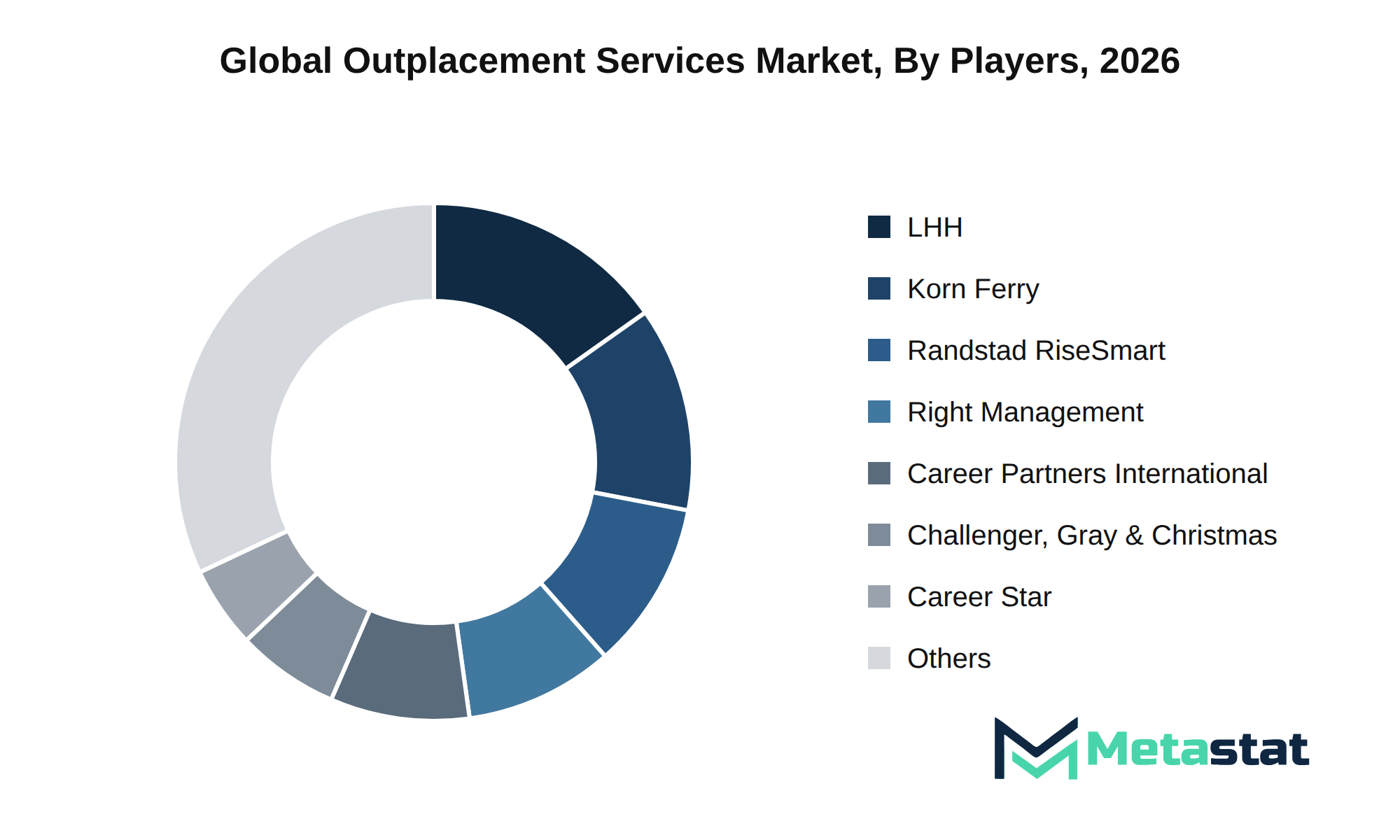
The Outplacement Services market experiences a dynamic competitive environment characterized by significant players implementing various strategic initiatives. Companies including LHH, Randstad RiseSmart, and Right Management, Inc. engage in mergers, acquisitions, and strategic consolidations to enhance service offerings and expand market reach. This consolidation trend, observed across the industry, facilitates growth and strengthens competitive positioning.
Strategic alliances and partnerships have gained importance within the Outplacement Services market. For instance, organizations like Korn Ferry and INTOO form collaborations that leverage shared resources and expertise, enabling them to provide comprehensive solutions to clients. These strategic relationships enhance service capabilities and create barriers for new entrants, thereby reinforcing market presence.
Pricing architectures and commercial models significantly influence competitive dynamics. Players including Careerminds Group, Inc. and IMPACT Group adopt varied pricing strategies that cater to different segments, optimizing customer acquisition and retention. By aligning commercial models with client needs, these companies enhance brand equity and create switching costs that discourage clients from moving to competitors.
Research and development activities play a crucial role in differentiating services offered in the Outplacement Services market. Companies including Career Partners International and Challenger, Gray & Christmas, Inc. invest in innovative solutions that address evolving workforce demands. This focus on product differentiation establishes a competitive edge and builds client loyalty.
Looking ahead, the future competitive outlook for the market suggests continued emphasis on value chain integration and supply chain dominance. Firms including Bravanti, a ZRG Company and Career Star Group will prioritize efficiency and cost-effectiveness in their operations to maintain competitive advantage. This strategic focus on operational excellence and innovation shapes the trajectory of the Outplacement Services market in the coming years.
Market size is forecast to rise from USD 5,738.4 million in 2025 to over USD 10,313.9 million by 2033. The base case indicates a growth trajectory at a compound annual growth rate (CAGR) of 7.6%. In a bullish scenario, heightened corporate restructuring and workforce transitions could accelerate demand for outplacement services, pushing growth rates above the base forecast. Conversely, in a bearish scenario, economic downturns or significant disruptions in the labor market could restrain spending on these services, leading to growth rates that fall below the predicted CAGR.
The macroeconomic scenario influences demand dynamics within the outplacement services market. Economic cycles, characterized by fluctuations in employment rates and corporate profitability, directly affect organizational needs for outplacement services. Structural shifts, including technological advancements and evolving workforce expectations, alter service offerings and participant engagement. Continued integration of next-generation technologies facilitates enhanced service delivery and operational efficiency, contributing to market maturation.
Investment in research and development (R&D) remains critical for firms in the outplacement services market. Commercialization timelines for innovative services impact competitive positioning and overall market growth. Regulatory changes introduce compliance obligations that affect operational frameworks, necessitating ongoing adaptation by service providers. Geopolitical realignments and evolving trade dynamics further influence the market, creating new supply chain considerations and operational challenges.
Strategic capital allocation and infrastructure commitments drive market expansion. Companies prioritize investment in high-growth areas, targeting unmet enterprise needs and emerging opportunities. This focus on strategic imperatives enhances competitive defensibility and positions firms for sustainable growth within the outplacement services market. Recognizing white-space opportunities allows organizations to address evolving client requirements effectively, ultimately supporting long-term market development.
The report strategically identifies and profiles the key market players and analyses their core competencies in each sub-segment of the Outplacement Services market.
Report Attributes | Details |
Study Period | 2021-2033 |
Base Year | 2025 |
Estimated Year | 2026 |
Forecast Period | 2026-2033 |
Historical Period | 2021-2025 |
Growth Rate | CAGR 7.6% from 2026 to 2033 |
Revenue Unit | USD million |
Segmentation | By Service Offering, Participant Level, Delivery Mode, Client Organization Type, and Region |
By Region | North America (By Service Offering, Participant Level, Delivery Mode, Client Organization Type, and Country)
|
Europe (By Service Offering, Participant Level, Delivery Mode, Client Organization Type, and Country)
| |
Asia Pacific (By Service Offering, Participant Level, Delivery Mode, Client Organization Type, and Country)
| |
South America (By Service Offering, Participant Level, Delivery Mode, Client Organization Type, and Country)
| |
Middle East and Africa (By Service Offering, Participant Level, Delivery Mode, Client Organization Type, and Country)
|
Find answers to common questions about this report
The Outplacement Services market size was valued at USD 5,738.4 million in 2025.
The Outplacement Services market is projected to grow at a CAGR of 7.6% during the forecast period from 2026 to 2033.
The North America Outplacement Services market size is estimated to reach USD 3,692.4 million by 2033.
The segment "Job Search, Networking and Placement Support" leads the Outplacement Services market with a projected value of USD 2,675.4 million by 2033. This figure represents the highest anticipated revenue among the service offerings.
The Outplacement Services market experiences growth driven by favorable capital investment environments, enhanced spending power among enterprises, and technological integration. Rising GDP promotes business expansion, leading to increased demand for effective outplacement solutions, while digital transformation initiatives streamline processes and improve service delivery. These factors collectively support companies in navigating workforce transitions effectively.
North America holds the dominant share of the Outplacement Services market, with a value of USD 3,692.4 million projected for 2033, representing 37.8% of the total market.
Regulatory compliance presents significant challenges, because organizations face evolving requirements that increase operational costs. Economic uncertainty and inflationary pressures lead to cautious spending on outplacement services, while regional adoption resistors limit acceptance in various geographies. Talent gaps in qualified professionals hinder the delivery of high-quality support, impacting service effectiveness and growth potential.
Favorable capital investment environments, characterized by GDP growth and enhanced spending power among enterprises, significantly favor product adoption in the Outplacement Services market. the increasing reliance on technology facilitates the delivery of tailored support, improving service accessibility and effectiveness for displaced employees.
The Outplacement Services market is estimated to reach a valuation of USD 10,313.9 million by 2033.
Key players in the Outplacement Services market include LHH, Randstad RiseSmart, Right Management, Inc., Korn Ferry, INTOO, and Careerminds Group, Inc.
The analysts below cover Professional Services research at Metastat Insights.
LEAD ANALYST
Utkarsh Khirodkar is a Lead Market Research Analyst at MetaStat Insight, specializing in market intelligence, technology sector assessments, and competitive strategy.

PRINCIPAL CONSULTANT - ENTERPRISE AI & EMERGING TECHNOLOGIES
Banking & Finance · Electronics and Semiconductor · Energy and Power · Healthcare IT · Information & Technology · Professional Services
Vijay Gunti is a Principal Consultant at MetaStat Insight, bringing over two decades of experience across enterprise digital transformation, technology strategy, and intelligent systems.

PRINCIPAL CONSULTANT - QUALITY SYSTEMS & COMPLIANCE
Electronics and Semiconductor · Machinery & Equipment · Professional Services
Omkar Phadtare is an Industry Consultant at MetaStat Insight, specializing in quality systems, regulatory compliance, and standards benchmarking to drive data-driven market intelligence and strategic industry research.

LEAD CONSULTANT - COMMUNICATION, TELECOM, AND IT
Electronics and Semiconductor · Information & Technology · Machinery & Equipment · Professional Services
Ravindra Sathe Consultants for Communication, Telecom, and IT at MetaStat Insight. He leads the firm's industry research initiatives across telecommunications infrastructure, digital connectivity, enterprise networking, and emerging information technology domains.
Tracking capacity expansion in single-use bioprocessing requires dependable data on raw material availability and cleanroom-grade polymer supply chains. The competitive landscape chapter gave a grounded evaluation of secondary component suppliers across North America and Asia-Pacific rather than simply reprinting press releases. Having that level of supplier benchmarking helped clarify dual-sourcing considerations for our clinical pipeline planning.
When evaluating distributed energy resource management systems, standard research summaries tend to gloss over the operational differences between front-of-the-meter utility deployments and behind-the-meter industrial sites. The MetaStat Insight report addressed those distinctions directly, especially regarding software interoperability standards and grid interconnection backlogs. The five-year market sizing across regional transmission organizations provided actionable context for our grid modernization strategy.
Most industry reports on warehouse automation bundle autonomous mobile robots and fixed conveyor installations into the same top-level numbers, which complicates advisory work. This study split the market cleanly by payload tiers, navigation technology, and fleet management software layers. The regional forecast for Western Europe gave our team defensible adoption benchmarks when evaluating capital allocation for logistics clients, saving us days of secondary data scrubbing.
Explore related market intelligence reports worth reading alongside this one.
Starting from
$2950
Starting from
$2950