
LEAD ANALYST
Utkarsh Khirodkar is a Lead Market Research Analyst at MetaStat Insight, specializing in market intelligence, technology sector assessments, and competitive strategy.

Singapore Sportswear Market Size, Share, By Product Category (Sports Apparel, Athletic Footwear, Sports Accessories), By Consumer Group (Men, Women, Children and Teens), By Sport Category (Running, Football, Basketball, Tennis and Racquet Sports, Golf, Swimming and Aquatic Sports, Others), By Distribution Channel (Brand-Owned Direct-to-Consumer (DTC), Multi-Brand Sporting Goods Retailers, Footwear and Sneaker Specialists, Department Stores, Fashion and Lifestyle Retailers, E-commerce Marketplaces, Mass Merchandisers / Hypermarkets), Industry Analysis, Growth, Trends, and Forecast, 2026-2033
Report ID
MSI-5151
Published
September, 2026
Pages
264 Pages
Format
Historical
Base year
Forecast
Forecast period
Report Details
Choose Your License
Singapore Sportswear Market
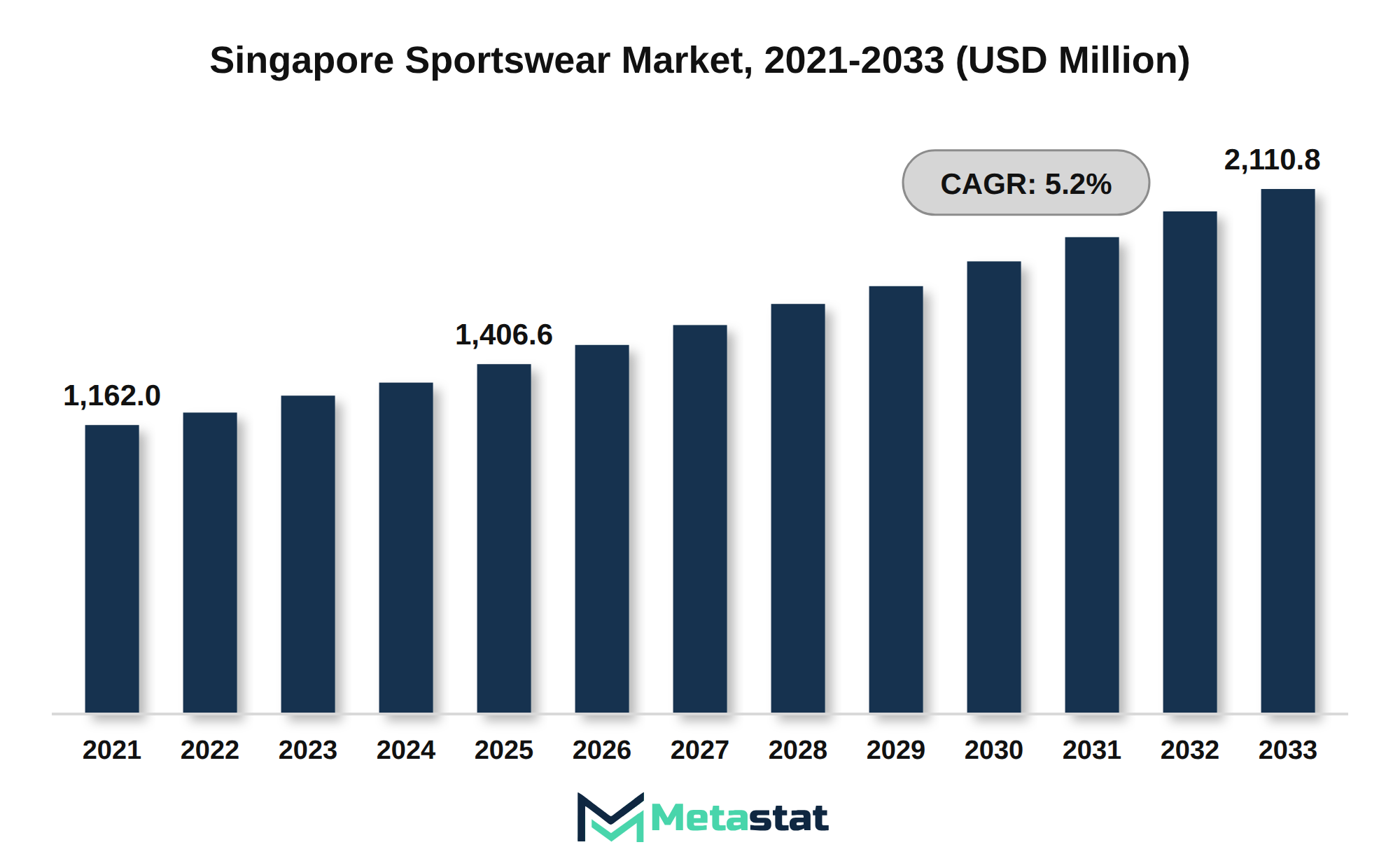
The Singapore Sportswear market was valued at USD 1,406.6 million in 2025 and is projected to reach USD 2,110.8 million by 2033, growing at a CAGR of 5.2% over the forecast period.
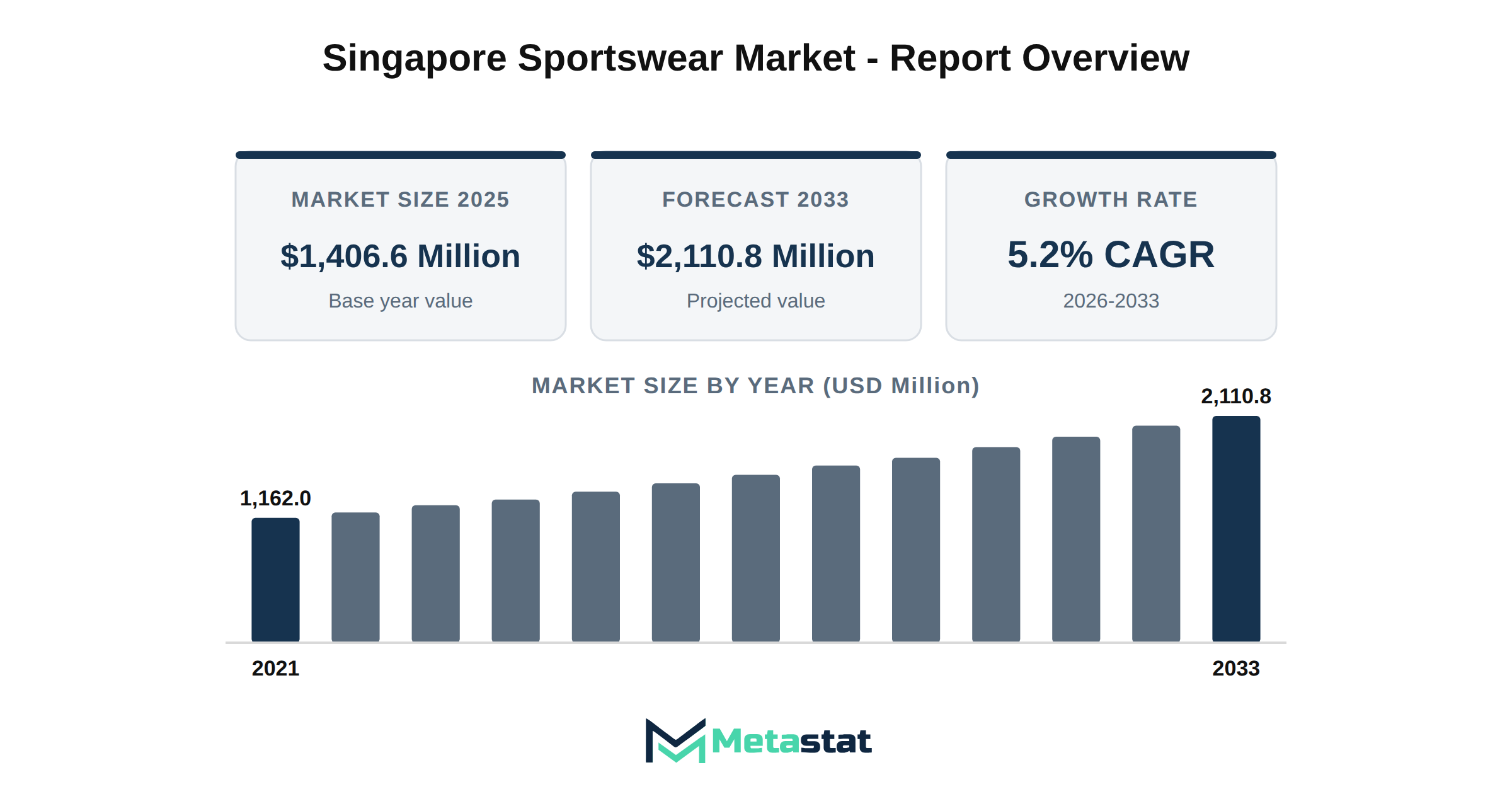
The Singapore Sportswear market reached a valuation of USD 1,406.6 million in 2025 and is projected to expand to USD 2,110.8 million by 2033, reflecting a compound annual growth rate (CAGR) of 5.2%. Historical performance indicates steady growth, with values increasing from USD 1,162 million in 2021 to USD 1,332.4 million in 2024. The market includes various segments, including sports apparel, athletic footwear, and sports accessories, each contributing to the overall growth trajectory.
Consumer demand for sportswear stems from heightened health awareness and an increasing trend towards fitness activities. The influence of social media and lifestyle changes drives interest in sports apparel among consumers. Competitive positioning among key brands impacts market share, with prominent players like NIKE, adidas, and PUMA competing for consumer loyalty. Retail channel performance reflects a shift towards omnichannel strategies, integrating both online and offline purchasing experiences.
The performance of the retail sector adapts to evolving consumer preferences, with direct-to-consumer channels gaining traction. The anticipated growth in e-commerce and brand-owned outlets supports this trend, enhancing consumer engagement and accessibility. Infrastructure investments in logistics and supply chain management play a critical role in supporting these retail transformations within the Singapore Sportswear market.
The Singapore Sportswear market experiences significant consumer demand driven by an increasing focus on health and fitness among the population. Rising awareness regarding the benefits of an active lifestyle prompts consumers to invest in high-quality sportswear. Men, women, and children actively seek products that enhance performance and comfort, contributing to robust sales across various product categories.
Brand share remains competitive, with key players including adidas AG, NIKE, Inc., and PUMA SE establishing strong positions through innovative marketing strategies and diverse product offerings. The presence of established brands cultivates consumer loyalty while attracting new entrants seeking to capture market share. Competitive positioning among these brands highlights the importance of quality, brand reputation, and consumer engagement in driving sales.
Retail channel performance reflects a shift towards omnichannel strategies, where consumers increasingly engage with brands through both online and offline platforms. Brand-Owned Direct-to-Consumer (DTC) channels exhibit strong growth, with projected revenues reaching USD 609.4 million by 2033, highlighting the importance of direct engagement with consumers. Traditional retail channels, including multi-brand sporting goods retailers, continue to adapt to remain relevant in the evolving landscape.
The growth outlook for the Singapore Sportswear market remains promising, with an expected compound annual growth rate (CAGR) of 5.2% from 2026 to 2033. Factors contributing to this growth include ongoing investments in product innovation, sustainability initiatives, and the expansion of distribution channels. The market's ability to adapt to changing consumer preferences and economic conditions shapes its future trajectory.
Market fragmentation presents both challenges and opportunities, with numerous players competing for consumer attention across diverse segments. The emphasis on research and development (R&D) drives innovation, leading to the introduction of next-generation products that cater to the evolving needs of consumers. Sustainable transformation initiatives, focusing on decarbonization and circular economy dynamics, become increasingly important for brands seeking to differentiate themselves in a competitive environment.
The Singapore Sportswear market experiences a notable surge in demand driven by shifting consumer behaviors emphasizing health and wellness. Increased public awareness surrounding fitness, nutrition, and overall well-being influences consumers to adopt a more active lifestyle. This trend attracts various demographic groups, particularly millennials and Gen Z, who prioritize fitness because a core aspect of their daily lives.
While urbanization continues, individuals seek convenient solutions to integrate physical activity into their routines, resulting in higher demand for sportswear products. Retailers and manufacturers respond by offering innovative designs and advanced materials that enhance comfort and performance. This focus on quality and functionality supports the growth of premium sportswear lines that cater to discerning consumers.
The market benefits from increasing participation in sports and fitness activities, including running, gym workouts, and group classes. Brands that align their marketing strategies with health-conscious messaging attract consumers seeking authenticity and quality. This trend enhances competition among industry players, driving investment in product development and marketing initiatives that meet the evolving needs of consumers.
While the market expands, a wide range of products tailored to various sports categories emerges, including running shoes, athletic apparel, and accessories. The emphasis on health and wellness significantly influences purchasing decisions, leading to higher sales volumes and revenue growth in the Singapore Sportswear market.
The Singapore Sportswear market experiences accelerated growth driven by a shift toward digital transformation in various sectors. Companies invest in advanced technologies, including automation and artificial intelligence, aimed at enhancing operational efficiency and consumer engagement. This focus on technology integration supports streamlined processes, reduces overhead costs, and facilitates the transition from traditional retail to e-commerce platforms.
Consumer preferences evolve alongside technological advancements, with digital channels offering personalized shopping experiences. The rise in online shopping reflects changing demographics and lifestyle patterns, where convenience and accessibility play critical roles in purchasing decisions. Leveraging digital platforms allows businesses in the sportswear sector to improve market access and expand their reach, responding effectively to the growing demand for a diverse range of products.
The strategic focus on digital solutions aligns with broader economic trends, including increased venture funding and public-private spending power. Investment in technology enhances the competitiveness of firms and positions the Singapore Sportswear market favorably within the global landscape. This digital transformation is projected to contribute significantly to revenue growth, ensuring that companies remain agile and responsive to emerging consumer needs.
The Singapore Sportswear market faces significant challenges attributed to regulatory compliance issues that create barriers for manufacturers and retailers. Regulatory requirements result in increased operational costs for companies, particularly those seeking to align with evolving environmental and labor standards. Such compliance hurdles often demand extensive documentation and auditing, which consume valuable resources and time, ultimately affecting the operational efficiency of market players.
High capital investment requirements intensify these challenges, driven by firms allocating substantial budgets to meet legal mandates and enhance their production processes. The financial strain from investments in compliance infrastructure restricts expansion opportunities, particularly for smaller players in the market. This situation leads to a fragmented competitive landscape where only larger firms with sufficient capital navigate these regulatory complexities.
Macroeconomic headwinds, including inflationary pressures, further complicate the operating environment for the Singapore Sportswear market. Rising costs of raw materials and labor deter new entrants and limit the ability of existing companies to innovate or expand their offerings. Supply chain disruptions, resulting from geopolitical instability, contribute to uncertainty in sourcing materials and delivering products to market, which leads to delays in fulfilling consumer demand.
Overall, these factors create obstacles facing the Singapore Sportswear market, impacting growth potential and competitive dynamics. Addressing regulatory compliance challenges while managing rising costs and supply chain vulnerabilities remains critical for sustained market performance.
The Singapore Sportswear market faces significant challenges stemming from geopolitical tensions that disrupt supply chains, create trade deficits, and generate tariff friction. These tensions lead to component volatility, resulting in higher input costs for manufacturers. Such fluctuations impact profit margins and pricing strategies across the industry. Trade barriers complicate sourcing materials from international suppliers, prompting companies to seek alternative solutions.
Logistics disruptions frequently arise from these geopolitical issues, culminating in delays and increased transportation costs. The resulting instability in supply chains affects production schedules and inventory management, leading to potential product shortages in the market. Companies operating in the Singapore Sportswear market experience pressure to adapt to these evolving conditions, necessitating investment in more resilient supply chain strategies.
The market encounters workforce challenges, including skill gaps and talent retention pressures. These factors hinder organizations' ability to respond swiftly to changing market demands. Automation displacements alter job landscapes, making skill development essential for sustaining competitive advantage. Overall, the geopolitical landscape profoundly influences operational capabilities and market growth trajectories in the Singapore Sportswear market.
The Singapore Sportswear market experiences significant shifts in procurement practices driven by technological advancements and changing consumer behaviors. Increasing reliance on e-commerce platforms facilitates access to a broader range of products and brands, enhancing consumer choice. While digital engagement rises, brands leverage data analytics to understand purchasing patterns, allowing for targeted marketing strategies that effectively reach consumers.
In addition, the growth of mobile commerce accelerates purchasing convenience, enabling consumers to shop seamlessly from multiple devices. This transition towards digital procurement reshapes traditional retail structures, encouraging brands to optimize their online presence and enhance direct-to-consumer channels. Such adaptations lead to improved customer experiences and increased sales volumes across various segments of the market.
With the ongoing expansion of infrastructure, including logistics networks and digital payment systems, the market becomes more accessible to diverse consumer demographics. Strategic partnerships between brands and technology providers further enhance the capacity for data-driven decision-making, enabling companies to align their products with evolving market trends. These developments signal significant opportunities for growth within the Singapore Sportswear market.
The Singapore Sportswear market is segmented based on Product Category, Consumer Group, Sport Category, and Distribution Channel.
Valued at USD 702.7 million in 2026, the Sports Apparel segment is projected to reach USD 950.5 million by 2033, at a CAGR of 4.4% during the forecast period. Rising health consciousness among consumers results in increased participation in physical activities, driving demand for sports apparel. This trend is especially pronounced among younger demographics who prioritize fitness and active lifestyles. Innovations in fabric technology, including moisture-wicking and breathable materials, enhance performance and comfort, further encouraging consumer adoption.
Product evolution continues to play a crucial role, with brands introducing collections that emphasize style alongside functionality. Collaborations with fitness influencers and athletes promote brand awareness, creating strategic opportunities within the Singapore Sportswear market. The shift towards online shopping fuels growth, driven by e-commerce platforms that provide consumers with easier access to a diverse range of products.
Pricing volatility remains a concern, influenced by fluctuations in raw material costs and competitive pressure. Manufacturers and retailers develop strategies to maintain profit margins while ensuring affordability for consumers. The market's expansion relies on the ability of businesses to adapt to these cost structures while delivering high-quality products.
Overall, the Sports Apparel segment benefits from a convergence of factors, including increased health awareness, technological advancements, and evolving shopping preferences, positioning it for continued growth within the Singapore Sportswear market.
Growth within the Athletic Footwear segment reflects an increasing focus on fitness and wellness among consumers, contributing to significant demand within the Singapore Sportswear market. The rising popularity of sports activities, including running and gym workouts, enhances consumer interest in high-performance footwear designed to improve comfort and support. Innovations in materials and design, including lightweight and breathable fabrics, attract consumers seeking advanced athletic performance.
Projected to reach USD 854 million by 2033, the segment records a CAGR of 5.9% during the forecast period. Technological maturation supports segment expansion, with brands investing in research and development to create next-generation footwear that offers enhanced functionality, including improved cushioning and energy return. These advancements align with consumer preferences for durability and performance, driving adoption among amateur and professional athletes.
Shifts in consumption patterns reflect a growing inclination towards online shopping, with e-commerce platforms becoming vital distribution channels for athletic footwear. Brand-owned direct-to-consumer (DTC) sales channels have gained traction, allowing brands to engage directly with customers and provide personalized experiences. Competitive dynamics within the market encourage continuous product evolution, compelling brands to innovate and differentiate their offerings.
Regulatory compliance standards related to materials and manufacturing processes influence the supply chain, impacting pricing volatility and cost structures. Brands prioritizing sustainability in sourcing materials and production processes enhance their market appeal, catering to environmentally conscious consumers. Overall, these factors collectively shape the Athletic Footwear segment, positioning it for sustained growth within the broader Singapore Sportswear market.
Consumer interest in Sports Accessories has surged in the Singapore Sportswear market, reflecting a growing recognition of the importance of performance-enhancing equipment. This shift aligns with evolving lifestyle trends that prioritize fitness and health, leading to increased participation in various sports and physical activities.
Technological advancements play a critical role in product evolution within this segment. Manufacturers focus on innovation, introducing equipment that combines functionality with comfort, appealing to a broad consumer base. Enhanced materials and design contribute to improved performance and user experience.
Target demographic segments show significant engagement with sports accessories, particularly among younger consumers who prioritize style and functionality. Brands optimize their offerings to cater to the preferences of these consumers, influencing overall market dynamics.
Regulatory compliance and certification standards exert pressure on manufacturers, compelling them to ensure quality and safety in their products. Meeting these standards enhances brand reputation and influences pricing strategies within the market.
Market projections indicate that the Sports Accessories segment reaches USD 306.3 million by 2033. This growth trajectory highlights the segment's potential and signals opportunities for new entrants focusing on innovation and consumer engagement strategies within the Singapore Sportswear market.
Valued at USD 687.3 million in 2026, the Men segment is projected to reach USD 925.4 million by 2033, at a CAGR of 4.3% during the forecast period. Growing interest in fitness and health among men drives demand for sportswear in the Singapore Sportswear market. Increased participation in sporting activities and fitness regimes leads to higher spending on quality apparel designed for performance. The trend towards athleisure, where sportswear becomes a lifestyle choice, significantly influences purchasing behavior.
Product evolution, including advancements in materials and design, enhances performance attributes including moisture-wicking, breathability, and durability. These improvements attract more male consumers seeking effective solutions for their sporting and leisure activities. Competitive pricing strategies among key players in the market stimulate consumer interest, ensuring that high-quality products remain accessible.
Men's fashion trends impact consumption shifts, highlighting a preference for stylish yet functional clothing. Brands competing in the Singapore Sportswear market emphasize modern aesthetics alongside performance features, appealing to a younger demographic seeking both utility and style. This strategic alignment creates growth opportunities within the segment.
Capital investment in marketing and distribution channels strengthens brand recognition and customer loyalty. Direct-to-consumer sales models gain traction, allowing brands to engage customers effectively and capture a larger share of the market. The rise of e-commerce serves because a primary shopping channel for sportswear, enhancing accessibility and contributing to segment expansion.
Consumer interest in the Women segment of the Singapore Sportswear market reflects evolving lifestyle trends, emphasizing fitness and health. Increased participation in sports and physical activities among women influences demand, driving growth in this segment. The segment is expected to reach USD 885.3 million by 2033, at a CAGR of 6% during the forecast period.
This growth is attributed to a heightened focus on wellness and self-care, encouraging women to invest in quality sportswear. Brands respond with product innovations that prioritize comfort, style, and performance, aligning with consumer preferences. Social media platforms contribute to the promotion of active lifestyles, enhancing the visibility of athletic wear and creating aspirational value.
Shifting expectations among women consumers regarding fit, fabric, and function prompt manufacturers to enhance product offerings, ensuring alignment with market demands. The market's competitive landscape includes established brands and emerging players, each striving to capture market share by appealing to the diverse needs of female athletes and fitness enthusiasts.
Strategic marketing efforts emphasize inclusivity and representation, connecting with a broader audience and building brand loyalty. By addressing the unique needs of women, the Singapore Sportswear market positions itself for sustained growth, reflecting the ongoing evolution of consumer preferences and industry dynamics.
Increasing health consciousness among parents drives demand for sportswear in the Children & Teens segment of the Singapore Sportswear market. This demographic shows a strong inclination towards active lifestyles, prompting investment in sports apparel that meets both performance and aesthetic needs. Attractive marketing campaigns targeting this age group, particularly through social media platforms, contribute to heightened awareness and brand loyalty.
Product evolution significantly influences segment growth, with manufacturers introducing advanced materials and innovative designs tailored for younger consumers. The market shows a trend towards versatility, with products designed for both sports and casual wear appealing to children and teens alike. Regulatory compliance and safety standards significantly influence purchasing decisions, compelling brands to prioritize quality and child-friendly materials.
Technological maturation in the manufacturing process facilitates cost-effective production, supporting competitive pricing strategies. Increased competition among brands creates a varied product range, allowing consumers to choose from diverse offerings. By 2033, the Children & Teens segment is projected to reach USD 300.2 million, highlighting the substantial market opportunity present in this consumer group within the Singapore Sportswear market.
Valued at USD 392.1 million in 2026, the running segment is projected to reach USD 587.2 million by 2033, at a CAGR of 5.9% during the forecast period. Increased participation in running activities, alongside a growing emphasis on health and wellness, significantly drives demand within this segment. The rising popularity of running events and community races enhances consumer engagement, supporting market growth. Technological advancements in footwear and apparel, including improved materials and design, cater to the evolving needs of runners, reinforcing the segment's expansion.
Shifting consumer preferences towards sustainable and high-performance products influence manufacturers to upgrade their offerings. The presence of various brands in the Singapore Sportswear market provides consumers with a wide selection, encouraging competition and innovation. Emphasizing eco-friendly practices and recyclable materials aligns with broader sustainability goals, appealing to environmentally conscious consumers. This dynamic environment supports ongoing investment in product development, ensuring the running segment remains competitive and aligned with market trends.
Consumer engagement in football continues to rise within the Singapore Sportswear market, driven by increasing participation rates in football-related activities and events. This segment experiences a notable boost from the growing popularity of football leagues, tournaments, and grassroots initiatives aimed at youth engagement. The football segment is projected to reach USD 390.7 million by 2033, with a compound annual growth rate (CAGR) of 4.3% during the forecast period. Enhanced product offerings in technical performance and style attract consumers, further fueling demand.
Investment in marketing campaigns and sponsorships by leading brands significantly influences consumer perception and brand loyalty within the market. The adoption of innovative technologies in footwear and apparel enhances performance, contributing to the segment's growth. Strategic partnerships with local clubs and sports organizations facilitate deeper market penetration and brand visibility, reinforcing growth opportunities in this segment.
Consumer preferences shift toward sustainable and eco-friendly products, prompting brands to develop offerings that align with these values. This transition enhances brand reputation and captures attention from environmentally conscious consumers, generating incremental sales. Overall, the evolving landscape in the football segment drives competitive dynamics and investment strategies within the Singapore Sportswear market.
Growing interest in basketball and its rising popularity among youth athletes significantly influences the demand for sportswear dedicated to this category. Consumers increasingly seek high-performance gear that enhances athletic performance and personal style. Innovations in materials and design, including moisture-wicking fabrics and breathable constructions, drive adoption. This trend reflects a broader movement towards youth engagement in sports, fueling demand across various demographics.
The basketball segment is projected to reach USD 274.8 million by 2033. The market's expansion relies on a blend of strategic marketing campaigns and partnerships with professional athletes, enhancing brand visibility and credibility. Retailers leverage social media platforms and e-commerce channels to reach consumers, facilitating growth in direct-to-consumer sales. This shift towards online shopping aligns with changing consumption patterns, where convenience and accessibility take precedence.
Regulatory compliance regarding product safety and environmental standards enhances consumer trust in the market. Manufacturers focus on sustainable practices, employing eco-friendly materials and ethical production processes. This commitment aligns with consumer preferences for brands that prioritize sustainability, further driving market growth. Strategic investment in research and development supports the continuous evolution of basketball apparel, positioning the market for significant growth in the coming years.
Growth within the Tennis & Racquet Sports segment reflects increasing participation in tennis and racquet sports activities across various age groups in Singapore. Factors driving demand include the rising popularity of tennis among youth and adults, supported by community initiatives and local clubs promoting the sport. This segment is projected to grow at a CAGR of 5.6% during the forecast period, indicating strong enthusiasm for tennis-related activities.
Product evolution plays a critical role in this segment, with manufacturers focusing on next-gen upgrades including improved materials and innovative designs that enhance performance and comfort. While athletes seek advanced equipment, brands invest in research and development, resulting in new offerings that cater to the evolving demands of consumers. Such innovations impact the market by attracting a diverse consumer base.
Increased health awareness drives end-use dynamics, prompting consumers to engage in sports activities for fitness and well-being. This shift in consumption reflects a broader trend where sportswear becomes an integral part of everyday attire, contributing to the growth of the Singapore Sportswear market. Retailers adapt their strategies, emphasizing the importance of promoting the Tennis & Racquet Sports segment alongside other sports categories to meet consumer interests.
Overall, the dynamic environment within the Tennis & Racquet Sports segment highlights the potential for growth and investment in the Singapore Sportswear market. With a focus on innovation, consumer engagement, and product differentiation, stakeholders are well positioned to capitalize on these trends, ensuring continued expansion in the coming years.
Interest in golf continues to grow within the Singapore Sportswear market, driven by increasing participation rates and a rising number of golf courses. The adoption of golf because a leisure activity among various demographics contributes to heightened demand for specialized sportswear tailored for golf enthusiasts. Segment expansion catalysts include enhanced product offerings that emphasize comfort, style, and performance, appealing to both casual players and serious golfers.
Technological advancements have facilitated the development of innovative materials and designs in golf apparel, enhancing functionality and performance. Next-gen upgrades including moisture-wicking fabrics and improved breathability address the specific needs of golfers during play. Product evolution reflects a shift towards more versatile sportswear that encompasses not only traditional golf clothing but accessories and footwear designed for optimal performance on the course.
End-use dynamics indicate a trend towards increased personalization in golf apparel, with consumers seeking unique styles that align with their individual tastes. Consumption shifts indicate a move towards eco-friendly materials in response to growing environmental awareness among consumers. Regulatory compliance standards concerning materials and production processes impact sourcing decisions, pushing brands to adopt sustainable practices.
Cost structures within the segment face pressures due to fluctuating raw material prices and production costs. Pricing volatility influences consumer purchasing decisions, prompting brands to develop competitive pricing strategies. Strategic opportunity windows arise from the integration of online shopping platforms, enhancing accessibility for consumers and expanding the reach of brands within the Singapore Sportswear market.
Supply chain resilience remains imperative because brands navigate challenges related to logistics and raw material sourcing. Establishing strong partner relationships ensures a consistent supply of quality materials while mitigating risks associated with substitution by alternative products. Technological obsolescence represents a key consideration for brands, necessitating ongoing investment in research and development to stay relevant in a competitive environment.
Participation in swimming and aquatic sports continues to influence market dynamics significantly. Increasing awareness of the physical and mental health benefits associated with swimming drives consumer engagement in these activities. A shift towards fitness-oriented lifestyles prompts a growing number of individuals to invest in quality swimwear and related equipment.
Technological advancements play a crucial role in product evolution within this segment. Innovations in fabric technology enhance the performance and durability of swimwear, attracting competitive swimmers and fitness enthusiasts. The introduction of eco-friendly materials aligns with rising consumer demand for sustainable products, positioning brands favorably in the market.
Regulatory compliance standards governing product safety and performance impact consumer trust and brand loyalty. Certifications verifying the quality and durability of swimwear enhance market penetration. Brands prioritizing these standards achieve a competitive edge due to increased consumer confidence in their products.
Shifts in consumption patterns, particularly among younger demographics, create strategic opportunity windows for market players. The growing popularity of swim-related activities among children and teenagers drives demand for stylish and performance-oriented swimwear. This trend encourages brands to innovate and market products tailored to this target audience, supporting overall growth within the Singapore Sportswear market.
Overall, the swimming and aquatic sports segment remains a vital component of the Singapore Sportswear market, characterized by evolving consumer preferences and ongoing technological advancements. Continued investment in product development and adherence to regulatory standards will drive future growth and competitiveness.
A growing trend towards outdoor activities fuels interest in cycling, motorsport, and skateboarding within the Singapore Sportswear market. This consumer shift reflects broader lifestyle changes, where fitness and leisure increasingly intertwine, enhancing participation in these sports. Enhanced product offerings, including specialized gear that caters to performance and safety, attract enthusiasts and casual participants alike.
Technological advancements contribute significantly to product evolution in this segment. Innovations in materials and design enhance comfort and performance, addressing specific needs related to cycling aerodynamics, skateboarding stability, and motorsport safety. The integration of smart technologies, including connected devices that track performance metrics, engages consumers and builds brand loyalty.
Consumption shifts reflect rising demand for versatile, multi-functional apparel that seamlessly transitions from sports activities to casual wear. This trend opens strategic opportunity windows for brands to position their products across various categories, enhancing market penetration. Retailers leverage e-commerce platforms to reach a broader audience, expanding accessibility and convenience for consumers.
Regulatory compliance standards influence product design and safety features, particularly in motorsport apparel where safety regulations are stringent. Adhering to these standards ensures consumer trust and brand credibility, impacting purchasing decisions. The market's competitive nature coupled with evolving consumer preferences necessitates constant innovation and responsiveness from brands.
Supply chain resilience remains crucial, with raw material sourcing playing a significant role in cost structures. Global supply chain dynamics, including the sourcing of sustainable materials, impact pricing strategies and margin pressures within the segment. Brands prioritizing sustainability attract environmentally conscious consumers, reinforcing their market position within the Singapore Sportswear market.
Valued at USD 398.4 million in 2026, the Brand-Owned Direct-to-Consumer (DTC) segment is projected to reach USD 609.4 million by 2033, at a CAGR of 6.3% during the forecast period. Increased consumer preference for online shopping drives segment growth, offering brands a direct channel to connect with consumers. This trend aligns with the rise of e-commerce and the demand for personalized shopping experiences, enabling brands to tailor their offerings effectively.
DTC channels facilitate brand loyalty through direct engagement and targeted marketing strategies. Enhanced brand awareness and stronger consumer relationships contribute to a competitive edge in the Singapore Sportswear market. Companies leveraging data analytics to understand consumer behavior and preferences enhance their product offerings and inventory management, driving operational efficiency and improving margins.
Investment in technology further supports the DTC segment's evolution. Implementing advanced logistics solutions and effective payment systems enhances customer satisfaction, promoting repeat purchases. Brands focusing on sustainable practices attract environmentally conscious consumers, aligning with emerging consumption trends that prioritize sustainability in sportswear.
Overall, the Brand-Owned Direct-to-Consumer channel's growth reflects broader shifts in consumer behavior and the strategic responses of brands within the Singapore Sportswear market. Companies focused on enhancing customer experiences and building strong online presences will likely capture an increasing number of consumers in this expanding segment.
Growth within the Multi-Brand Sporting Goods Retailers segment is driven by increasing demand for a diverse range of sportswear products among consumers. Retailers in this segment offer a wide selection of brands and styles, enhancing accessibility for customers. This diversity supports consumer preferences for personalized sportswear, contributing to an estimated market value of USD 423 million by 2033, with a compound annual growth rate (CAGR) of 4.1% during the forecast period.
Adoption of e-commerce has transformed shopping behaviors, with online platforms enabling retailers to reach broader audiences. This shift allows consumers to compare products easily, enhancing competition among retailers. The market benefits from evolving consumer expectations that prioritize convenience and a smooth shopping experience.
Technological advancements play a crucial role in segment expansion. Retailers leverage data analytics to understand customer preferences, optimizing inventory management and marketing strategies. This data-driven approach enhances operational efficiency and aligns product offerings with consumer demand.
Cost structures in the market reflect the competitive landscape, with retailers focusing on pricing strategies that attract price-sensitive consumers while maintaining margins. Rising operational costs, particularly related to logistics and sourcing, challenge retailers to optimize supply chains to sustain profitability.
The Singapore Sportswear market experiences regulatory compliance standards influencing product offerings, particularly in sustainability practices. Retailers adapt by incorporating eco-friendly materials and adopting responsible sourcing practices, aligning with growing consumer expectations for sustainability.
Consumer preference for specialized footwear continues to drive growth in the Footwear & Sneaker Specialists segment. This segment is expected to reach USD 297.2 million by 2033, reflecting an increasing demand for high-performance and stylish athletic footwear among consumers. Shifts in consumer behavior towards online shopping have accelerated the growth of direct-to-consumer models, enabling brands to enhance customer engagement and streamline their offerings. Advancements in footwear technology and materials lead to improved comfort, performance, and sustainability, attracting a broader audience.
Trends in fitness and wellness contribute to rising interest in athletic footwear, with consumers prioritizing functionality alongside aesthetics. The Singapore Sportswear market benefits from these shifts, driven by brands responding with innovative designs and targeted marketing strategies. Emerging fitness trends and active lifestyles drive demand for specialized footwear, supporting segment expansion. Retailers focusing on unique customer experiences and personalized offerings strengthen their market positions, enhancing overall profitability.
The growing importance of influencer marketing and social media continues to shape consumer perceptions and purchasing decisions. While brands establish partnerships with popular figures, visibility and desirability for footwear products increase. This dynamic influences consumer spending patterns in the Singapore Sportswear market, with footwear purchases becoming integral to overall sportswear expenditure.
Consumer preferences influence the Department Stores segment within the Singapore Sportswear market, which is projected to grow at a CAGR of 1.7% during the forecast period. The segment benefits from the convenience of one-stop shopping, providing customers with a wide range of products from various brands. This accessibility facilitates consumer engagement and drives sales, particularly among those seeking diverse options in athletic apparel and accessories.
Department stores serve because key distribution channels, offering a variety of sportswear products that cater to different consumer groups. The presence of established brands in these retail environments provides consumers with quality assurance, enhancing customer trust and loyalty. Promotional activities and in-store experiences further attract shoppers, encouraging increased foot traffic and sales within the segment.
Economic conditions and consumer spending patterns impact the performance of the market. In a stable economic climate, increased disposable income enables consumers to invest in higher-quality sportswear available in department stores. Economic downturns lead to cautious spending, affecting overall segment growth. The ongoing trend of athleisure and active lifestyles continues to sustain demand for sportswear, reinforcing the importance of the Department Stores segment in the Singapore Sportswear market.
Consumer preferences increasingly shift towards lifestyle and fashion-oriented athletic wear, driving growth within the Fashion & Lifestyle Retailers segment of the Singapore Sportswear market. This segment attracts consumers seeking stylish and functional apparel suitable for both athletic activities and everyday use.
Social media influencers and celebrity endorsements play a significant role in shaping purchasing decisions. The combination of fashion trends and performance features supports market growth, driven by brands integrating innovative designs and technologies to appeal to a broader audience. The emergence of athleisure, which blends casual wear with sports functionality, captures the interest of fashion-conscious consumers.
Increased online shopping and e-commerce adoption facilitate accessibility for consumers looking for stylish sportswear options. Retailers that focus on an efficient online shopping experience often see higher engagement and conversion rates in the market. The availability of various products through digital channels enhances consumer reach, providing opportunities for brands to present their latest collections.
While competition intensifies, brands emphasize sustainability and ethical sourcing practices, meeting consumer demand for responsible fashion choices. This trend aligns with global shifts towards eco-friendly materials and production methods, influencing brand positioning within the Singapore Sportswear market. Commitment to sustainability enhances brand loyalty, appealing to environmentally conscious consumers.
Consumer preferences for online shopping significantly influence the growth of the E-commerce Marketplaces segment within the Singapore Sportswear market. The increasing convenience and accessibility offered by digital platforms drive consumer engagement, simplifying the purchasing process and enhancing customer experiences. Mobile shopping further boosts this trend, allowing consumers to shop anytime and anywhere, integrating sportswear shopping into daily life.
Technological advancements contribute to the evolution of the E-commerce Marketplaces segment. Innovations in payment systems, augmented reality for virtual try-ons, and personalized marketing strategies enhance consumer satisfaction. Such developments encourage higher conversion rates and repeat purchases, further strengthening the segment's position within the broader market. The availability of online-only brands adds diversity to consumer choices, catering to niche preferences and promoting a competitive atmosphere.
Regulatory compliance standards and logistics frameworks play a crucial role in shaping the operational landscape of this segment. Ensuring secure transactions and consumer data protection is essential, building trust and brand loyalty. Companies engaging in e-commerce navigate these regulations while optimizing their operations to remain competitive.
Strategic opportunity windows for investment in e-commerce platforms continue to emerge, with brands enhancing their online presence to capture a larger market share. While consumers become more accustomed to online shopping, the demand for innovative features and services grows, presenting significant potential for growth within the Singapore Sportswear market.
Increasing consumer preference for value-oriented shopping influences the Mass Merchandisers / Hypermarkets segment within the Singapore Sportswear market. Shoppers gravitate towards these channels for cost-effective options, leading to heightened competition among retailers. The expanding demographic of health-conscious consumers drives demand for sportswear, with many seeking affordable yet quality products. Retailers in this segment adapt their offerings to cater to shifting consumer preferences, focusing on delivering both functional and fashionable athletic wear.
Technological advancements facilitate improved inventory management and supply chain efficiency within this channel, enabling retailers to respond quickly to market trends and consumer demands. Enhanced logistics capabilities contribute to maintaining competitive pricing while ensuring product availability. A diverse range of brands offered through mass merchandisers attracts a broad customer base, further enhancing the segment's presence in the Singapore Sportswear market.
Increased promotional activities and marketing efforts designed to highlight discounts and bundle deals stimulate consumer interest, enhancing foot traffic. Maintaining a balance between affordability and quality becomes crucial for retailers aiming to capture market share in this segment. The outlook for the Mass Merchandisers / Hypermarkets channel reflects a strategic focus on leveraging consumer trends, aligning product offerings, and enhancing the shopping experience to meet customer expectations effectively.
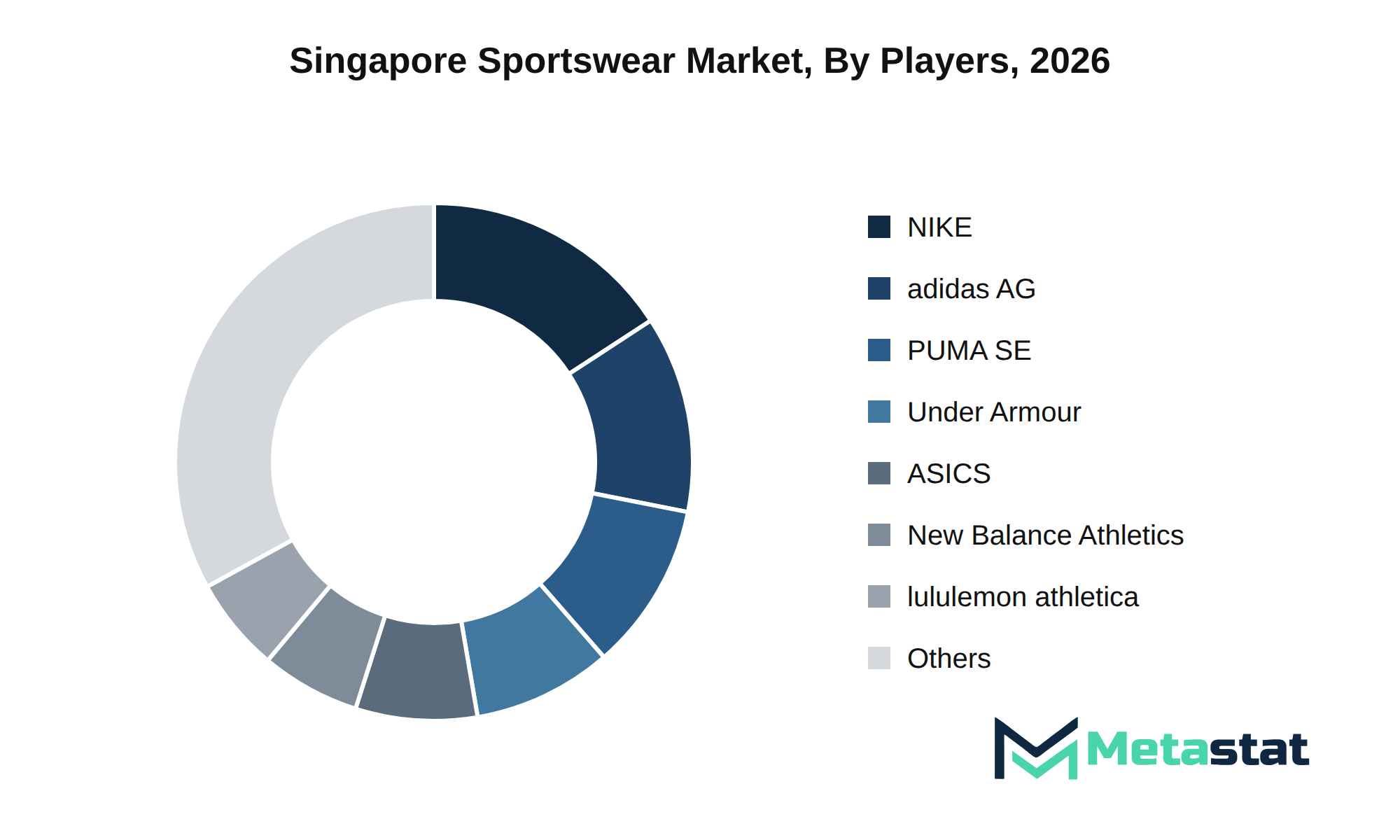
The Singapore Sportswear market demonstrates a diverse competitive environment characterized by robust brand identities and strategic market positioning. Leading brands including adidas AG, NIKE, Inc., and PUMA SE engage in product differentiation through innovative designs and technology, enhancing consumer appeal. These companies invest significantly in research and development, establishing proprietary technology moats that strengthen their market presence.
Strategic alliances and partnerships enhance distribution channels and customer reach. Collaborations among brands like Under Armour, Inc., ASICS Corporation, and New Balance Athletics, Inc. facilitate entry into new markets and improve brand equity. The presence of various product categories, including athletic footwear and sports apparel, enables companies to cater to specific consumer groups, enhancing customer retention strategies.
Competitive dynamics include barriers to entry that challenge new entrants in the Singapore Sportswear market. Established companies leverage their brand equity and supply chain dominance to maintain their market positions. The outlook indicates continued growth driven by technological advancements and evolving consumer preferences. Strategic growth vectors focus on expanding product offerings and enhancing customer engagement through direct-to-consumer channels, driving overall market expansion.
Market size is forecast to rise from USD 1,406.6 million in 2025 to over USD 2,110.8 million by 2033. The base case reflects a compound annual growth rate (CAGR) of 5.2%. In a bull case scenario, growth driven by increased health consciousness, rising disposable income, and expanding retail channels exceeds expectations, resulting in accelerated market expansion. Conversely, in a bear case, economic downturns, increased competition, or shifts in consumer preferences could hinder growth, placing pressure on market dynamics.
The Singapore Sportswear market is influenced by macroeconomic factors, including changes in consumer spending and economic cycles. Structural consumption shifts towards health and fitness contribute to sustained demand. Integration of next-generation technologies, including advanced fabrics and smart wearables, enhances product offerings. Ongoing research and development efforts lead to expedited commercialization timelines, enabling brands to cater to evolving consumer needs effectively.
Regulatory evolution and compliance milestones create a framework for market growth, driving companies to adopt sustainable practices. Geopolitical realignments and regional supply chain shifts impact sourcing and distribution strategies. Strategic capital allocation and infrastructure investments are vital for companies aiming to enhance operational efficiency and market reach.
Emerging white-space opportunities, particularly in niche segments and underserved demographics, present avenues for growth. Companies targeting unmet enterprise needs secure competitive advantages. Future growth recommendations emphasize the importance of agility in responding to market trends and consumer feedback, ensuring long-term success in the evolving landscape of the Singapore Sportswear market.
The report strategically identifies and profiles the key market players and analyses their core competencies in each sub-segment of the Sportswear market.
Report Attributes | Details |
Study Period | 2021-2033 |
Base Year | 2025 |
Estimated Year | 2026 |
Forecast Period | 2026-2033 |
Historical Period | 2021-2025 |
Growth Rate | CAGR 5.2% from 2026 to 2033 |
Revenue Unit | USD million |
Segmentation | By Product Category, Consumer Group, Sport Category, Distribution Channel, and Region |
Find answers to common questions about this report
The Sportswear market in Singapore was valued at USD 1,406.6 million in 2025, according to the Metastat Insights study.
The Sportswear market is projected to grow at a CAGR of 5.2% during the forecast period from 2026 to 2033.
The Sports Apparel segment leads the Singapore Sportswear market, with a projected value of USD 950.5 million by 2033. This segment accounts for 47.7% of the overall market share.
The Singapore Sportswear market experiences key drivers including a shift in consumer behaviors prioritizing health and wellness, increased participation in sports activities, and the integration of digital solutions enhancing consumer engagement. These factors collectively drive demand, leading to higher sales volumes and revenue growth within the market.
The Singapore Sportswear market growth faces significant challenges from regulatory compliance issues, which increase operational costs and create barriers for manufacturers. High capital investment requirements and macroeconomic headwinds, including inflationary pressures and supply chain disruptions, further complicate the operational environment, limiting innovation and expansion opportunities.
Increased consumer awareness surrounding health and wellness drives demand for sportswear in Singapore. The focus on fitness among millennials and Gen Z, along with the rise of digital shopping platforms, enhances product accessibility and personalization, favoring adoption. These factors collectively support the growth of the market.
The Sportswear market is estimated to reach a valuation of USD 2,110.8 million by 2033.
Key players in the Singapore Sportswear Market include adidas AG, NIKE, Inc., PUMA SE, Under Armour, Inc., ASICS Corporation, and New Balance Athletics, Inc. These companies significantly influence the market through their diverse product offerings and brand presence.
Athletic footwear is projected to reach USD 854 million by 2033, reflecting a compound annual growth rate of 5.9% during the forecast period.
The increasing participation in various sports and fitness activities contributes to the demand for sports accessories, which is projected to reach USD 306.3 million by 2033.
The analysts below cover Consumer Goods research at Metastat Insights.
LEAD ANALYST
Utkarsh Khirodkar is a Lead Market Research Analyst at MetaStat Insight, specializing in market intelligence, technology sector assessments, and competitive strategy.
Floating offshore wind feasibility relies heavily on specialized installation vessel availability and port crane limits, which most broad renewable energy forecasts ignore. The report delivered a thorough analysis of dry dock capacity, mooring chain supply constraints, and raw material pricing trends for deepwater anchor installations. It served as a solid independent sanity check for our offshore project capital expenditure assumptions.
Assessing commercial microgrid software adoption requires looking past top-level installation numbers and examining utility interconnection queues. The research provided verifiable data on average permitting timelines, tariff structures, and battery storage integration costs across regional utility territories. That grounded perspective was valuable for our team when building five-year demand projections for industrial microgrid controllers.
Ambulatory surgical centers have very different purchasing cycles for robotic-assisted surgery platforms than major hospital networks. The MetaStat Insight study focused squarely on capital expenditure depreciation, procedural reimbursement pathways, and surgeon training overhead. That operational clarity made it much simpler to validate multi-year procedure growth forecasts against actual ambulatory center adoption patterns.
Explore related market intelligence reports worth reading alongside this one.