
LEAD ANALYST
Utkarsh Khirodkar is a Lead Market Research Analyst at MetaStat Insight, specializing in market intelligence, technology sector assessments, and competitive strategy.

UAE Bulk Liquid Storage Terminal Market Size, Share, By Stored Product Type (Diesel and Gasoil, Base Oils, Lubricant Additives and Components, Chemicals and Petrochemicals), By Tank Storage Capacity (Small Tanks Up to 2,000 CBM, Medium Tanks 2,001-5,000 CBM, Large Tanks 5,001-15,000 CBM, Very Large Tanks Above 15,000 CBM), By Tank Design Type (Fixed-Roof Tanks, Internal Floating-Roof Tanks, External Floating-Roof Tanks, Pressurized and Specialty Tanks), By Terminal Service Type (Bulk Liquid Storage and Tank Leasing, Marine Vessel Loading and Unloading, Road Tanker Loading and Unloading, Blending and Additive Injection), Industry Analysis, Growth, Trends, and Forecast, 2026-2033
Report ID
MSI-5235
Published
September, 2026
Pages
256 Pages
Format
Historical
Base year
Forecast
Forecast period
Report Details
Market Valuation: Valued at $553.4 Million in 2025, projected to reach $937 Million by 2033 at a 6.8% CAGR.
Dominant Segment: The Diesel and Gasoil segment leads the market, driven by increasing demand across transportation and industrial applications, projected to reach USD 490.6 million by 2033.
Geographic Lead: The UAE, particularly through the Port of Fujairah, is the leading region for bulk liquid storage, benefiting from its strategic geopolitical position and efficient trade routes.
What's Inside: The report provides comprehensive coverage of market dynamics, competitive landscape, and detailed forecasts from 2026 to 2033, focusing on various storage types and services.
Investment Trends: Significant investments in infrastructure modernization and advanced storage solutions are shaping the market, enhancing capacity and efficiency to meet rising demand.
Regulatory Challenges: The market faces operational constraints due to stringent regulatory compliance requirements, impacting growth opportunities and increasing operational costs.
Choose Your License
UAE Bulk Liquid Storage Terminal Market
The UAE Bulk Liquid Storage Terminal market was valued at USD 553.4 million in 2025 and is projected to reach USD 937 million by 2033, growing at a CAGR of 6.8% over the forecast period.
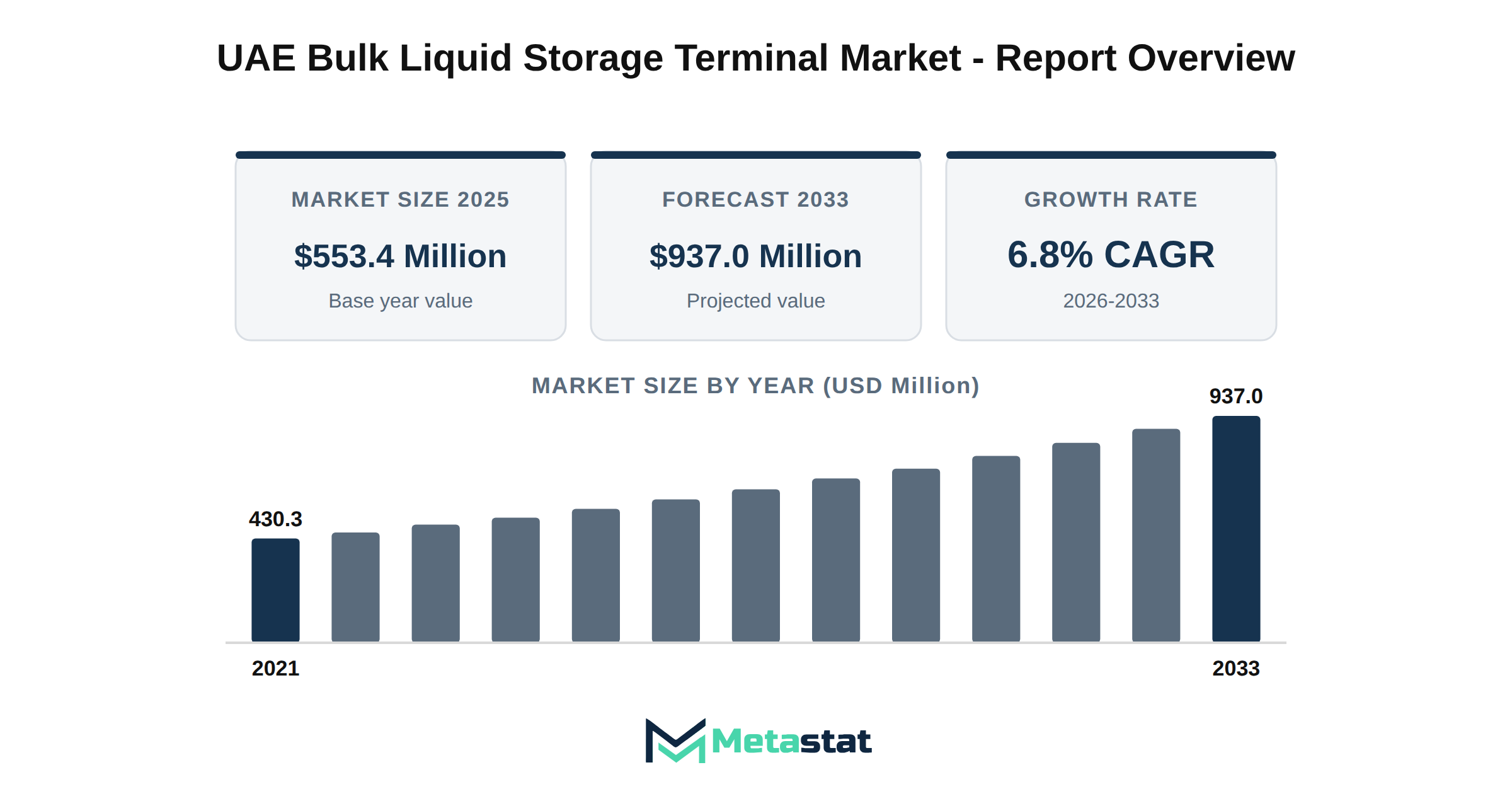
The UAE Bulk Liquid Storage Terminal market reached a value of USD 553.4 million in 2025, following a historical growth trajectory from USD 430.3 million in 2021. Projections indicate a robust increase in market value, with expectations reaching USD 937 million by 2033, reflecting a compound annual growth rate (CAGR) of 6.8 percent during the forecast period.
Strategic positioning significantly influences the market, particularly through the Port of Fujairah, which serves because a critical hub for bulk liquid storage and distribution. The geopolitical landscape of the UAE enhances its strategic dominance in the region, allowing for efficient trade routes and access to international markets.
Storage dynamics for crude oil and refined products remain concentrated in key terminals located in Jebel Ali and Ruwais. These terminals play a vital role in meeting the demands of various industries, ensuring adequate storage capacity and facilitating efficient distribution to end-users.
Expansion efforts in petrochemical and chemical liquid storage infrastructure demonstrate a commitment to meeting increasing demand within these sectors. Investments in advanced storage solutions support the transition towards more sustainable practices, further enhancing the market's growth potential.
Infrastructure investments, including mergers and acquisitions, contribute to the market's evolution. The influx of foreign direct investment supports the development of storage facilities, enhancing operational efficiencies and capacity, which aligns with the growing demand for bulk liquid storage solutions.
Supply chain logistics and pipeline connectivity represent critical components of the market. Integration of deepwater jetty facilities enhances loading and unloading efficiencies, further supporting the overall logistics framework necessary for bulk liquid operations.
The UAE Bulk Liquid Storage Terminal market experiences significant transformation influenced by strategic imperatives that shape its development. Investment in infrastructure, driven by increasing demand for energy resources and the need for enhanced storage capabilities, supports this evolution. The anticipated growth in storage capacity aligns with the projected increase in utilization rates, which supports revenue projections for terminal operators.
The geopolitical positioning of the Port of Fujairah significantly enhances its strategic dominance within the region. This location serves because a central hub for maritime logistics, facilitating the efficient movement of bulk liquids. Enhanced connectivity and deepwater jetty integration further strengthen the port's role in global trade, attracting investments and reinforcing its status in the UAE Bulk Liquid Storage Terminal market.
Crude oil and refined product storage dynamics across Jebel Ali and Ruwais represent essential components of the market framework. Significant investments in storage infrastructure at these locations cater to the growing demand for refined products, driven by both domestic consumption and export opportunities. This trend enhances the overall efficiency of the supply chain while ensuring that the market remains competitive.
Expansion in petrochemical and chemical liquid storage infrastructure within the UAE underlines the continued growth of this segment. Increased production capacities and a focus on value-added services promote the need for specialized storage solutions. Operators within the market adapt their facilities to accommodate diverse chemical products while ensuring compliance with safety and environmental regulations.
The energy transition has prompted adaptations in storage solutions, particularly for hydrogen, ammonia, and biofuels. These emerging energy sources require innovative storage methodologies to support their integration into existing supply chains. The market's ability to diversify storage capabilities directly influences its long-term growth potential.
Bunkering infrastructure demand reflects the ongoing evolution of marine fuel blending capacity within the UAE. Terminal operators are enhancing their facilities to meet the regulatory requirements and sustainability goals of the maritime sector. This shift promotes greater operational efficiency while positioning the market favorably against global standards.
Infrastructure investment, mergers and acquisitions, and foreign direct investment inflows contribute to the market's resilience and competitive landscape. These factors facilitate the entry of new players while strengthening the capabilities of existing operators. Strategic partnerships and collaborations emerge because essential pathways for growth and expansion within the market.
Supply chain logistics and pipeline connectivity remain vital considerations for stakeholders in the UAE Bulk Liquid Storage Terminal market. Enhanced integration of deepwater jetty facilities and efficient transportation networks streamline operations, enabling timely delivery of bulk liquids. This interconnectedness supports the overall market growth trajectory.
Regulatory compliance, ESG mandates, and environmental safety frameworks shape operational practices within the market. Terminal operators navigate complex regulatory landscapes while ensuring adherence to sustainable practices. This focus on compliance influences strategic decisions and promotes a culture of safety and responsibility.
Technological advancements in terminal automation, IoT monitoring, and digital twin innovations significantly enhance liquid asset management. These technologies provide real-time insights into storage operations, facilitating improved decision-making and operational efficiency. The integration of advanced technologies positions the market for future growth and competitiveness.
The competitive landscape of the UAE Bulk Liquid Storage Terminal market features a diverse array of operators, each vying for market share. Analysis of major terminal operators highlights their strategies in capacity expansion, service diversification, and technological adoption. This competitive environment encourages innovation and drives long-term growth opportunities.
Emerging commercial opportunities within the market reflect a long-term growth outlook. While demand for bulk liquid storage continues to rise, operators identify and capitalize on new avenues for revenue generation. This proactive approach ensures sustained market relevance and profitability in the evolving landscape.
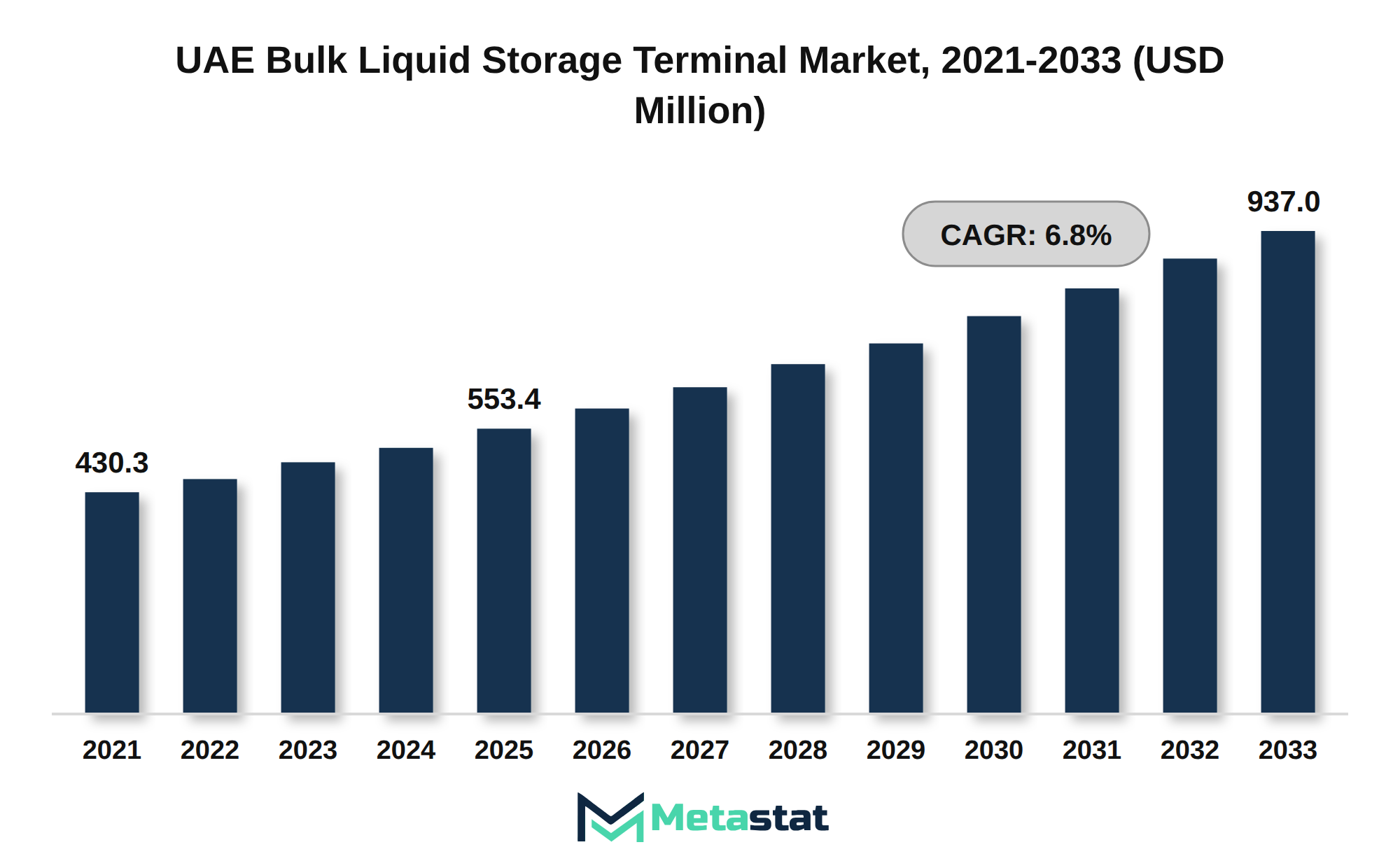
Increasing investment in infrastructure significantly influences the UAE Bulk Liquid Storage Terminal market. A strong capital investment environment, characterized by rising GDP growth and public-private spending power, enhances the overall capacity and efficiency of bulk liquid storage facilities. This trend, coupled with a focus on asset modernization and upgrading physical capacities, results in greater operational productivity and cost-efficiency. Improved tank storage capacities allow companies to store various products effectively, supporting operational needs.
Technological integration, driven by automation and software adoption, further supports this growth. Investments in innovative solutions streamline operations while digitizing legacy processes. Advanced technologies reduce operational costs and increase efficiency, positioning the market for significant growth. The influx of venture funding into the sector encourages innovation and product diversification, enhancing revenue streams for operators.
Infrastructure investments and technology advancements create a favorable environment for the UAE Bulk Liquid Storage Terminal market, facilitating enhanced service capabilities and heightened competition among industry players. Aligning capital investments with evolving consumer behaviors ensures that companies remain responsive to market demands, ultimately driving sustained growth in the sector.
The UAE Bulk Liquid Storage Terminal market experiences growth driven by macroeconomic factors, particularly GDP growth and capital investment environments. Economic expansion results in increased production and consumption of liquid products, leading to heightened demand for storage facilities. Industries including chemicals and petrochemicals, which represent a significant portion of the market, rely on bulk liquid storage to manage supply chains effectively.
Investment trends indicate a robust environment for capital deployment in infrastructure projects. Public and private sector investments enhance terminal capacities and operational efficiencies. With rising interest in sustainable practices, organizations increasingly prioritize facilities equipped with advanced technologies. This shift supports automation and digital transformation initiatives, allowing for optimized operations and improved service delivery.
The growing focus on sustainability influences market dynamics, prompting stakeholders to pursue environmentally friendly practices. Regulatory pressures for reduced carbon footprints further encourage the adoption of efficient storage solutions. Consequently, the UAE Bulk Liquid Storage Terminal market aligns with these trends, positioning itself because vital in addressing both economic needs and environmental responsibilities.
Investment in infrastructure not only strengthens the sector but establishes resilience in supply chains. Enhanced storage capacities and capabilities ensure that market players effectively respond to fluctuations in demand. This adaptability drives competition and stimulates innovation among market participants, contributing to the overall growth trajectory of the market.
The UAE Bulk Liquid Storage Terminal market faces significant challenges stemming from stringent regulatory compliance requirements that govern operational practices. These regulations necessitate substantial investments in infrastructure upgrades and technology, creating financial burdens for operators. High capital investment requirements deter market entrants and restrict the expansion of existing facilities, leading to stagnation of growth opportunities.
Rising operating costs linked to compliance with environmental standards contribute to overall market pressure. Operators experience increased expenses related to maintenance, training, and technology implementation aimed at meeting regulatory expectations. This situation restricts profitability and hampers investment capacity.
Geopolitical instability in the region introduces further uncertainty, complicating regulatory frameworks and operational decision-making. Such instability disrupts supply chains, impacting the availability of resources and the cost of compliance. These factors challenge stakeholders in the UAE Bulk Liquid Storage Terminal market to navigate the evolving regulatory landscape while maintaining competitive operations effectively.
Market fragmentation results from regional variations in regulatory requirements, leading to inconsistencies in compliance that challenge operators. This fragmentation hampers collaboration and coordination among key players, destabilizing market dynamics. The combination of regulatory compliance hurdles and regional disparities creates a challenging environment for growth and innovation within the market.
The UAE Bulk Liquid Storage Terminal market encounters significant challenges related to geopolitical fragmentation. Ongoing conflicts and trade deficits contribute to increased tariff friction between nations, impacting the flow of goods and services critical for storage terminal operations. Such volatility leads to higher operational costs, limiting profitability for companies operating in the market.
Technological disruptions further complicate the environment, introducing complexities in research and development integrations. Firms investing in advanced technologies face interoperability friction, which impedes the operation of bulk liquid storage facilities. Extended implementation timelines and higher costs affect overall market dynamics.
Logistics disruptions and supply chain instability continue to pose threats to the efficient functioning of the market. Material shortages, exacerbated by global events, contribute to rising input cost structures that challenge profit margins. Companies in the sector experience increasing pricing compression, necessitating innovative solutions to maintain competitive pricing.
Talent retention pressures emerge from workforce skill gaps within the industry. The transition towards automation displaces existing roles, creating challenges in attracting and retaining skilled labor. Environmental lifecycle footprints and decarbonization mandates drive stricter compliance measures, adding layers of complexity and cost to terminal operations.
Ultimately, these challenges significantly impact the overall growth trajectory of the UAE Bulk Liquid Storage Terminal market. Companies navigate a complex environment to ensure sustainable operations while addressing the evolving demands of the market and regulatory landscape.
The UAE Bulk Liquid Storage Terminal market experiences substantial opportunities through emerging regional demands. Increased industrial activity in sectors including chemicals and petrochemicals generates greater need for efficient storage solutions. This growth results from a surge in production volumes and a heightened focus on supply chain reliability.
Infrastructure modernization enhances market prospects, with investments directed towards upgrading existing facilities. This modernization enables operators to accommodate larger volumes and meet evolving customer requirements, thereby creating competitive advantages. Advanced technologies integrated into storage systems optimize operational efficiency and minimize environmental impacts.
Geographical expansion presents another significant opportunity. New terminal facilities in strategic locations facilitate access to key markets, enhancing distribution capabilities. The establishment of these facilities aligns with the growing trend of downstream market diversification, allowing companies to explore niche applications and integrate products across various segments.
Digital transformation initiatives strengthen the market. The adoption of digital procurement shifts and commercial model transitions streamline operations, improving responsiveness to market changes. These advancements support the overall growth trajectory of the UAE Bulk Liquid Storage Terminal market.
Sustainability imperatives drive investments in eco-friendly solutions. Regulatory shift adaptations and eco-friendly compliance strategies align with broader environmental objectives, ensuring long-term viability. Companies embracing these changes enhance their competitive positioning while addressing consumer demand for greener alternatives.
Overall, the UAE Bulk Liquid Storage Terminal market stands poised for significant growth. Emerging demands, technological advancements, and sustainability initiatives create a dynamic environment filled with opportunities for stakeholders across the value chain.
The UAE Bulk Liquid Storage Terminal market is segmented based on Stored Product Type, Tank Storage Capacity, Tank Design Type, and Terminal Service Type.
Valued at USD 306.8 million in 2026, the Diesel and Gasoil segment is projected to reach USD 490.6 million by 2033, with a CAGR of 6.9% during the forecast period. Growing demand for diesel and gasoil fuels the expansion of this segment. Increased consumption across various sectors, including transportation and industrial applications, drives the need for efficient storage solutions. Continuous evolution of refining technologies enhances the quality of diesel and gasoil, promoting higher adoption rates among end-users.
Regulatory compliance regarding emissions and fuel quality standards significantly influences market dynamics. Manufacturers focus on meeting stringent regulations while maintaining competitive pricing. This balance impacts cost structures and profit margins, necessitating strategic investments in storage facilities that adhere to compliance standards. Innovations in tank design and construction improve operational efficiency and enhance safety, addressing concerns related to fuel handling.
Investment in infrastructure development within the UAE Bulk Liquid Storage Terminal market is expected to support the segment's growth. Exploration of new markets and expansion of existing facilities provide opportunities to capture a larger share of the growing demand. While companies seek to optimize their supply chains, the demand for bulk liquid storage solutions catering specifically to diesel and gasoil continues to rise, contributing to overall market expansion.
Anticipation surrounding the Base Oils segment highlights its projected growth within the UAE Bulk Liquid Storage Terminal market. This segment is estimated to reach USD 99.3 million by 2033, at a CAGR of 4.6% during the forecast period. Increasing demand for base oils in various industrial applications drives this growth, particularly in the automotive and manufacturing sectors where these oils function because essential lubricants and additives.
Regulatory compliance standards regarding emissions and environmental impact necessitate the utilization of high-quality base oils, further fueling market expansion. The ongoing evolution of product formulations, aimed at enhancing performance and sustainability, plays an important role in shaping customer preferences. Consequently, manufacturers focus on innovative upgrades, leading to increased investment in technologies that support the production and storage of advanced base oils.
Consumer shifts towards premium products reflect a growing emphasis on quality, prompting suppliers to enhance their offerings. This trend enhances market competitiveness and positions the UAE Bulk Liquid Storage Terminal market favorably for future growth. The strategic opportunity windows arising from these dynamics signal robust potential for stakeholders involved in the storage and distribution of base oils.
UAE Bulk Liquid Storage Terminal market trends indicate a growing demand for Lubricant Additives and Components, projected to reach USD 76.4 million by 2033. Increasing automotive production, rising industrial activities, and heightened awareness regarding engine performance and longevity drive this expansion. The automotive sector propels the adoption of high-performance lubricants that require advanced additive formulations, significantly impacting the market.
Regulatory requirements surrounding emissions and fuel efficiency shape product development within this segment. Manufacturers focus on creating environmentally friendly additives that comply with strict regulations, enhancing market growth. The shift toward bio-based lubricants aligns with consumer preferences for sustainable practices and products.
Technological advances in additive chemistry enable the development of multifunctional additives that improve lubricant performance and reduce overall costs. These innovations support operational efficiency for end-users and create a competitive advantage in the market. Increased investment in research and development drives segment growth, allowing companies to innovate and meet evolving consumer needs.
Market dynamics indicate a trend toward consolidation among key players, enhancing supply chain resilience and enabling broader distribution networks. Strategic partnerships and collaborations between additive suppliers and lubricant manufacturers are essential for capturing market share and addressing specific consumer demands. The UAE Bulk Liquid Storage Terminal market evolves, with significant opportunities arising from shifts in consumer preferences and technological advancements.
Growth in the Chemicals and Petrochemicals segment within the UAE Bulk Liquid Storage Terminal market stems from rising demand for various chemical products driven by the expanding manufacturing and construction sectors. Increased petrochemical production enhances the necessity for effective storage solutions, emphasizing advanced tank designs and service types. Investments in tank storage capacity support this trend, reflecting a positive outlook for the segment.
Technological maturation fuels innovation in storage infrastructure, enhancing efficiency and safety standards. Regulatory compliance shapes operational practices, prompting investments in modern equipment and processes to meet evolving industry standards. Pricing volatility in raw materials impacts overall costs, compelling stakeholders to seek competitive pricing strategies while maintaining margins. This segment is projected to grow at a CAGR of 7.1% during the forecast period, reflecting strong underlying demand and strategic opportunities for growth.
In the context of the UAE Bulk Liquid Storage Terminal market, the "Others" sub-segment encompasses a variety of products not classified under the primary categories including Diesel and Gasoil, Base Oils, Lubricant Additives and Components, or Chemicals and Petrochemicals. Increasing industrial activities in the UAE, particularly in manufacturing and construction, drive demand for various chemical products, which require robust storage solutions. Industries including pharmaceuticals and food processing rely on these products, leading to consistent storage requirements.
Technological advancements in storage solutions enhance safety and efficiency, prompting facilities to upgrade their infrastructure. Innovations in tank design, including improved materials and safety features, attract investment, supporting the segment's growth. Regulatory compliance surrounding environmental standards and safety protocols influences the segment, necessitating adherence to strict guidelines that govern storage practices.
Market dynamics reflect a shift in consumption patterns, with end-users increasingly leaning towards higher quality and safer products. Ongoing demand for sustainability encourages companies to adopt eco-friendly storage practices, influencing investment strategies across the market. Emerging trends in the sector highlight the importance of diversifying storage options and enhancing operational efficiencies, thus presenting significant strategic opportunities within the "Others" segment of the market.
Valued at USD 104.2 million in 2026, the Small Tanks Up to 2,000 CBM segment is projected to reach USD 149.9 million by 2033, at a CAGR of 5.3% during the forecast period. This segment benefits from rising demand for efficient storage solutions across various applications, particularly in the fuel and chemical sectors. The growing emphasis on safety and regulatory compliance drives investments in advanced tank technologies that enhance storage reliability and minimize environmental risks.
Technological maturation plays a critical role in the segment's expansion, enabling operators to implement next-generation upgrades that improve operational efficiency. Increased focus on product evolution leads to the adoption of innovative materials and designs, which enhance the durability and functionality of small tanks. End-use dynamics indicate a shift towards environmentally friendly practices, compelling companies to invest in sustainable storage options that comply with stringent regulations.
Pricing volatility linked to raw material sourcing impacts cost structures in the market, prompting stakeholders to explore alternative materials that offer cost advantages while maintaining quality. Supply chain resilience emerges because a priority, with companies focusing on enhancing their logistics capabilities to mitigate risks associated with disruptions. Strategic opportunity windows arise from heightened demand for small tanks, offering significant growth potential for market participants committed to expanding their service offerings and infrastructure.
Growth in the Medium Tanks 2,001-5,000 CBM segment reflects rising demand for efficient storage solutions within the UAE Bulk Liquid Storage Terminal market. Increasing industrialization, coupled with the expansion of the chemicals and petrochemicals sectors, drives this demand. Companies seek to optimize storage capabilities to accommodate a growing portfolio of products, including diesel, gasoil, and various additives.
Medium Tanks are expected to reach USD 215.5 million by 2033, at a CAGR of 6.3% during the forecast period. This segment benefits from technological advancements, improving tank design, and materials that enhance storage capacity and safety. Enhanced regulatory compliance standards compel operators to invest in modern storage solutions that meet stringent safety and environmental requirements, influencing operational efficiencies and cost structures.
Downstream applications, particularly in the fuel and lubricant industries, support the demand for these medium tanks. Industries experience a notable shift towards larger-scale operations, leading to increased storage needs. Companies adapt to evolving consumer preferences and regulatory landscapes, driving demand for effective storage solutions in the UAE Bulk Liquid Storage Terminal market.
In addition, strategic investment opportunities arise from the focus on sustainability and efficiency. Companies prioritizing eco-friendly practices and innovations in tank design enjoy a competitive advantage. With an emphasis on reducing operational costs, enhancing supply chain resilience, and effectively managing raw material sourcing, the segment positions itself favorably for future growth.
Expansion in the Large Tanks 5,001-15,000 CBM segment aligns with increasing demand for bulk liquid storage solutions across various industries. This segment is driven by the rising consumption of fuels, chemicals, and lubricants, which necessitate ample storage capacity for efficient supply chain management. Regulatory compliance standards emphasizing environmental safety and operational efficiency contribute to the growth of this segment, supported by companies investing in advanced storage facilities to meet stringent guidelines.
Technological maturation plays a critical role, with innovations in tank design enhancing safety and operational capacity. Next-gen upgrades in monitoring and automation systems promise improved efficiency and reduced operational costs. In downstream applications, industries relying on large tanks for storage ensure uninterrupted supply, thus supporting overall market stability.
The Large Tanks 5,001-15,000 CBM segment is expected to reach USD 327.9 million by 2033. Pricing volatility and margin pressures associated with fluctuating raw material costs influence strategic planning for companies in the market. Investment in efficient logistics solutions and supply chain resilience strengthens the competitive positioning of players, ensuring they meet the evolving needs of their customers.
While the market adapts to shifting consumption patterns, opportunities for expansion in capacity and enhanced service offerings emerge. Strategic opportunities for investment and white-space analysis indicate potential growth in regions with developing infrastructure, further enhancing the market’s trajectory. Overall, the combination of demand drivers and technological advancements positions the Large Tanks 5,001-15,000 CBM segment for sustained growth within the UAE Bulk Liquid Storage Terminal market.
Valued at USD 149.9 million by 2033, the Very Large Tanks Above 15,000 CBM segment is projected to grow at a CAGR of 7.7% during the forecast period. Increasing demand for larger storage solutions arises from the expansion of industrial and commercial operations within the UAE Bulk Liquid Storage Terminal market. Facilities capable of accommodating higher volumes efficiently are necessary, particularly within sectors including petrochemicals and energy. This growth reflects a strategic shift by operators to enhance capacity and optimize service offerings.
Technological advancements significantly influence the segment's growth trajectory. Innovations in tank design and construction improve operational efficiency and safety, expanding the appeal of larger tanks to end-users. Regulatory compliance standards drive investments in modern tank solutions that adhere to stringent safety and environmental regulations. Segment participants focus on enhancing offerings, targeting industries with high storage demands, which increases competition and investment opportunities.
Consumption shifts toward sustainable practices and the necessity for resilient supply chains further support the growth of the Very Large Tanks Above 15,000 CBM segment. Operators face pressures related to raw material sourcing and pricing volatility, making investment in high-capacity storage a strategic response to maintain competitiveness. Aligning operational strategies with market demands positions stakeholders to capitalize on the favorable dynamics of the UAE Bulk Liquid Storage Terminal market.
Fixed-Roof Tanks segment is valued at USD 263.5 million in 2026 and is projected to reach USD 397.3 million by 2033, at a CAGR of 6% during the forecast period. Increasing demand for fuel storage solutions plays a crucial role in driving growth for this segment. Industries including oil and gas, chemicals, and petrochemicals significantly contribute to this demand, with Fixed-Roof Tanks offering an efficient solution for the storage of liquid products. The segment benefits from technological advancements that enhance storage capabilities and reduce leakage risks, which further strengthens its market position.
Regulatory compliance standards regarding environmental safety and fuel efficiency strongly influence the adoption of Fixed-Roof Tanks in the UAE Bulk Liquid Storage Terminal market. Stricter regulations compel companies to invest in compliant storage solutions, ensuring minimal environmental impact and operational efficiency. Fluctuations in raw material pricing create challenges in cost structures, prompting firms to seek more efficient storage solutions to mitigate financial risks. The trend towards next-gen upgrades within this segment supports its growth, reinforcing the importance of investing in modern fixed-roof technologies.
Competitive dynamics within the market encourage strategic investments in Fixed-Roof Tanks, addressing supply chain resilience and sourcing vulnerabilities. Continuous innovation and upgrades in technology present strategic opportunity windows for companies to enhance their offerings. The evolution of product designs allows for improved storage capacity, leading to better operational performance in handling diverse liquid products.
Internal Floating-Roof Tanks contribute significantly to the UAE Bulk Liquid Storage Terminal market, with an estimated value of USD 212.7 million by 2033, at a CAGR of 7.1% during the forecast period. Demand for this tank design type arises from the need for efficient vapor control and enhanced safety during storage operations, making it a preferred choice for various liquid products.
The expansion of this segment aligns with increasing regulatory compliance standards regarding emissions and environmental safety. Operators prioritizing modernized infrastructure invest in Internal Floating-Roof Tanks to meet stringent regulations, thereby enhancing operational efficiency. These tanks offer advantages, including reduced product loss due to evaporation, which translates into cost savings.
Technological maturation accelerates the adoption of Internal Floating-Roof Tanks, with advancements facilitating better monitoring and maintenance capabilities. Innovations drive segment growth through improved material properties and design enhancements, which increase the longevity and reliability of these tanks. This evolution attracts investments from a diverse range of end-user industries including chemicals, petrochemicals, and fuel storage.
Strategic opportunity windows emerge because companies seek to improve supply chain resilience and tackle pricing volatility. The ability of Internal Floating-Roof Tanks to accommodate changing product specifications enhances their appeal. The market's response to evolving consumption patterns reinforces the role of these tanks in meeting both current and future storage demands.
Growth in the External Floating-Roof Tanks segment reflects advancements in design and efficiency, targeting the storage needs of various liquid products. Demand for this type of tank stems from its ability to minimize evaporation losses and improve safety standards, particularly for volatile substances. The construction of External Floating-Roof Tanks aligns with industry shifts towards more environmentally friendly operations while meeting regulatory compliance standards. By 2033, this segment is projected to reach USD 161.2 million, underscoring its critical role within the UAE Bulk Liquid Storage Terminal market.
Adoption of External Floating-Roof Tanks is driven by the need for effective storage solutions across industries including chemicals and petrochemicals. The emphasis on reducing environmental impact and optimizing operational costs positions these tanks favorably against traditional designs. Technological maturation and ongoing innovations in materials and design enhance structural integrity and lifespan, further encouraging investment in this segment. The market anticipates substantial expansion, supported by strategic opportunity windows and increasing capital investment in storage infrastructure.
Growth in the Pressurized and Specialty Tanks segment reflects advancements in storage technology and heightened demand for specialized applications. This segment is projected to grow at a CAGR of 8.5% during the forecast period. Increasing regulations surrounding safety and environmental standards drive the market for tanks designed to handle volatile and sensitive materials.
Emerging industries, particularly pharmaceuticals and chemicals, rely on pressurized tanks for their operations. These end-use sectors emphasize the need for advanced storage solutions that ensure product integrity and minimize potential risks. The evolution of tank design, incorporating materials that enhance safety and efficiency, positions this segment for substantial growth within the UAE Bulk Liquid Storage Terminal market.
Investment in next-generation upgrades, including enhanced monitoring systems and automated controls, supports segment expansion. These innovations lead to improved operational efficiency and compliance with increasingly stringent regulatory frameworks. Capital investments in technology optimize performance and create strategic opportunities for suppliers aiming to capture market share.
Cost structures surrounding production and maintenance of pressurized tanks require careful management. Pricing volatility linked to raw materials impacts profit margins, compelling manufacturers to adopt strategic sourcing methods. The segment's resilience against supply chain vulnerabilities strengthens because companies pursue partnerships with reliable suppliers and explore alternative materials, ensuring uninterrupted operations.
Within the UAE Bulk Liquid Storage Terminal market, the Others sub-segment under Tank Design Type reflects unique requirements for specialized products and applications. Demand arises from a variety of industries seeking customized storage solutions that address specific product characteristics and usage scenarios. Technological maturation plays a significant role, with advancements in tank design and materials leading to improved efficiency and safety in storage operations.
Next-generation upgrades continue to shape the sub-segment, with innovations enhancing the reliability and performance of storage tanks. Regulatory compliance standards and certifications drive adoption, ensuring that storage solutions meet rigorous safety and environmental criteria. Cost structures within this sub-segment influence pricing dynamics and margin pressures, particularly because suppliers navigate fluctuating raw material costs and market volatility.
Strategic opportunity windows present themselves because industries evolve, with increasing focus on sustainability and efficiency in operations. Exploration of disruptive alternatives and technological obsolescence highlights the need for continuous investment in modernized solutions. Overall, the Others sub-segment within the market reflects a compelling environment for growth driven by diverse demand and ongoing innovation.
Valued at USD 252.4 million in 2026, this segment is projected to reach USD 383.2 million by 2033, exhibiting a CAGR of 6.1% during the forecast period. Growth in the Bulk Liquid Storage and Tank Leasing segment arises from increasing demand for efficient storage solutions across various industries, particularly in oil and gas, chemicals, and petrochemicals. The need for flexible storage options enhances operational efficiency, allowing companies to adapt to fluctuating market conditions.
Technological advancements play a significant role in shaping this segment. The adoption of next-generation storage systems facilitates improved safety, reliability, and environmental compliance, addressing regulatory pressures. Increased investment in infrastructure reinforces market expansion, creating strategic opportunities for stakeholders in the UAE Bulk Liquid Storage Terminal market. The trend towards sustainability drives innovations that reduce emissions and enhance energy efficiency, aligning with global environmental standards.
Demand dynamics reflect shifts in consumption patterns, with industries focusing on just-in-time inventory strategies. By leveraging advanced storage solutions, companies optimize resource allocation and minimize costs. Regulatory compliance remains critical, owing to adherence to safety and environmental regulations influencing operational decisions and affecting profit margins.
Market players face challenges related to pricing volatility and cost structures, impacting profit margins across the segment. Strategic investments in technology and infrastructure development enhance supply chain resilience, mitigating risks associated with raw material sourcing and logistical vulnerabilities. The Bulk Liquid Storage and Tank Leasing segment represents a vital component of the UAE Bulk Liquid Storage Terminal market, with strong growth prospects attributed to evolving market needs and technological maturation.
Expansion of the Marine Vessel Loading and Unloading segment reflects increased maritime transport activity in the UAE Bulk Liquid Storage Terminal market. Demand for efficient loading and unloading services drives growth, influenced by rising global trade and regional economic development. The segment is estimated to reach USD 177.1 million by 2033, at a CAGR of 6.7% during the forecast period. Enhanced operational capabilities and technological advancements support efficiency, allowing terminals to handle larger vessels and higher volumes. Regulatory compliance standards contribute to the need for modernized equipment and processes, ensuring safety and environmental sustainability. Competition intensifies because companies invest in next-generation upgrades to boost service offerings and attract a broader customer base. The outlook indicates strong market potential driven by strategic opportunities in the marine logistics sector within the UAE Bulk Liquid Storage Terminal market.
Growth in the Road Tanker Loading and Unloading segment reflects rising demand for efficient transportation solutions in the UAE Bulk Liquid Storage Terminal market. The segment is projected to reach USD 127.4 million by 2033, driven by increased activity in sectors including oil and gas, chemicals, and petrochemicals. Adoption of advanced technologies enhances loading and unloading operations, improving safety and efficiency while reducing operational costs. Regulatory compliance and safety standards push companies to invest in modern infrastructure, leading to substantial capital investments. Integration of automation and digital solutions offers a strategic advantage, enabling real-time monitoring and data analytics. Expansion of this segment aligns with broader trends in the market, supporting sustained growth through 2033.
Growth in the Blending, Additive Injection and Value-Added Handling segment aligns with increasing demand for customized fuel and chemical products. This segment is projected to grow at a CAGR of 8.9% during the forecast period, reflecting an evolving environment in the UAE Bulk Liquid Storage Terminal market. Heightened regulatory compliance standards and the need for advanced blending technologies to meet specific product quality requirements drive this growth.
Technological maturation enables the adoption of innovative blending and additive injection techniques. These enhancements allow operators to optimize processes, enhance product performance, and respond effectively to shifting consumer preferences. The focus on sustainability and environmental compliance influences end-use dynamics, leading to increased investment in this segment.
Cost structures in the blending and additive injection process are influenced by fluctuations in raw material prices and regulatory compliance costs. Companies operating in this segment navigate pricing volatility while maintaining competitive margins, which requires strategic procurement and efficient operations. Anticipated significant capital investment aims to enhance infrastructure and technological capabilities within the segment.
The market's strategic opportunity windows center on expanding applications in industries including automotive, aviation, and industrial manufacturing, which demand higher-quality products that meet specific performance standards. This segment's evolution highlights the importance of supply chain resilience and effective raw material sourcing to mitigate risks associated with logistical vulnerabilities and substitution challenges.
Overall, the Blending, Additive Injection and Value-Added Handling segment represents a dynamic area within the UAE Bulk Liquid Storage Terminal market, driven by innovation, regulatory alignment, and evolving customer needs.
Strategic opportunities within the Others sub-segment of the UAE Bulk Liquid Storage Terminal market arise from evolving service demands and technological innovations. Increasing interest in value-added services drives investments, enabling enhanced operational efficiencies and service diversification. This segment benefits from shifting consumer preferences towards more integrated and tailored solutions, reflecting a broader trend in the market.
Regulatory compliance standards shape service offerings, encouraging operators to adopt advanced technologies and practices. Compliance not only mitigates risks but positions businesses for better competitive advantages. The focus on environmental sustainability influences service design, driving a shift towards greener practices that align with global standards.
Attention to cost structures and pricing volatility remains crucial, influencing margins and service strategies. Market players navigate the complexities of raw material sourcing and logistics vulnerabilities, which impact service delivery and operational costs. Investment in supply chain resilience strengthens the capacity to respond to market fluctuations, enhancing service reliability and customer satisfaction.
Ongoing product evolution within this sub-segment supports adaptation to changing end-use dynamics. The integration of next-gen upgrades facilitates improved service quality and operational performance, aligning with industry advancements. Overall, the Others sub-segment significantly contributes to the broader landscape of the UAE Bulk Liquid Storage Terminal market.
The UAE Bulk Liquid Storage Terminal market exhibits a dynamic competitive environment characterized by strategic consolidation, joint ventures, and partnerships among key players. Major participants including Abu Dhabi National Oil Company (ADNOC), Emirates National Oil Company Ltd (ENOC), and Brooge Petroleum and Gas Investment Company (BPGIC) engage in collaborative efforts to enhance service offerings and expand market presence. Product differentiation remains a focal point for many companies, with investments in proprietary technology and development of unique service models.
Established firms face challenges from new entrants that introduce innovative business models and competitive pricing strategies. The presence of regional players like Gulf Petrochem Group and Fujairah National Group (FNG) contributes to a diverse competitive landscape. Strategic alliances among companies help mitigate barriers to entry and increase agility within the evolving market.
The competitive outlook highlights an emphasis on customer retention strategies, which ensure sustained business amidst fluctuating demand. Companies prioritize brand equity, leveraging their reputation to maintain market share. Overall, the UAE Bulk Liquid Storage Terminal market reflects a complex relationship of established players and emerging disruptors, driving growth and innovation.
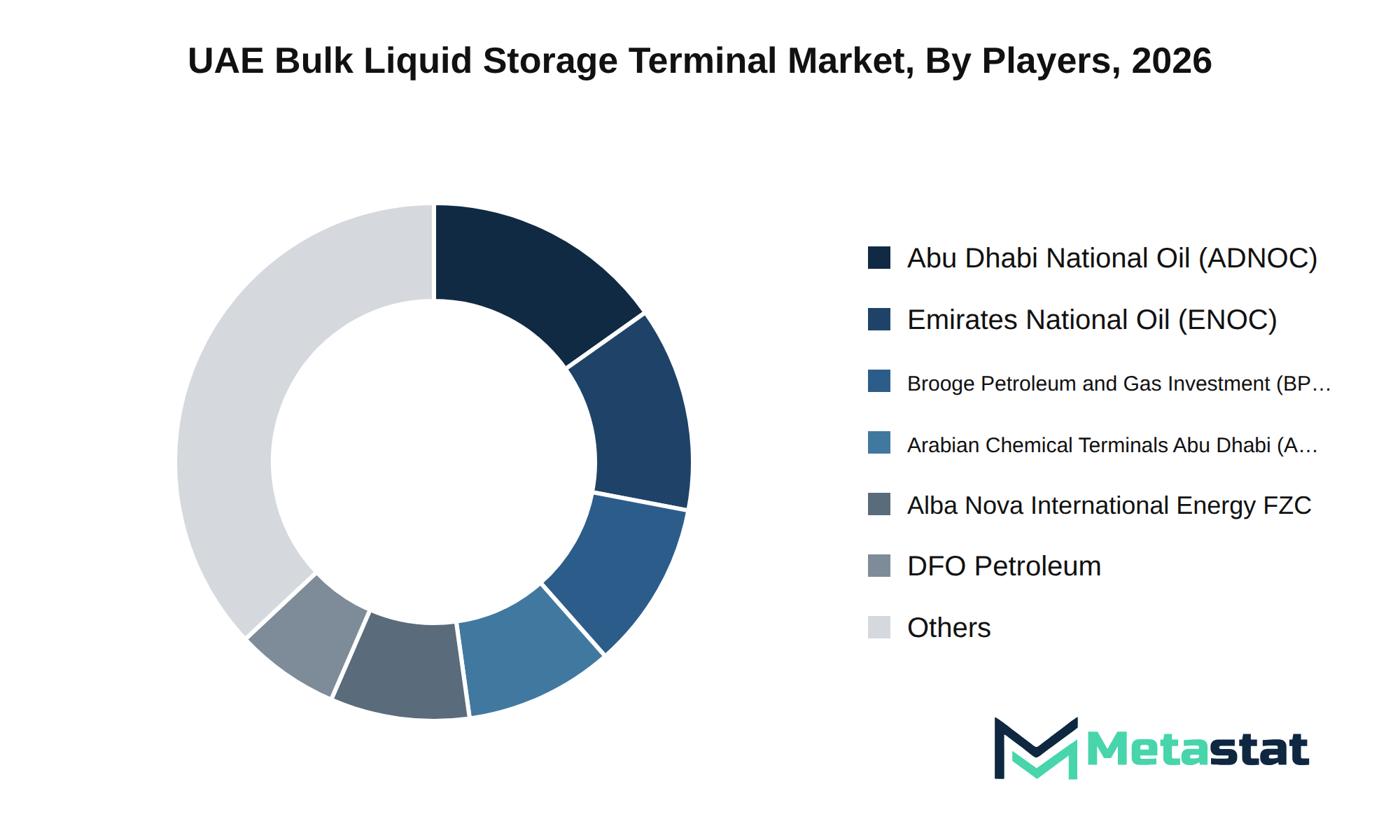
Market size is forecast to rise from USD 553.4 million in 2025 to over USD 937 million by 2033. This expansion reflects a compound annual growth rate (CAGR) of 6.8%, driven by increasing demand across various sectors. The UAE Bulk Liquid Storage Terminal market benefits from growing industrial activities, particularly in the chemicals, petrochemicals, and oil sectors. Investments in infrastructure and technological advancements significantly contribute to this growth trajectory.
Strong growth in downstream demand is anticipated, with accelerated integration of next-generation technologies enhancing operational efficiencies. Strategic capital allocation and infrastructure commitments strengthen the market position, creating opportunities for expansion. Potential challenges stem from geopolitical tensions, economic fluctuations, and regulatory changes that could impact compliance and operational costs. These factors create volatility in market dynamics, affecting short-term growth.
The outlook for the UAE Bulk Liquid Storage Terminal market remains positive, supported by ongoing investments and evolving trade corridors. Companies prioritizing innovation and adaptability are likely to capture emerging white-space opportunities, meeting unmet enterprise needs and addressing high-growth pockets. Continuous monitoring of macroeconomic conditions and strategic planning will play an important role in navigating the market effectively.
The report strategically identifies and profiles the key market players and analyses their core competencies in each sub-segment of the Bulk Liquid Storage Terminal market.
|
Report Attributes |
Details |
|
Study Period |
2021-2033 |
|
Base Year |
2025 |
|
Estimated Year |
2026 |
|
Forecast Period |
2026-2033 |
|
Historical Period |
2021-2025 |
|
Growth Rate |
CAGR 6.8% from 2026 to 2033 |
|
Revenue Unit |
USD million |
|
Segmentation |
By Stored Product Type, Tank Storage Capacity, Tank Design Type, Terminal Service Type, and Region |
Find answers to common questions about this report
The Bulk Liquid Storage Terminal market size in the UAE was valued at USD 553.4 million in 2025.
The Bulk Liquid Storage Terminal market is projected to grow at a CAGR of 6.8% during the forecast period from 2026 to 2033.
The Diesel and Gasoil segment leads the UAE Bulk Liquid Storage Terminal market, with a projected value of USD 490.6 million by 2033. This segment represents the largest share of the market, accounting for 49.3 percent.
Increasing investment in infrastructure and rising GDP growth significantly drive the UAE Bulk Liquid Storage Terminal market. Enhanced terminal capacities, operational efficiencies, and a focus on sustainability further support market expansion, allowing companies to meet evolving consumer demands effectively.
The UAE Bulk Liquid Storage Terminal market growth faces challenges from stringent regulatory compliance requirements, necessitating substantial investments in infrastructure upgrades and technology. Rising operating costs related to compliance and geopolitical instability further complicate operational decision-making, limiting profitability and hindering investment capacity. These factors collectively create a challenging environment for market participants.
Increasing investment in infrastructure and a focus on technology integration favor product adoption in the UAE Bulk Liquid Storage Terminal market. Enhanced storage capacities and automation streamline operations, improve efficiency, and support sustainable practices, driving demand among industries including chemicals and petrochemicals.
The Bulk Liquid Storage Terminal market is estimated to reach a valuation of USD 937 million by 2033.
Key players operating in the UAE Bulk Liquid Storage Terminal market include Abu Dhabi National Oil Company (ADNOC), Arabian Chemical Terminals Abu Dhabi (ACTAD), Brooge Petroleum and Gas Investment Company (BPGIC), Emirates National Oil Company Ltd (ENOC), Fujairah Oil Terminals FZC (FOT), Gulf Petrochem Group, Horizon Terminals Limited, and National Oil Storage Company FZC (NOSCO).
The UAE Bulk Liquid Storage Terminal market is projected to reach USD 937 million by 2033, reflecting a CAGR of 6.8% from the base year 2025.
Increasing investment in infrastructure enhances the capacity and efficiency of bulk liquid storage facilities, driving operational productivity and cost-efficiency.
The analysts below cover Chemicals and Materials research at Metastat Insights.
LEAD ANALYST
Utkarsh Khirodkar is a Lead Market Research Analyst at MetaStat Insight, specializing in market intelligence, technology sector assessments, and competitive strategy.

INDUSTRY CONSULTANT - CHEMICALS & ADVANCED MATERIALS
Chemicals and Materials · Machinery & Equipment · Packaging
Amit Gadhekar Consultant for Chemicals and Materials at MetaStat Insight, directing sector-specific intelligence, research, and strategic consulting across global chemical and processing markets.
Ambulatory surgical centers have very different purchasing cycles for robotic-assisted surgery platforms than major hospital networks. The MetaStat Insight study focused squarely on capital expenditure depreciation, procedural reimbursement pathways, and surgeon training overhead. That operational clarity made it much simpler to validate multi-year procedure growth forecasts against actual ambulatory center adoption patterns.
When planning edge sensor rollouts across refinery environments, generic IoT reports typically miss the harsh-environment certification bottlenecks. MetaStat Insight gave an objective evaluation of ATEX and Class 1 Division 2 hardware availability, along with realistic five-year maintenance cycle cost projections. The comparison of wireless mesh versus private cellular backhaul helped our team pressure-test network reliability models for remote processing facilities.
In the biological seed treatment space, registration timelines vary drastically between the European Union, Brazil, and North America. The MetaStat Insight research handled these cross-border regulatory barriers with genuine nuance, mapping commercialization pathways alongside historical field adoption rates. The segmentation between microbial strains and biochemical active ingredients was particularly well structured.
Explore related market intelligence reports worth reading alongside this one.