
Explore the key factors influencing costs and pricing in the Softgel Contract Manufacturing market, including compliance, raw materials, and technology.
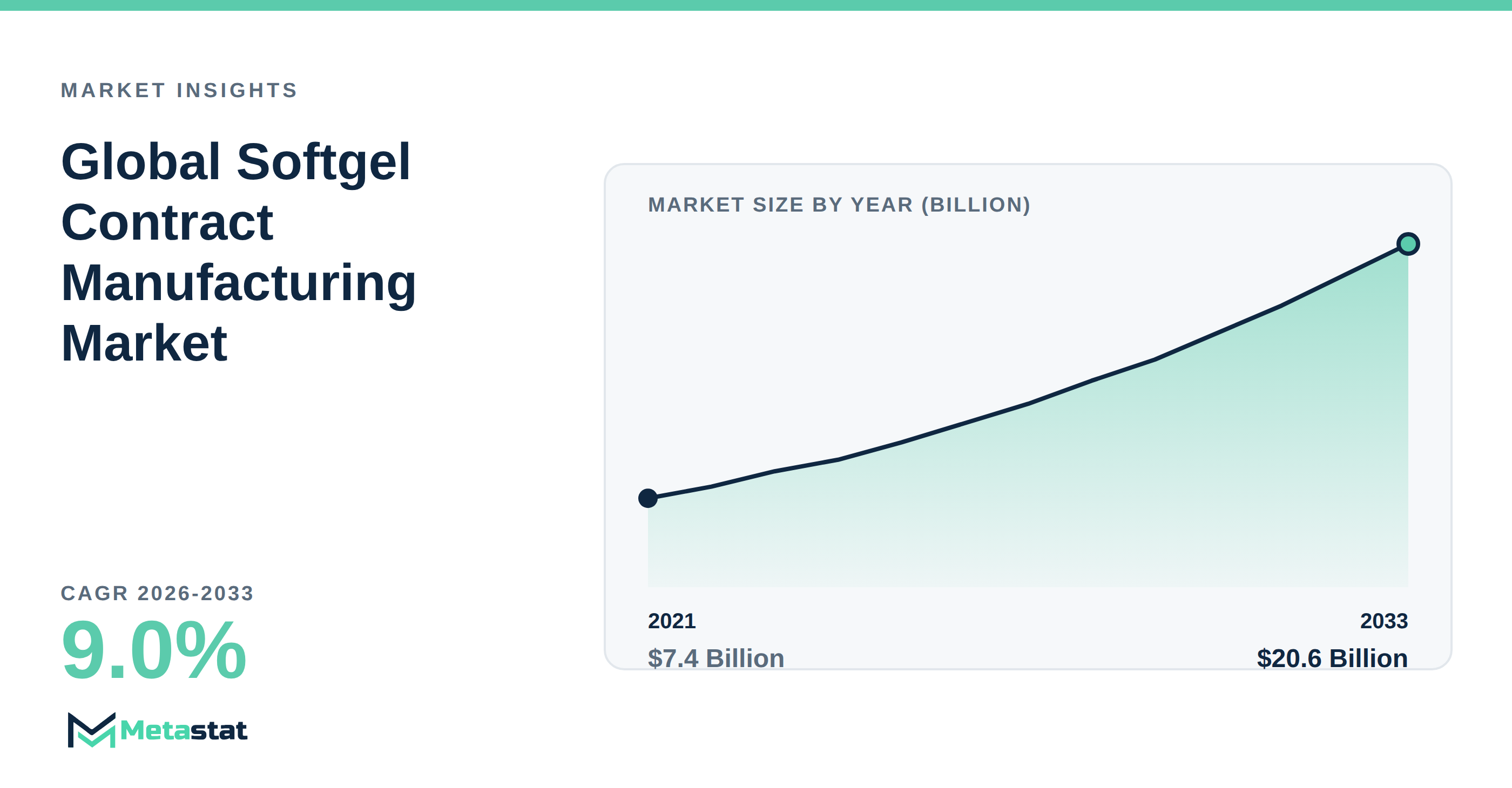
The Softgel Contract Manufacturing market is experiencing significant growth, with valuation expected to rise to USD 20.6 billion by 2033, driven by increasing demand for health-conscious products. Understanding the underlying cost dynamics remains crucial for buyers and operators in this space. The following highlights critical factors influencing costs and pricing strategies within the Softgel Contract Manufacturing market.
1. Regulatory compliance adds significant costs
Stringent regulations governing product safety and efficacy impose considerable compliance costs on manufacturers in the Softgel Contract Manufacturing market. Companies invest in quality assurance measures, documentation, and certification processes to meet these guidelines. This regulatory burden, especially pronounced for smaller firms, can limit operational flexibility and influence pricing structures. Consequently, buyers experience higher prices because manufacturers pass these compliance costs through their pricing strategies.
2. Raw material fluctuations impact pricing
The cost of raw materials plays a crucial role in shaping the pricing landscape in the Softgel Contract Manufacturing market. Variations in the prices of gelatin and vegetarian alternatives like Hydroxypropyl Methylcellulose (HPMC) directly influence manufacturing costs. Manufacturers face the challenge of navigating these fluctuations, often leading to pricing adjustments for end products. Buyers should remain vigilant about these market dynamics, because shifts in raw material costs significantly affect procurement strategies and overall expenses.
3. Technology investments enhance production efficiency
Investment in advanced manufacturing technologies is essential for maintaining competitive pricing in the Softgel Contract Manufacturing market. Automation and improved quality control systems allow manufacturers to optimize their production processes, leading to reduced operational costs and enhanced economies of scale. Suppliers then offer more competitive pricing to buyers. Firms that fail to adopt new technologies struggle with inefficiencies, adversely affecting their pricing capabilities and market positioning.
4. Supply chain challenges create additional burdens
The complexities of the supply chain impose extra costs on manufacturers in the Softgel Contract Manufacturing market. Disruptions in logistics and sourcing strategies result in increased transportation expenses and delays in product availability. These supply chain challenges affect pricing because manufacturers seek to mitigate the impact of these issues. Buyers benefit from understanding their suppliers’ supply chain strategies to navigate potential cost increases effectively.
5. Competition drives innovation and pricing strategies
The fragmented nature of the Softgel Contract Manufacturing market creates competitive dynamics that influence pricing. Numerous players, each with diverse capabilities and offerings, generate an environment that motivates innovation. Companies invest in research and development to differentiate themselves and meet evolving consumer preferences. Buyers observe variations in pricing because companies strive to capture market share through unique product offerings and enhanced customer value.
6. Consumer preferences shape product offerings and costs
Shifts in consumer preferences toward health-conscious products significantly influence the Softgel Contract Manufacturing market. Growing demand for vegetarian and vegan alternatives pushes manufacturers to invest in alternative formulations, impacting costs. While buyers increasingly seek products aligning with their health and wellness goals, manufacturers adapt their offerings, potentially leading to fluctuations in pricing. This trend highlights the importance of aligning product offerings with market demand to satisfy consumer expectations.
7. Economic conditions affect operational costs
Macroeconomic factors, including inflation and currency volatility, introduce significant uncertainty in the Softgel Contract Manufacturing market. These economic conditions elevate operational costs, impacting pricing strategies for manufacturers. Companies that successfully manage these external pressures are better positioned to maintain competitive pricing and deliver value to buyers. Understanding these economic dynamics enables buyers to make informed decisions in their procurement processes.
In conclusion, the pricing landscape within the Softgel Contract Manufacturing market is influenced by a complex mix of regulatory compliance, raw material costs, technological investments, supply chain dynamics, competition, consumer preferences, and macroeconomic conditions. Buyers who understand these factors are better equipped to navigate the market and optimize their sourcing strategies. For a comprehensive analysis of market dynamics, refer to the Global Softgel Contract Manufacturing Market.
Tags