
Explore the future of AR waveguide technologies in military applications, focusing on advancements, operational efficiency, and strategic procurement.
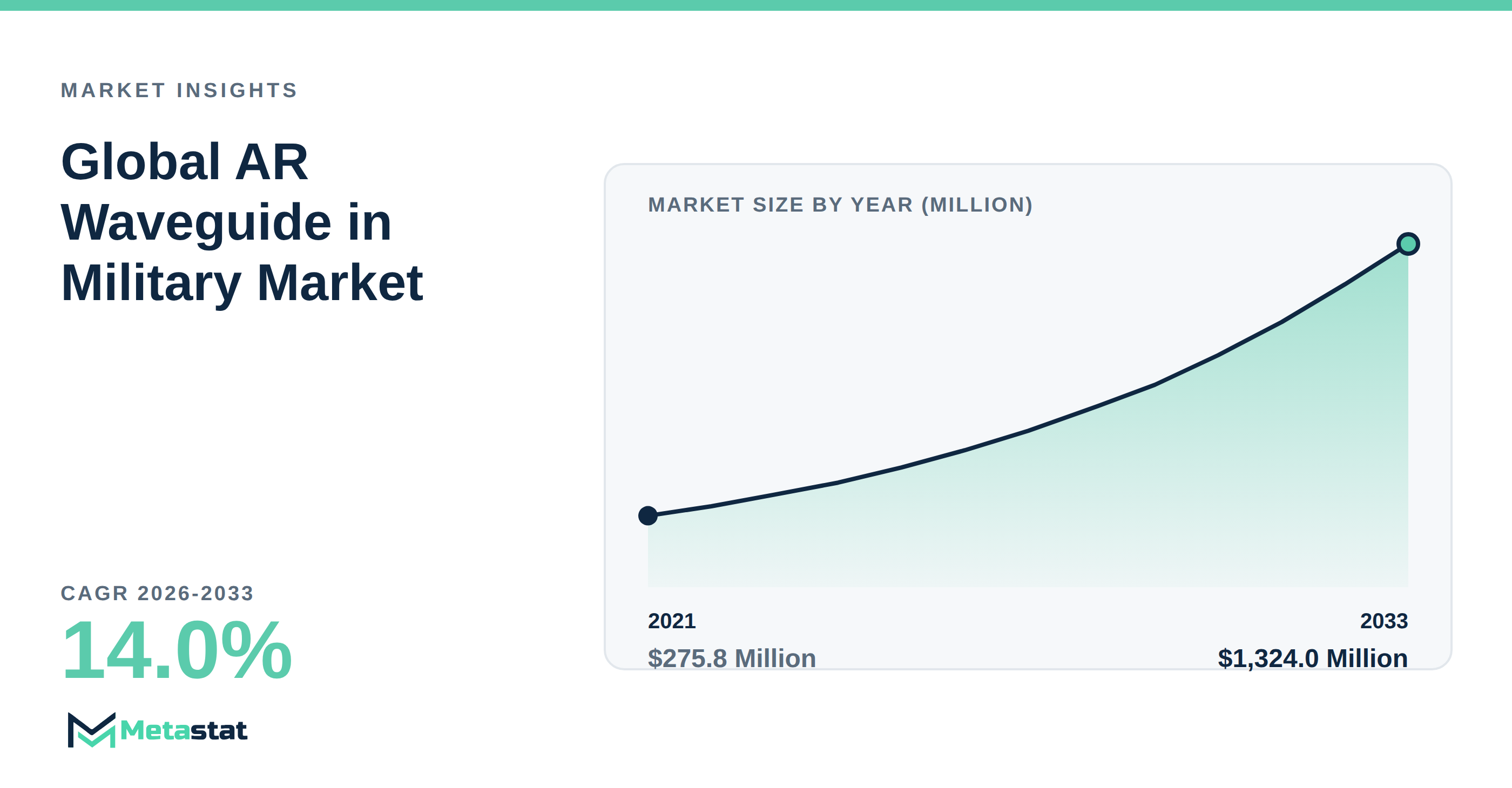
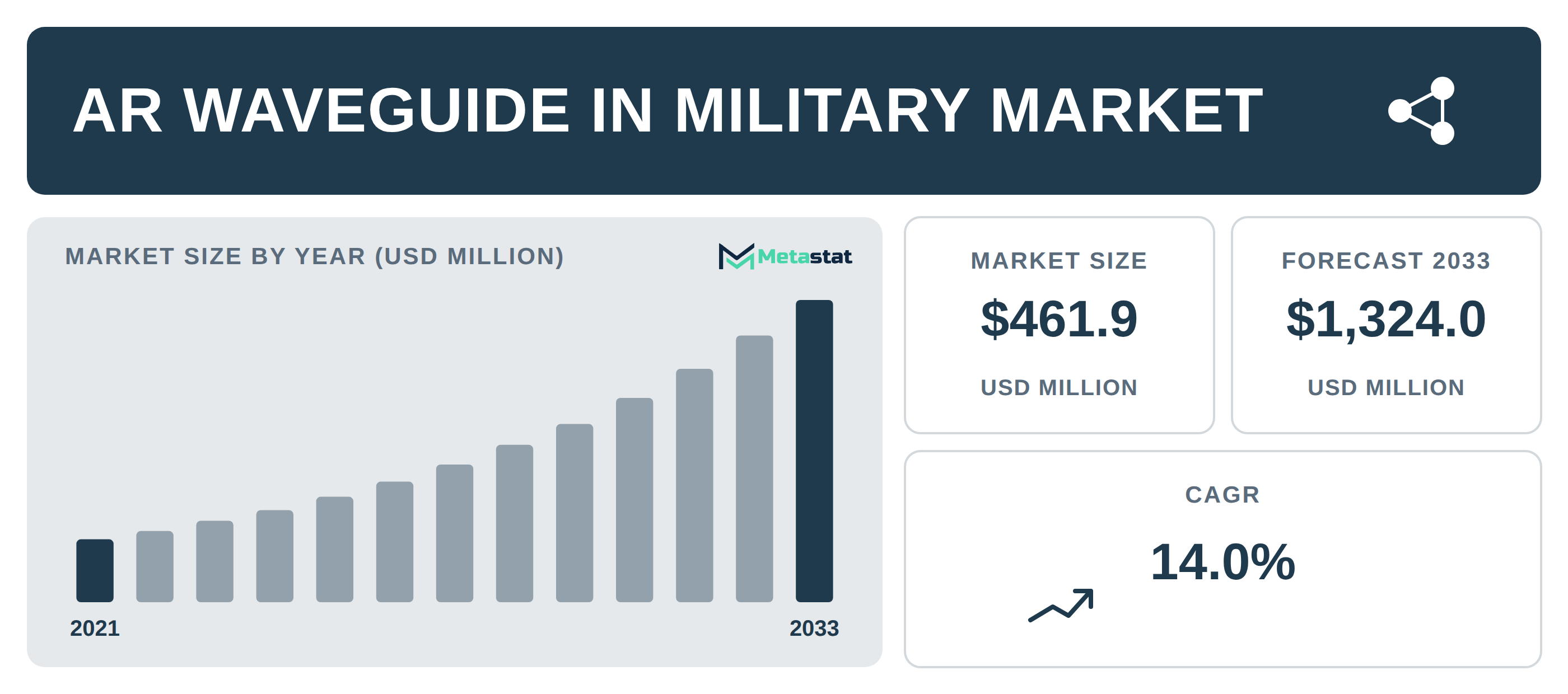
The technologies surrounding AR waveguides in military applications are gearing up for substantial transformations between now and the end of the forecast window. The market for AR Waveguide in Military is not just growing; it is evolving in response to military needs for enhanced situational awareness, improved operational capabilities, and the integration of advanced visualization systems. The full figures are in our AR Waveguide in Military market size and forecast report.
Anticipated developments in waveguide technology
Over the next several years, significant advancements in waveguide technology, particularly in diffractive optics, are expected to enhance soldier-borne systems. The anticipated increase in the deployment of diffractive waveguides - projected to rise from USD 208.3 million in 2026 to USD 568.4 million by 2033 - underscores the pressing need for compact, effective solutions that improve situational awareness on the battlefield. Innovations in this area will present new opportunities for military organizations seeking to enhance tactical efficiency through improved information access.
Emphasis on rugged displays for operational efficiency
The demand for rugged helmet-mounted and goggle-mounted displays will rise significantly. These systems are projected to reach a valuation of USD 302.1 million by 2033, highlighting their critical role in military operations. Such displays facilitate real-time data visualization, thereby enhancing situational awareness in combat zones. As military forces prioritize equipment reliability, adopting advanced rugged AR optics will become increasingly pronounced.
Growing focus on enhanced situational awareness tools
With military budgets expanding and the emphasis on advanced technologies increasing, the integration of AR waveguides is pivotal in enhancing situational awareness. The value for dismounted soldier situational awareness solutions is expected to rise from USD 154.6 million in 2026 to USD 358.5 million by 2033, marking a clear trend toward prioritizing tools that provide immediate access to critical information during operations. The increasing demand in this area reflects a shift toward leveraging augmented reality for improved decision-making on the battlefield.
Strategic procurement and cost management
Cost sensitivity among military buyers poses challenges for procurement, particularly related to advanced AR waveguide technologies. Budget constraints lead to careful consideration of available solutions, which affects order volumes. Military organizations will explore fixed-price contracts and multi-year agreements to manage costs effectively while ensuring operational readiness. Suppliers that provide comprehensive solutions with reliable support will gain a competitive advantage in this environment.
Integration of AR waveguides with unmanned systems
The rise of unmanned systems in military operations will further fuel the growth of AR waveguides. This segment, expected to show significant growth rates, highlights a strong interest in automation and remote capabilities. Unmanned platforms increasingly require advanced visualization solutions to enhance surveillance and reconnaissance efforts, making the integration of AR technologies essential for operational success.
Understanding these trends will provide military decision-makers with insights on how the market for AR waveguides in military applications is expected to evolve. By focusing on advancements in waveguide technology, the demand for reliable equipment, and the integration with new operational frameworks, stakeholders position themselves effectively for future developments in this crucial sector.
Tags
About the Author

LEAD ANALYST
Utkarsh Khirodkar is a Lead Market Research Analyst at MetaStat Insight, specializing in market intelligence, technology sector assessments, and competitive strategy.