
Explore the contrasting demand for Automotive Racing Tires in Europe and North America. Discover the cultural and economic factors influencing this divergence.
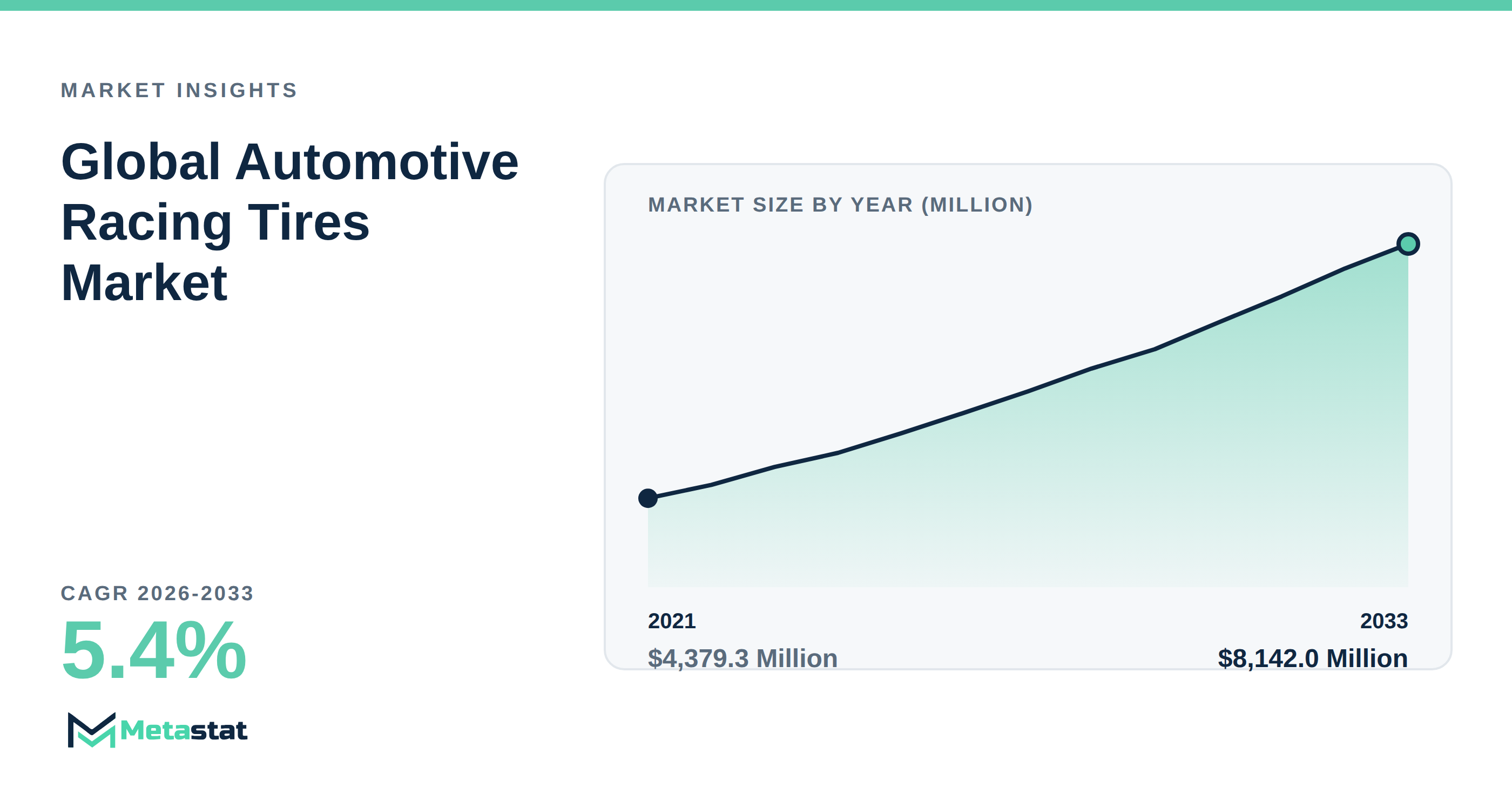
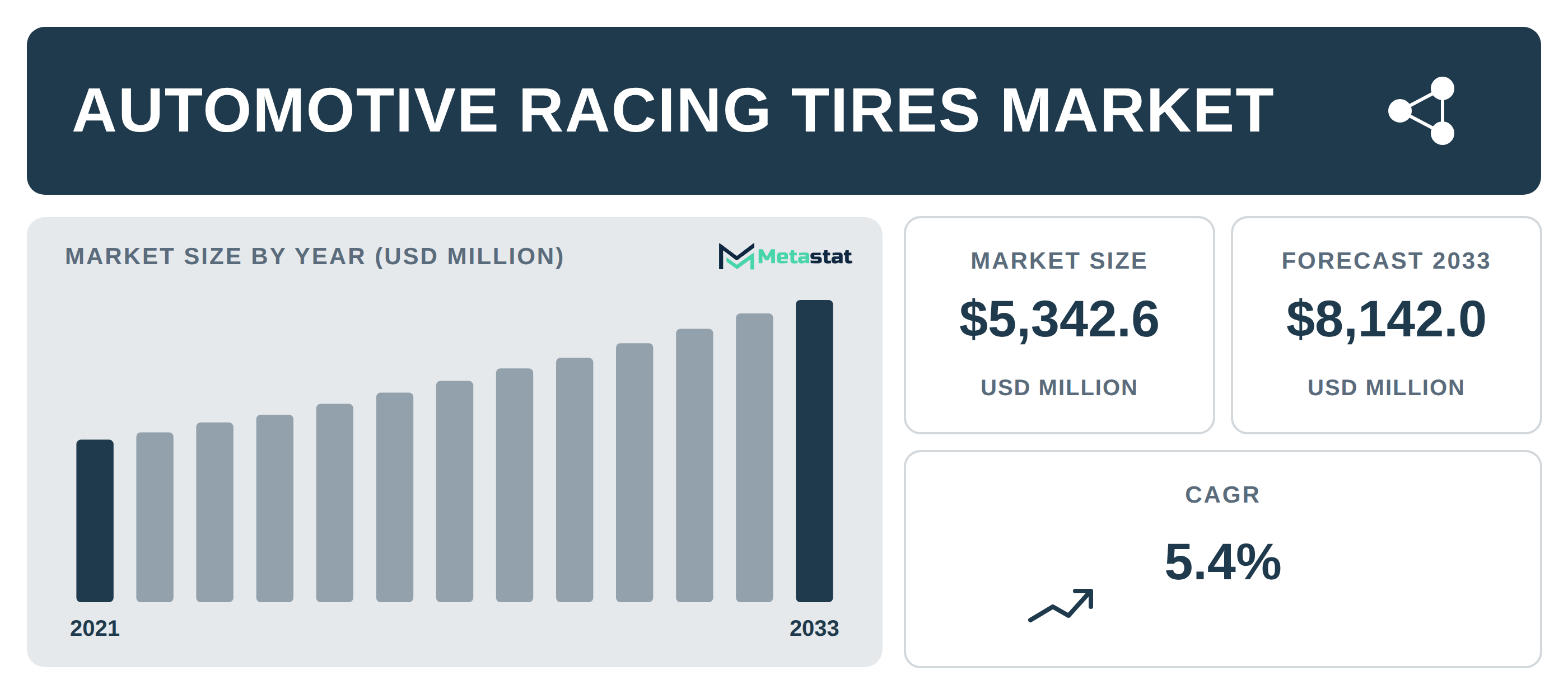
The market for Automotive Racing Tires shows significant regional divergence, particularly between Europe and North America. Each region exhibits distinct characteristics that shape demand patterns, influenced by factors including market maturity, infrastructure development, and cultural preferences in motorsports. For a comprehensive insight into the Automotive Racing Tires market size and forecast report, visit the official page. The full figures are in our Automotive Racing Tires market size and forecast report.
What accounts for Europe's lead in Automotive Racing Tires demand?
Europe commands a substantial share of the market for Automotive Racing Tires, partly due to its long-standing motorsport culture. The continent features numerous prestigious racing events, including Formula 1, Le Mans, and various touring car championships. Such events generate heightened interest in high-performance tires, encouraging advancements in tire technology.
Driving this demand further is the regulatory framework in European countries that emphasizes performance and safety. These regulations often mandate higher standards for tires, pushing manufacturers to innovate continuously. Consequently, racing teams in Europe prioritize the use of specialized tire types, including slick and intermediate tires, to enhance their performance in diverse racing conditions.
Why is North America lagging behind?
In contrast, North America's Automotive Racing Tires demand reflects a different landscape. While the region enjoys a lively motorsport culture, with events like NASCAR and IndyCar, overall participation rates in competitive racing are lower compared to Europe. Racing events in the U.S. and Canada tend to cater more to stock car racing and formats that do not always require highly specialized tires.
Economic factors play a role too. Price sensitivity among amateur racing teams impacts their purchasing behaviors, often leading to a preference for more cost-effective options rather than premium racing tires. This trend limits the overall growth potential of high-performance tire segments in North America.
How do technological advancements influence regional demand?
Technological innovation is a key driver of demand in both regions, yet the focus varies significantly. European manufacturers often lead in developing advanced tire compounds and designs that maximize grip and performance in high-speed racing environments. This focus attracts demanding racing teams that seek any competitive edge possible.
In North America, while advancements are made, the emphasis remains on ensuring that the tires meet the specific demands of stock car racing formats. This difference in focus leads to a mismatch in product offerings, where North American teams sometimes opt for tires that aren't tailored for high-performance racing.
What role does infrastructure play in regional demand?
Infrastructure development is another critical factor affecting the Automotive Racing Tires landscape. Europe benefits from a well-established racing infrastructure, with many circuits designed to host a variety of racing events, enabling a higher frequency of races and, consequently, tire usage. This results in increased demand for quality racing tires as teams prepare for regular competitions.
Conversely, while North America has many racing venues, the infrastructure does not support the same level of racing frequency across various disciplines, leading to lower overall demand for specialized racing tires. Teams often seek to maximize tire usage, knowing they cannot invest in new ones as frequently due to fewer races. This trend inhibits market growth opportunities in North America.
What strategies are manufacturers employing to bridge the gap?
Manufacturers targeting both regions address these differences strategically. Offering products tailored to the unique demands of North American racing, including cost-effective high-performance options, could help spark interest. Collaborations with racing leagues and increased visibility in local motorsport events enhance brand recognition and encourage wider adoption of advanced tire technologies.
Similarly, European manufacturers continue to leverage innovations to maintain their lead while exploring opportunities in emerging markets within North America. Investments in marketing and technology adaptation will be crucial to capture a share from both regions, addressing the distinct preferences of racing teams and enthusiasts.
Understanding the regional dynamics of Automotive Racing Tires demand provides critical insights into how cultural, economic, and technological factors shape the market. Manufacturers and racing teams should adapt their strategies accordingly to seize growth opportunities while navigating the challenges posed by regional differences.
Tags
About the Authors

LEAD ANALYST
Utkarsh Khirodkar is a Lead Market Research Analyst at MetaStat Insight, specializing in market intelligence, technology sector assessments, and competitive strategy.

ENERGY & INFRASTRUCTURE INDUSTRY CONSULTANT
Automotive and Transportation · Electronics and Semiconductor · Energy and Power · Machinery & Equipment
Saurabh Vasant Ganvir consults for Energy & Infrastructure Industry at MetaStat Insight, specializing in renewable energy, solar EPC, and electric vehicle (EV) infrastructure markets.