
Choosing an Aircraft Cleaning Services supplier involves critical questions around compliance, technology, and customization. Here are key considerations.
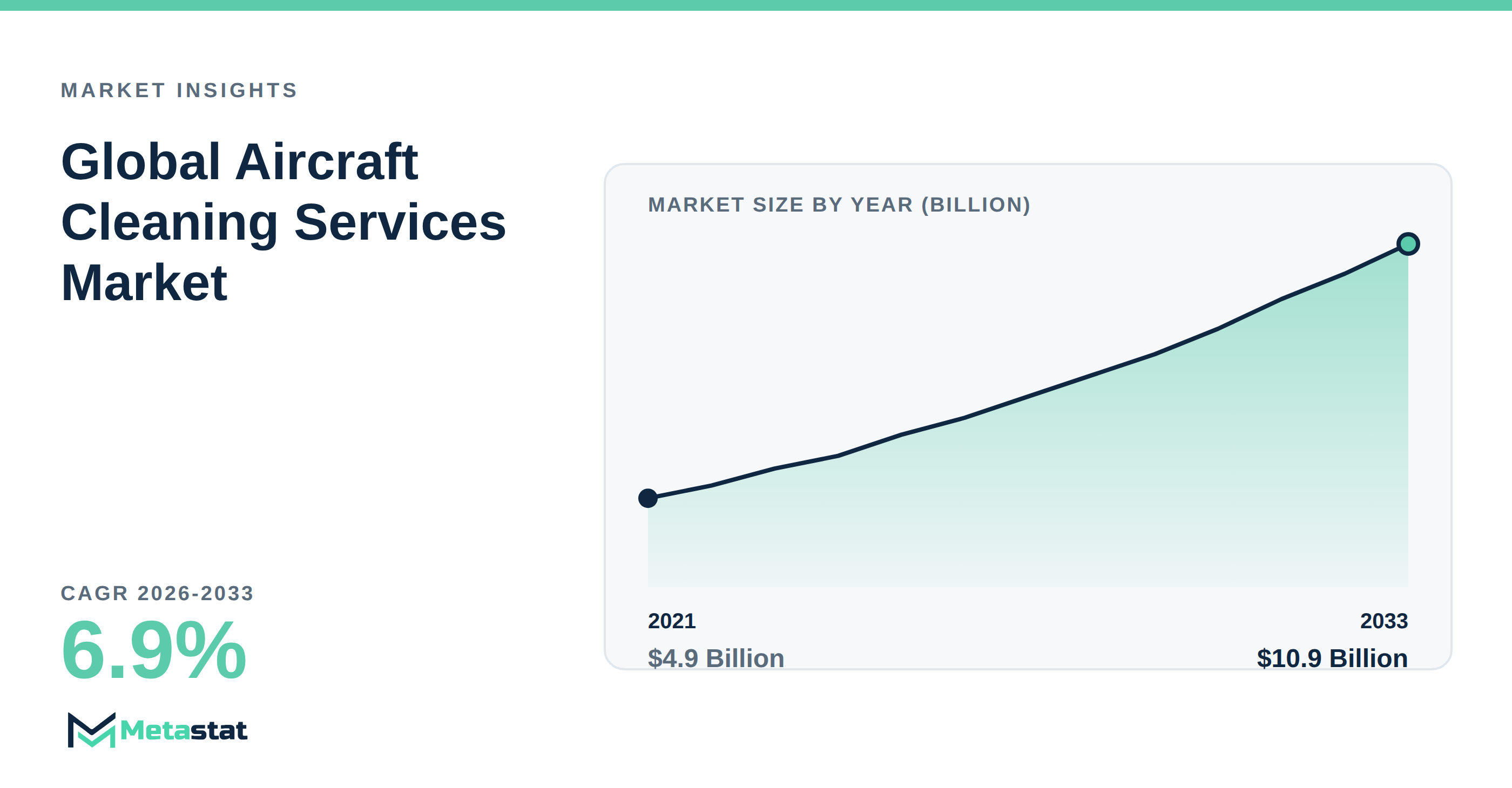
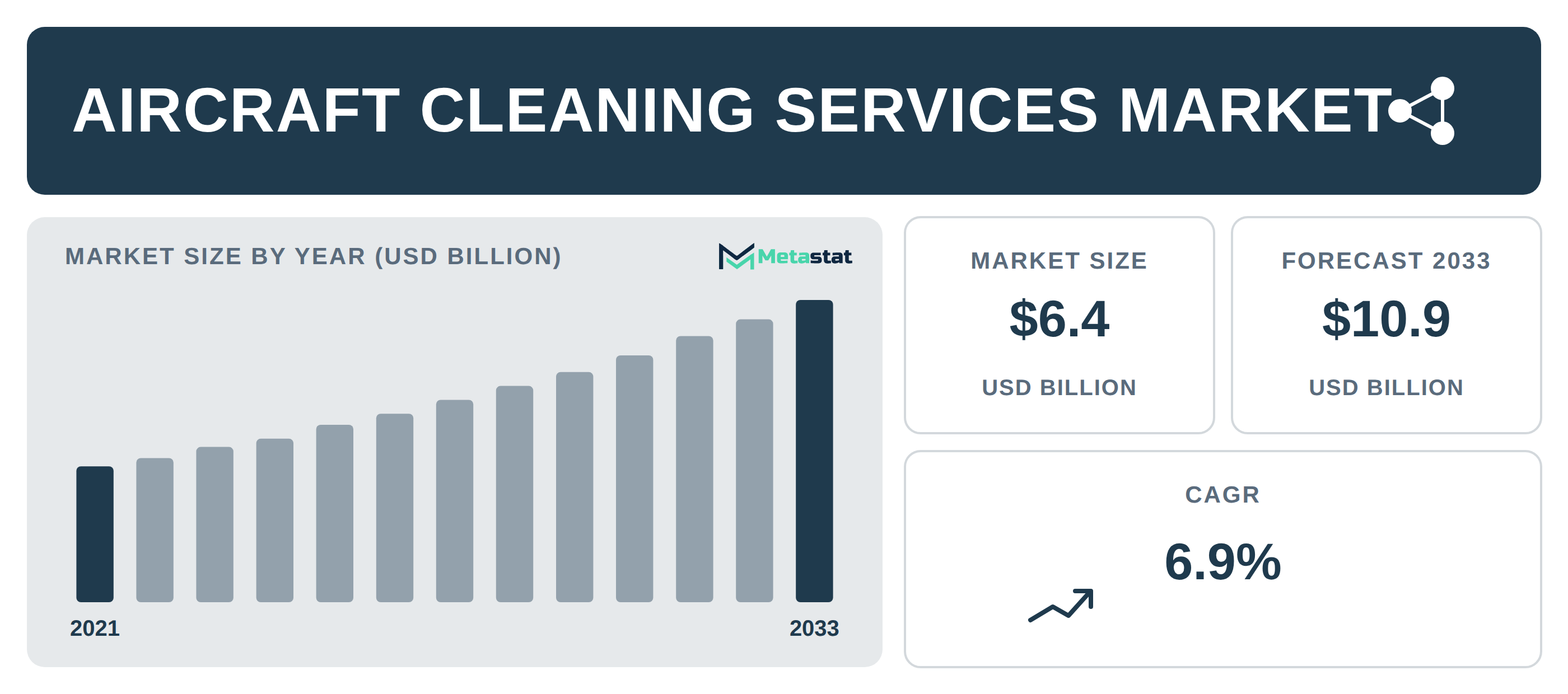
The aviation industry continuously emphasizes the importance of hygiene and cleanliness, particularly in light of recent global health challenges. Buyers of Aircraft Cleaning Services suppliers navigate a highly competitive field of providers while ensuring compliance with safety standards and enhancing passenger experiences. Below are crucial questions to consider when selecting a service provider. The full figures are in our Aircraft Cleaning Services market size and forecast report.
1. What cleaning technologies do you employ?
A supplier's choice of cleaning technologies directly impacts effectiveness and efficiency. Innovative methods, including robotic and automated cleaning systems, are gaining traction within the market. By 2026, the presence of these technologies is set to reach USD 2.5 billion, showcasing their growing relevance. Investment in advanced cleaning technologies enables buyers to lower labor costs while improving consistency and safety. Understanding the technology mix used by your supplier ensures that they meet the evolving demands of cleanliness and operational efficiency.
2. How do you ensure compliance with safety regulations?
Compliance with safety and hygiene regulations is non-negotiable in the aviation industry. Buyers should inquire about a supplier's protocols for adhering to regulatory requirements. This includes methods for cleaning and disinfecting aircraft and the use of environmentally friendly products. The growing emphasis on hygiene means that suppliers who prioritize compliance stand to maintain operational integrity and passenger safety. Understanding a supplier's commitment to these standards mitigates risks and ensures high-quality service delivery.
3. Can you provide tailored solutions for our fleet?
Different fleets necessitate different cleaning approaches. A supplier's ability to provide customized cleaning solutions is vital for meeting the unique needs of various aircraft types. Buyers should seek suppliers that offer specialized cleaning services, including interior cleaning, exterior cleaning, and focused disinfection tailored to specific operational requirements. The specialized cleaning and disinfection services sector is projected to grow to USD 2.6 billion by 2033, indicating strong demand for custom approaches to cleanliness. Such flexibility significantly enhances customer satisfaction.
4. What is your pricing structure?
Pricing transparency is critical when selecting a supplier. Buyers should seek clarity on how costs are derived, including whether pricing is based on individual flights or structured around monthly agreements. These types of arrangements afford flexibility while ensuring consistent service quality. As cleaning needs evolve, understanding the pricing structure aids buyers in making informed decisions and budgeting appropriately, especially in an environment characterized by rising operational costs. This insight supports negotiations for more favorable terms.
5. How do you manage turnaround times?
Efficient turnaround times are essential for airlines and operators seeking to maintain schedules. Buyers should ask suppliers about their strategies for minimizing turnaround times while ensuring thorough cleaning. The demand for rapid cabin cleaning solutions increases alongside heightened hygiene awareness. Suppliers who integrate advanced cleaning technologies and effective operational practices are likely to deliver faster turnaround times, resulting in higher passenger satisfaction. A focus on efficiency provides a competitive edge in the industry.
6. What quality control measures do you have in place?
Ensuring high cleanliness standards requires robust quality control measures. Buyers should inquire about a supplier's protocols for monitoring and assessing cleaning effectiveness. This includes regular inspections and audits to ensure services meet established hygiene standards. With the increasing focus on cleanliness, suppliers who implement stringent quality control measures are likely to outperform competitors. Understanding these practices reassures buyers regarding the reliability and effectiveness of the services provided.
7. How do you stay updated on industry standards and innovations?
The aviation industry is subject to evolving standards and regulations, making it essential for suppliers to remain informed. Buyers should ask how suppliers adapt to changes in hygiene protocols and integrate new cleaning technologies. This adaptability reflects a provider's commitment to delivering high-quality services while maintaining compliance. Suppliers that prioritize ongoing training and investment in innovation are better positioned to meet their clients' future needs, ensuring long-term partnerships.
Addressing these questions empowers buyers to make informed decisions when selecting Aircraft Cleaning Services suppliers. By prioritizing quality, compliance, and innovation, operators enhance service delivery, improve passenger experiences, and maintain operational efficiency.
Tags
About the Author

LEAD ANALYST
Utkarsh Khirodkar is a Lead Market Research Analyst at MetaStat Insight, specializing in market intelligence, technology sector assessments, and competitive strategy.