
Discover the key inquiries to pose to Mechanical Gaming Keyboard suppliers, ensuring optimal performance and user satisfaction.
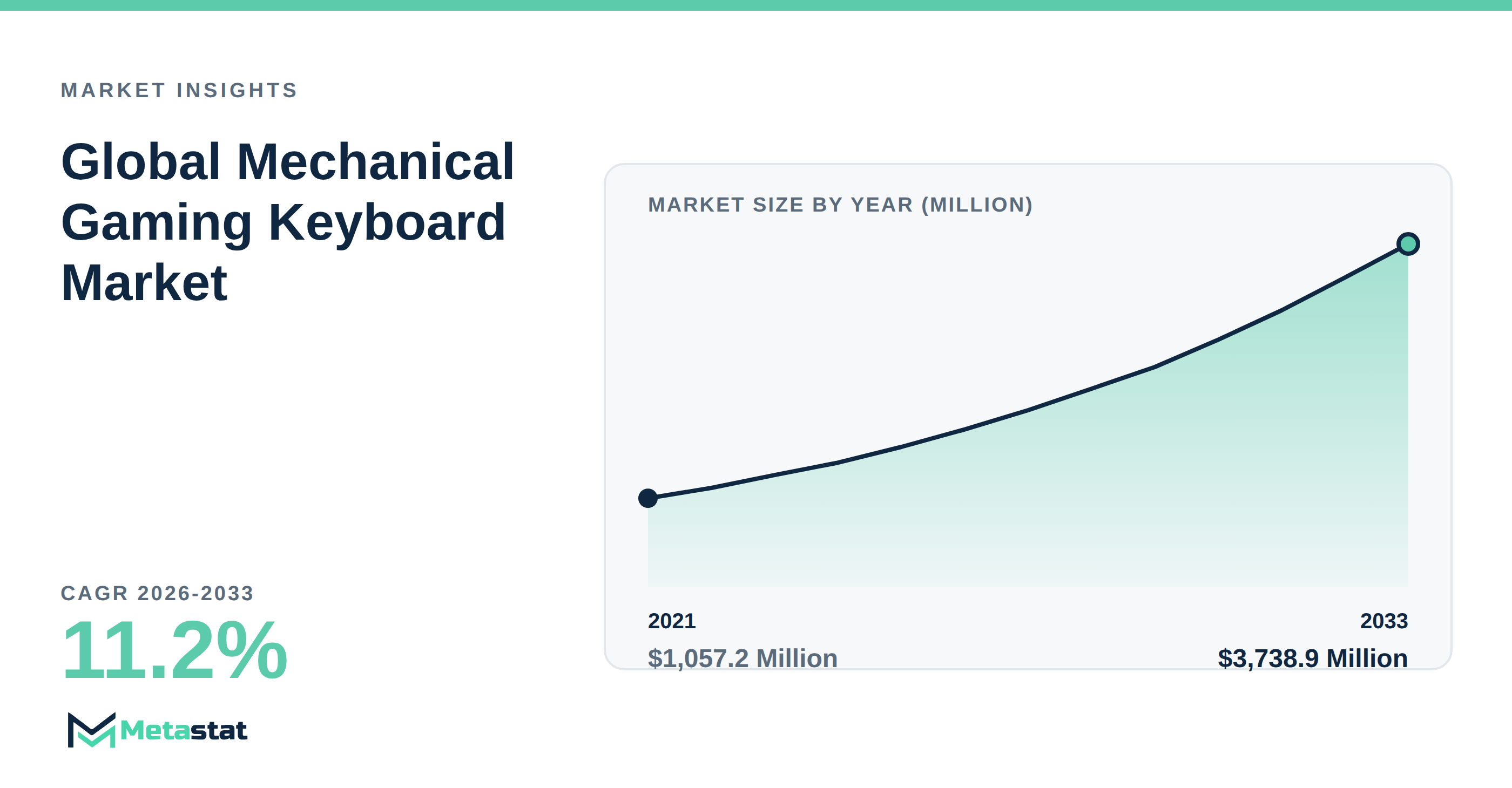
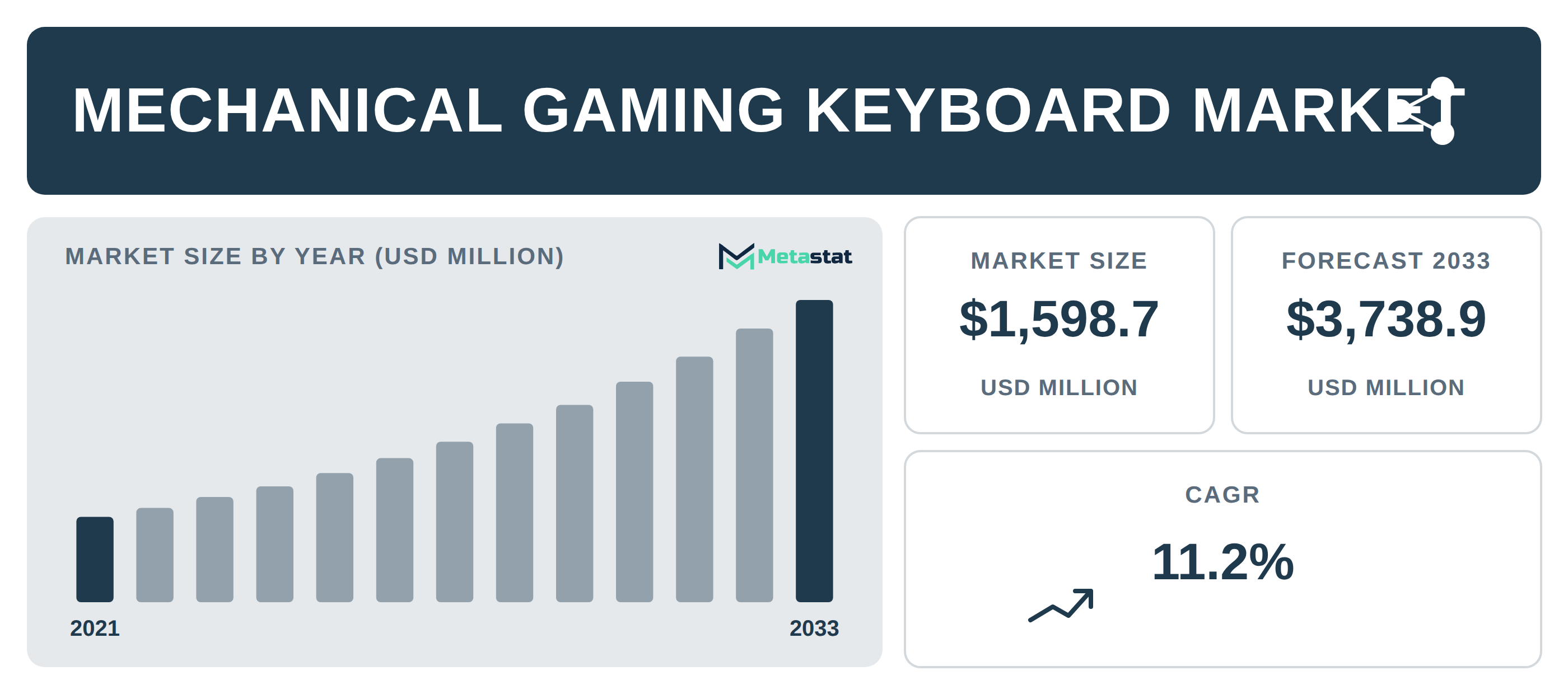
The market for Mechanical Gaming Keyboards is consistently evolving, making it crucial for buyers to ask the right questions when engaging with suppliers. Understanding specific product features, technology advancements, and market trends significantly impacts purchasing decisions. Are several critical inquiries buyers should consider to enhance their gaming experiences and ensure they select the best keyboards for their needs. The full figures are in our Mechanical Gaming Keyboard market size and forecast report.
1. What switch technology do you offer and what are its advantages?
Understanding the switch technology is vital for buyers. Options include linear, tactile, clicky, optical, and hall effect switches, each providing different tactile experiences and response times. Linear Mechanical Switches, for instance, are popular due to their smooth keystroke, appealing to competitive gamers. In contrast, tactile switches offer feedback without disruptive noise, catering to users who enjoy a balanced typing experience. By clarifying these options, buyers find a keyboard that aligns with their gaming style and preferences.
2. How does your product differentiate in connectivity options?
Connectivity influences keyboard performance significantly. Wired options are valued for their low latency, while 2.4 GHz Wireless keyboards provide mobility without compromising performance. Buyers should inquire about the benefits of each connection type, including factors like response times and reliability. With the rising demand for wireless solutions, especially among competitive gamers, understanding the nuances of connectivity directs buyers to the optimal choice for their gaming setups.
3. What customization features are available?
Customization greatly enhances gameplay and user experience. Keyboards that offer programmable keys, RGB lighting, and adjustable actuation points attract gaming enthusiasts looking for tailored experiences. Suppliers should detail the extent of customization available in their keyboards, as this influences buyer satisfaction. With trends toward personalized setups, knowing what options exist enables buyers to select products that truly align with their gaming style.
4. How do you address the demand for wireless connectivity?
The demand for wireless connectivity is increasing, particularly for 2.4 GHz options, projected to grow significantly through the coming years. Buyers should ask suppliers how they are adapting to this trend. The flexibility and convenience of wireless keyboards appeal to many users, but questions surrounding latency, battery life, and performance consistency are essential. Understanding how a supplier meets these demands enhances long-term user satisfaction.
5. What measures do you take to ensure product durability?
Durability is a crucial consideration for gamers. Mechanical gaming keyboards face heavy usage, making it essential to understand the materials and technologies used in their construction. Suppliers should provide insights into the lifespan of their products, including switch longevity and resilience against wear and tear. Buyers benefit from knowing the durability features, ensuring they invest in keyboards that stand the test of time.
6. How does the product pricing reflect its value?
Price sensitivity remains a concern among buyers, particularly in the context of rising component costs. Inquiring about pricing structures helps buyers understand what they are paying for, including the features and technologies incorporated into the keyboard. Suppliers should communicate their value propositions clearly, helping buyers make informed decisions that align with their budgets without sacrificing performance.
7. What trends are shaping the future of Mechanical Gaming Keyboards?
Staying ahead of market trends informs smarter purchasing choices. Buyers should ask suppliers about emerging technologies, feature advancements, and shifts in consumer preferences driving the sector. For example, the increase in popularity of hall effect switches and compact layouts signifies a transformation in user needs. By understanding these trends, buyers better align their purchases with future developments in the gaming landscape.
By asking these critical questions, buyers gather vital information to select Mechanical Gaming Keyboards that cater to their gaming needs and preferences. Understanding supplier offerings and the current trends will lead to more informed decisions and ultimately enhance the gaming experience.
Tags
About the Authors

LEAD ANALYST
Utkarsh Khirodkar is a Lead Market Research Analyst at MetaStat Insight, specializing in market intelligence, technology sector assessments, and competitive strategy.

PRINCIPAL CONSULTANT - ENTERPRISE AI & EMERGING TECHNOLOGIES
Banking & Finance · Electronics and Semiconductor · Energy and Power · Healthcare IT · Information & Technology · Professional Services
Vijay Gunti is a Principal Consultant at MetaStat Insight, bringing over two decades of experience across enterprise digital transformation, technology strategy, and intelligent systems.

PRINCIPAL CONSULTANT - QUALITY SYSTEMS & COMPLIANCE
Electronics and Semiconductor · Machinery & Equipment · Professional Services
Omkar Phadtare is an Industry Consultant at MetaStat Insight, specializing in quality systems, regulatory compliance, and standards benchmarking to drive data-driven market intelligence and strategic industry research.

ENERGY & INFRASTRUCTURE INDUSTRY CONSULTANT
Automotive and Transportation · Electronics and Semiconductor · Energy and Power · Machinery & Equipment
Saurabh Vasant Ganvir consults for Energy & Infrastructure Industry at MetaStat Insight, specializing in renewable energy, solar EPC, and electric vehicle (EV) infrastructure markets.

LEAD CONSULTANT - COMMUNICATION, TELECOM, AND IT
Electronics and Semiconductor · Information & Technology · Machinery & Equipment · Professional Services
Ravindra Sathe Consultants for Communication, Telecom, and IT at MetaStat Insight. He leads the firm's industry research initiatives across telecommunications infrastructure, digital connectivity, enterprise networking, and emerging information technology domains.