
Explore the primary factors influencing pricing in the Chafing Fuel market, helping buyers make informed procurement decisions.
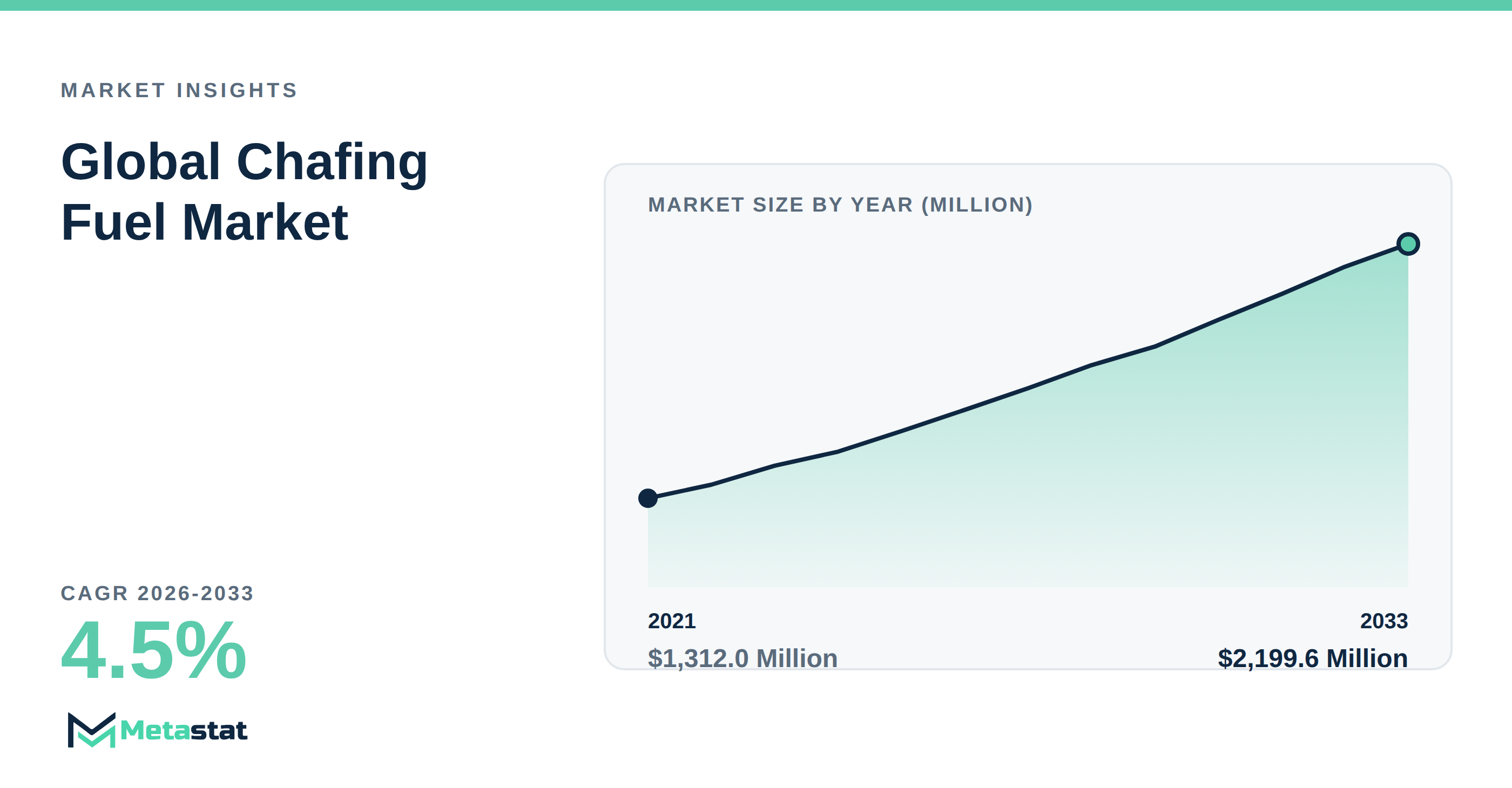
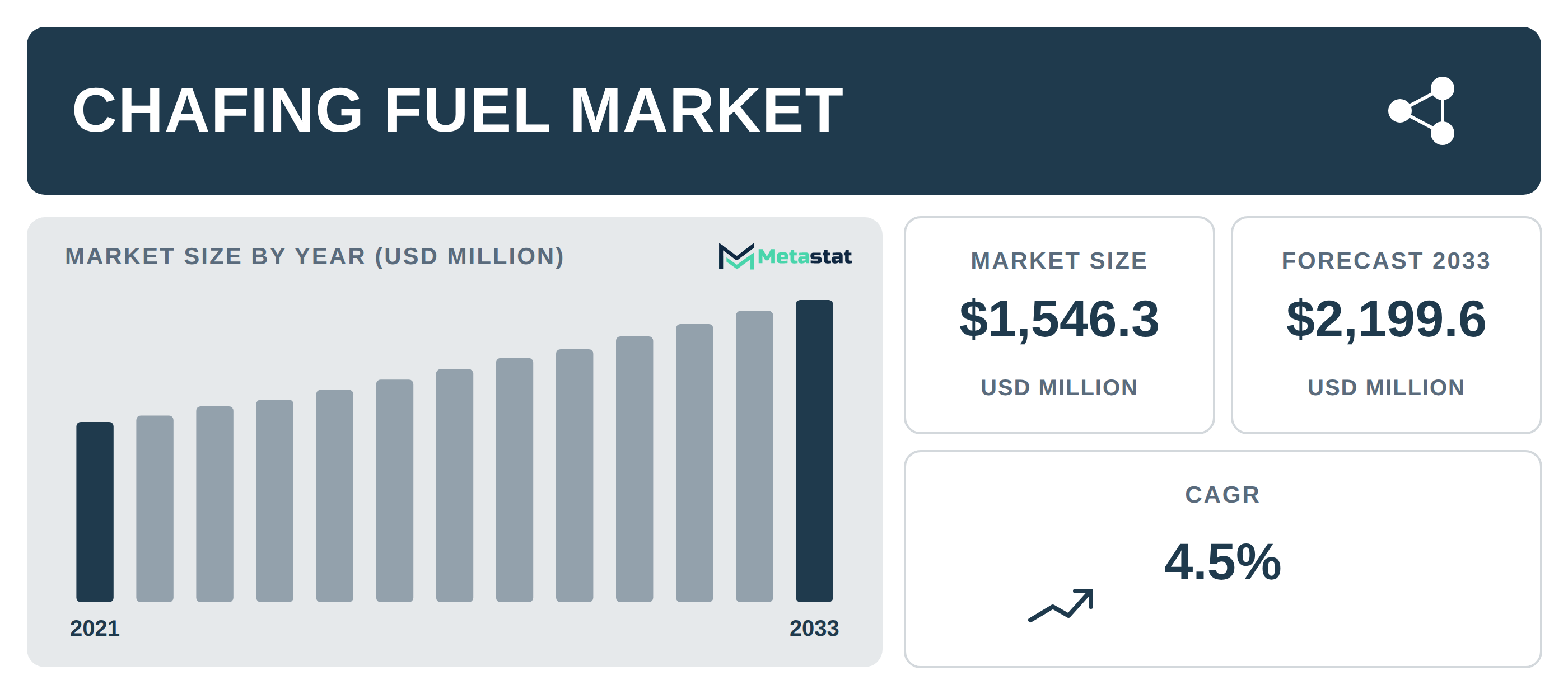
The pricing of Chafing Fuel is influenced by several critical factors that buyers and operators in the hospitality sector should consider. Understanding these elements enables more strategic purchasing decisions, particularly as the market for Chafing Fuel continues to evolve. Are six key factors impacting pricing in this dynamic sector. The full figures are in our Chafing Fuel market size and forecast report.
1. Fluctuating raw material costs
One of the most significant contributors to Chafing Fuel pricing is the volatility in the costs of raw materials. Prices for chemical components vary widely due to market conditions, affecting suppliers' profit margins. Consequently, these fluctuations often reflect in the final pricing for buyers. To manage expenses, businesses negotiate contracts that take future price changes into account, ensuring a more predictable cost structure.
2. Supplier pricing strategies
Different suppliers adopt various pricing strategies based on their market positioning and the types of Chafing Fuel offered. Companies like Diamond Line and Hotpack Global focus on gel fuel products, which are typically valued higher due to their efficiency and safety features. Other suppliers, including Java Trading Est and Excel Chemtech, might favor liquid fuel options, which cater to buyers seeking convenience. Understanding these strategies helps buyers leverage competitive pricing when procuring fuel.
3. Demand from the hospitality sector
The hospitality industry drives substantial demand for Chafing Fuel, particularly as outdoor dining and catering services become more popular. This demand influences pricing, especially during peak seasons when events and gatherings are abundant. For buyers, the timing of purchases becomes crucial; negotiating bulk orders before high-demand periods leads to more favorable pricing and lower operational costs.
4. Eco-friendly product offerings
With increasing consumer awareness regarding environmental sustainability, the demand for eco-friendly Chafing Fuel options, including ethanol-based products, is rising. This trend impacts pricing, as suppliers who focus on sustainable products often command higher prices due to the perceived value they offer. Buyers who prioritize sustainability find themselves paying a premium, but this investment enhances their brand reputation and customer loyalty.
5. Innovations in packaging and dispensing
Recent innovations in packaging, including spill-resistant containers and resealable packaging, contribute to the pricing dynamics of Chafing Fuel. These advancements ensure safety and improve operational efficiency, making them attractive to buyers in the hospitality sector. Incorporating such designs often comes at a higher cost, but the long-term benefits in reduced waste and enhanced user experience justify the initial investment.
6. Bulk procurement strategies
Many buyers in the hospitality sector, including hotels and catering services, adopt bulk procurement strategies to manage costs effectively. Bulk purchases often lead to lower per-unit pricing, enabling companies to save money over time. Establishing long-term contracts with suppliers further enhances cost efficiency, as it provides stability in pricing despite fluctuations in raw material costs. This strategic approach not only helps in controlling expenses but ensures reliable supply, a crucial element for maintaining service quality.
Understanding these factors that influence Chafing Fuel pricing enables buyers in the hospitality sector to make informed decisions. By considering raw material costs, supplier strategies, seasonal demand fluctuations, eco-friendly product options, packaging innovations, and bulk procurement strategies, businesses optimize their procurement processes and potentially reduce overall costs. Awareness of these elements is essential for maintaining competitive pricing while delivering quality service.
Tags
About the Authors

LEAD ANALYST
Utkarsh Khirodkar is a Lead Market Research Analyst at MetaStat Insight, specializing in market intelligence, technology sector assessments, and competitive strategy.

INDUSTRY CONSULTANT - CHEMICALS & ADVANCED MATERIALS
Chemicals and Materials · Machinery & Equipment · Packaging
Amit Gadhekar Consultant for Chemicals and Materials at MetaStat Insight, directing sector-specific intelligence, research, and strategic consulting across global chemical and processing markets.