
Explore the key trends shaping the Onshore and Offshore Drilling Rigs sector, focusing on technology, sustainability, and operational efficiency.
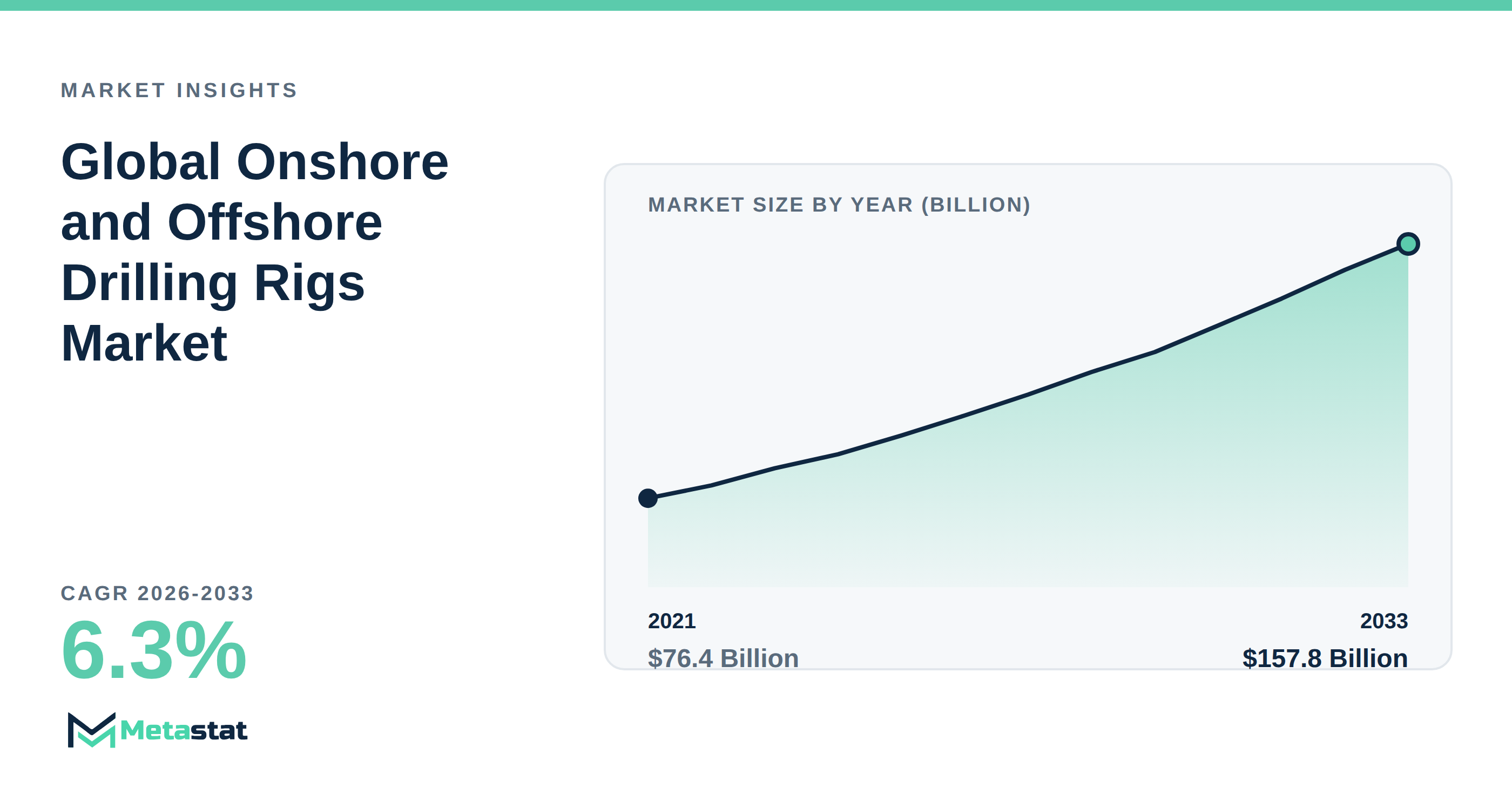
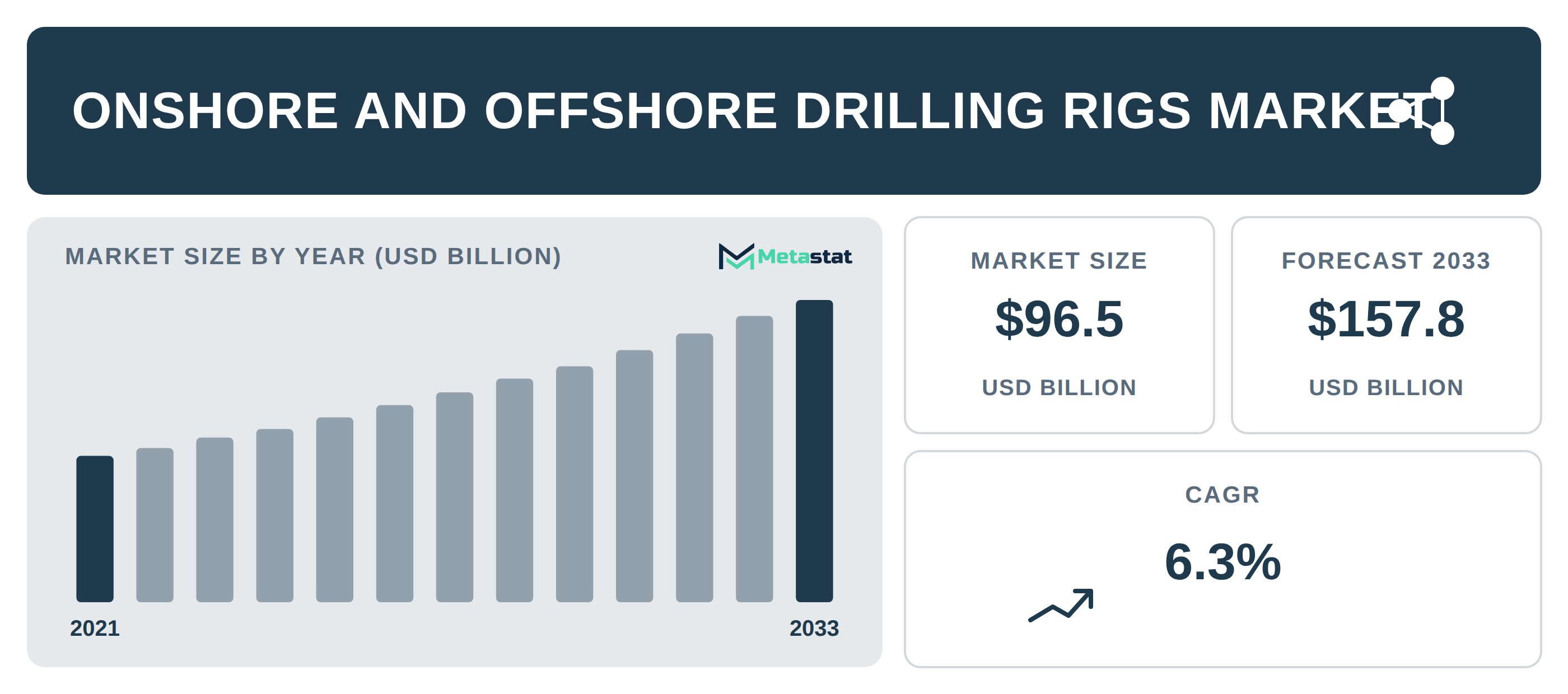
The landscape for Onshore and Offshore Drilling Rigs is evolving, driven by technological innovations and shifting energy demands. Buyers and operators are navigating a complex environment shaped by various trends that significantly influence their operational strategies. Understanding these trends is crucial for stakeholders aiming to stay competitive. The full figures are in our Onshore and Offshore Drilling Rigs market size and forecast report.
1. Technological Advancements Enhance Efficiency
Innovations in drilling technology are central to enhancing operational efficiency in the Onshore and Offshore Drilling Rigs sector. The incorporation of real-time data analytics and automation enables operators to optimize resource extraction and reduce downtime. For example, the embrace of automated systems contributes to significant operational improvements, particularly in offshore settings, with growth rates projected around 6.9%. Consequently, buyers emphasize these advancements for their potential to boost productivity and lower operational expenses, leading to improved return on investment.
2. Rise of High-Specification Rigs
The demand for high-specification rigs is reshaping the competitive dynamics within deepwater drilling operations. These advanced rigs, adept at navigating challenging offshore environments, are forecasted to draw substantial investments, estimated at USD 54.4 billion by 2033. Their sophisticated capabilities facilitate efficient exploration of previously unreachable resources. Buyers are increasingly motivated to invest in these rigs to enhance resource extraction while ensuring compliance with environmental standards, reinforcing their significance in meeting the escalating demand for energy.
3. Transition to Hybrid Power Systems
A notable shift towards hybrid and dual-fuel power systems is underway, reflecting an increased focus on sustainable practices. This segment is projected to reach USD 37.2 billion by 2033, driven by operators aiming to boost energy efficiency while minimizing emissions. The adoption of hybrid systems aligns with global efforts to transition to cleaner energy solutions, positioning them as an attractive option for buyers striving to meet environmental regulations and reduce operational costs.
4. Increased Demand for Automated Land Rigs
The integration of automated land rigs plays a pivotal role in optimizing multi-well pad drilling economics. With projected growth from USD 68.8 billion in 2026 to USD 103.2 billion by 2033, there is clear evidence of a rising inclination among operators prioritizing cost efficiency and enhanced productivity. Contracts are increasingly incorporating performance-based pricing models that motivate operational excellence. This trend enables buyers to negotiate agreements that align the interests of both operators and service providers, leading to improved project outcomes.
5. Focus on Sustainable Practices
The industry is placing greater emphasis on sustainable drilling practices in response to environmental concerns and regulatory demands. Companies are upgrading their jack-up fleets and investing in modern technologies to enhance operational efficiency while adhering to environmental standards. The anticipated growth of the jack-up rig segment to USD 21.5 billion by 2033 highlights the industry’s shift toward employing advanced equipment for better performance. Buyers are increasingly interested in investments that not only yield operational advantages but align with broader sustainability goals.
6. Regional Dynamics Impacting Demand
Different regions are exhibiting varied trends that influence the demand for Onshore and Offshore Drilling Rigs. North America, with a significant share, benefits from robust investment in both onshore and offshore capabilities, driven by regulatory frameworks that support energy independence. In contrast, Asia Pacific exhibits substantial growth potential due to rising energy consumption and exploration activities. Buyers in these regions are adjusting their strategies to align with local regulations and market conditions, ensuring they are well-positioned to leverage emerging opportunities.
In summary, these trends shape the evolving dynamics of the Onshore and Offshore Drilling Rigs sector. By grasping these influences, buyers and operators strategically position themselves to seize emerging opportunities while adeptly navigating the challenges that lie ahead.
Tags
About the Authors

LEAD ANALYST
Utkarsh Khirodkar is a Lead Market Research Analyst at MetaStat Insight, specializing in market intelligence, technology sector assessments, and competitive strategy.

PRINCIPAL CONSULTANT - ENTERPRISE AI & EMERGING TECHNOLOGIES
Banking & Finance · Electronics and Semiconductor · Energy and Power · Healthcare IT · Information & Technology · Professional Services
Vijay Gunti is a Principal Consultant at MetaStat Insight, bringing over two decades of experience across enterprise digital transformation, technology strategy, and intelligent systems.

ENERGY & INFRASTRUCTURE INDUSTRY CONSULTANT
Automotive and Transportation · Electronics and Semiconductor · Energy and Power · Machinery & Equipment
Saurabh Vasant Ganvir consults for Energy & Infrastructure Industry at MetaStat Insight, specializing in renewable energy, solar EPC, and electric vehicle (EV) infrastructure markets.