
Discover essential questions to ask suppliers of Applied AI Services to ensure security, integration, and continuous improvement in your organization.
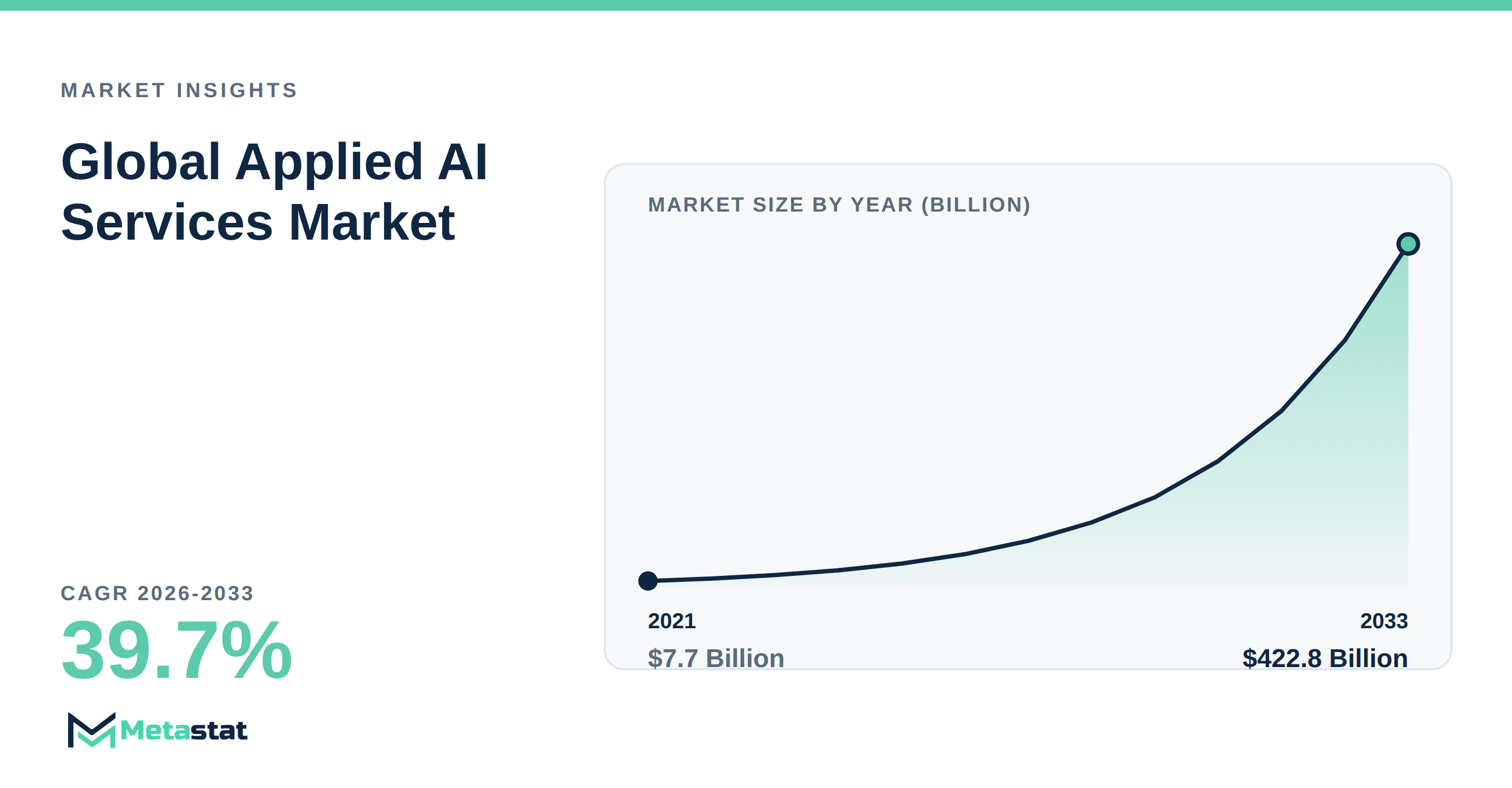
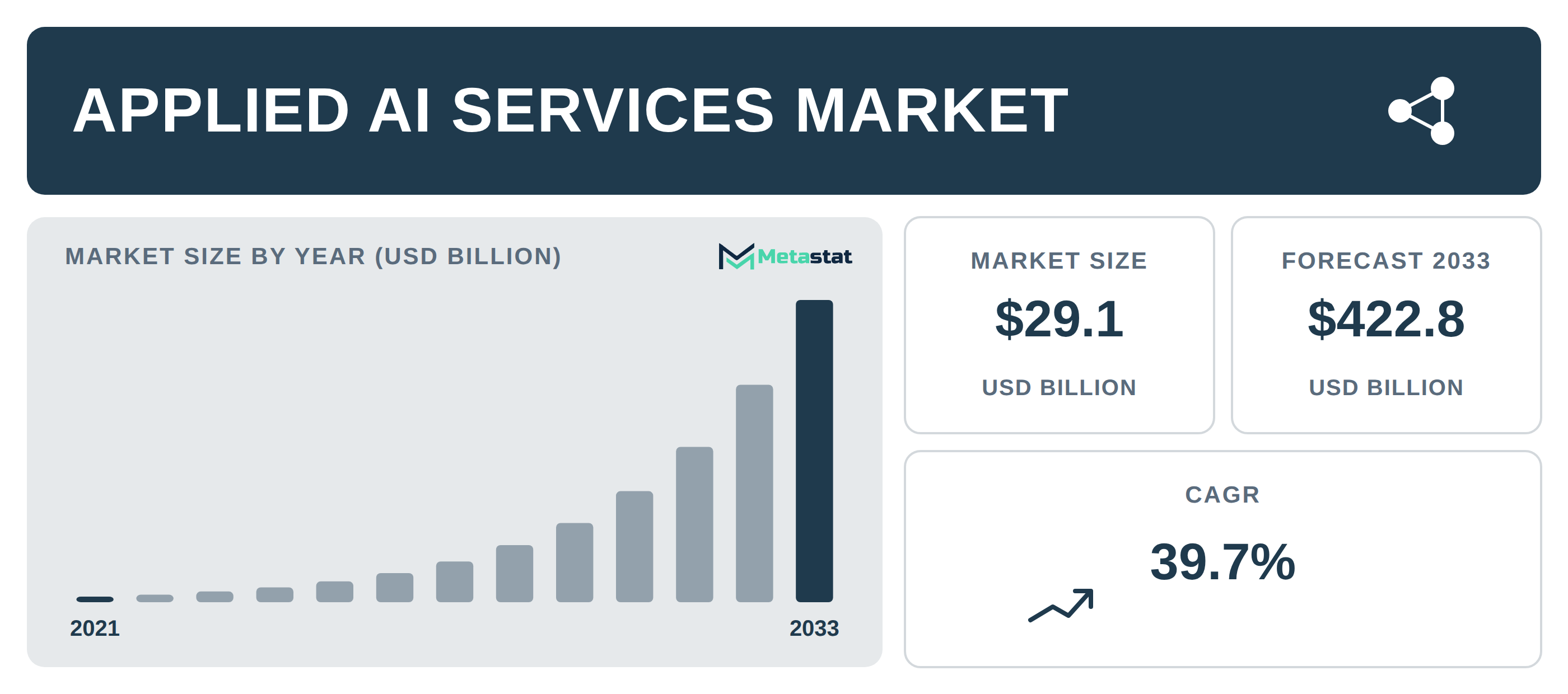
The rapid evolution of technology in the field of artificial intelligence (AI) presents exciting opportunities for organizations seeking competitive advantages through improved efficiency and decision-making. For buyers of Applied AI Services, knowing the right questions to ask suppliers makes a significant difference in achieving optimal results. Explore the key inquiries that shape effective partnerships and enhance outcomes. The full figures are in our Applied AI Services market size and forecast report.
1. How will you ensure data security and compliance?
With increasing cybersecurity threats, organizations prioritize data protection in their AI solutions. Asking suppliers about their security protocols and compliance measures is essential. Effective security practices, including data encryption and access controls, can mitigate risks associated with data breaches. This consideration is especially important in sectors like banking and healthcare, where confidentiality is crucial. Suppliers that emphasize robust security measures help establish trust and facilitate adherence to regulatory frameworks, ultimately enhancing the overall value of the AI services.
2. What is your approach to AI solution design and integration?
Understanding a supplier's approach to AI solution design and integration is vital. Organizations increasingly seek tailored solutions that address specific operational challenges. Inquire about the methodology and frameworks the supplier employs to create integrated AI solutions that fit within existing systems. A strong integration strategy not only streamlines workflows but enhances decision-making processes. Suppliers with a well-defined approach to customization demonstrate their capability to meet the unique needs of various industries, contributing to long-term operational efficiency.
3. How do you support organizations in scaling AI technologies?
The ability to effectively scale AI solutions is crucial for sustained organizational growth. Buyers should ask suppliers about their strategies for facilitating the scaling of AI technologies. This includes discussing their support for cloud-native deployments and subscription models that provide flexibility and cost-effectiveness. As organizations transition to cloud environments, understanding how suppliers assist in scaling AI services significantly impacts operational efficiency and adaptability to market demands.
4. What is your expertise in industry-specific applications of AI?
Different industries have unique challenges and requirements, making it important to understand a supplier's expertise in specific applications of AI. Engaging suppliers with proven experience in a buyer's particular sector enhances the likelihood of successful implementation. Inquiring about their success stories and case studies provides insights into how they have addressed challenges in similar contexts. This industry-centric focus leads to more effective solutions tailored to the specific needs of the sector.
5. How do you ensure continuous improvement and innovation?
With AI technology continually evolving, ongoing improvement and innovation are vital for long-term success. Buyers should question suppliers about their commitment to updating and enhancing services as technology advances. Understanding their processes for integrating new functionalities and maintaining competitiveness provides buyers with confidence in their investment. Suppliers that prioritize continuous improvement better support organizations in navigating the changing landscape of AI.
6. What are your pricing models and how do they align with scaling?
Pricing structures play a significant role in buyers' decision-making processes. Understanding the pricing models offered by suppliers clarifies their flexibility and willingness to accommodate organizations' diverse needs. Inquire about subscription models, tiered pricing based on usage, and any additional costs associated with scaling AI solutions. Transparent pricing strategies that align with scaling efforts help organizations maintain budgeting predictability and encourage more extensive experimentation with AI technologies.
7. How do you facilitate the integration of generative AI into existing systems?
Integrating generative AI technologies into existing frameworks presents a unique challenge. Buyers should ask suppliers about their experience with generative AI implementation. Understanding the processes for aligning these advanced capabilities with current systems is vital. Suppliers that demonstrate expertise in this area significantlies enhance operational efficiency and introduce innovative solutions that cater to evolving market demands. This specialization is essential for organizations looking to leverage the full potential of generative AI.
These crucial questions equip organizations with the insights necessary to select the right suppliers for Applied AI Services. Focusing on security, integration strategies, scalability, industry expertise, continuous improvement, pricing, and specialization in generative AI will enhance the effectiveness of solutions and drive operational efficiencies.
Tags
About the Authors

LEAD ANALYST
Utkarsh Khirodkar is a Lead Market Research Analyst at MetaStat Insight, specializing in market intelligence, technology sector assessments, and competitive strategy.

PRINCIPAL CONSULTANT - ENTERPRISE AI & EMERGING TECHNOLOGIES
Banking & Finance · Electronics and Semiconductor · Energy and Power · Healthcare IT · Information & Technology · Professional Services
Vijay Gunti is a Principal Consultant at MetaStat Insight, bringing over two decades of experience across enterprise digital transformation, technology strategy, and intelligent systems.

LEAD CONSULTANT - COMMUNICATION, TELECOM, AND IT
Electronics and Semiconductor · Information & Technology · Machinery & Equipment · Professional Services
Ravindra Sathe Consultants for Communication, Telecom, and IT at MetaStat Insight. He leads the firm's industry research initiatives across telecommunications infrastructure, digital connectivity, enterprise networking, and emerging information technology domains.