
Explore key insights on the Animal Feed Additives market, focusing on consumer-driven trends and the shift towards natural solutions that enhance livestock health.
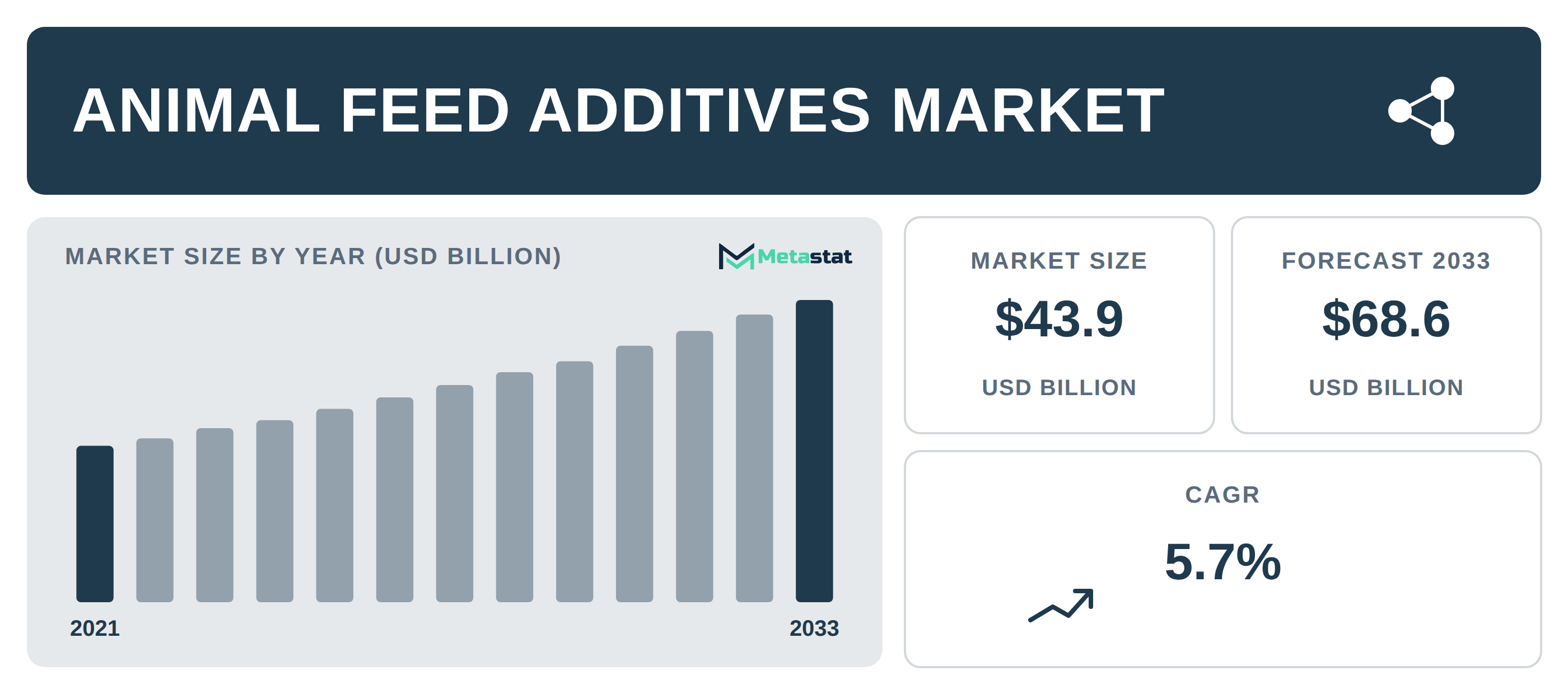
The growing emphasis on sustainable practices in agriculture significantly shapes the market for Animal Feed Additives. A common misconception is that the demand is solely driven by rising livestock production. While this factor plays a critical role, it overlooks other vital aspects influencing purchasing decisions. The full figures are in our Animal Feed Additives market size and forecast report.
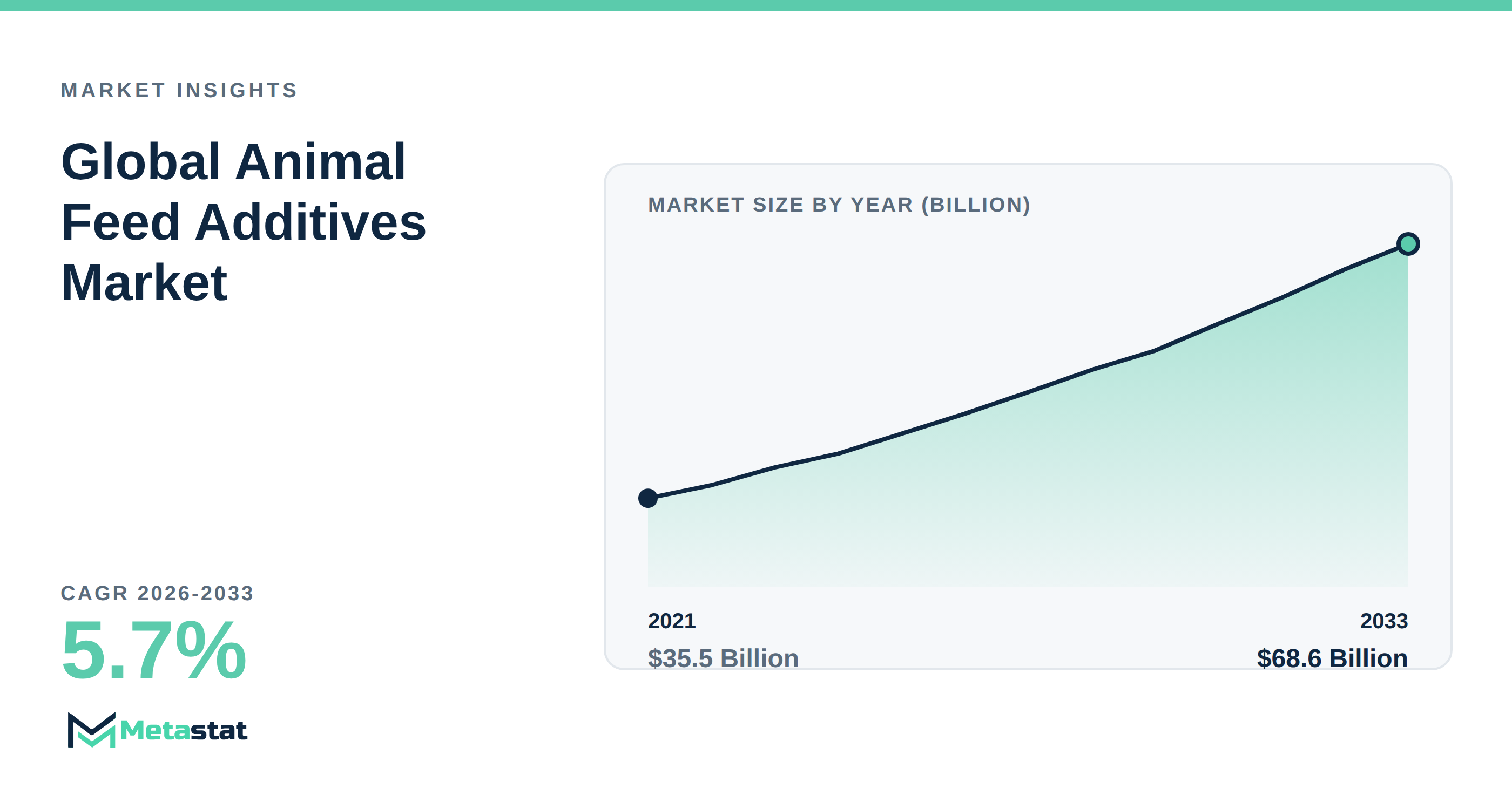
Many assume that the primary reason buyers invest in Animal Feed Additives relates strictly to enhancing livestock productivity. However, improving feed efficiency and overall health is essential, and current trends indicate a shifting focus towards consumer preferences for healthier and safer animal products. Buyers are increasingly motivated to meet these evolving consumer demands, which prioritize quality over sheer volume.
This shift toward premium animal products compels producers to seek innovative additives that not only improve growth rates but ensure animal welfare. Additives including amino acids and probiotics are gaining traction due to their perceived benefits in optimizing nutrient absorption and promoting gut health. The movement towards ethical and sustainable farming practices strongly influences this trend, enabling buyers to respond effectively to consumer expectations.
In the market for Animal Feed Additives, there is a significant change towards natural and organic options. Stricter regulations on antibiotic use in livestock and increasing awareness of health implications have prompted a rise in the use of natural ingredients. Producers prioritize these alternatives, moving away from synthetic additives that once dominated the market. This transition caters to the growing consumer preference for natural products while adapting to evolving regulatory landscapes.
While these natural additives gain popularity, producers experience additional advantages, leading to improved profitability through cost-effective solutions. The integration of natural feed additives reduces reliance on antibiotics, which not only lowers costs but enhances the overall sustainability of livestock operations. This approach enables farmers to comply with stringent regulations, positioning them favorably in a competitive landscape.
Technological advancements play a crucial role in reshaping the market dynamics for Animal Feed Additives. Innovations in production processes and formulations facilitate the development of tailored nutritional solutions that address specific livestock needs. These enhancements improve the efficacy of animal feed, ensuring that producers meet both performance targets and regulatory standards while maximizing profitability.
Rising costs of raw materials, including synthetic additives, exert additional pressure on livestock producers. Fluctuating prices constrain operational budgets, prompting producers to seek more cost-effective alternatives. As market dynamics shift, companies focusing on improving the efficiency of their product formulations stand to thrive despite these challenges. By aligning strategies with consumer preferences and regulatory demands, they maintain a competitive edge in the market.
Understanding the complexities and drivers of the market for Animal Feed Additives extends beyond merely recognizing rising livestock production. The interaction between consumer preferences, regulatory changes, and technological advancements significantly influences purchasing decisions. As producers navigate this evolving landscape, integrating innovative and sustainable solutions will prove essential for meeting the demands of a more conscious consumer base.
Tags
About the Author

LEAD ANALYST
Utkarsh Khirodkar is a Lead Market Research Analyst at MetaStat Insight, specializing in market intelligence, technology sector assessments, and competitive strategy.