
LEAD ANALYST
Utkarsh Khirodkar is a Lead Market Research Analyst at MetaStat Insight, specializing in market intelligence, technology sector assessments, and competitive strategy.

Global Chafing Fuel Market Size, Share, By Fuel Type (Gel Fuel, Liquid Fuel, Solid Fuel), By Chemical Composition (Methanol-based, Ethanol-based, Diethylene Glycol-based, Specialty/eco-blends), By End User (Hospitality Industry (Hotels, Restaurants, Catering), Event Management Companies, and Households & Individual Consumers), Industry Analysis, Growth, Trends, and Forecast, 2026-2033
Report ID
MSI-5740
Published
November, 2026
Pages
280 Pages
Format
Historical
Base year
Forecast
Forecast period
Report Details
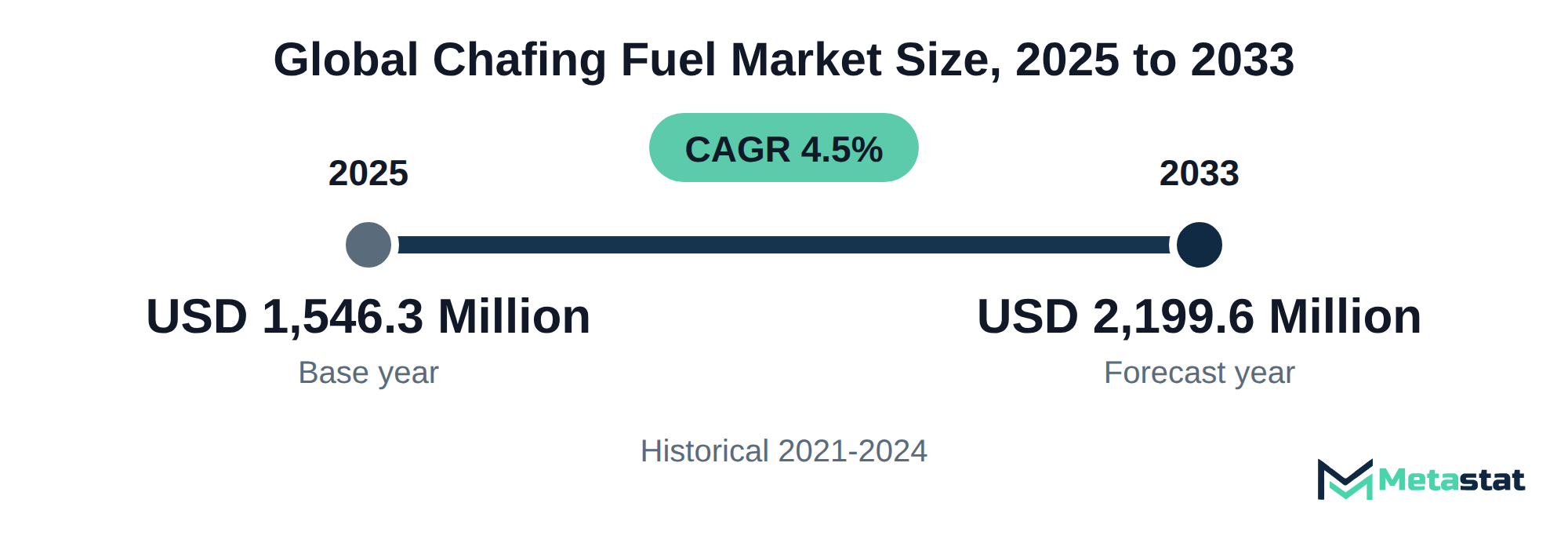
Market Valuation: Valued at $1,546.3 Million in 2025, projected to reach $2,199.6 Million by 2033 at a 4.5% CAGR.
Dominant Segment: The hospitality industry leads the chafing fuel market, driven by increasing demand for efficient food warming solutions in hotels and restaurants. This segment is projected to grow significantly, reflecting the rising consumer interest in catering services.
Geographic Lead: North America holds a substantial market share of 28.8% in 2025, with the US expected to lead in 2026 due to a robust hospitality sector and a favorable regulatory environment.
What's Inside: The report provides a comprehensive analysis of the chafing fuel market, including competitive coverage, market segmentation by fuel type and chemical composition, and detailed forecasts through 2033.
Market Opportunity in Ethanol-based Fuel: The ethanol-based segment is one of the fastest-growing areas, projected to achieve a CAGR of 5% through 2033, driven by a shift towards sustainable and eco-friendly products in the hospitality industry.
Increased Efficiency through Product Inn: Innovations in chafing fuel formulations are enhancing performance and reducing costs, attracting buyers from the hospitality sector seeking reliable and efficient heating solutions.
Choose Your License
Global Chafing Fuel Market
The global Chafing Fuel market was valued at USD 1,546.3 million in 2025 and is projected to reach USD 2,199.6 million by 2033, growing at a CAGR of 4.5% over the forecast period.
The Chafing Fuel market encompasses a variety of fuel types and chemical compositions used primarily for food warming and cooking in hospitality settings and events. Buyers invest in these fuels due to the need for effective, portable heating solutions that enhance service quality in catering, restaurants, and outdoor events. Diverse applications across the hospitality and event management sectors drive significant spending on these products.
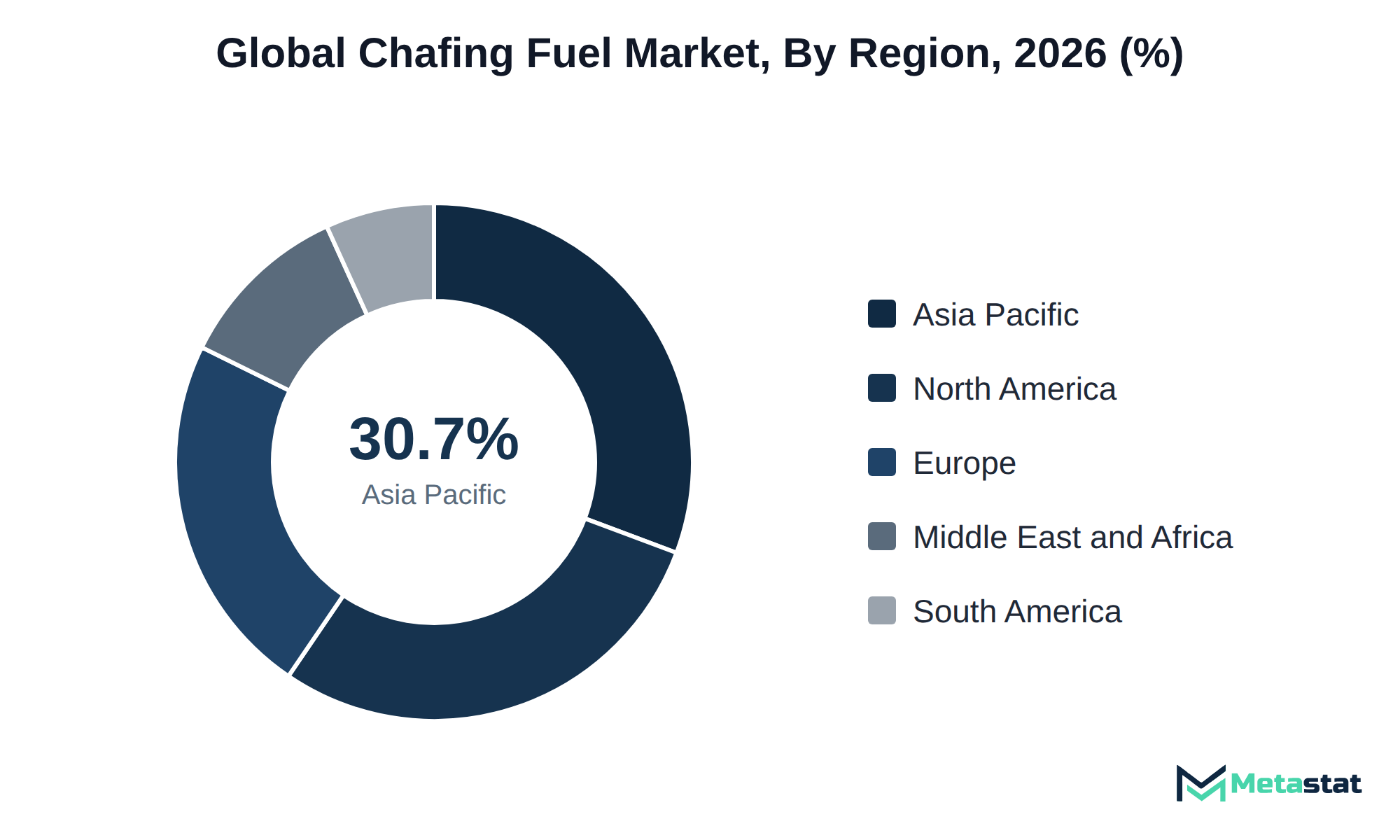
Growth in the market is propelled by increasing demand from the hospitality industry, particularly hotels and restaurants, which represent the segment with the highest value. North America holds 28.8% of the market in 2025, with the US leading in 2026. The Asia Pacific region follows closely, capturing 30.7% of the market share, reflecting a growing trend in outdoor dining and event hosting in emerging economies.
Among fuel types in the chafing fuel market, gel fuel stands out for its efficiency and versatility. Gel fuel is projected to expand at a compound annual growth rate of 4.9% through 2033. This growth aligns with the increasing preference for clean-burning, safe, and easy-to-use fuel options in both commercial and residential applications.
The Chafing Fuel market supports various industries, particularly in catering and hospitality, where consistent food warming and cooking solutions are essential. Buyers choose these fuels for reliable, efficient heating that improves service quality and customer satisfaction. Applications span hotels, restaurants, and event management.
Growth in the market is influenced by rising demand for outdoor catering and event services. Ethanol-based fuel stands out as the segment with the most value, driven by its widespread adoption among hospitality providers seeking effective and sustainable heating options. This region's significant share reflects its robust hospitality sector, where chafing fuel contributes to operational efficiency.
Investment in advanced fuel technologies and eco-friendly options continues to shape the market landscape. The increasing emphasis on sustainability and safety standards influences suppliers to innovate, responding to evolving consumer preferences. This focus on innovation meets regulatory requirements and strengthens competitiveness, which ultimately drives the Chafing Fuel market's growth.
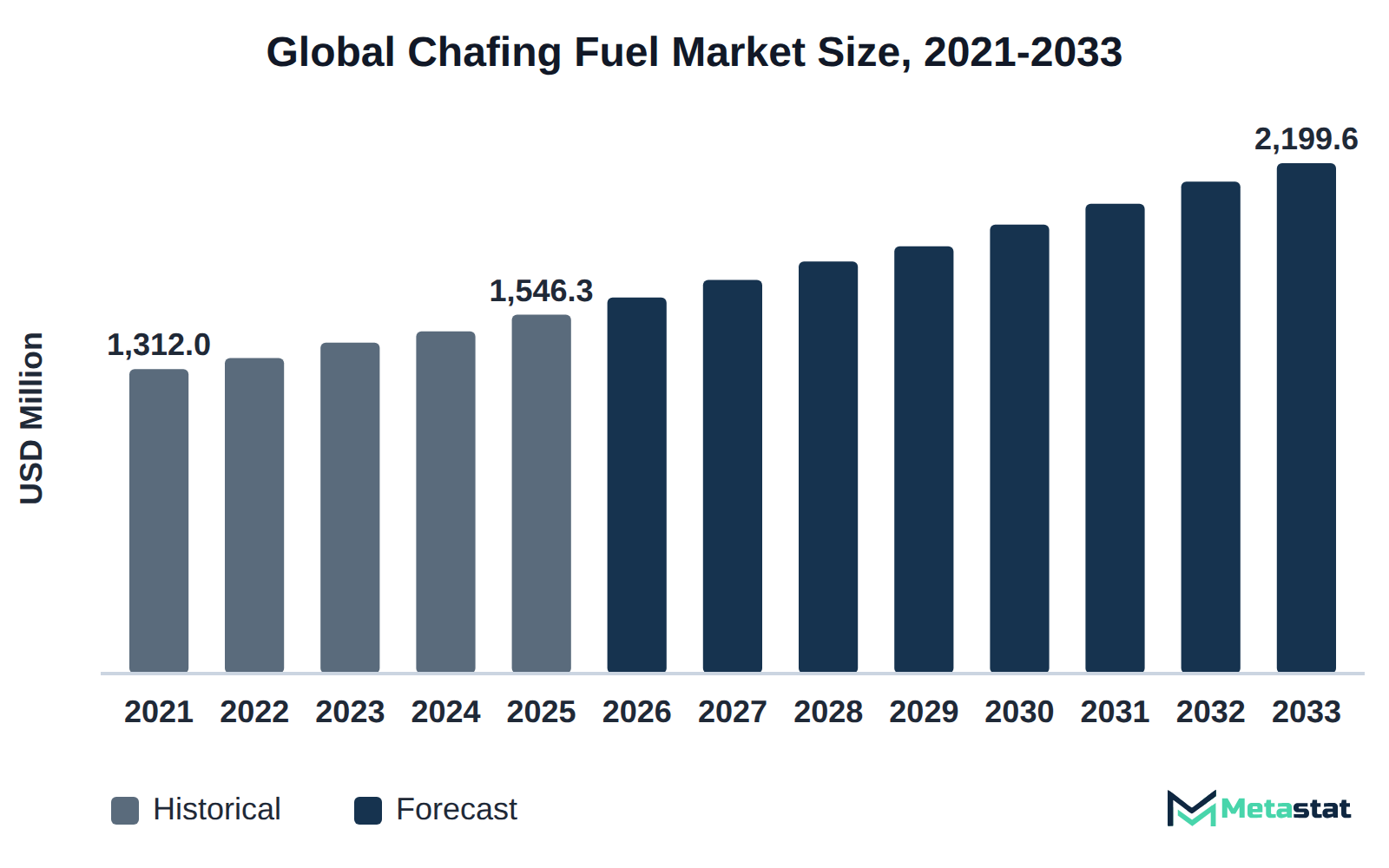
Gel chafing fuel outperforms wick chafing fuel in key metrics like heat output, burn time, and cost per service. Gel fuel delivers a higher and more consistent heat output, enhancing its appeal for various applications, particularly in the hospitality industry. By 2033, gel fuel is projected to reach a value of USD 1,420.7 million, reflecting growing adoption among consumers seeking efficient and reliable heating solutions.
In terms of burn time, gel fuel typically lasts longer than wick alternatives, offering a more economical choice for event management companies and catering services. The extended burn time ensures that food remains warm for longer periods, reducing the frequency of refueling during events. This efficiency lowers operational costs, which matters for businesses aiming to maximize profitability in a competitive sector.
The cost per service for gel chafing fuel is significantly lower compared to wick options. This reduction in service costs stems from higher efficiency and longer burn duration, allowing users to save on both fuel expenses and labor associated with frequent refueling. The preference for gel fuel points to a shift towards more efficient heating solutions that fit the operational needs of the hospitality sector.
Bulk purchases of chafing fuel represent a significant aspect of procurement strategies in the hospitality sector, specifically among hotels, banquet halls, and catering services. The average pricing for bulk orders greatly influences total operational costs. This growth indicates increased demand among these buyers.
Contract models within this segment often revolve around volume commitments, providing discounts based on the quantity purchased. Companies like Diamond Line and Hotpack Global actively engage with these buyers to establish long-term relationships, ensuring a reliable supply of chafing fuel while optimizing pricing structures. The hospitality industry, which accounts for a substantial portion of the market, typically seeks to streamline procurement processes to reduce costs associated with purchasing and inventory management.
Buyers prioritize efficiency and cost-effectiveness, and the ability to negotiate favorable contracts becomes increasingly important. This focus on strategic purchasing helps control operational expenses and impacts service delivery, allowing hotels and caterers to maintain high standards while managing budget constraints in the competitive chafing fuel market.
Spill-resistant containers and resealable packaging have become essential features in the design of chafing fuel products, driven by the growing demand for safety and convenience in various applications. The hospitality industry, a significant buyer group, prioritizes these features to prevent accidents and improve user experience. In 2026, the hospitality industry is projected to generate USD 1,163 million in revenue from chafing fuel, showing how much the market relies on this buyer group.
The integration of spill-resistant designs enhances operational efficiency by reducing the risk of fuel spills during transportation and storage. These innovations contribute to safer working environments and decrease cleanup costs in restaurants and catering services. Resealable packaging supports sustainable packaging initiatives by allowing users to reuse containers, minimizing waste generated from single-use packaging. Sustainability is increasingly important, and buyers in the chafing fuel market seek products that align with their environmental goals.
Spill-resistant containers and resealable packaging meet the specific needs of the hospitality industry and strengthen brand loyalty among consumers. Companies that invest in these design improvements achieve enhanced customer satisfaction and a competitive edge in the market.
Caterers selecting chafing fuel for indoor buffet service should prioritize options that provide optimal performance and safety. Among the available fuel types, gel fuel stands out for its efficiency and safety features. By 2033, gel fuel is projected to reach USD 1,420.7 million, demonstrating a compound annual growth rate of 4.9%. This growing demand reflects its advantages, including lower risk of spillage and easier handling compared to liquid fuel options.
Caterers consider the specific needs of their events when choosing chemical compositions. Ethanol-based chafing fuel, for instance, is expected to achieve a value of USD 1,256.2 million by 2033, with a compound annual growth rate of 5%. The efficiency of ethanol-based products, combined with their environmental benefits, positions them as a strong option for eco-conscious caterers. Prioritizing these factors enhances client satisfaction while maintaining operational efficiency, impacting overall profitability in the competitive chafing fuel market.
The hospitality industry experiences a significant increase in demand for catering services, driven by growing consumer interest in events and gatherings. Hotels, restaurants, and catering companies invest in efficient food warming solutions to meet the rising expectations of quality service. This shift in consumer behavior results in increased volume purchases of chafing fuel, with the segment projected to grow from USD 1,163 million in 2026 to USD 1,560.9 million by 2033. The heightened demand in the hospitality sector contributes to market expansion, reflecting a broader trend of rising event-related activities and the need for reliable food warming solutions. This uptick in purchases indicates a robust market trajectory, with suppliers adapting to meet the evolving needs of their clients.
Innovations in chafing fuel formulations enhance performance and reduce costs for suppliers. Advances in chemical compositions, including the development of methanol-based and ethanol-based fuels, improve burn efficiency and safety profiles, attracting buyers from the hospitality sector. These innovations lead to longer burn times and lower emissions, making the products more appealing in competitive markets. Event management companies increasingly seek reliable and efficient solutions for outdoor and indoor settings, propelling demand within the chafing fuel market.
Technological improvements in packaging and dispensing options further streamline operations for end-users. For instance, redesigned containers minimize spillage, reducing waste and ensuring safety during transport and usage. These enhancements improve customer satisfaction while optimizing costs across supply chains. Suppliers that embrace these innovations secure a stronger foothold within the market, enabling them to capitalize on emerging opportunities and address consumer preferences effectively.
Increasing prices of raw materials significantly impact the affordability of chafing fuel, particularly affecting the hospitality industry that relies on these products for catering services. Operators face tighter budgets, leading to reduced purchase volumes and delayed replacements of chafing fuel products. Such financial constraints result in slower adoption rates among event management companies, which are critical users in the market. Rising costs drive these companies to explore alternative fuel options or smaller packaging sizes to mitigate expenses. Households and individual consumers experience budgetary pressures, leading to cautious spending on chafing fuel for personal events. These rising costs create a barrier to entry for new players and limit growth opportunities, which affects long-term demand and investment in innovative solutions.
Rising input costs challenge suppliers within the market, significantly impacting profit margins. Fluctuating prices of raw materials, including chemical components used in chafing fuel production, contribute to this challenge. Suppliers face increased expenses in sourcing materials, prompting a reassessment of their pricing strategies. Many suppliers respond by optimizing production processes and exploring alternative materials that offer cost savings without compromising quality. This shift aims to maintain competitiveness while addressing the financial constraints imposed by rising material costs. The focus on efficiency and cost reduction strategies is essential for suppliers striving to remain viable in the chafing fuel market.
The ethanol-based segment represents one of the fastest-growing areas within the market, reflecting a compound annual growth rate (CAGR) of 5% through 2033. This growth results from shifts toward more sustainable chemical compositions, driven by consumers and businesses increasingly valuing environmentally friendly products. The hospitality industry, in particular, displays strong demand for ethanol-based chafing fuel, driven by a focus on reducing environmental impact while maintaining high-quality performance. Businesses seek reliable heating solutions, and the appeal of ethanol-based options continues to rise, positioning this segment for robust revenue growth. The market is expected to experience significant advancements in product offerings that align with sustainability trends and cater to the evolving preferences of buyers. The projected value of the ethanol-based segment is USD 1,256.2 million by 2033, pointing to its potential to capture a larger share of the overall chafing fuel market.
The Global Chafing Fuel market is segmented based on Fuel Type, Chemical Composition, and End User.
Commonly used in the hospitality industry, Gel Fuel serves to maintain food warmth during events and catering services. The demand largely stems from event management companies and restaurants, which require reliable heating solutions to ensure food safety and customer satisfaction. Increasing preference for convenience and safety in food warming solutions drives this segment. Gel Fuel distinguishes itself from Liquid and Solid Fuel segments due to its higher growth rate and usage in applications where clean burning and spill resistance are critical. By 2033, the Gel Fuel segment is expected to maintain a significant market share, reflecting its importance in catering operations and the broader Chafing Fuel market.
Liquid Fuel is estimated to reach USD 585.8 million by 2033, at a CAGR of 3.9% during the forecast period. This type of chafing fuel primarily serves the hospitality industry, where reliable heating solutions are essential for food preparation and service. The growing demand for catering services, driven by events and gatherings, fuels the need for Liquid Fuel. This segment distinguishes itself from Gel and Solid Fuel due to its specific application in various catering settings and a relatively lower price point. Liquid Fuel's adoption benefits from its convenience and effectiveness in maintaining consistent heat, appealing to event management companies and restaurants alike. While the market experiences slight growth compared to Gel Fuel, which has a CAGR of 4.9%, Liquid Fuel remains an integral option for many food service applications.
Solid Fuel segment is expected to reach USD 193.1 million by 2033. Solid fuel primarily serves outdoor catering events and camping, providing a reliable heating option where traditional electric or gas sources are unavailable. This segment attracts customers from the catering industry, household consumers, and event organizers seeking portable solutions for food warming. Demand in this segment is supported by increasing outdoor events and consumer preference for convenient heating options. The growth of Solid Fuel occurs at a slower pace compared to Gel Fuel, which shows a CAGR of 4.9 percent, while Solid Fuel does not have a specified CAGR. Solid Fuel typically presents a lower price point, attracting budget-conscious buyers, differentiating it from its counterparts that offer enhanced features or performance. These dynamics shape the segment's role within the broader market.
Methanol-based segment is valued at USD 552.9 million in 2026 and is projected to reach USD 712.2 million by 2033, at a CAGR of 3.7% during the forecast period. This segment finds application primarily in the hospitality sector, providing efficient energy solutions for food warming and cooking. Demand is driven by the need for efficient and reliable fuel sources in hotels and catering services, where maintaining food temperature is crucial. Compared to other segments, including ethanol-based fuels, the methanol-based segment experiences slower growth; however, its pricing remains competitive. The stable performance of methanol-based fuels contrasts with the rapid expansion of specialty eco-blends, which achieve a CAGR of 6.7%. This differentiation reflects varying buyer preferences and market dynamics influencing the adoption of different fuel types in the Chafing Fuel market.
Ethanol-based segment is estimated to reach USD 1,256.2 million by 2033, at a CAGR of 5% during the forecast period. This segment primarily finds application in the hospitality industry, catering to hotels, restaurants, and event management companies requiring effective and efficient food warming solutions. The growing trend towards eco-friendly products significantly drives demand for ethanol-based options, appealing to consumers concerned about environmental sustainability. Ethanol-based fuels typically command higher prices compared to other types, including methanol-based fuels, which impacts purchasing decisions. The higher growth rate of this segment differs from that of liquid fuel, which exhibits a CAGR of 3.9%, indicating a strong preference for ethanol-based formulations amid increasing awareness regarding the benefits of using renewable resources such as bioethanol.
Diethylene Glycol-based fuels are expected to reach USD 134 million by 2033. This segment primarily serves the hospitality industry, event management companies, and households, providing a viable option for food warming solutions. The segment's growth is influenced by increasing demand for eco-friendly alternatives, with buyers seeking formulations that minimize environmental impact. Compared to other sub-segments, Diethylene Glycol-based fuels experience slower growth, evidenced by their anticipated CAGR of 0% through 2033. This contrasts with Ethanol-based fuels, which exhibit a CAGR of 5%. The pricing of Diethylene Glycol-based fuels is higher than Solid Fuels but remains competitive against Gel Fuels, which are gaining popularity due to their efficiency and user-friendliness. Market dynamics reflect a shift towards more sustainable options, leading to changing preferences among consumers and businesses alike.
Specialty/eco-blends are projected to grow at a CAGR of 6.7% during the forecast period. These blends cater to environmentally conscious consumers and businesses seeking sustainable options for their chafing fuel needs. The hospitality industry, particularly hotels and event catering services, increasingly favors these eco-friendly solutions to enhance their green credentials. Demand for sustainable products drives this segment's growth, supported by regulatory pressures favoring greener alternatives. Compared to other chemical compositions, specialty/eco-blends often command higher prices due to their premium formulation and perceived value. This segment offers a distinct competitive advantage, appealing to consumers prioritizing sustainability and environmental impact. Market trends indicate a steady shift towards these eco-conscious products, highlighting their potential to reshape purchasing behaviors in the chafing fuel market.
This segment serves the hospitality industry, including hotels, restaurants, and catering services, which rely on chafing fuel for efficient food warming and presentation during events. The growing consumer interest in hosting gatherings drives demand for catering services, supporting revenue growth in this segment. Compared to other segments, the hospitality industry's reliance on catering leads to higher demand, distinguishing it with a stronger growth trajectory. While the segment experiences growth, challenges including rising raw material costs impact pricing strategies. Suppliers focus on maintaining competitive pricing while ensuring product availability to meet the evolving needs of the hospitality sector. The segment balances growth opportunities against operational challenges.
Event Management Companies segment is estimated to reach USD 421.7 million by 2033, at a CAGR of 5.3% during the forecast period. This segment caters to the needs of businesses organizing events, providing essential services including catering and event logistics. The growing trend of hosting various events, including corporate functions and social gatherings, fuels demand within this segment. A significant driver for growth involves the increasing consumer preference for professionally managed events, which relies on effective catering solutions. Compared to other segments, this one exhibits a faster growth rate, reflecting higher demand for convenience and quality among buyers. This segment's dynamism contrasts with the slower growth rates observed in segments targeting households or individual consumers, reinforcing its position in the broader market.
The Households & Individual Consumers segment is expected to reach USD 217.1 million by 2033. This segment serves individuals and families who use chafing fuel for various personal events, including gatherings, barbecues, and outdoor activities. Personal gatherings of this kind also link the segment to the wider party supplies industry. Growing interest in home-based catering drives demand for convenient and efficient heating solutions. Compared to the hospitality industry, which focuses on large-scale operations, this segment experiences slower growth, supported by an increase in consumer events. The average consumer seeks affordability and reliability, distinguishing this group from commercial buyers who prioritize larger quantities and bulk pricing. The market for households emphasizes eco-friendly options, leading to a gradual shift toward more sustainable products, reflecting changing consumer preferences.
Based on geography, the Global Chafing Fuel market is divided into North America, Europe, Asia-Pacific, South America, Middle East, and Africa.
The North American market demonstrates significant demand driven by the hospitality industry, which heavily relies on chafing fuel for catering services. This sector is poised for growth due to several social and corporate events requiring efficient food warming solutions. Infrastructure development and a favorable regulatory environment support market expansion within the region. North America holds a significant share of the global market, reflecting its importance in the chafing fuel market. By the end of 2033, the market in this region is projected to reach USD 585.5 million, driven by trends in the hospitality sector and rising demand among event management companies.
In Europe, demand for chafing fuel stems primarily from the hospitality industry, encompassing hotels, restaurants, and catering services. This sector requires efficient and reliable fuel sources to meet the demands of food service and events. In 2025, Europe holds a 22.8% share of the global market, indicating a significant presence in the chafing fuel landscape. Countries including Germany, France, and the UK contribute to this demand through their robust event management and culinary sectors. The development of eco-friendly fuel alternatives further influences market trends, aligning with growing environmental awareness among consumers and businesses. This shift toward sustainable practices is expected to enhance the competitiveness of locally produced fuels while appealing to a broader audience. The market's growth trajectory is projected to remain promising through 2033, driven by evolving consumer preferences and the ongoing expansion of the hospitality sector.
Asia-Pacific holds a significant position in the chafing fuel market, accounting for 30.7% of the global share in 2025. The hospitality industry, including hotels, restaurants, and catering services, drives demand in this region, given its reliance on efficient and portable heating solutions for food service. Countries including China, Japan, and India demonstrate a growing appetite for advanced fuel options, influenced by rising consumer expectations and increasing food service activities. Regulatory frameworks focusing on eco-friendly solutions further enhance the adoption of specialty and eco-blend fuels. The market is expected to see substantial growth due to the region's ongoing development of its event management sector, which has notable demand for portable heating solutions.
The South American market accounts for 6.8% of the global share in 2025, with Brazil and Argentina emerging as key players in the chafing fuel sector. The hospitality industry, which includes hotels, restaurants, and catering services, drives demand due to its reliance on effective and efficient fuel sources for catering operations. Event management companies contribute to market growth by adopting chafing fuel solutions for outdoor and large-scale events. Factors including increasing urbanization and a growing middle class in these countries create a favorable environment for the adoption of chafing fuel. The market is experiencing steady growth, supported by rising consumer spending on dining and events. This dynamic enables the market to thrive, driven by the evolving needs of consumers and businesses.
In the Middle East and Africa, the chafing fuel market benefits from growing demand driven by the hospitality industry, which includes hotels, restaurants, and catering services. The region's share of the global market reflects its developing role in the overall dynamics. Saudi Arabia and the UAE show significant adoption of chafing fuel due to increasing events and gatherings, while South Africa's hospitality sector contributes to demand as it expands. The Rest of Middle East and Africa remains an emerging market, with potential growth linked to regional events and tourism initiatives. Market growth reflects changing consumer preferences towards more efficient and reliable fuel options for catering needs.
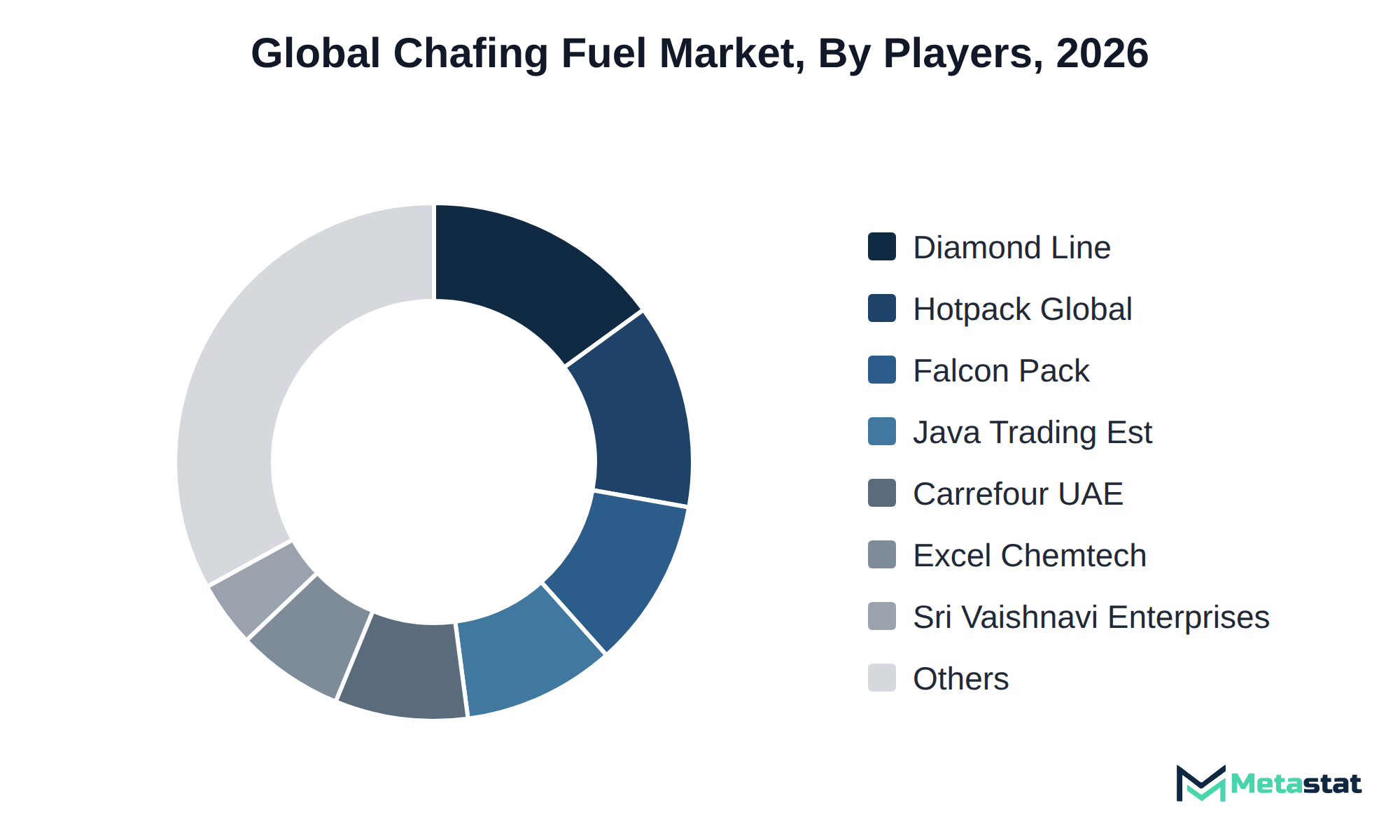
The Chafing Fuel market features a diverse range of companies employing various strategies to capture market share. Players focus on different fuel types, chemical compositions, and end-user segments to meet specific customer demands. For instance, Diamond Line and Hotpack Global emphasize gel fuel products, which are projected to dominate over the forecast period. In contrast, Java Trading Est and Excel Chemtech concentrate on liquid fuel options, addressing the needs of customers seeking convenience and ease of use.
Buyers in the market prioritize several factors when selecting chafing fuel products, including price, certification, and customization options. Companies including Carrefour UAE and Lamite General Trading LLC cater to the hospitality industry by offering tailored solutions that enhance customer experience. By providing eco-friendly options, players like Sri Vaishnavi Enterprises and Iconic Polygel Pvt. Ltd. attract environmentally conscious consumers, shaping competitive dynamics.
Expansion in the Chafing Fuel market relies on several key developments. First, a significant increase in the adoption of gel fuel, expected to rise from USD 1,013.9 million in 2026 to USD 1,420.7 million by 2033, will drive overall growth. This growth largely stems from heightened demand in the hospitality industry, which anticipates a rise from USD 1,163 million in 2026 to USD 1,560.9 million by 2033. Second, the increasing preference for ethanol-based chafing fuel, projected to reach USD 1,256.2 million by 2033, highlights a shift toward more sustainable options. However, risks including supply chain disruptions or regulatory changes could hinder growth, particularly in the Asia Pacific region, which holds a market share of 30.7%. These factors will shape the chafing fuel market's trajectory over the forecast period.
By Chemical Composition: Methanol-based, Ethanol-based, Diethylene Glycol-based, Specialty/eco-blends
By End User: Hospitality Industry (Hotels, Restaurants, Catering), Event Management Companies, Households & Individual Consumers
The report strategically identifies and profiles the key market players and analyses their core competencies in each sub-segment of the Chafing Fuel market.
Report Attributes | Details |
Study Period | 2021-2033 |
Base Year | 2025 |
Estimated Year | 2026 |
Forecast Period | 2026-2033 |
Historical Period | 2021-2025 |
Growth Rate | CAGR 4.5% from 2026 to 2033 |
Revenue Unit | USD million |
Segmentation | By Fuel Type, Chemical Composition, End User, and Region |
By Region | North America (By Fuel Type, Chemical Composition, End User, and Country)
|
Europe (By Fuel Type, Chemical Composition, End User, and Country)
| |
Asia Pacific (By Fuel Type, Chemical Composition, End User, and Country)
| |
South America (By Fuel Type, Chemical Composition, End User, and Country)
| |
Middle East and Africa (By Fuel Type, Chemical Composition, End User, and Country)
|
Find answers to common questions about this report
The Chafing Fuel market size was valued at USD 1,546.3 million in 2025.
The market is projected to grow at a CAGR of 4.5% during the forecast period from 2026 to 2033.
The North America Chafing Fuel market size is estimated to reach USD 585.5 million by 2033.
Gel Fuel leads the Chafing Fuel market with a projected value of USD 1,420.7 million by 2033, based on its higher growth rate compared to other fuel types.
Growing consumer interest in events and gatherings drives demand for catering services, leading to increased volume purchases of chafing fuel. Rising prices of raw materials impact affordability, resulting in tighter budgets for operators in the hospitality industry and slower adoption rates among critical users.
North America holds the dominant share of the Chafing Fuel market, accounting for 28.8% of the total market in 2025. This region's significant share reflects strong demand and consumption patterns compared to other regions.
Increasing prices of raw materials significantly impact the affordability of chafing fuel, leading to reduced purchase volumes and delayed replacements among users. Rising input costs challenge suppliers, affecting profit margins and prompting a reassessment of pricing strategies.
The hospitality industry's strong demand for efficient food warming solutions and growing consumer interest in events favor adoption. Innovations in chafing fuel formulations, particularly ethanol-based options, enhance performance and align with sustainability trends, further driving market growth.
The Chafing Fuel market is estimated to reach a valuation of USD 2,199.6 million by 2033.
Key players operating in the Chafing Fuel market include Diamond Line, Java Trading Est, Hotpack Global, Falcon Pack, Carrefour UAE, Lamite General Trading LLC, Excel Chemtech, and Sri Vaishnavi Enterprises.
The analysts below cover Chemicals and Materials research at Metastat Insights.
LEAD ANALYST
Utkarsh Khirodkar is a Lead Market Research Analyst at MetaStat Insight, specializing in market intelligence, technology sector assessments, and competitive strategy.

INDUSTRY CONSULTANT - CHEMICALS & ADVANCED MATERIALS
Chemicals and Materials · Machinery & Equipment · Packaging
Amit Gadhekar Consultant for Chemicals and Materials at MetaStat Insight, directing sector-specific intelligence, research, and strategic consulting across global chemical and processing markets.
Scaling antibody-drug conjugate manufacturing hinges on contract manufacturing availability for high-potency active ingredients. The MetaStat Insight analysis looked closely at global cleanroom slot constraints, bioconjugation batch failure rates, and supply chain redundancies between the US, Europe, and India. The supplier capability matrix proved genuinely useful for our team when mapping secondary source options across our clinical pipeline.
Floating offshore wind feasibility relies heavily on specialized installation vessel availability and port crane limits, which most broad renewable energy forecasts ignore. The report delivered a thorough analysis of dry dock capacity, mooring chain supply constraints, and raw material pricing trends for deepwater anchor installations. It served as a solid independent sanity check for our offshore project capital expenditure assumptions.
Assessing commercial microgrid software adoption requires looking past top-level installation numbers and examining utility interconnection queues. The research provided verifiable data on average permitting timelines, tariff structures, and battery storage integration costs across regional utility territories. That grounded perspective was valuable for our team when building five-year demand projections for industrial microgrid controllers.
Explore related market intelligence reports worth reading alongside this one.