
Explore essential questions buyers ask suppliers in the booming Granular Biochar market to ensure quality, compliance, and sustainability.
The Granular Biochar market is expanding rapidly, driven by increasing awareness of its benefits for soil quality and carbon capture. Buyers in this market face critical decisions, so it is essential to ask the right questions when evaluating suppliers. This post outlines key inquiries that guide buyers toward informed decisions.
1. What feedstock sources do you use for biochar production?
Understanding the feedstock sources is crucial, because they significantly impact biochar quality and sustainability. Leading suppliers typically use a variety of biomass, including wood and forestry residues, agricultural residues, and even food waste. Each feedstock type offers unique environmental benefits and nutrient profiles, influencing soil enhancement capabilities. Buyers should seek suppliers who prioritize sustainable sourcing to ensure they are supporting eco-friendly practices. An emphasis on responsible feedstock sourcing enhances the market potential for suppliers, particularly because environmental regulations become more stringent.
2. How do you ensure regulatory compliance in your biochar products?
Compliance with environmental regulations is essential for biochar products, particularly with stricter standards promoting sustainability. Navigating these complexities requires suppliers to demonstrate adherence to safety and efficacy standards required in diverse markets. Buyers should ask suppliers about their certifications and procedures around quality control to gauge the reliability of their offerings. Gaining insight into a supplier's compliance measures not only mitigates risks for buyers but supports the broader industry reputation for safety and efficacy.
3. What technological advancements have you implemented in production?
Innovation in biochar production processes is vital for enhancing efficiency and product effectiveness. Suppliers leveraging advanced pyrolysis technologies and digital solutions produce higher-quality biochar at lower costs. Understanding supplier investments in research and development provides insight into their competitive stance and potential for meeting emerging market demands. The Granular Biochar market is expected to benefit from next-generation innovations, enabling suppliers to adapt to changing consumer preferences and regulatory frameworks.
4. How do you address potential pricing volatility in raw materials?
The Granular Biochar market faces pricing pressures from fluctuating raw material costs. Suppliers should have strategies to mitigate these risks, which include securing long-term contracts or diversifying their feedstock sources. Buyers should inquire about how suppliers manage costs and ensure stable pricing, especially in an environment of economic uncertainty. Strategic pricing strategies significantly influence a buyer's ability to maintain profitability while navigating the market's evolving landscape.
5. What application areas do your products target?
Different biochar products cater to various applications, including soil conditioning, water treatment, and additives in construction materials. Suppliers should articulate the specific uses of their biochar, because understanding the application informs buyer decisions regarding suitability for agricultural needs or environmental remediation projects. This knowledge helps align buyer expectations with supplier capabilities, enhancing overall satisfaction and fostering strong partnerships within the Granular Biochar market.
6. What are your sustainability practices?
While sustainability becomes a core focus for industries worldwide, buyers should inquire about the sustainability practices of their suppliers in the Granular Biochar market. This includes understanding how suppliers source their feedstocks, manage waste, and minimize their carbon footprint. Transparency in sustainability efforts enhance trust and credibility, ultimately benefiting both the supplier and the buyer by aligning with broader environmental, social, and governance (ESG) goals. Buyers increasingly prioritize partners who demonstrate a commitment to sustainability, reflecting growing consumer demand for eco-friendly products.
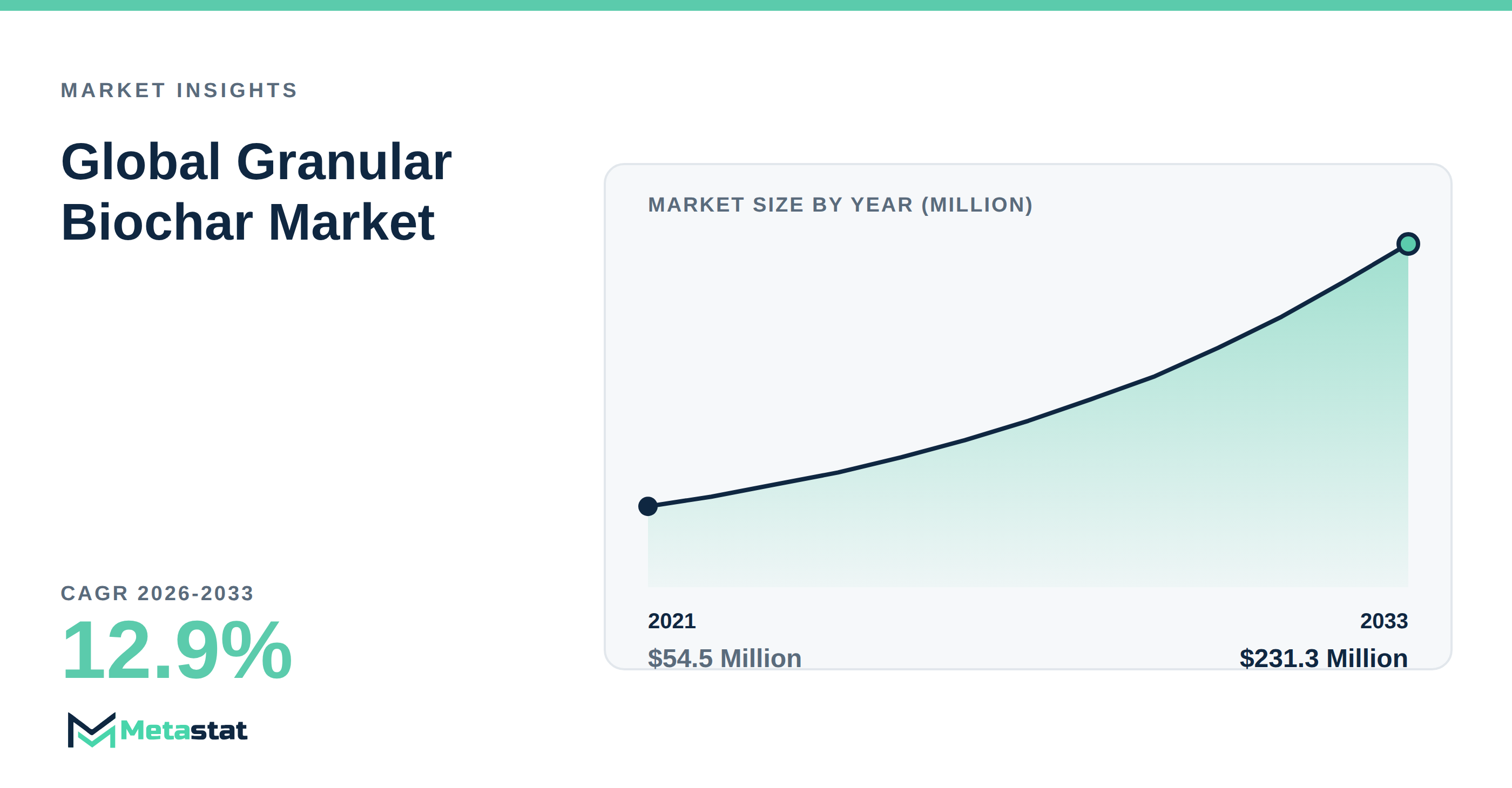
These inquiries help buyers assess suppliers in the Granular Biochar market effectively. Armed with the right questions, decision-makers establish partnerships that not only meet regulatory obligations but contribute to sustainable agricultural practices. For further insights and detailed market analysis, readers explore the Global Granular Biochar Market.
Tags
About the Author

LEAD ANALYST
Utkarsh Khirodkar is a Lead Market Research Analyst at MetaStat Insight, specializing in market intelligence, technology sector assessments, and competitive strategy.