
Choosing the right Cold Chain Logistics supplier requires asking critical questions about compliance, technology, and services. Here are seven key questions to consider.
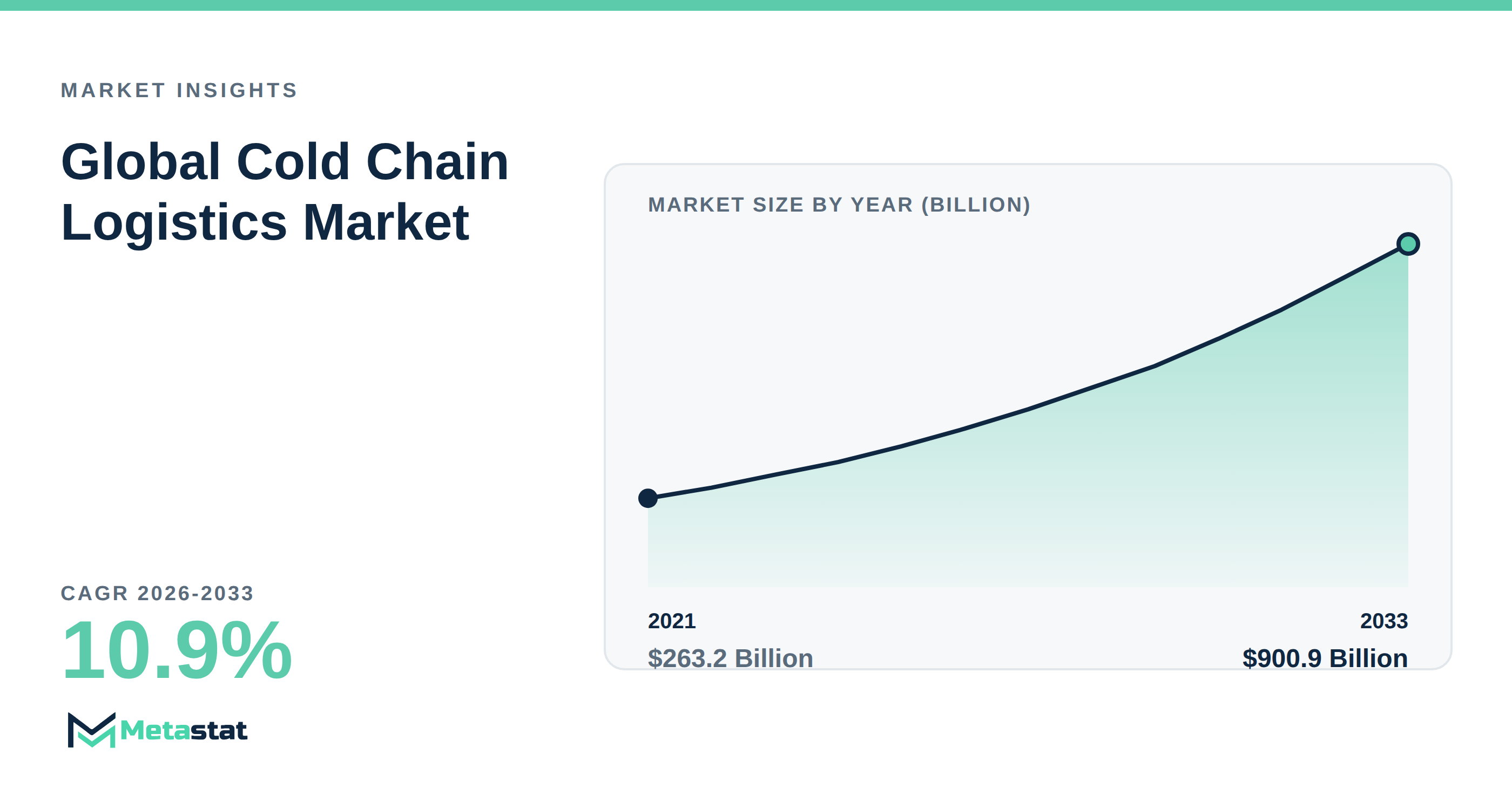
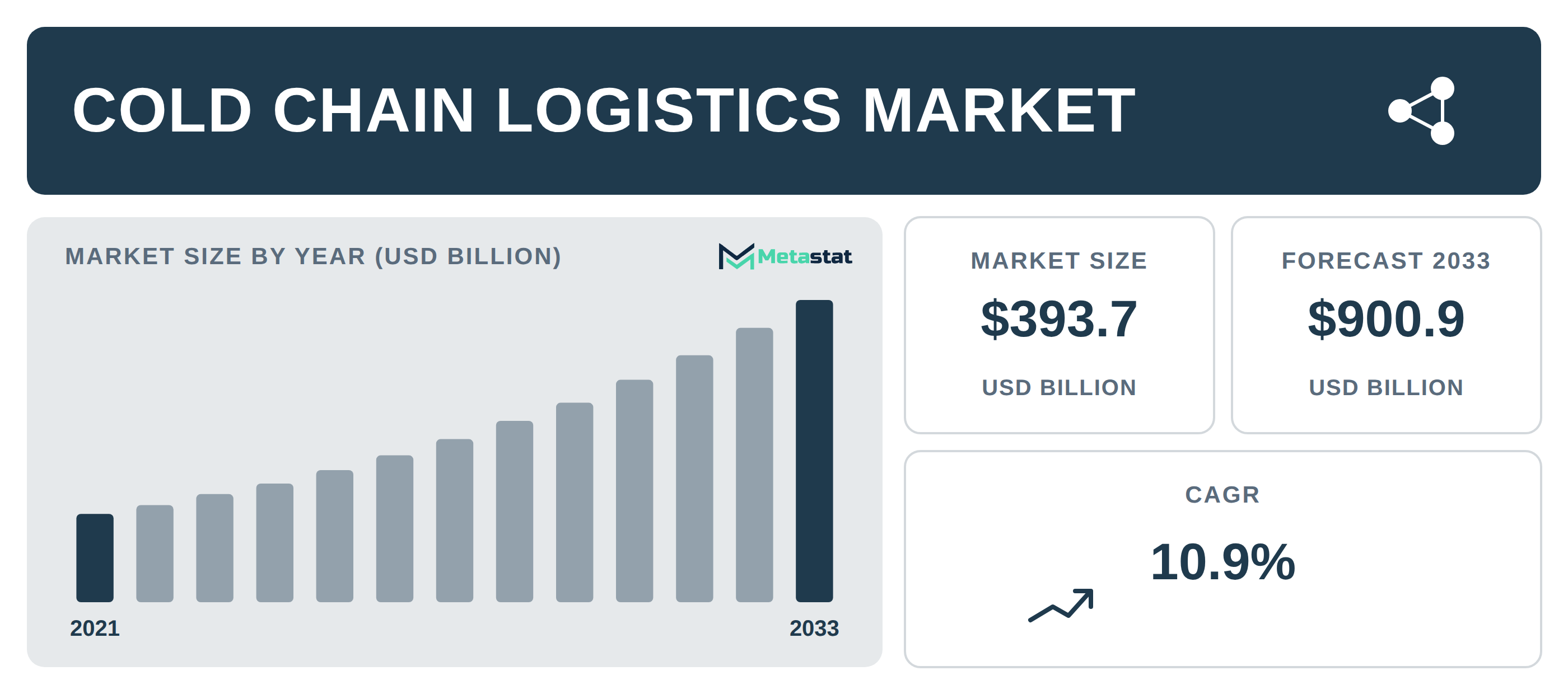
The procurement process for Cold Chain Logistics suppliers involves critical questions that ensure service providers align with business needs. With the increasing demand for temperature-sensitive products, understanding what to ask streamlines operations and enhances compliance. For more detailed insights, refer to the Cold Chain Logistics market size and forecast report.
1. How do you ensure compliance with temperature regulations?
Vigilance around temperature compliance is essential in Cold Chain Logistics. Suppliers need robust systems to monitor and maintain temperatures effectively. This often involves using advanced monitoring technology and providing documented proof of compliance throughout the logistics process. These capabilities protect product integrity, which is crucial for industries like food and pharmaceuticals that prioritize safety.
2. What real-time tracking technologies do you offer?
Transparency during transportation is vital for maintaining the quality of perishable goods. Suppliers should provide comprehensive monitoring solutions that allow clients to track their shipments in real time. Such capabilities facilitate quick responses to issues, enhancing trust and satisfaction. Ensuring that suppliers offer advanced tracking technologies significantly impacts customer retention and operational efficiency.
3. Can you describe your experience with refrigerated transportation?
Refrigerated transportation forms a significant part of the logistics for temperature-sensitive goods, with expectations that this segment will expand considerably in the coming years. Suppliers' experience in this area is pivotal. Understanding their operational history and the technologies they deploy provides insights into their reliability and capability to handle specific products. This knowledge allows buyers to assess whether potential suppliers meet their quality standards.
4. What energy-efficient practices do you implement?
Energy costs represent a substantial expense in Cold Chain Logistics. Suppliers should prioritize energy-efficient technologies, including high-efficiency refrigeration systems and LED lighting. These practices not only help reduce operational costs but align with growing sustainability objectives. By inquiring about their energy management strategies, buyers enhance their sustainability efforts and potentially lower logistics expenditures.
5. What value-added services do you provide?
Beyond basic logistics, value-added services help suppliers stand out in the Cold Chain Logistics sector. These services include specialized packaging, labeling, or customized handling that enhance operational efficiency. Understanding what additional services a supplier offers enables businesses to optimize their logistics strategy and improve overall supply chain performance.
6. How do you handle disruptions in supply chain operations?
Supply chain disruptions significantly affect the delivery of temperature-sensitive products. Suppliers should have clear protocols for managing unexpected challenges, whether they arise from regulatory changes, labor issues, or equipment failures. Gaining insights into their risk management processes reassures buyers that their products will remain protected even in adverse conditions, safeguarding both quality and compliance.
7. How do you plan to adapt to evolving market trends?
The Cold Chain Logistics sector is changing, driven by trends like the growth of e-commerce and the increasing demand for fresh food. It is essential for suppliers to anticipate these trends. Asking how they plan to adapt reveals their commitment to innovation and client satisfaction. Suppliers invested in technology and responsive to market changes are more likely to provide reliable service and maintain competitive pricing.
Asking the right questions when evaluating Cold Chain Logistics suppliers is crucial for ensuring compliance, efficiency, and overall supply chain effectiveness. By focusing on these key areas, businesses enhance operational capabilities and better meet customer demands.
Tags
About the Authors

LEAD ANALYST
Utkarsh Khirodkar is a Lead Market Research Analyst at MetaStat Insight, specializing in market intelligence, technology sector assessments, and competitive strategy.

LEAD PRINCIPAL ANALYST, PHARMA AND HEALTHCARE
Food and Beverages · Healthcare · Healthcare IT · Medical Devices
Ajay Devgire is the Lead Healthcare Analyst at MetaStat Insight, leading strategic research and market intelligence initiatives across the global healthcare domain.

SENIOR RESEARCH ANALYST
Biotechnology · Food and Beverages · Medical Devices · Packaging
Snehal Pasalkar is a Research Analyst at MetaStat Insight, operating at the intersection of life sciences research, competitive strategy, and market intelligence.