
Explore the crucial factors influencing pricing strategies in the Saudi Arabia Sporting Goods market, from health awareness to macroeconomic conditions.
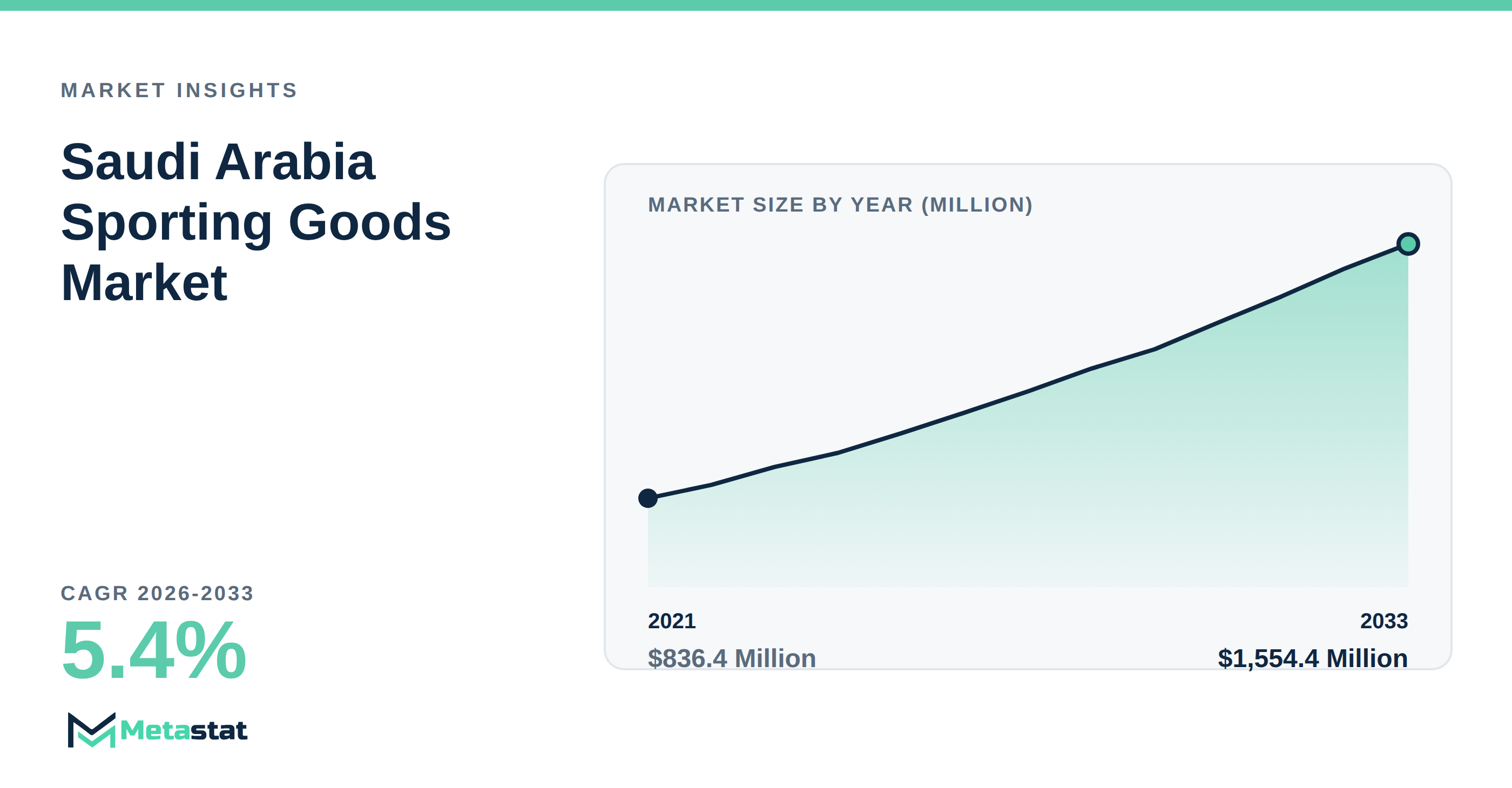
The Saudi Arabia Sporting Goods market is witnessing remarkable growth, with a projected value of USD 1,554.4 million by 2033. Within this evolving landscape, understanding the factors that shape pricing strategies is essential for buyers looking to optimize their purchasing decisions.
1. Rising consumer awareness of health and fitness
Increased focus on health and fitness drives demand for quality sporting goods, impacting pricing strategies across the market. While people engage more in sports and fitness activities, they actively seek high-performance apparel and equipment. Brands that acknowledge this trend frequently set premium price points, reflecting the added value perceived by consumers. This creates opportunities for buyers to invest in superior, performance-oriented products that contribute to their fitness journeys, potentially enhancing their overall experience.
2. Influence of urbanization on market dynamics
Urbanization in Saudi Arabia greatly impacts the demand for sporting goods, especially in cities where fitness facilities and sports complexes are rapidly emerging. This trend intensifies competition among manufacturers and retailers, resulting in a broader assortment of products across various price ranges. While premium offerings aim at affluent consumers, budget-friendly alternatives are becoming more prevalent for cost-conscious buyers. Understanding regional dynamics enables consumers to identify products that align with their personal needs and financial considerations while improving access to the market.
3. Supply chain challenges impacting costs
Supply chain obstacles, including rising logistics expenses and material shortages, are affecting the pricing of sporting goods. Manufacturers facing these increased costs often transfer them to consumers, leading to higher retail prices. Buyers should consider these factors when shopping, because seasonal sales and promotions provide avenues to offset elevated prices. Awareness of supply chain fluctuations empowers consumers to navigate market pricing dynamics more effectively.
4. Importance of brand positioning
Brand positioning significantly influences the pricing of sporting goods in Saudi Arabia. Major players like Nike, adidas, and Decathlon leverage their strong reputations to justify higher prices, while newcomers typically adopt competitive pricing to attract buyers. Consumers benefit by understanding these brand dynamics, because product quality and marketing practices validate the premium pricing of top-tier offerings. Diligent research into brands allows consumers to make informed decisions about their purchases.
5. Demand for smart technology integration
The integration of smart technology in sporting goods is reshaping consumer expectations and influencing pricing structures. Wearable devices and innovative fitness equipment command higher prices due to their cutting-edge features and health-monitoring functions. Buyers increasingly view these products because valuable investments with the potential to elevate their performance and provide insightful data. This trend prompts consumers to weigh the long-term advantages of technology-driven products against their initial costs, supporting more informed purchasing decisions.
6. Impact of promotional strategies
Promotional tactics significantly affect pricing in the Saudi Arabia Sporting Goods market. Brands often conduct various marketing initiatives, including seasonal discounts, bundled offers, and loyalty programs to attract buyers. Consumers who remain attentive to promotional events capitalize on these opportunities to obtain desired products at reduced prices. Recognizing marketing strategies encourages strategic buying behavior, enabling consumers to benefit from appealing offers and enhanced value.
7. Macroeconomic factors affecting disposable income
Macroeconomic conditions, including inflation and shifts in disposable income, critically influence consumer spending habits in the market. Rising living expenses necessitate that consumers prioritize essential purchases over non-essential ones, affecting demand for sporting goods. Buyers should be aware of these economic trends, because they create price fluctuations that lead to more competitive offerings during challenging economic periods. Recognizing these dynamics enables consumers to adapt their purchasing strategies, focusing on value in their investments.
Comprehending these factors equips consumers with valuable insights into pricing dynamics within the Saudi Arabia Sporting Goods market. Knowledge of how consumer behavior, brand strategies, and economic conditions influence pricing enhances buyers' decision-making capabilities.
The full analysis is in Saudi Arabia Sporting Goods Market.
Tags
About the Author

LEAD ANALYST
Utkarsh Khirodkar is a Lead Market Research Analyst at MetaStat Insight, specializing in market intelligence, technology sector assessments, and competitive strategy.