
LEAD ANALYST
Utkarsh Khirodkar is a Lead Market Research Analyst at MetaStat Insight, specializing in market intelligence, technology sector assessments, and competitive strategy.

Saudi Arabia Sporting Goods Market Size, Share, By Product Type (Sports & Fitness Equipment, Sports Apparel, Sports Footwear, Sports Technology & Wearables and Sports Accessories & Protective Gear), By Sport (Football, Running & Athletics, Fitness & Gym Training, Racket Sports (Padel, Tennis, Badminton and Squash), Cycling, Swimming & Water Sports, Hiking, Camping & Adventure Sports, Golf, Basketball and Others (Volleyball, Combat Sports and Equestrian)), By Distribution Channel (Brand-Owned Stores, Multi-brand Sporting Goods Chains, Department Stores & Hypermarkets, Independent Sports Stores, Brand-Owned E-commerce and Online Marketplaces & Multi-brand E-retailers), By End User (Individual Consumers, Professional Athletes and Teams, Amateur and Recreational Athletes, Sports Clubs and Academies, Educational Institutions and Fitness and Recreational Facilities), Industry Analysis, Growth, Trends, and Forecast, 2026-2033
Report ID
MSI-5219
Published
September, 2026
Pages
282 Pages
Format
Historical
Base year
Forecast
Forecast period
Report Details
Choose Your License
Saudi Arabia Sporting Goods Market
The Saudi Arabia Sporting Goods market was valued at USD 1,020.2 million in 2025 and is projected to reach USD 1,554.4 million by 2033, growing at a CAGR of 5.4% over the forecast period.
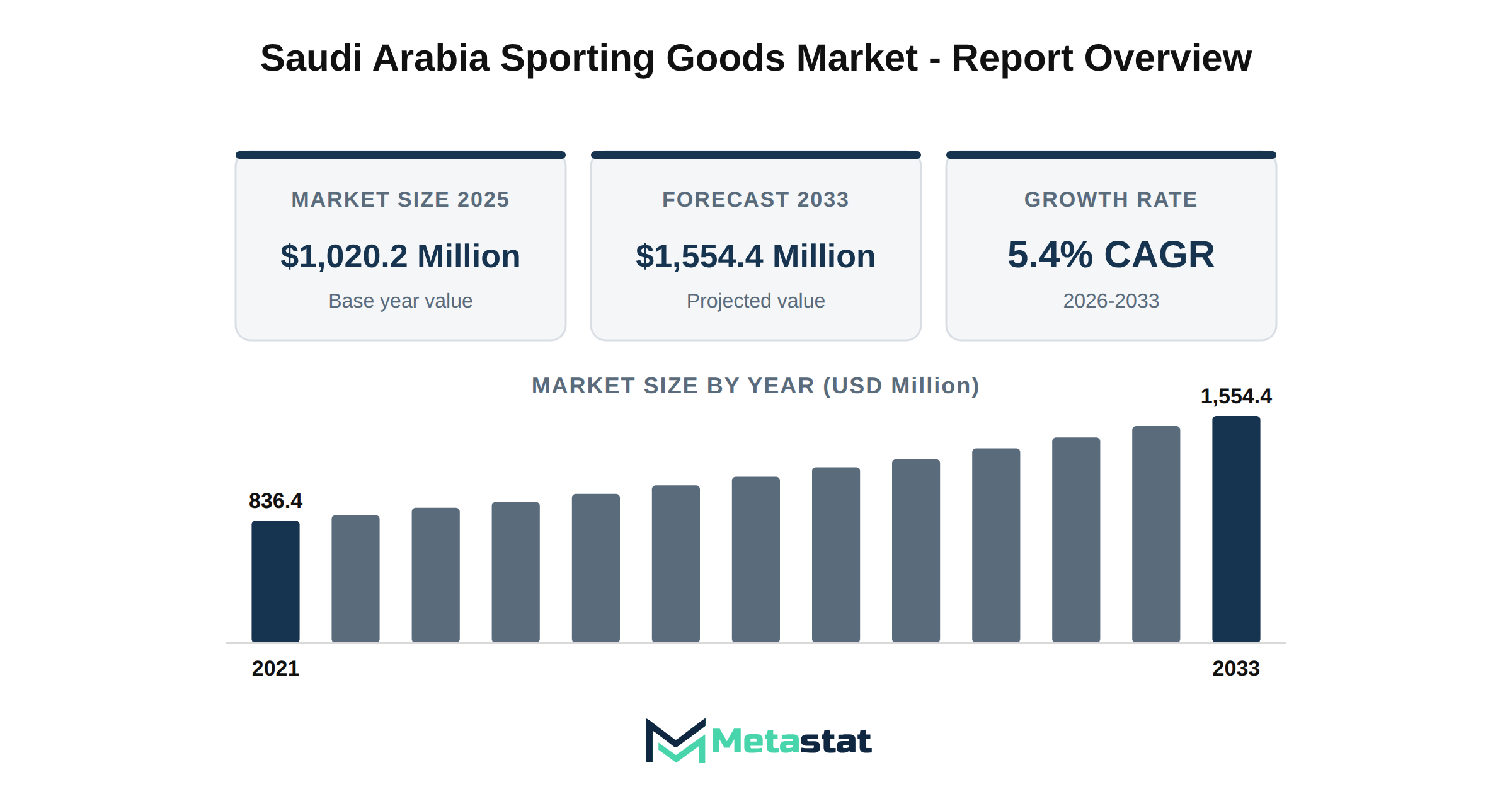
The Saudi Arabia Sporting Goods market is projected to reach USD 1,554.4 million by 2033, exhibiting a compound annual growth rate (CAGR) of 5.4% during the forecast period from 2026 to 2033. The market's value in the base year 2025 stands at USD 1,020.2 million, reflecting a consistent growth trajectory from USD 836.4 million in 2021 to USD 964.6 million in 2024. This upward trend illustrates increasing consumer engagement in sports and fitness activities across the nation.
Factors contributing to sports participation include growing awareness of health and wellness, alongside government initiatives promoting active lifestyles. The rising number of fitness centers and sports academies enhances access to physical activities, further driving demand for sporting goods. Individual consumers, professional athletes, and amateur participants collectively stimulate market growth, with individual consumers expected to see significant expenditure increases.
The retail landscape for sporting goods is evolving towards an omnichannel approach, integrating physical retail with online platforms. Brand-owned stores and multi-brand sporting goods chains play crucial roles in this transition. By 2033, brand-owned stores will contribute USD 250.3 million, while multi-brand sporting goods chains are expected to reach USD 233.2 million. This evolution enables brands to strengthen visibility and accessibility, ultimately enhancing customer experiences.
Brand positioning within the Saudi Arabia Sporting Goods market reflects competitive benchmarking among key players including Decathlon SE, adidas AG, and Nike, Inc. These brands leverage marketing strategies aligned with consumer preferences and trends. Competitive pricing and promotional offers remain essential for capturing market share, significantly influencing buyer decisions.
Smart sports technology adoption is gaining momentum, driven by consumer demand for innovative solutions that enhance athletic performance and fitness tracking. Wearable devices and fitness apps are increasingly integrated into training regimens, with the sports technology segment experiencing robust growth. This growth highlights the market's shift towards data-driven insights, appealing to tech-savvy consumers.
The market presents high-growth opportunities in various categories, particularly in sports apparel and fitness equipment. Sports apparel is projected to reach USD 376.2 million by 2033, while sports and fitness equipment is expected to increase to USD 450.8 million. These segments provide avenues for brands to expand product offerings, catering to evolving consumer preferences.
Sports participation in Saudi Arabia demonstrates a growing trend, driven by increasing awareness of health and fitness. Rising interest in sports activities drives demand for various sporting goods, particularly among younger demographics. Factors including government initiatives promoting sports and fitness, alongside an expanding middle class with higher disposable incomes, contribute to this upward trajectory. This environment encourages consumers to invest in sports apparel, footwear, and equipment, which collectively enhance the overall sporting experience.
The evolution of omnichannel retailing significantly impacts the market dynamics. Retailers adopt integrated strategies, offering both online and offline shopping experiences to cater to diverse consumer preferences. This shift enables brands to reach a broader audience while enhancing customer engagement. The rise of e-commerce platforms, combined with traditional retail outlets, creates a competitive landscape that influences pricing strategies and promotional activities.
Brand positioning remains critical in the competitive landscape of the Saudi Arabia Sporting Goods market. Established brands leverage their reputation and innovative product offerings to maintain market share. New entrants focus on niche segments, targeting specific consumer needs and preferences. Competitive benchmarking shows that brands emphasizing quality, sustainability, and technological advancements tend to capture greater market attention, thereby influencing purchasing decisions.
Retail pricing strategies reflect varying consumer segments and their willingness to pay. Promotional campaigns, particularly during peak seasons and major sporting events, drive sales and enhance brand visibility. Discounts, bundled offerings, and loyalty programs contribute to consumer retention and brand loyalty. The market's competitive nature compels brands to remain responsive to pricing dynamics while ensuring product quality and value.
The adoption of smart sports technology presents a significant growth opportunity within the market. Consumers increasingly seek wearable devices and fitness apps that offer performance tracking and health monitoring features. This trend aligns with the broader push for digital transformation in various sectors, including sports. Investments in research and development focus on creating innovative solutions that integrate seamlessly into consumers' lifestyles.
High-growth category opportunities arise in segments including sports technology and wearables, alongside fitness apparel. These areas experience robust demand driven by consumers prioritizing convenience, performance, and style. Companies investing in these segments position themselves to capitalize on emerging trends, enhancing their competitive advantage within the market.
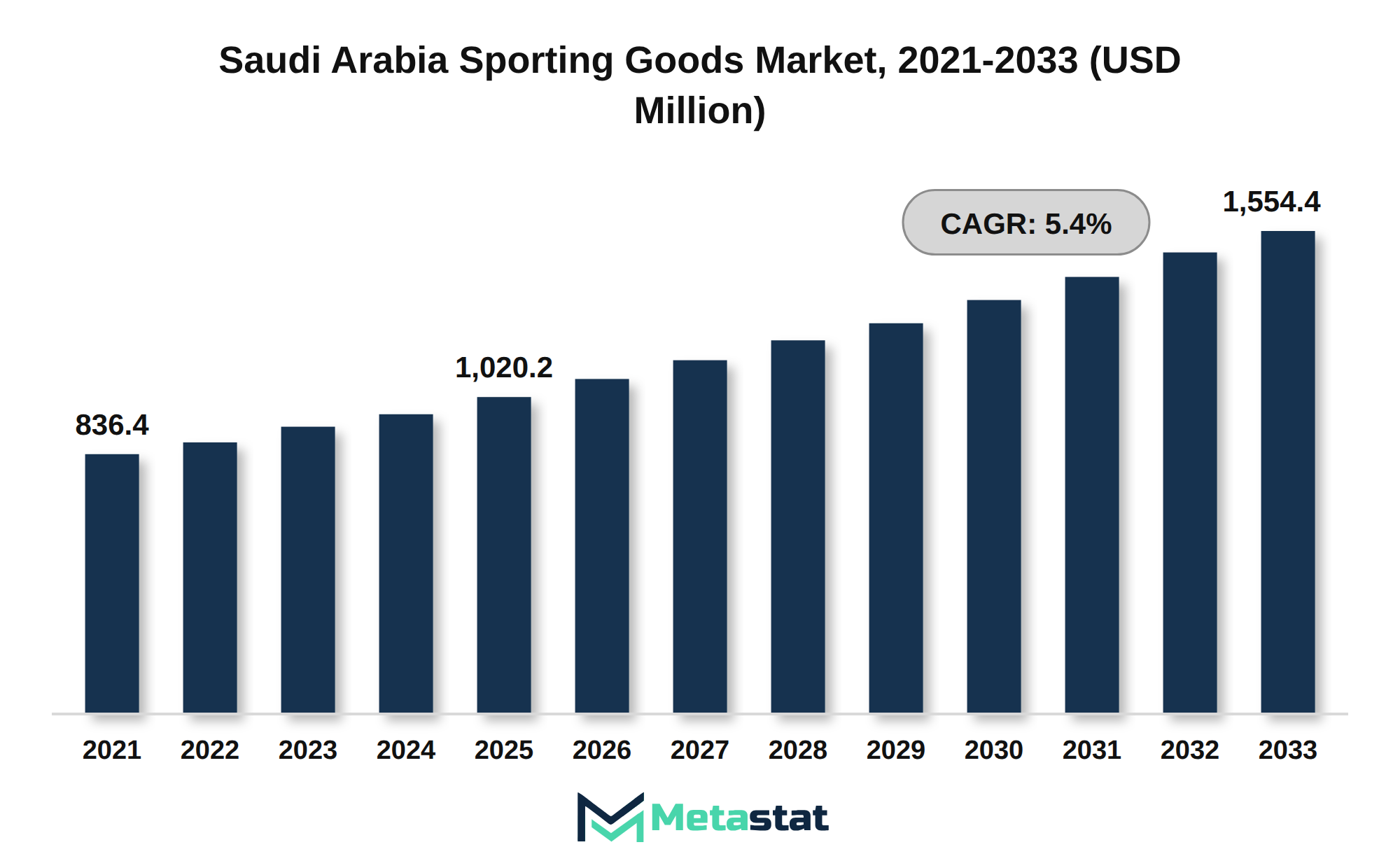
The economic growth and urbanization in Saudi Arabia fuel demand within the Saudi Arabia Sporting Goods market. Increasing disposable income and a rising population contribute to higher spending on sporting goods across various segments. The focus on health and fitness among consumers, coupled with expanding urban infrastructure, supports participation in sports and fitness activities, enhancing overall market growth.
Growth in the fitness sector stems from demographic changes, including a younger population inclined towards active lifestyles. Urban areas are experiencing the development of sports facilities, parks, and gyms, which provide essential infrastructure for sports engagement. Improved access to sporting facilities further encourages participation and investment in sporting goods.
The market experiences a trend towards premium products, driven by consumer preferences for high-quality sports apparel and technology-enabled fitness equipment. Increasing awareness regarding health and fitness has prompted consumers to invest in advanced sports technology and wearables, thereby expanding revenue streams for manufacturers and retailers.
Public-private partnerships enhance investment in sporting infrastructure, demonstrating the government's commitment to promoting sports and fitness. This collaborative effort creates a conducive environment for businesses operating in the market, driving growth opportunities.
Increasing health consciousness among the population significantly influences the Saudi Arabia Sporting Goods market. An emphasis on fitness and wellness, fueled by changing lifestyles and urbanization, leads to greater participation in physical activities. The growing popularity of fitness centers and recreational sports facilities reflects this heightened awareness.
The rising middle-class population in Saudi Arabia enhances purchasing power, facilitating investments in sporting goods. Individuals increasingly prioritize quality sports apparel, footwear, and equipment, contributing to market growth. Evolving consumer preferences toward branded and high-performance products drive manufacturers to innovate continuously, aligning their offerings with market demands.
The shift towards online shopping provides further momentum, driven by consumers seeking convenience and diverse product options. E-commerce platforms expand accessibility to a broader audience, enhancing sales opportunities for suppliers. This transformation within the retail landscape supports the growth trajectory of the market.
Overall, these consumer behavior trends create a robust environment for the Saudi Arabia Sporting Goods market, promoting higher sales and enabling sustained long-term growth.
The Saudi Arabia Sporting Goods market faces significant challenges stemming from macroeconomic headwinds that influence overall consumer spending patterns. Inflationary pressures, including rising living costs, erode disposable income, compelling consumers to prioritize essential expenditures over discretionary purchases, including sporting goods. This shift impacts both retailers and manufacturers, leading to reduced sales volumes and potential profit margins.
Supply chain disruptions further exacerbate these challenges, resulting in delays and increased costs for manufacturers. Logistics hurdles create obstacles in the timely delivery of products, affecting inventory levels and sales opportunities. Geopolitical instability in the region contributes to uncertainty, impacting investment decisions and consumer confidence, which hinders market growth.
These economic factors collectively create an environment where the market experiences slower growth, leading to a cautious approach from both consumers and businesses. While the Saudi Arabia Sporting Goods market navigates these complexities, stakeholders adapt to changing conditions to maintain competitiveness and profitability within the industry.
The Saudi Arabia Sporting Goods market experiences challenges from geopolitical fragmentation and trade deficits, which contribute to market instability. These factors often lead to tariff friction that disrupts the supply chain, increasing costs for manufacturers and consumers alike. Technological disruptions complicate research and development integrations, hindering innovation within the market. Companies face interoperability friction owing to various systems and technologies struggling to work together, impacting operational efficiency.
The market contends with feedstock and component volatility, which affects production capabilities and costs. Logistics disruptions frequently result from these fluctuations, leading to supply chain instability that challenges timely product availability. Regional regulatory standards introduce additional compliance overhead that companies navigate, increasing the operational burden and financial liabilities.
Pricing compression emerges from intense competition, placing pressure on profit margins across the market. Rising input costs create a challenging environment for firms, while workforce skill gaps limit the ability to adapt to evolving technological demands. Talent retention pressures arise owing to companies competing for skilled labor, complicating market dynamics.
Environmental lifecycle footprints and decarbonization mandates drive sustainability demands that the market addresses to meet consumer expectations. Infrastructure gaps and retrofitting barriers hinder operational efficiency and complicate the introduction of new technologies. Intellectual property protection deficits and cybersecurity risks threaten innovation and data integrity, posing challenges for businesses.
Changing downstream demands influenced by shifting consumer preferences contribute to market saturation. Companies remain agile to fend off substitution vector pressures that threaten established products. These market challenges necessitate strategic responses to ensure growth and maintain competitive positioning within the Saudi Arabia Sporting Goods market.
The Saudi Arabia Sporting Goods market experiences significant opportunities driven by emerging technological advancements. Increased reliance on advanced sports technology and wearables enhances performance tracking and user engagement. The integration of these innovations aligns with evolving consumer preferences, providing a competitive edge for market participants. Digital transformation initiatives facilitate streamlined purchasing processes, meeting the demands of a tech-savvy consumer base.
The shift toward sustainability imperatives presents further growth potential within the market. Eco-friendly products and practices align with the increasing consumer emphasis on environmental responsibility. Companies prioritizing sustainable practices attract discerning consumers, thereby expanding their market share. Strategic consolidation and cross-industry collaborations enhance the potential for niche application growth, allowing firms to tap into diverse customer segments.
Geographical expansion into underserved regions increases market prospects. Investment in infrastructure modernization supports broader distribution channels, enhancing accessibility for consumers across various demographics. This expansion increases brand visibility and encourages local participation in sporting activities, further driving demand for sporting goods. The combination of these factors positions the Saudi Arabia Sporting Goods market for sustained growth, capitalizing on trends that reshape consumer behavior and industry dynamics.
The Saudi Arabia Sporting Goods market is segmented based on Product Type, Sport, Distribution Channel, and End User.
Valued at USD 334.9 million in 2026, the Sports & Fitness Equipment segment is projected to reach USD 450.8 million by 2033, at a CAGR of 4.3% during the forecast period. Increasing awareness of health and fitness among consumers drives demand for high-quality sports and fitness equipment, contributing to the segment's growth. Technological advancements in fitness tracking and monitoring devices enhance user engagement and satisfaction, further propelling industry adoption. The proliferation of fitness centers and gyms in urban areas significantly influences the demand for various equipment types, including weights, machines, and accessories. Competition among key players in the Saudi Arabia Sporting Goods market encourages innovation and product evolution, prompting brands to launch next-generation equipment equipped with advanced features. Growing interest in home fitness solutions, particularly following the pandemic, generates substantial opportunities for equipment suppliers to capture a larger consumer base. Cost structures remain a concern for manufacturers, with fluctuating raw material prices impacting profitability. Nevertheless, product diversification within the segment, including eco-friendly and smart fitness solutions, opens strategic opportunities for market participants looking to enhance their product offerings and increase market share.
Increasing interest in fitness and active lifestyles drives growth in the Sports Apparel segment of the Saudi Arabia Sporting Goods market. Consumers prioritize high-quality, functional apparel that enhances performance and comfort. This trend aligns with the rising participation in sports activities and fitness programs across various demographics.
Sports Apparel segment is estimated to reach USD 376.2 million by 2033, at a CAGR of 5% during the forecast period. Innovations in fabric technology, including moisture-wicking and lightweight materials, support the adoption of performance-oriented apparel. Brands invest in research and development to create products that cater to the specific needs of athletes and fitness enthusiasts.
Market expansion is influenced by shifts in consumer preferences towards fashionable yet functional sportswear. Collaborations between athletic brands and fashion designers attract a broader audience, contributing to increased sales. Retail strategies focusing on omnichannel approaches enhance visibility and accessibility, further driving growth in the segment.
Competitive pressures compel manufacturers to optimize pricing strategies while maintaining product quality. This dynamic creates opportunities for new entrants and established players to differentiate their offerings. Emerging trends, including sustainable and eco-friendly apparel, appeal to environmentally conscious consumers, shaping the future of the market.
The emphasis on health and wellness, combined with ongoing urbanization and increased disposable income, positions the Sports Apparel segment for sustained growth. The market is expected to thrive due to consumers integrating fitness into their daily lifestyles and seeking high-performance clothing that meets their evolving needs.
Anticipated growth in the Sports Footwear segment aligns with increasing consumer interest in athletic and leisure footwear products. Innovations in design and technology enhance product appeal, drawing in a diverse consumer base. The segment is expected to reach USD 314 million by 2033, reflecting a commitment to next-generation upgrades and sustainable practices.
Consumer shifts towards fitness and health-conscious lifestyles drive the demand for specialized footwear. Athletes and fitness enthusiasts prioritize performance and comfort, influencing brands to optimize product offerings with advanced cushioning, breathable materials, and ergonomic designs. This focus on end-user dynamics strengthens market presence and competitive positioning.
Technological maturation introduces smart footwear features, integrating wearables and tracking capabilities that appeal to tech-savvy consumers. Such developments facilitate a smooth consumer experience and further drive adoption within the Saudi Arabia Sporting Goods market. Enhanced functionality meets the evolving needs of individuals, encouraging increased engagement in sports and fitness activities.
Pricing volatility impacts market dynamics, requiring brands to strategically balance costs and consumer expectations. Efficient raw material sourcing and supply chain resilience are essential for maintaining competitive pricing while ensuring quality. This strategic focus enhances margins and creates opportunities for investment in innovative production techniques.
Competitive pressures prompt brands to explore white-space opportunities within the segment. Expanding product lines to cater to niche markets or underserved consumer segments creates potential for revenue growth. Market participants remain vigilant in identifying disruptive alternatives that could reshape consumer preferences, ensuring sustained relevance in the evolving market.
Rapid advancements in technology significantly drive the Sports Technology & Wearables segment within the Saudi Arabia Sporting Goods market. Increasing consumer interest in fitness and health monitoring solutions boosts the adoption of these innovative products. Enhanced functionalities, including real-time performance tracking and health data analysis, contribute to the segment's appeal among individual consumers, professional athletes, and recreational users.
Technological maturation acts because a catalyst for segment growth, with manufacturers consistently introducing next-generation upgrades. Wearable devices increasingly incorporate advanced features, including heart rate monitoring, GPS tracking, and smartphone connectivity, enhancing user experience and driving demand further. The evolution of products aligns with the market's commitment to innovation, ensuring continued relevance in a competitive environment.
Forecast projections indicate that the Sports Technology & Wearables segment grows at a CAGR of 8.8% during the forecast period. This expansion reflects shifting consumption patterns, where fitness enthusiasts prioritize technology-driven solutions for personal training and overall wellness. Awareness surrounding health and fitness escalates, positioning the segment favorably to capture a larger share of the market.
Regulatory compliance and industry certifications play a crucial role in ensuring product credibility and safety. Adherence to established standards enhances consumer trust in wearable technology, creating a conducive environment for market growth. Meanwhile, pricing strategies and cost structures remain vital because manufacturers navigate market dynamics, balancing affordability with innovation.
With a focus on capital investment, stakeholders recognize strategic opportunity windows in the Sports Technology & Wearables segment. Investments in research and development facilitate ongoing product enhancement, enabling companies to address evolving consumer demands effectively. The Saudi Arabia Sporting Goods market continues to expand, positioning the Sports Technology & Wearables segment for significant growth and technological advancement.
Growth in the Sports Accessories & Protective Gear sub-segment aligns with rising participation in various sports and physical activities in Saudi Arabia. Increasing awareness regarding safety during sports encourages consumers to prioritize protective gear. Innovations in materials and technology drive the development of advanced protective products, enhancing user comfort and performance. These advancements contribute to consumer preference for high-quality, reliable accessories.
Demand for sports accessories and protective gear receives support from evolving trends in fitness and recreational activities among diverse age groups. The influence of social media and celebrity endorsements increases visibility and interest in specific sports, which directly impacts the demand for relevant protective gear. Educational institutions and sports clubs emphasize safety in sports training programs, reinforcing the necessity for protective equipment.
Regulatory compliance requirements regarding safety standards impact the production and marketing of sports accessories. Manufacturers face pressures to meet these certifications, leading to increased investment in research and development. The focus on sustainability and eco-friendly materials creates opportunities for brands to differentiate their products in the Saudi Arabia Sporting Goods market.
Adoption of multifunctional and versatile products expands market opportunities, appealing to consumers seeking value and performance. Enhanced distribution strategies, including e-commerce platforms, strengthen accessibility and convenience for consumers, further driving sales in this segment. Growing interest in sports and fitness positions the market for sports accessories and protective gear for sustained expansion.
Valued at USD 277.4 million in 2026, the Football segment is projected to reach USD 376.6 million by 2033, at a CAGR of 4.5% during the forecast period. The increasing popularity of football in Saudi Arabia contributes significantly to this growth, with a rising number of local leagues and youth participation programs enhancing overall engagement in the sport. Investment in infrastructure, including new stadiums and training facilities, supports the development of football because a key area within the Saudi Arabia Sporting Goods market.
Next-generation upgrades in football equipment, including advanced materials and design innovations, attract both amateur and professional players, further stimulating demand. The integration of technology, including performance analysis tools and smart wearables, enhances training efficiencies and player performance, positioning technology because a critical factor in driving the segment's growth. With increased competition among brands to deliver high-quality products, pricing strategies evolve to balance affordability and premium offerings.
Consumer preferences shift towards customized and personalized football gear, reflecting broader trends in sports apparel. Regulatory compliance, particularly regarding safety standards for equipment, influences manufacturers' product development strategies. While awareness of these standards grows, brands that proactively ensure compliance gain competitive advantages in the market.
Investment in grassroots initiatives creates a healthy ecosystem for the Football segment, creating opportunities for brands to engage with communities and strengthen customer loyalty. The potential for expansion into untapped markets within the region further enhances prospects for growth, positioning football because a central element in the overall structure of the Saudi Arabia Sporting Goods market.
Increasing interest in running and athletics among consumers contributes to growth in the Saudi Arabia Sporting Goods market. This segment is expected to reach USD 200.5 million by 2033, at a CAGR of 5.3% during the forecast period. Factors driving this growth include the rise of urban running events and community-driven athletic initiatives that encourage participation. Technological advancements in footwear and apparel enhance performance, supporting consumer engagement and boosting sales.
Shifts in lifestyle choices and a focus on health have led to increased spending on running and athletic equipment. Consumers prioritize quality and performance in their purchases, influencing brand loyalty and market dynamics. Major brands invest in marketing campaigns targeting athletes and fitness enthusiasts, further strengthening demand within this segment. The expansion of e-commerce and convenient distribution channels facilitates greater accessibility, driving market penetration across various demographics.
Overall, the running and athletics segment demonstrates strong potential within the Saudi Arabia Sporting Goods market, reflecting broader trends in fitness and wellness. With a focus on innovation, brands are expected to deliver products that meet evolving consumer expectations and preferences.
Increasing engagement in fitness and gym training activities drives growth within the segment, with consumers seeking effective ways to enhance their physical health. Rising health awareness and the popularity of fitness-related programs create sustained demand for gym equipment and accessories. The Saudi Arabia Sporting Goods market reflects this trend, with consumers investing in fitness solutions that support diverse workout routines.
Valued at USD 231.3 million by 2033, the Fitness & Gym Training segment demonstrates a steady growth trajectory. This expansion results from rising disposable incomes and the proliferation of fitness facilities across urban areas. The introduction of innovative gym equipment and the integration of technology into fitness solutions enhance user experience, contributing to increased adoption among individual consumers and fitness enthusiasts.
Market dynamics indicate a shift towards advanced workout technologies, with wearables and connected devices gaining traction. These next-generation products provide users with real-time data and performance analytics, facilitating informed decisions about their fitness regimens. While the sector evolves, fitness-related businesses prioritize digital platforms to reach wider audiences, aligning with contemporary consumption shifts.
With the growing interest in fitness and gym training, adapting to consumer preferences becomes essential for suppliers within the market. The focus on personalization and customization in product offerings improves customer satisfaction, driving repeat purchases and brand loyalty. This evolving landscape presents strategic opportunities for stakeholders to explore new market segments and diversify their product portfolios, ultimately contributing to revenue growth in the Saudi Arabia Sporting Goods market.
Strong interest in racket sports, including Padel, Tennis, Badminton, and Squash, drives growth in the Saudi Arabia Sporting Goods market. The segment is projected to grow at a CAGR of 8.5% during the forecast period. Increasing participation rates in these sports, particularly among younger demographics, reflect changing consumer preferences and lifestyle choices. Enhanced marketing efforts by sports brands and the proliferation of sports clubs and facilities contribute to higher engagement in these activities.
Next-generation upgrades in sports equipment, including lighter materials and advanced technologies, enhance player performance, thereby attracting more participants. Product evolution drives innovation in racket sports gear, with manufacturers focusing on creating versatile, high-performance products that cater to the specific needs of athletes. The segment benefits from downstream applications in schools and fitness centers, where engagement in racket sports increases among students and members.
End-use dynamics shift owing to individual consumers representing a significant portion of the market, with professional athletes and teams following closely. The growth of fitness and recreational facilities further supports the popularity of racket sports, creating ample opportunities for investments in this segment. Regulatory compliance standards and certifications for safety and quality assurance remain crucial for maintaining consumer trust and satisfaction.
Market dynamics indicate a favorable capital investment outlook driven by businesses seeking to capitalize on the growing interest in racket sports. The continued focus on expanding product lines and enhancing distribution networks ensures that the market remains competitive and responsive to emerging trends. Effective marketing strategies and strong brand presence enhance the segment's growth prospects, benefiting both manufacturers and retailers in the Saudi Arabia Sporting Goods market.
Growing consumer interest in cycling contributes to the expansion of the cycling segment within the Saudi Arabia Sporting Goods market. A shift towards healthier lifestyles motivates individuals to pursue outdoor activities, with cycling gaining popularity owing to its accessibility and enjoyment. This trend reflects larger lifestyle changes, where a focus on physical fitness and well-being influences purchasing decisions for cycling-related products.
Technological advancements significantly enhance cycling products, leading to innovations in bike design, materials, and accessories. Manufacturers invest in research and development, aiming to create more efficient and user-friendly bicycles. These innovations attract both recreational cyclists and serious enthusiasts, broadening the customer base and stimulating market growth.
Increased urbanization in Saudi Arabia drives demand for bicycles, with more individuals seeking alternative transportation methods. The integration of cycling infrastructure in urban planning supports this trend, making cycling a viable option for commuting. This shift reflects a commitment to sustainability and healthier urban environments, further promoting cycling adoption.
The cycling segment benefits from growing events and community initiatives focused on cycling, creating a supportive culture. Local clubs and organizations play an important role in encouraging participation through races, training programs, and group rides. These initiatives create a sense of community among cyclists and enhance overall brand engagement within the market.
Consumer preferences shift towards eco-friendly and sustainable cycling products, influencing purchasing behavior. Brands responding to this demand focus on sustainable materials and manufacturing processes, aligning with broader environmental trends. This focus on sustainability appeals to environmentally conscious consumers, expanding the market's reach.
Investment in cycling-related infrastructure, including bike lanes and repair stations, enhances the overall cycling experience. Improved infrastructure boosts safety and accessibility, encouraging more individuals to consider cycling because a viable mode of transport. This development contributes to the market's growth by creating a supportive environment for potential cyclists.
Swimming and water sports increasingly attract interest among consumers in Saudi Arabia, driven by rising participation in recreational and competitive activities. Factors including favorable climate conditions and a growing number of aquatic facilities contribute to heightened demand for related products. Innovations in swimwear and water sports equipment enhance performance and comfort, appealing to both amateur and professional athletes.
Shifts in consumer preferences toward healthier lifestyles fuel growth in this segment, driven by individuals prioritizing fitness and recreational activities. The increasing emphasis on physical well-being promotes investment in swimming and water sports gear, catering to a diverse range of end users, including individual consumers, fitness enthusiasts, and aquatic clubs. This trend positions the Saudi Arabia Sporting Goods market favorably for future expansion.
Technological advancements support product evolution within swimming and water sports. Enhanced materials and design features improve the user experience, driving adoption. Regulatory compliance and safety standards influence product offerings, ensuring that equipment meets necessary certifications, a crucial factor for end user confidence. Strategic opportunities arise from these trends, creating pathways for manufacturers to innovate and capture market share.
The market has potential for growth because supply chain resilience strengthens, leading to improved product availability. Investment in infrastructure and distribution channels enhances accessibility, further stimulating demand. The combination of these factors creates a robust outlook for swimming and water sports within the broader context of the Saudi Arabia Sporting Goods market.
Interest in outdoor activities, including hiking, camping, and adventure sports, contributes to the growth of this segment within the Saudi Arabia Sporting Goods market. Increased consumer awareness regarding health and wellness, alongside a desire for leisure activities, drives demand for products designed for outdoor experiences.
The segment benefits from expansion catalysts including improved access to natural landscapes and enhanced infrastructure, encouraging more individuals to engage in outdoor activities. The rise of social media influences consumer behavior, promoting outdoor adventures and the necessary gear associated with them.
Technological maturation facilitates the introduction of innovative products tailored for hiking, camping, and adventure sports. New materials designed for lightweight durability and weather resistance enhance the overall user experience. Investment in next-generation upgrades, including smart gear equipped with tracking and communication features, stimulates consumer interest.
End-use dynamics highlight a shift toward experiential consumption, where users prioritize quality and functionality in outdoor gear. Regulatory compliance standards related to safety and environmental sustainability influence product development and marketing strategies, ensuring that offerings align with consumer expectations.
Strategic opportunity windows exist for brands to collaborate with outdoor experience providers, enhancing visibility and accessibility. The focus on sustainability and eco-friendly materials appeals to environmentally conscious consumers, creating opportunities for innovative product lines that attract a broader audience.
Overall, the evolving nature of the hiking, camping, and adventure sports segment reflects a dynamic intersection of consumer preferences, technological advancements, and market strategies within the broader Saudi Arabia Sporting Goods market.
Interest in golf continues to grow within the Saudi Arabia Sporting Goods market, driven by an increase in leisure activities and the rising number of golf courses in the region. This expansion reflects a broader trend towards active lifestyles among consumers, leading to heightened participation in various sports, including golf. Enhanced awareness of the health benefits associated with golfing contributes significantly to the segment's appeal.
Technological advancements in golf equipment, including improved club designs and materials, fuel innovation and attract both new and experienced players. Enhanced performance features in golf gear, including personalized fitting options, attract enthusiasts seeking optimal playing experiences. Innovation in equipment caters to the diverse preferences of golf consumers.
Increased investment in golf facilities, events, and training programs signifies a commitment to growing the sport. Various organizations and sponsors facilitate this growth through tournaments and community engagement initiatives. Engagement through local clubs and educational programs nurtures talent from a young age, creating a sustainable interest in golf.
Shifts in consumption patterns reflect a growing trend toward premium golf products, with consumers willing to invest in high-quality equipment. This trend affects pricing strategies within the market, where premium offerings command higher margins. The segment benefits from brand loyalty, with established names in the industry holding significant sway over consumer choices.
Strategic opportunity windows present themselves through collaborations between golf brands and lifestyle influencers, enhancing product visibility and market reach. These partnerships drive consumer interest and create novel marketing approaches tailored to the preferences of younger audiences. The overall environment in the Saudi Arabia Sporting Goods market illustrates a promising horizon for the golf segment, driven by evolving consumer dynamics and a supportive infrastructure.
Basketball attracts attention in the Saudi Arabia Sporting Goods market through its growing popularity among consumers, particularly youth and urban populations. This surge stems from increased participation in organized leagues and informal play, supported by enhanced accessibility to facilities and community courts. Significant investment in local basketball programs, events, and tournaments stimulates interest and participation.
Technological maturation in basketball equipment, including advanced materials for lighter and more durable footwear, plays a role in enhancing performance and comfort for athletes. Consumer trends indicate a shift towards stylish and functional basketball gear, creating demand for innovations in both performance and aesthetic appeal. This trend aligns with broader shifts in fashion and lifestyle, where sportswear transcends traditional athletic boundaries.
Consumption shifts reflect a greater focus on health and fitness, driving demand for basketball because an engaging physical activity. Increased awareness of the health benefits associated with regular physical activity contributes to the appeal of basketball among individuals seeking to maintain an active lifestyle. Social media influences popularity, with platforms highlighting trends that attract new participants.
Regulatory compliance standards and certifications concerning product safety and environmental impact are increasingly relevant to basketball gear manufacturers. Adhering to these standards enhances consumer confidence and aligns with the growing emphasis on sustainable practices within the sports industry. This focus on sustainability opens strategic opportunities for brands prioritizing eco-friendly materials and production practices.
Investment in basketball infrastructure remains critical for segment expansion. Community initiatives aimed at promoting youth involvement in the sport support grassroots development, while professional leagues raise the sport's profile nationally. This combination of factors positions basketball to further enhance its presence within the Saudi Arabia Sporting Goods market.
Interest in sports including volleyball, combat sports, and equestrian activities continues to grow among various demographics in Saudi Arabia. This increasing enthusiasm contributes to a broader awareness of fitness and recreational activities, enhancing participation rates across these sports. The adoption of team-oriented and individual sports reflects a shift in consumer preferences, encouraging varied product offerings that cater to diverse interests and skill levels.
The expansion of sporting facilities and community programs dedicated to volleyball, combat sports, and equestrian disciplines facilitates greater access to these activities. Such initiatives receive support from local organizations and private entities, creating an environment conducive to participation. The influx of younger athletes into these sports expands the potential consumer base for sporting goods, driving demand for equipment and apparel tailored specifically to these activities.
Technological advancements in equipment design and performance monitoring enhance the consumer experience in volleyball and combat sports. Innovative materials and designs improve durability and usability, making participation in these sports more appealing. For equestrian activities, advancements in safety gear and riding apparel deliver added value, further attracting consumers to the market.
Regulatory compliance and safety standards play a significant role in the growth of the Saudi Arabia Sporting Goods market, particularly in combat sports and equestrian activities. Awareness of safety protocols encourages consumers to invest in high-quality gear, impacting purchasing decisions. While regulations evolve, manufacturers remain vigilant to maintain compliance while meeting consumer expectations for performance and safety.
Overall, the segment encompassing volleyball, combat sports, and equestrian activities demonstrates significant potential for growth. The combination of increased participation rates, technological innovation, and regulatory support positions the market for continued expansion.
Brand-Owned Stores segment is valued at USD 193.8 million in 2026 and is projected to reach USD 250.3 million by 2033, at a CAGR of 3.7% during the forecast period. Growth in this segment is influenced by the increasing consumer preference for direct purchasing experiences, providing access to exclusive product offerings and brand promotions. The rise of health-conscious individuals contributes to the demand for premium sporting goods, encouraging brands to improve their in-store experiences to attract more customers. This segment thrives on the strategic investment in innovative store layouts and immersive brand experiences, which strengthen customer engagement and loyalty.
Technological maturation influences the shopping experience within Brand-Owned Stores. Integration of digital technologies, including augmented reality and interactive displays, enhances customer engagement, allowing potential buyers to experience products in novel ways. Enhanced product displays and personalized service in-store further drive consumer satisfaction and encourage repeat visits. The adoption of omnichannel strategies, blending physical and digital shopping experiences, enhances customers' interactions and builds brand loyalty.
Price volatility remains a challenge within the segment, affecting margins and operational costs. Fluctuations in raw material prices influence the overall pricing strategy, leading to potential adjustments in consumer pricing. Brands that successfully manage cost structures while maintaining quality offerings are more likely to sustain competitive advantages in the market. The growing focus on sustainability encourages brands to source materials responsibly, which impacts pricing dynamics.
Strategic opportunity windows emerge because brands seek to expand their physical presence in high-demand areas, enhancing their market reach. Investment in flagship stores in urban centers or shopping malls allows brands to capitalize on increased foot traffic. With the growing popularity of fitness and sports culture in Saudi Arabia, the Brand-Owned Stores segment is poised for significant growth, contributing to the overall expansion of the Saudi Arabia Sporting Goods market.
Growth in the Multi-brand Sporting Goods Chains segment reflects changing consumer preferences for shopping experiences that combine variety and convenience. The segment is estimated to reach USD 233.2 million by 2033, at a CAGR of 3.9% during the forecast period. This growth is driven by an increasing number of brands establishing their presence through multi-brand retail formats, appealing to a diverse customer base looking for options under one roof. Shifts in consumer behavior towards a preference for multi-brand outlets enhance foot traffic, leading to increased sales. The competitive dynamics in the Saudi Arabia Sporting Goods market encourage multi-brand chains to continuously innovate their offerings and improve customer engagement strategies.
Access to a wide variety of sporting goods, including fitness apparel, footwear, and equipment, positions multi-brand chains because significant players within the market. The ability to feature multiple brands within a single location allows these chains to cater to various consumer segments, from professional athletes to amateur fitness enthusiasts. This broad appeal helps drive sales and enhances brand loyalty, because consumers appreciate the convenience of one-stop shopping. Effective marketing strategies and promotional campaigns contribute to heightened visibility and customer attraction, further supporting segment growth.
Investment in technology and customer experience is essential for multi-brand sporting goods chains. Enhanced shopping experiences enabled by digitalization, including integrated online-to-offline strategies and personalized customer service, strengthen customer retention. The rise of e-commerce platforms allows multi-brand chains to reach a broader audience, increasing their market share. Consequently, the segment's growth reflects a combination of traditional retail enhancements and modern technological integration, creating a robust strategy for sustained expansion in the dynamic Saudi Arabia Sporting Goods market.
Increasing consumer preference for convenience drives growth within the Department Stores & Hypermarkets segment in the Saudi Arabia Sporting Goods market. These retail environments offer a wide range of sporting goods under one roof, enhancing the shopping experience for consumers. While retail formats evolve, the integration of online shopping options with traditional stores facilitates broader access to sporting goods, attracting a diverse customer base.
Retailers experience pricing pressures due to operational costs and competitive dynamics in the market. The Department Stores & Hypermarkets segment is expected to reach USD 202.1 million by 2033. Strategic partnerships with brands and suppliers enhance product offerings, ensuring that consumers find the latest innovations in sporting goods alongside established favorites. This strategy strengthens brand loyalty and drives repeat purchases.
Shifts in consumer behavior toward health and fitness create opportunities for expansion within the segment. Increased participation in sports and fitness activities contributes to higher demand for various products, from apparel to equipment. Retailers that adapt to these emerging trends position themselves favorably within the market, capturing an increasing number of customers.
Technological advancements in product design and manufacturing further invigorate the segment. Innovative products, including high-performance apparel and smart fitness technology, appeal to health-conscious consumers, creating an attractive value proposition for Department Stores & Hypermarkets. This segment demonstrates the effectiveness of strategic marketing initiatives that highlight the benefits of these advanced products, leveraging consumer interest in fitness and athleticism.
Independent Sports Stores represent a vital distribution channel within the Saudi Arabia Sporting Goods market. This segment is projected to grow at a CAGR of 2% during the forecast period. Factors contributing to this growth include a shift in consumer preference towards specialized local establishments that provide personalized shopping experiences and expert advice. Such stores offer a curated selection of products that cater to niche markets, enhancing customer satisfaction and loyalty.
Technological advancements in retail, including e-commerce integration, enable Independent Sports Stores to reach broader audiences. The rise of online shopping demands adaptations from brick-and-mortar stores, prompting them to blend physical and digital sales channels. Investment in inventory management systems and enhanced customer relationship management techniques supports operational efficiency, allowing these stores to compete effectively.
Shifts in consumer behavior, particularly a growing emphasis on health and fitness, drive demand for products sold through Independent Sports Stores. This segment attracts both amateur and serious athletes seeking quality gear and equipment tailored to specific sports, reflecting evolving end-user dynamics. Proper marketing strategies, including community engagement initiatives and sponsorships, enhance brand visibility and drive foot traffic to these stores.
Pricing volatility and margin pressures present challenges that affect profitability in this segment. Fluctuating raw material costs necessitate adjustments in pricing strategies, compelling stores to find a balance between competitiveness and maintaining healthy profit margins. Independent Sports Stores navigate these economic factors while continuing to offer value to their customers to remain viable in the market.
The outlook for Independent Sports Stores in the Saudi Arabia Sporting Goods market remains positive, supported by a commitment to quality products and customer service. These stores have potential to expand their market share by capitalizing on emerging trends in consumer preferences and leveraging technology for enhanced sales performance.
Brand-Owned E-commerce thrives on a significant shift towards online shopping, driven by consumers seeking convenience and a broader selection of sporting goods. Enhanced digital experiences and mobile accessibility support this trend, prompting brands to invest in their online platforms. The rapid adoption of technology facilitates online transactions and personalized shopping experiences, crucial for attracting consumers.
Technological advancements have enabled brands to enhance their e-commerce capabilities, integrating features like virtual fitting rooms and augmented reality. These innovations enhance consumer confidence in online purchases, contributing to the overall growth of the Saudi Arabia Sporting Goods market. While lifestyle changes lead to an increasing demand for sports and fitness products, brand-owned e-commerce serves because a strategic channel for capturing this emerging consumer base.
Changing consumer preferences highlight the importance of e-commerce because a distribution channel. Younger demographics, accustomed to digital interactions, prefer shopping online for sporting goods. This trend aligns with the broader consumption shifts observed in the market, where convenience and accessibility drive purchasing decisions. In response, brands are optimizing their online strategies to meet evolving consumer expectations.
Investment in digital marketing strategies further strengthens brand visibility within this segment. Engaging content and targeted advertising enable brands to connect with potential customers effectively. Coupled with robust logistics and supply chain resilience, brand-owned e-commerce positions itself because a vital channel in the competitive landscape of the Saudi Arabia Sporting Goods market.
Significant shifts in consumer buying behavior towards online platforms drive growth within the Online Marketplaces & Multi-brand E-retailers segment of the Saudi Arabia Sporting Goods market. Increased internet penetration and smartphone usage facilitate access to a wider range of sporting goods, enhancing consumer convenience and choice. E-commerce adoption continues to evolve, with many consumers preferring the flexibility and variety offered by online shopping.
Technological advancements improve digital payment systems and logistics, making online purchases more appealing. Enhanced delivery options, including same-day and next-day delivery, contribute to consumer satisfaction and retention. The growing popularity of social media and influencer marketing further influences purchasing decisions, creating a dynamic environment for online retail.
Segment expansion derives from the rise of fitness trends, prompting consumers to seek specialized products through online channels. Emerging brands reach target audiences through online marketplaces, often adopting innovative marketing strategies that connect with younger demographics. This trend enhances diversification and competition within the market, improving product offerings.
Overall, the Online Marketplaces & Multi-brand E-retailers segment significantly reshapes how consumers interact with the Saudi Arabia Sporting Goods market. The combination of technological maturity, changing consumer preferences, and competitive dynamics positions the segment for sustained growth in the coming years.
Demand for sporting goods through the Others (Direct Institutional & Commercial Sales) distribution channel aligns with the growing emphasis on institutional and commercial partnerships. Organizations including schools, sports clubs, and fitness facilities engage with suppliers to acquire specialized equipment tailored to their needs. This trend stems from a broader recognition of the benefits associated with organized sports and fitness activities, promoting health and wellness within communities.
Adoption of advanced technologies enhances the appeal of products within this channel. Institutions prioritize equipment that integrates smart technology and performance tracking, driving demand for innovative solutions. End-use dynamics reflect an increased focus on improving performance, safety, and user experience, influencing purchasing decisions in the Saudi Arabia Sporting Goods market.
Consumption shifts towards customized solutions create significant opportunities for suppliers. Institutions seek tailored packages that cater to specific sports or activities, positioning them to compete effectively. Suppliers focusing on customization and innovation gain a competitive advantage because the market evolves.
Strategic opportunity windows emerge because institutions seek to align with national initiatives promoting sports and fitness. Increased focus on health and wellness creates an environment ripe for expansion within this segment. Capital investment in technological advancements and product evolution will shape the future of direct institutional and commercial sales in the market, enhancing overall growth.
Growing health consciousness and fitness awareness among consumers drive significant interest in the Individual Consumers segment of the Saudi Arabia Sporting Goods market. This segment is valued at USD 444 million in 2026 and is projected to reach USD 592.9 million by 2033, reflecting a CAGR of 4.2% during the forecast period. Increased participation in recreational and fitness activities generates higher demand for various sporting goods, including apparel, footwear, and fitness equipment.
Technological advancements in sports technology and wearables enhance consumer engagement and product functionality, further contributing to segment expansion. Innovative products that integrate health monitoring features and personalized training solutions capture consumer interest, aligning with the growing trend of fitness and performance tracking. Evolving consumer preferences toward premium and specialized products reflect a shift in spending habits, driving the market toward higher-value offerings.
Shifts in demographic trends, including a younger population increasingly engaged in sports and fitness, drive market growth. Rising disposable income among consumers in Saudi Arabia enhances their ability to invest in quality sporting goods, thereby stimulating demand. Retail channels, including brand-owned stores and online marketplaces, support consumers' access to a broader range of products. This accessibility ensures that the market adapts to diverse consumer needs while supporting overall sales growth.
Increased focus on athletic performance drives demand within the Professional Athletes and Teams segment of the Saudi Arabia Sporting Goods market. This segment is expected to reach USD 139.9 million by 2033, growing at a CAGR of 6.8% during the forecast period. Factors contributing to this growth include advancements in sports technology that enhance training and performance measurement for athletes. The adoption of wearable devices and fitness applications supports performance tracking, aiding athletes in optimizing their training regimens and recovery processes.
Investment in sports infrastructure, including training facilities and coaching programs, supports the development of professional sports teams. This expansion creates a robust market for specialized sporting goods that cater to both individual athletes and teams. Increased participation in competitive sports and the establishment of more leagues and tournaments in the region drive demand for high-quality equipment.
Consumer preferences shift toward premium products that offer advanced features and durability, influencing purchasing decisions among professional athletes and teams. The market for this segment reflects a strong competitive environment, with manufacturers focusing on innovation to meet the evolving needs of athletes.
Growing awareness of the importance of sports in promoting health and fitness contributes to the segment's expansion. While the Saudi Arabia Sporting Goods market matures, opportunities for collaboration among manufacturers, teams, and technology providers are likely to emerge, creating an environment for growth. Enhanced marketing strategies and sponsorship deals further increase the profile of professional sports, driving demand for sporting goods tailored to athletes and teams.
Increased participation in recreational activities among the population influences demand for sporting goods. This trend arises from a heightened focus on physical health and fitness, prompting individuals to invest in equipment suited for diverse sports and activities. The expanding variety of events, including running, cycling, and fitness training, contributes to this growing interest, encouraging consumers to seek quality products that enhance their performance and experience. The Amateur and Recreational Athletes segment is projected to reach USD 342 million by 2033, reflecting robust consumer engagement in these sports. Evolving product offerings, including advanced fitness gear and wearables, cater to the diverse needs of this segment, boosting its appeal and encouraging higher spending. The Saudi Arabia Sporting Goods market recognizes this shift toward health-oriented lifestyles, which supports sustained growth and investment opportunities within the segment.
Growth in the Sports Clubs and Academies segment reflects a broader trend towards increased participation in organized sports and physical activities within Saudi Arabia. This segment is projected to grow at a CAGR of 6.5% during the forecast period. Factors fueling this growth include rising interest in fitness and competition, alongside government initiatives promoting health and wellness.
Investment in sports infrastructure enhances facilities within clubs and academies, which attracts more participants. This trend aligns with the overall growth of the Saudi Arabia Sporting Goods market, driven by more individuals engaging with sports equipment and apparel through their affiliations with clubs and academies.
Increased focus on youth engagement drives demand for training programs and competitive sports, particularly in football and athletics. Sports Clubs and Academies often prioritize partnerships with equipment suppliers, allowing for tailored product offerings that meet the specific needs of their members.
Overall, the growth in this segment indicates a significant shift in consumer behavior towards structured physical fitness activities, creating robust opportunities for suppliers in the Saudi Arabia Sporting Goods market.
Educational institutions play an important role in the Saudi Arabia Sporting Goods market by advancing the development of athletes and promoting physical fitness among students. Increased investment in educational infrastructure, including sports facilities, enhances opportunities for student engagement in various sports. The growing emphasis on physical education within schools and universities drives demand for sporting goods, reflecting a significant shift in consumer attitudes toward health and fitness.
Technological advancements in sports equipment influence educational institutions, enabling enhanced training experiences for students. These institutions increasingly adopt innovative products, including sports technology and wearables, that improve performance tracking and analysis. The introduction of next-generation sports equipment creates competitive environments, benefiting students in their athletic pursuits.
The demand for sporting goods within educational institutions aligns with broader consumer trends, highlighting a commitment to active lifestyles. Collaborations between educational institutions and sporting goods manufacturers create opportunities for tailored product offerings that meet the specific needs of students. Supporting various sports programs contributes to the overall growth of the market.
Regulatory compliance standards relating to sports safety and facility management influence purchasing decisions within this sub-segment. Educational institutions invest in high-quality sports gear that meets established safety guidelines, ensuring the well-being of students during physical activities. Such investments reflect a dedication to enhancing student performance while maintaining safety standards.
Through continued commitment to physical education, educational institutions significantly impact demand within the Saudi Arabia Sporting Goods market. The focus on sports participation among students promotes a culture of fitness and well-being, ultimately driving the growth of the sporting goods sector.
Growing investments in fitness and recreational facilities contribute to the expansion of the Saudi Arabia Sporting Goods market. The increasing emphasis on health and wellness encourages the establishment of new facilities, leading to higher demand for fitness equipment and related products. Organizations operating in this segment continually adapt to evolving consumer preferences for innovative and diverse fitness experiences.
Technological advancements in fitness equipment enhance user experience and engagement, driving adoption within fitness and recreational facilities. The integration of smart technologies and wearables promotes personalized fitness solutions, aligning with consumers' desire for data-driven insights into their performance and progress. Facilities incorporating these next-generation upgrades attract a broader clientele, enhancing their competitive edge.
Regulatory compliance and certification standards significantly influence facility operations, impacting product selection and pricing strategies. Adhering to these standards builds consumer trust and encourages investments in high-quality sporting goods. Fluctuations in cost structures affect pricing strategies, necessitating a focus on efficient supply chain management to mitigate potential financial pressures.
Shifts in consumption patterns towards experiential fitness environments highlight a strategic opportunity for facilities to diversify their offerings. Providing a range of activities, including group classes and personal training sessions, enhances appeal to various consumer segments. The growing trend of wellness tourism supports the expansion of fitness and recreational facilities, presenting an opportunity for increased revenue generation within the market.
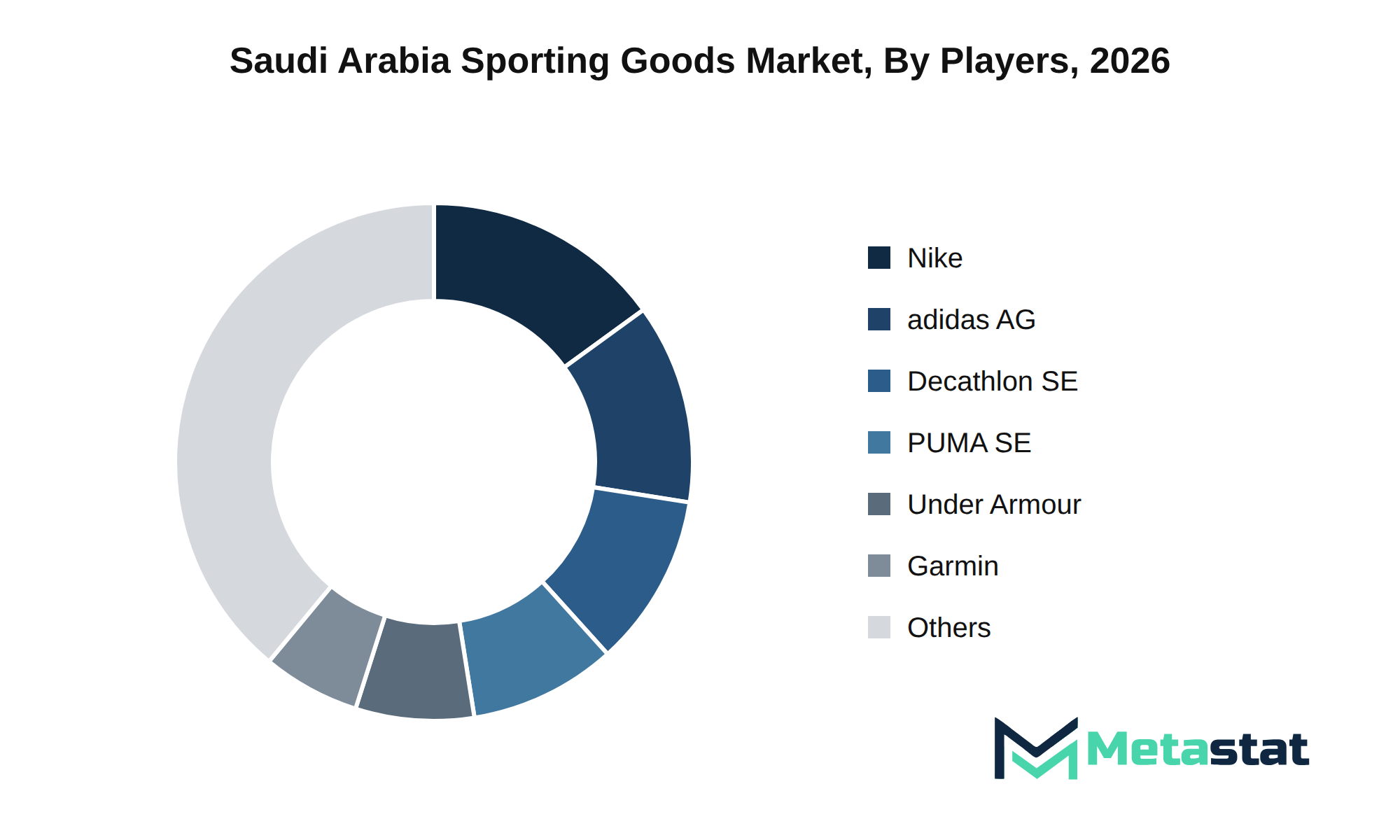
The Saudi Arabia Sporting Goods market features a diverse array of companies competing on multiple fronts, including product differentiation and strategic alliances. Key players including Decathlon SE, adidas AG, Nike, Inc., and PUMA SE focus on enhancing brand equity through innovative product offerings and targeted marketing strategies that connect with local consumers.
Technological advancements play a significant role in the competitive environment, with companies like Garmin Ltd., Apple Inc., and Samsung Electronics Co., Ltd. investing heavily in research and development to establish proprietary technology moats. This emphasis on innovation allows these firms to capture market share within segments including sports technology and wearables, where growth rates have accelerated due to increasing consumer interest in health and fitness tracking.
The market experiences pressure from new entrants and startup disruption dynamics, leading established companies to adopt go-to-market strategies that strengthen customer retention. Partnerships, joint ventures, and cross-industry collaborations enhance capabilities and broaden reach, allowing companies like Under Armour, Inc. and ASICS Corporation to maintain competitive advantages within their respective niches.
Barriers to entry remain a crucial consideration, with existing firms leveraging supply chain dominance and procurement leverage to optimize operational efficiencies. This strategic positioning reinforces the market's competitive outlook, shaping future growth vectors driven by companies navigating evolving consumer preferences and technological trends.
Market size is forecast to rise from USD 1,020.2 million in 2025 to over USD 1,554.4 million by 2033. This growth reflects a compound annual growth rate (CAGR) of 5.4%. Factors driving this expansion include increased consumer interest in health and fitness, innovations in sporting goods technology, and a growing emphasis on participation in various sports. The Saudi Arabia Sporting Goods market demonstrates a robust trajectory influenced by macroeconomic conditions and evolving consumer preferences.
In a bullish scenario, heightened investments in infrastructure and promotional campaigns by local sports organizations could accelerate market growth beyond projections. Alternatively, a bearish outlook could stem from economic downturns, leading to reduced discretionary spending on sporting goods. Regulatory changes and evolving compliance requirements will shape the market’s future, impacting production timelines and market entry strategies.
Strategic capital allocation and investment in research and development will enhance the market's capacity to meet the demands of next-generation technologies. The integration of innovative materials and smart technology into sporting goods will attract a broader consumer base, driving revenue growth. Ongoing shifts in consumer behavior and the need for personalized products present significant opportunities for brands to capture market share in the evolving ecosystem.
Investment in emerging white-space opportunities and meeting unmet enterprise needs will play a critical role in defining the competitive landscape. High-growth pockets, particularly in sports technology and wearables, indicate a clear path for expansion. The Saudi Arabia Sporting Goods market is positioned for substantial growth, influenced by macroeconomic factors, consumer behavior trends, and technological advancements. Stakeholders should focus on aligning strategies with these dynamics to capitalize on potential growth opportunities.
The report strategically identifies and profiles the key market players and analyses their core competencies in each sub-segment of the Sporting Goods market.
|
Report Attributes |
Details |
|
Study Period |
2021-2033 |
|
Base Year |
2025 |
|
Estimated Year |
2026 |
|
Forecast Period |
2026-2033 |
|
Historical Period |
2021-2025 |
|
Growth Rate |
CAGR 5.4% from 2026 to 2033 |
|
Revenue Unit |
USD million |
|
Segmentation |
By Product Type, Sport, Distribution Channel, End User, and Region |
Find answers to common questions about this report
The Saudi Arabia Sporting Goods market size was valued at USD 1,020.2 million in 2025.
The Saudi Arabia Sporting Goods market is projected to grow at a CAGR of 5.4% during the forecast period from 2026 to 2033.
The Sports & Fitness Equipment segment leads the Saudi Arabia Sporting Goods market, with a projected value of USD 450.8 million by 2033. This segment holds the largest share compared to other product types.
Key drivers for the Saudi Arabia Sporting Goods market include economic growth, urbanization, and increasing disposable income. The focus on health and fitness, coupled with the development of sports facilities, enhances participation in physical activities, while a trend towards premium products reflects evolving consumer preferences.
The Saudi Arabia Sporting Goods market faces challenges from macroeconomic headwinds, including inflationary pressures that erode disposable income and shift consumer spending towards essentials. Supply chain disruptions and geopolitical instability further complicate market conditions, leading to reduced sales volumes and increased operational costs for manufacturers.
Increasing disposable income and a rising population enhance spending on sporting goods in Saudi Arabia. The focus on health and fitness, supported by improved urban infrastructure and access to sports facilities, drives participation in sports activities, promoting product adoption across various market segments.
The Sporting Goods market is estimated to reach a valuation of USD 1,554.4 million by 2033.
Key players operating in the Saudi Arabia Sporting Goods market include Decathlon SE, adidas AG, Nike, Inc., PUMA SE, Garmin Ltd., and Under Armour, Inc.
The sports apparel segment is projected to reach USD 376.2 million by 2033, reflecting a compound annual growth rate of 5%.
The sports technology and wearables segment is anticipated to grow at a compound annual growth rate of 8.8%, indicating strong demand for innovative products.
The analysts below cover Consumer Goods research at Metastat Insights.
LEAD ANALYST
Utkarsh Khirodkar is a Lead Market Research Analyst at MetaStat Insight, specializing in market intelligence, technology sector assessments, and competitive strategy.
In the biological seed treatment space, registration timelines vary drastically between the European Union, Brazil, and North America. The MetaStat Insight research handled these cross-border regulatory barriers with genuine nuance, mapping commercialization pathways alongside historical field adoption rates. The segmentation between microbial strains and biochemical active ingredients was particularly well structured.
Our team was tracking whether regional recycling infrastructure could realistically absorb the growing volume of lithium iron phosphate batteries over the next decade. The report did a solid job separating announced hydrometallurgical plant capacity from active, permitted operational throughput. That distinction made the feedstock availability projections and regional recovery rate models far more credible than standard commercial overviews.
Tracking capacity expansion in single-use bioprocessing requires dependable data on raw material availability and cleanroom-grade polymer supply chains. The competitive landscape chapter gave a grounded evaluation of secondary component suppliers across North America and Asia-Pacific rather than simply reprinting press releases. Having that level of supplier benchmarking helped clarify dual-sourcing considerations for our clinical pipeline planning.
Explore related market intelligence reports worth reading alongside this one.