
Buyers in the oncology drugs market must ask critical questions to ensure they partner with the right suppliers for effective therapies.
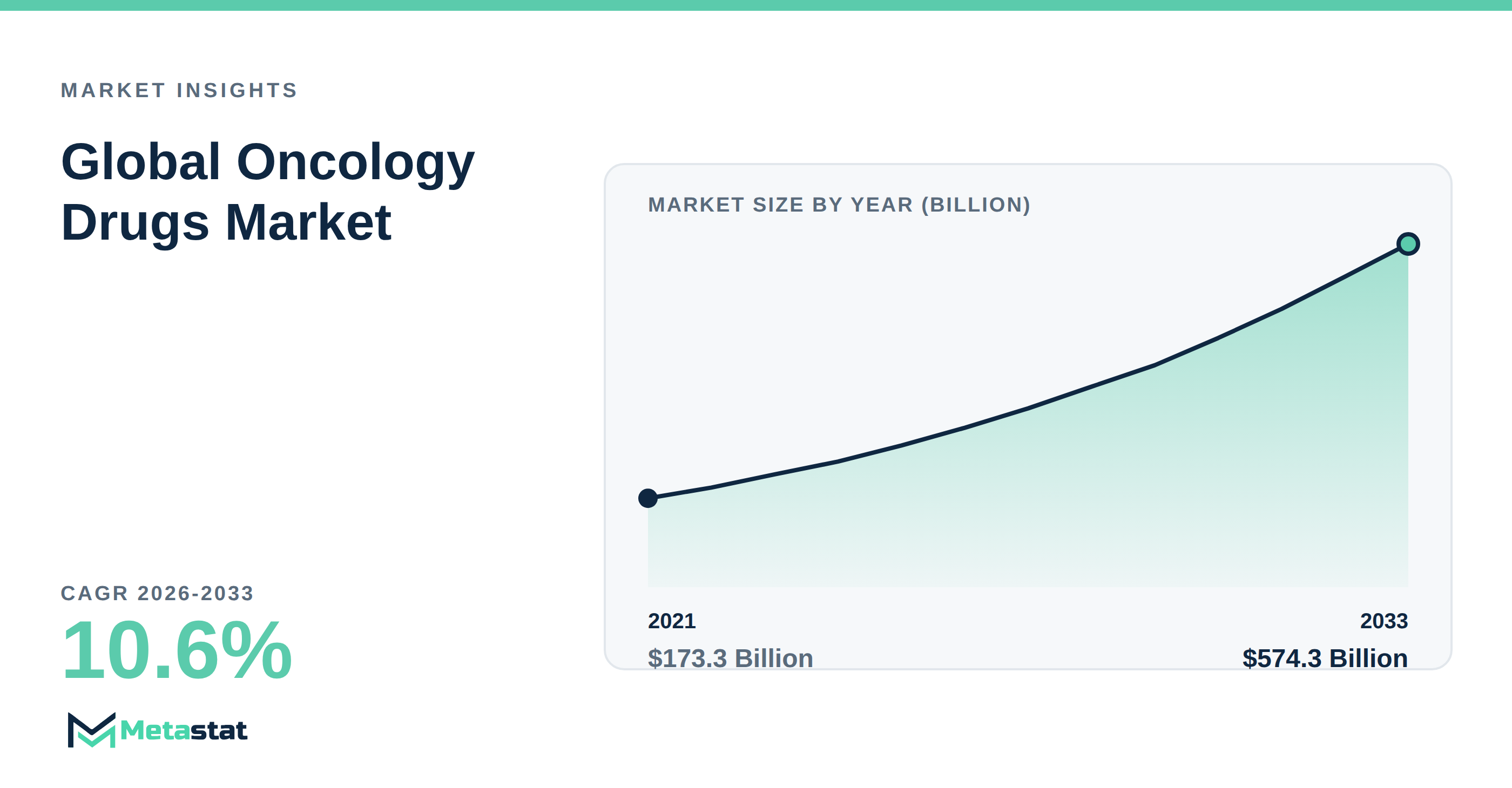
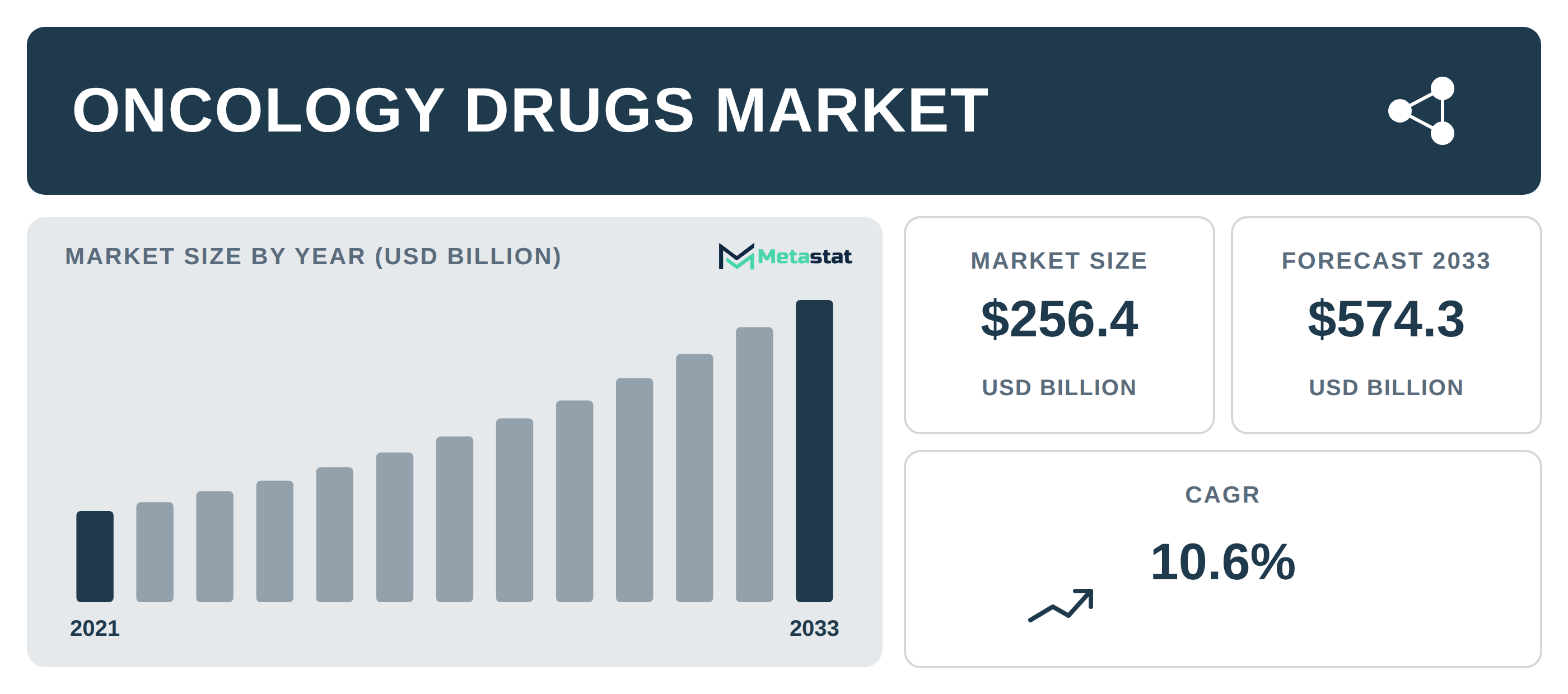
The market for Oncology Drugs is evolving due to advances in technology, an increasing prevalence of cancer, and growing patient demand for effective treatments. Buyers seeking to partner with suppliers should be well-informed about critical factors influencing their choices. Engaging in meaningful dialogue leads to better patient outcomes and more effective therapies. Below are key questions that every buyer should consider when evaluating Oncology Drugs suppliers. The full figures are in our Oncology Drugs market size and forecast report.
1. What innovative therapies are available for specific cancer types?
Buyers inquire about the latest innovations in Oncology Drugs tailored for different cancer types. The emergence of targeted therapies and immunotherapies has transformed cancer treatment, with innovations providing more personalized options. For example, targeted therapies are projected to reach USD 208.5 billion by 2033. Suppliers should demonstrate their commitment to research and development, highlighting therapies that target specific genetic markers or tumor profiles, which significantly enhance treatment efficacy.
2. How do these therapies impact patient outcomes and costs?
Understanding the clinical effectiveness of therapies is crucial. Buyers should ask suppliers about data supporting the efficacy of their Oncology Drugs and how they translate to improved patient outcomes. Suppliers should provide insights into the cost-effectiveness of their therapies. The growing emphasis on value-based pricing models requires suppliers to justify the costs associated with advanced treatments, which facilitate better access for patients while managing healthcare budgets.
3. What are the supply chain capabilities for timely drug delivery?
Effective drug delivery is essential to patient care, particularly in the context of oncology, where treatment timing impacts outcomes. Buyers should assess the supply chain robustness of their suppliers. Key questions include: What logistics are in place to ensure timely access to Oncology Drugs? How do suppliers manage inventory and distribution through hospital pharmacies and specialty pharmacies? Suppliers should demonstrate operational excellence to meet the demands of healthcare providers and patients alike.
4. How do you facilitate collaboration with healthcare providers?
Effective partnerships between suppliers and healthcare providers enhance treatment delivery. Buyers should explore how suppliers engage with oncology teams to support therapy administration and management. Collaboration includes training healthcare professionals on new therapies or providing resources that facilitate patient adherence. Suppliers that prioritize strong relationships with healthcare providers significantly improve treatment implementation and patient satisfaction.
5. What role do pricing strategies play in your product offerings?
Pricing strategies are a crucial concern for buyers. With Oncology Drugs often associated with high costs, understanding pricing models is essential. Buyers should ask suppliers about their pricing strategies, particularly regarding value-based pricing and risk-sharing agreements. These models enhance accessibility for patients while ensuring healthcare providers justify expenditures on costly therapies. Suppliers should be prepared to discuss how they balance pricing with patient outcomes and market demands.
6. What initiatives support ongoing research and development efforts?
Buyers should inquire about the supplier's commitment to ongoing research and development. While the Oncology Drugs landscape evolves, suppliers continue to innovate. Understanding a supplier's investment in developing novel therapies or improving existing ones is critical. Buyers should seek suppliers that actively engage in clinical trials and collaborations that enhance their drug pipelines, ensuring they offer the most effective and up-to-date treatments on the market.
7. How are you adapting to changing regulations and market demands?
In an industry marked by rapid changes in regulations and treatment protocols, buyers should ask suppliers about their strategies for staying compliant and responsive. Understanding how suppliers adapt their offerings to meet regulatory requirements and emerging trends is vital. This insight indicates a supplier's agility and commitment to maintaining the highest standards of safety and efficacy in their products.
By asking these critical questions, buyers better evaluate Oncology Drugs suppliers and make informed decisions that enhance patient care and treatment outcomes. The environment for Oncology Drugs is not static; maintaining open communication regarding innovation, efficacy, pricing, and collaboration is key to navigating this challenging sector effectively.
Tags
About the Authors

LEAD ANALYST
Utkarsh Khirodkar is a Lead Market Research Analyst at MetaStat Insight, specializing in market intelligence, technology sector assessments, and competitive strategy.

LEAD PRINCIPAL ANALYST, PHARMA AND HEALTHCARE
Food and Beverages · Healthcare · Healthcare IT · Medical Devices
Ajay Devgire is the Lead Healthcare Analyst at MetaStat Insight, leading strategic research and market intelligence initiatives across the global healthcare domain.