
The demand for Maritime Safety Systems varies significantly across regions. This post explores why North America leads and Europe follows.
The growing emphasis on maritime safety has led to notable variations in regional demand for safety systems. While North America and Europe are significant players in the market for Maritime Safety Systems, their growth trajectories present distinct differences shaped by various factors. Maritime Safety Systems market size and forecast report highlights these trends.
Why does North America lead in Maritime Safety Systems demand?
North America stands out in the demand for Maritime Safety Systems, accounting for a substantial 31.3% of the total market. This prominence stems from the region's robust maritime infrastructure and stringent regulations. The United States, in particular, has prioritized significant investments in its commercial shipping and offshore energy sectors. These investments are driven by increasing maritime traffic and the need for compliance with evolving safety regulations.
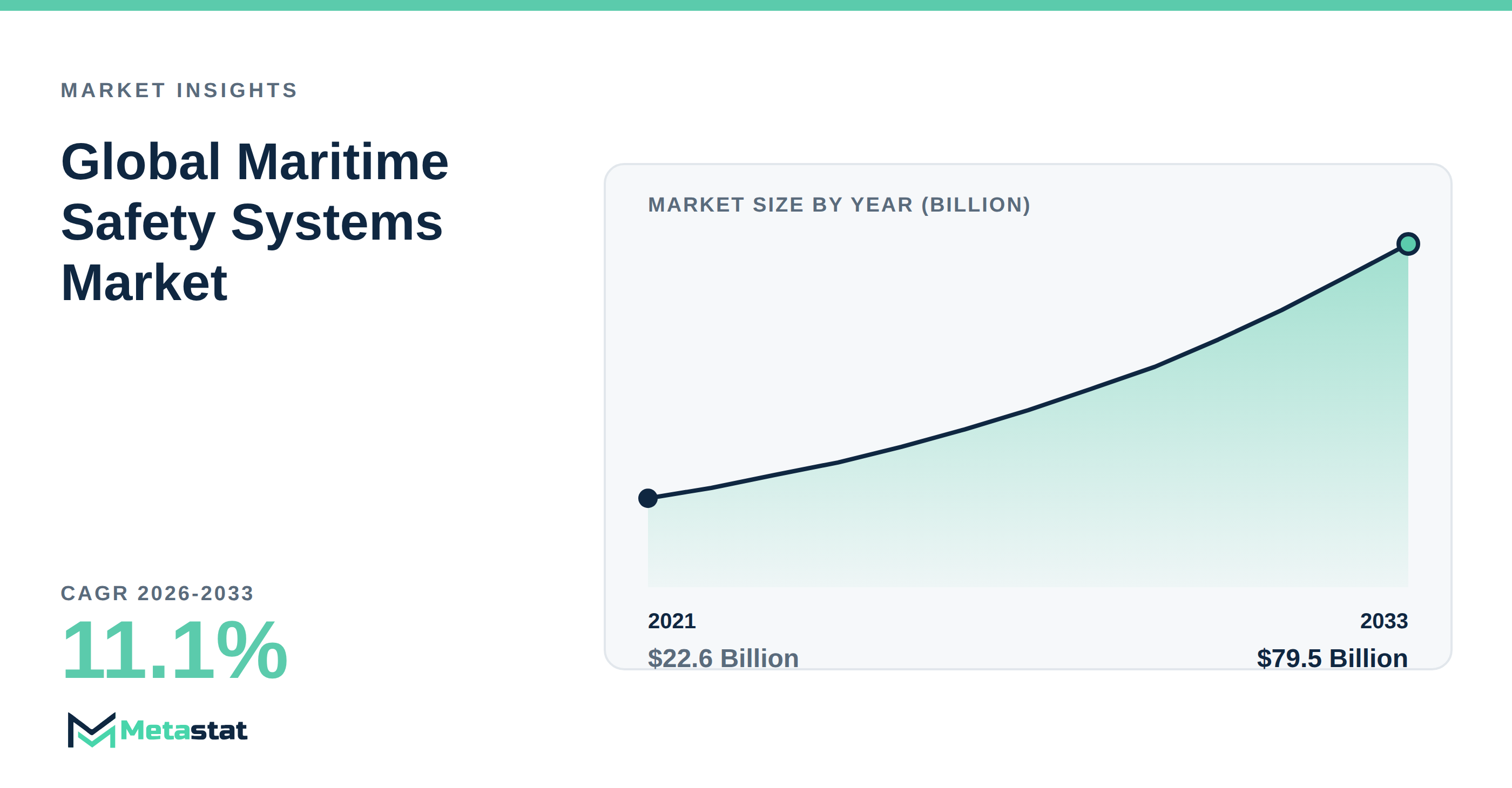
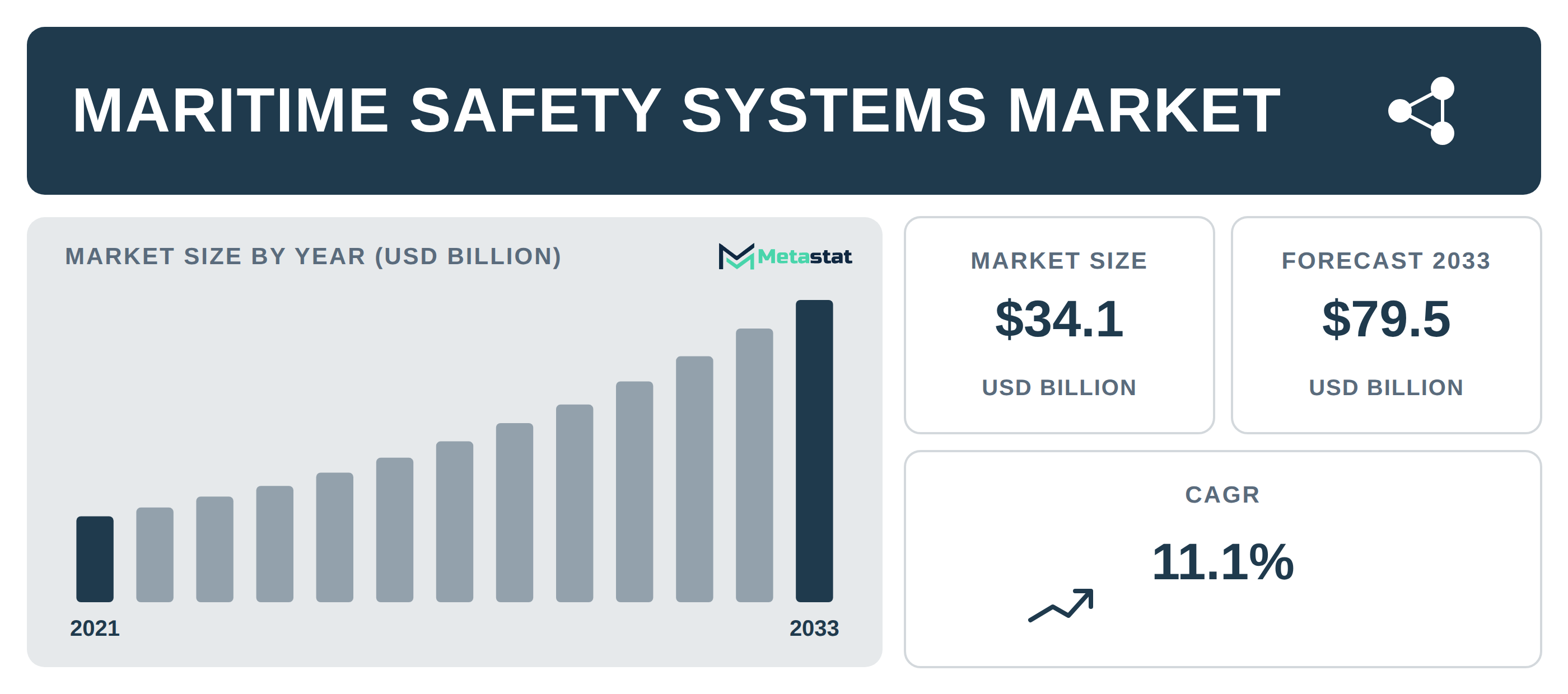
Infrastructure improvements in ports and terminals enhance the adoption of advanced safety solutions. The focus on navigation and collision prevention systems supports North America's leadership, as organizations aim to mitigate risks associated with dense maritime traffic. North America is expected to reach a valuation of USD 23.7 billion by 2033, signifying its importance in the overall landscape of Maritime Safety Systems.
What factors shape Europe's Maritime Safety Systems demand?
Europe demonstrates strong demand for Maritime Safety Systems, characterized by rigorous safety standards across various sectors. Key nations including Germany, France, and the UK have made significant investments aimed at enhancing navigation safety and preventing collisions. This commitment to safety is further amplified by the emphasis on environmental sustainability and compliance with international regulations.
Europe is projected to account for around 28.8% of the total market, reflecting a serious commitment to adopting innovative technologies in response to emerging safety challenges. However, stringent regulations slow down the growth rate, requiring organizations to navigate the complexities of compliance alongside technological advancements. This balancing act contributes to a more stable but potentially slower growth trajectory compared to North America.
Asia-Pacific's emerging role in Maritime Safety Systems
The Asia-Pacific region, holding 28.1% of the market, is rapidly advancing in its maritime safety initiatives. Countries like China, Japan, and India are investing heavily in safety infrastructure, driven by their expanding commercial shipping industries. Government initiatives emphasize the importance of meeting regulatory compliance and safety standards, aligning with global trends.
Despite its growth potential, the Asia-Pacific region confronts challenges in harmonizing safety measures with diverse regulatory frameworks present in various countries. This complexity hinders faster adaptation to advanced safety technologies compared to North America and Europe. However, an increased focus on compliance and operational efficiency suggests a promising future for the Maritime Safety Systems in this region.
What holds back demand in South America and other regions?
In contrast, regions like South America lag in Maritime Safety Systems demand. Key players including Brazil and Argentina focus on investments in commercial shipping but face limitations due to economic fluctuations and budget constraints. Although evolving regulations emphasize stringent safety standards, their actual implementation often trails behind due to financial pressures on operational upgrades.
Funding limitations impact governments and defense sectors in South America, hampering advancements and leading to slower adoption of critical safety technologies. The emphasis on cost efficiency reveals the need for scalable solutions tailored to smaller operators, potentially hindering overall progress in this region.
Future outlook and strategic recommendations
The disparities in regional demand for Maritime Safety Systems highlight a landscape shaped by investment priorities, regulatory frameworks, and technological advancements. North America leads the way, driven by substantial infrastructure and a commitment to safety. Europe emphasizes compliance and environmental factors, while Asia-Pacific emerges as a competitive player with significant growth opportunities.
Organizations operating within these regions should carefully evaluate local regulations, invest in advanced safety solutions, and explore opportunities for collaboration. Recognizing the factors influencing regional demand allows stakeholders to better position themselves for success in the evolving field of Maritime Safety Systems.
Tags
About the Author

LEAD ANALYST
Utkarsh Khirodkar is a Lead Market Research Analyst at MetaStat Insight, specializing in market intelligence, technology sector assessments, and competitive strategy.