
Explore the contrasting regional demand in the Semiconductor Foundry sector, focusing on the leadership of Asia-Pacific and the challenges faced by North America for strategic decisions.
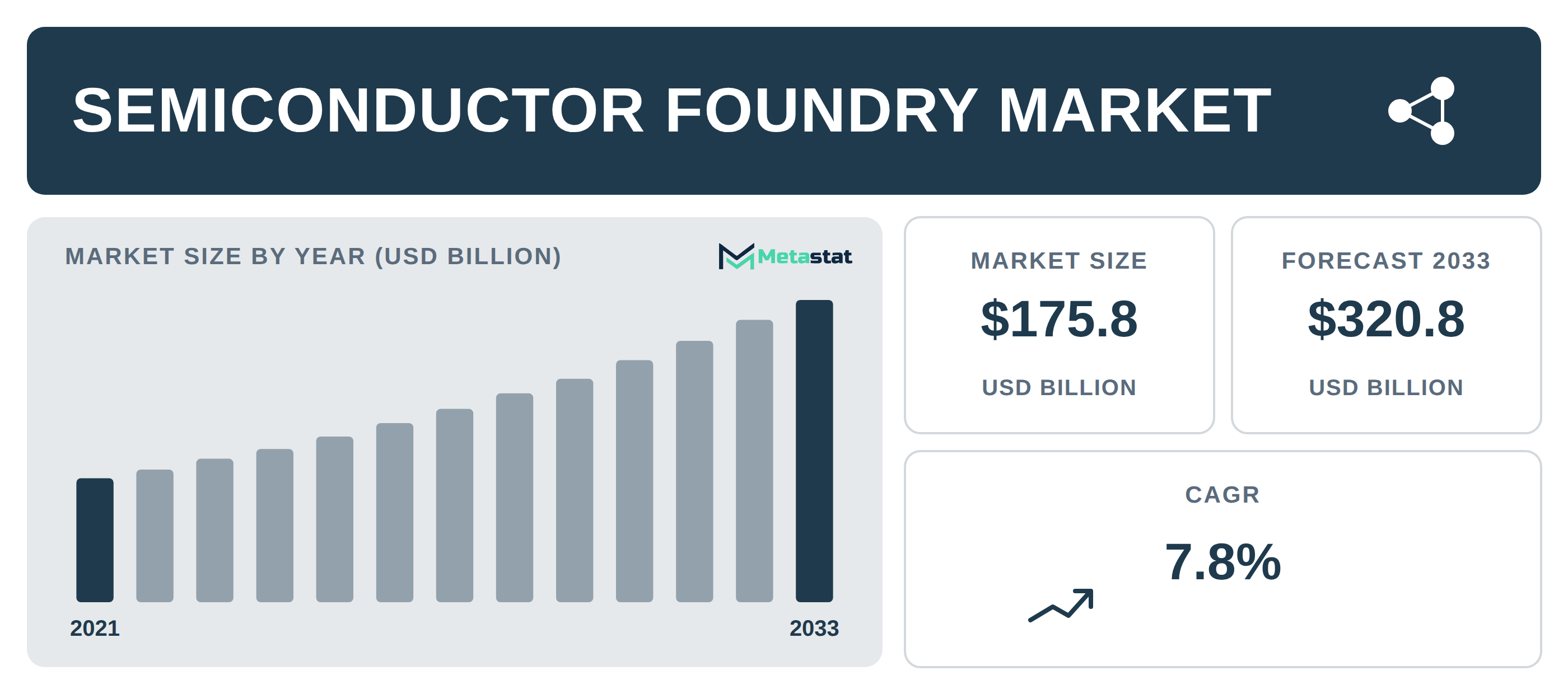
The market for Semiconductor Foundry regional demand highlights notable disparities, especially between Asia-Pacific and North America. Asia-Pacific commands an impressive 86.1% share, while North America trails at 8.1%. Understanding the dynamics behind this divide is crucial for stakeholders making strategic decisions in this evolving landscape. Semiconductor Foundry market size and forecast report provides in-depth insights into these trends.
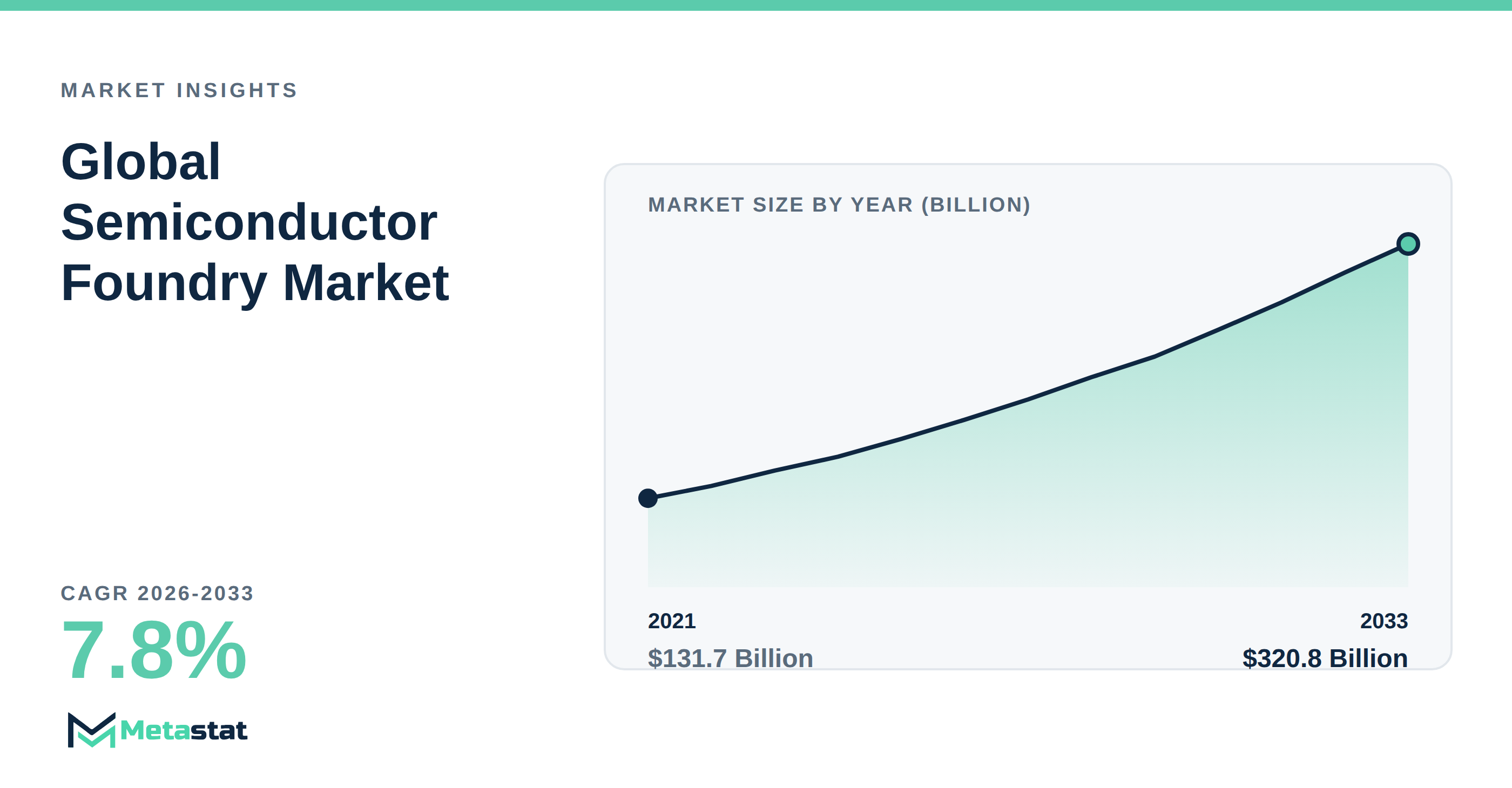
The leading position of Asia-Pacific in the Semiconductor Foundry sector stems from its robust ecosystem and substantial investments in advanced semiconductor technologies. Countries like China and South Korea are investing heavily in facilities that support the development of smaller, more efficient chips, particularly those below 10 nm. This focus aligns with the growing need for high-performance computing driven by sectors including artificial intelligence and data centers.
In contrast, North America, while home to major companies including Taiwan Semiconductor Manufacturing Company and Intel Corporation, faces several challenges impacting its competitiveness. The region’s higher production costs and a less concentrated supply chain hinder its growth potential. Companies in North America often face rising input costs, which affect profit margins and limit the agility needed to compete with the more cost-effective operations available in Asia-Pacific.
Geopolitical tensions play a significant role in shaping Semiconductor Foundry regional demand. Asia-Pacific's geographical advantages facilitate smoother logistics and reduced shipping times, creating a favorable manufacturing environment. Conversely, North America’s political landscape has resulted in regulatory uncertainties that deter potential investments in semiconductor facilities, further slowing its growth trajectory.
The focus on local sourcing and partnerships among companies in Asia-Pacific is another critical factor contributing to its dominance. Organizations are fostering strong relationships with foundries that offer tailored solutions, enhancing supply chain reliability. This local approach stands in stark contrast to North America, where reliance on global supply chains often results in disruptions caused by external economic conditions.
The automotive sector exemplifies this divide clearly. In Asia-Pacific, automotive manufacturers benefit from flexible contract structures with foundries, ensuring a stable supply of advanced chips necessary for electric vehicles and other technologies. This strategic alignment supports investments in innovation while mitigating risks associated with supply chain challenges. Meanwhile, automotive companies in North America are pressured by rising chip prices, forcing many to delay product launches or scale back on ambitious projects.
The surging demand for artificial intelligence chips is driving the expansion of foundry capacities in Asia-Pacific. The region’s foundries are investing significantly in advanced nodes, preparing to meet the growing needs of AI applications across various industries. This contrasts sharply with North America, where companies have not yet reached a similar level of investment in these emerging technologies, resulting in a lag in production capabilities.
This divide in Semiconductor Foundry regional demand underscores critical factors influencing market dynamics. Asia-Pacific’s advantages in production efficiency, investment in technology, and localized supply chains have positioned it as a leader in this domain. On the other hand, North America navigates challenges including rising costs, regulatory uncertainties, and reliance on less flexible supply chains to retain its competitiveness in the future of semiconductor manufacturing.
Tags
About the Authors

LEAD ANALYST
Utkarsh Khirodkar is a Lead Market Research Analyst at MetaStat Insight, specializing in market intelligence, technology sector assessments, and competitive strategy.

PRINCIPAL CONSULTANT - ENTERPRISE AI & EMERGING TECHNOLOGIES
Banking & Finance · Electronics and Semiconductor · Energy and Power · Healthcare IT · Information & Technology · Professional Services
Vijay Gunti is a Principal Consultant at MetaStat Insight, bringing over two decades of experience across enterprise digital transformation, technology strategy, and intelligent systems.

PRINCIPAL CONSULTANT - QUALITY SYSTEMS & COMPLIANCE
Electronics and Semiconductor · Machinery & Equipment · Professional Services
Omkar Phadtare is an Industry Consultant at MetaStat Insight, specializing in quality systems, regulatory compliance, and standards benchmarking to drive data-driven market intelligence and strategic industry research.

ENERGY & INFRASTRUCTURE INDUSTRY CONSULTANT
Automotive and Transportation · Electronics and Semiconductor · Energy and Power · Machinery & Equipment
Saurabh Vasant Ganvir consults for Energy & Infrastructure Industry at MetaStat Insight, specializing in renewable energy, solar EPC, and electric vehicle (EV) infrastructure markets.

LEAD CONSULTANT - COMMUNICATION, TELECOM, AND IT
Electronics and Semiconductor · Information & Technology · Machinery & Equipment · Professional Services
Ravindra Sathe Consultants for Communication, Telecom, and IT at MetaStat Insight. He leads the firm's industry research initiatives across telecommunications infrastructure, digital connectivity, enterprise networking, and emerging information technology domains.