
The construction sector in China is seeing a notable shift in investments from coastal megacities to central and western regions, driven by government initiatives.
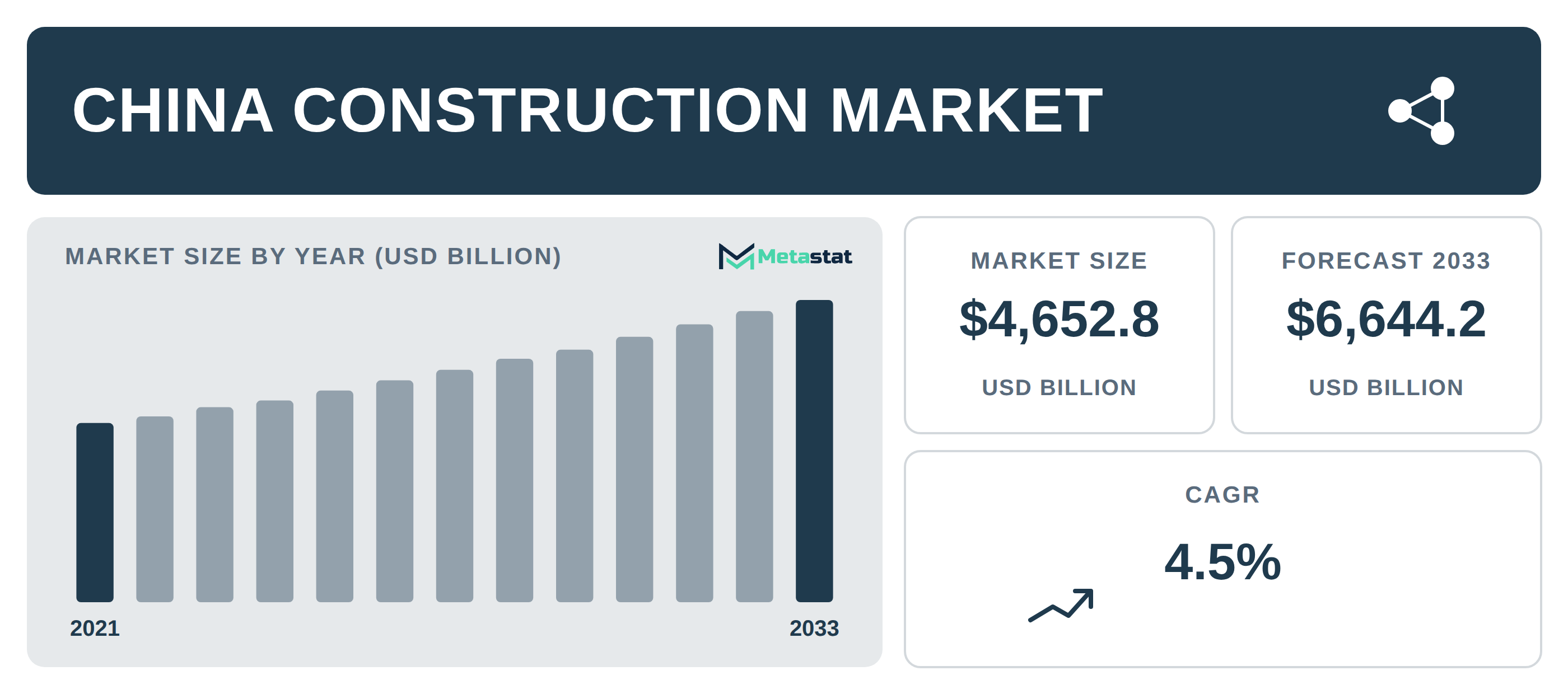
The recent investment trends within China's construction sector indicate a fascinating shift in focus. Rather than concentrating resources solely in established coastal megacities like Shanghai and Beijing, attention is now turning toward central and western regions. This transition introduces both opportunities and challenges for stakeholders involved in the industry. The full figures are in our China Construction market size and forecast report.
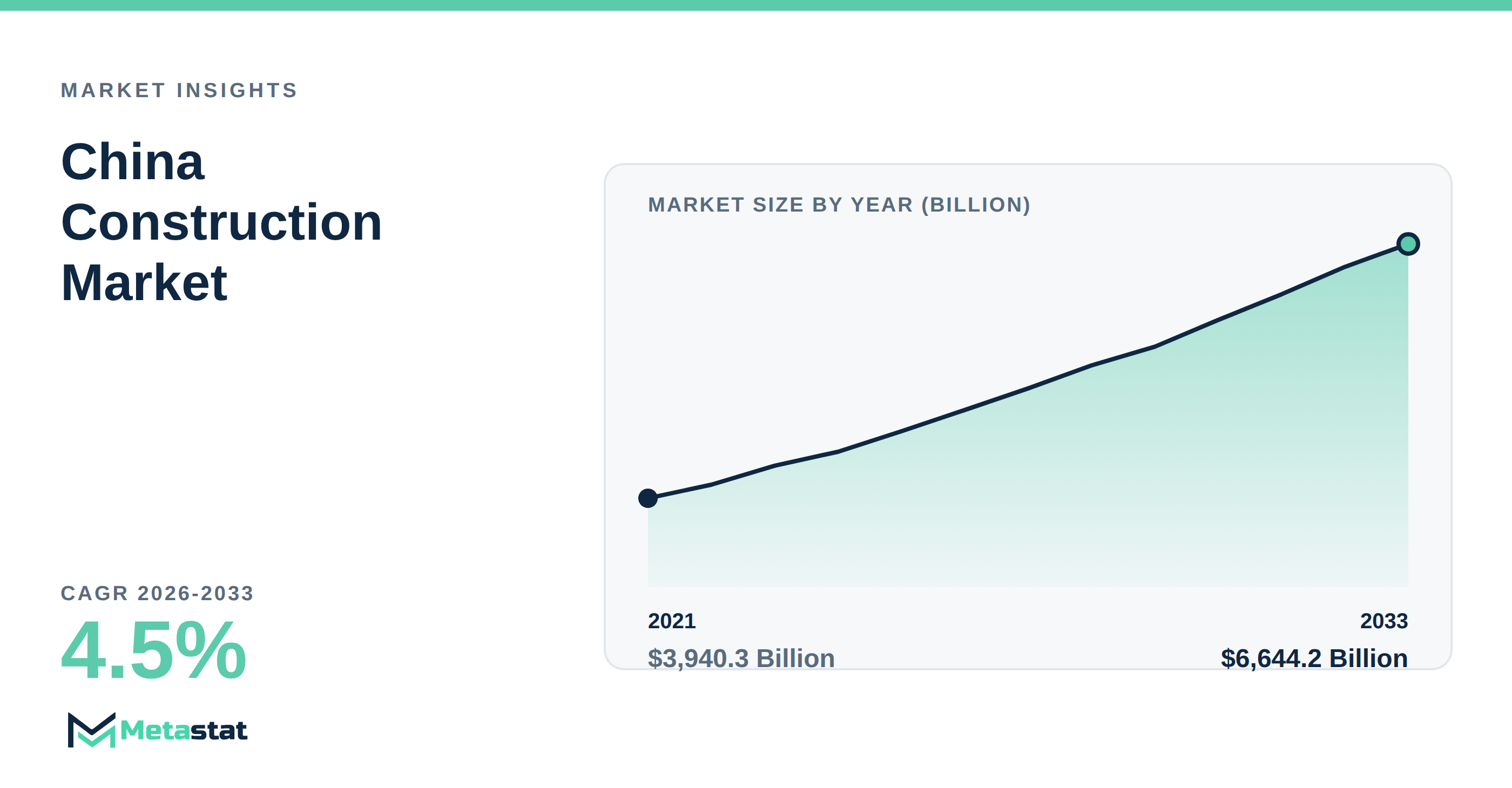
This change is largely driven by a strategic governmental initiative aimed at promoting economic balance across different regions. The goal is to stimulate growth in less-developed areas, enhancing infrastructure and connectivity. A notable increase in public procurement investment in these regions is anticipated, with funding expected to rise from USD 2,986 billion in 2026 to USD 3,857 billion by 2033, showcasing a growth rate of 3.7%.
Construction firms are adjusting their business strategies in response to this evolving landscape. Many companies are broadening their portfolios to incorporate projects in central and western provinces. This approach not only addresses local needs but enables firms to capitalize on new growth avenues. Aligning with government initiatives that aim to enhance living standards and facilitate sustainable urbanization is essential for long-term success.
The trend toward urbanization in these regions is generating substantial demand for construction services. As population numbers rise, so does the necessity for housing, commercial buildings, and critical infrastructure. Adapting to shifting demographics and consumer preferences will be key for firms hoping to thrive in this new environment.
Another significant factor in this transition is the increasing focus on renovation and modernization of existing structures. The renovation segment is projected to grow at an impressive rate of 6.7%, driven by rising urban living standards and the update older facilities to meet energy efficiency standards. The emphasis on sustainability is further pushing property owners to invest in upgrades that enhance building performance and longevity.
The incorporation of innovative construction methodologies, including prefabrication and Building Information Modeling (BIM), is changing the way projects are delivered. These techniques improve efficiency and assist in cost management. Buyers are now more inclined to choose contracts based on modular construction elements, which help streamline budgeting and reduce uncertainties associated with traditional building methods.
While the construction landscape evolves, the implications for industry players are profound. Companies that acknowledge these emerging trends and adapt accordingly will gain a competitive edge. Those focusing on projects in high-growth regions, modernization initiatives, and implementing innovative construction techniques are poised to lead the industry.
Grasping these dynamics is essential for stakeholders aiming to navigate the shifting landscape. The market for China Construction extends beyond mere figures; it hinges on the ability to adapt to demand shifts, make informed investments, and address consumer needs in an increasingly urbanized society. With public investments rising, firms that demonstrate agility in their strategies are likely to succeed within this changing environment.
Tags
About the Authors

LEAD ANALYST
Utkarsh Khirodkar is a Lead Market Research Analyst at MetaStat Insight, specializing in market intelligence, technology sector assessments, and competitive strategy.

SENIOR RESEARCH ANALYST
Biotechnology · Food and Beverages · Medical Devices · Packaging
Snehal Pasalkar is a Research Analyst at MetaStat Insight, operating at the intersection of life sciences research, competitive strategy, and market intelligence.

INDUSTRY CONSULTANT - CHEMICALS & ADVANCED MATERIALS
Chemicals and Materials · Machinery & Equipment · Packaging
Amit Gadhekar Consultant for Chemicals and Materials at MetaStat Insight, directing sector-specific intelligence, research, and strategic consulting across global chemical and processing markets.