
Explore the regional disparities within the India Biochar market, focusing on adoption, technological advancements, and regulatory influences.
The India Biochar market is experiencing notable regional divergence, with different areas showing varying levels of adoption and growth. Understanding the factors driving this divergence helps stakeholders optimize their strategies and capitalize on opportunities.
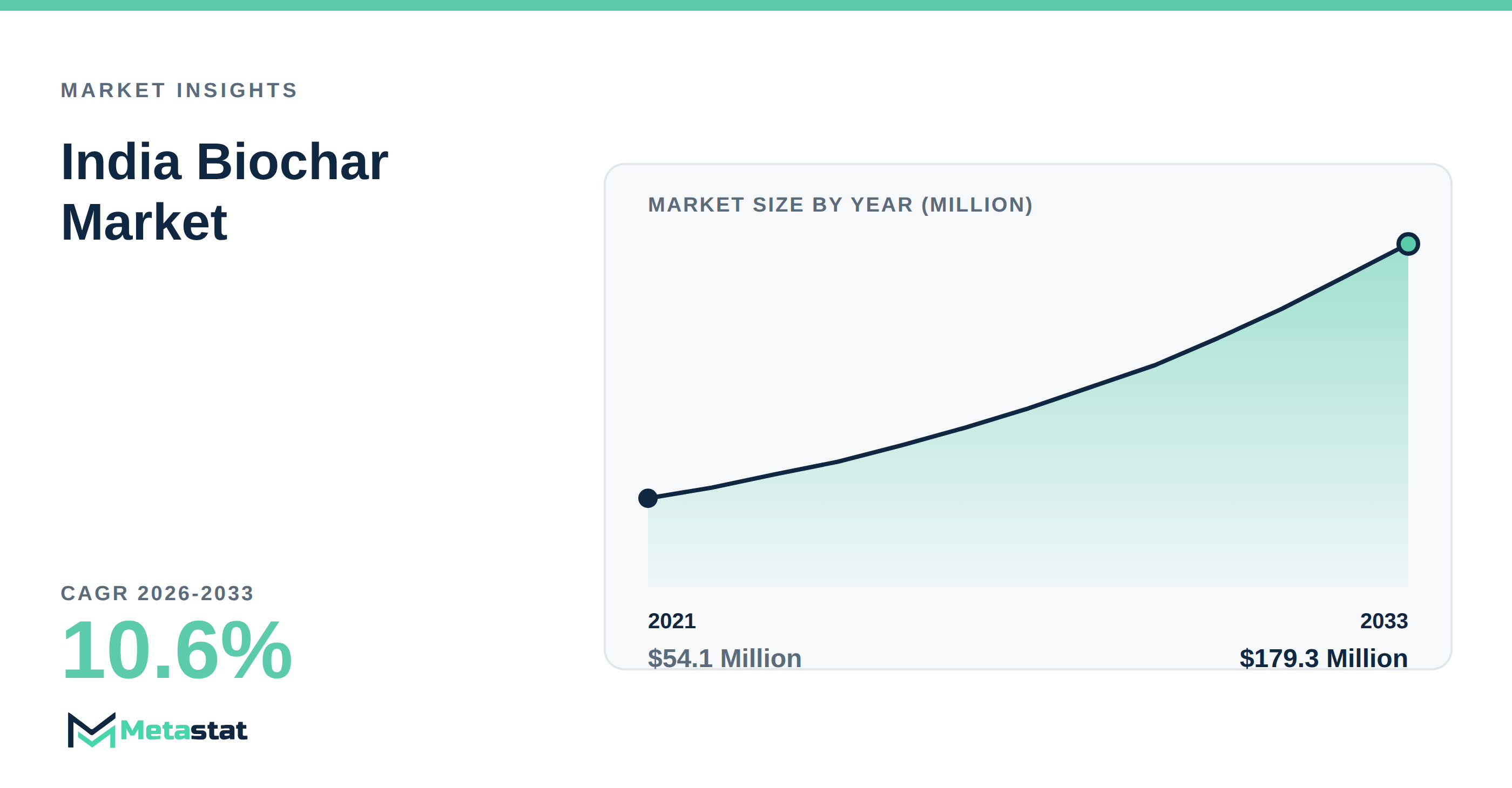
What regions lead in the India Biochar market?
Currently, southern regions of India, particularly Tamil Nadu and Karnataka, demonstrate stronger growth in the Biochar market compared to their northern counterparts. This trend is attributed to higher agricultural productivity and greater awareness of sustainable practices among farmers in southern states. For instance, Tamil Nadu, with its diverse agricultural landscape, creates an environment conducive to the adoption of biochar because a soil amendment, enhancing soil health and crop yields.
Why are northern regions lagging in biochar adoption?
Northern states, including Punjab and Haryana, historically known for high agricultural output, face challenges that inhibit Biochar market growth. Regulatory complexities, coupled with limited awareness regarding biochar's benefits, restrict adoption. Farmers in these regions often rely on conventional practices, which results in resistance to embracing innovative solutions like biochar. Issues related to feedstock availability and fluctuating material costs compound the operational challenges faced by producers, further contributing to lower adoption rates.
How do technological advancements influence regional dynamics?
Technological integration significantly influences growth within the India Biochar market. In southern regions, advancements in pyrolysis technology have led to efficient biomass conversion, making biochar production economically viable. Companies in these areas, including Varaha ClimateAg Private Limited and MASH Makes, actively invest in innovative production methods to enhance operational efficiency. In contrast, northern states experience slower technological adoption, which limits their ability to compete effectively in the growing market.
What role do regulatory frameworks play in regional growth?
Regulatory support is essential for promoting sustainable agricultural practices. Southern states benefit from policies that encourage biochar adoption, stimulating investment and innovation. Conversely, stringent regulations in northern regions often translate into increased compliance costs, deterring potential market entrants. The resulting complexity in navigating these regulations discourages farmers from exploring biochar solutions that could enhance soil health.
What is the future outlook for the India Biochar market?
The future of the India Biochar market hinges on overcoming regional disparities. Initiatives aimed at increasing awareness and education on biochar benefits are expected to stimulate demand in lagging areas. Collaboration between public and private sectors encourages investment in infrastructure and technological advancements, enabling northern regions to catch up with their southern counterparts. Overall, because the market evolves, stakeholders recognize the unique challenges and opportunities posed by regional dynamics to ensure sustainable growth.
For a comprehensive analysis of these trends, the full report on the India Biochar Market is available, providing detailed insights into market segmentation and forecasts.
Tags
About the Author

LEAD ANALYST
Utkarsh Khirodkar is a Lead Market Research Analyst at MetaStat Insight, specializing in market intelligence, technology sector assessments, and competitive strategy.