
Explore key questions that buyers in the hatchery market should ask suppliers, focusing on biosecurity, technology, sustainability, and more.
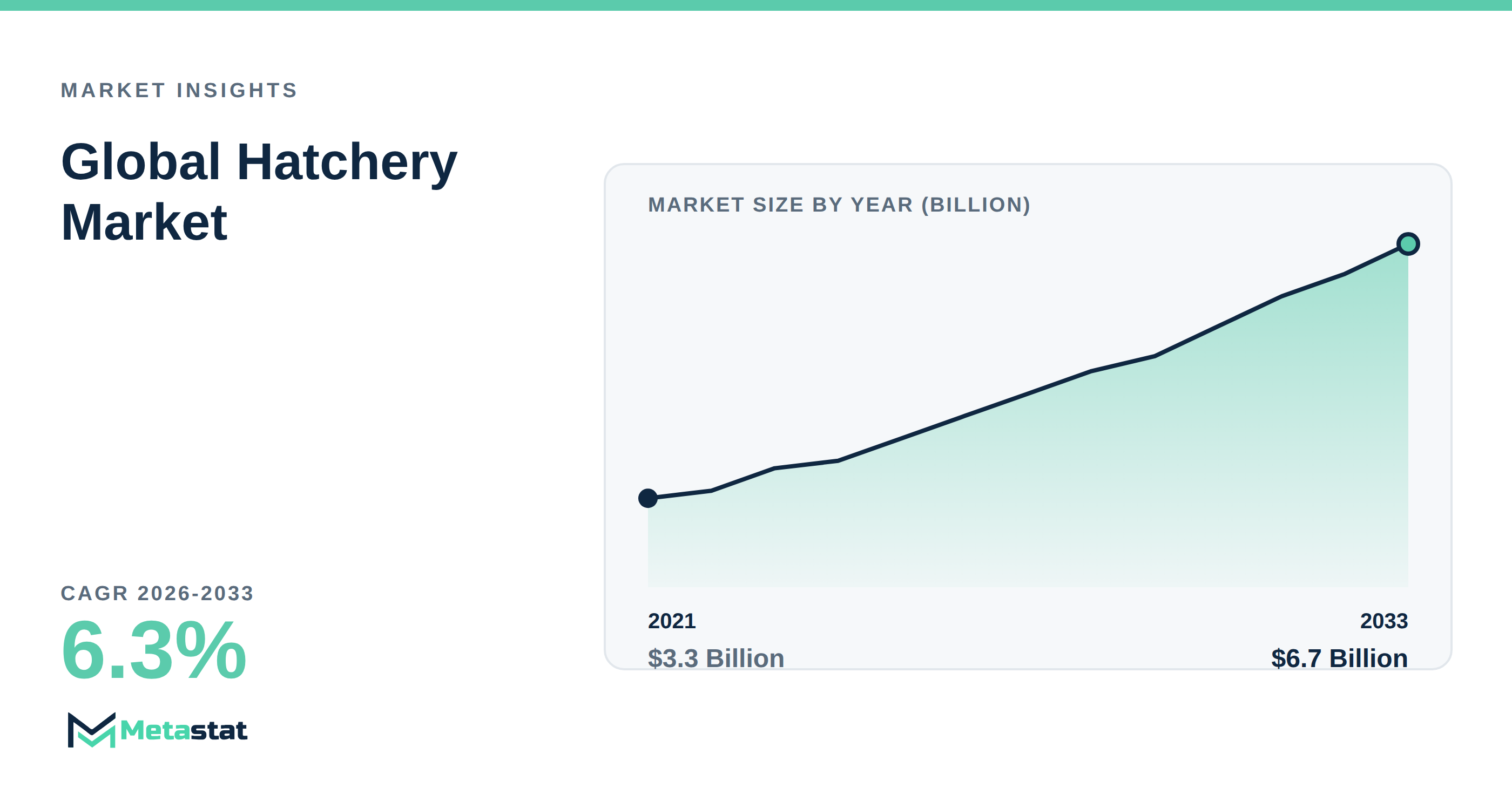
The hatchery market, valued at USD 4.1 billion in 2025, is expected to increase to USD 6.7 billion by 2033, reflecting a CAGR of 6.3%. In this competitive landscape, buyers ask critical questions to ensure they choose the right suppliers. Are key inquiries that guide decision-making:
1. How does your operation ensure biosecurity and animal welfare?
With the rising focus on biosecurity and animal welfare, buyers should inquire about the supplier's specific protocols. Effective biosecurity measures minimize disease risks and improve overall flock health. Suppliers prioritizing these aspects are better equipped to meet both regulatory requirements and consumer expectations. Buyers benefit by partnering with suppliers committed to high welfare standards, which leads to enhanced product quality and increased consumer trust.
2. What technologies do you implement for efficiency?
In the rapidly evolving hatchery market, technological advancements play an essential role in operational success. Buyers should ask suppliers about the technologies employed, including automation, artificial intelligence, and data analytics. These innovations significantly boost operational efficiency, lower costs, and enhance hatch rates. Understanding a supplier's technology investments provides insights into their capacity to deliver high-quality products consistently, which is crucial for the buyer's operational effectiveness.
3. What steps are taken to meet regulatory compliance?
Compliance with industry regulations is vital in the hatchery market, where adherence affects operational practices. Buyers should inquire about suppliers' methods for ensuring compliance with relevant regulations regarding animal welfare, biosecurity, and food safety. Suppliers maintaining strong compliance frameworks cultivate consumer trust and improve their reputation, ultimately fostering long-term partnerships and stability in the market.
4. How do you address pricing volatility in raw materials?
Understanding how suppliers manage the effects of fluctuating raw material prices is crucial for buyers. Rising input costs significantly compress profit margins, so suppliers have effective strategies to mitigate these pressures. This includes long-term contracts for feed sourcing or investing in more efficient technologies. By aligning with suppliers who adeptly manage pricing dynamics, buyers maintain their profitability and ensure stability in their supply chains.
5. What is your approach to sustainability?
While sustainability becomes a key driver in the hatchery market, buyers should evaluate their suppliers' sustainability practices. Inquire about initiatives that minimize waste, improve resource efficiency, and align with circular economy principles. Suppliers committed to sustainable practices are better positioned to meet emerging consumer demands for environmentally responsible products. This alignment ultimately enhances the buyer's market share in an increasingly environmentally conscious consumer landscape.
6. How do you adapt to changing consumer behaviors?
Understanding consumer trends is vital in the hatchery market. Buyers should ask suppliers how they adapt to shifts in consumer preferences, particularly the increasing demand for organic and free-range poultry. Suppliers that actively engage with market trends and consumer feedback are more likely to produce products that resonate with end-users, thereby strengthening the buyer's competitive positioning in the market.
7. What investment strategies do you pursue for infrastructure development?
Investment in modernizing facilities and upgrading digital capacities greatly influences efficiency in the hatchery market. Buyers should inquire about the infrastructure development strategies of suppliers. Upgrading facilities enhances operational efficiency and productivity, allowing quicker delivery of products. Suppliers who allocate capital towards improving logistics and supply chain efficiency are better positioned to meet growing demands and ensure product quality. Understanding a supplier's infrastructure development initiatives support long-term business partnerships and operational success.
These inquiries guide buyers in selecting suppliers that align with their operational goals and market demands. Each question addresses critical aspects of the hatchery market, which contribute to informed decision-making and business success. For further insights and a comprehensive analysis of market dynamics, access the Global Hatchery Market report.
Tags
About the Authors

LEAD ANALYST
Utkarsh Khirodkar is a Lead Market Research Analyst at MetaStat Insight, specializing in market intelligence, technology sector assessments, and competitive strategy.

LEAD PRINCIPAL ANALYST, PHARMA AND HEALTHCARE
Food and Beverages · Healthcare · Healthcare IT · Medical Devices
Ajay Devgire is the Lead Healthcare Analyst at MetaStat Insight, leading strategic research and market intelligence initiatives across the global healthcare domain.

SENIOR RESEARCH ANALYST
Biotechnology · Food and Beverages · Medical Devices · Packaging
Snehal Pasalkar is a Research Analyst at MetaStat Insight, operating at the intersection of life sciences research, competitive strategy, and market intelligence.