
LEAD ANALYST
Utkarsh Khirodkar is a Lead Market Research Analyst at MetaStat Insight, specializing in market intelligence, technology sector assessments, and competitive strategy.

Global AC Voltage Stabilizer Market Size, Share, By Technology Type (Servo-Controlled Electromechanical Voltage Stabilizers, Static Electronic Voltage Stabilizers, Relay / Tap-Switching Voltage Stabilizers, Magnetic Induction Voltage Stabilizers, and Ferroresonant / Constant Voltage Transformer Stabilizer), By Phase Configuration (Single-Phase, Split-Phase, and Three-Phase), By Power Rating (Up to 5 kVA, Above 5 kVA to 20 kVA, Above 20 kVA to 100 kVA, Above 100 kVA to 500 kVA, Above 500 kVA to 2,000 kVA, and Above 2,000 kVA), By End-Use Industry (Residential, Commercial, Industrial Manufacturing, Healthcare & Laboratories, IT & Data Centers, Telecommunications, Energy & Utilities, Transportation & Infrastructure, and Others), Industry Analysis, Growth, Trends, and Forecast, 2026-2033
Report ID
MSI-5390
Published
September, 2026
Pages
285 Pages
Format
Historical
Base year
Forecast
Forecast period
Report Details
Market Valuation: Valued at $2,625.4 Million in 2025, projected to reach $4,061.1 Million by 2033 at a 5.6% CAGR.
Dominant Segment: The Servo-Controlled Electromechanical Voltage Stabilizers segment leads the market, driven by increasing demand for precise voltage regulation in industrial applications, projected to grow from USD 1,180.9 million in 2026 to USD 1,591.1 million by 2033.
Geographic Lead: Asia Pacific dominates the market with a share of 38.8%, fueled by significant investments in energy infrastructure and the growing need for reliable power solutions in developing economies.
What's Inside: The report provides comprehensive coverage of market dynamics, including detailed analyses of technology types, phase configurations, power ratings, and end-use industries, along with forecasts from 2026 to 2033.
Emerging Demands: The market is poised for growth due to emerging demands in energy efficiency and reliability, particularly in sectors like healthcare and telecommunications, which are increasingly adopting advanced voltage stabilization solutions.
Choose Your License
Global AC Voltage Stabilizer Market
The global AC Voltage Stabilizer market was valued at USD 2,625.4 million in 2025 and is projected to reach USD 4,061.1 million by 2033, growing at a CAGR of 5.6% over the forecast period.
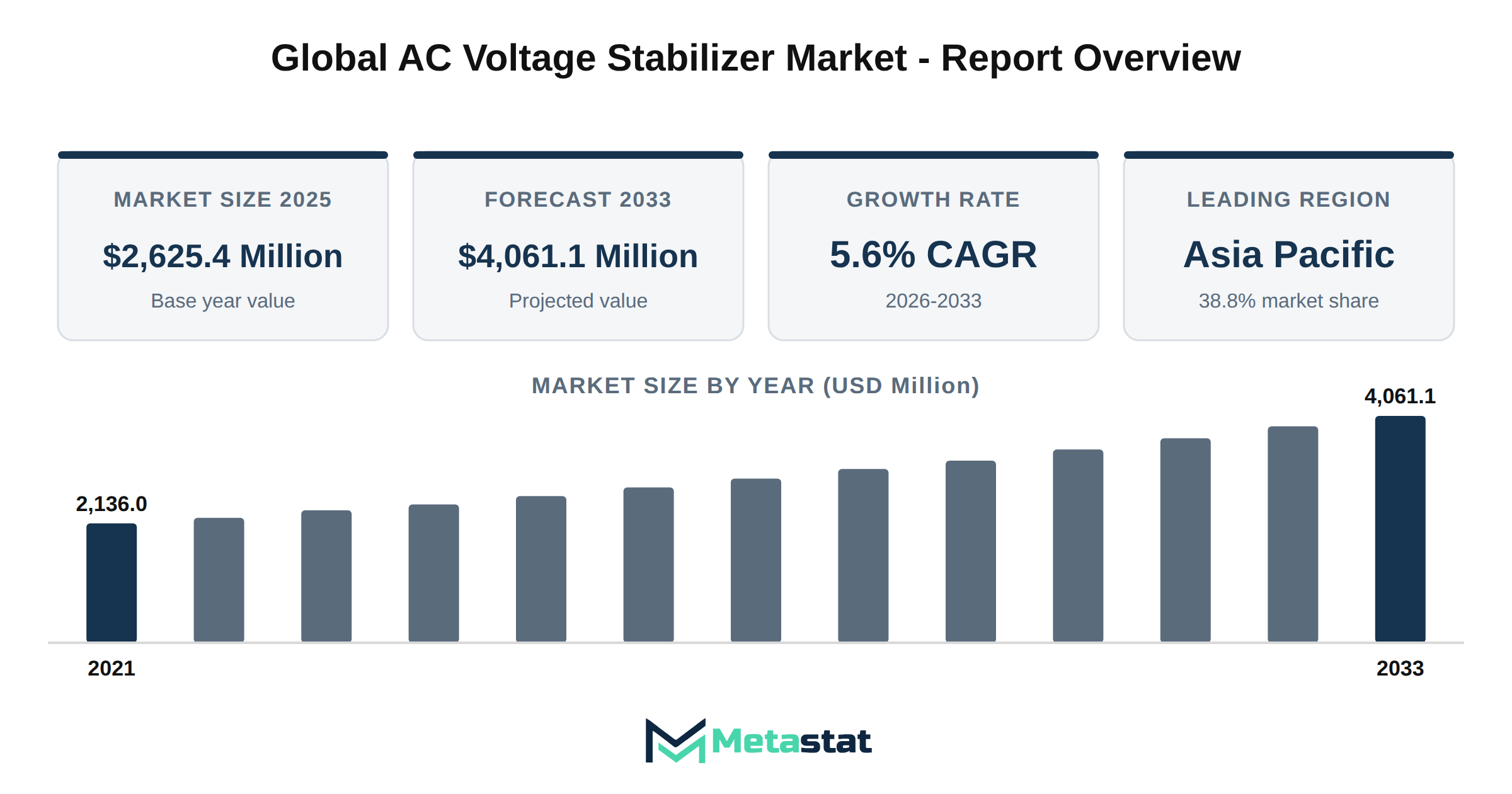
The AC Voltage Stabilizer market reached a valuation of USD 2,625.4 million in 2025 and is projected to grow to USD 4,061.1 million by 2033, exhibiting a compound annual growth rate (CAGR) of 5.6% during the forecast period from 2026 to 2033. Demand for AC voltage stabilizers stems from the increasing need for high-quality power in industrial applications, where voltage fluctuations present significant challenges to operational efficiency and equipment longevity.
Rising adoption of servo-controlled AC voltage stabilizers in industrial facilities contributes to this market growth. These devices provide precise voltage regulation, enhancing operational performance and reducing the risk of equipment damage. Industries increasingly rely on these advanced stabilizers to manage power quality, reflecting a growing trend toward automation and sophisticated power management systems.
Static electronic voltage stabilizers gain traction in critical power applications, where reliability and precision are essential. These systems deliver enhanced performance compared to traditional stabilizers, supporting sensitive equipment in sectors including healthcare and telecommunications. The demand for these stabilizers indicates a shift toward solutions that ensure uninterrupted power supply in mission-critical environments.
Three-phase voltage stabilizers expand across manufacturing and infrastructure sectors, driven by the need for robust power management in large-scale operations. The ability to stabilize voltages in three-phase systems helps mitigate the impact of fluctuations, ensuring smooth operation of heavy machinery and processes. This trend highlights the importance of voltage stabilization in enhancing productivity across various industries.
Data center growth strengthens demand for precision voltage stabilization. With the increasing reliance on digital infrastructure, data centers require stable power to maintain operational continuity and protect sensitive equipment. This dependency on reliable power solutions fuels the market for advanced AC voltage stabilizers designed specifically for IT environments.
Healthcare facilities increase adoption of reliable AC voltage stabilizers to protect critical medical equipment from voltage irregularities. The need for uninterrupted power supply in hospitals and laboratories underlines the importance of these systems, driving further market expansion. The healthcare sector's focus on quality and reliability drives innovation in voltage stabilization technologies.
Telecom infrastructure creates new demand for high-reliability voltage stabilization solutions. While telecommunications networks expand, maintaining consistent power quality becomes essential. The sector's growing investments in infrastructure development emphasize the role of voltage stabilizers in ensuring reliable service delivery.
Grid voltage fluctuations support AC voltage stabilizer deployment in emerging markets. Many developing economies experience significant power quality issues, leading to increased investments in voltage stabilization solutions. This trend presents substantial growth opportunities for market players aiming to address the specific needs of these regions.
Industrial automation increases the need for stable and regulated AC power. Automated systems rely on consistent voltage levels to function efficiently, driving the demand for advanced voltage stabilizers. The integration of automation technologies across various industries further enhances the market's growth potential.
High-capacity voltage stabilizers gain importance in heavy industrial applications. Industries with large power requirements require robust stabilizers capable of handling significant loads while ensuring power quality. This trend presents opportunities for manufacturers to innovate and develop solutions tailored to the needs of large-scale operations.
Industrial power quality requirements drive demand for AC voltage stabilizers, with industries seeking reliable solutions to mitigate voltage fluctuations. This increased focus on power quality results in heightened adoption of various stabilizer technologies across manufacturing sectors.
The rising adoption of servo-controlled AC voltage stabilizers in industrial facilities enhances operational efficiency. These stabilizers offer precise voltage regulation, critical for sensitive machinery and processes, contributing to improved productivity and reduced downtime.
Static electronic voltage stabilizers gain traction in critical power applications due to their ability to deliver consistent voltage output. Their deployment in environments requiring uninterrupted power ensures that systems remain operational during voltage irregularities.
Three-phase voltage stabilizers expand across manufacturing and infrastructure sectors, providing robust solutions for large-scale power distribution. Their capacity to handle higher loads meets the needs of industries investing in advanced operational technology.
The growth of data centers strengthens demand for precision voltage stabilization. While these facilities rely on continuous power for their operations, AC voltage stabilizers become essential components in ensuring data integrity and equipment longevity.
Healthcare facilities increasingly adopt reliable AC voltage stabilizers to maintain uninterrupted power supply. These stabilizers safeguard critical equipment, ensuring patient safety and operational continuity in healthcare environments.
Telecom infrastructure creates new demand for high-reliability voltage stabilization solutions. While telecommunications networks expand, ensuring stable power supply becomes crucial for maintaining service quality and minimizing outages.
Grid voltage fluctuations support AC voltage stabilizer deployment in emerging markets. Countries experiencing rapid industrialization and urbanization require effective solutions to address power quality challenges, leading to increased adoption of stabilizers.
Industrial automation increases the need for stable and regulated AC power. Automated systems benefit from consistent voltage levels, enhancing performance and reliability in various manufacturing processes.
High-capacity voltage stabilizers gain importance in heavy industrial applications, where robust solutions are necessary to support large machinery. This trend aligns with the growing demand for advanced manufacturing capabilities.
Smart monitoring features reshape AC voltage stabilizer product development, allowing for real-time performance tracking and diagnostics. This innovation enhances operational efficiency and provides users with valuable insights into power management.
IGBT and thyristor technologies advance static voltage stabilizer performance, offering higher efficiency and faster response times. These technological developments support the market's evolution towards more effective voltage regulation solutions.
Energy efficiency emerges because a key differentiator in AC voltage stabilizer design, with manufacturers focusing on minimizing energy loss. This emphasis aligns with broader trends in sustainability and operational cost reduction.
The Asia Pacific region's manufacturing expansion supports AC voltage stabilizer demand. Countries investing heavily in industrial growth create significant opportunities for stabilizer suppliers, reflecting the region's strategic importance in the market.
Power quality challenges accelerate voltage stabilizer adoption in developing economies. Addressing these challenges becomes essential for supporting ongoing industrial growth and infrastructure development.
Commercial buildings increase demand for automatic voltage regulation solutions, ensuring operational reliability and energy efficiency. The integration of stabilizers into building management systems enhances overall building performance.
Residential appliance protection sustains single-phase voltage stabilizer demand. Homeowners increasingly recognize the value of stabilizers in safeguarding electronic devices from voltage spikes and surges.
Customized voltage stabilization solutions gain ground in specialized industrial applications. Tailoring stabilizers to meet specific operational requirements supports enhanced performance across various sectors.
Competitive innovation intensifies across servo and static voltage stabilizer technologies, with manufacturers striving to differentiate their products. This dynamic encourages advancements in design, efficiency, and performance.
Raw material and electronic component costs influence voltage stabilizer pricing, impacting manufacturers' profit margins. Fluctuations in these costs necessitate strategic sourcing and production planning to maintain competitiveness.
Digital control systems improve voltage regulation accuracy and response time, enhancing the overall performance of stabilizers. This development aligns with the industry's push towards more sophisticated and reliable power management solutions.
Renewable energy integration creates new voltage stabilization requirements, because fluctuating power generation necessitates advanced solutions. The market adapts to these needs, reflecting the growing importance of sustainable energy sources.
Utility infrastructure modernization expands opportunities for high-power voltage stabilizers. Upgrading aging power distribution systems supports the demand for stabilizers capable of handling increased loads and ensuring stable service.
Industrial electrification strengthens long-term AC voltage stabilizer demand, because industries transition towards electric-powered operations. This shift presents significant growth opportunities for stabilizer manufacturers.
Future growth opportunities in intelligent and connected voltage stabilization systems arise from advancements in IoT and smart grid technologies. These innovations create pathways for enhanced performance and user engagement in the AC voltage stabilizer market.
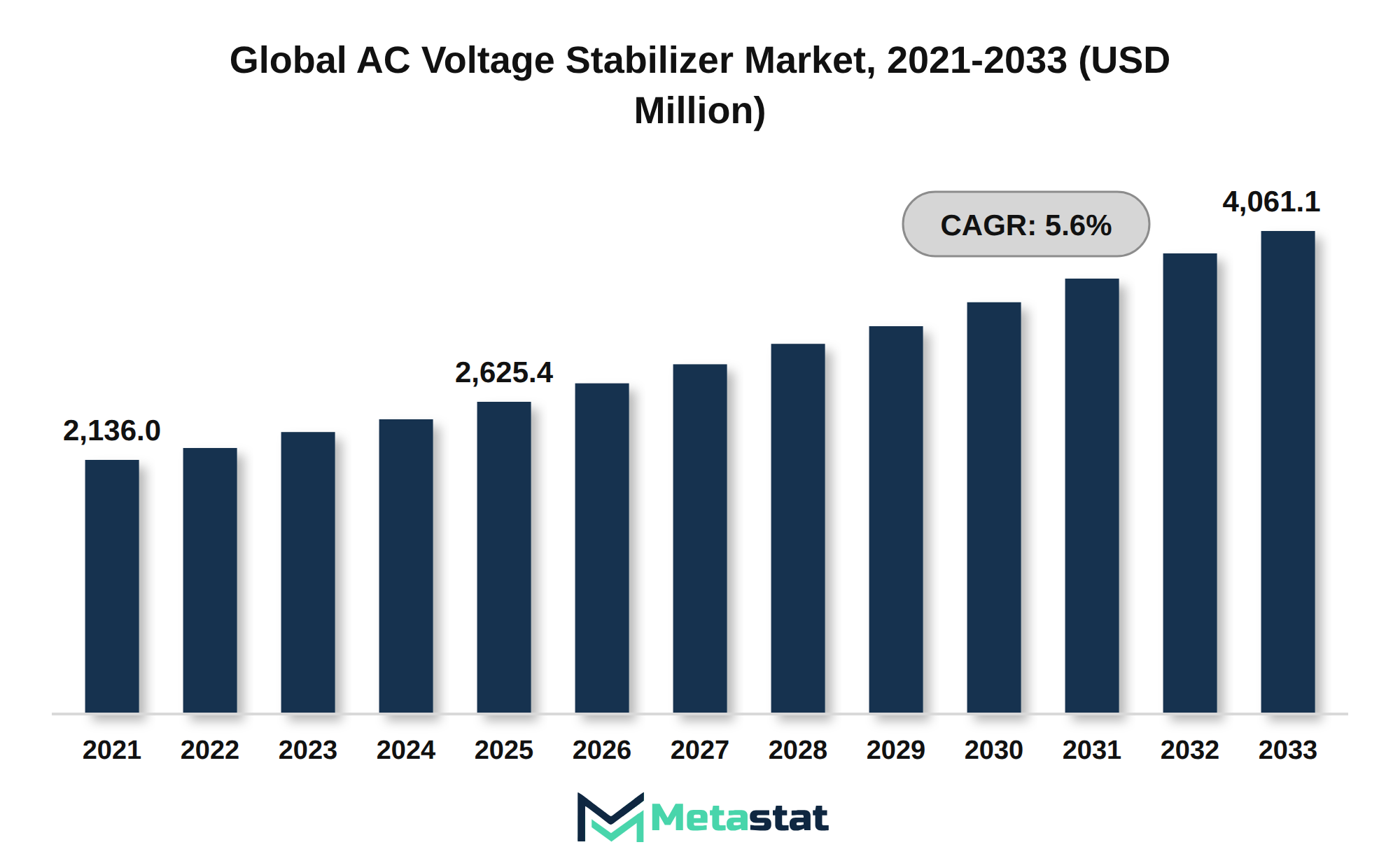
The AC Voltage Stabilizer market experiences growing demand driven by the increasing emphasis on energy efficiency across various sectors. Organizations pursue strategies to optimize energy consumption and reduce operational costs, creating a favorable environment for voltage stabilizer adoption. This trend is particularly evident in industries including residential, commercial, and industrial manufacturing, where energy costs significantly impact overall expenses.
The rising integration of advanced technologies including automation and artificial intelligence enhances operational productivity, leading to a more pronounced focus on energy management systems. These systems often incorporate AC voltage stabilizers to ensure stable power supply, minimize energy waste, and prolong the lifespan of electrical equipment. Consequently, organizations prioritize investments in AC voltage stabilizers within their broader initiatives to achieve sustainability targets and comply with environmental standards.
In the context of shifting consumer behaviors towards sustainability, the market sees increasing adoption of AC voltage stabilizers attributed to a solution for energy-efficient practices. Homeowners and businesses recognize the long-term cost benefits associated with energy-efficient equipment, stimulating demand for voltage stabilizers. This heightened awareness contributes to robust market growth, with projections indicating a substantial increase in market revenue through 2033.
Investment in infrastructure development directly influences the AC Voltage Stabilizer market. Nations across the globe increasingly prioritize upgrading physical and digital capacity to support economic growth and modernization. Enhanced construction projects, including new energy facilities and urban developments, create substantial demand for reliable power solutions, including AC voltage stabilizers, which ensure voltage stability and operational efficiency in these critical installations.
Increased urbanization trends contribute to higher electricity consumption and power quality requirements, compelling industries to adopt advanced technologies that mitigate voltage fluctuations. This shift enhances the resilience of electrical systems, ensuring uninterrupted service across various sectors, including industrial manufacturing and healthcare. The drive towards smart cities, characterized by digital transformation and automation, further increases the need for effective voltage management solutions, thereby expanding the market.
Public-private spending power stimulates capital investments in infrastructure. Governments and private entities are prioritizing projects that enhance energy efficiency and promote sustainability. Consequently, this financial backing supports the development and implementation of innovative solutions, aligning with the evolving needs of industries and consumers. The AC Voltage Stabilizer market stands to benefit from these trends, with growing opportunities for product diversification and technological integration.
Overall, infrastructure development serves because a vital growth driver within the AC Voltage Stabilizer market. The ongoing commitment to enhancing energy systems and facilities ensures sustained demand for voltage stabilizers, contributing to the market's robust expansion through the forecast period.
Regulatory compliance presents significant challenges for the AC Voltage Stabilizer market, particularly due to increasing standards related to energy efficiency and emissions. These regulations require manufacturers to invest in advanced technologies that align with compliance mandates. The resulting capital expenditures deter smaller players from entering the market, limiting competition and innovation.
Macroeconomic headwinds, including inflationary pressures, contribute to rising costs across the supply chain. Increased costs for raw materials and labor affect profit margins and lead to higher prices for end users. This situation creates a barrier for widespread adoption, particularly in price-sensitive markets.
Geopolitical instability disrupts supply chains, delaying the production and distribution of voltage stabilizers. Such disruptions impact manufacturers' ability to deliver products on time, potentially leading to lost contracts and eroding market share. The AC Voltage Stabilizer market faces additional constraints from skilled labor deficiencies, which hinder operational efficiency and the implementation of new technologies.
Competition from alternative solutions poses a risk to market growth. While new technologies emerge, traditional voltage stabilizers face substitution risks from newer, more efficient solutions. The presence of these alternatives leads to market fragmentation, complicating the competitive environment and creating challenges for established manufacturers.
Infrastructure gaps and connectivity deficits further inhibit the market's potential. In regions with underdeveloped electrical infrastructure, the deployment of AC voltage stabilizers experiences delays, reducing overall market penetration. The combined effects of these restraints emphasize the need for strategic investment and innovation to overcome existing barriers and support long-term growth in the AC Voltage Stabilizer market.
Geopolitical fragmentation contributes to instability within the AC Voltage Stabilizer market by creating uncertainties in trade relationships and supply chains. Trade deficits and tariff friction complicate the flow of necessary components, increasing operational costs for manufacturers. This situation pressures pricing structures, leading to tighter profit margins, which restricts investment in innovation and expansion.
Technological disruptions, including rapid advancements in alternative energy solutions, challenge the traditional AC Voltage Stabilizer market. Manufacturers face the necessity of integrating new technologies into their product offerings while maintaining interoperability with existing systems. The complexity of research and development integrations hinders responsiveness to market changes, limiting competitive positioning and market share.
Logistics disruptions further exacerbate these challenges, often resulting in delays that impact the timely delivery of products to end users. Supply chain instability creates additional complications; fluctuations in feedstock availability and component pricing affect production schedules and cost structures, ultimately reducing customer satisfaction and market competitiveness.
Environmental considerations and decarbonization mandates introduce pressures on manufacturers to reduce their lifecycle footprints. This shift toward sustainability demands investment in new technologies and operational practices, diverting resources from existing projects. The AC Voltage Stabilizer market adapts to these evolving requirements to remain competitive, although the transition strains financial resources and operational capabilities.
Workforce skill gaps represent a significant barrier for companies aiming to implement advanced technologies effectively. Talent retention pressures complicate hiring efforts, leading to potential disruptions in innovation and operational efficiency. These factors collectively challenge the market's ability to sustain growth in an increasingly complex environment, necessitating strategic investments in workforce development and training.
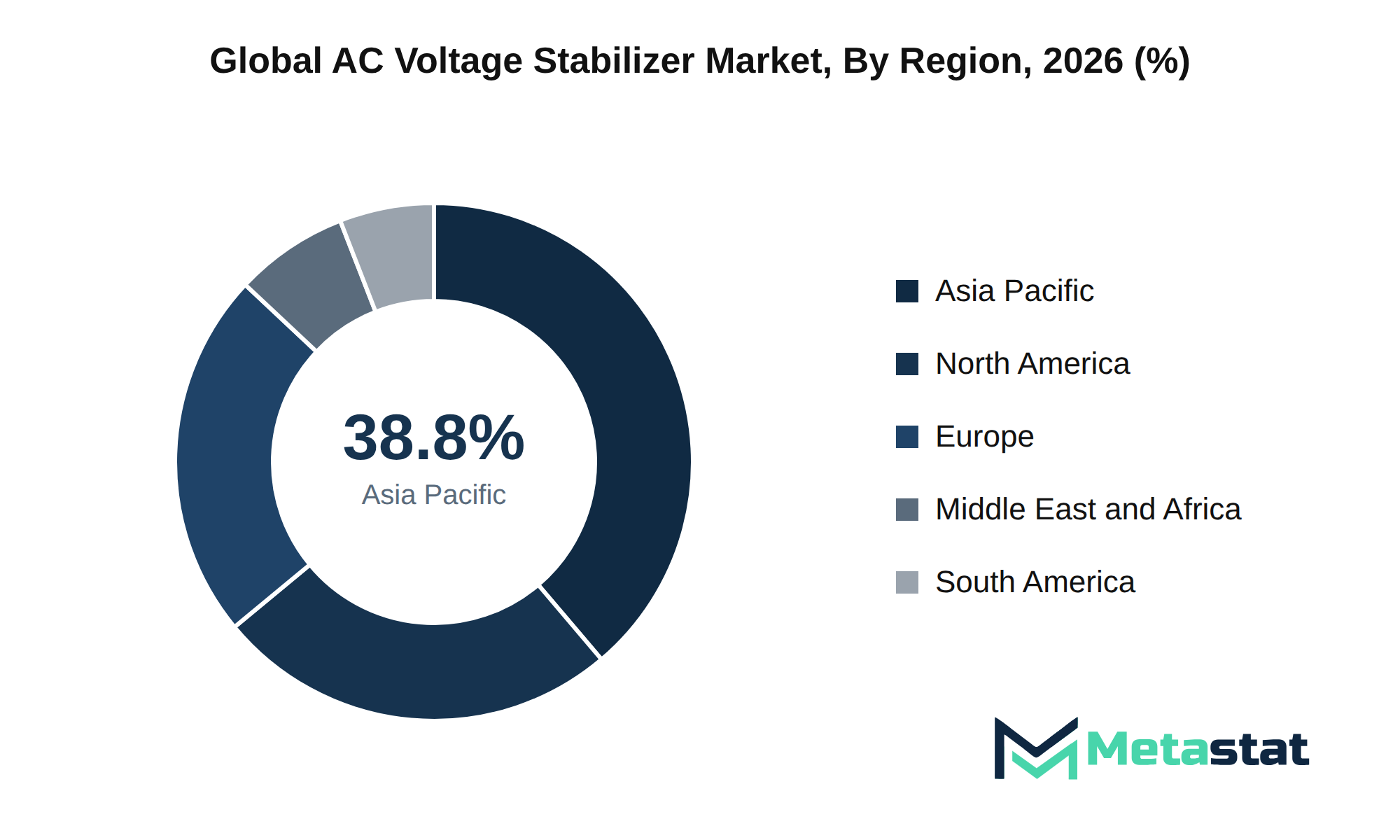
The AC Voltage Stabilizer market experiences substantial opportunities driven by emerging regional demands and infrastructure modernization across various sectors. Increasing investments in energy efficiency and reliability provide a fertile ground for market growth, particularly in Asia Pacific, which leads in regional market share at 38.8 percent. The expansion of energy infrastructure in developing economies fuels the adoption of voltage stabilizers, enhancing grid stability while accommodating fluctuating energy demands from industries including healthcare, telecommunications, and industrial manufacturing.
Technological disruptions and digital transformation trends prompt manufacturers to innovate, resulting in advanced voltage stabilization solutions. Integration of smart technologies, including IoT-enabled stabilizers, enhances operational efficiencies and attracts tech-savvy consumers, thereby broadening the market base. The ongoing shift toward sustainability and green transformations aligns with the increasing emphasis on energy-efficient products, positioning the market for significant growth in sectors prioritizing environmental considerations.
Strategic consolidation through mergers and acquisitions further contributes to market dynamism. This trend enables companies to utilize complementary technologies and expand product portfolios, meeting diverse customer needs across various industries. Downstream market diversification presents opportunities for firms to explore niche applications, from residential settings to large-scale industrial projects.
The evolving buying behaviors and digital procurement shifts among end-users encourage manufacturers to adopt new commercial models that enhance accessibility and customer engagement. Supply chain localization emerges because a strategic response to global uncertainties, allowing companies to mitigate risks associated with import dependencies while optimizing logistics. Such adaptations enhance the resilience of the market and ensure sustained growth in the face of evolving challenges.
The Global AC Voltage Stabilizer market is segmented based on Technology Type, Phase Configuration, Power Rating, and End-Use Industry.
Growing awareness of power quality and stability in electrical systems significantly influences the demand for Servo-Controlled Electromechanical Voltage Stabilizers within the AC Voltage Stabilizer market. This segment, valued at USD 1,180.9 million in 2026, is projected to reach USD 1,591.1 million by 2033, reflecting a CAGR of 4.4% during the forecast period. Increased adoption in various end-use industries, including industrial manufacturing and healthcare, drives demand for reliable voltage stabilization solutions. Technological advances enhance performance, efficiency, and durability, meeting the evolving needs of modern electrical applications.
This segment benefits from continuous technological maturation and next-gen upgrades, which enhance operational capabilities and energy management. Regulatory compliance standards regarding power quality encourage the adoption of Servo-Controlled Electromechanical Voltage Stabilizers. Rising energy costs and the need for efficient power consumption compel industries to invest in these stabilizers. The market's strategic opportunity windows arise from the growing emphasis on energy efficiency and sustainability, presenting avenues for developers and manufacturers to innovate and expand product offerings.
Increasing demand for reliable power supply drives growth in the Static Electronic Voltage Stabilizers segment within the AC Voltage Stabilizer market. The ability of these stabilizers to provide precise voltage control under varying load conditions enhances their appeal across various industries, including telecommunications and IT. Enhanced efficiency and improved performance of electronic devices contribute to rising adoption rates, particularly in sectors requiring uninterrupted power supply. Adoption among end-users continues due to the growing integration of advanced technologies, which necessitate stable voltage conditions to avoid equipment damage and downtime.
The Static Electronic Voltage Stabilizers segment is expected to reach USD 1,211.8 million by 2033, at a CAGR of 8% during the forecast period. This growth reflects significant technological maturation and the introduction of next-generation products, which offer superior performance and lower operational costs. The segment’s expansion is further supported by stringent regulatory standards mandating stable power supply and quality assurance in critical applications. Continuous product evolution, driven by consumer demand for more compact and efficient solutions, presents additional opportunities for market players.
Investment in research and development enhances product capabilities, allowing manufacturers to address emerging challenges including power quality issues and energy efficiency mandates. While the segment evolves, competition intensifies, requiring producers to innovate consistently and adapt to changing market dynamics. Strategic partnerships and collaborations among technology providers and end-user industries enhance supply chain resilience, enabling quicker responses to market demands and disruptions. Overall, the Static Electronic Voltage Stabilizers segment demonstrates strong potential for growth within the AC Voltage Stabilizer market.
Increasing reliance on stable power supply systems drives demand for Relay / Tap-Switching Voltage Stabilizers. These stabilizers effectively manage voltage fluctuations, ensuring sensitive electronic equipment operates within optimal parameters. The expected growth in the Relay / Tap-Switching Voltage Stabilizers segment, reaching USD 651.4 million by 2033, reflects the ongoing trends in technology maturation and the need for reliability in power delivery.
Growing demand across various sectors, including residential, commercial, and industrial applications, significantly influences market dynamics. The need for consistent power quality remains critical, particularly in regions experiencing frequent power outages or voltage irregularities. This segment's adaptability to various end-use industries enhances its market appeal, contributing to increased adoption rates.
Technological advancements lead to improvements in efficiency and performance for Relay / Tap-Switching Voltage Stabilizers. Innovations in design and materials result in enhanced functionality and reduced maintenance costs, promoting wider acceptance. While the AC Voltage Stabilizer market evolves, manufacturers focus on integrating next-generation features that align with increasing consumer expectations.
Regulatory compliance related to energy efficiency standards influences the market landscape. Stricter guidelines compel manufacturers to develop products that meet these standards, providing a competitive edge through enhanced performance. Price volatility in raw materials presents challenges, necessitating strategic sourcing practices to maintain cost-effectiveness without compromising quality.
The ongoing evolution of power management solutions positions Relay / Tap-Switching Voltage Stabilizers because a vital component in ensuring reliable electrical supply. With the landscape continuously shifting, identifying strategic opportunities for investment and product evolution presents avenues for growth within the market.
Demand for Magnetic Induction Voltage Stabilizers is driven by efficiency and reliability in maintaining voltage levels across various applications. These stabilizers feature a simple design that minimizes maintenance requirements while providing robust performance across a range of loads. Industries including manufacturing, healthcare, and telecommunications increasingly adopt this technology to ensure stable power supply and protect sensitive equipment from voltage fluctuations. The segment is projected to grow at a CAGR of 6% during the forecast period, reflecting sustained interest in voltage stabilization solutions.
Technological maturation enhances the Magnetic Induction Voltage Stabilizers segment. Continuous improvements in materials and designs enhance performance characteristics, making these stabilizers more appealing to end users. The evolution of next-generation upgrades, including smart technology integration, supports operational efficiency and better monitoring capabilities, driving sales in the AC Voltage Stabilizer market.
End-use dynamics highlight a significant shift towards energy-efficient solutions, with sectors prioritizing sustainability and reduced energy consumption. Regulatory compliance standards emphasizing energy efficiency increase demand for advanced Magnetic Induction Voltage Stabilizers, which align with these directives. This alignment benefits manufacturers by enhancing market position and broadening customer bases.
Investment in this segment prompts manufacturers to focus on supply chain resilience and raw material sourcing strategies. Ensuring a stable supply of components mitigates risks associated with cost fluctuations and enhances profitability. While price volatility affects various materials, strategic sourcing remains vital for maintaining competitive pricing while meeting market demand.
Overall, the Magnetic Induction Voltage Stabilizers segment represents a promising area within the AC Voltage Stabilizer market, supported by evolving technology, strong demand from end users, and a commitment to sustainability. Future capital investment in this segment is expected to stimulate innovation and further growth opportunities.
Technological advancements in Ferroresonant / Constant Voltage Transformer Stabilizers enhance power quality and reliability across various applications. This sub-segment responds to industrial and commercial demands for stable voltage levels, ensuring operational efficiency in sensitive equipment. Increasing dependence on electronic devices in sectors including healthcare, telecommunications, and industrial manufacturing drives the adoption of these stabilizers.
Competitive dynamics in the AC Voltage Stabilizer market highlight the need for manufacturers to innovate and upgrade existing products to meet evolving customer expectations. The integration of smart technologies enables real-time monitoring and automated adjustments, providing significant advantages in performance and user experience. Growing investment in renewable energy sources increases the demand for effective voltage regulation solutions, positioning Ferroresonant / Constant Voltage Transformer Stabilizers because a critical component in energy management systems.
Regulatory compliance regarding power quality standards influences the operational landscape for manufacturers. Adhering to these standards enhances product credibility and builds trust among end-users, which contributes to market growth. Strategic opportunities arise from the increasing focus on energy efficiency and sustainability, propelling investments in advanced technologies and innovative product offerings.
Valued at USD 1,215.1 million in 2026, this segment is projected to reach USD 1,639.9 million by 2033, reflecting a CAGR of 4.4% during the forecast period. Growth in the Single-Phase segment aligns with increasing residential and small commercial applications requiring consistent voltage levels for various electronic devices and appliances. Rising awareness of power quality and stability drives investments in voltage stabilization solutions across different sectors. Adoption of smart technologies within residential spaces enhances demand for advanced Single-Phase voltage stabilizers capable of delivering efficient power management.
The trend towards energy-efficient solutions influences the evolution of the AC Voltage Stabilizer market. Manufacturers focus on enhancing product features, leading to the development of next-generation devices that integrate advanced technologies including IoT for real-time monitoring and control. This innovation facilitates improved performance and operational efficiency, appealing to consumers seeking reliable and modern power solutions. Regulatory compliance regarding energy efficiency standards pushes manufacturers to refine their offerings, ensuring products meet stringent requirements while remaining competitively priced.
Strategic investments from key players in research and development, alongside collaboration with technology partners, result in innovative product launches tailored to market needs. The segment's growth is further supported by rising consumption shifts towards renewable energy sources and the integration of voltage stabilization solutions in solar and wind energy applications. Increased capital investments in residential infrastructure enhance demand for reliable Single-Phase voltage stabilizers, positioning this segment for sustained growth in the evolving landscape of the AC Voltage Stabilizer market.
Potential for growth within the Split-Phase segment arises from increasing adoption in residential and commercial applications. Demand for reliable and stable electrical power supply drives interest among consumers in these markets. This segment is expected to reach USD 350.9 million by 2033, at a CAGR of 6.2% during the forecast period. The evolution of energy-efficient technologies and smart home devices enhances the usage of split-phase voltage stabilizers, facilitating improved performance and energy savings.
Technological maturation influences market dynamics. Innovations in electronic components and control systems yield improved efficiency, driving manufacturers to invest in next-generation upgrades. End-use industries prioritize the integration of advanced voltage stabilizers to meet stringent regulatory compliance standards, ensuring operational consistency and minimizing downtime. Such factors position the AC Voltage Stabilizer market for robust expansion, with investment flowing into product development and technological advancements.
Growing demand for reliable power supply systems influences the Three-Phase segment of the AC Voltage Stabilizer market. This segment is projected to reach USD 2,070.3 million by 2033, with a significant growth trajectory driven by the increasing need for stable voltage in various applications. Industries including industrial manufacturing and healthcare require robust solutions to ensure uninterrupted operations, prompting heightened adoption of three-phase voltage stabilizers.
Technological maturation in voltage stabilization techniques further supports segment growth. Innovation in product design and efficiency enhances the appeal of three-phase systems, making them suitable for larger applications where power quality is critical. The segment benefits from advancements in static electronic voltage stabilization, which offers improved performance and reduces operational costs.
End-use dynamics within the market emphasize the importance of compliance with regulatory standards. Organizations prioritize equipment that meets safety and efficiency regulations, boosting demand for three-phase stabilizers that adhere to these guidelines. This regulatory compliance impacts purchasing decisions and drives manufacturers to enhance their product offerings, creating a competitive market environment.
The Three-Phase segment's growth is propelled by increasing power quality requirements across key industries, advancements in technology, and the necessity for compliance with regulatory standards. The outlook for this segment remains positive due to ongoing investments in infrastructure and the importance of reliable power supply systems.
The valuation of the segment "Up to 5 kVA" is USD 655.9 million in 2026 and is projected to reach USD 867.4 million by 2033, at a CAGR of 4.1% during the forecast period. This steady growth derives from a combination of increasing residential and small commercial applications that require compact and efficient voltage stabilization solutions. Enhanced awareness regarding the importance of power quality in everyday use, particularly for sensitive electronic devices, drives demand within this segment.
Technological maturation significantly influences the expansion of this segment, with advancements in design and manufacturing processes leading to improved reliability and energy efficiency. The evolution of product offerings includes smart voltage stabilizers equipped with monitoring and control features, appealing to modern consumers seeking convenience and enhanced functionalities. Voltage stabilizers that ensure protection against voltage fluctuations increasingly benefit downstream applications in residential settings, healthcare, and small industries.
Shifts in consumer behavior towards sustainable and energy-efficient solutions contribute further to market growth. Regulatory compliance standards focusing on energy efficiency and safety encourage manufacturers to innovate in this segment, aligning products with evolving consumer expectations. Competitive pricing strategies implemented by key players enhance market penetration, ensuring affordability for end-users while maintaining product quality.
Investment in research and development represents a strategic opportunity, allowing manufacturers to explore next-generation upgrades and disruptive alternatives that address specific market needs. This segment's growth trajectory reflects an increasing capital investment outlook, driven by rising electricity consumption and the urgent need for reliable power systems across various end-use industries. The AC Voltage Stabilizer market anticipates continued expansion due to technological advancements and consumer demands intersecting.
Increasing focus on reliable power management presents a significant opportunity for the Above 5 kVA to 20 kVA segment, which is estimated to reach USD 900.7 million by 2033, at a CAGR of 4.9% during the forecast period. This growth is driven by expanding applications across various industries, including industrial manufacturing and healthcare, where consistent voltage levels are crucial for operational efficiency and safety. Adoption of advanced voltage stabilization technologies enhances the reliability of power supplies, making them essential in environments that experience fluctuating voltage levels.
Technological maturation contributes to the segment's expansion, driven by innovations in voltage stabilizer design that improve efficiency and reduce maintenance costs. Manufacturers consistently upgrade their offerings to meet evolving regulatory compliance standards, which correlate with increasing consumer demand for energy-efficient solutions. The competitive landscape of the AC Voltage Stabilizer market encourages players to invest in research and development, leading to next-gen product evolution and enhanced functionalities.
Downstream applications drive consumption shifts, with a noticeable trend toward smart grid technology integration. This trend facilitates better monitoring and control of voltage levels, allowing users to optimize energy consumption. The emphasis on sustainability and energy efficiency further influences market dynamics, encouraging end-users to prioritize products with lower environmental impact. Overall, the Above 5 kVA to 20 kVA segment positions itself to benefit from these evolving trends, contributing to a growth trajectory within the AC Voltage Stabilizer market.
Investment in the Above 20 kVA to 100 kVA segment represents a vital aspect of the AC Voltage Stabilizer market, with a valuation of USD 939.7 million by 2033. Demand for this segment arises from industries requiring robust voltage regulation to maintain operational efficiency and protect sensitive equipment. Key end-use applications include industrial manufacturing and healthcare, where stable power supply is critical for maintaining productivity and compliance with safety standards.
Technological maturation of voltage stabilization solutions enhances the segment's attractiveness, with advancements in efficiency and reliability driving adoption among major industrial players. The shift toward automation and the increasing integration of high-powered machinery necessitate dependable voltage stabilizers, contributing to segment growth. Regulatory compliance concerning power quality and efficiency standards influences purchasing decisions across multiple sectors.
Pricing volatility resulting from fluctuating raw material costs applies pressure on producers, impacting profit margins. Strategic opportunity windows arise for manufacturers who innovate and adapt to emerging technologies, including IoT-enabled voltage stabilizers. This evolution supports enhanced monitoring and management of power systems, promoting investment in the segment.
Market resilience stems from diverse applications across various industries, reducing dependency on any single sector. Continued investment in infrastructure development and modernization across regions strengthens the demand outlook, creating a favorable environment for growth in the Above 20 kVA to 100 kVA segment.
Investment in high-capacity AC Voltage Stabilizers within the range of Above 100 kVA to 500 kVA reflects the growing need for stable power supply systems across various industries. These devices support critical applications in sectors including industrial manufacturing, healthcare, and telecommunications, where power fluctuations disrupt operations. Demand for these stabilizers is projected to grow at a CAGR of 6.3% during the forecast period, driven by the increasing complexity of electrical systems and the necessity for enhanced power quality.
Operational efficiency in high-demand environments reinforces the need for advanced stabilization solutions. Manufacturers focus on product evolution, incorporating next-generation technologies that improve performance and reliability. With ongoing technological maturation, these stabilizers offer superior performance metrics, making them essential for industries that prioritize uptime and equipment protection.
The market for Above 100 kVA to 500 kVA stabilizers encounters pricing volatility due to fluctuations in raw material costs, alongside pressures from competitive pricing strategies. However, the segment's resilience is supported by strategic opportunity windows that cater to specific end-user requirements, including those in energy-intensive sectors. Investments in this segment are expected to yield significant returns, driven by climbing adoption rates, reflecting the overall growth trajectory of the AC Voltage Stabilizer market.
Investment in the Above 500 kVA to 2,000 kVA segment reflects the growing requirements for high-capacity solutions in various industries. Demand stems from sectors including industrial manufacturing and healthcare, where equipment reliability and power stability are critical. Increasing energy consumption in these industries drives the need for robust voltage stabilizers that protect sensitive equipment from fluctuations.
Technological maturation within this segment supports the development of advanced voltage stabilizers, enhancing performance and efficiency. Innovations in design and control technologies, including digital signal processing and smart grid integration, position manufacturers to meet the evolving needs of customers. The industry experiences a shift toward next-generation upgrades, which increases competition.
Regulatory compliance standards influence the development of high-capacity stabilizers, ensuring products meet stringent safety and efficiency criteria. This regulatory framework compels manufacturers to invest in research and development, driving product evolution. Strategic opportunity windows arise from emerging market trends, including the integration of renewable energy sources, which require sophisticated voltage regulation solutions.
Supply chain resilience remains a critical factor in the segment, with manufacturers focusing on securing raw material sourcing and reducing vulnerabilities. Fluctuations in raw material prices impact production costs, leading to pricing volatility and margin pressures. Manufacturers actively seek ways to mitigate these risks through strategic partnerships and alternative sourcing strategies.
Consumption shifts within end-use industries highlight the importance of reliable power management solutions. While industries evolve, the demand for high-capacity stabilizers increases, reinforcing the segment's growth potential within the AC Voltage Stabilizer market. Investment in this segment supports the overall market trajectory, aligning with the increasing demand for robust power solutions.
Growth in the Above 2,000 kVA segment stems from the increasing demand for high-capacity voltage stabilizers across various industrial applications. Industries including manufacturing and telecommunications require consistent power quality to maintain operational efficiency and reduce downtime. The trend toward automation and digitalization intensifies the need for advanced voltage stabilization solutions capable of handling larger loads and ensuring service reliability.
Technological maturation in power management systems supports the expansion of the AC Voltage Stabilizer market within this sub-segment. Innovations in design and efficiency drive product evolution, enabling stabilizers to manage extreme fluctuations and enhance overall power quality. Next-generation upgrades focus on integrating smart features, allowing for real-time monitoring and adjustments, which aligns with the broader shift toward intelligent industrial systems.
Regulatory compliance standards play a significant role in shaping market dynamics. Stricter regulations surrounding energy efficiency and power quality incentivize investments in high-capacity solutions that meet these requirements. Companies adopting advanced voltage stabilizers enhance their competitiveness and contribute to sustainability goals, aligning with public and private sector initiatives promoting energy efficiency.
Strategic opportunity windows arise from industries increasingly focusing on maintaining resilient supply chains. Fluctuations in raw material sourcing and logistics vulnerabilities prompt organizations to invest in stable power solutions that mitigate risks associated with power outages or quality issues. Disruptive alternatives and technological obsolescence challenge existing products, prompting the market to innovate continually and adapt to evolving customer needs.
Residential applications for AC Voltage Stabilizers display significant growth dynamics, driven by heightened concerns over power fluctuations in household electrical systems. Increased adoption of electronic devices in homes fuels this demand, prompting customers to seek reliable solutions to safeguard their investments. The residential segment is valued at USD 540.4 million in 2026 and is projected to reach USD 715.6 million by 2033, at a CAGR of 4.1% during the forecast period. The ongoing trend towards smart homes and energy-efficient appliances underlines the necessity for sophisticated voltage stabilization solutions, enhancing the overall stability of electrical systems. Regulatory compliance standards and certifications encourage homeowners to invest in voltage stabilizers, ensuring safety and efficiency in power consumption. The residential sector's consumption patterns reflect a shift towards premium products, influencing manufacturers to innovate and evolve their offerings to cater to discerning customers. This evolution stimulates competition among suppliers, driving technological advancements to meet emerging needs within the AC Voltage Stabilizer market.
Increasing reliance on stable power sources within commercial environments drives demand for AC Voltage Stabilizers. This segment is projected to reach USD 631.1 million by 2033, at a CAGR of 4.7% during the forecast period. Factors contributing to growth include the rising number of commercial establishments requiring uninterrupted power supply for operational efficiency. Enhanced technological capabilities in voltage stabilization products facilitate adoption across various commercial applications, ensuring consistent power quality and minimizing downtime costs.
Significant influence from regulatory compliance standards mandating electrical safety and stability affects the market. Businesses prioritize investments in voltage stabilization solutions to adhere to these regulations, which further supports growth within the sector. With ongoing technological maturation, manufacturers introduce next-generation products that improve performance and energy efficiency, appealing to environmentally conscious commercial entities.
While commercial establishments adapt to evolving power requirements, consumption shifts towards advanced voltage stabilizers offering reliable performance and energy savings. The demand for enhanced power quality in commercial settings positions this segment for sustained growth, aligning with broader trends observed in the AC Voltage Stabilizer market. Overall, the combination of expanding commercial infrastructure and increased regulatory focus on energy efficiency drives a robust outlook for the commercial segment.
In the Industrial Manufacturing sector, demand for AC Voltage Stabilizers arises from the necessity for reliable and consistent power supply, essential for maintaining operational efficiency across various industrial processes. Fluctuations in voltage levels severely impact machinery performance and production quality, prompting manufacturers to invest in stabilizers that protect sensitive equipment. Expanding operations necessitate the adoption of advanced voltage stabilization technologies, which play a critical role in preventing downtime and ensuring uninterrupted production.
Technological maturation has led to the development of more efficient and effective voltage stabilization solutions. Innovations in Servo-Controlled Electromechanical Voltage Stabilizers and Static Electronic Voltage Stabilizers enhance reliability and functionality, catering to the specific requirements of industrial applications. The focus on next-generation upgrades supports the shift towards smart, automated systems that integrate seamlessly with existing infrastructure, warranting a significant capital investment outlook for manufacturers.
The Industrial Manufacturing segment is projected to reach USD 1,116 million by 2033. Increased regulatory compliance and energy efficiency standards drive the need for AC Voltage Stabilizers, pushing manufacturers to adopt solutions that align with governmental policies and environmental requirements. These dynamics create a competitive environment that emphasizes performance, cost-effectiveness, and sustainability, ultimately influencing purchasing decisions across the market.
While industries increasingly rely on automated and technologically advanced machinery, demand for effective voltage stabilization solutions is expected to grow. The relationship between operational demands and regulatory pressures necessitates a robust supply chain that adapts to fluctuations in raw material sourcing and pricing volatility. Investing in resilient supply chains enhances the ability to respond to market changes and maintain competitiveness.
Significant growth within the Healthcare & Laboratories segment emerges from rising demand for reliable power supply systems, which support sensitive medical equipment and laboratory operations. This segment is projected to grow at a CAGR of 6.5% during the forecast period. Increasing reliance on precise power supply is crucial for maintaining operational efficacy in healthcare environments, necessitating high-quality AC Voltage Stabilizers. The trend toward digital health solutions and advanced laboratory technologies further contributes to the segment's expansion, driven by the need for stable and uninterrupted power sources.
Investment in the Healthcare & Laboratories segment emphasizes the importance of compliance with stringent regulatory standards, driving demand for AC Voltage Stabilizers. Manufacturers ensure that their products meet specific certifications to cater to healthcare providers, thus enhancing market attractiveness. The projected valuation of the segment presents a robust opportunity for suppliers, reinforcing the overall growth dynamics of the market.
Investment in IT and Data Centers continues to grow owing to heightened demand for uninterrupted power supply in high-performance computing environments. This segment prioritizes stable voltage levels to protect sensitive equipment from voltage fluctuations, which disrupt operations and lead to costly downtimes. Increased adoption of cloud computing and digital services drives expansion in this market, because data centers evolve to meet the growing demands of enterprise and consumer applications.
The technological maturation of AC Voltage Stabilizers has led to enhanced reliability and efficiency, making these systems crucial for maintaining optimal performance in IT and Data Centers. The importance of next-generation upgrades, including smart monitoring and integration with renewable energy sources, drives demand. These advancements ensure that power quality aligns with the energy requirements of modern data infrastructures.
Regulatory compliance standards for energy efficiency and power quality further influence the market dynamics. Certifications related to energy consumption and environmental impact encourage investment in advanced voltage stabilization technologies. While businesses seek to comply with these regulations, the demand for specialized solutions tailored for IT and Data Centers increases.
Cost structures within this segment reflect the need for high-quality materials and components, impacting pricing strategies. Organizations emphasize the procurement of reliable voltage stabilization systems to minimize operational risks and ensure consistent performance. This focus on quality affects margin pressures for suppliers, who balance competitive pricing with the necessity for advanced technology.
Strategic opportunity windows arise from the shift toward more sustainable energy solutions. Companies exploring alternatives to traditional power sources and energy management systems find value in integrating AC Voltage Stabilizers within their infrastructure. This trend ultimately enhances supply chain resilience and mitigates risks associated with power interruptions, highlighting the importance of AC Voltage Stabilizers in the growing IT and Data Centers landscape.
Demand for AC Voltage Stabilizers within the Telecommunications sector arises from the increasing reliance on uninterrupted power supply systems. The sector requires stable voltage levels to ensure optimal performance of communication networks, which include mobile towers, data centers, and other critical infrastructure. Rapid advancements in telecommunications technology, including 5G deployment, generate additional demand for high-quality power solutions. This trend drives growth in the AC Voltage Stabilizer market, because providers seek to mitigate risks associated with voltage fluctuations.
Regulatory compliance standards shape the demand for AC Voltage Stabilizers in telecommunications. Stringent regulations regarding power quality and system reliability necessitate the adoption of efficient voltage stabilization systems. Consequently, businesses invest in products that meet these standards, supporting broader market expansion. Increasing investments in telecommunications infrastructure, particularly in developing regions, present promising opportunities for market participants.
Technological maturation and next-generation upgrades facilitate the evolution of AC Voltage Stabilizers. Manufacturers focus on improving product efficiency and integrating advanced features, including remote monitoring and smart grid compatibility. This ongoing product evolution aligns with the industry's shift towards digitization, ensuring that power stabilization solutions remain relevant and effective. Telecommunications companies prioritize investments in innovative solutions that enhance operational resilience and lower long-term costs.
The segment experiences heightened interest in sustainable energy solutions, where voltage stabilization plays an essential role. Transitioning to renewable energy sources requires reliable power systems to manage fluctuations effectively. This trend leads to growing demand for AC Voltage Stabilizers equipped with the latest technology, ultimately enhancing their appeal in the market. Capital investment outlook remains favorable, driven by the need for robust infrastructure and the continuous push for enhanced power quality in telecommunications.
Demand for AC voltage stabilizers within the Energy & Utilities segment arises from the increasing need for consistent power supply in critical infrastructure. High reliability requirements for power systems in this sector drive the adoption of stabilizers to manage voltage fluctuations effectively. Utilities face pressure to maintain service quality while complying with stringent regulatory standards, necessitating robust solutions to mitigate downtime and system failures.
Technological advancements in voltage stabilizers enhance operational efficiency, positioning these products because integral components in energy management systems. Innovations within the sector focus on smart grid applications, which leverage advanced monitoring and control technologies to optimize the performance of electrical networks. The shift towards renewable energy sources further escalates the demand for stabilizers, because intermittent power generation calls for reliable voltage regulation to ensure stability.
Investment in infrastructure development, particularly in emerging markets, fuels the growth of the AC Voltage Stabilizer market. Companies within the sector allocate resources to upgrade aging power plants and expand grid capacity, incorporating stabilization technologies to support increased loads. This trend highlights the critical role of voltage stabilizers in sustaining operational resilience across utility networks.
While energy consumption patterns evolve, utilities explore innovative solutions to manage energy distribution effectively. The transition towards energy efficiency initiatives and the integration of energy storage systems create additional opportunities for voltage stabilizers to play a significant role in stabilizing power supply. Ongoing capital investments in the sector signal confidence in the market's potential for growth, driven by the necessity for improved power quality.
Infrastructure development across various regions drives demand for AC Voltage Stabilizers in the Transportation & Infrastructure segment. Consistent power supply ensures operational reliability and safety in transportation systems, including railways, airports, and roadways. Recent investments in smart transportation systems and infrastructure upgrades lead to increased adoption of advanced voltage stabilization technology. The need for consistent voltage levels enhances the performance of sensitive equipment in these sectors, allowing for efficient operations and reducing downtime.
Regulatory compliance standards related to energy efficiency and sustainability further increase demand for high-performance AC Voltage Stabilizers. Organizations within this segment prioritize technologies that align with governmental policies aimed at reducing carbon footprints and improving energy consumption. Evolving regulations necessitate ongoing upgrades in power management systems to meet compliance requirements.
Technological maturation drives the development of next-generation AC Voltage Stabilizers that offer enhanced features, including remote monitoring and automated adjustments based on real-time power quality assessments. These advancements improve the efficiency of electrical systems and provide operators with necessary insights into their power consumption patterns. The integration of Internet of Things (IoT) capabilities in voltage stabilization solutions significantly contributes to their appeal in the Transportation & Infrastructure segment.
Ultimately, demand for AC Voltage Stabilizers in this segment reflects a broader trend towards modernization and efficiency in transportation systems. Increased investments in infrastructure projects throughout various regions signal a promising outlook, supporting continued growth in the AC Voltage Stabilizer market.
Demand for AC Voltage Stabilizers within the Others (Agriculture, Defense & Specialized Applications) sub-segment arises from the increasing need for stable power supply in specialized environments. Applications in agriculture benefit from enhanced equipment performance, while defense operations require consistent power for critical systems. Technological maturation in this segment drives advancements in voltage stabilization solutions tailored for unique requirements.
The expansion of this sub-segment is supported by the growing awareness of the importance of power quality in specialized applications. Regulatory compliance standards in various sectors encourage investment in robust electrical solutions, driving demand for AC Voltage Stabilizers. A heightened focus on operational efficiency in agriculture and defense sectors further increases market demand.
Technological innovation offers opportunities for next-generation upgrades, ensuring that voltage stabilizers align with evolving market demands. With increasing consumption shifts towards greener and more efficient solutions, stakeholders in the AC Voltage Stabilizer market recognize the adapt their offerings. This adaptability strengthens market participation and supports long-term industry sustainability.
Strategic investment in research and development, alongside a focus on supply chain resilience, positions players to meet the unique challenges of this sub-segment. With heightened scrutiny on cost structures and pricing volatility, manufacturers explore ways to optimize production processes. This approach supports competitive pricing while maintaining product quality.
Based on geography, the Global AC Voltage Stabilizer market is divided into North America, Europe, Asia-Pacific, South America, Middle East, and Africa.
North America emerges because a significant region in the AC Voltage Stabilizer market, with expectations of a CAGR of 5.6% during the forecast period, reaching a market size of USD 951.1 million by 2033. The region comprises key markets including the United States, Canada, and Mexico, which collectively represent 25.2% of the global market in 2025.
The increasing demand for stable power supply in both residential and commercial sectors drives market growth. End-users across various industries, particularly industrial manufacturing and healthcare, invest in reliable voltage stabilizers to enhance operational efficiency and safeguard sensitive equipment. This trend highlights the importance of AC Voltage Stabilizers in mitigating power fluctuations that disrupt operations.
Modernization efforts in infrastructure contribute to the expansion of the market, with upgrades in power distribution systems creating opportunities for advanced voltage stabilization technologies. Regional competitive dynamics highlight domestic players that focus on innovation and technology development, aiming to meet the specific needs of local customers. These efforts are expected to enhance market penetration and strengthen competitive positioning.
Localized manufacturing within the region boosts supply chain efficiency, facilitating quicker response times and cost-effective solutions for customers. North America's strong economic foundation, combined with ongoing investments in power infrastructure, positions the AC Voltage Stabilizer market for consistent growth in the coming years.
Europe accounts for 23.0% of the global AC Voltage Stabilizer market in 2025. The region's market dynamics reflect a mature landscape marked by established manufacturers and well-defined supply chains. In Germany, France, the UK, Italy, Spain, and Russia, robust infrastructure and demand for reliable power sources drive the adoption of AC voltage stabilizers.
Infrastructure modernization initiatives across the region stimulate investment in high-value replacement cycles, particularly within industrial sectors. The growing focus on energy efficiency and grid resiliency increases demand for advanced stabilizers that address power fluctuations, specifically in critical applications like healthcare and industrial manufacturing.
Localized procurement dynamics influence purchasing behaviors, with regional players emphasizing compliance with strict regulatory frameworks and standards. Domestic market participants strengthen their positions through strategic collaborations and increased manufacturing capabilities, creating competitive advantages within this segment.
Incremental growth vectors emerge from cross-border trade corridors and foreign direct investment flows targeting underpenetrated territories in Eastern Europe. This trend enhances access to localized manufacturing and strengthens supply chain regionalization efforts, enabling companies to meet the diverse needs of customers in the AC Voltage Stabilizer market.
In Asia-Pacific, the AC Voltage Stabilizer market benefits from a combination of increasing energy demands, rapid industrialization, and significant investments in infrastructure. Countries like China and India focus on modernization efforts, enhancing power stability and reliability for both residential and industrial applications. Rising urbanization and economic growth in Southeast Asia further contribute to the expansion of the market.
Local manufacturers play a crucial role, utilizing regional resource availability and energy grid resiliency to meet the growing demand. The market experiences a trend towards localized manufacturing densities, creating competitive advantages in pricing and accessibility. Each country in the region exhibits unique B2B buying behaviors shaped by cultural nuances, influencing procurement strategies and vendor relationships.
With an anticipated share of 38.8% of the global market in 2025, Asia-Pacific emerges because a leading region for AC Voltage Stabilizers. The demand trajectory is supported by high-value replacement cycles, particularly in sectors including industrial manufacturing and healthcare. Strategic entry barriers and foreign direct investment (FDI) inflows enhance opportunities for market players, positioning the region for sustained growth through 2033.
The AC Voltage Stabilizer market in South America exhibits promising potential, driven by the increasing need for reliable power solutions in Brazil and Argentina. The market's growth aligns with infrastructure modernization efforts, which increase the demand for stabilizers capable of maintaining consistent power quality across various sectors.
Investment in localized manufacturing and production capabilities strengthens the market presence. Entrepreneurs and established companies pursue opportunities to address regional challenges, including power quality issues and fluctuating electricity supply. The AC Voltage Stabilizer market benefits from rising adoption of electronic devices across residential and commercial sectors.
Brazil's vast consumer base contributes significantly to the overall market dynamics, while Argentina continues to explore enhancements in its energy infrastructure. The combination of infrastructure upgrades and a growing emphasis on energy efficiency fuels demand for advanced voltage stabilization technologies. This trend results in a competitive landscape that drives innovation and the introduction of new product offerings.
Compliance with regional energy regulations creates growth opportunities for domestic players, supporting their ability to meet local standards and customer expectations. These developments, combined with a rising focus on energy resilience, position the market for sustainable growth through 2033.
The AC Voltage Stabilizer market in the Middle East and Africa experiences growth driven by increasing energy demands and infrastructure modernization initiatives in Saudi Arabia, the UAE, and South Africa. Investment in renewable energy projects and government policies supporting energy efficiency enhance the adoption of voltage stabilizers across various sectors.
This region's market reflects emerging opportunities for localized manufacturing and procurement dynamics. Domestic players leverage regional resource availability, strengthening their competitive position in the market. Cultural nuances and B2B buying behaviors influence purchasing decisions in this diverse region.
High-value replacement cycles for existing equipment present further growth vectors for the market. Increased focus on energy grid resiliency enhances the need for reliable power solutions, driving demand for AC voltage stabilizers, particularly in industrial applications. Geopolitical factors contribute to supply chain regionalization, creating strategic entry barriers for foreign participants.
Overall, the AC Voltage Stabilizer market in the Middle East and Africa anticipates steady growth, supported by various factors including infrastructure investments and demand for energy efficiency solutions.
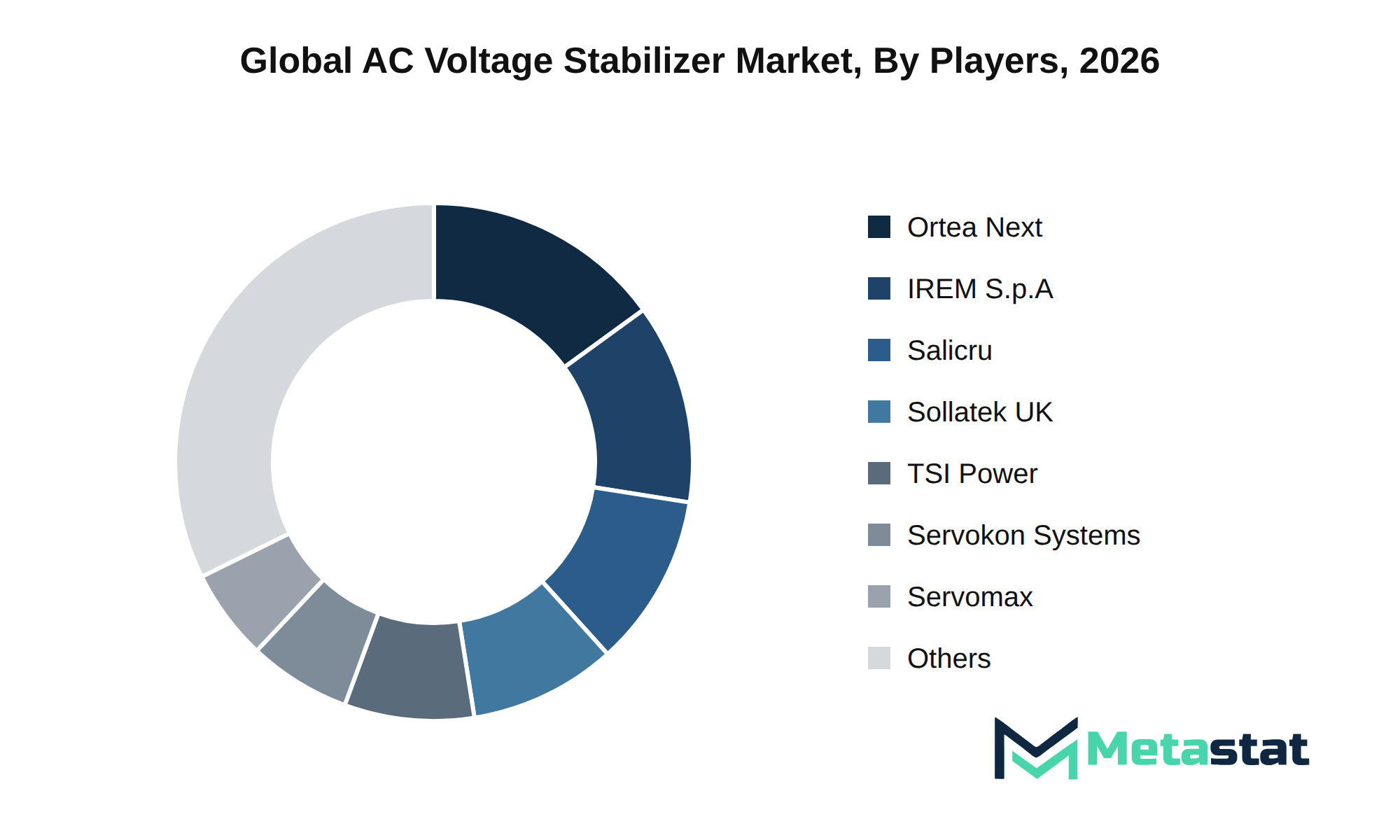
Competitive dynamics within the AC Voltage Stabilizer market highlight several key strategic behaviors among prominent players. Companies including Ortea Next, IREM S.p.A., Salicru S.A., and Sollatek UK Ltd. focus on product differentiation through innovation and proprietary technology. R&D investments drive advancements in servo-controlled and static electronic voltage stabilizers, enhancing performance and efficiency in various applications.
Strategic alliances and joint ventures among firms like TSI Power Corporation and Servokon Systems Limited facilitate market expansion and supply chain integration. These collaborations enable organizations to leverage complementary strengths, enhancing customer retention strategies and brand equity. Companies including Servomax Limited and Servotech Power Systems Limited actively engage in competitive pricing architectures, attracting a broader customer base across diverse end-use industries.
Significant barriers to entry stemming from established intellectual property portfolios and technological defensibility maintain competitive stability within the market. New entrants face challenges related to procurement leverage and existing supply chain dominance. Ongoing focus on strategic growth vectors positions established players to navigate potential disruptions while capitalizing on emerging opportunities within the AC Voltage Stabilizer market.
Market size is forecast to rise from USD 2,625.4 million in 2025 to over USD 4,061.1 million by 2033. The base case reflects growth from USD 2,625.4 million in 2025 to USD 4,061.1 million by 2033 at a 5.6% CAGR. Bull cases outline accelerated advancement driven by technological innovations and stronger regulatory support, while bear cases highlight potential disruptions arising from geopolitical tensions and supply chain fluctuations.
Macroeconomic factors, including capital allocation directives and infrastructure commitments, significantly influence the AC Voltage Stabilizer market. Strategic investments in technology integration align with industry maturation trends, driving demand across various sectors. Regulatory evolution, alongside compliance milestones, shapes market dynamics, prompting companies to adapt quickly to maintain competitive positions. Evolving trade corridors and global supply chain shifts contribute to market complexity, necessitating agile responses from industry stakeholders.
High-growth pockets emerge from unmet enterprise needs within healthcare, residential, and industrial sectors. R&D commercialization timelines play a crucial role in determining product life cycles, impacting overall market readiness. Executive-level strategic imperatives focus on evolving consumer preferences and the integration of next-generation technologies, enhancing market resilience. Anticipating structural shifts in consumption patterns remains essential for sustaining growth and addressing evolving demand.
The report strategically identifies and profiles the key market players and analyses their core competencies in each sub-segment of the AC Voltage Stabilizer market.
Report Attributes | Details |
Study Period | 2021-2033 |
Base Year | 2025 |
Estimated Year | 2026 |
Forecast Period | 2026-2033 |
Historical Period | 2021-2025 |
Growth Rate | CAGR 5.6% from 2026 to 2033 |
Revenue Unit | USD million |
Segmentation | By Technology Type, Phase Configuration, Power Rating, End-Use Industry, and Region |
By Region | North America (By Technology Type, Phase Configuration, Power Rating, End-Use Industry, and Country)
|
Europe (By Technology Type, Phase Configuration, Power Rating, End-Use Industry, and Country)
| |
Asia Pacific (By Technology Type, Phase Configuration, Power Rating, End-Use Industry, and Country)
| |
South America (By Technology Type, Phase Configuration, Power Rating, End-Use Industry, and Country)
| |
Middle East and Africa (By Technology Type, Phase Configuration, Power Rating, End-Use Industry, and Country)
|
Find answers to common questions about this report
The AC Voltage Stabilizer market size was valued at USD 2,625.4 million in 2025, according to the Metastat Insights study.
The AC Voltage Stabilizer market is projected to grow at a CAGR of 5.6% during the forecast period from 2026 to 2033.
The North America AC Voltage Stabilizer market size is estimated to reach USD 951.1 million by 2033.
Static Electronic Voltage Stabilizers lead the AC Voltage Stabilizer market, with a projected value of USD 1,211.8 million by 2033. This segment's growth reflects an increasing demand for advanced voltage stabilization solutions.
Key drivers for the AC Voltage Stabilizer market include the increasing emphasis on energy efficiency across various sectors, leading to heightened demand for stable power solutions. Infrastructure development and the shift towards smart cities further stimulate market growth by creating a need for reliable voltage management systems.
Regulatory compliance poses significant challenges due to increasing energy efficiency and emissions standards, requiring manufacturers to invest in advanced technologies. Macroeconomic factors, including inflation and geopolitical instability, disrupt supply chains and raise costs, hindering market growth. skilled labor deficiencies and competition from alternative solutions create barriers to widespread adoption.
Factors favoring product adoption in the AC Voltage Stabilizer industry include increasing energy efficiency initiatives across sectors, particularly in residential, commercial, and industrial manufacturing. Organizations prioritize investments in voltage stabilizers to reduce operational costs and enhance energy management systems, driving market growth.
The AC Voltage Stabilizer market is estimated to reach a valuation of USD 4,061.1 million by 2033.
Key players operating in the AC Voltage Stabilizer market include Ortea Next, IREM S.p.A., Salicru S.A., Sollatek UK Ltd., TSI Power Corporation, and V-Guard Industries Limited.
The AC Voltage Stabilizer market size in 2025 is USD 2,625.4 million.
The analysts below cover Electronics and Semiconductor research at Metastat Insights.
LEAD ANALYST
Utkarsh Khirodkar is a Lead Market Research Analyst at MetaStat Insight, specializing in market intelligence, technology sector assessments, and competitive strategy.

PRINCIPAL CONSULTANT - ENTERPRISE AI & EMERGING TECHNOLOGIES
Banking & Finance · Electronics and Semiconductor · Energy and Power · Healthcare IT · Information & Technology · Professional Services
Vijay Gunti is a Principal Consultant at MetaStat Insight, bringing over two decades of experience across enterprise digital transformation, technology strategy, and intelligent systems.

PRINCIPAL CONSULTANT - QUALITY SYSTEMS & COMPLIANCE
Electronics and Semiconductor · Machinery & Equipment · Professional Services
Omkar Phadtare is an Industry Consultant at MetaStat Insight, specializing in quality systems, regulatory compliance, and standards benchmarking to drive data-driven market intelligence and strategic industry research.

ENERGY & INFRASTRUCTURE INDUSTRY CONSULTANT
Automotive and Transportation · Electronics and Semiconductor · Energy and Power · Machinery & Equipment
Saurabh Vasant Ganvir consults for Energy & Infrastructure Industry at MetaStat Insight, specializing in renewable energy, solar EPC, and electric vehicle (EV) infrastructure markets.

LEAD CONSULTANT - COMMUNICATION, TELECOM, AND IT
Electronics and Semiconductor · Information & Technology · Machinery & Equipment · Professional Services
Ravindra Sathe Consultants for Communication, Telecom, and IT at MetaStat Insight. He leads the firm's industry research initiatives across telecommunications infrastructure, digital connectivity, enterprise networking, and emerging information technology domains.
In the biological seed treatment space, registration timelines vary drastically between the European Union, Brazil, and North America. The MetaStat Insight research handled these cross-border regulatory barriers with genuine nuance, mapping commercialization pathways alongside historical field adoption rates. The segmentation between microbial strains and biochemical active ingredients was particularly well structured.
Our team was tracking whether regional recycling infrastructure could realistically absorb the growing volume of lithium iron phosphate batteries over the next decade. The report did a solid job separating announced hydrometallurgical plant capacity from active, permitted operational throughput. That distinction made the feedstock availability projections and regional recovery rate models far more credible than standard commercial overviews.
Tracking capacity expansion in single-use bioprocessing requires dependable data on raw material availability and cleanroom-grade polymer supply chains. The competitive landscape chapter gave a grounded evaluation of secondary component suppliers across North America and Asia-Pacific rather than simply reprinting press releases. Having that level of supplier benchmarking helped clarify dual-sourcing considerations for our clinical pipeline planning.
Explore related market intelligence reports worth reading alongside this one.
Starting from
$2950
Starting from
$2950
Starting from
$2950