
LEAD ANALYST
Utkarsh Khirodkar is a Lead Market Research Analyst at MetaStat Insight, specializing in market intelligence, technology sector assessments, and competitive strategy.

Cardiac Rhythm Management (CRM) Devices Market By Type (Pacemakers, Implantable Cardioverter Defibrillators (ICD), External Defibrillator, and Cardiac Resynchronization Therapy (CRT)), By Application (Congestive Heart Failure, Arrhythmias, Bradycardia, Tachycardia, and Others), By End Use (Hospitals, Cardiac Care Centers, Ambulatory Durgical Centers, and Others), Industry Analysis, Size, Share, Growth, Trends, and Forecast, 2024-2031
Report ID
MSI-2739
Published
February, 2026
Pages
253 Pages
Format
Report Details
Choose Your License
Cardiac Rhythm Management (CRM) Devices Market
Global Cardiac Rhythm Management (CRM) Devices market is estimated to reach $25,882.7 Million by 2031; growing at a CAGR of 4.8% from 2024 to 2031.
The Global Cardiac Rhythm Management (CRM) Devices market is an expansive and dynamic sector within the medical device industry. This market encompasses a wide array of devices designed to manage and regulate the rhythm of the heart, catering to patients with various cardiac conditions. As technology advances and the understanding of cardiac health deepens, the demand for CRM devices continues to grow.
One of the primary segments within the CRM devices market is pacemakers. These devices are instrumental in managing irregular heart rhythms by delivering electrical impulses to regulate the heartbeat. Pacemakers come in different types, including traditional pacemakers and advanced models equipped with additional features such as remote monitoring and MRI compatibility. The future of pacemakers lies in further miniaturization, improved battery life, and enhanced connectivity for seamless data transmission to healthcare providers.
Another crucial component of the CRM devices market is implantable cardioverter defibrillators (ICDs). These devices are designed to detect and correct potentially life-threatening arrhythmias by delivering a shock to restore normal heart rhythm. Future advancements in ICD technology aim to enhance the accuracy of arrhythmia detection while minimizing unnecessary shocks through sophisticated algorithms and sensor integration.
Cardiac resynchronization therapy (CRT) devices constitute another significant segment within the CRM devices market. These devices are used to synchronize the contractions of the heart's chambers, particularly in patients with heart failure and conduction abnormalities. The future of CRT devices lies in improving patient selection criteria through advanced imaging techniques and personalized therapy delivery based on individual cardiac anatomy and physiology.
Remote monitoring is emerging as a pivotal aspect of the CRM devices market, allowing healthcare providers to remotely track patients' cardiac health and device performance. This technology enables timely intervention in case of device malfunction or changes in cardiac status, thereby improving patient outcomes and reducing healthcare costs. Future developments in remote monitoring are expected to focus on enhancing data analytics capabilities and integrating artificial intelligence algorithms for predictive maintenance and personalized treatment recommendations.
Innovations in materials science and engineering are driving advancements in lead design for CRM devices. Leads play a critical role in transmitting electrical signals between the device and the heart, and improvements in lead design aim to enhance durability, flexibility, and biocompatibility while minimizing the risk of complications such as lead fracture and insulation failure.
The Global Cardiac Rhythm Management (CRM) Devices market is a dynamic and multifaceted industry poised for significant growth and innovation. With ongoing advancements in technology and clinical understanding, the future holds promising opportunities for improving patient care and outcomes in the field of cardiac rhythm management.
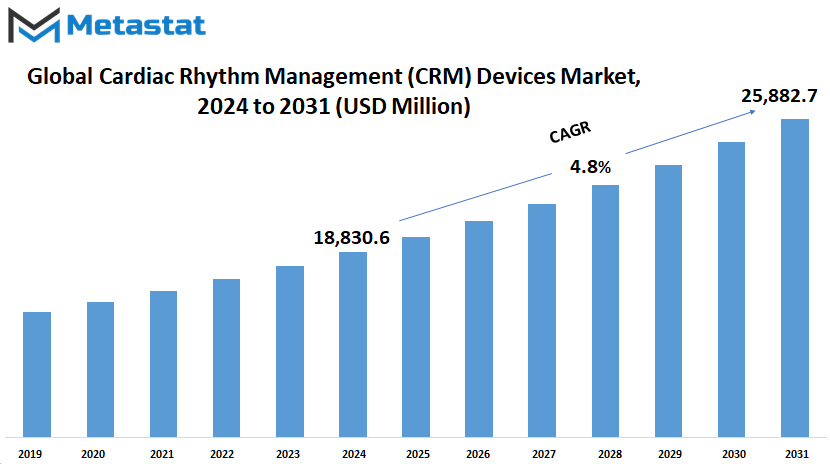
The Global Cardiac Rhythm Management (CRM) Devices market is experiencing significant growth due to the increasing prevalence of cardiovascular diseases and an aging population. As more people face heart-related issues, the demand for CRM devices to manage cardiac arrhythmias is on the rise. Technological advancements play a crucial role in this growth, as they continuously enhance device features and remote monitoring capabilities. These improvements not only benefit patients but also contribute to better outcomes and an improved quality of life.
However, despite the promising outlook, several challenges persist in the CRM market. One major obstacle is the high cost associated with CRM devices and the procedures involved. This high cost often restricts access to these life-saving technologies, particularly for patients in certain regions or socioeconomic groups. Additionally, regulatory challenges and reimbursement issues further complicate the market landscape. These hurdles can impede the entry of new CRM technologies into the market and hinder their adoption by healthcare providers and patients alike.
Nevertheless, amidst these challenges, there are also opportunities for growth and innovation in the CRM market. The growing adoption of leadless pacemakers and subcutaneous Implantable Cardioverter Defibrillators (ICDs) presents promising prospects for market expansion. These innovative devices offer alternative solutions to traditional CRM devices and pave the way for advancements in device design and implantation techniques.
Looking ahead, the future of the Global Cardiac Rhythm Management Devices market appears bright. Continued technological advancements will drive further improvements in device functionality and patient care. Additionally, efforts to address cost barriers and regulatory hurdles will likely enhance accessibility to CRM technologies, expanding their reach to more patients globally. Moreover, the ongoing development of novel CRM devices and treatment strategies will fuel innovation in the field, creating new opportunities for market growth and improvement in cardiac healthcare outcomes.
While the Global CRM Devices market faces challenges such as high costs and regulatory barriers, it also presents promising opportunities for growth and innovation. By addressing these challenges and leveraging technological advancements, the CRM market will continue to evolve, ultimately benefiting patients and healthcare providers worldwide.
The global market for Cardiac Rhythm Management (CRM) Devices is segmented into various types, including Pacemakers, Implantable Cardioverter Defibrillators (ICD), External Defibrillators, and Cardiac Resynchronization Therapy (CRT). These devices play a crucial role in managing heart rhythm disorders and ensuring the proper functioning of the heart.
Pacemakers are small devices implanted in the chest or abdomen to help control abnormal heart rhythms. They deliver electrical impulses to the heart muscles to regulate its beating pattern and maintain a steady heartbeat. Pacemakers are commonly used for treating conditions such as bradycardia, where the heart beats too slowly.
Implantable Cardioverter Defibrillators (ICD) are devices designed to monitor and treat life-threatening arrhythmias, including ventricular fibrillation and ventricular tachycardia. They deliver electric shocks to the heart to restore its normal rhythm in case of irregular or rapid heartbeats.
External Defibrillators are portable devices used to deliver electric shocks to the heart in emergency situations, such as sudden cardiac arrest. They are commonly found in public places like airports, schools, and sports facilities to provide immediate treatment until medical help arrives.
Cardiac Resynchronization Therapy (CRT) devices are used to improve the synchronization of the heart's lower chambers (ventricles) in patients with heart failure. These devices deliver synchronized electrical impulses to both ventricles to help them beat in a more coordinated manner, thereby improving the heart's overall efficiency and reducing symptoms of heart failure.
The global market for CRM Devices is expected to witness significant growth in the coming years due to several factors. Advancements in technology, such as miniaturization and wireless connectivity, will enhance the performance and usability of these devices. Additionally, the rising prevalence of cardiovascular diseases, coupled with an aging population, will increase the demand for cardiac rhythm management solutions worldwide.
Moreover, the increasing awareness about the importance of early diagnosis and treatment of heart rhythm disorders will drive the adoption of CRM Devices among patients and healthcare providers. Furthermore, initiatives undertaken by governments and healthcare organizations to improve access to cardiac care services in developing regions will further fuel market growth.
The global market for Cardiac Rhythm Management Devices is poised for substantial expansion in the foreseeable future, driven by technological advancements, demographic trends, and growing awareness about heart health. Pacemakers, Implantable Cardioverter Defibrillators, External Defibrillators, and Cardiac Resynchronization Therapy devices will continue to play a vital role in managing heart rhythm disorders and improving patient outcomes worldwide.
The Global Cardiac Rhythm Management (CRM) Devices market is segmented based on its application into categories such as Congestive Heart Failure, Arrhythmias, Bradycardia, Tachycardia, and Others. These divisions help to understand the diverse needs and conditions for which CRM devices are utilized worldwide.
Congestive Heart Failure, a prevalent cardiovascular condition, affects millions of people globally. CRM devices play a crucial role in managing this condition by regulating the heart's rhythm and optimizing its function. These devices help in improving the quality of life for individuals suffering from Congestive Heart Failure by ensuring proper heart function and reducing the risk of complications.
Arrhythmias, characterized by irregular heartbeats, pose significant health risks if left untreated. CRM devices are instrumental in monitoring and correcting these irregularities, thereby reducing the chances of adverse events such as stroke or heart attack. By providing timely interventions and maintaining optimal heart rhythm, CRM devices contribute to the overall well-being of individuals with Arrhythmias.
Bradycardia, a condition characterized by a slow heart rate, can lead to symptoms such as fatigue, dizziness, and fainting. CRM devices, specifically pacemakers, are designed to address Bradycardia by providing electrical impulses to regulate the heart's rhythm and maintain an appropriate heart rate. These devices ensure that the heart functions efficiently, thereby alleviating symptoms and improving the patient's quality of life.
Tachycardia, on the other hand, refers to a rapid heart rate, which can be potentially life-threatening if not managed effectively. CRM devices, including implantable cardioverter-defibrillators (ICDs), are utilized to detect and correct episodes of Tachycardia by delivering appropriate therapies such as electrical shocks or pacing. By swiftly responding to abnormal heart rhythms, CRM devices help prevent complications and enhance patient safety.
The category labeled as Others encompasses various cardiac conditions and scenarios where CRM devices are utilized for therapeutic purposes. These may include preventive measures for sudden cardiac arrest, management of heart blockages, or supportive care during cardiac surgeries. The versatility of CRM devices allows for tailored solutions to address a wide range of cardiac issues, ensuring optimal outcomes for patients across diverse clinical settings.
The segmentation of the Global Cardiac Rhythm Management (CRM) Devices market based on application highlights the extensive utility of these devices in managing various cardiac conditions. From Congestive Heart Failure to Arrhythmias, Bradycardia, Tachycardia, and beyond, CRM devices will continue to play a vital role in enhancing cardiovascular health and improving patient outcomes in the future.
The Global Cardiac Rhythm Management (CRM) Devices market is a dynamic landscape, characterized by constant innovation and advancements in medical technology. This market is segmented by End Use, with key categories including Hospitals, Cardiac Care Centers, Ambulatory Surgical Centers, and Others.
Hospitals, being the primary healthcare institutions, will continue to play a pivotal role in the adoption and utilization of CRM devices. These institutions cater to a wide range of patients, including those with cardiac conditions requiring rhythm management. With the increasing prevalence of cardiovascular diseases globally, hospitals will witness a growing demand for CRM devices to diagnose, monitor, and treat cardiac rhythm abnormalities.
Cardiac Care Centers, specialized facilities focused solely on heart health, will also significantly contribute to the CRM devices market. These centers offer specialized care and expertise in managing various cardiac conditions, making them ideal settings for the implementation of advanced cardiac rhythm management technologies. As these centers continue to expand and upgrade their infrastructure, the adoption of CRM devices will be a natural progression to enhance patient care and outcomes.
Ambulatory Surgical Centers, which provide outpatient procedures and surgeries, will increasingly integrate CRM devices into their service offerings. These centers offer convenience and efficiency for patients requiring minor cardiac interventions, such as implantation of pacemakers or defibrillators. With advancements in minimally invasive procedures and the development of compact and implantable CRM devices, ambulatory surgical centers will become key players in the delivery of cardiac rhythm management services.
The category labeled as Others encompasses various healthcare facilities and settings not specifically categorized under hospitals, cardiac care centers, or ambulatory surgical centers. This may include physician offices, clinics, and rehabilitation centers, among others. While these facilities may not specialize exclusively in cardiac care, they will still contribute to the demand for CRM devices, particularly for diagnostic purposes and ongoing monitoring of patients with cardiac conditions.
In the future, as technology continues to evolve, the landscape of the CRM devices market will witness further innovations aimed at improving patient outcomes, enhancing device performance, and expanding accessibility to cardiac rhythm management solutions. End-use segments such as hospitals, cardiac care centers, ambulatory surgical centers, and other healthcare facilities will all play integral roles in driving the growth and advancement of the global CRM devices market.
The global market for Cardiac Rhythm Management (CRM) Devices is segmented based on geography into North America, Europe, Asia-Pacific, South America, and the Middle East & Africa. This division allows for a comprehensive understanding of how the demand for CRM devices varies across different regions of the world.
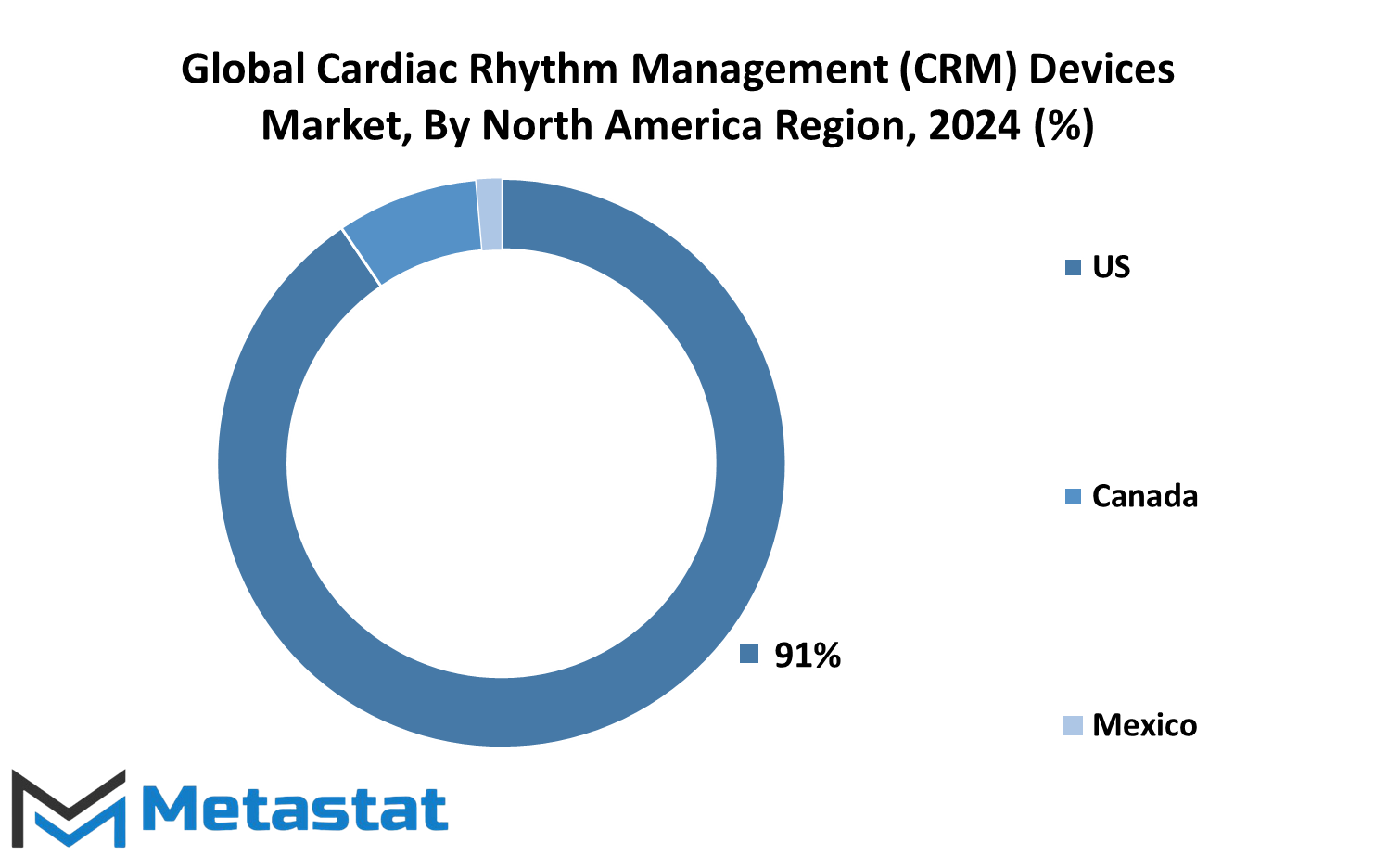
North America, comprising countries such as the United States and Canada, is expected to continue leading the market due to factors like advanced healthcare infrastructure, high prevalence of cardiac disorders, and increasing adoption of innovative medical technologies. Additionally, favorable reimbursement policies and rising healthcare expenditure will further drive the demand for CRM devices in this region.
Europe, another significant market, is projected to witness steady growth driven by the presence of key market players, technological advancements, and government initiatives aimed at improving cardiac care. Countries like Germany, the United Kingdom, and France are likely to contribute significantly to the region's market growth.
In the Asia-Pacific region, countries such as China, India, and Japan are anticipated to experience substantial growth in the CRM devices market. Factors such as a large population base, increasing awareness about cardiovascular diseases, improving healthcare infrastructure, and rising disposable incomes will propel market growth in this region. Moreover, the expansion of healthcare facilities in rural areas and the growing adoption of telemedicine will further boost the demand for CRM devices.
South America, including countries like Brazil and Argentina, is also expected to witness significant growth in the CRM devices market. The increasing prevalence of lifestyle-related diseases and government initiatives to enhance healthcare infrastructure will drive market growth in this region.
The Middle East & Africa region is poised for growth as well, driven by factors such as a growing geriatric population, rising incidence of cardiovascular diseases, and increasing healthcare expenditure. Countries like Saudi Arabia, the United Arab Emirates, and South Africa are expected to contribute to the region's market growth.
Overall, the global market for Cardiac Rhythm Management (CRM) Devices is set to witness significant growth across all geographic regions. Factors such as technological advancements, increasing prevalence of cardiac disorders, growing healthcare expenditure, and supportive government initiatives will drive market growth. Additionally, the adoption of advanced CRM devices for better patient outcomes and quality of life will further fuel market expansion in the coming years.
The Cardiac Rhythm Management (CRM) Devices market is influenced by key players like Abbott Laboratories, Biotronik SE & Co KG, Boston Scientific Corporation, Cirtec, Defibtech LLC, Lepu Medical Technology, BIOTRONIK, Medtronic PLC, Microport, Schiller AG, Stryker, LivaNova Plc, CardioFocus, Inc., Osypka AG, Nihon Kohden Corporation, BPL Medical Technologies Pvt Ltd, AMI Italia, ABIOMED, Shree Pacetronix Ltd., and Vitatron. These companies shape the landscape of cardiac rhythm management devices, contributing to advancements and innovations that improve patient outcomes and healthcare efficiency.
In the future, the global market for cardiac rhythm management devices will likely witness continuous growth and innovation. As technology progresses, these devices will become more advanced, offering enhanced features and capabilities. This evolution will be driven by the relentless pursuit of better patient care and the need to address emerging healthcare challenges.
The key players in the industry will continue to invest in research and development to bring forth new products and solutions. This investment will lead to the introduction of next-generation devices that are more efficient, compact, and user-friendly. Additionally, advancements in materials science and manufacturing processes will enable the production of devices that are lighter, more durable, and less invasive.
Furthermore, the growing prevalence of cardiovascular diseases worldwide will fuel the demand for cardiac rhythm management devices. As populations age and lifestyles change, the incidence of conditions such as arrhythmias and heart failure will increase. Consequently, there will be a greater need for effective monitoring and treatment options, driving the adoption of CRM devices.
In addition to technological advancements, regulatory changes and healthcare policies will also shape the future of the CRM devices market. Governments and regulatory bodies will play a crucial role in ensuring the safety and efficacy of these devices, while also promoting innovation and competition within the industry.
Moreover, the increasing integration of digital health technologies will revolutionize the way CRM devices are used and managed. Connectivity features, remote monitoring capabilities, and data analytics will enable healthcare providers to deliver more personalized and proactive care to patients with cardiac conditions.
The Cardiac Rhythm Management Devices market is poised for significant growth and innovation in the future. Key players will drive this evolution through investments in research and development, leading to the introduction of advanced and more effective devices. Combined with demographic trends and technological advancements, these factors will shape the future of cardiac care, improving outcomes for patients worldwide.
Find answers to common questions about this report
Global Cardiac Rhythm Management (CRM) Devices market is valued at $18,830.6 million in 2024.
Global Cardiac Rhythm Management (CRM) Devices market is estimated to grow with a CAGR of 4.8% from 2024 to 2031.
Global Cardiac Rhythm Management (CRM) Devices market is estimated to reach $25,882.7 million by 2031.
Top players operating in the Cardiac Rhythm Management (CRM) Devices industry includes Abbott Laboratories, Biotronik SE & Co KG, Boston Scientific Co. and Others.
The analysts below cover Medical Devices research at Metastat Insights.
LEAD ANALYST
Utkarsh Khirodkar is a Lead Market Research Analyst at MetaStat Insight, specializing in market intelligence, technology sector assessments, and competitive strategy.

LEAD PRINCIPAL ANALYST, PHARMA AND HEALTHCARE
Food and Beverages · Healthcare · Healthcare IT · Medical Devices
Ajay Devgire is the Lead Healthcare Analyst at MetaStat Insight, leading strategic research and market intelligence initiatives across the global healthcare domain.

SENIOR RESEARCH ANALYST
Biotechnology · Food and Beverages · Medical Devices · Packaging
Snehal Pasalkar is a Research Analyst at MetaStat Insight, operating at the intersection of life sciences research, competitive strategy, and market intelligence.
Integrating zero-trust access controls across legacy electronic health record systems involves complex compliance overhead. Team produced an analysis that clearly separated identity governance and administration tools from privileged access management platforms. Their evaluation of HIPAA and GDPR compliance features across cloud native solutions gave our architecture group clear baseline criteria. The custom data request regarding biometric authentication adoption in hospital networks was returned promptly with clear documentation.
Evaluating calorific value requirements and air permit compliance across municipal waste facilities requires localized data. Metastat Insight structured their analysis around operational throughput capacity and feedstock composition variations in Latin America and Eastern Europe. Their competitive mapping of sorting equipment vendors helped clarify technology differences between optical separators and heavy media systems. The study provided an objective baseline during our capital expenditure reviews.
Decarbonizing industrial thermal processes hinges on refrigerant regulations and compressor efficiency limits. Metastat Insights delivered a thorough market analysis that evaluated natural refrigerants like CO2 and hydrocarbons against synthetic low-GWP alternatives. The breakdown of utility incentives and grid capacity constraints across key European manufacturing hubs offered valuable perspective. The follow-up conversation with their sector analysts addressed our specific questions on mechanical vapor recompression systems efficiently.
Explore related market intelligence reports worth reading alongside this one.
Starting from
$2950