
LEAD ANALYST
Utkarsh Khirodkar is a Lead Market Research Analyst at MetaStat Insight, specializing in market intelligence, technology sector assessments, and competitive strategy.

Global Culinary Content Creation Market Size, Share, By Content Format (Recipes, Videos, Blogs and Social Media Posts, E-Books), By Audience Type (Home Cooks, Professional Chefs, Food Enthusiasts and Culinary Students), By End-User Industry (Food and Beverage Brands, Cookware and Kitchen Appliance Manufacturers, Restaurants and Hospitality Businesses and Retail and E-Commerce Platforms), By Age Group (Under 18 Years, 18-34 Years, 35-54 Years and 55 Years & Above), Industry Analysis, Growth, Trends, and Forecast, 2026-2033
Report ID
MSI-5199
Published
September, 2026
Pages
291 Pages
Format
Historical
Base year
Forecast
Forecast period
Report Details
Choose Your License
Global Culinary Content Creation Market
The global Culinary Content Creation market was valued at USD 21.1 billion in 2025 and is projected to reach USD 55.6 billion by 2033, growing at a CAGR of 12.9% over the forecast period.
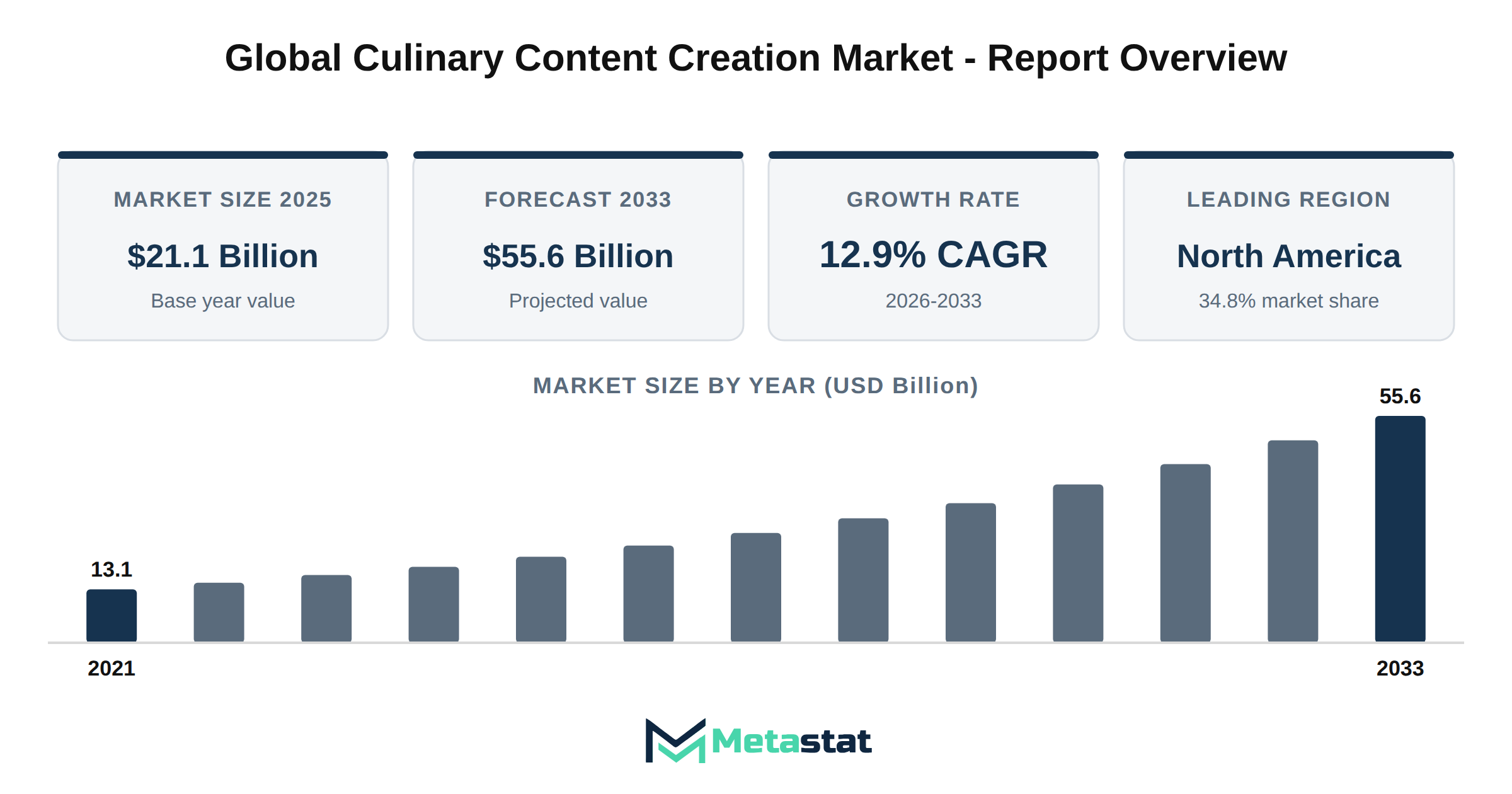
The Culinary Content Creation market reached a value of USD 21.1 billion in 2025, with a projected increase to USD 55.6 billion by 2033. This growth represents a compound annual growth rate (CAGR) of 12.9%. Historical values indicate a steady increase from USD 13.1 billion in 2021 to USD 18.6 billion in 2024, demonstrating a strong upward trend.
Key factors driving this expansion include evolving consumer preferences for diverse content formats. The demand for video content, which is anticipated to reach USD 19.5 billion by 2033, reflects the shift towards more engaging and visually appealing formats. Recipes, another significant segment, is expected to grow from USD 5.7 billion in 2026 to USD 12.6 billion by 2033. Social media posts are projected to experience a CAGR of 13.6%, indicating the increasing role of social platforms in culinary engagement.
The audience landscape presents promising opportunities, particularly among home cooks, whose market value is set to increase from USD 11.8 billion in 2026 to USD 26.6 billion by 2033. Professional chefs and culinary students contribute to this dynamic, with respective CAGRs of 12.6% and 14.7%. The growing interest in culinary skills and knowledge highlights the importance of targeted content strategies aimed at these demographics.
End-user industries including food and beverage brands, cookware manufacturers, and hospitality businesses play a vital role in shaping the market landscape. The food and beverage sector is projected to expand from USD 9 billion in 2026 to USD 20.1 billion by 2033, driven by collaborations with content creators to enhance brand visibility and consumer engagement. Retail and e-commerce platforms are expected to see significant growth, with a CAGR of 13.9%, indicating a shift towards online culinary content consumption.
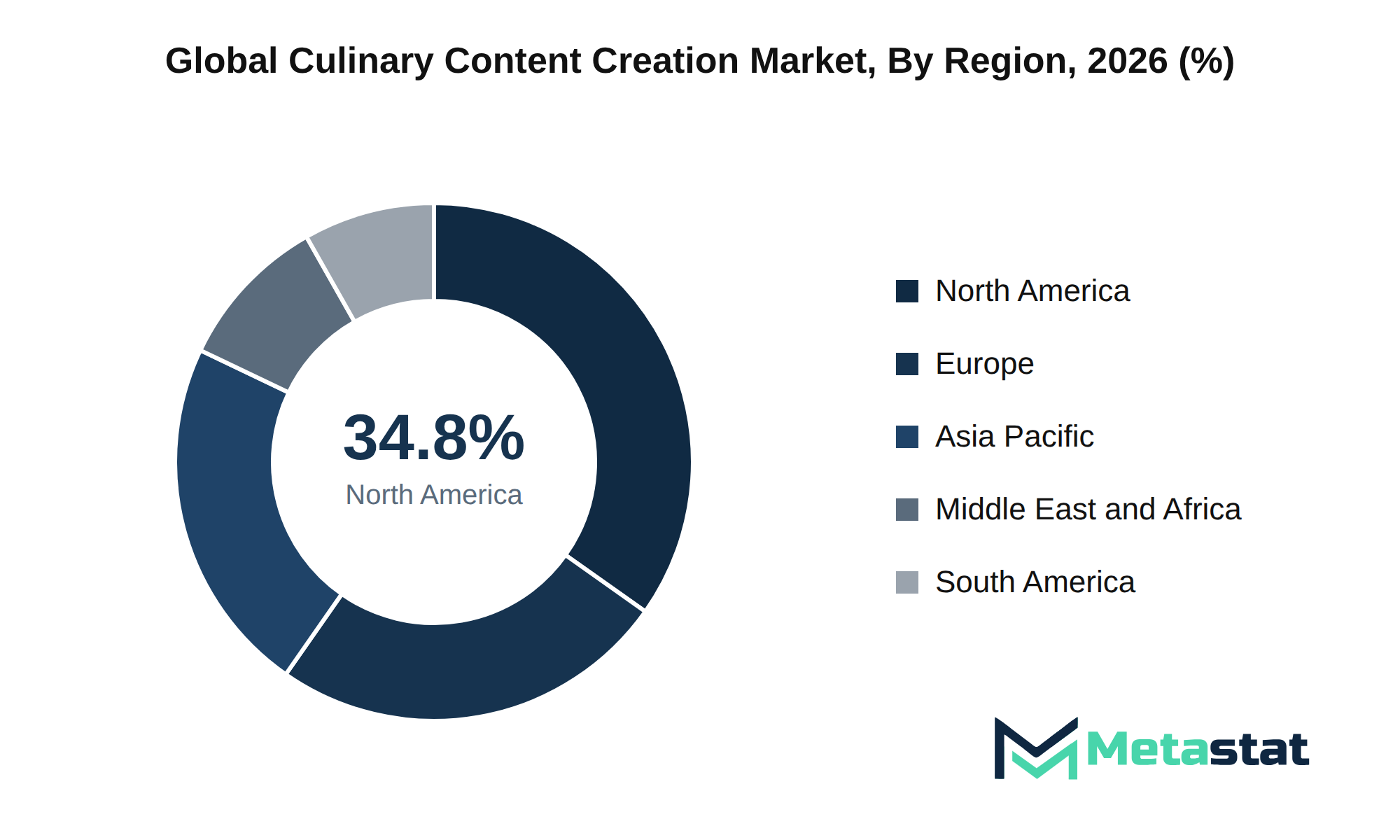
Regional distribution highlights North America because the leading market, accounting for 34.8% of the total share. Projected revenue in this region will reach USD 18.5 billion by 2033, supported by innovative content strategies and a strong consumer base. Europe and Asia Pacific follow, representing 24.9% and 22.4% of the market, respectively, with each region exhibiting unique trends and growth drivers.
The Culinary Content Creation market is experiencing significant changes driven by evolving monetization strategies and revenue diversification. The integration of various content formats into a cohesive distribution strategy enhances audience engagement and maximizes revenue potential across multiple platforms. This shift allows creators to leverage diverse revenue streams, including direct sales, sponsorships, and advertising, ultimately leading to a more sustainable financial model.
Content format dynamics play a crucial role in shaping the market landscape. Recipes, videos, blogs, and social media posts contribute uniquely to audience retention and interaction. The increasing popularity of video content, for instance, highlights a strong preference among consumers for engaging visual storytelling. Such trends necessitate a strategic approach to cross-platform distribution, ensuring that content reaches a diverse audience effectively.
Partnerships with consumer packaged goods (CPG) brands are increasingly vital for content creators. Brand integrations enhance credibility and provide financial support, creating an environment where culinary content thrives. Social commerce emerges because a powerful avenue, enabling creators to monetize their platforms directly through integrated shopping experiences, thus driving revenue growth.
Technological advancements, particularly in generative AI and recipe scraping, introduce new opportunities and challenges within the market. These innovations enhance content creation efficiency but raise concerns regarding digital intellectual property protection. Establishing robust frameworks for protecting original content is essential to safeguarding the interests of creators in a competitive landscape.
Dietary niches and cultural storytelling serve because focal points for community engagement. By aligning content with specific dietary preferences and cultural narratives, creators establish deeper connections with their audiences. This approach not only drives engagement but positions content creators because thought leaders within their respective niches.
The market faces various regulatory compliance challenges, particularly concerning food safety and advertising standards. Adhering to these regulations is essential for maintaining trust and ensuring the longevity of culinary brands. Understanding regional risk frameworks enhances strategic planning, allowing creators to navigate potential disruptions effectively.
Research and development trajectories indicate a commitment to next-generation innovation. Emphasizing sustainable transformation, professionals within the market are exploring decarbonization strategies and circular economy dynamics. These efforts contribute to a more resilient industry while addressing consumer demand for environmentally responsible practices.
The supply chain landscape significantly influences the market. Effective logistics architecture and sourcing strategies are essential for optimizing content delivery and ensuring high-quality outputs. Market fragmentation presents both challenges and opportunities, driving mergers and acquisitions that reshape competitive dynamics.
Capital allocation and infrastructure investments are critical for future strategic outlooks. Organizations within the Culinary Content Creation market are prioritizing investments in technology and talent to enhance content quality and expand reach. High-value recommendations focus on driving innovation while maintaining a clear alignment with consumer expectations and market demands.
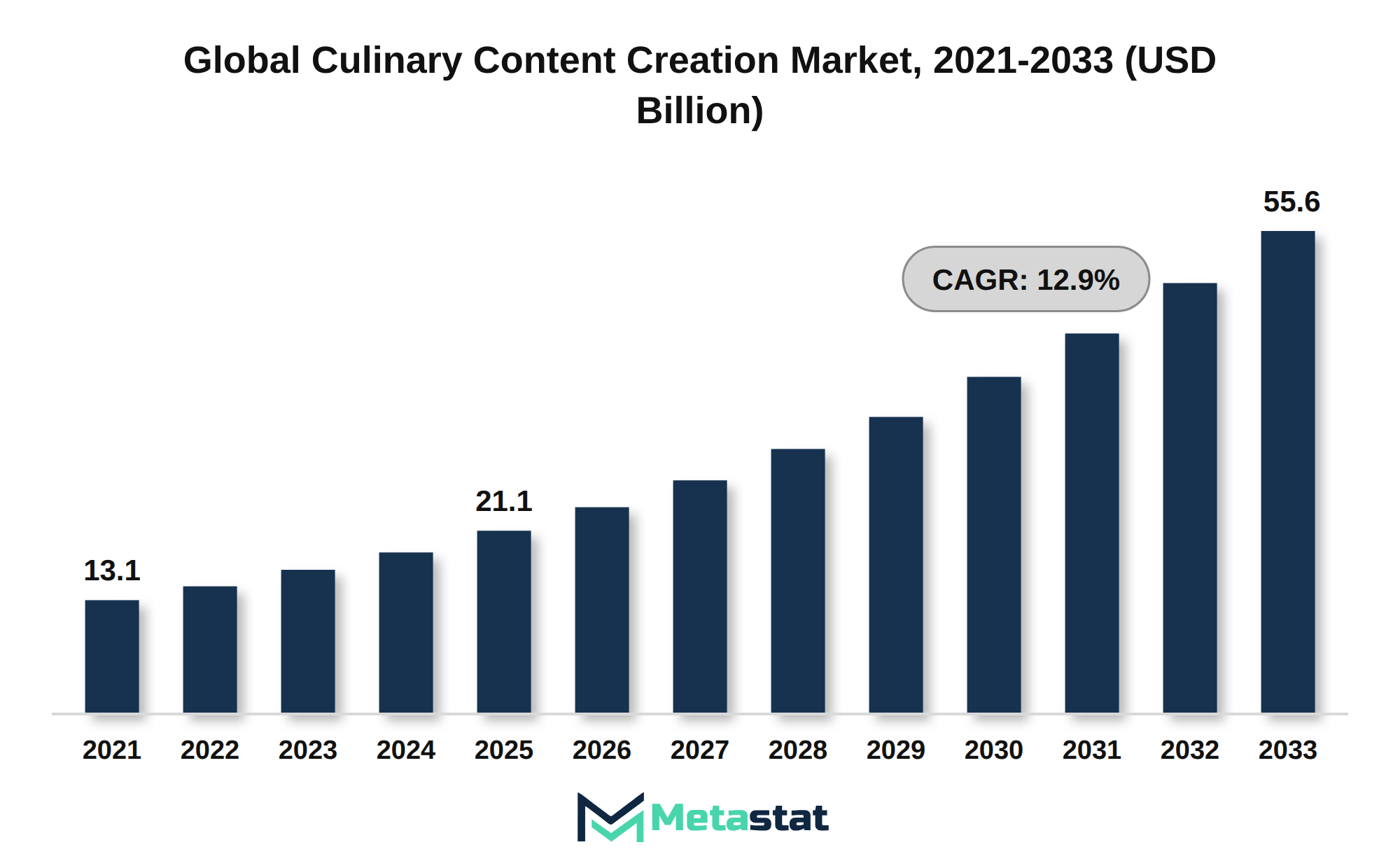
The Culinary Content Creation market benefits from ongoing digital transformation across various industries. Increased internet penetration and the proliferation of smartphones have transformed the way content is created and consumed, creating a dynamic environment for culinary content. Consumers increasingly seek engaging and easily accessible culinary experiences, leading to the growth of digital platforms dedicated to food-related content.
Investment in technology, including automation and artificial intelligence, enhances content creation capabilities, allowing for more efficient production processes. This technological integration supports diverse formats including videos, blogs, and social media posts, which attract a wider audience interested in culinary arts. Businesses that embrace these advancements experience improved operational efficiencies and higher engagement rates.
The rapid adoption of social media platforms changes how culinary content reaches target audiences. Food brands, influencers, and creators leverage these channels to share their culinary expertise, engage with consumers, and respond to evolving preferences. This shift in consumer behavior drives demand for innovative culinary content, further propelling the growth of the market.
Overall, digital transformation acts because a powerful catalyst for the Culinary Content Creation market, enabling businesses to adapt to changing consumer demands while encouraging creativity and innovation in content delivery.
The Culinary Content Creation market experiences notable growth due to shifting demographic patterns. Aging populations increasingly seek culinary experiences, driving demand for tailored content that supports healthy lifestyle choices and easy meal preparation. Younger consumers, particularly those aged 18-34 years, exhibit strong engagement with digital content formats, including videos and social media posts, which increases demand for dynamic and visually appealing culinary content.
Urbanization contributes to market expansion by changing lifestyle habits and food preferences. A growing number of individuals residing in urban environments leads to heightened interest in quick, convenient, and accessible cooking solutions. This trend prompts content creators to develop recipes and culinary tips that cater to busy lifestyles, further stimulating consumer interest.
Evolving buying preferences reflect a growing emphasis on sustainability and health-conscious choices. Consumers increasingly favor fresh, local ingredients and ethical sourcing, which leads content creators to focus on recipes and culinary practices that align with these values. The Culinary Content Creation market adapts to these patterns, resulting in innovative content that connects with diverse audience segments.
Overall, demographic shifts influence consumption patterns and preferences, prompting the development of engaging culinary content that caters to the evolving needs of various consumer groups. This dynamic drives sustained growth and opportunity within the market.
Regulatory compliance poses significant challenges for the Culinary Content Creation market, impacting operational flexibility. Stricter regulations regarding content standards and advertising practices create barriers for creators, particularly small and medium-sized enterprises that lack resources for compliance. These constraints lead to delays in content production and increased operational costs, ultimately affecting market growth.
Macroeconomic headwinds, including inflationary pressures and economic uncertainty, directly influence consumer spending on culinary content. A decrease in disposable income affects audiences' willingness to invest in premium culinary experiences, leading to reduced demand for content. This economic landscape creates challenges for established players and new entrants seeking to capture market share.
Supply chain disruptions resulting from geopolitical instability hinder timely content delivery, affecting the Culinary Content Creation market. Inconsistent access to ingredients, equipment, and technology impacts production timelines and increases operational costs. Companies unable to adapt quickly to these disruptions experience setbacks in growth and competitive positioning.
High capital investment requirements for advanced production technologies and marketing strategies limit entry into the Culinary Content Creation market. Startups face challenges in securing funding, which restricts their ability to innovate and reach target audiences effectively. The market experiences a slower rate of new entrants, limiting diversity and competition.
Technological obsolescence presents an ongoing challenge, driven by the need for continuous investment in digital tools and platforms. Companies that fail to adopt the latest technologies risk falling behind competitors, impacting their ability to engage audiences effectively. This ongoing need for innovation strains resources, further complicating operational dynamics.
The Culinary Content Creation market contends with fragmentation, where numerous players vie for consumer attention. This fragmentation complicates marketing efforts and dilutes brand messaging, making it difficult to achieve widespread recognition. Increased competition leads to pricing pressures, which erode profit margins for companies across the market.
The Culinary Content Creation market faces challenges stemming from geopolitical fragmentation and increasing trade deficits. These factors disrupt international supply chains, leading to heightened costs and extended delivery times for essential components and feedstocks. Financial instability in various regions creates uncertainty, affecting investment and operational strategies for content creators and brands looking to expand their reach.
Tariff friction serves because a critical barrier, complicating the import and export of culinary content tools and technologies. This friction results in higher operational costs for businesses, limiting profit margins and discouraging innovation. Companies operating in the market navigate these complexities while seeking new avenues for growth amid challenging economic conditions.
Technological disruptions contribute to an evolving environment, necessitating continuous adaptation among businesses. The rapid pace of innovation pressures companies to invest in research and development, leading to complex integrations of new technologies. Such developments demand a skilled workforce capable of supporting advanced content creation methods. Talent retention pressures and skill gaps already exist.
The intersection of these factors shapes the overall competitive environment. Companies that effectively manage geopolitical risks while optimizing their operational efficiency are positioned to thrive in the Culinary Content Creation market. Addressing these challenges will prove crucial for sustaining growth and maintaining relevance in an increasingly interconnected world.
The Culinary Content Creation market presents substantial opportunities driven by emerging regional demands and advancements in digital transformation. Regions including North America and Europe exhibit a growing appetite for diverse culinary content formats, prompting content creators to adapt strategies that cater to local preferences. Rising digital engagement among consumers supports businesses that provide innovative content formats, including videos and social media posts, which are likely to capture significant market share.
Technological disruptions, particularly in content production and distribution, enhance capabilities for creators and brands. The proliferation of high-speed internet access and mobile devices facilitates efficient content sharing, enabling culinary content to reach broader audiences. This trend encourages investment in next-generation innovations that optimize viewer engagement and support monetization strategies across various platforms.
Sustainability imperatives increasingly influence culinary content, pushing brands to highlight environmentally friendly practices and ingredients. Aligning with consumer preferences for sustainable options strengthens market position for businesses. The demand for eco-conscious content alongside traditional culinary themes creates avenues for niche application growth within the market.
The Culinary Content Creation market benefits from evolving buying behaviors, particularly among younger demographics. Consumers increasingly seek personalized and interactive experiences, prompting content creators to explore innovative commercial models that enhance user engagement. This shift reinforces the importance of integrating community-driven content with traditional offerings to capitalize on this trend.
The Global Culinary Content Creation market is segmented based on Content Format, Audience Type, End-User Industry, and Age Group.
Valued at USD 5.7 billion in 2026, the Recipes segment is projected to reach USD 12.6 billion by 2033, at a CAGR of 12.1% during the forecast period. Key demand drivers include the increasing popularity of home cooking and the rise of social media platforms that highlight culinary skills. The growth of the segment benefits from changing consumer preferences that emphasize homemade meals and healthy eating. Adoption trends reflect an expanding base of both amateur cooks and culinary professionals, contributing to heightened interest in diverse recipe formats.
Technological maturation enhances segment expansion, with advancements in content creation tools improving accessibility for creators. Next-gen upgrades in digital platforms create innovative ways to present recipes, resulting in increased engagement from audiences. Product evolution, particularly in mobile applications and interactive cooking platforms, supports the growing demand for dynamic recipe content. End-use dynamics highlight a shift towards visual learning, where users prefer video tutorials and engaging blogs that illustrate step-by-step processes.
Consumption shifts towards personalized and niche recipes directly impact the market, driven by consumers seeking unique culinary experiences tailored to their dietary needs. Regulatory compliance in food safety and labeling standards influences content creators to adopt best practices, ensuring consumer trust and safety. Pricing volatility in ingredient sourcing affects recipe development, particularly among home cooks experimenting with gourmet options. Strategic opportunity windows emerge for brands and content creators who capitalize on health trends and sustainability, aligning their recipes with market demands.
Market participants face challenges including substitution risks posed by emerging culinary trends and dietary preferences. Disruptive alternatives, including meal kits and ready-to-eat options, compete for consumer attention in the culinary content space. Technological obsolescence requires content creators to continually innovate, leveraging new tools and platforms to maintain relevance. The capital investment outlook remains favorable, encouraging further development in the Recipes sub-segment of the Culinary Content Creation market.
Culinary Content Creation market dynamics indicate a strong trajectory for the Videos segment, projected to reach USD 19.5 billion by 2033, at a CAGR of 14% during the forecast period. This growth stems from rising consumer preferences for video content across various platforms, reflecting a shift in content consumption patterns.
Several factors drive adoption within the segment, including the increasing popularity of social media and streaming platforms that prioritize visual content. The demand for engaging, high-quality video recipes and cooking tutorials significantly influences content creation strategies among producers. Influencers and culinary professionals leverage video formats to connect with audiences effectively, enhancing visibility and brand loyalty.
The market experiences segment expansion catalysts through technological maturation, including advancements in mobile devices and internet speeds, enabling smooth video production and distribution. These improvements facilitate new content formats, including live cooking demonstrations and interactive video series, appealing to a broader audience. Content evolution focuses on integrating user-generated content and immersive experiences, further enhancing viewer engagement.
End-use dynamics highlight a diverse range of applications for video content, extending beyond traditional culinary contexts. Food brands create videos for marketing campaigns, while educational institutions integrate video content into culinary training programs. These shifts in application emphasize the segment's significance within the broader Culinary Content Creation market, driving continued investment and innovation.
Pricing volatility and margin pressures within the segment stem from competition among content creators and platforms. Producers face challenges in maintaining profitability while meeting the expectations of an increasingly discerning audience. Strategic partnerships and collaborations between content creators and culinary brands mitigate these pressures, creating a more sustainable business model.
Overall, the Videos segment within the Culinary Content Creation market positions itself for substantial growth, driven by evolving consumer preferences, technological advancements, and innovative content strategies. Understanding these dynamics will be critical for stakeholders aiming to capitalize on emerging opportunities in this active market.
Growth in the blogs segment stems from increasing demand for accessible culinary information among consumers. Audiences are shifting towards online resources for recipes, cooking tips, and food culture insights, enhancing engagement and driving content consumption. This trend particularly appeals to home cooks and food enthusiasts, who seek informative yet entertaining content that aligns with their culinary interests.
Technological advancements in content delivery platforms enable bloggers to reach wider audiences through improved visuals and interactive features. Enhanced user experience influences higher traffic and engagement rates, contributing to the segment's expansion within the Culinary Content Creation market. The rise of social media increases the visibility of food blogs, enabling content creators to cultivate dedicated followings.
The blogs segment is expected to reach USD 7.8 billion by 2033. This growth reflects the increasing integration of culinary content into everyday life, where consumers prioritize engaging and informative experiences. Brands recognize the value of blog collaborations for marketing strategies, while advertisers forecast significant opportunities for targeted campaigns within this segment.
Consumer preferences continue to evolve, with younger audiences gravitating towards diverse and authentic voices in the culinary space. This demographic shift presents a strategic opportunity for emerging content creators who effectively connect with the next generation of food enthusiasts. The blogs segment actively influences the broader dynamics of the Culinary Content Creation market, emphasizing the importance of adaptability and innovation in content strategies.
Social media posts play an increasingly vital role in the Culinary Content Creation market, reflecting shifting consumer engagement and content consumption patterns. The rise of platforms like Instagram and TikTok has transformed how culinary content reaches audiences, enabling brands and creators to connect directly with users. Engagement through visually appealing posts, interactive challenges, and live cooking demonstrations drives interest among target demographics, particularly younger audiences.
The social media posts segment is projected to grow at a CAGR of 13.6% during the forecast period. This growth reflects heightened interest in quick, digestible content that aligns with today's busy lifestyle. Brands invest in creating visually striking and shareable content, capitalizing on user-generated content trends to build community and brand loyalty.
The segment's expansion aligns with growing demand for personalized and relatable culinary experiences, encouraging brands to adopt innovative strategies for engaging their audience. Increasing smartphone penetration and social media usage facilitate effective content sharing, enhancing the reach and impact of culinary messaging. Businesses focusing on social media posts expect robust market opportunities in the coming years.
Demand for E-Books in the Culinary Content Creation market originates from the growing preference for accessible, on-the-go culinary resources. This format accommodates users seeking structured, detailed content that enhances their cooking skills. Adoption continues to rise, influenced by increased smartphone and tablet usage, which facilitates easy access to digital cookbooks. Interactive features embedded in E-Books, including video links and ingredient checklists, enrich user experience and drive segment expansion.
The evolution of culinary E-Books reflects broader consumption shifts towards digital media. Younger demographics exhibit a strong affinity for this format, aligning with their preference for technology-driven solutions in daily life. Content producers capitalize on this trend by developing specialized E-Books catering to niche culinary interests, including vegan cooking and ethnic cuisines, enhancing engagement and loyalty among specific audience segments.
Challenges related to pricing volatility and margin pressures persist in the E-Books segment. Competition among content creators increases the emphasis on pricing strategies, compelling producers to find a balance between affordability and quality. Users grow accustomed to free online resources, while premium E-Books offer unique value propositions to justify their costs. Strategic opportunity windows arise for innovative publishers focusing on interactive and personalized content, presenting a viable pathway for growth in a crowded market.
Technological advancements play a crucial role in shaping the E-Books landscape. Continuous innovation in digital publishing tools enhances production efficiency, enabling creators to release content more swiftly. The integration of augmented reality features and interactive elements represents a trend that could further captivate users, positioning this segment for continued growth within the broader Culinary Content Creation market.
Valued at USD 11.8 billion in 2026, the Home Cooks segment is projected to reach USD 26.6 billion by 2033, at a CAGR of 12.3% during the forecast period. A surge in culinary content consumption among home cooks stems from the increasing popularity of home cooking driven by social media platforms, cooking shows, and online recipes. Growing enthusiasm for cooking at home translates to a heightened demand for diverse culinary content formats, including videos, blogs, and social media posts. This segment benefits from advancements in technology, enabling creators to produce high-quality content that appeals to a broad audience.
Home cooks increasingly seek innovative recipes and cooking techniques to enhance their culinary skills, driving the expansion of this segment. The rise of food influencers and content creators on social media platforms fuels competition among culinary content providers, leading to diverse offerings that cater to various preferences and skill levels. The increasing availability of online cooking classes and tutorials further supports this segment's growth by engaging and educating home cooks. The Culinary Content Creation market is positioned for robust expansion, reflecting its adaptability to shifting consumer behavior and preferences.
In the Culinary Content Creation market, the Professional Chefs segment is projected to reach USD 9.8 billion by 2033, at a CAGR of 12.6% during the forecast period. This growth arises from the rising interest in culinary arts and the increasing number of chefs engaging with audiences through various content formats. Enhanced access to technology and social media platforms enables professional chefs to connect with a broader audience, building community and brand loyalty.
The shift towards personalized and engaging culinary content drives demand for high-quality videos, recipes, and blogs specifically tailored for professional chefs. This trend reflects a broader consumption shift towards interactive and visually appealing formats, allowing chefs to demonstrate their skills and creativity. The rise in cooking-related television shows and online culinary competitions elevates the profile of professional chefs and encourages their participation in content creation.
Strategic partnerships between chefs and culinary content platforms enhance brand visibility, increasing opportunities for sponsorship and collaboration. Professional chefs gain exposure to new markets and audience segments, generating additional revenue streams. The market experiences a surge in demand for culinary education, with chefs leveraging content creation to teach skills and techniques, ultimately driving growth within the segment.
Growth within the Food Enthusiasts segment reflects a shift towards culinary exploration and experimentation among consumers. A rising interest in gourmet cooking and diverse cuisines drives demand for unique recipes and high-quality content. This segment is expected to reach USD 14.1 billion by 2033, highlighting robust consumer engagement and content consumption trends.
Technology influences this evolution, with advancements in digital platforms facilitating access to diverse culinary content. The rise of streaming services and social media channels encourages content creators to produce visually appealing and engaging material tailored to food enthusiasts. This trend shapes the nature of content consumed, emphasizing the importance of high-quality visuals and interactive formats.
Changing consumption habits among food enthusiasts prioritize authenticity and connection with culinary creators. Consumers increasingly seek relatable content, often gravitating towards influencers who share personal cooking journeys. This dynamic fuels content creation, encouraging brands to invest in collaborations with culinary influencers and develop community-driven engagement strategies.
The Culinary Content Creation market experiences enhanced opportunities driven by brands recognizing the value of connecting with food enthusiasts. These trends lead to increased investments in content that appeals to this audience, involving recipes, cooking tips, and engaging storytelling. The segment's growth trajectory signifies a shift towards a more collaborative and interactive culinary experience, reshaping how brands engage with consumers.
Growth in the Culinary Students segment reflects the rising interest in culinary education and professional development in the food industry. This segment is projected to grow at a CAGR of 14.7% during the forecast period, driven by increased enrollment in culinary programs and a surge in online learning platforms. Students seek opportunities to enhance their skills and creativity through diverse content formats including videos and blogs, which contributes to the overall demand for culinary content creation.
Technological advancements play a crucial role in shaping the preferences of culinary students. Digital platforms facilitate access to high-quality culinary instruction and resources, promoting engagement and knowledge acquisition. This ongoing digital evolution encourages educational institutions and content creators to collaborate, resulting in innovative educational materials designed specifically for aspiring chefs.
Market dynamics indicate that culinary students increasingly participate in the creation and sharing of content, fostering an active community of learners. This engagement enhances their learning experience and attracts brands and institutions seeking to connect with the next generation of culinary professionals. The demand for tailored content addressing their unique needs fuels market growth and opens strategic opportunities for brands targeting this audience.
Economic factors influence investment in culinary education. Financial support from government initiatives and private investors contributes to the expansion of culinary programs, benefiting both educational institutions and content creators. Sustained interest in culinary arts leads to increased content consumption, creating a reciprocal relationship between culinary students and the broader culinary content creation market.
Valued at USD 9 billion in 2026, the Food and Beverage Brands segment is projected to reach USD 20.1 billion by 2033, at a CAGR of 12.2% during the forecast period. This growth reflects increasing consumer preference for personalized culinary experiences and branded content, which directly influences purchasing decisions. Food and beverage companies leverage engaging culinary content to enhance brand visibility and customer loyalty.
Segment expansion drives innovation in content formats, with a notable shift towards videos and interactive content that connect with audiences. The industry's adoption of advanced analytics improves targeting and engagement strategies, enhancing the effectiveness of marketing campaigns. Food and beverage brands focus on social media platforms, where visually appealing content achieves higher engagement and drives brand awareness.
While content consumption shifts toward mobile platforms, brands optimize their culinary content for accessibility, ensuring a smooth viewing experience across devices. Regulatory compliance and evolving food safety standards impact content strategies, necessitating transparency and adherence to guidelines in promotional materials. Strategic capital investments in technology and talent acquisition enhance production capabilities, allowing brands to adapt to changing consumer preferences effectively.
The Culinary Content Creation market demonstrates significant potential for growth within the Food and Beverage Brands segment. Companies investing in high-quality culinary content benefit from increased consumer engagement and brand loyalty, positioning themselves favorably in a competitive landscape.
Culinary Content Creation market demand for Cookware and Kitchen Appliance Manufacturers stems from a growing emphasis on home cooking and culinary creativity among consumers. Increasing consumer awareness regarding health and wellness drives a shift towards high-quality cooking equipment, influencing purchasing decisions across demographics. This segment's forecasted value is estimated to reach USD 13.2 billion by 2033, at a CAGR of 12.7% during the forecast period. The rising popularity of cooking shows and culinary content on digital platforms further increases the demand for innovative kitchen tools and appliances, creating substantial growth opportunities within this segment.
Technological advancements in kitchen appliances enhance user experience and facilitate a new era of cooking. Features including smart technology integration and energy efficiency appeal to environmentally conscious consumers. The demand for multifunctional appliances reflects changing lifestyles, where convenience and efficiency are essential. These trends drive substantial investment in research and development, enabling manufacturers to introduce next-generation products that meet evolving consumer preferences.
Increased participation of food influencers and content creators in promoting specific brands and products significantly influences consumer purchasing behavior. Culinary content creation serves because a vital marketing tool for manufacturers, facilitating direct engagement with target audiences. This dynamic environment encourages collaboration between brands and content creators, leading to innovative marketing strategies that enhance brand visibility and penetration in the market.
Growth within the Restaurants and Hospitality Businesses segment is driven by an increased focus on enhancing customer experiences through engaging culinary content. This sector values innovative content strategies, employing high-quality videos and appealing recipes to attract and retain patrons. By 2033, this segment is projected to reach USD 11.4 billion, reflecting a commitment among businesses to invest in content that enhances brand image and customer engagement.
Consumer trends indicate a rising preference for visually appealing and informative content, leading restaurants and hospitality businesses to prioritize videos and social media posts. While technology matures, platforms for content distribution evolve, enabling businesses to reach wider audiences effectively. The Culinary Content Creation market is expected to benefit from these advancements, increasing competition among players striving to differentiate their offerings.
Cost structures in the segment reflect both operational expenditures and investment in high-quality content production. Declining prices for content creation technologies, including cameras and editing software, position businesses to enhance content strategies while optimizing budgets. This shift supports the anticipated growth trajectory in the segment, contributing to overall market expansion.
Strategic opportunities arise from increasing collaboration between culinary content creators and restaurants, enhancing visibility through partnerships. This cooperation aligns with broader market trends focusing on authenticity and personalization, appealing to consumers' desires for unique dining experiences. Engagement through targeted content leads to improved customer loyalty and higher revenues, reinforcing the segment's potential in the Culinary Content Creation market.
Growth in the Retail and E-Commerce Platforms segment reflects the increasing focus on online shopping and culinary content accessibility. This segment is projected to grow at a CAGR of 13.9% during the forecast period, driven by changing consumer preferences and the rise of digital platforms. The proliferation of mobile devices and internet access enables consumers to engage with culinary content anytime and anywhere, enhancing the consumption experience.
The Culinary Content Creation market benefits from strategic partnerships between retailers and content creators, which create synergies that improve brand visibility and customer engagement. Retailers leverage social media platforms to distribute culinary content, attracting wider audiences and driving sales. With a shift toward experiential marketing, brands emphasize storytelling through culinary content, building a connection with consumers and strengthening brand loyalty.
Investment in technological advancements, including augmented reality and personalized content delivery, enhances user experience and drives engagement. E-commerce platforms continuously adapt to consumer feedback, offering tailored recommendations that align with users' culinary interests. This evolution contributes to increased sales and reinforces the value of culinary content in driving purchasing decisions.
Valued at USD 9 billion in 2026, the Retail and E-Commerce Platforms segment is expected to reach USD 13.2 billion by 2033. The expanding market reflects growth in content consumption and an increasing acceptance of online shopping for culinary-related products. The connection between content and commerce illustrates the strategic opportunity for brands to capitalize on this trend, further propelling market expansion.
Valued at USD 1.8 billion in 2026, the segment is projected to reach USD 3.7 billion by 2033, at a CAGR of 10.4% during the forecast period. Growth in this demographic results from increasing engagement of younger audiences with digital content, particularly on social media platforms. The prevalence of cooking shows and tutorials on platforms like TikTok and Instagram captivates this age group, driving demand for culinary content that aligns with their lifestyle and preferences. Content creators focusing on this segment adapt their strategies to align with trends, emphasizing accessibility and relatability, which significantly enhances viewer engagement. This consumer base shows a strong inclination towards interactive and visually appealing content, influencing the types of culinary offerings available in the market. Educational culinary platforms targeting younger audiences highlight potential for skill development, fulfilling both entertainment and learning needs. Such dynamics contribute to sustained investment in content creation aimed at under 18 years, creating opportunities for brands and creators to capture this emerging market segment effectively.
Strong interest among individuals aged 18-34 fuels growth within the Culinary Content Creation market. This demographic engages actively with diverse content formats, leading to an estimated market value of USD 31.3 billion by 2033, at a CAGR of 13.2% during the forecast period. Increasing digital consumption patterns and the rise of social media platforms significantly contribute to this trend. Young adults show a preference for video content and interactive formats, reflecting lifestyle choices and social connectivity. These consumption habits drive innovation in content creation, pushing brands and creators to develop engaging and relatable culinary experiences.
The dynamic nature of this age group encourages brands to adapt their marketing strategies, emphasizing authenticity and community-driven content. This alignment with consumer preferences strengthens brand loyalty among younger audiences. While the Culinary Content Creation market evolves, companies focusing on this demographic are likely to capture significant market share, shape future trends, and drive revenue growth.
Individuals aged 35-54 years demonstrate significant interest in culinary content creation, contributing to the segment's anticipated growth. Valued at USD 16.2 billion by 2033, this demographic increasingly seeks recipes, cooking techniques, and culinary inspiration tailored to preferences. The growing trend of home cooking and healthy eating among this age group drives demand for diverse and engaging content. Health-conscious consumers pursue innovative recipes and cooking methods, enhancing participation in cooking-related activities.
Technological maturation supports the segment's expansion, with advancements in digital platforms and content formats providing enhanced accessibility and engagement. The rise of video content, particularly among this demographic, facilitates learning and sharing of culinary skills in an interactive manner. This shift toward video consumption shapes the culinary content creation market, capturing the attention of users who prefer visual and dynamic content.
End-user dynamics reflect a distinct preference for content that aligns with lifestyle choices, including dietary trends and culinary experimentation. Food and beverage brands increasingly target this age group, crafting tailored marketing strategies to engage these consumers effectively. This focus on customization and relevance enhances overall market growth, creating a more interactive and personalized culinary experience.
Individuals aged 55 years and above increasingly engage with culinary content, driving significant growth in the segment. This demographic shows a strong interest in cooking and culinary arts, resulting in a projected CAGR of 14.3% during the forecast period. The market experiences rising adoption rates owing to the growing availability of technology that facilitates content consumption and creation. Increased access to online platforms enables this age group to explore diverse culinary topics, including health-focused recipes and traditional cuisine.
In the Culinary Content Creation market, this segment benefits from various factors, including tailored content offerings and community-based engagement opportunities, enhancing user experience. The rise in food-related programming and online cooking classes aligns with their preferences, encouraging participation and creativity. Content that aligns with their interests promotes loyalty, increasing the potential for brand partnerships and revenue streams in the sector.
With the aging population becoming more tech-savvy, culinary brands that target this demographic leverage digital marketing strategies to enhance reach and engagement. The focus on healthy eating and wellness further drives content creation catered to the needs of individuals aged 55 and above, reinforcing their place because a vital audience within the culinary sector.
Based on geography, the Global Culinary Content Creation market is divided into North America, Europe, Asia-Pacific, South America, Middle East, and Africa.
Growth in the Culinary Content Creation market within North America is propelled by a strong interest in digital culinary experiences. The region's market is expected to reach USD 18.5 billion by the end of 2033, supported by a compound annual growth rate (CAGR) of 12.9%. This expansion is largely attributed to the increasing integration of technology in cooking and food presentation, particularly through platforms that provide rich multimedia content.
The North American market accounts for 34.8% of the global culinary content creation market in 2025. The presence of influential content creators and established food brands contributes significantly to this share, attracting diverse audience segments including home cooks, food enthusiasts, and professional chefs. The sustained investment from food and beverage brands in innovative content strategies further enhances market penetration.
Localized preferences and cultural nuances shape content creation strategies, allowing producers to tailor their offerings to specific demographics. Young audiences, particularly those aged 18-34, increasingly engage with culinary content on social media and video platforms. Demand for interactive and visually appealing formats, including videos and recipes, is expected to surge. This trend highlights the importance of adapting to consumer preferences in a changing digital environment.
The Culinary Content Creation market in North America benefits from a well-established infrastructure and high digital accessibility, enabling creative collaborations and partnerships. Companies that emphasize localized content creation effectively reach target audiences, leveraging regional trends and preferences. This focus on community engagement strengthens brand loyalty and drives consistent growth.
Market dynamics indicate that North America will continue to serve because a significant catalyst for global culinary content trends. Ongoing developments in technology and content delivery methods are anticipated to enhance user experiences, propelling the market forward in the coming years. The fusion of culinary arts with innovative digital platforms presents a unique opportunity for content creators to capitalize on evolving consumer behaviors and preferences.
The Culinary Content Creation market in Europe represents a significant portion of the global landscape, driven by diverse culinary traditions and a high demand for content across various formats.
Market dynamics in Europe are influenced by cultural nuances that shape local culinary preferences, promoting strong engagement with food-related content. Rising interest in cooking among consumers fuels demand for diverse content formats, including videos, blogs, and social media posts. The proliferation of digital platforms enhances content accessibility, enabling widespread engagement across different audience segments.
Local compliance mandates and regulatory frameworks ensure a structured environment for culinary content creators. European markets exhibit high-value replacement cycles, particularly concerning professional chefs and food enthusiasts who seek innovative content and tools to enhance their culinary experiences. These factors contribute to steady growth expectations within the region.
Emerging market front-runners in Europe demonstrate strong potential for growth in culinary content creation. The focus on localized procurement and the increasing investment in domestic culinary brands support a sustainable ecosystem. This environment promotes collaboration between content creators and industry stakeholders, enhancing overall market dynamics.
The Culinary Content Creation market in Europe benefits from strategic entry barriers that protect local businesses while encouraging foreign direct investment (FDI) flows. Continued infrastructure modernization ensures readiness to meet the evolving demands of consumers, further strengthening Europe's position in the global culinary content landscape.
Asia-Pacific accounts for 22.4% of the Culinary Content Creation market, representing USD 1,004.1 million of the global market in 2025. The region's diverse culinary traditions and rapidly expanding digital landscape drive high demand for varied content formats including recipes, videos, and blogging. Countries like China, Japan, India, and South Korea are emerging front-runners, demonstrating high growth rates fueled by increased internet penetration and mobile accessibility.
Infrastructure modernization in Asia-Pacific supports the expansion of content distribution channels, enhancing the reach of culinary content. The rising popularity of social media platforms among users facilitates engagement, further stimulating market growth. Local food cultures influence content preferences, leading to a demand for region-specific culinary experiences.
Investment in localized manufacturing and content creation capabilities enhances the region's competitiveness. Cross-border trade corridors and foreign direct investment flows contribute to the development of domestic culinary content platforms. The dynamic market environment features established players alongside new entrants, promoting innovation and variety in culinary offerings.
The Culinary Content Creation market in Asia-Pacific reflects unique buying behaviors that businesses understand to tailor their approaches. Cultural nuances impact content consumption patterns, necessitating strategies that connect with local audiences. This regional market presents growth opportunities because companies leverage these insights to capture emerging segments and increase engagement.
South America represents a growing segment within the Culinary Content Creation market, driven by an increasing interest in culinary experiences and content among consumers in Brazil and Argentina. The region's cultural diversity encourages various culinary expressions, motivating content creators to engage audiences through localized recipes and cooking techniques. The market in South America captures an 8.2% share of the global landscape in 2025, highlighting its potential for expansion.
Infrastructure modernization initiatives across major urban centers support content distribution and engagement, enhancing access to culinary content. Local compliance with digital regulations and the rise of e-commerce platforms contribute to market growth by facilitating easier access to culinary content for consumers. Investments in localized production capabilities create opportunities for regional content creators to cater to specific audience preferences.
Strategic entry barriers present challenges for new entrants, but established domestic players leverage their market presence to consolidate positions. Cultural nuances shape regional buying behaviors, impacting the types of culinary content that appeal to consumers. The Culinary Content Creation market in South America is expected to see continued growth driven by consumer demand for unique culinary experiences, reflecting the region's rich gastronomic heritage.
The Culinary Content Creation market in the Middle East and Africa presents significant opportunities driven by the growing food culture and increasing internet penetration across the region. Countries like Saudi Arabia and the UAE lead this trend, with rising engagement in digital culinary content, particularly among younger populations.
Investment in local content creation infrastructure enhances the market environment. Emerging platforms focusing on regional cuisine attract a diverse audience, encouraging innovation and collaboration among local creators. The demand for culturally relevant content supports segment expansion, particularly for food and beverage brands.
Regional dynamics, including geopolitical factors and evolving consumer preferences, influence market trends. Local culinary enthusiasts actively seek authentic experiences, impacting content formats including blogs and videos. This trend creates a strong environment for culinary creativity, further stimulating market growth.
A focus on sustainability in food sourcing and preparation connects with consumers, prompting brands to align their content strategies accordingly. Growing awareness of health and wellness among consumers fuels demand for nutritious and creative culinary solutions, creating new avenues for growth within the market.
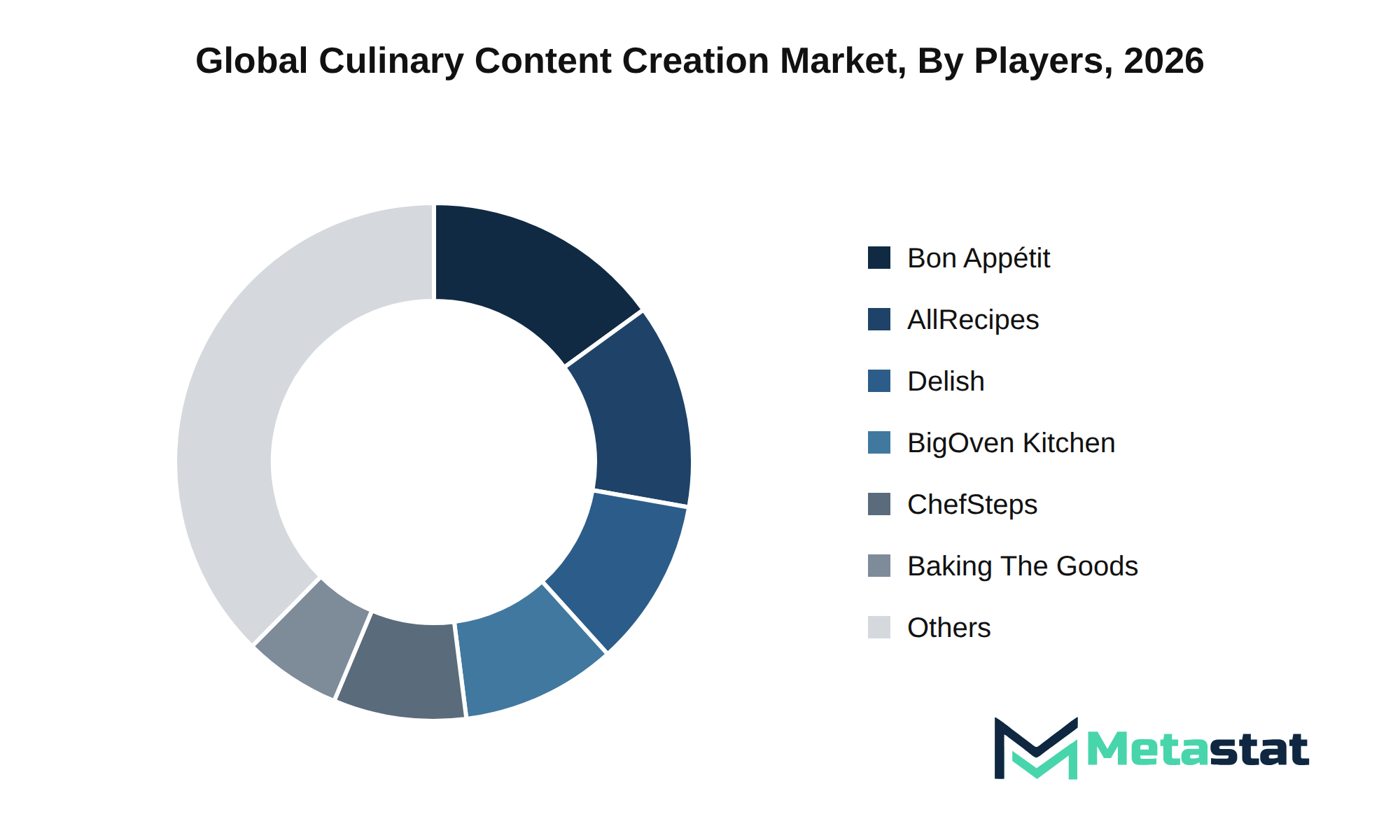
The Culinary Content Creation market experiences dynamic competition, influenced by various strategic behaviors. Companies actively pursue mergers and acquisitions to strengthen their market positions while entering strategic alliances and partnerships to enhance service offerings and broaden audience reach. Brands like Bon Appétit and AllRecipes leverage content differentiation through unique recipes and engaging video formats, attracting diverse consumer segments.
Innovative commercial models and pricing architectures play a crucial role in shaping the market landscape. Companies including Tasty (BuzzFeed) and Food52 employ subscription-based models and advertising collaborations to maximize profitability while catering to niche markets. This approach builds customer loyalty and increases brand equity within the Culinary Content Creation sector.
Intellectual property portfolios and proprietary technology ensure competitive advantages for companies operating in the market. Players like NYT Cooking and ChefSteps invest significantly in research and development to create unique culinary content, safeguarding their innovations through patents. This focus on technological defensibility contributes to long-term growth and market stability.
The future competitive outlook suggests ongoing industry restructuring and a heightened threat from new entrants. Established companies remain agile, adapting to shifting consumer preferences and leveraging supply chain dominance to enhance procurement leverage. This adaptability is essential for maintaining relevance and growth within the Culinary Content Creation market.
Market size is forecast to rise from USD 21.1 billion in 2025 to over USD 55.6 billion by 2033. This growth trajectory reflects a compound annual growth rate (CAGR) of 12.9%. Various factors will influence the market's future, including macroeconomic trends, downstream demand fluctuations, and shifts in consumer behavior.
The Culinary Content Creation market faces a complex landscape shaped by economic cycles. Economic expansion drives increased consumer spending on culinary content, while downturns lead to a contraction in discretionary spending. Structural consumption shifts, including a growing interest in home cooking and food-related content, support market growth. Integration of next-generation technologies, including artificial intelligence and data analytics, enhances content personalization and engagement, further driving market demand.
Regulatory changes and compliance deadlines impose new requirements on content creators, impacting their operational strategies. Geopolitical shifts and evolving trade corridors influence ingredient sourcing and distribution channels, affecting the overall supply chain. Strategic capital allocation towards innovative technologies and infrastructure development enhances competitive positioning and efficiency across the industry.
Emerging white-space opportunities exist for niche content areas, including specialized dietary needs and culinary education. Addressing unmet enterprise needs through targeted content offerings yields significant returns. Focused executive-level strategic imperatives become essential for navigating these dynamics, ensuring long-term growth and resilience within the market.
The report strategically identifies and profiles the key market players and analyses their core competencies in each sub-segment of the Culinary Content Creation market.
|
Report Attributes |
Details |
|
Study Period |
2021-2033 |
|
Base Year |
2025 |
|
Estimated Year |
2026 |
|
Forecast Period |
2026-2033 |
|
Historical Period |
2021-2025 |
|
Growth Rate |
CAGR 12.9% from 2026 to 2033 |
|
Revenue Unit |
USD billion |
|
Segmentation |
By Content Format, Audience Type, End-User Industry, Age Group, and Region |
|
By Region |
North America (By Content Format, Audience Type, End-User Industry, Age Group, and Country)
|
|
Europe (By Content Format, Audience Type, End-User Industry, Age Group, and Country)
|
|
|
Asia Pacific (By Content Format, Audience Type, End-User Industry, Age Group, and Country)
|
|
|
South America (By Content Format, Audience Type, End-User Industry, Age Group, and Country)
|
|
|
Middle East and Africa (By Content Format, Audience Type, End-User Industry, Age Group, and Country)
|
Find answers to common questions about this report
The Culinary Content Creation market size was valued at USD 21.1 billion in 2025.
The Culinary Content Creation market is projected to grow at a CAGR of 12.9% during the forecast period from 2026 to 2033.
The North America Culinary Content Creation market size is estimated to reach USD 18.5 billion by 2033.
Videos lead the Culinary Content Creation market, projected to reach USD 19.5 billion by 2033. This segment outpaces others in growth potential and revenue generation.
Key drivers for the Culinary Content Creation market include ongoing digital transformation, increasing internet penetration, and the rise of smartphones, which enhance content accessibility. shifting demographic patterns and evolving consumer preferences for sustainability and health-conscious choices further stimulate demand for innovative culinary content.
North America holds the dominant share of the Culinary Content Creation market, with a projected value of USD 18.5 billion in 2033, representing 34.8 percent of the total market.
Regulatory compliance challenges, macroeconomic headwinds, and supply chain disruptions significantly restrain the Culinary Content Creation market growth. Stricter regulations increase operational costs, while inflationary pressures and economic uncertainty reduce consumer spending. Geopolitical instability hinders timely content delivery, impacting production timelines and raising costs for content creators.
Factors favoring product adoption in the Culinary Content Creation industry include increased internet penetration and the proliferation of smartphones, which enhance content accessibility and drive consumer engagement. Shifting demographic patterns, particularly among younger consumers, create demand for dynamic culinary content formats. Evolving preferences for sustainability and health-conscious choices encourage content creators to produce innovative recipes and practices that appeal to diverse audiences.
The Culinary Content Creation market is estimated to reach a valuation of USD 55.6 billion by 2033.
Key players in the Culinary Content Creation market include Abercrombie & Kent Group of Companies S.A., AllRecipes, Bon Appétit, ChefSteps, Food52, Jamie Oliver Group, and Goya Media.
The analysts below cover Food and Beverages research at Metastat Insights.
LEAD ANALYST
Utkarsh Khirodkar is a Lead Market Research Analyst at MetaStat Insight, specializing in market intelligence, technology sector assessments, and competitive strategy.

LEAD PRINCIPAL ANALYST, PHARMA AND HEALTHCARE
Food and Beverages · Healthcare · Healthcare IT · Medical Devices
Ajay Devgire is the Lead Healthcare Analyst at MetaStat Insight, leading strategic research and market intelligence initiatives across the global healthcare domain.

SENIOR RESEARCH ANALYST
Biotechnology · Food and Beverages · Medical Devices · Packaging
Snehal Pasalkar is a Research Analyst at MetaStat Insight, operating at the intersection of life sciences research, competitive strategy, and market intelligence.
Tracking capacity expansion in single-use bioprocessing requires dependable data on raw material availability and cleanroom-grade polymer supply chains. The competitive landscape chapter gave a grounded evaluation of secondary component suppliers across North America and Asia-Pacific rather than simply reprinting press releases. Having that level of supplier benchmarking helped clarify dual-sourcing considerations for our clinical pipeline planning.
When evaluating distributed energy resource management systems, standard research summaries tend to gloss over the operational differences between front-of-the-meter utility deployments and behind-the-meter industrial sites. The MetaStat Insight report addressed those distinctions directly, especially regarding software interoperability standards and grid interconnection backlogs. The five-year market sizing across regional transmission organizations provided actionable context for our grid modernization strategy.
Most industry reports on warehouse automation bundle autonomous mobile robots and fixed conveyor installations into the same top-level numbers, which complicates advisory work. This study split the market cleanly by payload tiers, navigation technology, and fleet management software layers. The regional forecast for Western Europe gave our team defensible adoption benchmarks when evaluating capital allocation for logistics clients, saving us days of secondary data scrubbing.
Explore related market intelligence reports worth reading alongside this one.