
LEAD ANALYST
Utkarsh Khirodkar is a Lead Market Research Analyst at MetaStat Insight, specializing in market intelligence, technology sector assessments, and competitive strategy.

India Maternal Health Monitoring Market Size, Share, By Type (Cardiotocography Systems, Fetal Multiparameter Monitors, Maternal Multiparameter Monitors, Maternal Vital Signs Monitoring Systems, Tabletop Fetal Dopplers, Wireless Fetal Monitoring Systems, Beltless Fetal Monitoring Systems, Central Monitoring Systems, Perinatal Information Software, Remote Pregnancy Monitoring Wearables, Digital Platforms, and Others), By Application (Routine Antenatal Monitoring, High-Risk Pregnancy Monitoring, Labor Monitoring, Delivery Monitoring, Postpartum Monitoring, Home-Based Pregnancy Monitoring, and Remote Maternal Health Surveillance), By End User (Hospitals, Maternity Hospitals, Nursing Homes, Obstetrics Clinics, Gynecology Clinics, Diagnostic Centers, Home Care Settings, Telehealth Maternity Care Providers, and Virtual Maternity Care Providers), Industry Analysis, Growth, Trends, and Forecast, 2026-2033
Report ID
MSI-4785
Published
May, 2026
Pages
310 Pages
Format
Report Details
Choose Your License
India Maternal Health Monitoring Market
India Maternal Health Monitoring market size is valued at USD 416.0 million in 2025 and projected to grow at a CAGR of 9.1% during the forecast period, reaching USD 834.4 million by 2033.
The Cardiotocography Systems segment accounts for 23.0% of the India Maternal Health Monitoring Market in 2025.
Key trends driving growth: Rising prevalence of high-risk pregnancies and maternal complications leading to increased demand for continuous monitoring solutions, along with growing adoption of digital health technologies, including telemedicine and IoT-enabled maternal monitoring devices for real-time care.
Opportunities include expansion of remote maternal monitoring and AI-enabled predictive analytics in emerging markets like India.
Key insight: The India Maternal Health Monitoring Market is expanding steadily as maternal safety, institutional care access, and digital healthcare adoption gain stronger focus.
The India Maternal Health Monitoring Market is an essential segment of women’s healthcare technology, focused on tracking fetal well-being, maternal vitals, uterine contractions, and pregnancy risk indicators across prenatal, labor, delivery, and postpartum care settings. These solutions are increasingly used in hospitals, clinics, maternity centers, and remote consultation programs to improve maternal and fetal outcomes.
Healthcare providers, device manufacturers, and public-sector organizations are investing in connected monitoring systems, portable diagnostics, nurse-friendly interfaces, and tele-obstetric support models. Rising awareness of prenatal care and stronger healthcare infrastructure will support long-term expansion of the India Maternal Health Monitoring Market.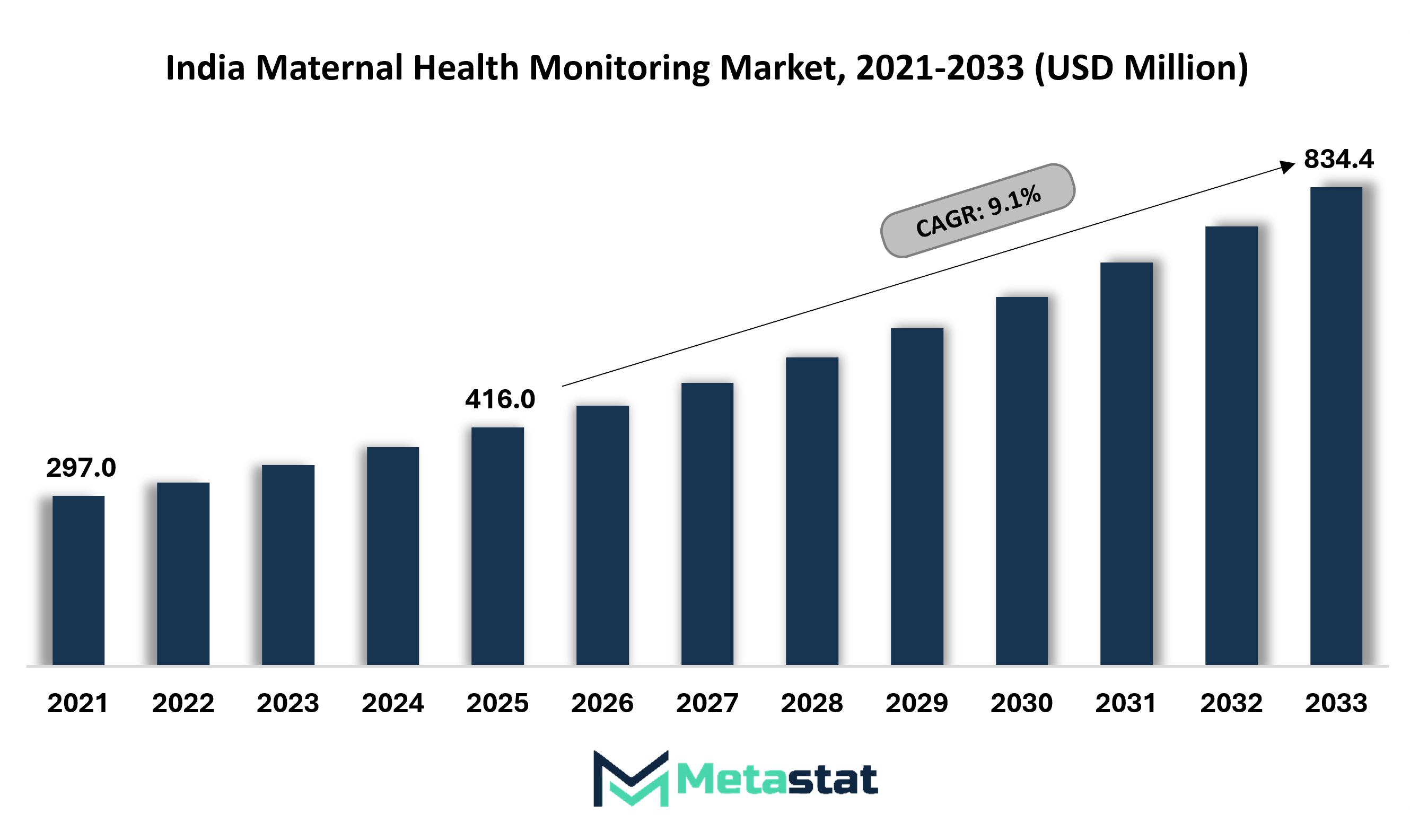
Rising prevalence of high-risk pregnancies and maternal complications leading to increased demand for continuous monitoring solutions.
Increasing cases of gestational diabetes, hypertension, anemia, preterm labor, and postpartum complications are creating stronger demand for continuous maternal and fetal monitoring systems. Hospitals, maternity centers, and diagnostic centers are expanding the use of fetal monitoring devices, vital sign sensors, and alert systems to improve timely intervention, clinical safety, and maternal outcomes.
Growing adoption of digital health technologies, including telemedicine and IoT-enabled maternal monitoring devices for real-time care
Digital healthcare expansion is supporting wider use of connected maternal care systems across urban and semi-urban areas. Teleconsultation services, wearable trackers, mobile health applications, and IoT-enabled devices are helping clinical teams review health indicators in real time, improve consultation access, and strengthen routine pregnancy supervision.
High cost of advanced monitoring systems and limited affordability in rural and low-resource settings
Premium monitoring equipment, connected systems, software subscriptions, and maintenance costs are limiting broader adoption across price-sensitive locations. Smaller clinics, community health centers, and rural hospitals often face budget constraints, delaying technology upgrades. Cost barriers continue to slow the penetration of modern maternal monitoring solutions across underserved districts.
Lack of skilled healthcare professionals and infrastructure constraints in remote areas affecting effective implementation
Remote areas frequently face shortages of trained gynecologists, nurses, technicians, and emergency response teams. Weak internet coverage, unstable power supply, procurement delays, and limited diagnostic infrastructure reduce effective deployment of advanced systems. Operational gaps continue to affect service quality, monitoring continuity, and rapid clinical response.
Expansion of remote maternal monitoring and AI-enabled predictive analytics in emerging markets like India
Strong opportunity exists through remote monitoring networks supported by artificial intelligence, risk-scoring tools, and automated alerts. Predictive analytics can identify warning signs early, support preventive care, and reduce complications. The India Maternal Health Monitoring Market will gain momentum through scalable digital programs, partnerships, and public health funding.
The India Maternal Health Monitoring market is classified based on Type, Application, and End User.
Cardiotocography Systems segment is valued at USD 104.4 million in 2026 and is projected to reach USD 173.2 million by 2033, at a CAGR of 7.5% during the forecast period.
Growing need for continuous fetal heart rate and uterine contraction assessment will support wider adoption of cardiotocography systems. Advanced displays, faster alerts, and data storage features will improve delivery room efficiency. Public hospitals and private healthcare facilities will increase procurement under maternal safety programs.
Fetal and Maternal Multiparameter Monitors segment is valued at USD 98.2 million in 2026 and is projected to reach USD 174.6 million by 2033, at a CAGR of 8.6% during the forecast period.
Fetal and maternal multiparameter monitors that track fetal status, blood pressure, pulse, oxygen saturation, and temperature will gain preference in busy care settings. Space-saving designs and combined reporting functions will reduce workflow delays. Higher use is expected in tertiary hospitals managing complex pregnancy cases.
Maternal Vital Signs Monitoring Systems segment is valued at USD 58.3 million in 2026 and is projected to reach USD 100.6 million by 2033, at a CAGR of 8.1% during the forecast period.
Monitoring of blood pressure, respiration, pulse, and temperature remains vital throughout pregnancy and recovery stages. Smart maternal vital signs monitoring systems with automated readings and alert features will improve early risk detection. Adoption will rise through expanding screening programs and emergency preparedness requirements.
Tabletop Fetal Dopplers segment is valued at USD 48.3 million in 2026 and is projected to reach USD 77.7 million by 2033, at a CAGR of 7% during the forecast period.
Tabletop fetal dopplers provide reliable fetal heartbeat assessment during routine antenatal visits. Improved sound clarity, lightweight models, and easy operation will increase adoption across clinics and nursing homes. Lower maintenance needs will support broader placement in semi-urban healthcare centers.
Wireless and Beltless Fetal Monitoring Systems segment is valued at USD 44.2 million in 2026 and is projected to reach USD 99.7 million by 2033, at a CAGR of 12.3% during the forecast period.
Wireless and beltless fetal monitoring systems reduce movement restrictions during labor and observation periods. Beltless solutions will improve patient mobility while maintaining data accuracy. Future adoption will increase through preference for patient-friendly maternity care environments and technology-led birthing centers.
Central Monitoring Systems and Perinatal Information Software segment is valued at USD 38.7 million in 2026 and is projected to reach USD 85.4 million by 2033, at a CAGR of 12% during the forecast period.
Central monitoring systems and perinatal information software allow staff to monitor multiple beds from one location. Perinatal software with data management, trend analysis, and alert systems will improve clinical coordination. Large hospitals will invest heavily in networked monitoring infrastructure for better resource management.
Remote Pregnancy Monitoring Wearables and Digital Platforms segment is valued at USD 34.9 million in 2026 and is projected to reach USD 84.5 million by 2033, at a CAGR of 13.5% during the forecast period.
Remote pregnancy monitoring wearables and digital platforms that measure activity, heart rate, sleep patterns, and selected health indicators will reshape pregnancy supervision. Digital platforms offering consultations, reminders, and reports will support regular engagement. Adoption will rise through smartphone penetration and preference for convenient care access.
Others segment is valued at USD 26.3 million in 2026 and is projected to reach USD 38.7 million by 2033, at a CAGR of 5.7% during the forecast period.
Specialized devices, including contraction sensors, portable screening tools, and niche diagnostic accessories, will serve targeted clinical needs. Product innovation from domestic manufacturers will improve affordability. Smaller healthcare facilities will adopt flexible solutions aligned with local patient volume and budget limits.
Routine Antenatal Monitoring segment is projected to reach USD 224.0 million by 2033, at a CAGR of 7.9% during the forecast period.
Regular pregnancy checkups require dependable monitoring tools for fetal growth, maternal vitals, and early warning signs. Strong awareness campaigns and scheduled care pathways will increase equipment use. Community health expansion will further support routine monitoring volumes across many regions.
High-Risk Pregnancy Monitoring segment is projected to reach USD 192.3 million by 2033, at a CAGR of 9.7% during the forecast period.
Pregnancies linked with hypertension, diabetes, age-related factors, or prior complications need closer observation. Advanced monitoring systems with rapid alerts and continuous data capture will gain importance. Referral hospitals will strengthen dedicated units focused on higher-risk maternal cases.
Labor and Delivery Monitoring segment is projected to reach USD 184.7 million by 2033, at a CAGR of 8.6% during the forecast period.
Real-time observation during labor remains critical for fetal wellbeing and maternal safety. Monitoring devices guiding timely intervention decisions will remain central to delivery wards. Rising institutional births will create stronger demand for reliable labor room technology nationwide.
Postpartum Monitoring segment is projected to reach USD 59.1 million by 2033, at a CAGR of 7.3% during the forecast period.
Early recovery after childbirth requires observation of bleeding, blood pressure, pulse, and overall stability. Monitoring solutions designed for maternity recovery wards will reduce emergency escalation risk. Hospitals will expand postpartum protocols with technology-backed supervision models.
Home-Based Pregnancy Monitoring segment is projected to reach USD 89.7 million by 2033, at a CAGR of 11.1% during the forecast period.
Home monitoring supports convenience, travel reduction, and frequent health checks during pregnancy. User-friendly devices linked with mobile applications will increase confidence among families. Demand will grow strongly in metropolitan areas with time-sensitive working populations.
Remote Maternal Health Surveillance segment is projected to reach USD 84.7 million by 2033, at a CAGR of 11.8% during the forecast period.
Digital supervision models connecting clinicians with pregnant patients in distant locations will improve continuity of care. Scheduled data review, alerts, and teleconsultation services will strengthen preventive action. Rural outreach programs will become major growth drivers.
Hospitals segment is projected to reach USD 254.4 million by 2033.
Multispecialty hospitals remain leading buyers owing to higher patient flow, emergency care capacity, and surgical backup availability. Investments in connected monitoring systems, data integration, and intensive maternal care units will sustain long-term adoption across major cities.
Maternity Hospitals segment is projected to reach USD 167.3 million by 2033.
Maternity hospitals require specialized monitoring throughout antenatal, labor, neonatal, and recovery stages. Premium patient experience trends will encourage adoption of wireless systems and advanced fetal surveillance tools. Private maternity chains will lead modernization efforts.
Nursing Homes segment is projected to reach USD 86.4 million by 2033.
Mid-sized nursing homes handling routine deliveries will seek compact and affordable monitoring solutions. Easy-to-maintain systems with reliable performance will attract steady adoption. Upgrade programs will help smaller facilities improve maternal care quality standards.
Obstetrics and Gynecology Clinics segment is projected to reach USD 118.2 million by 2033.
Obstetrics and gynecology clinics need efficient devices for consultations, scan support, fetal heartbeat checks, and routine vitals assessment. Compact systems with simple interfaces will gain traction. Growing outpatient pregnancy management will support recurring purchases in urban areas.
Diagnostic Centers segment is projected to reach USD 59.8 million by 2033.
Diagnostic centers providing pregnancy-related tests will use monitoring tools for selected assessments and referral support. Adoption will rise through preventive screening programs and doctor partnerships. Technology upgrades will improve service credibility and patient turnaround speed.
Home Care Settings segment is projected to reach USD 82.0 million by 2033.
Home care settings will adopt portable monitors for supervised rest periods, recovery support, and convenience-led pregnancy management. Trained caregivers using connected devices will improve observation frequency. Adoption will increase with preference for personalized care services.
Telehealth and Virtual Maternity Care Providers segment is projected to reach USD 66.3 million by 2033.
Telehealth and virtual maternity care provider platforms will become fast-growing end users through remote consultations and connected device ecosystems. Subscription-based monitoring plans, digital records, and specialist access will attract families seeking flexible pregnancy support solutions.
Based on geography, the India Maternal Health Monitoring market is divided into North India, South India, East India, West India and Rest of India.
South India benefits from robust private hospital networks, high prenatal check-up rates, and better specialist care access.
Bengaluru, Chennai, Hyderabad, Kochi, and Coimbatore continue to support regional growth through maternity care investments and technology adoption.
North India offers strong opportunities through population scale, rising institutional births, and expanding private healthcare chains.
Delhi NCR, Lucknow, Jaipur, Chandigarh, and Ludhiana remain important markets owing to hospital upgrades and rising awareness of women’s health.
Across West India and East India, adoption is supported by public healthcare programs, urban hospital expansion, and improving diagnostic access.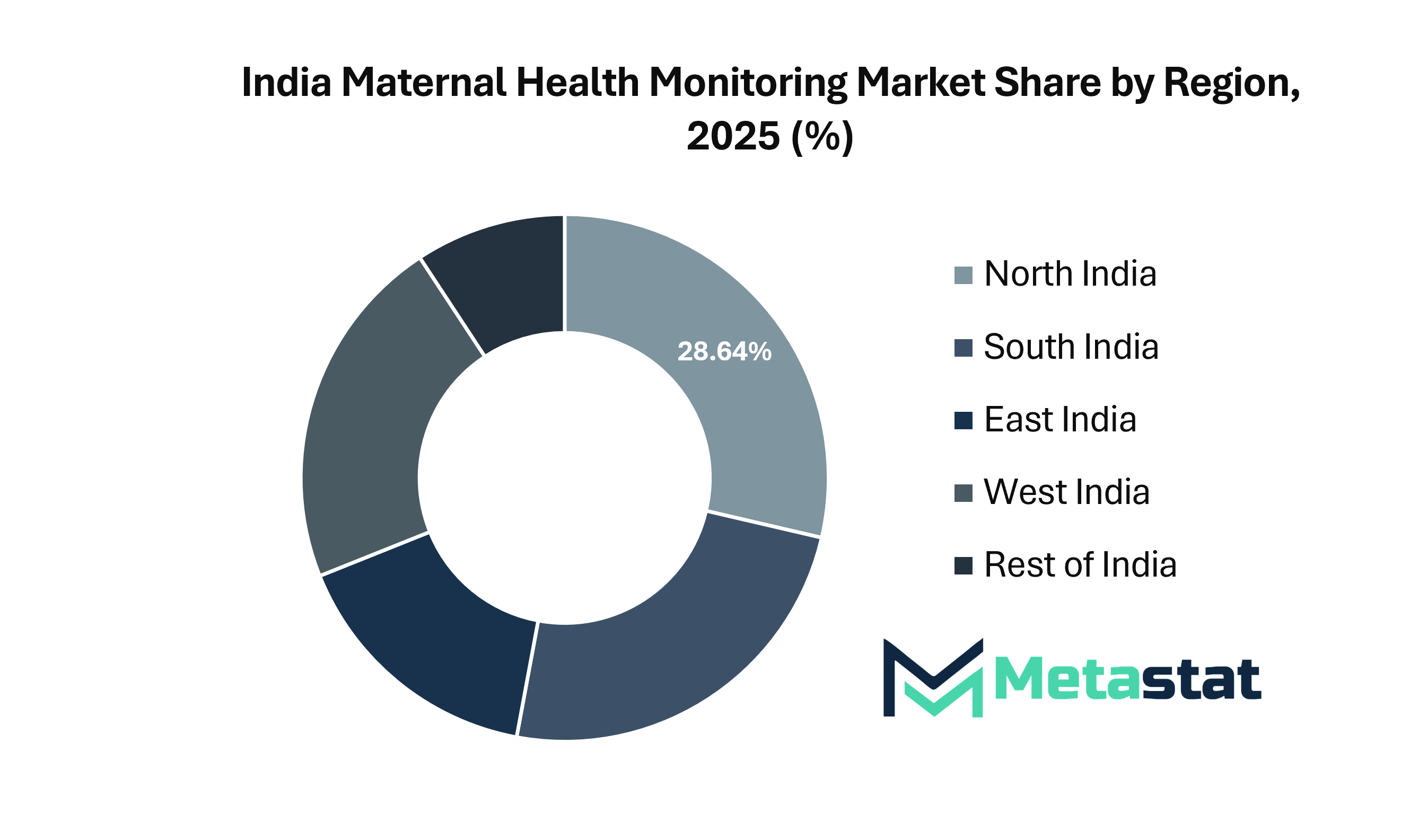
The India Maternal Health Monitoring Market is gaining attention as safe pregnancy care requires continuous monitoring across large cities, smaller towns, and underserved districts. Hospitals, clinics, and home care users are seeking equipment that monitors blood pressure, fetal movement, fetal heart rate, maternal heart rate, oxygen saturation, and temperature. Improved awareness among families and clinicians has raised demand for timely alerts, simplified reports, and connected systems that support faster intervention during routine checkups and high-risk pregnancy episodes.
Leading providers include Koninklijke Philips N.V., GE HealthCare Pvt. Ltd., Mindray India, and Contec Medical Systems Co., Ltd., which offer patient monitors, diagnostic imaging systems, fetal monitoring devices, and clinical data support solutions. Janitri Innovations Pvt. Ltd. contributes localized digital maternity care solutions, while FUJIFILM India Pvt. Ltd. and Samsung Medison Co., Ltd. provide diagnostic systems used across healthcare facilities. EDAN Instruments, Inc. also serves hospitals seeking practical monitoring devices with reliable readings and service support.
Savemom focuses on emergency response systems that send quick alerts when risk indicators appear. Trivitron Healthcare and BPL Medical Technologies Pvt. Ltd. support hospitals with bedside equipment, screening devices, and training. Nidek Medical India serves care centers seeking reliable equipment at manageable costs. CareNX Innovations Pvt. Ltd. builds digital solutions that help mothers track appointments, health records, and newborn care after delivery. Together, these companies improve access, strengthen confidence, and bring modern maternal care closer to families across India.
Future development will depend on stronger internet connectivity, trained staff, and affordable pricing for smaller clinics. When devices connect smoothly with patient data, doctors will review changes early and act faster. Clear instructions in local languages will also help families use home monitoring tools with greater confidence. Partnerships between private brands and public health bodies will improve reach in rural regions. With steady funding and practical planning, maternal health monitoring across India will become more trusted, timely, and accessible for expecting families during pregnancy and recovery.
Market size is forecast to rise from USD 416.0 million in 2025 to over USD 834.4 million by 2033.
The India Maternal Health Monitoring Market is expected to benefit from safer pregnancy care priorities, digital health expansion, and healthcare access improvements. Future demand is likely to favor wearable prenatal devices, remote specialist consultation, AI-assisted early warning systems, battery-powered portable monitors, and integrated mother-baby care platforms.
This research report categorizes the India Maternal Health Monitoring market based on key segments and regions, forecasts revenue growth, and analyses trends in each submarket. The report analyses the key growth drivers, opportunities, and challenges influencing the India Maternal Health Monitoring market. Recent market developments and competitive strategies such as expansion, product launch, partnership, merger, and acquisition have been included to draw the competitive landscape in the market.
The report strategically identifies and profiles the key market players and analyses their core competencies in each sub-segment of the India Maternal Health Monitoring market.
|
Report Attributes |
Details |
|
Study Period |
2021-2033 |
|
Base Year |
2025 |
|
Estimated Year |
2026 |
|
Forecast Period |
2026-2033 |
|
Historical Period |
2021-2025 |
|
Growth Rate |
CAGR 9.1% from 2026 to 2033 |
|
Revenue Unit |
USD million |
|
Segmentation |
By Type, Application, End User, and Region |
|
By Region |
|
Find answers to common questions about this report
Top players operating in the India Maternal Health Monitoring industry includes Koninklijke Philips N.V., GE HealthCare Pvt. Ltd., Mindray India, Contec Medical Systems Co., Ltd., and Janitri Innovations Pvt. Ltd.
India Maternal Health Monitoring market is estimated to reach USD 834.4 million by 2033.
High cost of advanced monitoring systems and limited affordability in rural and low-resource settings will hamper the market growth within the forecast period.
North India region dominates the market.
Rising prevalence of high-risk pregnancies and maternal complications leading to increased demand for continuous monitoring solutions and growing adoption of digital health technologies, including telemedicine and IoT-enabled maternal monitoring devices for real-time care are key driving factors, boosting the market.
The Cardiotocography Systems is the leading type of segment in the India market.
The India Maternal Health Monitoring market is expected to grow at a CAGR of 9.1% over the forecast period (2026-2033).
The Metastat Insights study shows that the India Maternal Health Monitoring market size was USD 416.0 million in 2025.
The analysts below cover Medical Devices research at Metastat Insights.
LEAD ANALYST
Utkarsh Khirodkar is a Lead Market Research Analyst at MetaStat Insight, specializing in market intelligence, technology sector assessments, and competitive strategy.

LEAD PRINCIPAL ANALYST, PHARMA AND HEALTHCARE
Food and Beverages · Healthcare · Healthcare IT · Medical Devices
Ajay Devgire is the Lead Healthcare Analyst at MetaStat Insight, leading strategic research and market intelligence initiatives across the global healthcare domain.

SENIOR RESEARCH ANALYST
Biotechnology · Food and Beverages · Medical Devices · Packaging
Snehal Pasalkar is a Research Analyst at MetaStat Insight, operating at the intersection of life sciences research, competitive strategy, and market intelligence.
Tracking maintenance cycle demand for secondary flight display units and terrain collision avoidance systems across regional jet fleets involves complex aftermarket dynamics. MetaStat Insight provided practical analysis separating airline retrofit programs from OEM forward-fit production schedules in North America and Southeast Asia. The supplier matrix highlighted component obsolescence timelines without resorting to vague generalizations. The dataset served as a dependable reference during our annual program review meetings.
Evaluating secondary resin quality across post-consumer packaging streams requires reliable technical segmentation. MetaStat Insight delivered an objective assessment that distinguished between extrusion-grade flake pricing and optical sorting throughput limitations across Western Europe. The competitive positioning breakdown for licensed depolymerization technology providers answered several questions during our feedstock feasibility audit. Their team clarified regional trade restrictions on mixed plastic scrap quickly when our team submitted follow-up requests.
Evaluating sovereign cloud deployments for core banking platforms demands a clear view of data residency regulations and migration exit strategies. MetaStat Insight delivered an exhaustive review of regional latency tolerances, mainframe decommission milestones, and third-party vendor concentration risk. The regulatory compliance mapping across European and Asian financial jurisdictions gave our team a dependable baseline for multi-cloud infrastructure discussions.
Explore related market intelligence reports worth reading alongside this one.
Starting from
$2950