
LEAD ANALYST
Utkarsh Khirodkar is a Lead Market Research Analyst at MetaStat Insight, specializing in market intelligence, technology sector assessments, and competitive strategy.

Global Next Generation Surgical Robotics Market Size, Share, By Component (Robotic Systems, Instruments and Accessories, Services), By Application (General Surgery, Orthopedic Surgery, Urology, Gynecology, Neurosurgery and Spine Surgery, Thoracic Surgery and Bronchoscopy, Cardiovascular Interventions), By End User (Hospitals, Ambulatory Surgical Centers, Specialty Clinics), By Control Mode (Teleoperated Control, Cooperative and Shared Control), Industry Analysis, Growth, Trends, and Forecast, 2026-2033
Report ID
MSI-5667
Published
November, 2026
Pages
296 Pages
Format
Historical
Base year
Forecast
Forecast period
Report Details
Market Valuation: Valued at $13.2 Billion in 2025, projected to reach $42.6 Billion by 2033 at a 15.8% CAGR.
Dominant Segment: Instruments and Accessories lead the market, driven by their essential role in robotic procedures, reflecting the increasing demand for high-precision surgical tools.
Geographic Lead: North America is the leading region, projected to hold 47.8% of the market in 2025, supported by a robust healthcare infrastructure and significant investments in surgical technologies.
What's Inside: The report provides a comprehensive analysis of market dynamics, competitive landscape, and detailed forecasts from 2026 to 2033, covering various components, applications, and end users.
Emerging Trends: Single-port and modular robotic systems are reshaping procurement strategies, with significant growth anticipated in general surgery due to their ability to enhance surgical efficiency and patient recovery.
Market Drivers: The rising prevalence of chronic diseases and the shift towards minimally invasive surgeries are key factors driving the demand for advanced robotic surgical solutions.
Choose Your License
Global Next Generation Surgical Robotics Market
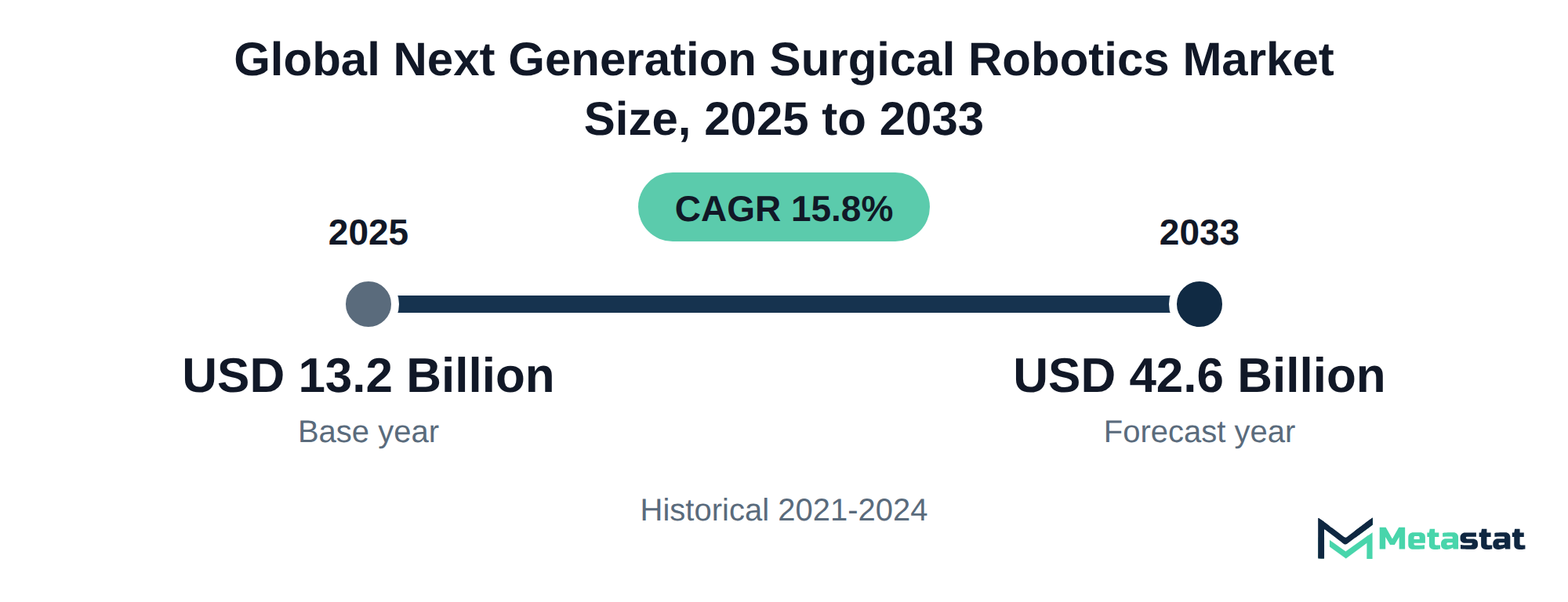
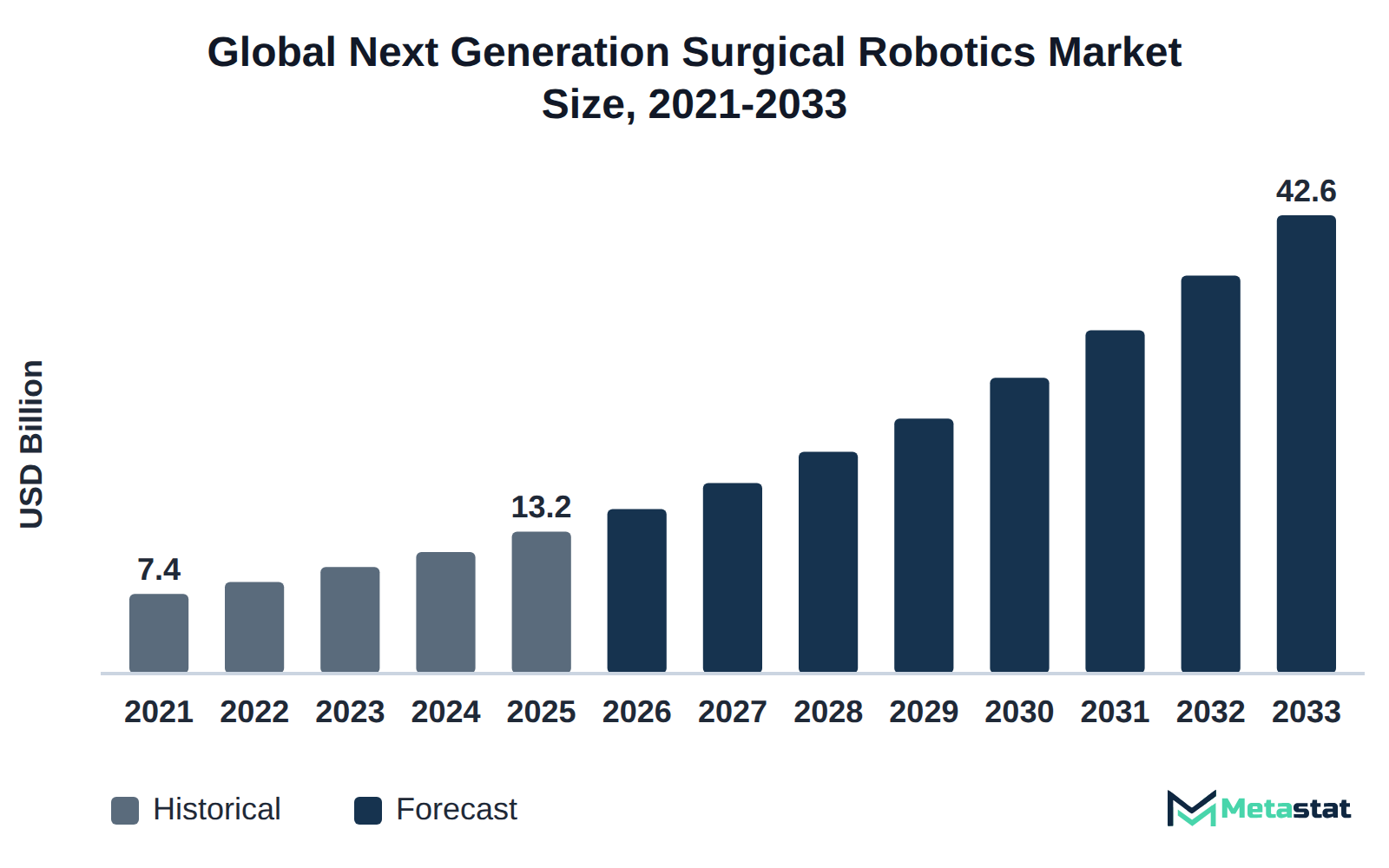
The global Next Generation Surgical Robotics market was valued at USD 13.2 billion in 2025 and is projected to reach USD 42.6 billion by 2033, growing at a CAGR of 15.8% over the forecast period.
The Next Generation Surgical Robotics market encompasses advanced robotic systems, instruments, accessories, and related services designed to enhance precision in surgical procedures. Buyers invest in these technologies to improve surgical outcomes, reduce patient recovery times, and optimize operating room efficiency. Hospitals and surgical centers prioritize these investments to remain competitive and meet the growing demand for minimally invasive procedures that align with patient preferences for quicker recoveries. These systems form one part of the wider medical robots industry.
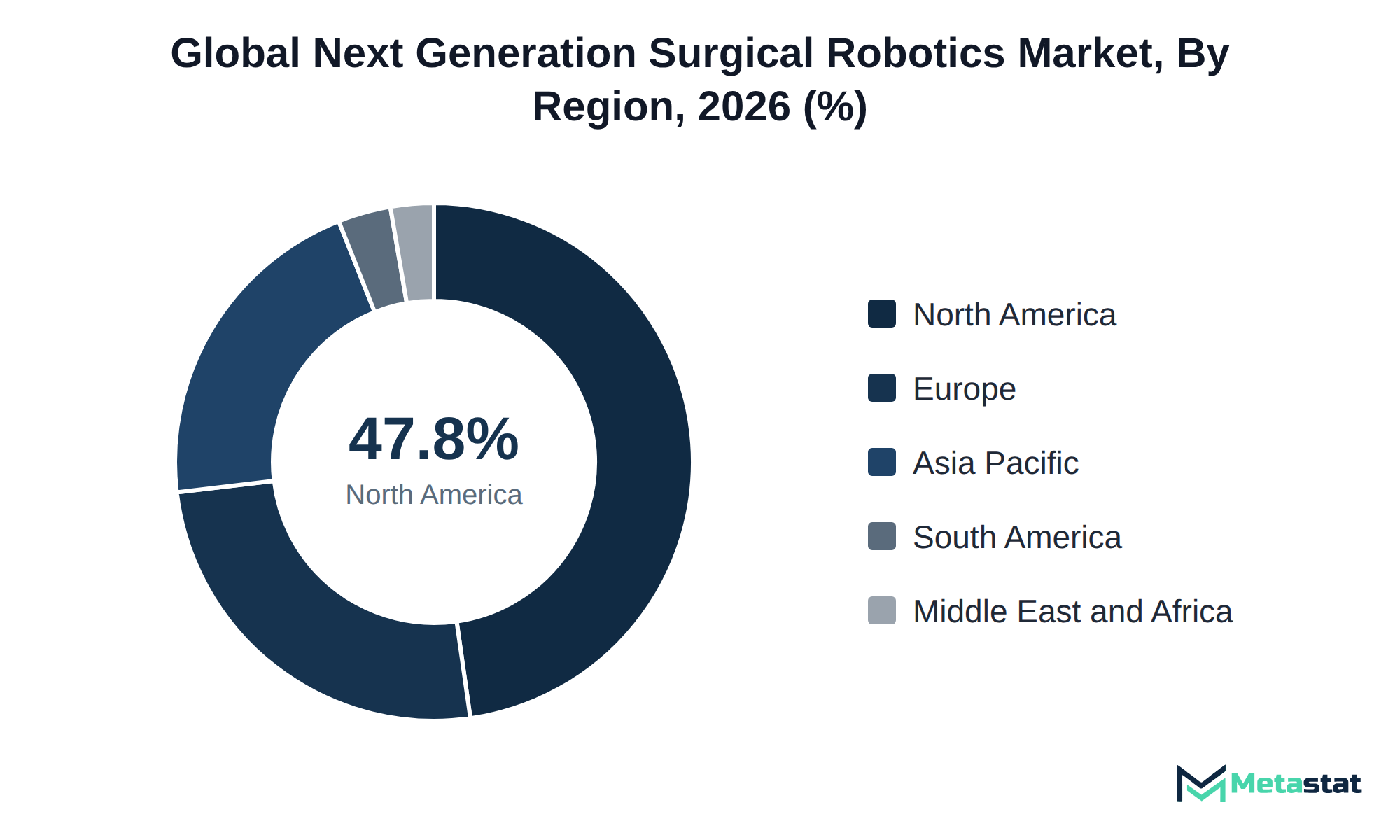
Growth in the market is driven by technological advancements and the increasing adoption of robotic-assisted surgeries across various applications. Among the segments, Instruments and Accessories represent the highest value, reflecting the essential tools required for robotic procedures. North America holds 47.8% of the market in 2025, with the US leading in 2026. The region's strong healthcare infrastructure and investment in innovative surgical technologies contribute significantly to its leading position.
One primary growth driver stems from the rising prevalence of chronic diseases, which increases the demand for surgical interventions. This trend calls for the enhanced surgical solutions that robotic systems provide, widening treatment options. Key players continue to innovate, expanding the range of robotic solutions available across diverse surgical specialties.
The demand for advanced surgical solutions drives spending in the Next Generation Surgical Robotics market. Hospitals, ambulatory surgical centers, and specialty clinics seek enhanced precision, reduced recovery times, and improved patient outcomes through robotic technologies. Integrating robotic systems into surgical practice marks a significant shift in operational capabilities, letting healthcare providers perform complex procedures with greater accuracy and efficiency.
The robotic systems segment emerges as the most valuable component in the market, reflecting a growing preference for high-tech surgical solutions. The region's advanced healthcare infrastructure and high adoption rates of innovative technologies contribute to its dominance. The increasing prevalence of minimally invasive surgeries drives growth, prompting healthcare facilities to invest in robotic surgery systems.
The market continues to expand due to substantial advancements in robotic technology and the ongoing development of new applications across various surgical specialties. Improved training programs and partnerships between technology providers and healthcare institutions enhance the integration of robotic systems into surgical workflows. This collaboration creates a competitive environment, encouraging continuous innovation and investment in the Next Generation Surgical Robotics market.
Single-port and modular robotics are transforming procurement strategies within the Next Generation Surgical Robotics market. These innovative technologies streamline surgical procedures, enabling surgeons to perform complex operations through smaller incisions. The introduction of single-port robots has shown promising growth, particularly in general surgery, with a projected increase from USD 4.3 billion in 2026 to USD 11.2 billion by 2033, reflecting a compound annual growth rate (CAGR) of 14.6%.
The shift toward these advanced robotics is driven by the demand for minimally invasive surgery, which enhances patient recovery times and reduces hospital stays. Hospitals increasingly adopt single-port systems to improve surgical efficiency and outcomes. Modular robots offer flexibility in surgical applications, allowing customization based on specific needs. This versatility appeals to various end users, particularly hospitals and ambulatory surgical centers.
Adopting single-port and modular robotic systems lowers operational costs in the long run and positions healthcare facilities to improve patient care standards. The trend shows the strategic value of investing in advanced robotic technologies to secure a competitive advantage in surgical robotics.
Pricing strategies within the Next Generation Surgical Robotics market significantly influence purchasing decisions among healthcare facilities. Buyers typically sign long-term contracts that cover maintenance and ongoing support, keeping robotic systems fully functional. The increasing complexity and cost of robotic platforms, including those priced at USD 4.9 billion in 2026, drive buyers to seek comprehensive package deals rather than standalone purchases. These contracts often include provisions for upgrades and training, reflecting the market's emphasis on integrating robotic technology into existing surgical workflows. Image guidance capabilities, such as intraoperative surgical navigation systems, also help differentiate surgical platforms.
Healthcare institutions, particularly hospitals, represent the largest segment of end users, projected to reach USD 30.9 billion by 2033. This growth leads to competitive pricing models as vendors aim to increase their market share. Several suppliers offer flexible payment options, including leasing agreements, to accommodate the financial constraints of smaller facilities or ambulatory surgical centers. By offering strong financial models, suppliers make advanced surgical robotics more accessible, expanding their client base and driving greater adoption in the market.
Recurring robotic instruments present significant opportunities for medical device manufacturers in the Next Generation Surgical Robotics market. The segment for instruments and accessories is projected to reach USD 22.8 billion by 2033, reflecting a compound annual growth rate (CAGR) of 16%. This growth stems from increasing reliance on advanced surgical techniques, which demand high precision and reliability in instruments used during procedures. Manufacturers focusing on developing innovative instruments tailored for robotic surgery fulfill the distinct needs of surgical centers and hospitals emphasizing efficiency and performance. Surgical stapling devices are one example of procedure-specific surgical instruments.
Hospitals represent a substantial buyer group in the market, with expectations of reaching USD 30.9 billion by 2033. This demand results from a growing preference for minimally invasive surgeries, necessitating specialized instruments that enhance surgical outcomes. Companies prioritizing the design and production of recurring robotic instruments capture a notable share of this expanding market. Meeting the specific requirements of hospitals for advanced surgical instruments leads to improved patient care and operational efficiency, generating increased revenue for manufacturers.
Hospitals evaluate the cost per robotic procedure by weighing equipment expenses, operational costs, and patient outcomes. The adoption of robotic systems in hospitals generated a revenue of USD 4.9 billion in 2026, with an expected rise to USD 12.4 billion by 2033. This significant increase reflects growing investment in robotic technology, which improves surgical precision and reduces recovery time.
Operationally, hospitals assess the financial implications by comparing traditional surgical methods to robotic-assisted procedures. Total costs encompass not only the initial purchase of robotic systems but ongoing expenses related to instruments, accessories, and maintenance services. Hospitals prioritize understanding the return on investment, weighing enhanced capabilities against incurred expenses. Efficient procedures facilitated by robotic systems lead to shorter hospital stays and decreased complication rates, resulting in potential savings for healthcare providers.
Such evaluations influence purchasing decisions and shape the competitive landscape of the Next Generation Surgical Robotics market. Superior patient outcomes and operational efficiencies associated with robotic procedures create a compelling case for hospitals to invest in this technology, driving overall market growth.
Ambulatory surgical centers drive demand for Next Generation Surgical Robotics due to evolving surgical protocols and an emphasis on minimally invasive procedures. These centers prioritize improved patient outcomes and operational efficiency, leading to significant investments in advanced surgical technologies. The shift toward outpatient care has heightened the need for robotic systems, enhancing precision and reducing recovery times for patients. Value from ambulatory surgical centers is expected to reach USD 9.6 billion in 2033, a compound annual growth rate of 19.3%. This trend indicates a clear transition in healthcare delivery models, where robotic solutions become integral to meeting patient needs and optimizing surgical workflows.
Increased utilization of robotic platforms in hospitals reflects a broader trend within the Next Generation Surgical Robotics market. Hospitals increasingly seek to incorporate these innovative technologies to improve surgical performance and expand service offerings. Such advancements contribute to a competitive landscape, where facilities aim to attract more patients through superior surgical capabilities.
Advancements in automation technologies significantly enhance the operational efficiency of robotic systems used in surgical settings. Increased integration of artificial intelligence and machine learning capabilities facilitates improved precision and adaptability during procedures. This technological evolution attracts hospitals and ambulatory surgical centers seeking to optimize surgical workflows and reduce recovery times. Enhanced automation reduces reliance on manual control, allowing for consistent performance and minimizing human error in delicate operations.
The incorporation of automated features creates a competitive edge for suppliers in the Next Generation Surgical Robotics market. By offering systems that adapt to varying surgical environments, manufacturers position themselves effectively to meet the needs of diverse healthcare institutions. Continuous improvement in automation drives innovation and increases adoption rates across various applications, further contributing to the growth trajectory of the market.
Price sensitivity poses a significant barrier to adoption among hospitals and ambulatory surgical centers in the Next Generation Surgical Robotics market. The high initial investment required for advanced robotic systems discourages facilities from upgrading their existing surgical technology, resulting in slower uptake of these innovative solutions. Budget constraints often lead to smaller orders or delayed replacement of outdated equipment, adversely impacting the market's overall growth potential. This sensitivity to pricing dynamics becomes more pronounced in lower-volume surgical centers. Consequently, facilities assessing their financial capabilities prioritize essential equipment over advanced robotic systems, hindering the market's expansion. The result is a cautious approach to adopting next-generation technologies, which affects overall market traction and competitiveness. Increased focus on cost-efficiency in purchasing decisions further highlights the challenges faced by suppliers aiming to penetrate this market effectively.
Profit margins for suppliers in the Next Generation Surgical Robotics market face significant pressure due to rising costs associated with components and materials. Competitive pricing strategies implemented by healthcare providers exert downward pressure on robotic system prices, contributing to increased difficulty in maintaining profitability. Suppliers respond by seeking cost-efficiency measures, including strategic partnerships with component manufacturers and exploring alternative materials that reduce input costs. Companies invest in advanced manufacturing technologies aimed at enhancing production efficiency and reducing overhead expenses.
Growth in automated systems calls for workforce training, so that skilled labor is available to meet the need for specialized talent in robotics development. This investment in training and development represents a balancing act, with suppliers optimizing their operational costs while delivering high-quality products. While these strategies support resilience against margin erosion, the challenge of sustaining profitability persists in an increasingly competitive landscape.
Orthopedic surgery represents a significant growth opportunity within the Next Generation Surgical Robotics market. This segment is projected to reach USD 9.3 billion by 2033, with a compound annual growth rate (CAGR) of 15.5%. The increasing prevalence of orthopedic conditions and the demand for minimally invasive procedures contribute to this upward trend. Surgeons and healthcare facilities favor robotic systems for their precision and ability to enhance patient outcomes, leading to higher adoption rates across hospitals and surgical centers.
The market's growth in orthopedic applications aligns with advancements in robotic technologies that improve surgical techniques and outcomes. Investments in research and development further support this expansion, enabling the introduction of innovative robotic systems tailored for orthopedic procedures. A strong focus on improving surgical efficiency and reducing recovery times positions this segment for sustained growth, attracting investment and driving competition among suppliers.
The Global Next Generation Surgical Robotics market is segmented based on Component, Application, End User, and Control Mode.
Robotic Systems segment is valued at USD 4.9 billion in 2026 and is projected to reach USD 12.4 billion by 2033, at a CAGR of 14.4% during the forecast period. This segment primarily involves advanced robotic platforms for a variety of surgical procedures, enhancing precision and operational efficiency in operating rooms. Hospitals and ambulatory surgical centers predominantly use robotic systems, driven by increasing demand for minimally invasive surgical techniques. Growth of this segment is supported by technological advancements that improve the capabilities of robotic systems. Compared to other segments, including Instruments and Accessories, which is anticipated to grow at a CAGR of 16%, Robotic Systems exhibit a slightly slower growth rate. However, the higher price point associated with these systems reflects their complexity and the significant investment in technology, which differentiates them from other components in the market.
This segment includes specialized tools and supportive items critical for conducting robotic-assisted surgeries, used primarily by hospitals and ambulatory surgical centers. Significant growth in this segment stems from the increasing preference for minimally invasive surgical procedures, which enhance patient recovery times and reduce overall healthcare costs. Demand for these instruments is driven by advancements in surgical technologies, which improve precision and efficiency during operations. Compared to other components, including Robotic Systems, the Instruments and Accessories segment experiences faster growth attributed to its essential role in enhancing surgical outcomes. This segment's pricing dynamics and the continuous innovation of surgical instruments support its expansion, leading to increased investments from healthcare facilities in the Next Generation Surgical Robotics market.
Services segment is expected to reach USD 7.4 billion by 2033. This segment includes maintenance, training, and support services essential for the operation and efficiency of robotic systems in surgical settings. Hospitals and ambulatory surgical centers rely heavily on these services to ensure optimal performance and minimize downtime. Predictive maintenance serves the same aim of limiting unplanned downtime. Demand for services grows due to the increasing complexity of robotic systems and the necessity for specialized training. With a compound annual growth rate of 16%, this segment outpaces others in the Component category, including Robotic Systems and Instruments and Accessories. The need for comprehensive service packages enhances customer satisfaction and operational efficiency, prompting healthcare facilities to invest in long-term service contracts. By investing in these services, providers enhance operational capabilities while ensuring patient safety and improving surgical outcomes, contributing to the overall growth of the market.
General surgery employs robotic systems for procedures that enhance precision and reduce recovery time for patients. Hospitals primarily adopt these advanced robotic solutions, driven by the demand for improved surgical outcomes and minimally invasive techniques. Rapid advancements in technology support the expansion of this segment. Compared to other applications, general surgery experiences a significant growth rate, driven by increasing investments in healthcare infrastructure and technology. In contrast, the orthopedic surgery segment, while significant, demonstrates a slightly lower CAGR of 15.5%. The emphasis on patient safety and efficiency strengthens the momentum of the general surgery sub-segment, distinguishing it from others in the market.
This segment focuses on surgical procedures aimed at treating musculoskeletal disorders, primarily employing robotic assistance to improve precision and reduce recovery times. Hospitals and specialty clinics drive the demand for robotic solutions in orthopedic surgery, seeking advancements that enhance patient outcomes. Key factors influencing this segment include the increasing prevalence of orthopedic disorders and the growing adoption of minimally invasive techniques. Compared to the General Surgery segment, which has a CAGR of 14.6%, orthopedic surgery exhibits a higher growth rate, indicating robust demand for specialized robotic assistance. Ongoing advancements in robotic technologies and improved surgical efficiency position orthopedic surgery as a leading application area in the market.
The urology segment is expected to reach USD 7.9 billion by 2033. This segment focuses on surgical procedures related to the urinary tract and male reproductive system, attracting hospitals and specialty clinics that prioritize advanced treatment options. The increasing prevalence of urological conditions drives demand for robotic-assisted surgeries, enhancing precision and patient outcomes. Growth in this segment occurs at a CAGR of 15.5%, driven primarily by technological advancements and the push for minimally invasive procedures. Compared to other applications, including general and orthopedic surgery, urology experiences a slightly slower growth rate but remains vital due to its specific buyer base and specialized treatment requirements. The market continues to expand, reflecting increasing investments in robotic technologies tailored for urological applications, aligning with broader trends in the healthcare landscape.
The gynecology segment is projected to grow at a CAGR of 15% during the forecast period. This segment focuses on minimally invasive surgical procedures for various gynecological conditions, appealing to hospitals and specialty clinics. A shift toward patient-centric care drives demand for advanced robotic systems, enhancing surgical precision and patient recovery. Compared to other applications, gynecology experiences a significant growth rate, fueled by rising awareness of benefits associated with robotic-assisted surgeries. With a projected value of USD 7.9 billion by 2033, this segment highlights the increasing reliance on technology to improve outcomes in women's health. The market benefits from continuous innovations in robotic technologies, which help meet the evolving needs of healthcare providers and patients.
Neurosurgery and Spine Surgery employs advanced robotic systems to enhance precision and outcomes in complex surgical procedures. Hospitals and specialized surgical centers apply these technologies to perform intricate operations, driving demand for enhanced performance and safety. Increasing adoption among healthcare providers stems from the pursuit of minimally invasive techniques, which reduce recovery times and improve patient outcomes. This segment exhibits a growth trajectory influenced by heightened interest in automated solutions that enhance surgical capabilities. Compared to other applications, this segment focuses on a distinct set of skills and technologies, positioning it alongside areas including Orthopedic Surgery while differing in specific technological requirements and buyer preferences. The Next Generation Surgical Robotics market reflects a notable shift toward integrating robotics in neurosurgery, aligning with broader trends in surgical innovation.
Thoracic surgery and bronchoscopy encompass critical procedures that enhance surgical precision and minimize patient recovery times through advanced robotic systems. Surgeons employ these technologies to perform intricate operations involving the lungs and airways, with significant implications for patient outcomes. Bronchoscopic airway procedures also fall within the scope of interventional pulmonology. Demand for this segment experiences upward momentum driven by the increasing prevalence of respiratory diseases and advancements in minimally invasive surgical techniques. Compared to other application segments, thoracic surgery and bronchoscopy differ in their specific technological requirements and specialized training for practitioners. The focus on targeted therapies and the need for high precision in these procedures highlight the distinct value offered by robotic assistance, contributing to its relevance in the Next Generation Surgical Robotics market.
Cardiovascular Interventions encompass critical surgical procedures involving the heart and blood vessels, employing advanced robotic systems to enhance precision and improve patient outcomes. Hospitals and specialty clinics apply this technology to perform minimally invasive surgeries, significantly reducing recovery times and trauma associated with traditional methods. Robot-assisted percutaneous coronary intervention (PCI) is one example of this approach in coronary care. Demand in this segment is driven by the increasing prevalence of cardiovascular diseases and a growing preference for robotic-assisted surgeries, which offer improved accuracy and efficiency. Compared to other applications, this segment experiences strong growth, fueled by technological advancements and the rising adoption of teleoperated control systems. Enhanced capabilities in surgical robotics provide practitioners with innovative tools that differentiate this segment and position it for significant advances within the Next Generation Surgical Robotics market.
This segment encompasses a variety of specialized surgical applications, including reconstructive microsurgery, ear, nose, and throat (ENT) procedures, and ophthalmic surgery. Surgeons in hospitals and specialty clinics employ advanced robotic systems to perform intricate procedures with enhanced precision. The demand for these applications arises from the growing trend toward minimally invasive surgery, which facilitates quicker recovery times and improves patient outcomes. Demand in this segment is influenced by technological advancements that enhance the capabilities and safety of robotic systems. Compared to other applications, this segment experiences unique challenges due to the specialized nature of the procedures, resulting in a different pricing structure and varying adoption rates among healthcare providers. The unique needs of practitioners in reconstructive microsurgery and ophthalmic surgery drive the ongoing development of tailored robotic solutions, differentiating this segment from others in the market.
Valued at USD 11.8 billion in 2026, hospitals are projected to reach USD 30.9 billion by 2033, at a CAGR of 14.7% during the forecast period. This segment is vital for various surgical procedures, including those in general, orthopedic, and urology practices. Hospitals prioritize robotic systems for their potential to enhance surgical precision, reduce patient recovery times, and lower the risk of complications. Demand for advanced surgical robotics is driven by a shift toward minimally invasive surgeries, promoting greater patient outcomes. In comparison to ambulatory surgical centers, hospitals typically face higher operational costs, which influence their adoption rates. Despite these challenges, the increasing complexity of surgical procedures drives hospitals to invest in Next Generation Surgical Robotics, further contributing to market growth.
These centers provide outpatient surgical services, enabling patients to undergo procedures and return home the same day. Key drivers for this segment include the increasing preference for minimally invasive surgeries and advancements in surgical technologies. Compared to hospitals, the segment attracts patients seeking cost-effective options and shorter recovery times. The market for this segment outpaces others, particularly due to the growing adoption of robotic systems in outpatient settings, facilitating enhanced precision and efficiency in surgical procedures. The Ambulatory Surgical Centers segment outperforms other segments in terms of growth potential, reflecting a shift in patient care trends towards outpatient environments while aligning with broader movements in the Next Generation Surgical Robotics market.
Specialty Clinics segment is expected to reach USD 2 billion by 2033. This segment serves a unique role in providing specialized surgical interventions that cater to specific patient demographics and conditions, including minor surgeries and outpatient procedures. The growth trajectory reflects a notable increase in the demand for minimally invasive surgical options, driven by rising patient preference for less invasive treatments. Specialty Clinics differ from other segments in terms of growth rate, with a higher CAGR of 19.3% anticipated for this segment compared to other end users in the market. This rapid growth indicates an increasing shift toward outpatient surgical solutions, which reduces hospital stays and overall healthcare costs. The focus on advanced technologies contributes to enhancing patient outcomes, positioning this segment favorably within the broader Next Generation Surgical Robotics market.
Teleoperated Control segment is valued at USD 11.6 billion in 2026 and is projected to reach USD 30 billion by 2033, at a CAGR of 14.5% during the forecast period. This control mode is primarily applied in complex surgical procedures that require precision and dexterity beyond human capabilities. Hospitals and ambulatory surgical centers apply teleoperated systems to enhance surgical outcomes and improve safety. Increasing demand for minimally invasive procedures drives growth in this segment, reflecting a broader trend toward efficiency and patient recovery. Compared to other segments, including Cooperative and Shared Control, which has a CAGR of 18.6%, Teleoperated Control exhibits moderate growth. The unique requirements of teleoperation technology focus on remote manipulation and real-time feedback, differentiating it from others that emphasize collaborative or semi-automated methods. These factors contribute to the segment's strong performance within the Next Generation Surgical Robotics market.
Cooperative and Shared Control segment is estimated to reach USD 9.4 billion by 2033, at a CAGR of 18.6% during the forecast period. This control mode lets surgeons collaborate more closely with robotic systems, supporting precise movements and optimizing surgical outcomes. Predominantly used in hospitals and specialty clinics, this segment attracts attention due to advancements in robotic technologies that support more complex procedures. The shared human-robot working model parallels the approach used by collaborative robots in other industries. The increasing demand for minimally invasive surgeries drives growth, with patients seeking procedures that offer reduced recovery times and lower risks. Compared to Teleoperated Control, which is projected to reach USD 30 billion by 2033, the Cooperative and Shared Control segment experiences quicker growth, reflecting a shift toward collaborative surgical practices that enhance operational efficiency. This rapid expansion signifies substantial investment in technology and training, positioning the market for continued evolution in surgical methodologies.
Supervised Automated Execution segment is expected to reach USD 3.2 billion by 2033. This segment involves advanced robotic systems that automate specific surgical tasks while allowing oversight from the surgical team. Hospitals and specialized surgical centers adopt this technology to enhance surgical efficiency and improve patient outcomes. The adoption of supervised automated execution is driven by increasing demand for precision in surgeries and the trend toward minimally invasive procedures. With a projected CAGR of 14.5%, this segment exhibits slower growth compared to other control modes like Cooperative and Shared Control, which show a CAGR of 18.6%. The market experiences a trend toward cost-effective solutions, promoting the integration of automated technologies that balance cost savings with improved procedural accuracy.
Based on geography, the Global Next Generation Surgical Robotics market is divided into North America, Europe, Asia-Pacific, South America, Middle East, and Africa.
With a projected market value of USD 18.6 billion by the end of 2033, North America demonstrates significant growth potential in the Next Generation Surgical Robotics market. Key drivers include the presence of advanced healthcare infrastructure and a high concentration of technology adoption among healthcare providers. Hospitals in the United States, Canada, and Mexico invest substantially in robotic systems to enhance surgical precision and operational efficiency. This regional market accounts for 47.8% of the global share in 2025, reflecting robust demand trends and growing acceptance of surgical robotics among medical professionals. The increasing prevalence of minimally invasive procedures further supports market expansion, while healthcare facilities prioritize patient outcomes and shorter recovery times in surgical applications.
Next Generation Surgical Robotics is gaining traction in Europe, driven by increasing adoption of advanced surgical techniques among healthcare providers. Surgeons in countries like Germany, France, and the UK show strong interest in enhancing precision and reducing recovery times through innovative technologies. The market is supported by a well-established healthcare infrastructure and significant investment in medical technology. Regulatory support for robotic-assisted surgeries further encourages hospitals to integrate these systems into their surgical suites. Within the European landscape, hospitals represent a key buyer group, projected to reach USD 30.9 billion by 2033. The market's share in Europe stands at 25.4% in 2025, reflecting the region's commitment to advancing surgical capabilities and improving patient outcomes. This focus on robotic systems reflects a broader trend toward minimally invasive procedures, which align with changing patient expectations and healthcare outcomes.
The Asia-Pacific region exhibits significant potential in the Next Generation Surgical Robotics market, driven by increasing investments in healthcare infrastructure and technological advancements. Countries including China and India demonstrate rising demand due to expanding healthcare facilities and a growing focus on minimally invasive procedures. Japan's advanced robotic technology enhances surgical precision, attracting investments from major players. South Korea's emphasis on innovation in robotic-assisted surgeries further supports market growth. Australia has a strong adoption rate due to its well-established healthcare system and increasing patient awareness regarding the benefits of robotic surgeries. The region's share of the global market is projected at 20.9% in 2025, reflecting the increasing importance of Asia-Pacific in shaping the dynamics of the Next Generation Surgical Robotics market.
Growth within the Next Generation Surgical Robotics market in South America hinges on the increasing demand for advanced surgical technologies, particularly in Brazil and Argentina. Enhanced patient outcomes and efficiency improvements drive hospitals and ambulatory surgical centers to invest in robotic systems. The region's healthcare infrastructure continues to develop, supported by public and private sector initiatives aimed at modernizing surgical practices. South America is expected to maintain a notable share of the global market through 2033. Investment in robotics within this market is projected to lead to significant advancements in surgical capabilities, contributing to better patient care and operational efficiencies within healthcare facilities.
Demand for advanced surgical solutions in the Middle East and Africa stems from a growing emphasis on enhancing healthcare delivery and surgical outcomes. Countries including Saudi Arabia and the UAE invest significantly in healthcare infrastructure, reflecting a commitment to modernize medical facilities and adopt advanced technology. South Africa demonstrates similar trends, characterized by increasing private sector investment in healthcare. The region accounts for 2.70% of the global market in 2025, a nascent but promising position. Regulatory frameworks in these countries evolve to facilitate the adoption of robotic surgical systems, which support improved precision and recovery times. The Next Generation Surgical Robotics market will benefit from these developments, positioning the region for future growth.
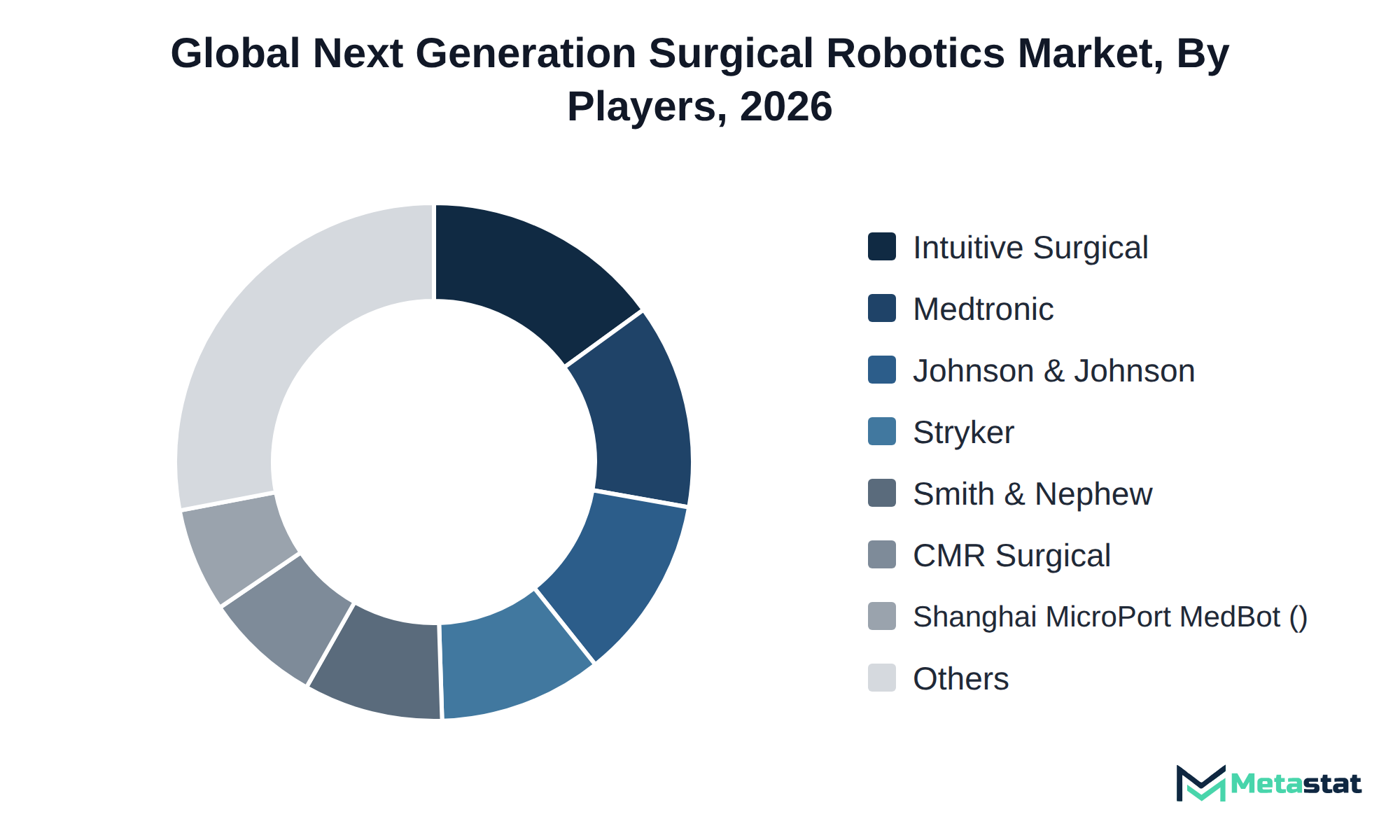
Companies in the Next Generation Surgical Robotics market pursue varied strategies to compete effectively. This sector includes established players like Intuitive Surgical, Inc., Medtronic plc, and Stryker Corporation, each concentrating on enhancing their technological offerings and expanding their market reach.
Companies differentiate themselves through product innovation, service quality, and ecosystem integration. Buyers prioritize factors including price, certification, and customization when selecting surgical robotic systems. For instance, Johnson & Johnson emphasizes innovative surgical solutions, while Zimmer Biomet Holdings, Inc. focuses on enhancing orthopedic surgical capabilities. CMR Surgical Ltd. targets affordability and accessibility in robotic systems, positioning itself as a competitive alternative within the market.
Key developments driving this growth include the increasing adoption of robotic systems, particularly in hospitals, which is projected to expand from USD 11.8 billion in 2026 to USD 30.9 billion by 2033 at a CAGR of 14.7%. The Instruments and Accessories segment is set to experience significant growth, reaching USD 22.8 billion by 2033, supported by rising demand in various surgical applications including orthopedic and urology surgeries.
However, a potential risk involves regulatory challenges that could hinder the pace of innovation and deployment within the market. North America, which holds the largest market share at 47.8%, faces scrutiny over regulatory approvals that could delay the introduction of next-generation robotic technologies. Medical device validation and verification work forms part of that approval process. These factors will determine whether the market reaches its forecasted size, so stakeholders need to monitor developments closely.
By Component: Robotic Systems, Instruments and Accessories, Services
By Application: General Surgery, Orthopedic Surgery, Urology, Gynecology, Neurosurgery and Spine Surgery, Thoracic Surgery and Bronchoscopy, Cardiovascular Interventions, Others (Reconstructive Microsurgery, ENT, Ophthalmic Surgery)
By End User: Hospitals, Ambulatory Surgical Centers, Specialty Clinics
By Control Mode: Teleoperated Control, Cooperative and Shared Control, Supervised Automated Execution
The report strategically identifies and profiles the key market players and analyses their core competencies in each sub-segment of the Next Generation Surgical Robotics market.
Report Attributes | Details |
Study Period | 2021-2033 |
Base Year | 2025 |
Estimated Year | 2026 |
Forecast Period | 2026-2033 |
Historical Period | 2021-2025 |
Growth Rate | CAGR 15.8% from 2026 to 2033 |
Revenue Unit | USD billion |
Segmentation | By Component, Application, End User, Control Mode, and Region |
By Region | North America (By Component, Application, End User, Control Mode, and Country)
|
Europe (By Component, Application, End User, Control Mode, and Country)
| |
Asia Pacific (By Component, Application, End User, Control Mode, and Country)
| |
South America (By Component, Application, End User, Control Mode, and Country)
| |
Middle East and Africa (By Component, Application, End User, Control Mode, and Country)
|
Find answers to common questions about this report
The Next Generation Surgical Robotics market size was valued at USD 13.2 billion in 2025.
The market is projected to grow at a CAGR of 15.8% during the forecast period from 2026 to 2033.
The North America Next Generation Surgical Robotics market size is estimated to reach USD 18.6 billion by 2033.
The leading segment in the Next Generation Surgical Robotics market is Instruments and Accessories, projected to reach USD 22.8 billion by 2033. This segment surpasses others in terms of revenue potential.
Ambulatory surgical centers drive demand due to evolving surgical protocols and an emphasis on minimally invasive procedures. Orthopedic surgery represents a significant growth opportunity, with increasing prevalence of orthopedic conditions and demand for robotic systems enhancing patient outcomes.
North America holds the dominant share of the Next Generation Surgical Robotics market, with a value of USD 18.6 billion projected for 2033, representing 47.8 percent of the total market.
Price sensitivity poses a significant barrier to adoption, as the high initial investment for advanced robotic systems discourages upgrades in hospitals and ambulatory surgical centers. Profit margins for suppliers face pressure due to rising component costs and competitive pricing strategies, making it difficult to maintain profitability in a challenging market environment.
Adoption in the Next Generation Surgical Robotics market is driven by advancements in automation technologies, which enhance operational efficiency and precision during procedures. The integration of artificial intelligence and machine learning capabilities attracts healthcare facilities seeking to optimize surgical workflows and improve patient outcomes.
The Next Generation Surgical Robotics market is estimated to reach a valuation of USD 42.6 billion by 2033.
Key players operating in the Next Generation Surgical Robotics market include Intuitive Surgical, Inc., Medtronic plc, Stryker Corporation, Johnson & Johnson, Zimmer Biomet Holdings, Inc., Smith & Nephew plc, and CMR Surgical Ltd.
The analysts below cover Medical Devices research at Metastat Insights.
LEAD ANALYST
Utkarsh Khirodkar is a Lead Market Research Analyst at MetaStat Insight, specializing in market intelligence, technology sector assessments, and competitive strategy.

LEAD PRINCIPAL ANALYST, PHARMA AND HEALTHCARE
Food and Beverages · Healthcare · Healthcare IT · Medical Devices
Ajay Devgire is the Lead Healthcare Analyst at MetaStat Insight, leading strategic research and market intelligence initiatives across the global healthcare domain.

SENIOR RESEARCH ANALYST
Biotechnology · Food and Beverages · Medical Devices · Packaging
Snehal Pasalkar is a Research Analyst at MetaStat Insight, operating at the intersection of life sciences research, competitive strategy, and market intelligence.
Tracking capacity expansion in single-use bioprocessing requires dependable data on raw material availability and cleanroom-grade polymer supply chains. The competitive landscape chapter gave a grounded evaluation of secondary component suppliers across North America and Asia-Pacific rather than simply reprinting press releases. Having that level of supplier benchmarking helped clarify dual-sourcing considerations for our clinical pipeline planning.
When evaluating distributed energy resource management systems, standard research summaries tend to gloss over the operational differences between front-of-the-meter utility deployments and behind-the-meter industrial sites. The MetaStat Insight report addressed those distinctions directly, especially regarding software interoperability standards and grid interconnection backlogs. The five-year market sizing across regional transmission organizations provided actionable context for our grid modernization strategy.
Most industry reports on warehouse automation bundle autonomous mobile robots and fixed conveyor installations into the same top-level numbers, which complicates advisory work. This study split the market cleanly by payload tiers, navigation technology, and fleet management software layers. The regional forecast for Western Europe gave our team defensible adoption benchmarks when evaluating capital allocation for logistics clients, saving us days of secondary data scrubbing.
Explore related market intelligence reports worth reading alongside this one.