
LEAD ANALYST
Utkarsh Khirodkar is a Lead Market Research Analyst at MetaStat Insight, specializing in market intelligence, technology sector assessments, and competitive strategy.

Global Ultra-Low-Temperature Freezers Market Size, Share, By Product Type (Upright Freezers and Chest Freezers), By Storage Capacity (Below 300 Liters, 300 to below 500 Liters, 500 to below 700 Liters, 700 to below 900 Liters, and 900 Liters and Above), By Application (Nucleic Acid and Reagent Storage, Cell and Tissue Sample Storage, Blood and Blood Product Storage, Vaccine and Biologic Storage, and Others), By End User (Pharmaceutical and Biotechnology Companies, Academic and Government Research Institutions, Hospitals and Diagnostic Laboratories, Independent Biobanks and Blood Centers, Contract Research Organizations, and Others), Industry Analysis, Growth, Trends, and Forecast, 2026-2033
Report ID
MSI-5654
Published
October, 2026
Pages
305 Pages
Format
Historical
Base year
Forecast
Forecast period
Report Details
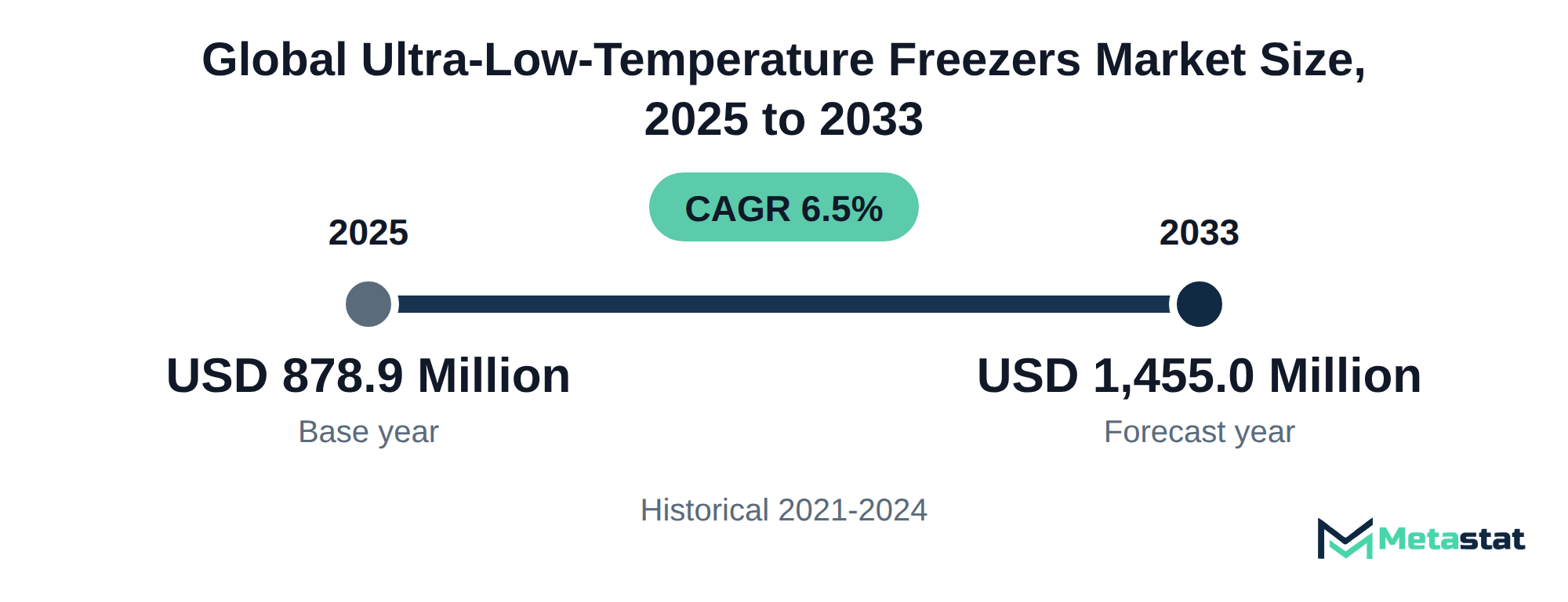
Market Valuation: Valued at $878.9 Million in 2025, projected to reach $1,455 Million by 2033 at a 6.5% CAGR.
Dominant Segment: Upright Freezers lead the market, driven by their versatility and space efficiency, catering primarily to pharmaceutical and biotechnology companies that require reliable storage for sensitive biological materials.
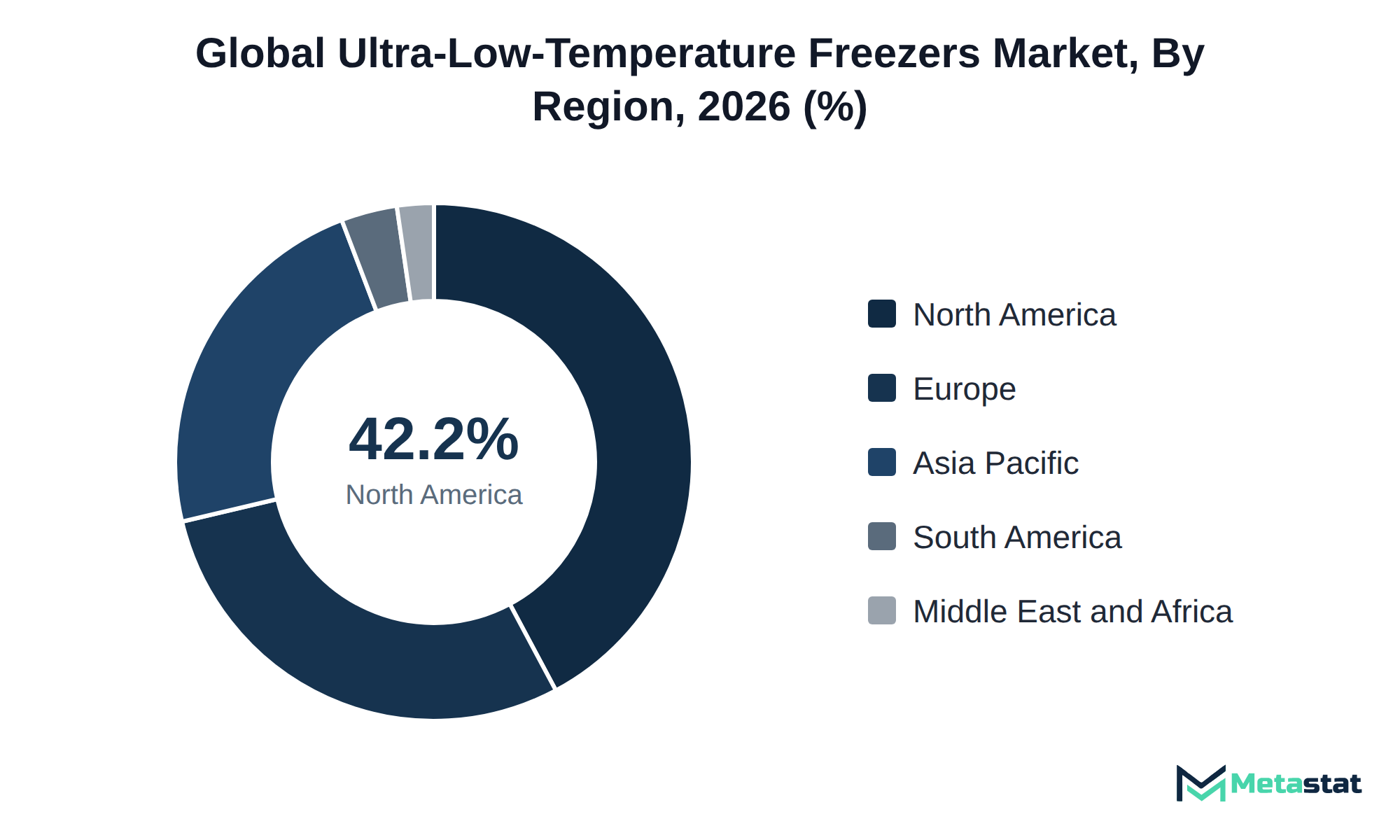
Geographic Lead: North America holds the largest market share, accounting for 42.2% in 2025, bolstered by a robust healthcare infrastructure and a concentration of pharmaceutical companies.
What's Inside: The report provides a comprehensive analysis of market dynamics, competitive landscape, and detailed segmentation by product type, storage capacity, application, and end user, covering the forecast period from 2026 to 2033.
Emerging Trends: The growing demand for nucleic acid and reagent storage is a key growth driver, with a projected CAGR of 6.8%, reflecting advancements in biological research and molecular diagnostics.
Energy Efficiency Focus: Rising energy costs are influencing buyer decisions, prompting a shift towards energy-efficient solutions, particularly in the context of increasing operational budgets for pharmaceutical and biotechnology companies.
Choose Your License
Global Ultra-Low-Temperature Freezers Market
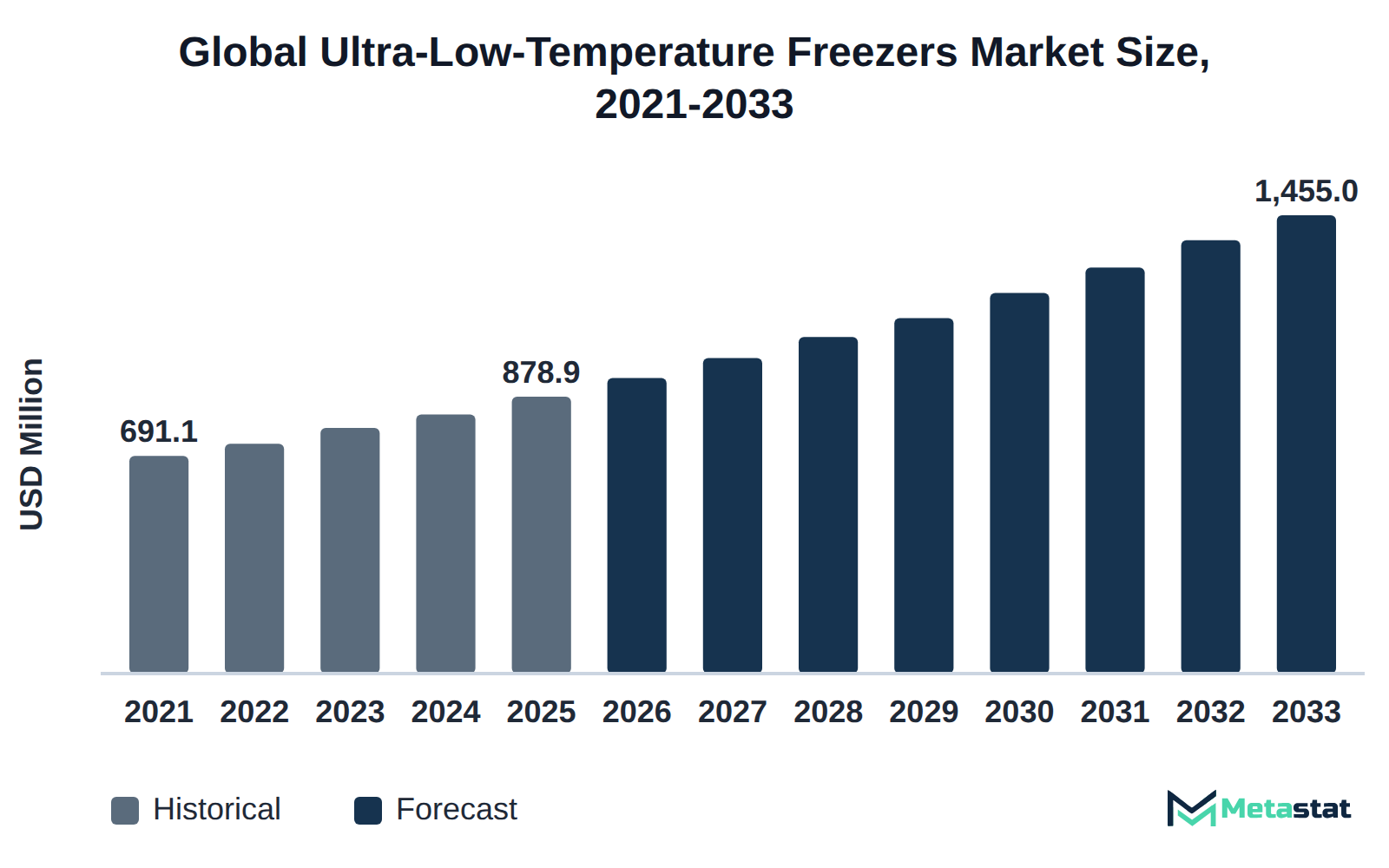
The global Ultra-Low-Temperature Freezers market was valued at USD 878.9 million in 2025 and is projected to reach USD 1,455 million by 2033, growing at a CAGR of 6.5% over the forecast period.
The Ultra-Low-Temperature Freezers market covers refrigeration systems that hold the low temperatures needed to preserve sensitive biological materials, pharmaceuticals, and other temperature-sensitive products. Buyers invest in these systems to ensure the integrity of their stored items, particularly in sectors including pharmaceuticals, research institutions, and hospitals. The increasing focus on vaccine storage and the growing demand for biobanks significantly influence spending in this segment.
Growth in the market is driven by advancements in technology and an increasing emphasis on research and development across various industries. The segment of upright freezers represents the highest value, reflecting the preference for versatile and space-efficient storage solutions. North America holds 42.2% of the market in 2025, with the US leading in 2026. The region benefits from well-developed healthcare infrastructure and a concentration of pharmaceutical companies, which support its leading position.
Rising demand for effective storage solutions in the pharmaceutical and biotechnology sectors fuels market expansion. The need for reliable equipment to store critical materials under precise conditions supports investment in ultra-low-temperature freezers. Regulatory standards for storage and handling of biological materials are becoming more stringent, driving sustained growth through compliance requirements and technological advancements.
Investment in Ultra-Low-Temperature Freezers primarily stems from sectors that rely on stringent temperature controls for biological materials. Pharmaceutical and biotechnology companies represent a significant portion of the buyer landscape, driven by the demand for effective storage solutions for sensitive products, including vaccines and biologics. The ability to maintain specific temperature ranges ensures product integrity, which directly influences operational efficiency and compliance with regulatory standards.
North America's strong share reflects a well-established pharmaceutical industry and extensive research facilities. In comparison, Europe and Asia Pacific follow with shares of 29.1% and 22.9%, respectively. The most valuable segment within the market is Upright Freezers, which reflects a growing preference for this product type due to its versatility and ease of access. The forecast indicates a sustained demand for these solutions, particularly in high-stakes environments.
Growth in the market is propelled by increasing investments in research and development within the pharmaceutical sector. A heightened focus on vaccine development, particularly in response to global health challenges, drives the need for reliable storage solutions. This trend strengthens the position of Ultra-Low-Temperature Freezers in healthcare and biotechnology research and in the wider temperature-controlled storage market.
Recent advances in hydrocarbon refrigerants and variable-speed compressors are changing the economics of ultra-low-temperature freezer replacement. Hydrocarbon refrigerants such as R290, known for their low global warming potential, offer an eco-friendly alternative to traditional refrigerants. This shift aligns with environmental regulations and sustainability goals across various sectors. Variable-speed compressors enhance energy efficiency by adjusting cooling capacity based on demand, resulting in reduced operational costs.
This transition enables users to lower energy consumption while meeting stringent temperature control requirements for sensitive materials. Industries including pharmaceuticals and biobanks benefit from improved freezer reliability and performance, which directly impacts their operational efficiency and cost savings.
Investment in these innovative technologies facilitates competitive pricing strategies, allowing manufacturers to enhance product appeal. Together, better energy efficiency and regulatory compliance help organizations meet changing demand and strengthen their share of the Ultra-Low-Temperature Freezers market.
The demand for reliable -80°C sample storage has prompted buyers to explore various pricing and contract models within the Ultra-Low-Temperature Freezers market. Pharmaceutical and biotechnology companies constitute a significant buyer group, representing a value of USD 360.7 million in 2026 and projected to reach USD 566.1 million by 2033. This sector prioritizes long-term contracts to ensure consistent access to high-performance freezers, which are critical for maintaining the integrity of sensitive biological samples.
Buyers frequently negotiate pricing based on volume commitments and service agreements. Larger organizations leverage their purchasing power to secure discounts, while smaller entities opt for leasing arrangements to reduce upfront costs. Many suppliers offer maintenance contracts that include regular servicing and emergency support, ensuring operational reliability. Because expert assistance is available under these agreements, buyers gain confidence in the technology and keep these freezers in sustained use.
The competitive landscape encourages suppliers to enhance their contract offerings to attract diverse customer segments. By providing tailored solutions, manufacturers engage more effectively with research institutions and hospitals, expanding overall market penetration. This focus on pricing and contract structures supports growth in the Ultra-Low-Temperature Freezers market by aligning offers more closely with the changing needs of buyers in high-stakes environments.
Compact ultra-low-temperature (ULT) freezers address the specific storage needs of decentralized laboratories. These environments often face challenges in maintaining the integrity of sensitive biological materials, which require stringent temperature control. The market sees a growing demand for compact ULT freezers, particularly from independent biobanks and blood centers, which prioritize reliable and efficient storage solutions for their samples.
By 2033, the value of ULT freezers for independent biobanks and blood centers is expected to reach USD 221.3 million. This substantial figure reflects the critical need for high-performance storage systems that support the preservation of vital biological materials while optimizing available space. Compact models provide an effective solution, allowing laboratories to maintain validated storage conditions without compromising accessibility or operational efficiency.
The adoption of compact ULT freezers in decentralized laboratories enhances sample management and ensures compliance with regulatory standards. The trend shows why investment in advanced storage matters, supporting growth and innovation across the ultra-low-temperature freezers market.
Energy efficiency is a critical factor when selecting Ultra-Low-Temperature Freezers, especially for laboratories aiming to reduce operational costs. The storage capacity significantly influences energy consumption; larger freezers generally require more energy to maintain low temperatures. For instance, freezers with a capacity below 300 liters are projected to achieve a value of USD 250.4 million by 2033, with a compound annual growth rate (CAGR) of 8%. This reflects a growing preference for smaller models that provide adequate cooling while minimizing energy expenditure.
Sample capacity directly impacts how much energy a laboratory expends. Freezers with a storage capacity between 300 to below 500 liters forecast a total value of USD 322 million by 2033, with a CAGR of 5.8%. Laboratories prioritizing energy efficiency through appropriate selection of freezer size realize significant savings over time. Laboratories therefore increasingly weigh energy use against sample capacity to improve operational efficiency.
Pharmaceutical and biotechnology companies drive significant demand for ultra-low-temperature freezers. A shift towards more advanced storage solutions has emerged due to the need for reliable preservation of sensitive biological materials. The increasing focus on biobanking and cell therapy biomanufacturing enhances the necessity for maintaining optimal storage conditions, leading to higher spending on ultra-low-temperature freezers. This growth reflects a broader trend where the market increasingly responds to heightened standards in sample integrity and safety. Higher expectations for storage quality therefore translate into stronger freezer demand.
Investment in independent biobanks and blood centers reinforces this trend, with many organizations prioritizing advanced freezing technologies to optimize storage capacity and operational efficiency. The market experiences continuous growth driven by these evolving requirements.
Recent developments in advanced insulation materials significantly enhance the efficiency of ultra-low-temperature freezers. Manufacturers focus on integrating these materials, which improve thermal performance and energy conservation. This innovation is essential for sectors including biotechnology and pharmaceuticals, where maintaining optimal storage conditions remains critical. Buyers benefit from reduced energy costs and improved operational reliability, leading to a more sustainable storage solution for sensitive biological materials. The evolution of insulation technology supports the market's competitiveness by enabling longer-lasting performance at lower operational costs. As a result, advanced insulation materials are expected to support steady growth in the ultra-low-temperature freezers market as demand for reliable storage rises.
Increasing energy costs present a significant barrier for buyers in the Ultra-Low-Temperature Freezers market, particularly for pharmaceutical and biotechnology companies that rely on these units for critical storage applications. The need for consistent low temperatures for sensitive materials leads to significant energy consumption, which directly impacts operational budgets. Rising energy prices result in smaller orders and delayed investments in new equipment, affecting companies' ability to upgrade or expand their storage capabilities. This constraint is particularly pronounced in regions where energy expenses are escalating, resulting in slower adoption of advanced freezer technologies. Consequently, the financial burden associated with energy consumption hinders overall market growth and limits the operational efficiency of end users.
Rising costs associated with materials and components significantly impact the profitability of suppliers in the Ultra-Low-Temperature Freezers market. These pressures stem from sourcing high-quality materials and technologies necessary for maintaining strict temperature controls, which are vital for preserving sensitive biological materials. Suppliers face increasing costs for advanced insulation materials and reliable refrigerants, ultimately affecting pricing strategies and margins.
In response to these challenges, suppliers explore more cost-effective production methods and negotiate long-term contracts with vendors to stabilize input costs. Several stakeholders focus on enhancing operational efficiencies through automation and streamlined processes. These strategies aim to mitigate input cost fluctuations while maintaining product performance standards. The emphasis on cost management influences competitive dynamics and leads to shifts in market share while suppliers adapt to the evolving economic landscape.
Nucleic acid and reagent storage represents a significant growth opportunity within the Ultra-Low-Temperature Freezers market. This segment demonstrates a compound annual growth rate (CAGR) of 6.8% from 2026 to 2033, indicating strong demand driven by advancements in biological research and molecular diagnostics. Increased focus on genomics and personalized medicine drives the requirement for reliable storage solutions for sensitive biological materials. Pharmaceutical and biotechnology companies, critical buyers in this segment, depend on high-performance freezers to ensure sample integrity and accuracy in experimental outcomes. To meet this demand, manufacturers are developing ultra-low-temperature freezer systems with precise temperature control and improved energy efficiency. The evolving landscape of nucleic acid research underpins the expansion of this segment, while investments in upgraded technologies support overall market growth through 2033. This trend highlights a notable shift in buyer preferences toward high-capacity and technologically advanced freezer solutions.
The Global Ultra-Low-Temperature Freezers market is segmented based on Product Type, Storage Capacity, Application, and End User.
Upright Freezers segment is valued at USD 563.2 million in 2026 and is projected to reach USD 848.6 million by 2033, at a CAGR of 6% during the forecast period. These freezers primarily serve pharmaceutical and biotechnology companies for the storage of sensitive biological materials that require precise temperature control. Demand for this segment is driven by the increasing focus on biobanking and vaccine development, which require reliable storage solutions. Compared to Chest Freezers, Upright Freezers offer better organization and accessibility for users, catering to laboratories and research facilities. Both segments are growing, but Upright Freezers trail Chest Freezers, which are projected to grow at a CAGR of 7.1%. This distinction highlights competitive dynamics within the ultra-low-temperature freezers market, with each type addressing unique user preferences and operational requirements.
Chest Freezers segment is estimated to reach USD 606.4 million by 2033, at a CAGR of 7.1% during the forecast period. This segment primarily serves pharmaceutical and biotechnology companies, academic research institutions, and diagnostic laboratories, where it is essential for storing sensitive biological samples, including cell and tissue samples. Demand arises from the increasing need for secure storage solutions that maintain sample integrity at ultra-low temperatures. The Chest Freezers segment distinguishes itself from Upright Freezers through its higher projected growth rate, reflecting a stronger market response to the requirements of end users. Regulatory pressures regarding sample preservation and the necessity for compliance with stringent storage protocols drive investments in this segment, enhancing its appeal in sectors prioritizing reliability and performance over alternatives in the market.
Valued at USD 146.5 million in 2026, this segment is projected to reach USD 250.4 million by 2033, at a CAGR of 8% during the forecast period. Storage solutions in this capacity range primarily serve academic and governmental research institutions and pharmaceutical companies focusing on smaller sample sizes. A significant factor influencing growth stems from the increasing adoption of nucleic acid and reagent storage practices, which require precise temperature control. This sub-segment differs from larger capacity storage options due to its rapid growth rate and affordability, attracting budget-conscious buyers while addressing specific storage needs. In comparison, segments with larger capacities experience slower growth, focusing on broader applications and higher price points, which makes the Below 300 Liters segment particularly appealing in the current market.
Estimated to reach USD 322 million by 2033, this segment experiences a CAGR of 5.8% during the forecast period. Storage units in this capacity range primarily serve pharmaceutical and biotechnology companies, academic institutions, and hospitals for storing various biological materials. Demand for these freezers is driven by the increasing need for reliable storage solutions for sensitive biological samples, including nucleic acids and tissue samples. Compared to other storage capacity segments, this segment exhibits slower growth, with a CAGR lower than the Below 300 Liters segment, which reports a CAGR of 8%. This variance highlights differing buyer requirements and operational focus, influencing how companies invest in ultra-low-temperature freezers. Continued pressure to maintain strict temperature control for biological preservation keeps this segment central to the Ultra-Low-Temperature Freezers market.
Expected to reach USD 540.8 million by 2033, the segment for storage capacity of 500 to below 700 Liters serves critical functions in preserving biological materials, particularly for pharmaceutical and biotechnology companies. These freezers are essential for storing sensitive samples, ensuring integrity during long-term preservation. Growth in this segment is driven by heightened demand for sample storage solutions, supported by innovations in freezing technology that enhance stability and reliability. Compared to other storage capacity segments, this category exhibits moderate growth potential, reflecting a CAGR of 6.9%, indicating a steady increase in adoption as end users recognize the importance of maintaining optimal storage conditions. The Ultra-Low-Temperature Freezers market continues to evolve, and this specific capacity segment plays an integral role in meeting the diverse needs of its users.
Valued at USD 540.8 million in 2033, the 700 to below 900 Liters segment is projected to grow at a CAGR of 6.9% during the forecast period. This capacity range effectively serves the needs of various research and clinical applications, particularly in pharmaceutical and biotechnology companies, which rely on secure storage for sensitive biological materials. The segment experiences significant demand driven by increasing research activities and the growing focus on vaccine and biologic storage solutions. Compared to other capacity segments, this category stands out with moderate growth, positioned between smaller capacity freezers, which grow at a higher rate, and larger units that serve specialized purposes. The capacity of these freezers allows for efficient storage and retrieval, meeting the operational requirements of laboratories and research facilities while maintaining compliance with industry standards.
Storage capacity of 900 liters and above is essential in industries requiring extensive sample preservation, including pharmaceutical and biotechnology companies, academic institutions, and independent biobanks. These large-capacity freezers efficiently support the storage of significant volumes of sensitive materials, including vaccines and biologics, that demand ultra-low temperatures for optimal preservation. Key forces driving this segment include the increasing emphasis on biobanking and the rising number of clinical trials necessitating sample management solutions such as cloud-based LIMS platforms. Price positioning for this segment often reflects its specialized nature, distinguishing it from smaller capacity options. In contrast to other segments, demand for storage capacity exceeding 900 liters is expected to expand significantly, driven by the growing need for reliable and efficient storage solutions in large-scale laboratory settings.
Valued at USD 282.5 million in 2026, this segment is projected to reach USD 447.1 million by 2033, at a CAGR of 6.8% during the forecast period. This segment is integral for the storage of nucleic acids and reagents, essential components in research and development for pharmaceutical and biotechnology companies. The increasing emphasis on research and development activities drives demand for reliable storage solutions, particularly for sensitive materials that require ultra-low temperatures. Compared to other applications, nucleic acid and reagent storage experiences a higher growth rate, reflecting its critical role in various biotechnological advancements. Ongoing evolution in biopreservation techniques and heightened focus on personalized medicine enhance the need for advanced storage solutions. Regulatory requirements surrounding the storage of biological materials further influence market dynamics, propelling adoption of ultra-low-temperature freezers that ensure optimal preservation conditions.
Cell and Tissue Sample Storage segment is estimated to reach USD 438.1 million by 2033, at a CAGR of 7.7% during the forecast period. This segment serves critical functions in preserving biological samples for research and medical applications, used predominantly by pharmaceutical and biotechnology companies, academic institutions, and diagnostic laboratories. The necessity for reliable and long-term storage solutions for sensitive samples drives growth in this area. An increasing focus on biobanking and regenerative medicine fuels further demand, differentiating this segment with its growth trajectory compared to others. The projected CAGR of 7.7% highlights a faster growth rate than several other applications, driven by advancements in storage technologies, including programmable controlled rate freezers, and heightened research activities. The market responds to these trends by evolving storage solutions that meet stringent regulations and quality standards, ensuring sample integrity over extended periods.
Blood and Blood Product Storage segment is expected to reach USD 250.7 million by 2033. This segment provides essential functions for storing critical components including blood, plasma, and other biological materials, predominantly used by hospitals, diagnostic laboratories, and biobanks. A significant factor influencing this segment is the growing emphasis on maintaining blood safety and quality standards, driving demand for ultra-low-temperature freezers equipped with advanced monitoring technologies. In contrast to other applications, this segment exhibits notable resilience in growth, with a projected CAGR aligning closely with market trends. Blood and Blood Product Storage operates in a highly regulated environment, necessitating compliance with strict health and safety protocols, which distinguishes it from segments with relatively lower regulatory burdens. The focus on improving patient outcomes fuels continuous investment and innovation in this area, supporting its position in the broader ultra-low-temperature freezers market.
Valued at USD 250.7 million in 2033, the Vaccine and Biologic Storage segment is projected to grow at a CAGR of 5.6% during the forecast period. This segment primarily serves pharmaceutical companies and research institutions, focusing on the preservation of vaccines and biologics at ultra-low temperatures. Increasing global vaccination efforts drive demand for effective storage solutions across the healthcare cold chain, particularly following health crises. Advancements in biologic therapies further necessitate reliable storage options for sensitive materials. This segment exhibits slower growth compared to others in the application category, including Cell and Tissue Sample Storage, which shows a CAGR of 7.7%. The distinct requirement for precise temperature control in Vaccine and Biologic Storage highlights its critical role in maintaining sample integrity, influencing investment and operational priorities among stakeholders in the market.
This segment encompasses microbial culture storage and industrial sample storage, focusing on the preservation of sensitive biological materials and samples. Researchers, academic institutions, and biotechnology firms employ ultra-low-temperature freezers for their ability to maintain the integrity of these samples during long-term storage. Innovations in freezing technology enhance sample longevity, which is essential for academic and government research institutions that require reliable preservation methods. Compared to other applications, this segment experiences varied growth dynamics, driven by the increasing need for secure storage solutions in laboratories. The market benefits from advancements in temperature regulation, which boost the performance of freezers for specific applications. The unique requirements of microbial culture storage often lead to higher demand for specialized solutions, distinguishing this segment from others including nucleic acid and reagent storage.
Pharmaceutical and biotechnology companies employ ultra-low-temperature freezers for the preservation of sensitive biological materials, including research samples and therapeutic agents. This segment experiences growth driven by increased research and development activities, particularly in drug discovery and vaccine development. Compared to other segments, this category demonstrates a higher demand, reflecting the critical need for maintaining sample integrity and stability. The emphasis on innovation and regulatory compliance within the pharmaceutical sector influences purchasing decisions, differentiating this segment from others in terms of growth rate and application specificity. The market recognizes the significance of these storage solutions in facilitating advancements in medical research and therapeutic development.
Estimated to reach USD 380.8 million by 2033, this segment experiences a CAGR of 5.4% during the forecast period. Academic and government research institutions use ultra-low-temperature freezers primarily for the preservation of sensitive biological samples, including nucleic acids, tissues, and other critical reagents. The increasing emphasis on research and development in biotechnology and pharmaceuticals drives demand for reliable storage solutions. This segment differs from others, including pharmaceutical and biotechnology companies, which show a higher growth rate of 6.7%. The segment's growth is supported by a steady increase in public funding for research and the growing importance of academic collaborations. Enhanced regulatory standards further influence purchasing decisions, emphasizing the need for high-quality storage equipment to ensure sample integrity over time.
Hospitals and Diagnostic Laboratories segment is expected to reach USD 221.3 million by 2033. This segment primarily serves healthcare facilities involved in diagnostics, patient care, and research, where precise storage of biological samples and reagents is critical. Demand in this area is driven by a growing emphasis on advanced healthcare solutions and rising investments in laboratory infrastructure. Compared to other segments, this area has a slower growth profile, with key competitors focusing on specialized technology and quality, translating to a distinct pricing structure. The segment faces challenges related to regulatory compliance and the need for reliable temperature control mechanisms to ensure sample integrity, influencing purchasing decisions among buyers. These factors highlight the importance of Ultra-Low-Temperature Freezers within the market, catering specifically to the needs of hospitals and diagnostic laboratories.
Independent Biobanks and Blood Centers segment is projected to grow at a CAGR of 7.9% during the forecast period. This segment serves critical functions in the preservation of biological samples, including blood and other critical materials, primarily by independent biobanks and blood centers. Increasing demand for effective blood storage solutions at blood banks drives growth in this segment, reflecting the healthcare sector's focus on improving patient outcomes. This sub-segment distinguishes itself from other end-user categories through its specialized requirements and capabilities, resulting in a higher growth rate compared to the Academic and Government Research Institutions segment, which is projected to grow at a CAGR of 5.4%. The focus on enhancing storage technologies contributes to a competitive landscape where innovation influences the evolution of the Ultra-Low-Temperature Freezers market over the coming years.
This sub-segment encompasses Contract Research Organizations, which play a vital role in conducting research and development for pharmaceutical and biotechnology companies. These organizations use Ultra-Low-Temperature Freezers for the preservation of biological samples, including cell lines and tissues, ensuring their integrity for scientific studies. Demand for these freezers is driven by the increasing need for regulatory compliance in research practices and the necessity to maintain sample viability over extended periods. This segment experiences a higher growth rate, supported by rising investments in research and development. The focus on advanced therapeutic modalities, including personalized medicine, drives the adoption of these freezers. The market reflects a dynamic environment with evolving requirements, making Contract Research Organizations a critical component of the overall market.
This segment includes industrial testing laboratories and food testing laboratories, focusing on the preservation of sensitive samples and materials at ultra-low temperatures. These facilities employ ultra-low-temperature freezers for various applications, including quality control, verification processes, and food quality and safety testing. Growth in this segment is driven by increasing regulatory standards for sample integrity and safety in food and pharmaceutical industries. Enhanced precision in temperature control significantly improves the reliability of testing results, appealing to end users prioritizing quality assurance. Compared to other segments, this sub-segment experiences varying demand patterns due to its specialized applications, positioning it differently in terms of growth potential and pricing strategies, reflecting the unique requirements of industrial and food testing environments. The ultra-low-temperature freezers market is expected to evolve, adapting to these diverse applications and regulatory landscapes.
Based on geography, the Global Ultra-Low-Temperature Freezers market is divided into North America, Europe, Asia-Pacific, South America, Middle East, and Africa.
Demand in North America for the Ultra-Low-Temperature Freezers market remains strong, driven by growth in pharmaceutical and biotechnology companies and academic and government research institutions. This region benefits from advanced infrastructure and significant investment in research and development. Regulatory standards emphasize the importance of sample preservation, especially for sensitive biological materials. The market is projected to reach USD 592.3 million by the end of 2033, indicating a healthy growth trajectory. By 2025, North America is expected to hold a market share of 42.2%, reflecting the region's significant role in the global landscape for ultra-low-temperature storage solutions. Diverse applications across various industries ensure sustained demand and innovation within the market.
Emerging as a prominent region in the Ultra-Low-Temperature Freezers market, Europe contributes 29.1% of the global market share in 2025. Demand arises significantly from pharmaceutical and biotechnology companies, particularly in Germany, France, and the UK, which invest heavily in research and development activities. Strong regulatory frameworks concerning drug safety and sample preservation drive the adoption of ultra-low-temperature freezers across the region. The presence of well-established academic institutions in countries including Italy and Spain further supports market growth, with these institutions requiring advanced storage solutions for biological samples. By 2033, the European market is expected to continue expanding, reflecting ongoing investments in healthcare and research capacities.
Asia Pacific held a share of 22.9% of the global Ultra-Low-Temperature Freezers market in 2025. The demand for ultra-low-temperature freezers in this region is primarily driven by pharmaceutical and biotechnology companies, which require precise temperature control for the storage of sensitive biological materials. Countries including China and India are increasing investments in healthcare infrastructure, enhancing research capabilities, and expanding biobanking initiatives. Regulatory frameworks focusing on environmental safety and energy efficiency in refrigeration technologies further influence market growth. The market in Asia Pacific is expected to benefit from the continued rise of academic research institutions and the expanding pharmaceutical sector, leading to increased adoption of advanced storage solutions.
In South America, the Ultra-Low-Temperature Freezers market demonstrates potential, driven primarily by the pharmaceutical and biotechnology sectors. Demand arises from the need for reliable storage solutions that ensure the integrity of sensitive biological materials. Brazil and Argentina represent significant markets within the region, with both countries increasing investments in research and development for healthcare innovations. Specific infrastructure development, focusing on enhancing laboratory capabilities, reflects a strategic move to support the growing biopharmaceutical industry. The region's market share is projected to hold 3.5% in 2025, highlighting the opportunities for growth within this specialized segment.
In the Middle East and Africa, the Ultra-Low-Temperature Freezers market faces unique challenges and opportunities, particularly within the pharmaceutical and biotechnology sectors. Demand is driven by increasing research and development activities in countries including Saudi Arabia and UAE, which focus on enhancing healthcare and biopharmaceutical manufacturing capabilities. South Africa's growing emphasis on advanced healthcare solutions significantly contributes to market expansion. The market share for this region was 2.3% in 2025, reflecting a steady growth trajectory for ultra-low-temperature storage solutions. Regulatory frameworks aimed at improving healthcare standards and research infrastructures support market growth in this region, ensuring compliance with safety and quality guidelines.
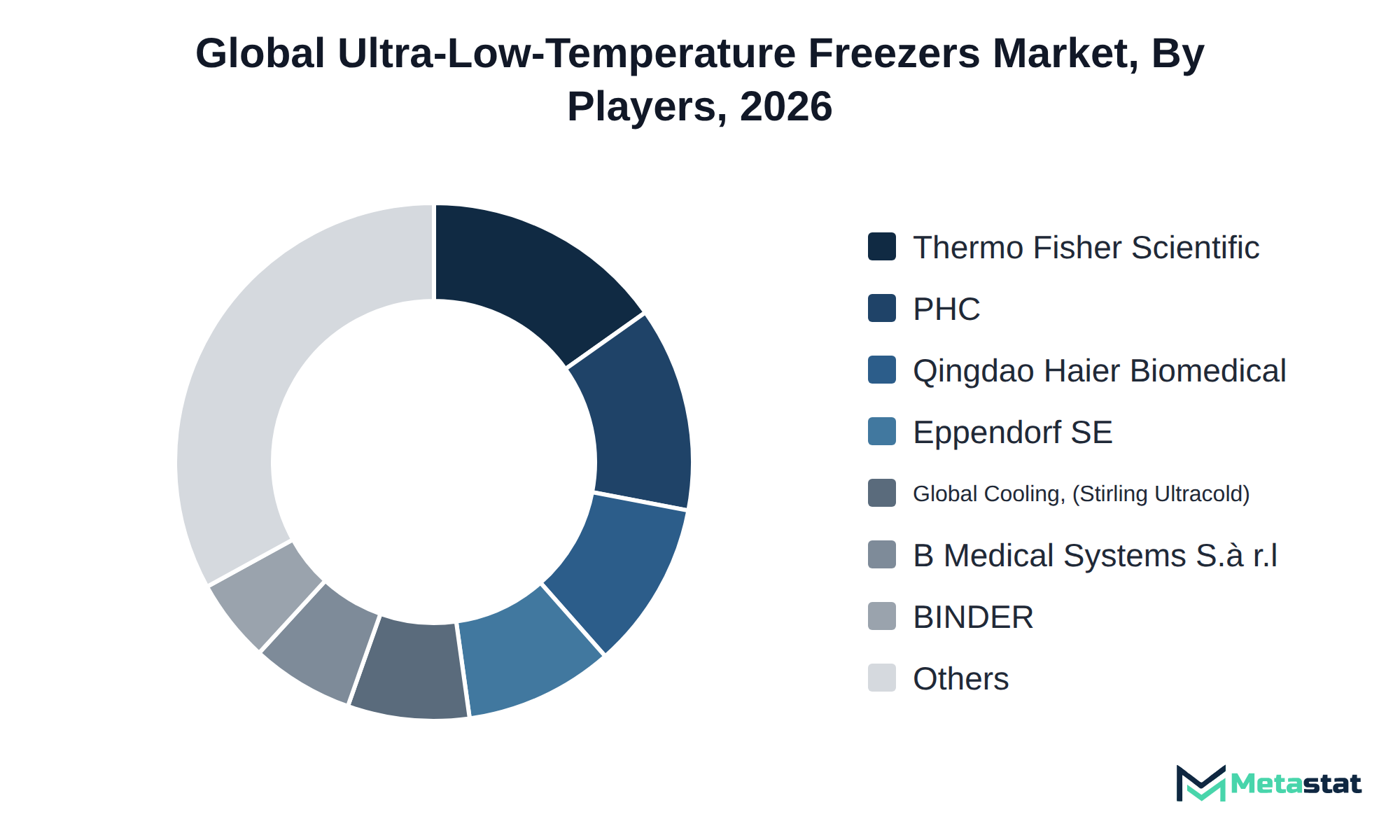
Companies in the Ultra-Low-Temperature Freezers market adopt various strategies to capture market share. Key players, including Thermo Fisher Scientific Inc. and Avantor, Inc., focus on product innovation, reliability, and customer service. Buyers consider factors including price, certification, and customization when selecting providers.
Thermo Fisher Scientific Inc. emphasizes a broad range of applications and high-performance solutions, catering to pharmaceutical and biotechnology sectors. Eppendorf SE prioritizes advanced technologies for cell and tissue sample storage, while Global Cooling, Inc. (Stirling Ultracold) focuses on energy-efficient designs that appeal to environmentally conscious buyers. This competitive approach shapes market dynamics significantly.
Growth in the Ultra-Low-Temperature Freezers market hinges on several developments. A significant increase in demand from pharmaceutical and biotechnology companies is important, driven by the need for reliable storage solutions for sensitive biological materials.
Further, advancements in technology that enhance energy efficiency and storage capabilities are essential for market growth. These developments are set against the backdrop of rising healthcare expenditures and increased focus on vaccine storage, particularly in regions including North America, which holds a 42.2% market share.
Conversely, economic uncertainties and fluctuating raw material prices represent risks that impede growth. A slowdown in research and development funding could adversely impact the adoption of ultra-low-temperature freezers, particularly in academic and government research institutions, which are expected to see growth from USD 380.8 million by 2033.
By Product Type: Upright Freezers, Chest Freezers
By Application: Nucleic Acid and Reagent Storage, Cell and Tissue Sample Storage, Blood and Blood Product Storage, Vaccine and Biologic Storage, Others (Microbial Culture Storage, Industrial Sample Storage)
By End User: Pharmaceutical and Biotechnology Companies, Academic and Government Research Institutions, Hospitals and Diagnostic Laboratories, Independent Biobanks and Blood Centers, Contract Research Organizations, Others (Industrial Testing Laboratories, Food Testing Laboratories)
The report strategically identifies and profiles the key market players and analyses their core competencies in each sub-segment of the Ultra-Low-Temperature Freezers market.
Report Attributes | Details |
Study Period | 2021-2033 |
Base Year | 2025 |
Estimated Year | 2026 |
Forecast Period | 2026-2033 |
Historical Period | 2021-2025 |
Growth Rate | CAGR 6.5% from 2026 to 2033 |
Revenue Unit | USD million |
Segmentation | By Product Type, Storage Capacity, Application, End User, and Region |
By Region | North America (By Product Type, Storage Capacity, Application, End User, and Country)
|
Europe (By Product Type, Storage Capacity, Application, End User, and Country)
| |
Asia Pacific (By Product Type, Storage Capacity, Application, End User, and Country)
| |
South America (By Product Type, Storage Capacity, Application, End User, and Country)
| |
Middle East and Africa (By Product Type, Storage Capacity, Application, End User, and Country)
|
Find answers to common questions about this report
The Ultra-Low-Temperature Freezers market size was valued at USD 878.9 million in 2025.
The market is projected to grow at a CAGR of 6.5% during the forecast period from 2026 to 2033.
The North America Ultra-Low-Temperature Freezers market size is estimated to reach USD 592.3 million by 2033.
Upright Freezers lead the Ultra-Low-Temperature Freezers market with a projected value of USD 848.6 million in 2033, based on the highest revenue among product types.
Pharmaceutical and biotechnology companies drive demand for ultra-low-temperature freezers due to the necessity for reliable preservation of sensitive biological materials. the segment of nucleic acid and reagent storage exhibits strong growth, reflecting advancements in biological research and molecular diagnostics.
North America holds the dominant share of the Ultra-Low-Temperature Freezers market, with a value of USD 592.3 million projected for 2033, representing 42.2 percent of the total market. This region surpasses others in market share significantly.
Increasing energy costs restrain growth in the Ultra-Low-Temperature Freezers market, particularly impacting pharmaceutical and biotechnology companies that rely on these units for critical storage applications. Rising costs of materials and components further limit profitability for suppliers, affecting pricing strategies and margins.
Factors favoring adoption in the Ultra-Low-Temperature Freezers market include advancements in biological research and molecular diagnostics, driving demand for reliable storage solutions. The focus on genomics and personalized medicine increases the requirement for high-performance freezer systems with precise temperature control and enhanced energy efficiency.
The Ultra-Low-Temperature Freezers market is estimated to reach a valuation of USD 1,455 million by 2033.
Key players operating in the Ultra-Low-Temperature Freezers market include Thermo Fisher Scientific Inc., PHC Holdings Corporation, Qingdao Haier Biomedical Co., Ltd., Eppendorf SE, Global Cooling, Inc. (Stirling Ultracold), B Medical Systems S.à r.l., and Avantor, Inc.
The analysts below cover Medical Devices research at Metastat Insights.
LEAD ANALYST
Utkarsh Khirodkar is a Lead Market Research Analyst at MetaStat Insight, specializing in market intelligence, technology sector assessments, and competitive strategy.

LEAD PRINCIPAL ANALYST, PHARMA AND HEALTHCARE
Food and Beverages · Healthcare · Healthcare IT · Medical Devices
Ajay Devgire is the Lead Healthcare Analyst at MetaStat Insight, leading strategic research and market intelligence initiatives across the global healthcare domain.

SENIOR RESEARCH ANALYST
Biotechnology · Food and Beverages · Medical Devices · Packaging
Snehal Pasalkar is a Research Analyst at MetaStat Insight, operating at the intersection of life sciences research, competitive strategy, and market intelligence.
Assessing 200mm wafer transition schedules and substrate supply bottlenecks requires precise technical intelligence. MetaStat Insight supplied an actionable breakdown comparing planar and trench MOSFET architectures across automotive and industrial drive markets. The regional capacity estimates for Asia-Pacific foundries helped clarify lead-time uncertainties during our strategic planning session. When we needed additional clarification on high-purity raw material sourcing, their analyst team responded with helpful context within twenty-four hours.
Tracking maintenance cycle demand for secondary flight display units and terrain collision avoidance systems across regional jet fleets involves complex aftermarket dynamics. MetaStat Insight provided practical analysis separating airline retrofit programs from OEM forward-fit production schedules in North America and Southeast Asia. The supplier matrix highlighted component obsolescence timelines without resorting to vague generalizations. The dataset served as a dependable reference during our annual program review meetings.
Evaluating secondary resin quality across post-consumer packaging streams requires reliable technical segmentation. MetaStat Insight delivered an objective assessment that distinguished between extrusion-grade flake pricing and optical sorting throughput limitations across Western Europe. The competitive positioning breakdown for licensed depolymerization technology providers answered several questions during our feedstock feasibility audit. Their team clarified regional trade restrictions on mixed plastic scrap quickly when our team submitted follow-up requests.
Explore related market intelligence reports worth reading alongside this one.