
LEAD ANALYST
Utkarsh Khirodkar is a Lead Market Research Analyst at MetaStat Insight, specializing in market intelligence, technology sector assessments, and competitive strategy.

Latin America Carbon Credit Market Size, Share, By Market Type (Voluntary Carbon Market and Compliance Carbon Market), By Project Type (Forestry & Land Use, Renewable Energy, Waste Management, Agriculture & Livestock, Industrial & Energy Efficiency, Transport, Household & Community Energy, Carbon Capture & Removal), By End Use (Power Generation, Transportation, Aviation, Industrial, Buildings), By Region (Brazil, Peru, Colombia, Chile, Argentina, Rest of Latin America), Industry Analysis, Growth, Trends, and Forecast, 2026-2033
Report ID
MSI-5332
Published
September, 2026
Pages
307 Pages
Format
Historical
Base year
Forecast
Forecast period
Report Details
Market Valuation: Valued at $4,498.9 Million in 2025, projected to reach $47,059.5 Million by 2033 at a 34.1% CAGR.
Dominant Segment: The Voluntary Carbon Market leads the Latin America Carbon Credit market, representing 61.6% of the total market share. This segment's growth is driven by increasing corporate commitments to sustainability and climate goals.
Geographic Lead: Brazil is the leading country in the Latin America Carbon Credit market, with its market projected to grow from USD 2,427 million in 2026 to USD 19,849.7 million by 2033, driven by the implementation of the Sistema Brasileiro de Comercio de Emissões.
What's Inside: The report provides a comprehensive analysis of the Latin America Carbon Credit market, including competitive coverage, market dynamics, and detailed forecasts from 2026 to 2033.
Emerging Regional Demands: Growing awareness of sustainability is driving demand for carbon credits across various sectors, with businesses seeking to offset emissions and enhance their environmental responsibility.
Investment in Renewable Energy: Significant capital investments in renewable energy projects are fueling market growth, particularly in Brazil, where investments are projected to expand from USD 2,427 million in 2026 to USD 19,849.7 million by 2033.
Choose Your License
Latin America Carbon Credit Market
The Latin America Carbon Credit market was valued at USD 4,498.9 million in 2025 and is projected to reach USD 47,059.5 million by 2033, growing at a CAGR of 34.1% over the forecast period.
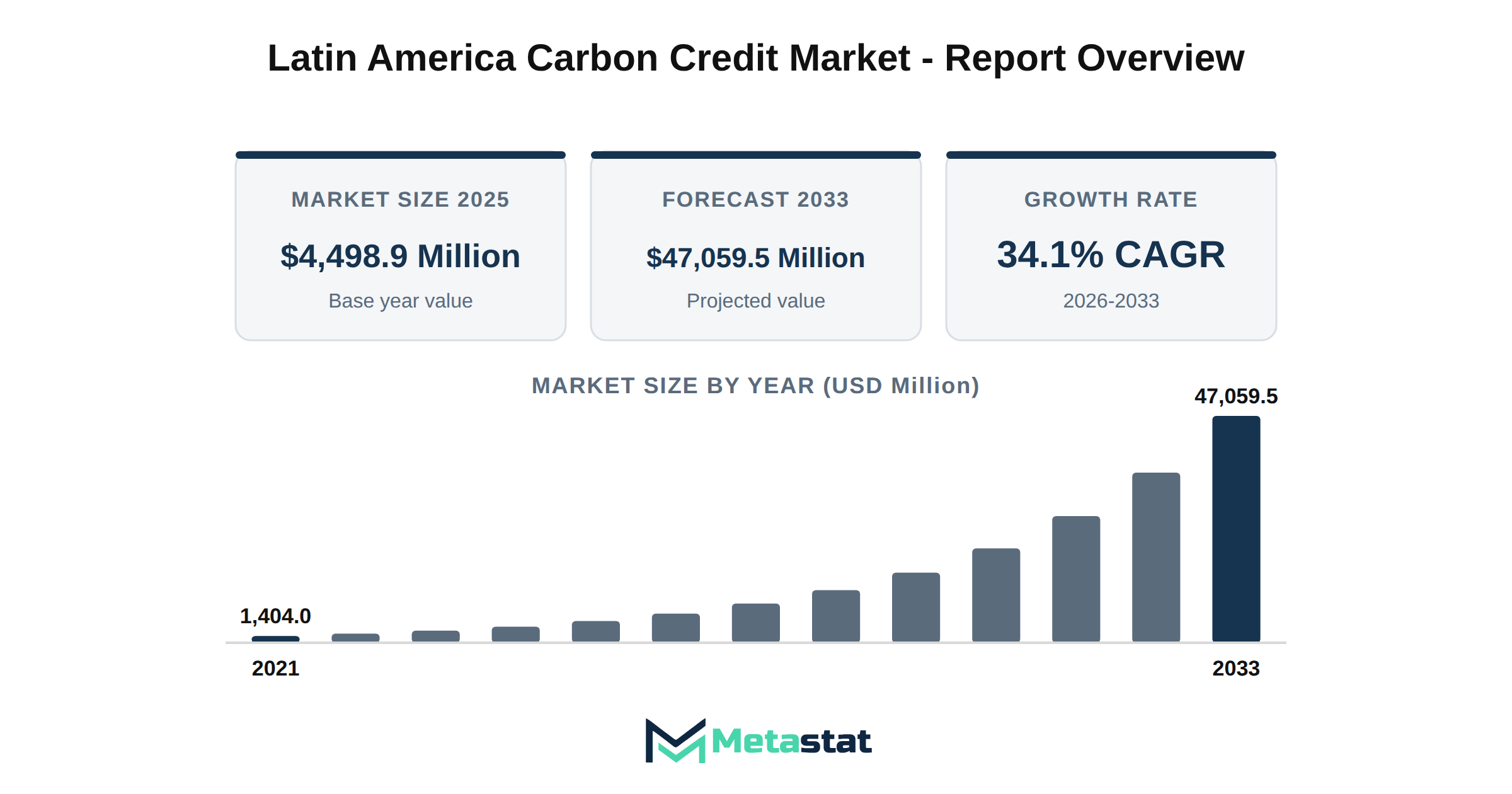
The Latin America Carbon Credit market reached a value of USD 4,498.9 million in 2025 and is projected to expand significantly, reaching USD 47,059.5 million by 2033. This growth corresponds to a compound annual growth rate (CAGR) of 34.1% during the forecast period. The market's expansion is driven by increasing awareness and adoption of carbon credit initiatives across various sectors.
Demand for carbon credits is expected to rise, primarily fueled by regulatory pressures and corporate sustainability goals. The voluntary carbon market forms 61.6% of the overall market, indicating substantial interest from companies aiming to offset emissions voluntarily. In contrast, the compliance carbon market represents a 38.4% share, reflecting the regulatory framework driving mandated emissions reductions.
Brazil emerges because a key player in the carbon credit landscape, with the market projected to grow from USD 2,427 million in 2026 to USD 19,849.7 million by 2033, achieving a CAGR of 35%. The implementation of the Sistema Brasileiro de Comercio de Emissões (SBCE) enhances the framework for carbon trading, promoting investments in carbon offset projects.
Colombia's carbon tax is influencing the demand for carbon credits, pushing companies to seek compliance solutions while driving growth in the market. The anticipated expansion in the carbon credit sector aligns with the government's efforts to incentivize sustainable practices and reduce greenhouse gas emissions.
Mexico's carbon market development focuses on establishing an emissions trading system, further contributing to the market's dynamics. This progress aligns with global trends in carbon regulation and positions Mexico because a significant player in the Latin America Carbon Credit market.
Peru's forest carbon projects, particularly those under the REDD+ framework, present opportunities for generating carbon credits while promoting sustainable forestry practices. The emphasis on protecting and restoring forests aligns with global efforts to combat climate change and enhances the potential for carbon credit generation.
The Latin America Carbon Credit market experiences significant growth driven by the increasing adoption of voluntary carbon markets. Companies across various sectors seek to enhance their sustainability profiles, leading to heightened demand for carbon credits. This trend aligns with the global movement towards corporate net-zero commitments, significantly influencing the market dynamics.
Brazil plays a key role in the market's expansion, propelled by the implementation of the Sistema Brasileiro de Certificação de Emissões (SBCE). This framework facilitates the tracking and trading of carbon credits, encouraging investment in renewable energy and forestry projects. The anticipated growth in Brazil's carbon credit market is expected to reach USD 19,849.7 million by 2033.
Colombia's carbon tax policy contributes to the growing demand for carbon credits, creating opportunities for project development in the compliance market. The evolving regulatory landscape encourages investment in sustainable practices, positioning Colombia because a significant player in the regional carbon market.
Mexico's carbon market development focuses on emissions trading progress, aiming to establish a comprehensive framework for carbon credit trading. This initiative enhances transparency and promotes participation from various industries, further driving market growth.
Peru's forest carbon projects, particularly under the REDD+ framework, offer substantial opportunities for carbon credit generation. These projects support biodiversity conservation and sustainable land management, providing a platform for additional revenue streams and environmental benefits.
Chile's carbon pricing mechanisms contribute to the compliance market's evolution, encouraging investments in low-carbon technologies. The regulatory environment promotes private sector participation, which will play a significant role in driving the market's growth.
Trends in carbon credit supply, issuance, and retirement reflect the increasing engagement of both voluntary and compliance markets. The implementation of Article 6 facilitates cross-border carbon trading opportunities, promoting regional collaboration in emissions reduction efforts.
Demand for high-integrity carbon credits drives innovation in methodologies and verification processes. Digitalization of carbon registries enhances credit traceability, ensuring transparency and strengthening market confidence.
Investment trends in forestry and carbon removal projects indicate a growing recognition of the importance of sustainable practices. Agriculture and soil carbon credit opportunities further diversify the market, aligning with global sustainability efforts.
The competitive landscape of carbon registries and project developers highlights a variety of players committed to delivering credible carbon credits. Indigenous and community-based carbon project development enriches the market, emphasizing social and environmental benefits.
Regulations addressing market integrity and greenwashing risks become increasingly relevant. Ensuring compliance with verification, additionality, and permanence requirements will be crucial for maintaining trust in the carbon credit market.
The future outlook for carbon credit trading and project development in Latin America remains optimistic, driven by regulatory support, increased corporate commitments, and innovative project financing mechanisms.
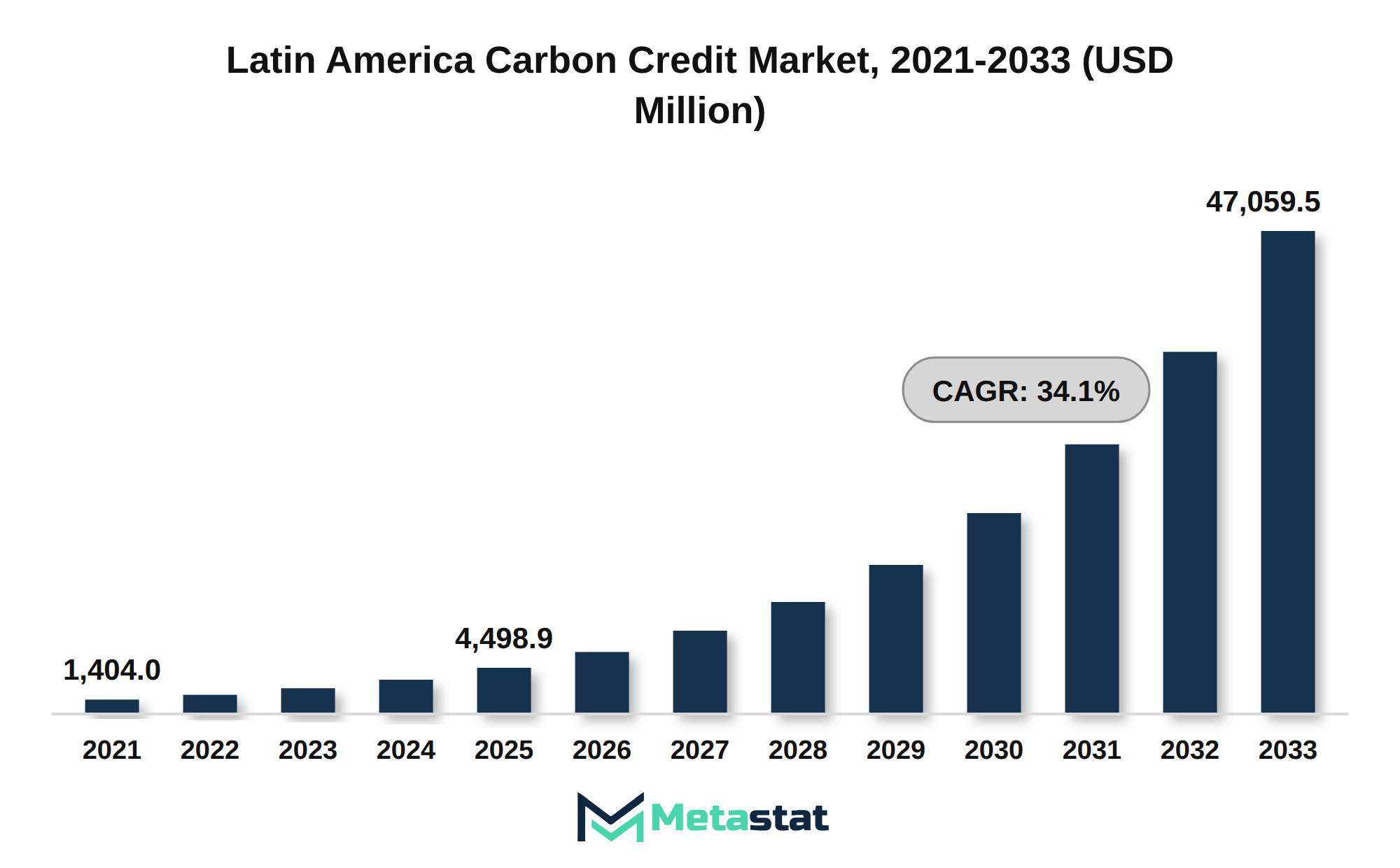
The Latin America Carbon Credit market experiences significant growth driven by emission limits established by various governmental frameworks. These limits compel industries to adopt carbon credit solutions, creating a competitive environment focused on sustainable practices. Organizations increasingly align their operations with these mandates to enhance compliance and reduce carbon footprints, offering a pathway for the transition from traditional practices to carbon-neutral strategies.
Investments in technology that facilitate the tracking and trading of carbon credits play a crucial role in this shift. Automation and software integration streamline processes, ensuring that companies efficiently monitor emissions and trade credits. This technological advancement supports industries in adapting quickly to changing market conditions, enhancing operational productivity and meeting regulatory requirements effectively.
The shift toward sustainability aligns with broader consumer expectations for ethical governance and resource stewardship. While consumers prioritize eco-friendly practices, businesses within the market respond by enhancing their environmental strategies and committing to transparency. This dynamic encourages a culture of accountability, driving growth through increased demand for carbon credits and sustainable practices across various sectors.
Ultimately, the relationship between emission limits and market-driven initiatives positions the Latin America Carbon Credit market for robust expansion. Companies that proactively engage with these requirements benefit from improved market access and strengthened brand loyalty, reinforcing a sustainable business model that meets both regulatory and consumer demands.
The Latin America Carbon Credit market benefits significantly from increasing capital investments in renewable energy initiatives. Financial commitments from public and private sectors contribute to the accelerated development of carbon credit projects, particularly in areas including forestry and land use, renewable energy, and waste management. These investments facilitate the transition toward sustainability and improve the market's capacity to generate carbon credits.
Growing awareness of environmental, social, and governance (ESG) principles influences corporate decision-making, leading to substantial financial backing for projects that align with sustainable practices. This trend manifests particularly in Brazil, where investment in renewable energy projects is projected to expand from USD 2,427.0 million in 2026 to USD 19,849.7 million by 2033. Such financial dynamics signal increasing market viability and attractiveness for stakeholders in the Latin America Carbon Credit market.
Technological integration and innovation further enhance renewable energy projects, improving operational efficiency and enabling the digitization of legacy processes. These advancements result in reduced overhead costs and improved productivity, thereby attracting investors seeking long-term value in the evolving market landscape. The emphasis on sustainability and resource stewardship continues to shape investment strategies, ensuring alignment with regulatory frameworks and shifting consumer behaviors.
Overall, the combination of capital investment in renewable initiatives and technological advancements positions the Latin America Carbon Credit market for sustained growth, creating opportunities for various stakeholders to benefit from a transitioning economy focused on sustainability and carbon footprint reduction.
The Latin America Carbon Credit market faces significant challenges due to compliance hurdles that restrict timely participation and operational efficiency. Regulatory frameworks, while essential for establishing a market environment, introduce complex compliance requirements that often overwhelm stakeholders. Small and medium-sized enterprises, in particular, experience difficulties navigating these regulations, leading to increased costs and delays in project initiation.
Macroeconomic headwinds, including inflationary pressures and capital stagnation, exacerbate the situation. Higher operational costs associated with compliance deter investments in carbon credit projects. These financial constraints limit the ability of companies to innovate and expand their carbon credit offerings, directly affecting the market's growth potential.
Infrastructure gaps contribute to the difficulties faced in the Latin America Carbon Credit market. Insufficient connectivity and deployment bottlenecks hinder access to essential resources and technologies. These issues create barriers for new market entrants aiming to establish their presence, stifling competition and limiting overall market potential.
Skilled labor deficiencies pose a substantial restraint. The market requires specialized knowledge to navigate compliance frameworks and implement carbon credit projects effectively. The lack of trained professionals leads to project delays and inefficiencies, impacting the market's ability to scale and meet rising demand for carbon credits.
The Latin America Carbon Credit market contends with various compliance-related challenges, macroeconomic pressures, infrastructure inadequacies, and labor shortages. These factors collectively inhibit growth and create hurdles for stakeholders aiming to enhance participation in the carbon credit ecosystem.
The Latin America Carbon Credit market faces challenges driven by geopolitical fragmentation, which creates uncertainty in trade agreements and investment flows. Trade deficits and tariff friction deter cross-border collaborations crucial for carbon credit initiatives. This fragmentation complicates coordination among countries in the region, hindering the establishment of standardized practices necessary for market efficiency.
Technological disruptions pose additional challenges, driven by rapid advancements in carbon management technologies that create a landscape where integration becomes complex. Companies experience interoperability friction when attempting to implement new technologies alongside existing systems. This friction delays operational efficiency and increases costs, impacting overall market growth.
Supply chain instability, exacerbated by global disruptions, limits the availability of necessary components and materials for carbon credit projects. Volatility in feedstock prices complicates financial planning, placing additional pressure on margins. Rising input cost structures challenge companies in maintaining competitive pricing, which directly influences market dynamics.
The Latin America Carbon Credit market encounters pressures from evolving legal liabilities and tightening regulatory standards. Compliance overhead diverts resources away from core operations, impacting strategic investments in long-term sustainability initiatives. Efforts to meet decarbonization mandates increase operational costs, complicating the financial landscape for market participants.
Inadequate infrastructure hinders scalability, creating barriers to implementing effective carbon management solutions. Retrofitting existing systems to meet new standards introduces significant costs and operational challenges. Gaps in workforce skills and talent retention pressures limit the capacity for innovation and adaptation within the market.
Increasing awareness of sustainability imperatives plays a critical role in driving demand within the Latin America Carbon Credit market. Businesses and consumers alike are prioritizing eco-friendly practices, which leads to a surge in demand for carbon credits driven by companies seeking to offset their emissions and demonstrate their commitment to environmental responsibility. This shift aligns closely with the evolving buying behaviors of consumers who prefer brands that align with their values regarding sustainability.
Infrastructure modernization across various sectors contributes significantly to market opportunities. Investments in advanced technologies facilitate more efficient carbon credit generation and tracking. This modernization enhances transparency and boosts consumer confidence in carbon credit transactions, thus accelerating market participation.
Geographical expansion remains vital for tapping into new markets and diversifying revenue streams. Emerging markets within Latin America present opportunities for companies to establish local operations, taking advantage of regional characteristics that support carbon credit projects. Companies extending their reach into these regions benefit from favorable conditions for project development, including abundant natural resources and supportive local communities.
Technological disruptions and digital transformation create pathways for innovation within the market. The adoption of blockchain technology for tracking carbon credits enhances the reliability and traceability of transactions. This innovation streamlines processes, reduces costs, and maximizes operational yields, further enticing participation from a broader range of stakeholders.
Strategic consolidation through cross-industry mergers enhances operational capabilities and creates synergies that drive growth. Collaborative efforts between companies focusing on sustainability increase the market's capacity to innovate and meet the rising demand for carbon credits. Such consolidations enable the sharing of resources, expertise, and technologies, ultimately strengthening market positioning.
Overall, the Latin America Carbon Credit market thrives on the interaction between emerging demands, technological advancements, and strategic partnerships. This environment promotes significant growth, aligning with the global shift towards sustainability and environmental accountability.
The Latin America Carbon Credit market is segmented based on Market Type, Project Type, End Use, and Region.
Valued at USD 3,676.7 million in 2026, the Voluntary Carbon Market segment is projected to reach USD 25,798 million by 2033, exhibiting a CAGR of 32.1% during the forecast period. Growing corporate commitments to sustainability and climate goals drive demand for voluntary carbon credits. Companies across various sectors increasingly seek to offset their emissions through purchasing these credits, thus enhancing their environmental credentials. The rise in investor interest in sustainability-focused projects further supports market expansion, with investors prioritizing companies demonstrating strong environmental, social, and governance (ESG) practices.
Technological advancements in carbon credit generation and tracking have improved the efficiency of the Voluntary Carbon Market. Innovative solutions in data management and blockchain technology help streamline the certification and trading processes, enhancing transparency and trust among market participants. These developments contribute to the growth of the Latin America Carbon Credit market, owing to their ability to enable quicker access to reliable carbon credits and encourage greater participation from diverse stakeholders.
The regulatory environment increasingly facilitates market growth, with governments and international organizations promoting voluntary carbon markets because a complement to compliance frameworks. New policies encourage companies to engage in voluntary offsetting initiatives, creating a favorable landscape for carbon credit transactions. The alignment of voluntary market activities with broader climate goals strengthens the role of the voluntary carbon market in achieving emissions reduction targets.
A diverse array of projects within the Voluntary Carbon Market enhances its attractiveness to buyers. Projects focusing on forestry and land use, renewable energy, and waste management provide various options for organizations seeking specific carbon offset solutions. This diversity not only meets varied buyer preferences but caters to segmented market demands, promoting deeper market penetration and participation.
Growth in the Compliance Carbon Market segment is driven by an increasing emphasis on regulatory compliance standards across various industries. Companies prioritize carbon credits to meet mandated emissions reduction targets, aligning with global climate agreements and national policies. This regulatory pressure creates strong demand for compliance credits, particularly from sectors including energy, manufacturing, and transportation. The segment is projected to experience substantial expansion, reaching USD 21,261.5 million by 2033, at a CAGR of 36.8% during the forecast period.
Technological advancements in carbon credit verification processes enhance stakeholder confidence and streamline access to compliance markets. Innovations in digital tracking and reporting enable accurate measurement of emissions reductions, building trust and participation among buyers and sellers. While companies invest in next-gen upgrades and sustainable practices, the adoption of compliance credits becomes integral to their operational strategies. This trend contributes to increased market penetration and competitive advantage within the Latin America Carbon Credit market.
Regulatory frameworks and certifications play an important role in shaping the market. Governments across Latin America implement policies that increase compliance requirements, leading to a surge in the demand for verified carbon credits. The growing focus on climate risk management and corporate sustainability drives organizations to invest in compliance carbon credits, further supporting the segment's growth trajectory.
Price volatility in the carbon credit market remains a critical consideration for stakeholders. Fluctuations in credit prices affect the cost structures of compliance projects, influencing investment decisions and operational margins. However, strong demand projections from regulated industries support a favorable outlook for pricing stability, reinforcing the segment's attractiveness for investors and carbon credit developers.
Overall, the Compliance Carbon Market segment reflects significant opportunities for expansion, driven by regulatory compliance and technological maturation. Stakeholders in the Latin America Carbon Credit market are positioned to leverage these trends to optimize their carbon management strategies and enhance their sustainability profiles.
Valued at USD 2,271.1 million in 2026, the Forestry & Land Use segment is projected to reach USD 15,614.3 million by 2033, at a CAGR of 31.7% during the forecast period. Significant demand for carbon credits stems from increasing investments in sustainable practices and reforestation projects, driven by regulatory frameworks and corporate sustainability goals. Heightened awareness surrounding climate change impacts fuels adoption among various sectors, particularly among companies aiming to enhance their environmental profiles.
Key expansion catalysts include technological advancements in carbon measurement and verification processes, which enhance the credibility of carbon credits sourced from forestry and land use initiatives. These innovations facilitate efficient monitoring of carbon sequestration, enabling stakeholders to better quantify their contributions to emissions reduction. The evolving framework of environmental regulations and compliance standards further drives investment in this segment, compelling organizations to participate actively in carbon markets.
Downstream applications of carbon credits from forestry projects encompass power generation and transportation, where emissions reduction strategies are critical. The shift towards renewable energy sources increases the demand for carbon offsets, particularly from land use practices that enhance carbon storage capabilities. Regulatory compliance standards necessitate that companies actively engage in offsetting their carbon footprints, heightening the appeal of forestry-related carbon credits.
Pricing volatility remains a notable consideration, influenced by fluctuating supply and demand dynamics within the carbon market. The Forestry & Land Use segment benefits from a well-established and growing market, with competitive pricing structures enabling market players to maintain margins during regulatory changes. Strategic opportunity windows emerge for organizations to capitalize on the increasing recognition of forestry's role in combating climate change, aligning investments with long-term sustainability objectives.
Significant growth in the Renewable Energy segment contributes to the expansion of the Latin America Carbon Credit market. Investments in renewable energy projects align with global sustainability goals and carbon reduction targets. This trend is driven by regulatory support, technological advancements, and heightened awareness of environmental issues among corporations and consumers. The segment is projected to reach USD 7,877.8 million by 2033, at a CAGR of 32.5% during the forecast period. Corporate demand for carbon credits, particularly from renewable energy initiatives, reflects a strategic move towards achieving net-zero emissions. Organizations adopt green energy practices, and the pressure to offset carbon footprints strengthens, resulting in increased participation in carbon credit markets.
Several countries in the Latin America region implement policies promoting renewable energy adoption, enhancing market conditions for carbon credits linked to these projects. Incentives for solar, wind, and other alternative energy sources contribute to project viability and operational efficiency. The market benefits from advancements in energy generation technologies, which facilitate greater production capacity and effectiveness. Rapid advancements in energy storage solutions and smart grid technologies enhance the appeal of renewable energy investments, leading to increased demand for carbon credits associated with these projects.
Continued focus on environmental sustainability increases interest in waste management solutions within the Latin America Carbon Credit market. The sector draws attention due to rising concerns regarding landfill waste and greenhouse gas emissions, compelling businesses and governments to seek efficient waste management practices. Innovations in waste processing technologies enhance the segment's attractiveness, offering better waste separation, recycling, and energy recovery options. Regulatory frameworks around waste management and carbon emissions drive compliance efforts among industries reliant on waste disposal. Tightening regulations prompt businesses to invest in carbon credit initiatives to offset emissions. This segment is projected to reach USD 4,461.2 million by 2033, reflecting strong growth potential driven by improvements in waste treatment technologies and increased demand for sustainable practices.
Market dynamics in the Agriculture & Livestock segment exhibit strong growth potential, with a projected CAGR of 35.6% during the forecast period. This expansion arises from increasing agricultural practices that prioritize sustainability and carbon reduction initiatives. Farmers and livestock producers recognize the economic benefits of participating in carbon credit programs, enabling them to earn revenue by implementing environmentally friendly practices.
The demand for carbon credits in this segment aligns with growing regulatory pressures and changing consumption patterns favoring sustainable agricultural methods. Enhanced awareness surrounding climate change impacts encourages producers to adopt practices that reduce their carbon footprint. Technological advancements in carbon capture and management further enhance the efficacy of these practices, making participation more attractive and feasible for stakeholders in the Latin America Carbon Credit market.
Investment in carbon credit projects within Agriculture & Livestock improves profitability and facilitates compliance with emerging environmental standards. In addition, the market benefits from favorable governmental policies and incentives aimed at promoting sustainability within the agricultural sector. Integrating carbon credits into farm management strategies provides significant opportunities for financial return, contributing to overall growth and adoption within this segment.
Growing emphasis on sustainability and regulatory compliance drives demand for carbon credits within the Industrial & Energy Efficiency segment. This segment benefits from increasing investments in energy-efficient technologies and practices aimed at reducing carbon emissions. Adoption of innovative solutions reflects the market's response to stricter regulations aimed at minimizing environmental impact.
Technological advancements play a significant role in enhancing operational efficiencies across various industries. Companies seek to implement energy-efficient practices, improving their competitive stance while contributing to sustainability goals. Downstream applications in sectors including manufacturing and construction highlight the necessity for effective carbon management strategies, aligning with broader environmental objectives.
Regulatory compliance standards continue to evolve, influencing purchasing decisions in the market. Certifications related to carbon credits establish credibility and ensure alignment with industry regulations. While organizations prioritize sustainability, the integration of carbon credit strategies into broader business initiatives becomes essential for maintaining market relevance.
Cost structures remain critical in shaping investment decisions within the segment. Organizations face pressure to balance sustainability initiatives with financial performance, prompting a focus on cost-effective solutions. This environment encourages innovation, driving the development of new technologies that support energy efficiency while delivering economic benefits.
The Latin America Carbon Credit market exhibits potential for substantial growth driven by stakeholders recognizing the strategic opportunities presented by energy efficiency initiatives. Companies committed to sustainable practices enhance their market position, leading to increased demand for carbon credits. Overall, the Industrial & Energy Efficiency segment contributes to the evolving nature of the Latin America Carbon Credit market, driving advancements that align with environmental and economic objectives.
Growing emphasis on sustainable transportation solutions significantly influences the Latin America Carbon Credit market. Increasing regulatory compliance standards alongside heightened consumer demand for lower carbon footprints drive adoption of carbon credit mechanisms within the transportation sector. The shift towards electric vehicles and alternative fuels presents opportunities for carbon offset projects, particularly in urban environments where emissions reduction is critical.
Technological maturation enhances the viability of carbon credits in transportation, with advancements in tracking emissions and verifying reductions becoming more sophisticated. The integration of next-generation upgrades, including smart fleet management and real-time emissions monitoring, supports effective carbon accounting practices, thereby supporting market growth. Public and private sector investments in infrastructure for low-emission vehicles further strengthen this segment's expansion.
Regulatory compliance standards continue to evolve, compelling transportation companies to integrate carbon credit purchases into their operational strategies. These regulations create a need for certifications that validate carbon offset projects, ensuring transparency and reliability in the market. While consumers exhibit a growing preference for environmentally responsible options, transportation providers increasingly seek to align with sustainability goals.
Pricing volatility linked to carbon credits influences financial planning within the transportation sector. Fluctuations in credit prices impact operational budgets, necessitating careful management of costs and margins. Strategic opportunity windows emerge because companies leverage carbon credits to enhance brand reputation and meet corporate sustainability targets, thus driving engagement in voluntary carbon markets.
Overall, the Transport segment within the Latin America Carbon Credit market reflects a dynamic relationship of regulatory, technological, and consumer-driven factors. This segment presents substantial opportunities for growth through innovative approaches to emissions reduction and sustainable practices.
Expansion of the Household & Community Energy sub-segment within the Latin America Carbon Credit market aligns with increasing demand for sustainable energy solutions. Growing awareness of climate change and its implications fuels adoption of carbon credits, enhancing environmental responsibility among households and communities. This trend reflects a shift toward green energy initiatives, leading to a substantial uptick in projects aimed at reducing carbon footprints.
Technological advancements play a significant role in this sub-segment's evolution, with innovations in energy efficiency and renewable energy systems enhancing overall effectiveness. Positive regulatory frameworks promote compliance, encouraging participation from various stakeholders. These regulations ensure that projects align with national and international climate goals, further driving engagement in the market.
Cost structures within the Household & Community Energy segment remain competitive, with investments directed toward optimizing resource allocation. Volatility in pricing dynamics, influenced by external factors including raw material availability, impacts project feasibility but reinforces the need for strategic planning. Organizations operating in this sub-segment focus on developing resilient supply chains to mitigate potential disruptions.
The push for certifications and compliance with industry standards enhances credibility, attracting more participants and ensuring transparency. This momentum supports a favorable investment outlook, providing strategic opportunities for growth within the Latin America Carbon Credit market. The intersection of regulatory compliance, technological maturation, and consumer demand positions the Household & Community Energy sub-segment for considerable advancement in the coming years.
Carbon capture and removal technologies represent an essential component of the Latin America Carbon Credit market, addressing the increasing need for effective greenhouse gas mitigation strategies. Demand for these technologies stems from heightened regulatory pressures and corporate commitments to sustainability goals. Organizations across various sectors actively seek solutions to offset emissions, aligning with national and international climate agreements.
Adoption of carbon capture and removal techniques experiences significant support from advancements in technological maturation. Innovations in this field enhance efficiency and reduce costs, making these solutions more accessible to a wider range of industries. Key sectors driving this growth include energy, manufacturing, and agriculture, where operational emissions reduction becomes increasingly crucial. Investments in research and development play a critical role in enabling next-generation upgrades, which further enhance the effectiveness of these technologies.
Market expansion correlates with evolving end-use dynamics, particularly in power generation and industrial applications. Businesses recognize the potential of integrating carbon capture systems into existing infrastructure to meet both compliance standards and consumer demand for sustainable practices. This shift reflects a broader trend towards consumption patterns that prioritize environmental responsibility, influencing purchasing decisions across multiple industries.
Strategic opportunity windows arise from government incentives and evolving policy landscapes that promote carbon capture initiatives. Certifications related to carbon reduction enhance market credibility, providing assurance to stakeholders and consumers regarding the environmental benefits of these technologies. In this context, the carbon capture and removal sector addresses immediate regulatory pressures and positions companies favorably in a competitive market increasingly focused on sustainability.
Focus on Blue Carbon, fugitive emissions, and industrial process abatement aligns with increasing global commitments to climate change mitigation. Strategies addressing these areas contribute to achieving carbon neutrality and enhancing ecosystem resilience. The market sees demand driven by regulatory frameworks emphasizing emissions reduction and sustainability. Innovative technologies supporting carbon capture and storage play a key role in advancing these projects, leading to a shift in traditional approaches to emissions management.
The integration of these projects into broader sustainability initiatives highlights their importance in corporate responsibility agendas. Companies investing in these areas experience enhanced reputations and compliance with stringent environmental regulations. Developments in carbon credit certification standards further support market growth, because they assure stakeholders of the credibility of emissions reductions and carbon offset strategies. Adoption of these practices demonstrates corporate alignment with emerging regulatory compliance standards, creating a robust market environment.
Investment in research and development enhances product evolution within this sub-segment, creating opportunities for technological advancements. Capital investments target innovative solutions that streamline project implementation and enhance operational efficiency. This strategic approach addresses the increasing pressure for transparency in carbon credit transactions, reinforcing the market's credibility. Market participants remain vigilant regarding cost structures and pricing volatility, ensuring sustainable margins while navigating evolving market dynamics.
Overall, the Latin America Carbon Credit market benefits from the growing emphasis on blue carbon, fugitive emissions, and industrial process abatement, positioning itself because a crucial player in the global effort to combat climate change. Continuous advancements and regulatory alignment support long-term viability, resulting in a promising outlook for this sub-segment.
Valued at USD 1,872.1 million in 2026, the Power Generation segment is projected to reach USD 13,468.4 million by 2033, at a CAGR of 32.6% during the forecast period. Increased investment in renewable energy technologies significantly drives demand within this segment. Governments across Latin America enforce stricter regulations aimed at reducing carbon emissions, encouraging power generation companies to adopt carbon credit strategies to comply with these policies.
Technological advancements in energy production, particularly in solar and wind energy, improve the efficiency of carbon credits associated with power generation. These developments create opportunities for companies to enhance their environmental impact while maintaining competitiveness in the market. The shift towards cleaner energy sources influences consumer preferences, leading to heightened engagement in carbon credit transactions.
Continued expansion of the renewable energy infrastructure supports the growth of the carbon credit market. Developers active in power generation leverage carbon credits because financial instruments to offset operational costs and attract investments. The Latin America Carbon Credit market benefits from this collaboration, leading to increased capacity and improved sustainability profiles for energy producers.
A focus on energy efficiency and lower emissions further increases the significance of carbon credits in the power generation context. By integrating carbon credit strategies into their operations, companies strengthen their market positioning while contributing to national and regional sustainability goals. This segment remains a key area of growth within the broader carbon credit framework in Latin America.
Transportation represents a critical area within the Latin America Carbon Credit market, driven by a heightened focus on reducing greenhouse gas emissions and enhancing sustainability in mobility. Increasing regulatory pressure on transportation sectors to comply with emissions targets contributes to the segment's growth trajectory. Investments in electric vehicles and alternative fuels promote advancements in technology and infrastructure, creating a conducive environment for carbon credit generation. This segment is projected to reach USD 7,280.1 million by 2033, growing at a compound annual growth rate (CAGR) of 34.7% during the forecast period.
Shifts in consumer behavior towards eco-friendly transportation options further enhance the segment's expansion. Efforts to decarbonize public transport and freight systems play a significant role in driving demand for carbon credits. Strategic opportunities arise from partnerships between private and public entities focused on sustainable transport solutions, streamlining processes for carbon credit creation. The alignment of market participants with global sustainability goals enhances the appeal of carbon credits in the transportation sector.
Increasing regulatory pressure on carbon emissions in the aviation sector drives demand for carbon credits in the Latin America Carbon Credit market. Airlines and related businesses face rising expectations for sustainability, resulting in a stronger focus on reducing their carbon footprints. Investment in sustainable aviation fuels and other technologies contributes to this shift, creating a demand for carbon credits that help offset emissions.
Valued at USD 6,677.7 million by 2033, the aviation segment is essential in the overall carbon credit ecosystem. The incorporation of innovative technologies, including carbon capture and storage, supports the industry's growth. The adoption of voluntary carbon credits by airlines demonstrates commitment to sustainability, enhancing brand reputation and attracting environmentally conscious consumers.
Regulatory compliance standards increasingly influence operational strategies within the aviation sector. Airlines navigate complex frameworks for emissions reductions, incentivizing participation in carbon credit markets. This dynamic positions the aviation segment for robust expansion in the coming years, contributing significantly to overall market growth.
Strategic partnerships with carbon credit providers enhance market participation, allowing aviation companies to effectively manage their carbon liabilities. This collaboration creates opportunities for investment in innovative solutions that align with sustainability goals, ultimately driving the segment's evolution. The intersection of regulatory pressures and consumer demand creates a favorable environment for the aviation segment within the Latin America Carbon Credit market.
Projected growth in the Industrial segment reflects a compound annual growth rate (CAGR) of 35% during the forecast period. Strong demand for carbon credits within this segment arises from increased regulatory pressures and a growing need for industries to meet sustainability targets. Industries focused on reducing carbon footprints engage with carbon credit systems to comply with environmental regulations, enhancing operational sustainability.
Investment in cleaner technologies and processes drives the adoption of carbon credits, allowing industries to offset emissions effectively. The Latin America Carbon Credit market sees increased activity because companies prioritize carbon neutrality initiatives, driven by government policies promoting sustainable practices. This strategic alignment facilitates a shift towards more environmentally friendly industrial operations.
Growth in the Industrial segment encompasses various sectors, including manufacturing, heavy industries, and energy production, all seeking to mitigate environmental impacts. Companies investing in carbon management strategies experience improved regulatory compliance and potential financial benefits through carbon credit trading. Overall, the Industrial segment significantly contributes to the expansion of the Latin America Carbon Credit market.
Increased awareness of energy efficiency in buildings drives interest in carbon credits within this end-use segment. Regulatory compliance requirements and sustainability initiatives influence adoption, pushing stakeholders to evaluate their carbon footprints and seek verified credits to mitigate emissions. Various industries, including construction and real estate, recognize the financial and environmental benefits of integrating carbon credits into their operational frameworks.
Technological advancements facilitate the development of energy-efficient building materials and sustainable practices. Innovations in construction techniques, including modular design and smart technologies, enhance the overall performance of buildings while reducing carbon emissions. Continued investment in next-generation upgrades and retrofitting of existing structures promotes further engagement with the market.
Emerging certifications and compliance standards related to building sustainability create a favorable environment for carbon credit utilization. The market anticipates shifts in consumption patterns driven by stakeholders increasingly prioritizing energy-efficient solutions. This trend provides strategic opportunity windows for companies operating within the Latin America Carbon Credit market, particularly those focusing on the buildings segment.
Cost structures and pricing volatility in the construction industry influence the integration of carbon credits. Stakeholders assess the long-term value of investing in sustainability initiatives against upfront costs. Growing competition among suppliers for raw materials and technologies prompts a reassessment of sourcing and procurement strategies. Firms explore disruptive alternatives that align with sustainability goals.
Supply chain resilience emerges because a vital consideration in the buildings segment. Effective logistics and material sourcing strategies help mitigate vulnerabilities and ensure consistency in project delivery. Stakeholders strategically navigate challenges, positioning themselves for growth in a dynamic market. Overall, the focus on sustainable buildings and carbon credit integration enhances the potential for significant growth within the Latin America Carbon Credit market.
Increased focus on commercial activities, agriculture, and waste management demands innovative approaches to carbon emissions. This segment features diverse applications of carbon credit solutions, driven by evolving consumer preferences and heightened regulatory scrutiny. Regulatory compliance standards significantly shape operational strategies, pushing organizations to adopt sustainable practices.
Technological maturation in the carbon credit market supports the effective integration of carbon management systems across various sectors. Companies explore next-generation upgrades that enhance their environmental footprints, while innovations in carbon capture technologies strengthen competitive positioning. Product evolution aligns with changing market needs, enhancing the appeal of carbon credit solutions to a broader audience.
Downstream application of carbon credits within commercial environments, agriculture, and waste management promotes sustainability initiatives. Consumption shifts among consumers toward greener alternatives heighten engagement with carbon credit offerings, presenting strategic opportunity windows for market participants. These dynamics fuel segment expansion, encouraging investments aimed at developing comprehensive solutions tailored to diverse end-user requirements.
Stakeholders navigate a context characterized by pricing volatility and margin pressures, particularly in the context of fluctuating demand for carbon credits. Supply chain resilience becomes crucial for maintaining operational effectiveness amid these challenges. Strategic investments in raw material sourcing and logistics enhance the ability to respond to disruptive alternatives and technological obsolescence, ensuring sustained growth within the market.
The Latin America Carbon Credit market reflects a commitment to advancing sustainable practices in various industries, with the "Others" segment representing a vital area of focus. Organizations operating in commercial, agricultural, and waste management sectors recognize the importance of integrating carbon credits into their sustainability strategies, contributing to overall market dynamics.
Valued at USD 2,427 million in 2026, the Brazil segment is projected to reach USD 19,849.7 million by 2033, at a CAGR of 35% during the forecast period. The expansion reflects a strong focus on regulatory compliance and an increasing demand for carbon credits driven by sustainability initiatives. Industries operating in Brazil, including agriculture, energy, and manufacturing, actively pursue carbon credit opportunities to meet emissions reduction targets and enhance environmental performance.
This segment benefits from a combination of technological maturation and strategic investments in carbon capture and storage projects. The ongoing development of infrastructure for renewable energy sources, including wind and solar, contributes to the overall growth in the Brazil segment, aligning with global trends toward cleaner energy solutions. Enhanced certification processes ensure transparency and reliability in carbon credit transactions, further building trust among market participants.
In the context of the Latin America Carbon Credit market, Brazil's significant contributions stem from its vast natural resources and commitment to forestry and land use projects. These initiatives generate carbon credits while supporting biodiversity and sustainable land management practices. The relationship between domestic and international regulations surrounding carbon emissions creates strategic opportunities for local enterprises to participate in voluntary and compliance carbon markets.
Overall, the Brazil segment exemplifies a dynamic environment where demand drivers, regulatory frameworks, and technological advancements converge to establish a robust carbon credit landscape. Sustained growth in this sector presents significant potential for both existing and new market entrants, highlighting the importance of capital investment and innovation in advancing sustainable practices.
Valued at USD 6,550.7 million by 2033, the Peru segment demonstrates strong growth potential within the Latin America Carbon Credit market, with a compound annual growth rate (CAGR) of 33.1% during the forecast period. Increased investments in environmental sustainability initiatives across multiple sectors fuel demand for carbon credits in the region. The alignment of local policies with international climate agreements enhances compliance efforts among businesses, promoting further adoption of carbon credit solutions.
End-use dynamics in Peru present significant opportunities within power generation, transportation, and industrial applications, where companies seek to mitigate carbon footprints. Investments in renewable energy projects including solar and wind provide a robust foundation for carbon credit generation, promoting sector expansion. Concurrently, regulatory compliance standards mandate stricter emissions controls, encouraging companies to engage with carbon credit markets actively.
Emphasis on forestry and land use projects offers another avenue for growth, driven by these initiatives that support ecosystem conservation while generating carbon credits. The relationship between governmental policies and private sector engagement shapes a favorable environment for investment in sustainable practices. Overall, the Peru segment exemplifies a strategic opportunity window aligned with global sustainability goals, positioning itself because a key player in the evolving market of the Latin America Carbon Credit sector.
Colombia is poised for significant growth in the Latin America Carbon Credit market, with expectations of reaching USD 6,903.6 million by 2033. Key demand drivers include increasing regulatory pressure on carbon emissions and heightened awareness of climate change implications among corporations and consumers. Adoption rates of carbon credits are influenced by commitments to sustainability from various sectors, including energy, agriculture, and manufacturing, which prioritize reducing their carbon footprints.
Segment expansion in Colombia is supported by advancements in carbon accounting technologies and the establishment of compliance frameworks that encourage participation in carbon markets. The evolving regulatory landscape builds confidence among investors and businesses, leading to increased participation in voluntary and compliance markets. These dynamics contribute to the anticipated compound annual growth rate of 35% for this segment.
The market environment benefits from an increase in partnerships between local firms and international organizations focused on carbon credit generation and trading. Enhanced collaboration boosts access to resources and expertise, enabling project development across diverse sectors. Continued focus on renewable energy projects and sustainable land use practices will further strengthen Colombia's position within the market.
Investment in carbon credit projects will expand owing to private entities and government initiatives aligning towards achieving net-zero goals. Regulatory compliance standards and market mechanisms will continue to shape the demand and supply dynamics, making Colombia a critical player in the broader Latin America Carbon Credit market.
Chile presents a dynamic opportunity within the Latin America Carbon Credit market. The segment is projected to grow at a CAGR of 35% during the forecast period. This growth stems from increasing recognition of the importance of reducing carbon emissions and enhancing sustainability within various industries. The Chilean government has established regulations that encourage investment in carbon credit projects, further stimulating market activity.
Forestry and land use projects will significantly contribute to the segment's growth, driven by a focus on reforestation and sustainable land management practices. This aligns with global efforts to combat climate change and preserve biodiversity. Renewable energy initiatives, particularly in solar and wind, will play a crucial role in the expansion of the carbon credit market in Chile, supported by rising investments in clean energy.
Demand for carbon credits in Chile influences pricing dynamics, with competitive pressures emerging from both voluntary and compliance markets. These factors create an environment where various sectors, including agriculture and transportation, strive to adopt carbon-neutral practices. The Chile segment's growth reflects a broader trend in the Latin America Carbon Credit market, highlighting the importance of strategic investments and technological advancements in achieving sustainability goals.
Argentina holds significant potential within the Latin America Carbon Credit market. A strong emphasis on regulatory compliance standards fuels demand for carbon credits, driven by companies striving to align with international guidelines. The government has implemented various policies aimed at reducing emissions, further driving market dynamics. Adoption of carbon credit systems across multiple industries, particularly agriculture and energy, significantly influences the segment's growth trajectory.
Strategic opportunity windows arise through technological maturation and next-gen upgrades. Investment in innovative carbon capture and storage technologies enhances market attractiveness, while product evolution in carbon credit offerings supports industry expansion. End-use dynamics reflect a growing awareness of sustainability among consumers and businesses alike, propelling shifts in consumption patterns toward greener alternatives.
Pricing volatility and margin pressures present challenges for stakeholders in the Argentine market. Fluctuating demand for carbon credits impacts financial stability among suppliers. A resilient supply chain and robust raw material sourcing strategies mitigate risks associated with market fluctuations. The Argentina segment represents an integral part of the Latin America Carbon Credit market, contributing to regional growth and sustainability efforts.
Investment in the Rest of Latin America segment reflects a growing commitment to environmental sustainability and carbon footprint reduction across various industries. Regulatory frameworks across countries in this region demand compliance with emissions standards, prompting organizations to explore carbon credit options. The market benefits from advancements in carbon offset technologies and increased awareness of climate change impacts on ecosystems and communities.
Regional players and new entrants actively seek strategic partnerships and collaborations to enhance market penetration and service offerings. Adoption of innovative carbon accounting methodologies strengthens the credibility of carbon credits, encouraging additional investment in sustainable projects. Increased focus on infrastructure development and renewable energy initiatives supports the expansion of the Latin America Carbon Credit market.
Market dynamics indicate demand shifts towards agricultural practices and sustainable land use, addressing both environmental concerns and economic viability. While these sectors gain prominence, opportunities arise for diverse project types, including forestry, renewable energy, and waste management. Efforts to enhance carbon credit verification processes contribute to market integrity and long-term growth prospects.
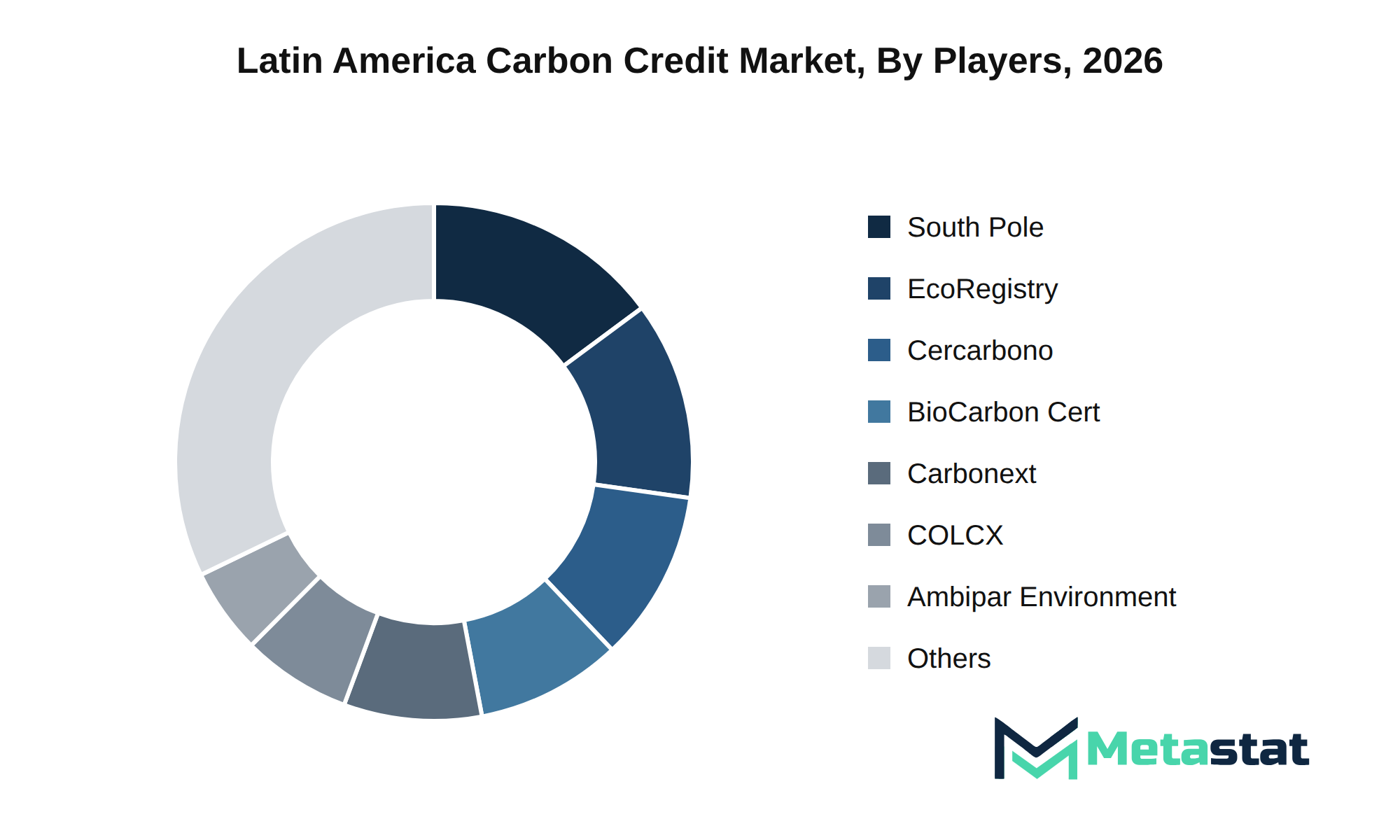
The Latin America Carbon Credit market features a diverse array of players engaged in strategic consolidation and partnerships to enhance their market positioning. Companies including EcoRegistry, Cercarbono, and BioCarbon Cert have forged alliances aimed at expanding their service offerings and improving their competitive edge. This collaboration drives innovation and diversification of projects, including forestry and land use, renewable energy, and waste management.
Pricing architecture remains a focal point for many companies within the market. Organizations like South Pole and Carbonext adopt value-based pricing strategies to capture segments including compliance and voluntary carbon markets. This strategic approach enables them to remain competitive during evolving market dynamics.
Barriers to entry present challenges for new entrants in the carbon credit space. Established players leverage their brand equity and customer retention strategies to maintain market share. The presence of significant incumbents, including Ambipar Environment and Sustainable Carbon Group, heightens the competitive atmosphere, impacting pricing and service delivery across the market.
Technological defensibility influences the competitive outlook for the Latin America Carbon Credit market. Companies including Tero Carbon Avaliações e Certificações S.A. and ClimateTrade invest in proprietary technologies and intellectual property to strengthen their market positions. These investments enhance operational capabilities and create technological moats that deter potential entrants.
Market size is forecast to rise from USD 4,498.9 million in 2025 to over USD 47,059.5 million by 2033. The base case projects a compound annual growth rate (CAGR) of 34.1%. A bullish scenario could see demand driven by accelerated regulatory compliance and heightened awareness of sustainability, leading to faster adoption of carbon credit solutions. Conversely, a bearish outlook could arise from potential economic downturns or regulatory setbacks, slowing overall market growth.
Downstream demand changes will significantly influence the Latin America Carbon Credit market. Industries including power generation, transportation, and agriculture increasingly prioritize carbon neutrality, driven by consumer demand and regulatory pressures. The maturation of core industries enhances the focus on carbon credit utilization, creating a more competitive landscape.
Next-generation technology integration shapes market dynamics. Innovations in carbon capture and renewable energy solutions are expected to streamline processes and create new revenue streams. R&D commercialization timelines will impact how swiftly these technologies reach market viability, affecting overall adoption rates.
Regulatory evolution will contribute substantially to growth. Imminent compliance milestones and policy enforcement horizons create urgency within industries to invest in carbon credits. Strategic capital allocation directives will direct resources toward sustainable practices, enhancing market stability and encouraging investment in infrastructure commitments.
Emerging white-space opportunities present avenues for growth, addressing unmet enterprise needs across various sectors. High-growth pockets within the Latin America Carbon Credit market include regions like Brazil and Peru, where significant investments in sustainable projects are underway. Executive-level strategic imperatives drive organizations to adapt to evolving market conditions, ensuring long-term competitiveness and resilience.
The report strategically identifies and profiles the key market players and analyses their core competencies in each sub-segment of the Carbon Credit market.
Report Attributes | Details |
Study Period | 2021-2033 |
Base Year | 2025 |
Estimated Year | 2026 |
Forecast Period | 2026-2033 |
Historical Period | 2021-2025 |
Growth Rate | CAGR 34.1% from 2026 to 2033 |
Revenue Unit | USD million |
Segmentation | By Market Type, Project Type, End Use, Region, and Region |
Find answers to common questions about this report
The Latin America Carbon Credit market size was valued at USD 4,498.9 million in 2025.
The Carbon Credit market is projected to grow at a CAGR of 34.1% during the forecast period from 2026 to 2033.
The Voluntary Carbon Market leads the Latin America Carbon Credit market, with a projected value of USD 25,798 million by 2033, compared to the Compliance Carbon Market's projected value of USD 21,261.5 million in the same year.
Key drivers for the Latin America Carbon Credit market include emission limits established by governmental frameworks, compelling industries to adopt carbon credit solutions, and increasing capital investments in renewable energy initiatives. These factors create a competitive environment focused on sustainability and enhance market viability through technological advancements and consumer demand for ethical practices.
The Latin America Carbon Credit market faces challenges from complex compliance requirements, macroeconomic pressures, infrastructure inadequacies, and skilled labor shortages. These factors inhibit growth, increase costs, and limit the ability of companies to innovate and expand their carbon credit offerings, ultimately affecting market potential.
The Latin America Carbon Credit market experiences increased product adoption due to emission limits established by governmental frameworks, which drive industries to align operations with sustainability mandates. Investments in technology that facilitate tracking and trading of carbon credits further enhance operational efficiency, enabling companies to adapt to changing market conditions and meet regulatory requirements effectively.
The Carbon Credit market is estimated to reach a valuation of USD 47,059.5 million by 2033.
Key players in the Latin America Carbon Credit market include EcoRegistry, Cercarbono, BioCarbon Cert, COLCX, South Pole, and Carbonext.
Brazil holds the largest share in the Latin America Carbon Credit market, reflecting its extensive Amazon rainforest resources and established regulatory frameworks.
The Compliance Carbon Market is projected to reach USD 21,261.5 million by 2033, driven by increasing regulatory demand.
The analysts below cover Banking & Finance research at Metastat Insights.
LEAD ANALYST
Utkarsh Khirodkar is a Lead Market Research Analyst at MetaStat Insight, specializing in market intelligence, technology sector assessments, and competitive strategy.

PRINCIPAL CONSULTANT - ENTERPRISE AI & EMERGING TECHNOLOGIES
Banking & Finance · Electronics and Semiconductor · Energy and Power · Healthcare IT · Information & Technology · Professional Services
Vijay Gunti is a Principal Consultant at MetaStat Insight, bringing over two decades of experience across enterprise digital transformation, technology strategy, and intelligent systems.
Integrating zero-trust access controls across legacy electronic health record systems involves complex compliance overhead. Team produced an analysis that clearly separated identity governance and administration tools from privileged access management platforms. Their evaluation of HIPAA and GDPR compliance features across cloud native solutions gave our architecture group clear baseline criteria. The custom data request regarding biometric authentication adoption in hospital networks was returned promptly with clear documentation.
Evaluating calorific value requirements and air permit compliance across municipal waste facilities requires localized data. Metastat Insight structured their analysis around operational throughput capacity and feedstock composition variations in Latin America and Eastern Europe. Their competitive mapping of sorting equipment vendors helped clarify technology differences between optical separators and heavy media systems. The study provided an objective baseline during our capital expenditure reviews.
Decarbonizing industrial thermal processes hinges on refrigerant regulations and compressor efficiency limits. Metastat Insights delivered a thorough market analysis that evaluated natural refrigerants like CO2 and hydrocarbons against synthetic low-GWP alternatives. The breakdown of utility incentives and grid capacity constraints across key European manufacturing hubs offered valuable perspective. The follow-up conversation with their sector analysts addressed our specific questions on mechanical vapor recompression systems efficiently.
Explore related market intelligence reports worth reading alongside this one.