
LEAD ANALYST
Utkarsh Khirodkar is a Lead Market Research Analyst at MetaStat Insight, specializing in market intelligence, technology sector assessments, and competitive strategy.

Global Litigation Funding Market Size, Share, By Dispute Type (Commercial Disputes and Consumer / Personal Claims), By Funding Stage (Pre-Litigation Funding, Active Litigation Funding, and Post-Litigation Funding), By Funding Structure (Percentage of Recovery, Fixed Fee, and Hybrid / Combination Structures), By End Use (Individual Plaintiffs, Law Firms, Corporates, and Insolvency Practitioners and Trustees), Industry Analysis, Growth, Trends, and Forecast, 2026-2033
Report ID
MSI-5246
Published
September, 2026
Updated
Pages
271 Pages
Format
Historical
Base year
Forecast
Forecast period
Report Details
Market Valuation: Valued at $16.6 Billion in 2025, projected to reach $26.9 Billion by 2033 at a 6.2% CAGR.
Dominant Segment: The Commercial Disputes segment leads the market, projected to grow from USD 12.3 billion in 2026 to USD 18.3 billion by 2033, driven by increasing corporate litigation and rising dispute complexities.
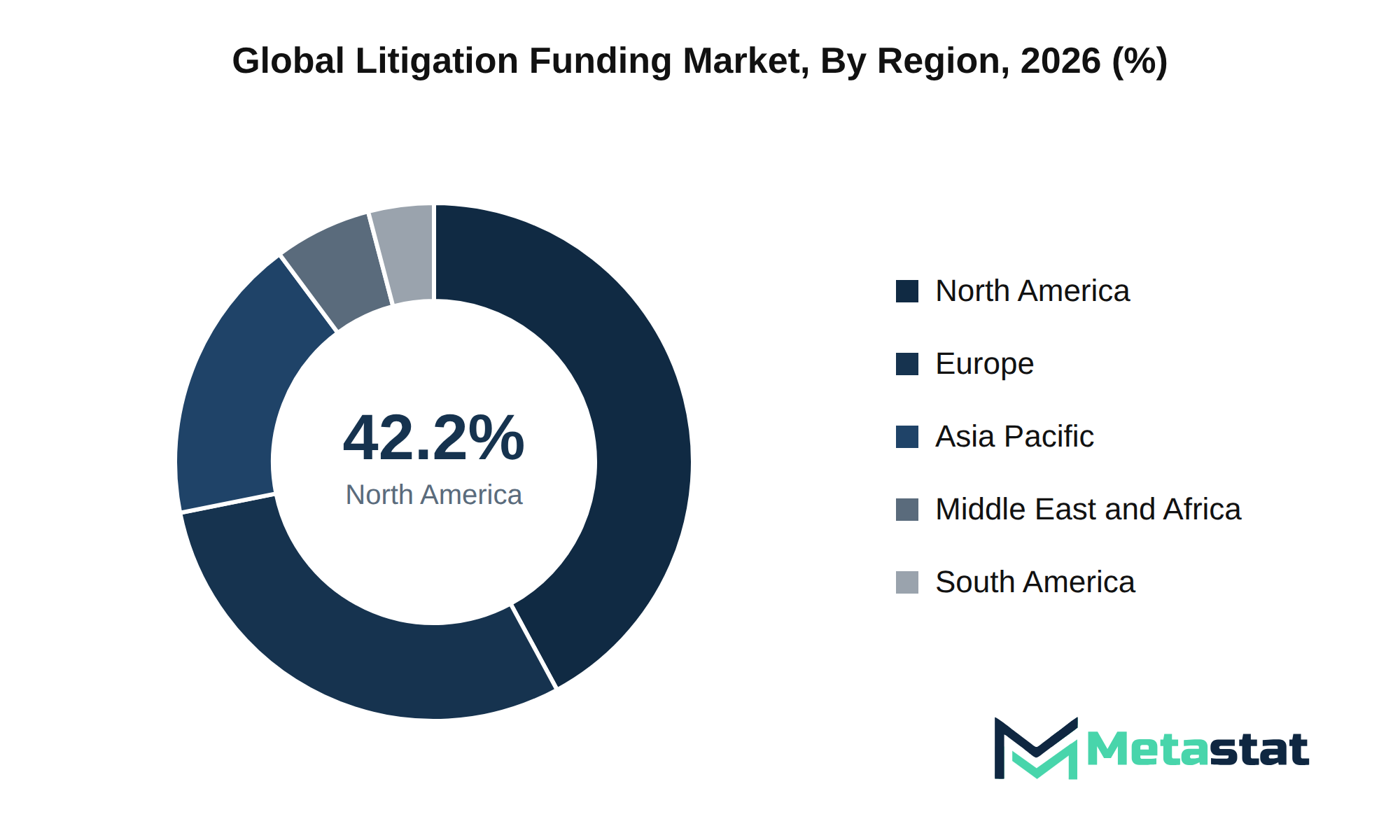
Geographic Lead: North America is the leading region, accounting for 42.2% of the global market in 2025, with growth fueled by established legal frameworks and a rising acceptance of alternative financing solutions.
What's Inside: The report provides a comprehensive analysis of the competitive landscape, market segmentation by dispute type, funding stage, funding structure, and end use, along with detailed forecasts through 2033.
Investment in Digital Transformation: Investment in digital transformation is enhancing operational efficiency in the market, with firms adopting advanced technologies to improve case assessments and client engagement.
Regulatory Compliance Challenges: The market faces significant challenges from regulatory compliance, which complicates funding processes and requires firms to allocate resources towards meeting varied legal mandates.
Choose Your License
Global Litigation Funding Market
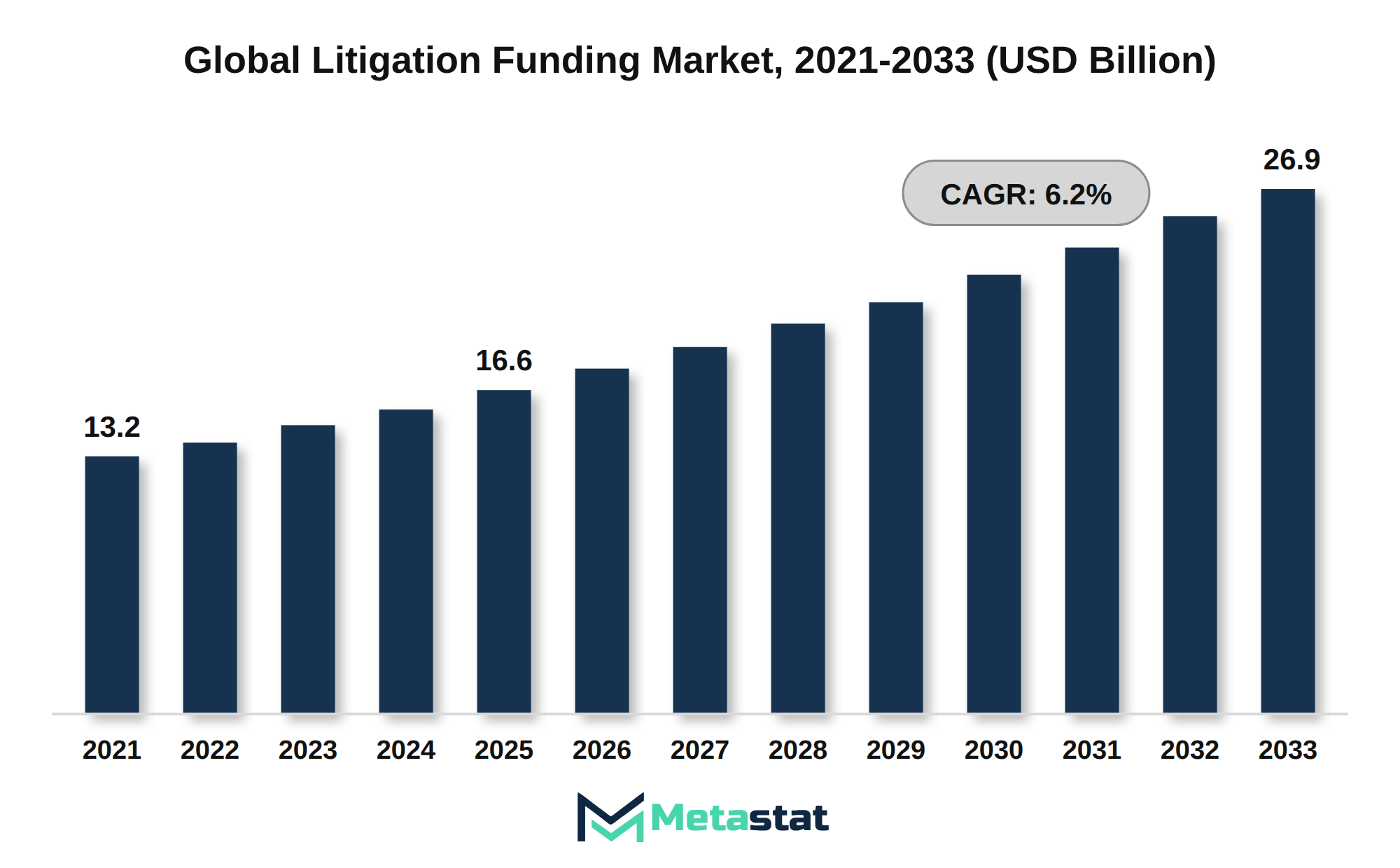
The global Litigation Funding market was valued at USD 16.6 billion in 2025 and is projected to reach USD 26.9 billion by 2033, growing at a CAGR of 6.2% over the forecast period.
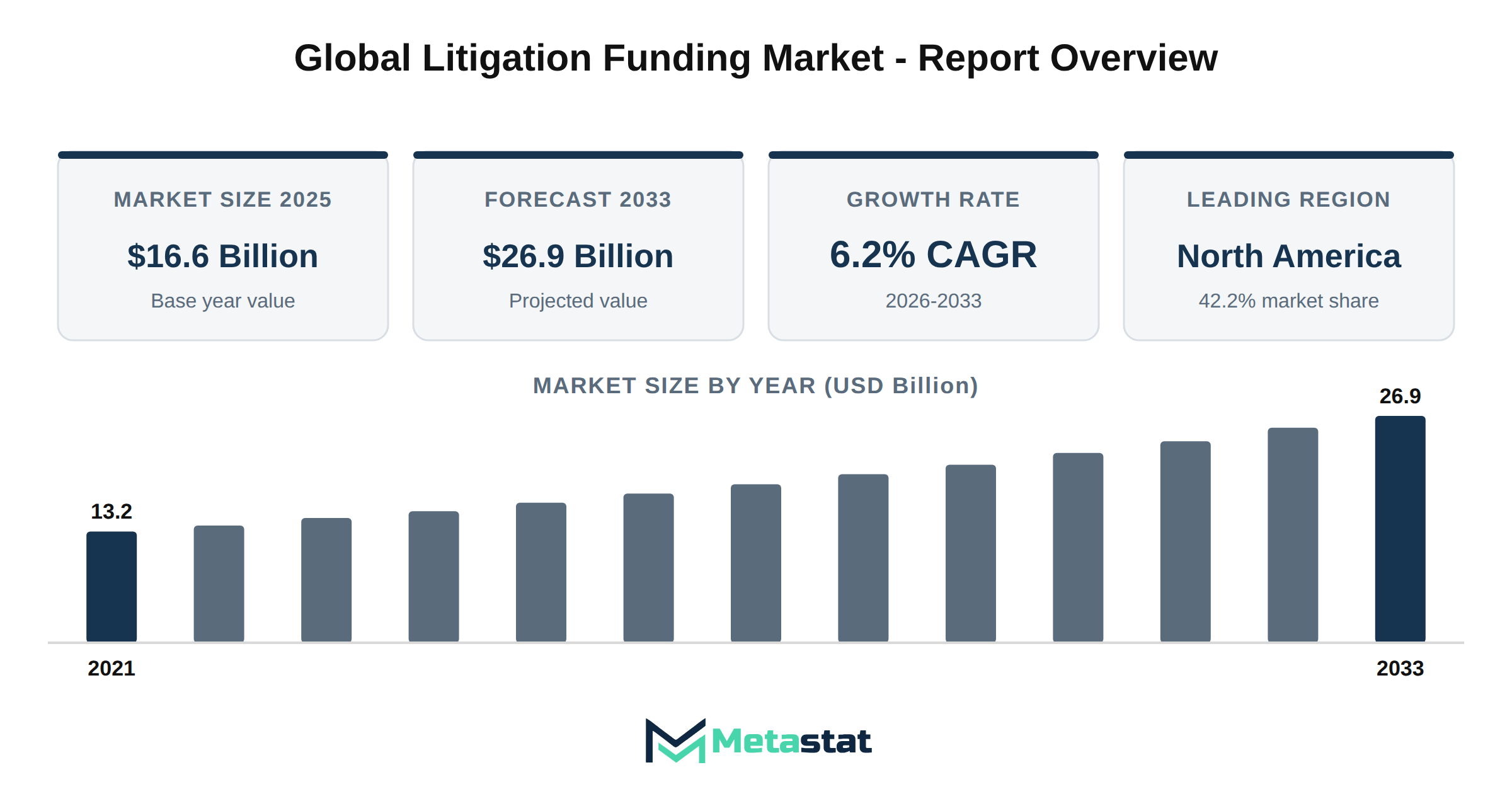
The Litigation Funding market reached a valuation of USD 16.6 billion in 2025, with expectations for growth to USD 26.9 billion by 2033, reflecting a compound annual growth rate (CAGR) of 6.2%. This market expansion stems from increasing demand for alternative financing solutions in legal disputes, particularly among corporations and individual plaintiffs seeking to mitigate financial risks associated with litigation.
Regulatory frameworks governing litigation funding vary significantly across jurisdictions, impacting funder pricing and return structures. Regions with established regulations exhibit more robust funding activity, because these frameworks provide clarity and security for both funders and clients. The differences in regulations contribute to varying pricing models and risk assessments, influencing how capital is deployed in the market.
Case underwriting and due diligence criteria are critical components in the litigation funding process. Funders assess the merits of cases, evaluating legal strategies and potential outcomes to determine funding amounts and terms. This rigorous assessment mitigates risks associated with adverse judgments, thereby influencing overall market dynamics.
After-the-Event (ATE) insurance and adverse-cost protection products enhance the appeal of litigation funding. These mechanisms provide additional security for funders and clients, reducing the financial burden in the event of an unfavorable outcome. The integration of ATE insurance within funding agreements enhances market confidence, encouraging more participants to engage in litigation funding arrangements.
Trends in capital deployment indicate a shift towards funding structures that optimize returns for investors. The market shows an increasing preference for hybrid structures that combine elements of fixed-fee arrangements with percentage recovery models. This trend reflects a strategic approach to balancing risk and reward, aligning the interests of funders and clients in the litigation funding market.
Cross-border enforcement risk remains a significant consideration in the litigation funding landscape. Funders navigate complex legal environments when pursuing claims across different jurisdictions, complicating recovery processes. This complexity impacts funder strategies, influencing investment decisions and the overall allocation of capital within the market.
The Litigation Funding market exhibits a diverse regulatory environment, influenced by jurisdictional variations. Different regions adopt distinct frameworks that govern funding practices, impacting how funders operate and the legal protections available for litigants. Compliance with local regulations shapes the strategic decisions of funding firms, influencing their pricing structures and the overall accessibility of funding options.
Pricing structures in the market reflect the risk and return expectations of funders. Common models include percentage of recovery and fixed fee arrangements, each catering to specific case types and client needs. The competitive pricing landscape drives funders to develop innovative structures that align with client objectives while ensuring profitable returns.
Underwriting practices and due diligence criteria play critical roles in the selection of cases for funding. Funders assess the merits and potential outcomes of cases carefully, considering factors including legal strength and the credibility of claimants. Rigorous evaluation processes enhance the likelihood of favorable outcomes, benefiting both clients and funders.
After-the-event (ATE) insurance provides an additional layer of protection for litigants, covering adverse costs that arise during litigation. This insurance mitigates financial risks, encouraging more individuals to pursue legitimate claims without the burden of unexpected costs. The integration of ATE insurance within funding agreements supports a more robust litigation environment.
Trends in capital deployment reflect a strategic approach to funding allocation within the market. Funders increasingly target high-value claims and industries with substantial litigation potential, optimizing their portfolios for maximum return on investment. This trend emphasizes the importance of identifying lucrative opportunities while managing risk effectively.
Cross-border enforcement presents unique challenges within the litigation funding landscape. Variations in legal systems and enforcement mechanisms complicate funding arrangements and the recovery of investments. Funders navigate these complexities to ensure successful outcomes in international cases, influencing their strategic planning and operational frameworks.
Regulatory compliance remains a priority for funders operating within the market. Adherence to established standards and frameworks minimizes legal risks and enhances credibility among clients. Ongoing developments in regulation necessitate adaptive strategies to maintain compliance while pursuing growth opportunities.
The Litigation Funding market experiences fragmentation, with numerous players competing for market share. This dynamic environment fuels innovation and diversification in funding offerings. Strategic mergers and acquisitions reshape the competitive landscape, enabling firms to strengthen their positions and enhance their service offerings.
Future strategic outlooks within the market emphasize the importance of capital allocation and infrastructure investments. Firms that prioritize sustainable practices and innovative funding structures position themselves advantageously in an evolving environment. High-value recommendations for stakeholders include enhancing operational efficiencies and exploring emerging markets to capture growth potential.
Growth in the Litigation Funding market significantly correlates with macro-economic factors, particularly GDP growth and capital investment environments. An increasing GDP provides individuals and corporations with greater financial resources, enhancing their ability to pursue legal claims. This leads to heightened demand for litigation funding, because parties seek financial support to cover legal expenses in potential disputes.
The current capital investment environment, characterized by favorable interest rates, facilitates both venture funding and public-private spending power. This scenario enables investment in legal initiatives, thereby increasing litigation funding opportunities. A robust venture capital landscape encourages the establishment and expansion of funding firms, which increases competition and innovation within the market.
Shifting demographic patterns, including urbanization and changing consumer behaviors, further contribute to market dynamics. An aging population often requires legal recourse to settle disputes, promoting an increase in litigation funding applications. This aligns with the overall trend of urbanization, where individuals and businesses face heightened legal complexities.
The combination of macro-economic factors, coupled with evolving demographic trends, influences the growth trajectory of the Litigation Funding market. Increased GDP, favorable capital investment conditions, and changing consumer behaviors create a fertile environment for litigation funding to expand its reach and impact.
Investment in digital transformation significantly influences the Litigation Funding market, driven by advancements in technology and automation. Firms investing in digital solutions, including artificial intelligence and software adoption, experience improved operational efficiency and client engagement. This shift supports a reduction in overhead costs while enhancing the accuracy and speed of case assessments, ultimately benefiting both funders and claimants.
Increasing public and private venture funding contributes to the market's expansion. Capital investment environments that prioritize digital initiatives create a favorable landscape for litigation financing. Enhanced access to resources allows legal firms to better serve their clients, particularly in complex commercial disputes, thus driving demand for litigation funding solutions.
Shifting demographic patterns, including urbanization and an aging population, further enhance market dynamics. These changes lead to evolving consumer behaviors, which in turn influence the types of claims presented for funding. The impact of these demographic shifts extends into various legal sectors, creating a diverse range of funding opportunities within the Litigation Funding market.
The Litigation Funding market faces significant challenges related to regulatory compliance, which complicates the funding process. Legal mandates often vary by jurisdiction, leading to a fragmented environment that creates obstacles for stakeholders. These regulatory complexities require firms to invest considerable resources in compliance, diverting funds from growth initiatives.
Macroeconomic headwinds restrict market development. Economic uncertainty leads to fluctuations in litigation spending, with clients exhibiting hesitation to engage in funding arrangements during downturns. This hesitation results in reduced demand for funding solutions and affects the overall growth trajectory of the market.
Capital stagnation poses an additional barrier. Investors exhibit caution in funding litigation ventures, particularly during volatile economic periods. This reluctance results in limited capital availability for plaintiffs and legal firms, constraining their ability to pursue potential claims.
Inflationary pressures influence operational costs for litigation funding providers. Rising expenses related to legal services and administrative functions impact profit margins, affecting market participants' ability to invest in new opportunities.
Technological obsolescence represents another challenge. The market requires continuous innovation in funding models and technological solutions to maintain competitiveness. Companies that fail to adapt to evolving technologies risk losing market share to more agile competitors.
Market fragmentation complicates the establishment of cohesive strategies among providers. Regional adoption barriers hinder awareness and acceptance of litigation funding solutions, leading to inconsistencies in growth across different markets. This fragmentation results in uneven competitive dynamics and limits the overall expansion of the market.
Geopolitical fragmentation significantly impacts the Litigation Funding market by introducing uncertainty and instability in international legal frameworks. Conflicts between nations result in inconsistent regulations, making it difficult for funding entities to navigate cross-border investments. This rising complexity in compliance raises operational costs for market participants, deterring investments in various jurisdictions.
Trade deficits exacerbate these challenges by limiting the availability of resources and increasing the cost of capital. High tariffs and trade tensions lead to pricing compression, which directly affects profit margins for funding firms. Consequently, firms in the market face significant pressures to maintain competitiveness while managing their financial structures effectively.
Technological disruptions further complicate the landscape, necessitating significant investments in digital infrastructure and cybersecurity protocols. Disruptions in technology affect the efficiency and effectiveness of litigation funding processes, impacting the speed of capital deployment. The need for integrating advanced technologies strains the resources of firms, resulting in skill gaps in the workforce.
Evolving legal liabilities and tightening global regulatory standards create additional barriers for market players. The necessity for compliance increases overhead costs, challenging the financial viability of smaller funding firms. Larger firms, while better equipped to absorb these costs, still experience margin pressures that impact overall market dynamics.
The combined effect of these challenges leads to a cautious investment climate within the Litigation Funding market. Stakeholders adapt to an evolving landscape characterized by volatility, requiring innovative strategies to sustain growth and maintain market share while facing increasing competition and regulatory scrutiny.
Significant opportunities exist within the Litigation Funding market owing to emerging regional demands across North America, Europe, and Asia Pacific. The increasing need for financial support in litigation processes stimulates investor interest, particularly in jurisdictions with robust legal frameworks. This phenomenon enables law firms and corporate clients to access funding solutions that enhance case pursuit and recovery potential.
Infrastructure modernization efforts across regions contribute to market expansion by allowing legal practices to leverage advanced technologies. The integration of digital tools within litigation processes allows for improved case management and client engagement, driving demand for funding. These advancements position litigation funding providers to capture a larger share of the market, driven by clients seeking efficient solutions that align with evolving legal landscapes.
Geographical expansion into untapped markets further enhances opportunities for investors. Regions with developing legal systems present gaps that litigation funding fills, enabling plaintiffs and legal entities to pursue claims that previously lacked financial backing. This expansion promotes greater market penetration and diversification of funding sources.
Technological disruptions, particularly in digital transformation, reshape client engagement and service delivery models. Litigation funding providers adopting these technologies improve operational efficiency, enhancing the overall value proposition in the market. By focusing on digital procurement shifts and evolving buying behaviors, firms better position themselves to meet client needs and capitalize on the growing demand for innovative funding solutions.
Strategic consolidation through cross-industry mergers and acquisitions presents a pathway for enhancing service offerings in the Litigation Funding market. Integrating diverse expertise from various sectors allows firms to develop niche applications that cater to specific client needs, driving market growth and competitiveness.
Value-chain optimization and process automation play crucial roles in maximizing operational yields within the market. By streamlining operations, litigation funding providers reduce costs and improve service delivery, thereby enhancing client satisfaction and attracting new business. This focus on efficiency aligns with the broader trends of sustainability and eco-friendly compliance, ensuring that firms effectively adapt to market expectations while pursuing growth initiatives.
The Global Litigation Funding market is segmented based on Dispute Type, Funding Stage, Funding Structure, and End Use.
Valued at USD 12.3 billion in 2026, the Commercial Disputes segment is projected to reach USD 18.3 billion by 2033, at a CAGR of 5.8% during the forecast period. Increasing corporate litigation and rising dispute complexities drive demand for litigation funding in commercial sectors. Companies seek financial support to mitigate risks associated with lengthy legal battles and potentially high costs. This segment experiences growth from various industries, including finance, technology, and real estate, because organizations increasingly recognize the importance of litigation funding in preserving cash flow and operational efficiency.
Strategic investments in technology enable more efficient case management and evaluation of potential claims, influencing the market positively. Enhanced analytics and data-driven decision-making improve funding strategies, making litigation funding a more attractive option for businesses facing commercial disputes. The growing acceptance of litigation funding because a viable financial solution supports segment expansion because organizations prioritize robust legal strategies.
Consumer and personal claims in the Litigation Funding market display substantial growth potential. This segment is estimated to reach USD 8.6 billion by 2033, at a CAGR of 6.9% during the forecast period. Increasing consumer awareness surrounding rights and access to justice serves because a primary demand driver, encouraging individuals to seek funding for personal claims. Legal costs associated with these claims often deter individuals from pursuing litigation, leading to a growing reliance on funding options that facilitate access to legal support.
Segment expansion finds support in the rising number of personal injury cases and consumer disputes arising from various sectors, particularly healthcare and financial services. Enhanced understanding of the litigation process among individuals influences adoption rates, with many recognizing that funding options significantly reduce the financial burden of pursuing legal action. This trend reflects a shift towards more accessible funding solutions tailored for personal claims, highlighting the changing landscape of consumer expectations and legal funding.
Technological advancements within the market contribute to its growth. The adoption of digital platforms allows for streamlined application processes, enhancing the user experience for potential claimants seeking funding. Online access to information related to funding options leads to increased inquiries and applications for funding. This technological maturation creates strategic opportunity windows for both established players and new entrants within the market.
Continuous regulatory developments surrounding litigation funding impact the consumer and personal claims segment. Emerging regulatory compliance standards aim to protect individuals while ensuring transparency in funding agreements, promoting investor confidence and reinforcing ethical practices within the market. Heightened scrutiny from regulatory bodies emphasizes the need for clear communication of terms and conditions to potential clients, aligning with broader trends in consumer protection across various industries.
Valued at USD 5 billion in 2026, the Pre-Litigation Funding segment will reach USD 8.1 billion by 2033, reflecting a CAGR of 7.1% throughout the forecast period. Increasing awareness of litigation funding among individual plaintiffs drives demand in this segment. The growing preference for pre-litigation solutions allows plaintiffs to mitigate financial risks before engaging in legal proceedings, which enhances market penetration. Law firms recognize the strategic advantages that pre-litigation funding offers, including the ability to attract clients by providing upfront financial support for case preparation.
Technological advancements in risk assessment and funding algorithms enhance the efficiency of pre-litigation funding, allowing firms to evaluate potential cases more accurately. The segment aligns well with ongoing trends towards digitization within the legal sector. Regulatory frameworks surrounding litigation funding continue to evolve, providing a more structured environment that encourages investment and client participation. Strong competition among funding providers drives innovation, further enhancing the service offerings available in the market.
End-use dynamics significantly influence growth in this segment, driven by individual plaintiffs and law firms increasingly seeking financial solutions that offer flexibility and reduced exposure to litigation costs. The evolution of funding structures, including percentage-based recovery models, aligns with the needs of clients, facilitating more favorable conditions for litigation financing. Overall, the growth trajectory of the Pre-Litigation Funding segment within the broader landscape of the Litigation Funding market presents significant opportunities for both investors and service providers.
Active litigation funding demonstrates significant growth potential within the litigation funding market, estimated to reach USD 14.8 billion by 2033, at a CAGR of 5.7% during the forecast period. Primary demand drivers include an increasing need for financial resources in ongoing legal disputes, particularly in complex commercial litigation. Corporations increasingly seek to manage legal risks while preserving cash flow, fueling demand for funding during active litigation.
Adoption of active litigation funding is supported by heightened awareness among law firms about the benefits of such funding solutions. Legal entities recognize that external funding minimizes financial exposure for clients, enabling them to pursue meritorious cases without upfront costs. This shift enhances competition among law firms, encouraging innovative litigation strategies and driving market expansion.
Technological advancements in case management and litigation analytics further support the segment's growth. Investment in technology enhances the efficiency of funding processes and allows for better assessment of case viability. Evolving end-use dynamics highlight a growing inclination toward funding options among individual plaintiffs, law firms, and corporate entities. While the litigation funding market expands, firms increasingly address cost structures and pricing volatility, ensuring competitive services.
Incorporating stringent regulatory compliance standards and certifications enhances credibility within the market. Firms that adhere to these standards not only gain competitive advantages but position themselves because trustworthy partners in the funding process. Overall, strategic opportunity windows emerge because participants navigate the evolving environment of active litigation funding, emphasizing the critical nature of capital investment and market dynamics.
Post-Litigation Funding represents a distinct segment within the Litigation Funding market, anticipated to reach USD 4 billion by 2033. A growing acceptance of litigation funding among corporations and law firms drives demand for this funding stage, owing to entities seeking to mitigate financial risks associated with legal disputes. Increased awareness of potential recovery opportunities fuels adoption, particularly among individual plaintiffs and corporate clients pursuing claims. This segment benefits from advancements in legal technology, enhancing the efficiency and effectiveness of case assessments, thus reducing the time required to evaluate claims.
Next-gen upgrades in case management systems further facilitate the post-litigation funding process, enabling faster access to information and improved communication between stakeholders. Enhanced data analytics tools aid funders in making informed decisions regarding case viability and potential returns. Regulatory compliance standards play a significant role in shaping the market, because funders navigate legal frameworks governing funding agreements. Cost structures within this segment reflect the risk-sharing model, where returns depend on successful case outcomes.
Pricing volatility emerges from fluctuating market conditions and case complexities, impacting funding terms and investor confidence. Margins face pressures from increasing competition among funding providers and the necessity to maintain attractive offers for claimants. Despite these challenges, strategic opportunity windows open for innovative funding solutions that cater to emerging trends in dispute resolution. Overall, the segment's growth trajectory aligns with broader developments in the Litigation Funding market, driven by evolving end-use dynamics and consumption shifts toward more accessible legal financial resources.
Valued at USD 11.9 billion in 2026, the Percentage of Recovery segment is projected to reach USD 17.2 billion by 2033, at a CAGR of 5.4% during the forecast period. Factors driving demand for this segment include the increasing complexity of litigation processes and the growing need for financial support among litigants. Many individual plaintiffs and law firms face significant financial barriers, compelling them to look for funding solutions to alleviate these pressures. The segment's growth will likely reflect the rising acceptance and understanding of recovery-based funding structures, which align the interests of funders and clients.
Adoption of Percentage of Recovery arrangements has been enhanced by advancements in legal technology, enabling more efficient evaluation of case viability and potential recovery amounts. This evolution allows funders to better assess risks and returns, creating a more favorable environment for investments in litigation funding. While firms increasingly recognize the strategic advantages of leveraging third-party funding, the segment's relevance within the broader Litigation Funding market continues to expand.
Cost structures in the Percentage of Recovery segment impact pricing strategies, influencing how funders interact with clients. A focus on transparent fee structures and predictable outcomes enhances the appeal of this funding method, further driving market growth. Regulatory compliance and industry standards are evolving in response to these changes, ensuring a more structured approach to litigation funding. Overall, these dynamics position the Percentage of Recovery segment because a significant contributor to the ongoing development of the Litigation Funding market.
Valued at USD 5.6 billion by 2033, the Fixed Fee segment demonstrates a compound annual growth rate (CAGR) of 6.7% during the forecast period. This segment's expansion relates to the growing demand for predictable cost structures among clients seeking financing for legal disputes. Fixed Fee arrangements appeal particularly to corporations and individual plaintiffs who prioritize financial clarity and budget management. Adoption of this funding structure correlates with increased legal expenditures and heightened awareness of litigation financing options.
The market experiences an ongoing shift towards fixed fee arrangements due to their capacity to minimize risk and enhance client trust. This trend is evident in various sectors, including corporate litigation and personal claims, where fixed fees provide a transparent pricing model. Enhanced competition among litigation funders encourages the development of diverse fixed fee offerings that cater to specific client needs and preferences.
Increased acceptance of fixed fee structures signifies a broader trend in the Litigation Funding market towards embracing innovative financial solutions. Stakeholders emphasize the importance of these arrangements in boosting access to justice and creating a more equitable legal environment. While the segment evolves, strategic investments in technology and process optimization will enhance the attractiveness of fixed fee offerings.
Growing interest in Hybrid / Combination Structures within the Litigation Funding market arises from their flexible financial arrangements, appealing to diverse stakeholders seeking tailored solutions. The segment is projected to reach USD 4 billion by 2033, driven by increasing adoption among various litigants and legal representatives. This funding structure combines elements of both fixed fees and percentage recovery, enabling parties to align financial incentives while managing risk effectively.
Demand for these structures stems from an evolving legal landscape where traditional funding options do not sufficiently address complex cases. The segment benefits from rising awareness among corporate clients and law firms regarding the strategic advantages of hybrid funding models. Consequently, the market anticipates continued growth, driven by stakeholders recognizing the value of customized funding solutions, leading to enhanced case outcomes and reduced financial exposure.
Each participant in the market experiences distinct advantages through Hybrid / Combination Structures. Corporates leverage these arrangements to manage cash flow while pursuing litigation, while law firms benefit from the ability to offer competitive financing options to clients. Such structures enable greater flexibility in financial planning, creating a more resilient legal financing environment. Increased accessibility to hybrid funding is expected to attract a wider range of clients, further enhancing market dynamics.
Valued at USD 6.3 billion in 2026, the Individual Plaintiffs segment is projected to reach USD 9.2 billion by 2033, at a CAGR of 5.5% during the forecast period. Demand for litigation funding among individual plaintiffs stems from the need for financial support to pursue legal claims, which often involve significant costs. Economic pressures and rising legal expenses have driven many individuals to seek external funding options, enhancing segment growth. The increasing prevalence of personal injury and consumer protection cases fuels this demand, reflecting a shift towards more accessible legal remedies for individuals.
Technological advancements within the market streamline the application process for funding, improving the overall user experience. Online platforms facilitate quicker assessments and approvals, attracting a broader range of individual plaintiffs. Rising awareness regarding litigation funding options continues to shape consumer attitudes, leading to increased adoption. Individual plaintiffs view funding because a viable solution to mitigate the financial risks associated with litigation, contributing to market expansion.
Regulatory developments surrounding consumer protection and access to justice influence the Individual Plaintiffs segment. These regulations support the growth of litigation funding by ensuring transparency and fair practices within the industry. The evolving legal environment encourages more individual plaintiffs to leverage funding solutions, anticipating positive outcomes from their claims. Increased competition among funding providers enhances the availability of funding options, improving service quality and pricing structures.
Significant trends influence the Law Firms segment within the Litigation Funding market, reflecting a growing reliance on funding solutions to support legal proceedings. This segment is estimated to reach USD 6.7 billion by 2033, at a CAGR of 6.6% during the forecast period. Increasing legal costs and complex litigation environments drive law firms to seek external funding sources, enhancing their capabilities and competitiveness in handling cases. Adoption of litigation funding serves because a strategic advantage, allowing firms to allocate resources effectively while mitigating financial risk associated with lengthy litigation processes.
The segment's expansion hinges on technological maturation and advancements in funding structures, which facilitate better alignment between law firms and funding providers. Innovative solutions and next-generation upgrades in funding options enhance the efficiency of litigation funding, improving access for law firms. Enhanced partnerships and collaborations between law firms and funding entities create a more agile and responsive funding ecosystem, catering to diverse client needs and case types.
Regulatory compliance standards and evolving legal frameworks shape the landscape for funding in law firms, influencing funding strategies and operational models. Increasing scrutiny on litigation funding practices emphasizes the importance of transparency and ethical considerations, reinforcing trust between law firms and funding providers. Overall, the Law Firms segment reflects a dynamic set of factors driving growth and adaptation within the broader Litigation Funding market.
Developments within the Corporates segment of the Litigation Funding market highlight an increasing reliance on external funding options for managing legal expenses. Corporates are experiencing heightened litigation activity, driven by complex regulatory environments and competitive pressures. This environment compels organizations to seek funding solutions that alleviate financial burdens while pursuing legal claims.
Expected to reach USD 7.3 billion by 2033, the segment reflects growing confidence in litigation funding because a viable financial strategy. Corporates leverage these funding options to enhance their litigation strategies, enabling them to pursue claims without straining internal resources. The evolution of funding structures, including flexible arrangements that align with corporate financial models, supports this trend.
Strategic partnerships with funding providers are emerging because essential for corporates seeking tailored solutions. These collaborations enhance access to capital while minimizing upfront costs associated with litigation. The focus on optimizing legal expenditures aligns with broader trends in corporate governance and risk management, where legal funding becomes a critical component of overall financial strategy. This proactive approach to litigation funding positions corporates to navigate complex legal landscapes with confidence.
Growth in the Insolvency Practitioners and Trustees segment reflects increasing reliance on litigation funding to navigate financial distress and insolvency proceedings. Heightened demand for legal representation and support during insolvency cases drives this trend, because clients seek to manage financial liabilities effectively. Legal firms and practitioners recognize the value of funding solutions that alleviate immediate financial burdens and enhance case management capabilities. Investment in this segment is projected to grow at a CAGR of 4.9% during the forecast period. The market benefits from evolving regulatory frameworks that support alternative funding arrangements, encouraging broader adoption among insolvency practitioners. This shift enables improved access to necessary financial resources, allowing practitioners to focus on case outcomes rather than funding constraints. Continued innovation in financial products designed for insolvency scenarios shapes the market. Customized funding options cater specifically to the unique challenges faced by practitioners, creating competitive dynamics that encourage more strategic engagement in insolvency cases. Rising demand for specialized financial solutions positions the Litigation Funding market for sustained growth, attracting new entrants and enhancing service offerings.
Demand for litigation funding from diverse entities, including non-profit organizations and alternative legal service providers, contributes to the expansion of the "Others" sub-segment within the Litigation Funding market. This segment shows resilience due to evolving legal landscapes that create niche opportunities for funding. Organizations outside traditional legal frameworks increasingly seek financial support for disputes, reflecting shifts in end-use dynamics. Innovation in funding strategies and risk-sharing models is encouraging investment in this sub-segment.
Regulatory compliance and the need for adherence to legal standards enhance the credibility of funders, improving trust among potential clients. Growing awareness about litigation funding enables various entities to leverage these services to drive efficiency in legal processes. The evolving nature of legal claims generates interest in tailored funding solutions, addressing unique challenges faced by participants in the market. Strategic partnerships and collaborations further enhance access to resources and expertise, positioning the "Others" sub-segment for continued growth.
Based on geography, the Global Litigation Funding market is divided into North America, Europe, Asia-Pacific, South America, Middle East, and Africa.
North America represents a prominent market for litigation funding, accounting for 42.2% of the global market in 2025. The region displays robust demand driven by a combination of established legal frameworks, increasing awareness of funding options, and a growing acceptance of alternative financing solutions. Major countries including the United States, Canada, and Mexico contribute to this dynamic environment, supporting the segment's expansion.
The Litigation Funding market in North America is set to expand at a CAGR of 6.2% within the forecast period, reaching a market size (TAM) of USD 10.5 billion by the end of 2033. This growth is attributed to an increasing number of commercial disputes and consumer claims, prompting law firms and individual plaintiffs to seek more flexible funding solutions. The shift towards pre-litigation funding highlights a trend towards proactive legal strategies aimed at mitigating financial risks.
Investment in litigation funding shows a strong trajectory, fueled by a rise in insolvency cases and the growing acceptance of funding by corporates. The landscape features several key players focused on leveraging their resources to meet the diverse needs of the market. Companies in North America are increasingly adopting innovative funding structures, enhancing their competitiveness in a landscape marked by regional compliance mandates and local market dynamics.
Europe contributes significantly to the global Litigation Funding market. Countries including Germany, France, the UK, Italy, Spain, and Russia display varying demand dynamics influenced by regional legal frameworks and cultural approaches to litigation.
Germany offers a robust legal landscape, creating a favorable environment for litigation funding. The presence of numerous corporate entities in Germany generates substantial demand for funding, particularly in commercial disputes. In the UK, an established legal system and a growing awareness of litigation funding among law firms and corporate clients drive adoption, enhancing the market's growth potential.
France's regulatory environment supports litigation funding, with increasing acceptance among legal practitioners. The Italian market shows emerging interest, driven by the growing recognition of litigation funding, with personal claims gaining traction. Spain and Russia present opportunities for growth in the market, because local firms explore litigation funding solutions amid evolving legal practices.
Overall, the Litigation Funding market in Europe is characterized by diverse dynamics across different countries, each contributing uniquely to the overall landscape. This diversity encourages competition among local and international players, further enhancing the market's vibrancy and potential for expansion.
The Asia-Pacific region exhibits a growing interest in the Litigation Funding market, driven by the increasing complexities of commercial disputes and a rising number of consumer claims. Countries including China, India, and Australia are leading this growth, supported by evolving legal frameworks and a greater acceptance of litigation funding because a financing option. The region's diverse legal systems and cultural nuances shape unique buying behaviors, influencing the demand for various funding structures.
In terms of segment expansion, active litigation funding shows considerable promise, particularly in markets like India and Southeast Asia, where the legal landscape is modernizing rapidly. Increased foreign direct investment (FDI) flows into these territories create an environment conducive to litigation funding, enabling businesses to pursue claims without the burden of upfront costs. Localized procurement dynamics enhance competitive strategies, prompting domestic market leaders to collaborate with funding providers for shared success.
Infrastructure readiness plays a critical role in the market's growth trajectory. Countries in the region are investing in modernizing their legal infrastructure, which supports the demand for litigation funding. The presence of established law firms and experienced practitioners contributes to a more mature market environment, where strategic entry barriers are lower for new players. This evolving environment indicates a shift towards greater adoption of litigation funding solutions across various dispute types.
While regional competitive dynamics continue to evolve, domestic providers expand their offerings, while international players seek opportunities for collaboration. This trend results in vendor consolidation, increasing market efficiency and enhancing service delivery to clients. The Litigation Funding market in Asia-Pacific is positioned for significant growth, driven by incremental growth vectors and the ongoing modernization of legal frameworks.
South America, representing a 4.1% share of the global Litigation Funding market in 2025, features distinct dynamics shaped by local economic conditions and regulatory frameworks. Countries including Brazil and Argentina lead in demand, driven by expanding legal systems and increasing awareness of funding options among legal practitioners and clients. The region experiences growth opportunities due to a rising number of commercial disputes and an evolving landscape for personal claims, which encourages investment in litigation funding solutions.
Brazil, with its growing economy, contributes significantly to the market through a combination of commercial litigation and consumer claims. Argentina follows closely, creating a competitive environment where local firms seek innovative funding solutions to navigate complex legal landscapes. Overall demand for litigation funding aligns with broader trends of modernization in legal infrastructure and increasing access to justice for individuals and businesses.
Localized procurement dynamics and cultural nuances influence the adoption of funding solutions. The market exhibits potential for further penetration, particularly in underrepresented territories, where foreign direct investment flows into the legal sector contribute to increased service offerings. Strategic entry barriers, including regulatory compliance and a need for market education, present challenges for new entrants while creating opportunities for established players to consolidate their presence in the region.
The Litigation Funding market in the Middle East and Africa is characterized by emerging opportunities. This region encompasses countries including Saudi Arabia, UAE, and South Africa, which play significant roles in shaping market dynamics.
Saudi Arabia and the UAE exhibit increasing adoption of litigation funding, driven by a growing awareness of its benefits among businesses and individuals. Legal reforms and modernization initiatives contribute to a more favorable environment for litigation funding. South Africa, with a well-established legal framework, provides a structured landscape for litigation finance, attracting both local and international investors.
Investment in infrastructure and modernization efforts across the region enhance the appeal of the market. Legal institutions in these countries are evolving, facilitating access to funding solutions that support various dispute types. The adoption of litigation funding by corporates and law firms is expected to gain traction, particularly because economic diversification strategies unfold.
Overall, the Middle East and Africa represent an underpenetrated territory within the Litigation Funding market. Growing demand from individual plaintiffs and businesses signals potential for further market expansion, particularly in response to increasing awareness and acceptance of litigation financing solutions. Local compliance mandates and geopolitical factors shape engagement strategies for market participants in this region.
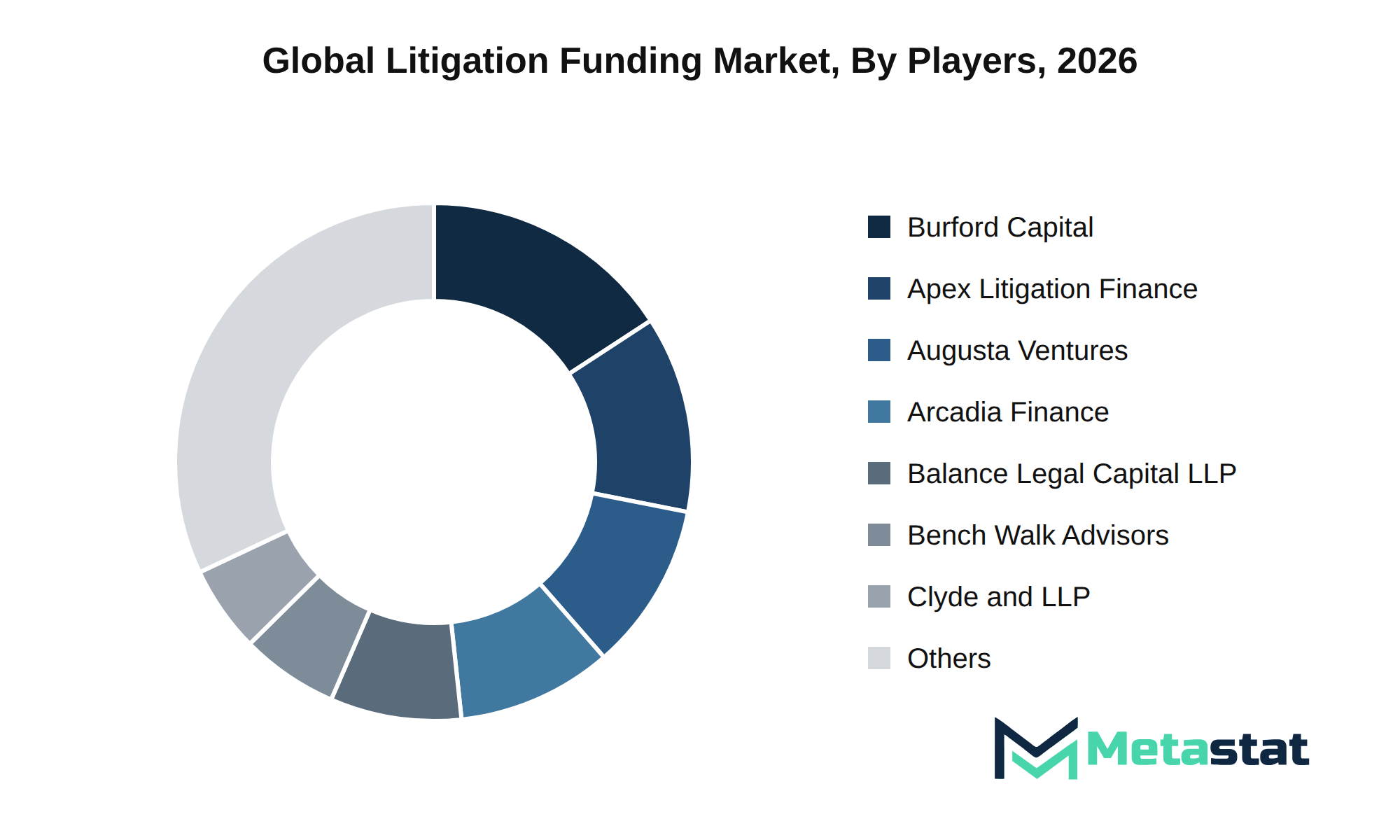
The Litigation Funding market experiences significant engagement from various players, each implementing distinct strategies to enhance market positioning. Companies emphasize strategic alliances and partnerships to improve service offerings, while others focus on product differentiation and proprietary technology to create barriers to entry. Firms including Burford Capital Limited and Harbour Litigation Funding Limited are noteworthy for their comprehensive funding structures and methodologies.
Market dynamics reflect a trend towards consolidation, with mergers and acquisitions shaping the landscape. This restructuring allows firms like Fortress Investment Group LLC and LexShares LLC to leverage combined resources and expertise, thereby optimizing commercial models and pricing architectures. Companies invest in R&D pipelines to innovate service delivery, strengthening competitive positioning and driving customer retention strategies.
New entrants face challenges due to established brand equity and switching costs that protect existing players. The presence of well-resourced firms including Apex Litigation Finance Limited and Arcadia Finance creates a competitive environment where startups demonstrate significant value propositions to gain traction. The market outlook hinges on the ability of players to navigate these challenges while exploring new strategic growth vectors.
Market size is forecast to rise from USD 16.6 billion in 2025 to over USD 26.9 billion by 2033. The base case reflects a solid growth trajectory, indicating a steady increase driven by various macroeconomic factors. The litigation funding market experiences heightened demand stemming from greater awareness of funding options among individual plaintiffs and law firms, alongside rising commercial disputes globally.
In the bull case, robust economic recovery and increased corporate litigation result in accelerated growth, allowing the market to exceed initial forecasts. Conversely, in the bear case, economic downturns and tighter regulations present challenges, restricting growth. The underlying trends support optimism, with an expected compound annual growth rate (CAGR) of 6.2% during the forecast period.
Technological advancements, particularly in next-generation funding platforms, enhance operational efficiency within the market. Strategic capital allocation continues to focus on areas with high-growth potential, addressing unmet enterprise needs and driving innovation. The evolving regulatory landscape further influences investment decisions, driven by compliance timelines that shape operational strategies for stakeholders.
Geopolitical realignments and global supply chain shifts present opportunities for market players to optimize their operations. By understanding these dynamics and aligning with strategic imperatives, businesses enhance their competitiveness. The ongoing maturation of core industries, coupled with structural consumption shifts, highlights the importance of adaptability in the litigation funding sector.
The report strategically identifies and profiles the key market players and analyses their core competencies in each sub-segment of the Litigation Funding market.
|
Report Attributes |
Details |
|
Study Period |
2021-2033 |
|
Base Year |
2025 |
|
Estimated Year |
2026 |
|
Forecast Period |
2026-2033 |
|
Historical Period |
2021-2025 |
|
Growth Rate |
CAGR 6.2% from 2026 to 2033 |
|
Revenue Unit |
USD billion |
|
Segmentation |
By Dispute Type, Funding Stage, Funding Structure, End Use, and Region |
|
By Region |
North America (By Dispute Type, Funding Stage, Funding Structure, End Use, and Country)
|
|
Europe (By Dispute Type, Funding Stage, Funding Structure, End Use, and Country)
|
|
|
Asia Pacific (By Dispute Type, Funding Stage, Funding Structure, End Use, and Country)
|
|
|
South America (By Dispute Type, Funding Stage, Funding Structure, End Use, and Country)
|
|
|
Middle East and Africa (By Dispute Type, Funding Stage, Funding Structure, End Use, and Country)
|
Find answers to common questions about this report
The Litigation Funding market size was valued at USD 16.6 billion in 2025, according to the Metastat Insights study.
The Litigation Funding market is projected to grow at a CAGR of 6.2% during the forecast period from 2026 to 2033.
The North America Litigation Funding market size is estimated to reach USD 10.5 billion by 2033.
The Commercial Disputes segment leads the Litigation Funding market, with a projected value of USD 18.3 billion by 2033. This figure reflects a compound annual growth rate of 5.8 percent from 2026.
Key drivers for the Litigation Funding market include increasing GDP, favorable capital investment environments, and evolving demographic trends. Enhanced financial resources enable individuals and corporations to pursue legal claims, while urbanization and an aging population lead to greater demand for funding solutions. investment in digital transformation supports operational efficiency and client engagement.
North America holds the dominant share of the Litigation Funding market, with a value of USD 10.5 billion projected for 2033, representing 42.2 percent of the total market.
Regulatory compliance challenges create significant obstacles for the Litigation Funding market, with varying legal mandates by jurisdiction leading to a fragmented landscape. Economic uncertainty and capital stagnation further restrict market growth, because clients become hesitant to engage in funding arrangements, resulting in reduced demand for funding solutions.
Increasing GDP, favorable capital investment conditions, and shifting demographic patterns contribute to product adoption in the Litigation Funding market. Enhanced financial resources enable individuals and corporations to pursue legal claims, while urbanization and an aging population promote demand for funding solutions in complex legal disputes.
The Litigation Funding market is estimated to reach a valuation of USD 26.9 billion by 2033.
Key players in the Litigation Funding market include Apex Litigation Finance Limited, Burford Capital Limited, Harbour Litigation Funding Limited, IMF Bentham, Legalist Inc, Omni Bridgeway Limited, and Therium Group Holdings Limited.
The analysts below cover Banking & Finance research at Metastat Insights.
LEAD ANALYST
Utkarsh Khirodkar is a Lead Market Research Analyst at MetaStat Insight, specializing in market intelligence, technology sector assessments, and competitive strategy.

PRINCIPAL CONSULTANT - ENTERPRISE AI & EMERGING TECHNOLOGIES
Banking & Finance · Electronics and Semiconductor · Energy and Power · Healthcare IT · Information & Technology · Professional Services
Vijay Gunti is a Principal Consultant at MetaStat Insight, bringing over two decades of experience across enterprise digital transformation, technology strategy, and intelligent systems.
Last Updated: October, 2026
Analyzing the transition from natural gas to green hydrogen in iron ore reduction requires realistic infrastructure timelines. Meta stat insight supplied a detailed regional assessment of DRI plant conversion costs and scrap metal availability in North America and Western Europe. Their report carefully examined pellet quality specs and electrical grid access constraints without making oversimplified market assumptions. The research material served as a practical reference during internal technology roadmap discussions.
Integrating zero-trust access controls across legacy electronic health record systems involves complex compliance overhead. Team produced an analysis that clearly separated identity governance and administration tools from privileged access management platforms. Their evaluation of HIPAA and GDPR compliance features across cloud native solutions gave our architecture group clear baseline criteria. The custom data request regarding biometric authentication adoption in hospital networks was returned promptly with clear documentation.
Evaluating calorific value requirements and air permit compliance across municipal waste facilities requires localized data. Metastat Insight structured their analysis around operational throughput capacity and feedstock composition variations in Latin America and Eastern Europe. Their competitive mapping of sorting equipment vendors helped clarify technology differences between optical separators and heavy media systems. The study provided an objective baseline during our capital expenditure reviews.
Explore related market intelligence reports worth reading alongside this one.
Starting from
$2950