
LEAD ANALYST
Utkarsh Khirodkar is a Lead Market Research Analyst at MetaStat Insight, specializing in market intelligence, technology sector assessments, and competitive strategy.

Global Poultry Feed Market Size, Share, By Feed Type (Broiler Feed, Layer Feed, Turkey Feed and Other Poultry Feed), By Form (Pellets, Crumbles and Mash), By Ingredient Type (Cereals, Oilseed Meal, Molasses, Fish Oil and Fish Meal, Additives and Other Ingredient Types), By Additives (Antibiotics, Vitamins, Antioxidants, Amino Acid and Feed Enzymes), Industry Analysis, Growth, Trends, and Forecast, 2026-2033
Report ID
MSI-5286
Published
September, 2026
Pages
259 Pages
Format
Historical
Base year
Forecast
Forecast period
Report Details
Market Valuation: Valued at $241.4 Billion in 2025, projected to reach $354 Billion by 2033 at a 4.9% CAGR.
Dominant Segment: Broiler Feed leads the market, projected to grow from USD 145.6 billion in 2026 to USD 207.1 billion by 2033, driven by rising global demand for poultry meat and advancements in feed formulation technology.
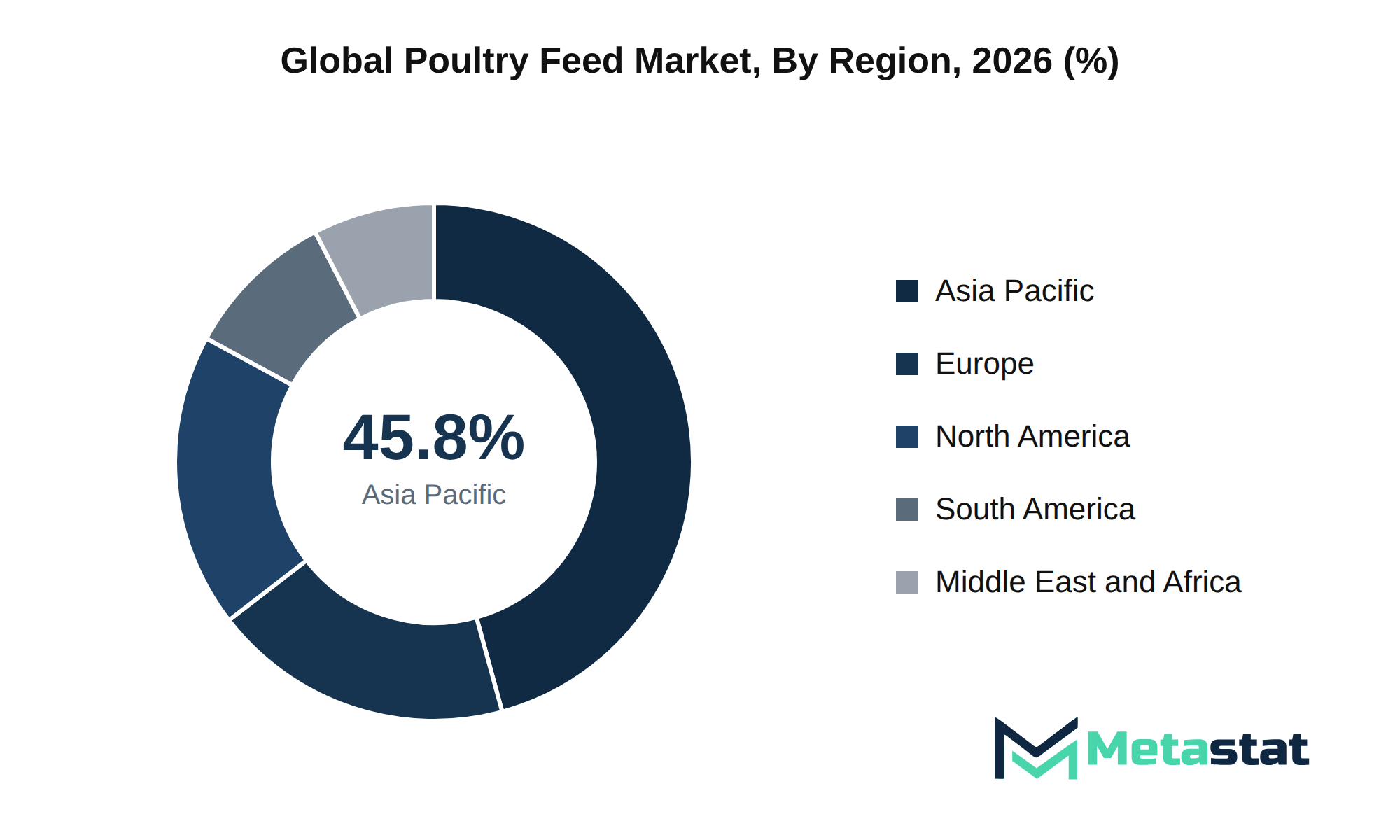
Geographic Lead: The Asia-Pacific region is the fastest-growing market, propelled by increased poultry consumption and investment in poultry infrastructure, particularly in countries like China and India.
What's Inside: This report provides a comprehensive analysis of the Global Poultry Feed market, including detailed segmentation by feed type, form, ingredient type, and additives, along with competitive coverage and forecasts through 2033.
Emerging Regional Demands: Urbanization and economic growth in Asia Pacific are significantly boosting poultry product demand, leading to expanded opportunities for suppliers and improved distribution networks.
Choose Your License
Global Poultry Feed Market
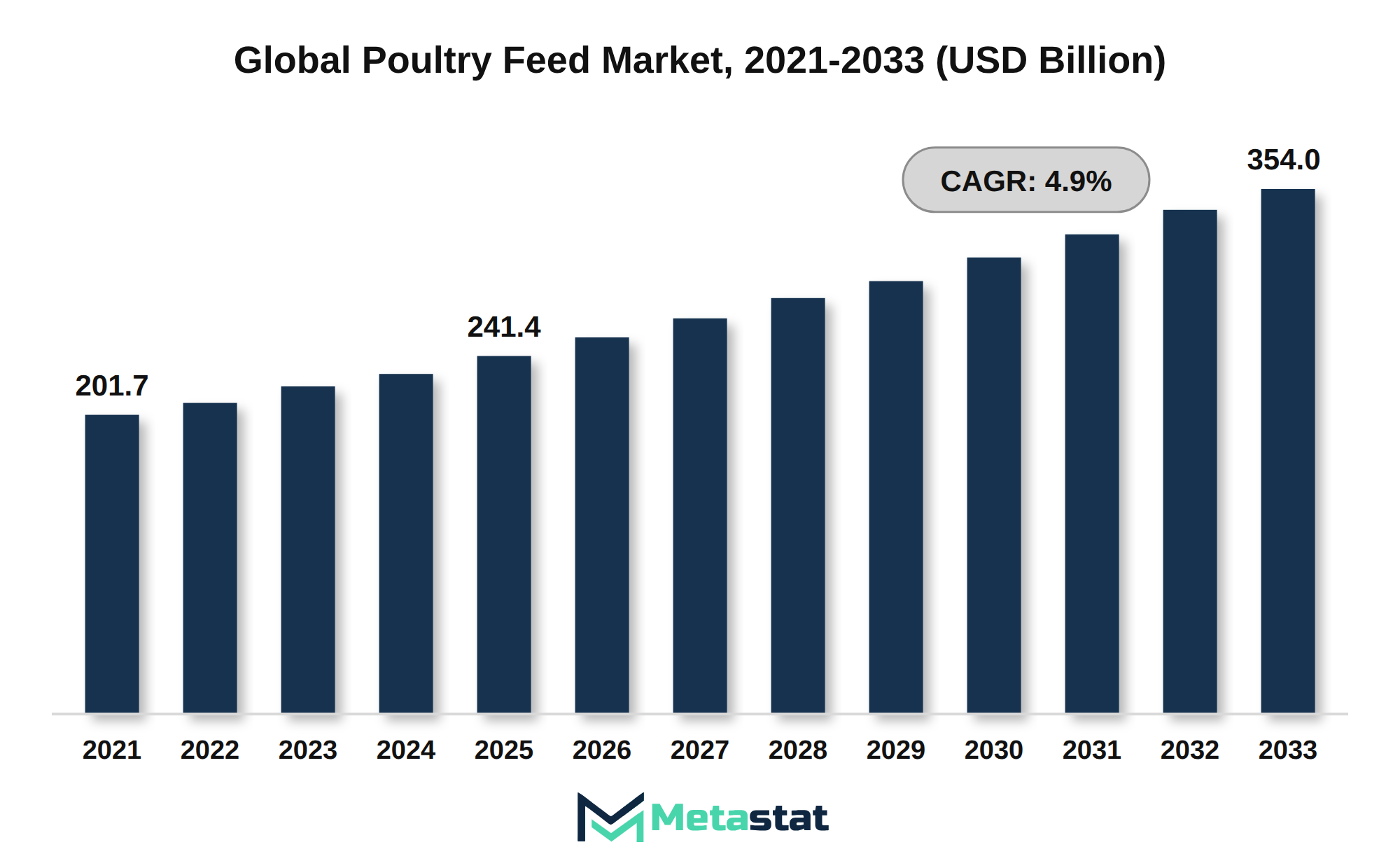
The global Poultry Feed market was valued at USD 241.4 billion in 2025 and is projected to reach USD 354 billion by 2033, growing at a CAGR of 4.9% over the forecast period.
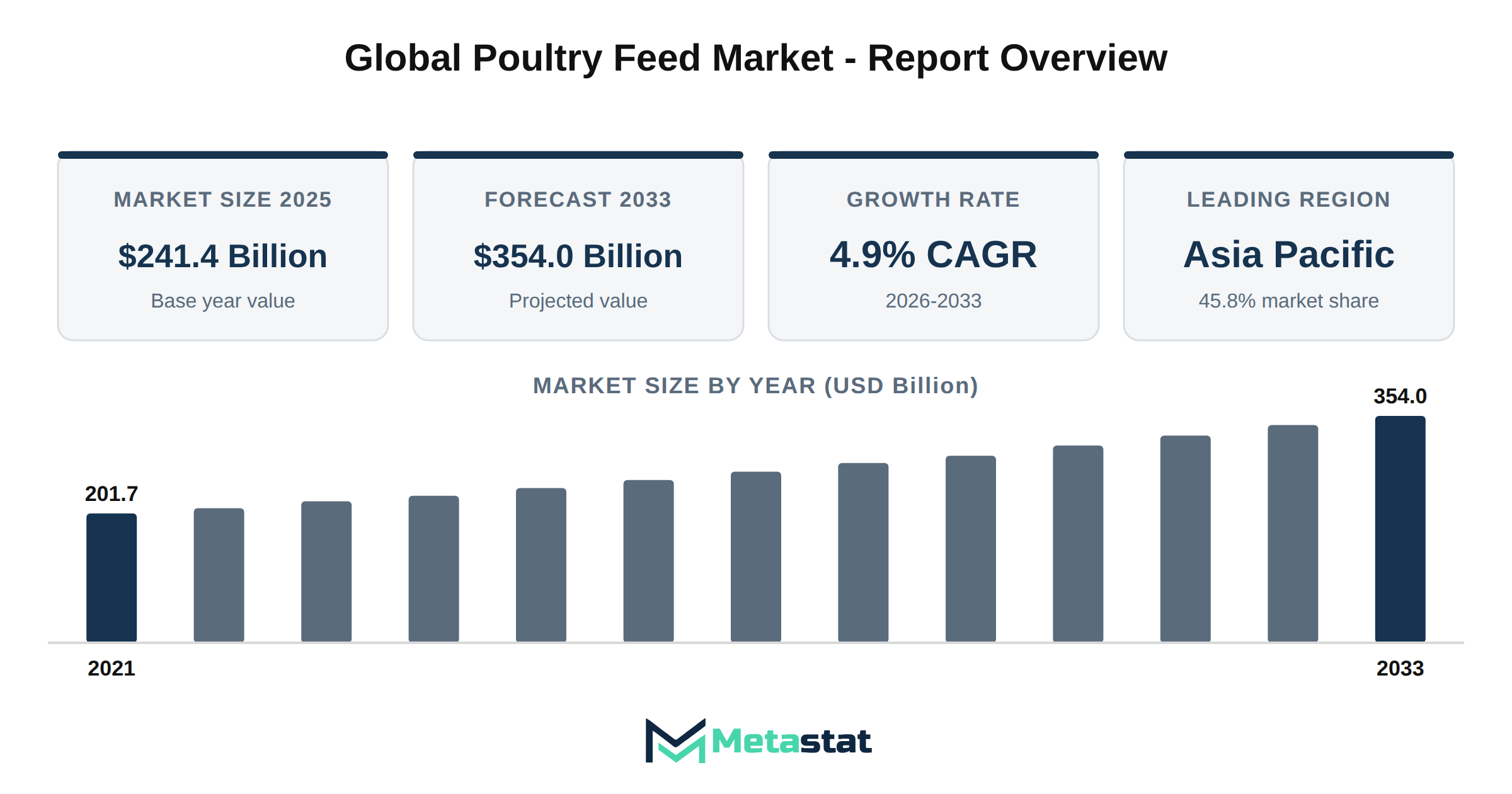
The global Poultry Feed market experienced significant growth, driven by increasing consumption dynamics and evolving dietary preferences. The market's value reached USD 241.4 billion in 2025, with a projected growth trajectory leading to USD 354 billion by 2033, reflecting a compound annual growth rate (CAGR) of 4.9%. This expansion is influenced by the rising demand for high-performance nutrition in broiler and layer diets, emphasizing the shift towards formulations that enhance growth rates and overall poultry health.
Macro volatility in grains has posed challenges for raw material procurement strategies, compelling poultry producers to adapt their sourcing and management practices. The transition from antibiotic growth promoters to functional feed additives has gained momentum, aligning with regulatory changes and consumer preferences for healthier poultry products. This shift necessitates innovative approaches in feed formulation, focusing on enhancing gut health and feed efficiency.
Technological advancements in precision nutrition and digital feed mill automation have transformed commercial farming practices within the market. These innovations facilitate tailored feed solutions that optimize nutrient delivery and improve overall flock performance. The exploration of alternative protein sourcing and sustainable ingredient commercialization is reshaping traditional feed composition, catering to environmental sustainability goals.
The Asia-Pacific region emerges because a focal point for market expansion, driven by intensified poultry farming practices and rising protein consumption. This regional growth aligns with increasing investments in poultry infrastructure and feed production capabilities, reinforcing the market's overall development. Feed conversion efficiency remains a critical area of focus, with ongoing innovations aimed at enhancing productivity in broiler production.
Compliance with regulatory standards, coupled with traceability and feed safety policies, impacts the dynamics of the Poultry Feed market significantly. Stakeholders navigate complex regulatory environments while ensuring the safety and quality of feed products. Mill consolidation and vertical integration strategies among key players enhance operational efficiencies and strengthen market position.
The Poultry Feed market experiences a dynamic shift toward high-performance nutrition, particularly in broiler and layer diet formulations. This transition reflects an increasing focus on optimizing growth rates and feed efficiency, with producers adopting advanced nutritional strategies to enhance poultry health and production outcomes.
Macro volatility in grain prices influences strategic raw material procurement decisions. Fluctuations in supply chains necessitate a robust approach to sourcing ingredients, prompting manufacturers to explore diverse suppliers and alternative feed ingredients. This strategic shift aims to mitigate risks associated with price volatility while maintaining quality and performance standards in feed formulations.
The transition from antibiotic growth promoters to functional feed additives marks a significant trend in the market. Producers prioritize natural additives that support gut health and overall poultry performance, leading to enhanced consumer acceptance and regulatory compliance. This shift aligns with global health initiatives aimed at reducing antibiotic use in livestock production.
Precision nutrition and digital feed mill automation play critical roles in modern commercial farming. Advanced technologies enable precise ingredient formulations tailored to specific poultry nutritional requirements, enhancing feed efficiency and overall production performance. While farms embrace automation, operational efficiencies and cost savings become increasingly attainable.
Alternative protein sourcing and sustainable ingredient commercialization emerge due to key factors driving innovation in the market. Producers explore unconventional protein sources to meet the growing demand for sustainable feed options, aligning with environmental initiatives and consumer preferences for responsibly sourced animal products.
The Asia-Pacific region shows robust market expansion, driven by intensifying poultry farming practices. Rapid urbanization and rising protein consumption increase demand for poultry products, prompting increased investment in poultry farming and feed production facilities across the region.
Feed conversion efficiency and gut health innovation remain essential themes in broiler production. Continuous advancements in probiotic and prebiotic formulations enhance feed conversion rates, promoting healthier livestock and reducing overall production costs. This focus on gut health directly influences profitability and competitiveness within the market.
Regulatory compliance, traceability, and feed safety policies significantly impact the Poultry Feed market. Stricter regulations necessitate adherence to safety standards, prompting producers to invest in traceability systems that ensure ingredient integrity and enhance consumer confidence in poultry products.
The competitive landscape features mill consolidation and vertical integration strategies among suppliers. Major players pursue mergers and acquisitions to enhance market share and streamline operations, creating a more competitive environment. This consolidation trend influences pricing dynamics and market accessibility for smaller producers.
Growing consumer demand for high-quality protein influences the Poultry Feed market. Factors including increasing population and evolving dietary preferences drive this demand, especially in developing regions, where meat consumption rises substantially. The trend towards protein-rich diets, particularly among urban populations, influences poultry producers to optimize feed formulations, improving nutritional content and efficiency.
Investment in advanced feed technologies emerges because a response to this demand. Producers focus on enhancing feed formulations, integrating innovative ingredients to boost the health and growth rates of poultry. This approach supports operational productivity while addressing the increasing need for sustainable practices within the market.
The Poultry Feed market experiences growth, fueled by the need for efficient and nutritious feed. Manufacturers who invest in research and development capabilities position themselves to capture a larger share of this expanding market, ensuring alignment with shifting consumer preferences and sustainability goals.
Investment in infrastructure development significantly impacts the Poultry Feed market. Enhanced facilities and network capabilities enable efficient production and distribution processes. Modernized infrastructure reduces operational costs and increases productivity, allowing suppliers to meet rising demand effectively.
The integration of advanced technologies, including automation and AI, optimizes production processes and enhances supply chain resilience. Upgraded systems improve operational efficiencies, enabling producers to respond swiftly to market fluctuations and consumer preferences. This trend drives innovation and ensures consistent product availability within the Poultry Feed market.
Countries focusing on infrastructure development attract significant capital investment, which strengthens the market's overall capacity. Improved logistics and transportation networks enhance access to various regions, particularly in Asia Pacific, where demand for poultry products is substantial. Consequently, these developments create new opportunities for expansion and strengthen market positions.
The Poultry Feed market faces significant challenges due to increasing regulatory requirements. Stricter compliance standards arise from growing concerns regarding environmental impact and food safety. Producers encounter heightened operational costs to adhere to these regulations, resulting in reduced profit margins. Compliance hurdles particularly affect smaller players lacking the resources to meet stringent legal mandates, limiting their market participation.
Macroeconomic headwinds further complicate the market landscape. Inflationary pressures contribute to escalated operating costs, directly impacting feed prices. These economic conditions lead to reduced demand from end consumers, subsequently affecting overall market growth. The Poultry Feed market experiences additional strain from supply chain disruptions stemming from geopolitical instability and resource scarcity. Such disruptions impact the availability of raw materials and additives necessary for poultry feed production, creating challenges in meeting customer demand.
Competition from alternative protein sources, including plant-based options, poses a threat to market stability. The presence of substitutes influences purchasing decisions among consumers, prompting poultry producers to reevaluate their offerings and pricing strategies. While the market matures, these factors contribute to a complex environment requiring strategic adaptation from industry players. Regulatory tightening, economic challenges, and competitive pressures collectively restrain growth opportunities within the Poultry Feed market.
Geopolitical fragmentation and trade imbalances significantly impact the Poultry Feed market, creating challenges in sourcing feed ingredients. Growing tensions between countries lead to trade deficits and tariff friction, causing volatility in prices for essential feed components, including cereals and oilseed meals. This situation increases costs for producers, ultimately affecting profit margins.
Complex research and development integrations further complicate market dynamics. Companies in the Poultry Feed market face hurdles in aligning product formulations with regional regulations and consumer preferences, resulting in delayed product launches. The need for innovative feed solutions intensifies competition while driving up costs associated with compliance and product development.
Logistics disruptions contribute to supply chain instability, impacting the timely delivery of feed ingredients. Natural disasters, political unrest, and fluctuating fuel prices create operational challenges, leading to increased transportation costs. These logistical barriers hinder manufacturers' ability to maintain consistent supply levels, putting additional pressure on market pricing.
Price compression arises from rising input costs and increasing competition among suppliers. This pressure forces producers to optimize their pricing strategies, potentially sacrificing product quality to maintain market share. The Poultry Feed market adapts to this evolving landscape to ensure sustainable growth while meeting changing consumer demands.
Workforce skill gaps and automation displacements challenge the market's operational capabilities. A shortage of skilled labor in the agricultural sector leads to increased reliance on automation technologies. Companies face difficulties in retaining talent essential for driving innovation and maintaining competitive advantage.
Environmental sustainability demands create additional complexities for the Poultry Feed market. Companies implement measures to reduce their environmental footprints and comply with tightening global regulatory standards. The need for sustainable practices increases operational costs, requiring strategic planning to balance financial viability with environmental responsibility.
Increased urbanization and economic development across Asia Pacific drive heightened demand for poultry products, thereby boosting the Poultry Feed market. Countries including China and India experience significant growth in poultry consumption due to rising disposable incomes and a shift towards protein-rich diets. This trend results in enhanced market opportunities for suppliers to expand their product offerings and improve distribution networks in these regions.
Technological disruptions play a vital role in reshaping production processes within the market. Innovations in feed formulations and processing technology enable the development of more efficient and nutritionally balanced feeds. These advancements attract producers aiming to enhance operational efficiency and reduce wastage, subsequently increasing demand for higher-quality feed products.
Sustainability imperatives are increasingly influencing purchasing decisions, driven by consumer and business prioritization of eco-friendly products. The Poultry Feed market responds by integrating sustainable practices and ingredients into feed formulations. Adoption of green technologies in feed production reinforces brand loyalty among consumers, improving competitive positioning for companies that prioritize environmental responsibility.
The increasing focus on digital transformation within the agricultural sector provides avenues for market growth. Digital procurement platforms and data analytics offer enhanced visibility into supply chains, enabling better decision-making for producers. This shift towards data-driven strategies results in more strategic sourcing and inventory management, ultimately improving profitability for operators in the Poultry Feed market.
Downstream market diversification presents additional growth opportunities. Poultry producers increasingly seek to expand into value-added products, including organic and specialty feeds, catering to niche markets. This trend encourages innovative product development, allowing companies to capture a broader consumer base and enhance revenue streams.
The Global Poultry Feed market is segmented based on Feed Type, Form, Ingredient Type, and Additives.
Valued at USD 145.6 billion in 2026, the Broiler Feed segment is projected to reach USD 207.1 billion by 2033, reflecting a CAGR of 5.2% during the forecast period. Rising global demand for poultry meat significantly influences this segment, driven by population growth and increasing disposable income levels. Consumers increasingly prioritize protein-rich diets, propelling the demand for broiler feed owing to poultry farming expansion to meet dietary needs.
Technological advancements in feed formulation enhance nutrient efficiency and feed conversion ratios, supporting the production of healthier and more sustainable poultry. Innovations including precision nutrition and the incorporation of alternative protein sources contribute to product evolution within the segment. These developments align with the growing emphasis on sustainability, where producers seek to reduce environmental impacts while maintaining profitability.
Regulatory compliance surrounding feed quality and safety standards influences market dynamics. Adherence to food safety regulations ensures that broiler feed products meet consumer expectations and regulatory requirements, building consumer trust. The drive for certifications further strengthens market position, highlighting the importance of quality assurance in enhancing brand loyalty among end-users.
Pricing volatility poses challenges within the segment, where fluctuations in raw material costs directly impact profit margins. Sourcing ingredients including cereals and oilseed meals, essential for broiler feed formulation, faces pressures from supply chain vulnerabilities and climate-related disruptions. Strategic sourcing and investment in supply chain resilience become essential for mitigating risks associated with these challenges.
Overall, the Broiler Feed segment exhibits substantial growth potential within the Poultry Feed market, driven by evolving consumer preferences, technological innovations, and a focus on regulatory compliance. The segment's ability to adapt to these market changes while managing cost structures and pricing dynamics will determine its success in the competitive landscape.
Strong demand for egg production underpins the growth of the Layer Feed segment, reflecting the increasing popularity of eggs because a source of protein. This demand is driven by changing consumer preferences towards healthier diets and sustainable food sources. Producers enhance feed formulations to improve nutritional profiles, which supports overall flock health and increases egg-laying efficiency.
The Layer Feed segment is projected to reach USD 97.4 billion by 2033, at a CAGR of 4.7% during the forecast period. Investment in research and development contributes to technological advancements in feed production, resulting in next-generation products that meet evolving regulatory standards. Enhanced formulations that include probiotics and vitamins cater to the growing emphasis on animal welfare and sustainability.
Regulatory compliance ensures that Layer Feed adheres to safety and quality standards, impacting production practices and ingredient sourcing. This segment experiences fluctuating costs due to volatility in raw material prices, including grains and oilseed meals, which squeeze margins for producers. Strategic partnerships in the supply chain enhance resilience and enable better risk management.
The growth outlook reflects strong performance amid rising global demand for poultry products, particularly in developing regions. Emerging markets in Asia Pacific show robust adoption of enhanced feed types, further driving the expansion of the Layer Feed segment within the Poultry Feed market.
Growing interest in healthy protein sources increases the demand for Turkey Feed within the Poultry Feed market. This shift results from rising consumer awareness regarding nutrition and dietary preferences. Consequently, poultry producers prioritize the quality and sustainability of feed to meet evolving consumer expectations. The segment experiences substantial growth, projected to reach USD 25.5 billion by 2033.
Factors influencing Turkey Feed adoption include advancements in feed formulations and production technologies. Ongoing research into nutritional additives and alternative raw materials enhances feed efficiency and overall poultry health. This evolution in product offerings supports increased market penetration and satisfies the requirements of poultry producers focused on improving yield and profitability.
Regulatory standards emphasizing food safety and quality significantly impact the Turkey Feed segment. Compliance with these regulations cultivates trust among consumers and encourages producers to adopt best practices in feed management. These dynamics ultimately drive continued investment in the segment, reinforcing its potential for growth within the broader Poultry Feed market.
Demand for the Other Poultry Feed segment reflects a growing recognition of diverse feeding strategies within poultry farming. The increasing preference for specialty feeds tailored to specific poultry types drives adoption, particularly among producers aiming for optimal health and productivity of their flocks. This segment is projected to grow at a CAGR of 4.5% during the forecast period.
Technological advancements in feed formulation enhance ingredient efficacy, providing a vital edge in addressing nutritional requirements. The push for innovative feed products leads to improved growth rates and feed conversion ratios, appealing to producers and contributing to higher market penetration. Regulatory compliance standards focused on feed safety and quality strengthen the segment, ensuring that products meet evolving consumer expectations.
End-use dynamics reflect a shift towards greater customization in feed solutions, aligning production with specific market demands, including organic and non-GMO options. This responsiveness positions the market to capitalize on these emerging trends, allowing for strategic opportunity windows within the sector. Capital investment toward research and development drives continuous improvement in feed performance and nutrient profiles, ultimately enhancing the appeal of the Other Poultry Feed segment within the broader poultry feed market.
Valued at USD 115.4 billion in 2026, the Pellets segment is projected to reach USD 166.4 billion by 2033, with a CAGR of 5.4% during the forecast period. Demand for pellets is driven by their high nutritional profile, which enhances feed efficiency and overall poultry health. Producers increasingly recognize the impact of pelleted feed on growth rates and feed conversion ratios, which boosts profitability across poultry production systems.
Technological advancements in feed formulation and processing techniques contribute to segment expansion, enabling manufacturers to develop high-quality pellets tailored to specific nutritional needs. Innovations in ingredient sourcing and formulations continue to change, aligning with consumer preferences for sustainable and health-optimized food products. The market adapts to these shifts through the introduction of next-generation pellet formulations that enhance digestibility and minimize waste.
Regulatory compliance regarding feed safety and quality standards shapes the dynamics within the Pellets segment. Strict guidelines compel manufacturers to maintain high-quality production processes while navigating cost structures associated with compliance. Consequently, pricing volatility arises from fluctuations in raw material costs, impacting margins and necessitating strategic sourcing approaches among producers.
Supply chain resilience becomes critical because manufacturers face challenges in raw material availability and fluctuating prices. Strategies to mitigate substitution risks and ensure steady ingredient supply play a vital role in sustaining growth. The Pellets segment within the Poultry Feed market presents opportunities for investment in capital-intensive production technologies, driving innovation and enhancing competitiveness in a changing environment.
Demand for Crumbles in the Poultry Feed market is expected to rise significantly, driven by a preference for efficient feed forms that promote optimal growth rates in poultry. The convenience of Crumbles, which enhance ease of feeding and minimize waste, increases their attractiveness among poultry producers. The segment is estimated to reach USD 90.3 billion by 2033, at a CAGR of 5.1% during the forecast period.
Technological advancements in feed production processes contribute to the growth of this segment, enhancing nutritional content while ensuring uniformity in particle size. The trend toward sustainable farming practices influences the adoption of Crumbles, since these feed forms are formulated with eco-friendly ingredients. Regulatory compliance with safety standards builds trust among consumers and producers alike, encouraging investment in this segment of the market.
Cost structures associated with Crumbles remain competitive, driven by manufacturers optimizing production efficiencies to manage pricing volatility. This focus on cost-effectiveness, combined with increasing consumer demand for high-quality poultry products, positions Crumbles because a vital component in the broader Poultry Feed market. Overall, the Crumbles segment stands poised for substantial growth, reflecting broader trends in poultry nutrition and consumer preferences.
Growth in the Mash segment of the Poultry Feed market aligns with rising demand for efficient feed formulations that optimize poultry health and production. Increasing awareness of nutrition among poultry producers drives the transition toward Mash feed products, which offer cost-effective solutions. This segment's ability to enhance feed conversion ratios contributes significantly to profitability for poultry producers, further stimulating market expansion.
Technological advancements in feed formulation and processing enhance the appeal of Mash products, allowing for improved palatability and digestibility. These innovations support the steady adoption of Mash feed, ensuring alignment with evolving consumer preferences for quality poultry products. The market for Mash is projected to reach USD 77.9 billion by 2033, reflecting significant growth driven by these trends.
Regulatory compliance standards focused on animal welfare and product safety influence the Mash segment's evolution. Producers prioritize compliance, which reinforces quality and safety in feed production, ultimately benefiting end consumers. Ongoing investment in research and development drives the continuous improvement of Mash formulations, ensuring sustained competitiveness in the market.
Growing interest in diverse feed formulations drives expansion in the Others segment of the Poultry Feed market. Consumers increasingly demand customized nutrition for livestock, prompting feed producers to explore alternative ingredients and innovative formulations. This shift aligns with the industry's focus on optimizing animal health and performance, addressing variations in nutritional requirements across different poultry types.
The Others segment is projected to grow at a CAGR of 3.8% during the forecast period. A combination of regulatory pressures and evolving consumer preferences influences production trends, pushing manufacturers towards integrating various feed types while balancing cost structures. The pursuit of quality and sustainability leads to increased research investments, enhancing the overall competitive landscape within the market.
Technological advancements support the segment's growth trajectory, enabling the development of next-generation feed products that cater to specific poultry health needs. Rising awareness around nutritional benefits provides producers opportunities to enhance product offerings through innovative additives and ingredient blends. This trend enhances the segment's appeal, ensuring alignment with the broader objectives of the Poultry Feed market.
Valued at USD 133.6 billion in 2026, the Cereals segment is projected to reach USD 180.9 billion by 2033, at a CAGR of 4.4% during the forecast period. The increasing focus on livestock nutrition emphasizes the importance of cereals, which serve because a key ingredient in the formulation of poultry feed. Rising awareness of the nutritional benefits associated with cereals drives demand among poultry producers aiming to enhance the growth and health of their flocks.
Technological advancements in cereal processing improve the efficiency and quality of feed formulations, supporting the development of innovative products within the market. Enhanced processing techniques contribute to better digestibility and nutrient absorption, which benefit poultry producers. Regulatory compliance regarding feed safety and quality influences the adoption of cereals in poultry feed formulations, because producers prioritize compliant and safe raw materials.
The segment experiences challenges linked to pricing volatility in raw materials, which impacts the overall production costs for poultry feed manufacturers. Fluctuations in the price of cereals influence profit margins, prompting producers to seek more stable sourcing options. Strategic opportunities arise from the demand for organic and non-GMO cereals, appealing to the growing consumer preference for sustainable and healthier food sources.
The significant growth projected for the Cereals segment within the Poultry Feed market highlights the critical role of cereals in ensuring optimal poultry health and productivity. The combination of rising demand, technological enhancements, and strategic market positioning establishes a robust environment for growth in this segment.
Demand for Oilseed Meal in the Poultry Feed market reflects a growing emphasis on protein-rich ingredients essential for poultry nutrition. This segment is estimated to reach USD 95.6 billion by 2033, at a CAGR of 5.3% during the forecast period. Factors contributing to this growth include increasing livestock production, which drives the need for high-quality feed ingredients, and shifting consumer preferences towards sustainable sources of protein. The adoption of oilseed meal in feed formulations enhances the nutritional profile of poultry diets, promoting better growth rates and feed efficiency.
Technological advancements in processing techniques for oilseed meal have improved its availability and usability in poultry feeds, encouraging broader adoption among producers. Regulatory compliance regarding animal nutrition and welfare further influences the segment's expansion. The market continues to experience innovations, including the development of next-generation oilseed meals with improved amino acid profiles, catering to health-conscious consumers and enhancing poultry health outcomes.
Pricing volatility remains a challenge within the Oilseed Meal segment due to fluctuating raw material costs, which affect profit margins for producers. However, strategic sourcing and supply chain resilience play crucial roles in mitigating these pressures. The segment's growth potential aligns with the increasing global demand for poultry products, positioning oilseed meal because a vital component in the overall Poultry Feed market.
Market dynamics indicate a growing interest in molasses because an ingredient in the poultry feed market, driven by its nutritional benefits and cost-effectiveness. The segment is expected to reach USD 17.7 billion by 2033. Increasing feed efficiency and improving livestock health through the incorporation of molasses further enhance its appeal among poultry producers. Regulatory compliance regarding animal feed standards supports the adoption of molasses in various formulations.
Raw material sourcing for molasses remains resilient, leveraging established supply chains that mitigate potential disruptions. Pricing volatility in the agricultural sector influences the cost structures associated with molasses, impacting profit margins across the poultry feed market. Strategic opportunity windows exist for producers who optimize their ingredient offerings and develop innovative blends featuring molasses to meet evolving consumer preferences.
Growth in the Fish Oil and Fish Meal segment aligns with increasing awareness of the nutritional benefits of omega-3 fatty acids in poultry diets. Applications in broiler and layer feeds drive demand due to improved health and productivity of birds. The segment is projected to grow at a CAGR of 3.5% during the forecast period. Rising consumer preferences for high-quality protein sources necessitate the incorporation of fish oil and meal in feed formulations, enhancing the market's overall growth potential. Regulatory compliance focusing on sustainable sourcing practices influences supply chain dynamics in this segment, encouraging producers to invest in certified raw materials. Ongoing advancements in processing technologies contribute to efficiency gains, optimizing production while maintaining nutritional integrity of the feed. While demand for poultry products continues to rise, the Fish Oil and Fish Meal segment captures significant market share in the Poultry Feed market.
Increased focus on animal health and performance drives demand for additives in the Poultry Feed market. This segment includes key ingredients including antibiotics, vitamins, antioxidants, and amino acids, all aimed at enhancing the nutritional value and overall health of poultry. Regulatory compliance around the use of certain additives, especially antibiotics, influences market dynamics, pushing suppliers to innovate with alternatives that align with health trends and consumer preferences.
Investment in research and development significantly influences evolving product formulations within this segment. Companies actively pursue next-generation upgrades that improve feed efficiency and nutritional absorption. The transition towards natural and organic additives reflects changing consumption patterns, with end-users prioritizing feeds that support sustainable practices and animal welfare.
Pricing volatility in raw materials poses challenges, impacting operational costs for producers. Fluctuating supply chain conditions necessitate enhanced resilience strategies to mitigate risks associated with raw material sourcing. While competition intensifies, strategic opportunity windows emerge for players focusing on innovative, value-added solutions within the additives segment, ultimately enhancing their competitive edge in the market.
Market trends indicate a steady shift towards incorporating alternative and innovative ingredients within the Poultry Feed market. The drive towards sustainable and cost-effective feed solutions encourages adoption of diverse ingredient types, enhancing nutritional profiles and overall feed efficacy. Primary demand drivers encompass increased consumer awareness regarding animal welfare and the quality of poultry products, inducing producers to focus on superior ingredient formulations. This segment's expansion is supported by advancements in ingredient technology, facilitating the development of new product formulations that cater to specific nutritional requirements.
Downstream applications significantly influence demand dynamics; producers increasingly seek ingredients that improve feed efficiency and animal health outcomes. Regulatory compliance standards play a crucial role, ensuring that ingredient sourcing aligns with safety and sustainability guidelines. These factors contribute to the evolving consumption shifts observed within the market, where end-users prioritize high-quality, nutrient-rich feed products. Strategic opportunity windows arise due to innovation in ingredient sourcing opening avenues for sustainable practices, enhancing the market's growth trajectory.
Cost structures remain a critical consideration within this sub-segment. Pricing volatility for conventional raw materials highlights the importance of diversifying ingredient sources to mitigate risks. Supply chain resilience is essential, particularly in maintaining consistent ingredient availability amid global fluctuations. The emergence of disruptive alternatives, including novel plant-based ingredients, presents both challenges and opportunities for traditional sourcing methods. Capital investment outlooks reflect a growing commitment from industry players to enhance ingredient quality and sustainability, reinforcing the segment's competitive position within the broader Poultry Feed market.
Valued at USD 43.3 billion in 2026, the antibiotics segment reflects a stable but steady growth trajectory. By 2033, this segment is projected to reach USD 46 billion, with a compound annual growth rate (CAGR) of 0.9% during the forecast period. Demand drivers within this segment include the ongoing emphasis on animal health and productivity, particularly in poultry farming, where maintaining optimal growth rates and reducing disease prevalence remains critical.
Regulatory compliance presents challenges and opportunities for segment expansion. Stricter regulations surrounding antibiotic use in livestock necessitate innovations in product formulations that are effective yet compliant with health standards. Manufacturers face pressures to adapt, fueling investments in research and development for next-generation alternatives and herbal substitutes that enhance feed without relying on traditional antibiotics. The evolving landscape demonstrates a shift toward more sustainable practices, aligning with consumer demand for antibiotic-free poultry products.
Consumer trends indicate a pronounced preference for poultry raised without antibiotics, influencing producers across the supply chain. Consequently, producers reformulate their offerings, leading to increased competition among suppliers to innovate and differentiate their products. This shift in consumption patterns impacts pricing structures, driven by antibiotic-free diets that generally command premium pricing in the market. The segment's evolution aligns with broader trends toward health-conscious consumption, indicating that the poultry feed market adapts to new consumer preferences while ensuring sustainable growth.
Strong growth in the Vitamins segment of the Poultry Feed market aligns with increasing awareness of animal nutrition and health. This segment is estimated to reach USD 53.1 billion by 2033, at a CAGR of 4.1% during the forecast period. Rising consumer demand for high-quality poultry products drives this segment's expansion, prompting producers to enhance the nutritional value of feed. Regulatory compliance standards related to animal welfare and health further support the incorporation of vitamins in feed formulations.
Investment in next-generation feed additives reflects advancements in nutritional science, enabling more effective vitamin incorporation. Producers emphasize the need for innovative solutions to enhance poultry health and productivity. Applications downstream highlight the importance of vitamins in improving feed efficiency and overall poultry performance, reinforcing their role in modern poultry nutrition. While the market evolves, strategic opportunities for capital investment emerge, particularly in developing and improving vitamin formulations.
Antioxidants contribute significantly to the Poultry Feed market, focusing on enhancing the nutritional profile and health benefits of poultry products. This segment is anticipated to reach USD 31.9 billion by 2033, highlighting its increasing importance in feed formulations. The demand for antioxidants arises from a growing emphasis on animal health, disease prevention, and overall performance enhancement within poultry farming.
Regulatory compliance standards shape the landscape for antioxidants, pushing producers to adopt formulations that meet stringent safety and quality criteria. The upward trend in consumer demand for natural and safe poultry products increases the requirement for antioxidants that align with these standards.
Technological maturation influences product evolution, allowing suppliers to develop more effective antioxidant formulations. Innovations in extraction and processing technologies enhance the bioavailability and efficacy of these additives, directly impacting their adoption in the market.
Cost structures play a significant role in the pricing of antioxidant formulations. Fluctuations in raw material sourcing lead to pricing volatility, which affects margins for producers. Companies focusing on supply chain resilience and sustainable sourcing practices mitigate these pressures.
Strategic opportunity windows emerge because producers look to innovate within the antioxidants segment. There is a push towards next-generation upgrades that incorporate advanced formulations, providing enhanced benefits to poultry health and productivity. This trend aligns with the broader market shift towards quality over quantity in poultry production.
The antioxidants segment in the Poultry Feed market demonstrates growth potential driven by regulatory pressures, technological advancements, and evolving consumer preferences. The forecast for this segment reflects its critical role in promoting animal health and supporting sustainable poultry production practices.
Amino Acid additives play a crucial role in the Poultry Feed market, enhancing growth rates and feed efficiency. Increasing awareness among producers regarding animal health and performance drives demand for these specialized ingredients. The segment is projected to grow at a CAGR of 5.5% during the forecast period, highlighting its significance within the broader market.
The trend toward higher protein diets for poultry drives the adoption of amino acids, with specific focus on optimizing growth and improving feed conversion ratios. Regulations in animal nutrition regarding the optimal dietary composition further support the segment’s expansion. While consumers demand higher-quality poultry products, producers invest in superior additives, resulting in improved product formulations.
Technological advancements in amino acid production enhance product quality and reduce costs. Innovations in fermentation and enzymatic processes provide more efficient production routes, allowing suppliers to meet increasing demand while maintaining competitive pricing. This dynamic environment encourages investments in research and development, opening strategic opportunity windows for new product introductions.
With a focus on sustainability, a shift toward sourcing amino acids from renewable and alternative sources reduces dependency on traditional raw materials. This transition aligns with global trends toward environmental responsibility, positioning the segment favorably for future growth. These factors contribute significantly to the overall performance of the Poultry Feed market.
Integration of feed enzymes within the Poultry Feed market reflects a strategic response to rising demands for efficiency and overall performance in poultry production. Adoption of these additives enhances nutrient absorption, stimulates metabolism, and improves feed conversion ratios, which are critical factors for poultry producers striving for optimal growth and health of their flocks.
Technological advancements drive the development of next-generation feed enzymes. Ongoing research focuses on increasing enzyme efficacy, tailoring formulations specific to various poultry species, and addressing diverse nutritional needs. Such innovations facilitate market expansion by providing targeted solutions that enhance productivity.
Shifts in consumer preferences toward sustainably produced poultry products fuel demand for enzymes that improve feed efficiency and reduce waste. Producers increasingly seek solutions that align with environmental goals, positioning feed enzymes because a vital part of sustainable poultry production practices.
Compliance with regulatory standards regarding feed quality and safety requires the incorporation of scientifically validated additives like feed enzymes. Meeting these standards ensures consumer safety and strengthens market credibility, attracting more buyers committed to quality assurance.
The cost structure of feed enzymes involves research and development investments, raw material sourcing, and production processes. Price volatility in raw materials influences overall costs, impacting market dynamics. In this context, producers actively seek strategic partnerships and collaborations to mitigate supply chain vulnerabilities and enhance resilience.
Competition within the additives segment intensifies because manufacturers strive to innovate and differentiate their enzyme products. Strategic opportunity windows emerge for companies that invest in research, develop proprietary formulations, and offer tailored solutions to specific market demands. Capital investment in this area signals strong confidence in the potential of feed enzymes to meet evolving industry challenges.
Increasing awareness regarding animal health and nutrition drives interest in feed acidifiers within the Poultry Feed market. These additives enhance gut health, improve feed efficiency, and support overall poultry performance. Regulatory compliance standards regarding antibiotic use in livestock create a significant shift toward acidifiers, driven by alternatives to traditional antibiotics.
Technological maturation in the development of feed acidifiers enables producers to offer more effective formulations. This evolution leads to a broader acceptance of these additives among poultry producers, supporting sustained growth in the segment. Rising costs of raw materials necessitate innovative solutions for improving overall feed cost-effectiveness.
Shifts in consumer preferences towards cleaner labels and natural products incentivize manufacturers to invest in developing high-quality feed acidifiers. Disruptive alternatives, including plant-based acidifiers, gain traction, influencing market dynamics and attracting investments. Strategic opportunity windows arise because producers focus on product differentiation and addressing consumer demand for sustainable and health-oriented solutions in the Poultry Feed market.
Increased awareness of nutritional requirements drives demand for diverse feed additives. The inclusion of alternative ingredients addresses specific dietary needs, enhancing poultry health and productivity. The demand for premium feed solutions fuels innovation, focusing on improving feed efficiency and overall performance in poultry production.
Regulatory compliance influences product development within the Poultry Feed market. Firms prioritize meeting standards while ensuring product efficacy, leading to ongoing advancements in formulation techniques. This proactive approach to regulation supports the adoption of innovative additives and creates a competitive environment.
Cost structures present challenges, particularly regarding raw material sourcing and pricing volatility. Fluctuations in ingredient availability affect overall production costs, prompting manufacturers to explore sustainable sourcing strategies. These adjustments enhance supply chain resilience and support long-term stability in the market.
Technological maturation contributes to the evolution of additive products. Advances in formulation and processing techniques enable the development of next-generation additives that offer improved performance. This ongoing evolution strategically positions firms within the market, allowing for a stronger presence driven by shifting consumer preferences towards enhanced poultry nutrition.
Based on geography, the Global Poultry Feed market is divided into North America, Europe, Asia-Pacific, South America, Middle East, and Africa.
North America demonstrates robust potential in the Poultry Feed market, expanding at a CAGR of 4.9% within the forecast period, reaching a market size (TAM) of USD 60.2 billion by the end of 2033. The region contributes 18.4% to the global market in 2025, reflecting a strong foothold in the overall dynamics of poultry nutrition.
Primary demand drivers include a growing population in the United States, Canada, and Mexico, coupled with an increasing preference for protein-rich diets. Consumer trends towards sustainable and healthy food sources further increase demand for high-quality poultry products, which in turn stimulates the poultry feed sector.
Infrastructure modernization supports this expansion. Enhanced production facilities and technological advancements in feed formulations enable suppliers to meet rising demand effectively. Localized manufacturing densities facilitate shorter supply chains, improving efficiency and cost-effectiveness for producers.
Emerging market front-runners, particularly in the broiler feed segment, indicate substantial opportunities for growth. Increasing consumption of poultry meat across North America aligns with the expansion of feed types including broiler feed and layer feed, reinforcing the market's growth trajectory.
Geographic regulatory frameworks and local compliance mandates further influence the market. Regulatory shifts towards higher animal welfare standards necessitate improvements in feed quality, prompting manufacturers to invest in innovative feed solutions. This trend creates competitive landscapes among domestic market participants, leading to vendor consolidation trends that enhance operational efficiencies.
North America’s Poultry Feed market exhibits a favorable growth environment, driven by consumer demand, infrastructure advancements, and regulatory influences. These factors collectively shape the market, presenting opportunities for existing players and new entrants alike.
The Poultry Feed market in Europe presents a share of 18.8% in 2025. Demand in this region is driven by a combination of factors including a robust agricultural sector and increasing consumer awareness regarding poultry nutrition and health. Countries like Germany, France, and the UK represent key markets, with established infrastructure and regulatory frameworks supporting production capabilities.
Germany, because a key player, focuses on innovation and sustainable practices within its poultry sector. France shows strong demand for broiler feed, influenced by its large poultry industry and expanding export opportunities. The UK market benefits from increasing investments in localized manufacturing, enhancing supply chain efficiencies.
Spain and Italy contribute to the market with their growing poultry production, driven by rising consumption of poultry products. Russia is emerging because a notable player due to its significant poultry production growth, supported by governmental incentives and investments in agricultural technology.
Competitive dynamics indicate a consolidation trend among domestic market leaders and an increasing presence of multinational companies. This consolidation creates a competitive environment that encourages innovation and efficiency, further driving growth in the Poultry Feed market.
Emerging trends indicate a shift towards high-quality feed formulations that align with changing consumer preferences. Factors including health-conscious diets and sustainability are influencing procurement dynamics across the region. The overall outlook for the market in Europe remains positive, driven by these critical growth vectors and evolving market needs.
With a share of 45.8% of the global Poultry Feed market in 2025, the Asia-Pacific region stands because a key player in this industry. Growth factors include rising consumer demand for poultry products, which stimulates various countries including China, India, and Japan to enhance their production capabilities. The region benefits from diverse agricultural practices and local resource availability, allowing for effective sourcing of feed ingredients.
Emerging economies within the Asia-Pacific, particularly in Southeast Asia, experience an uptick in poultry farming activities. This surge results in increased investments in feed formulations, driven by evolving dietary trends and the push for higher-quality protein sources. Modernization of infrastructure and localized manufacturing facilities enhance the supply chain, facilitating quicker market responsiveness and reducing logistical costs.
Strong competition from domestic market participants, including major companies like Cargill Animal Nutrition and Charoen Pokphand Foods, creates a dynamic environment. These companies capitalize on regional procurement dynamics and cultural preferences, tailoring their products to meet local needs. The competitive landscape reflects a trend toward vendor consolidation, strengthening the market’s resilience and operational efficiency.
Regulatory frameworks in countries including Australia and South Korea significantly influence compliance and operational standards in the market. Compliance with local mandates ensures product safety and efficacy, further enabling market penetration strategies. The Poultry Feed market in Asia-Pacific is poised for sustained growth, driven by strategic initiatives and investments aimed at enhancing production efficiency and meeting the increasing demand for poultry products.
The Poultry Feed market in South America presents significant opportunities for growth, driven primarily by rising poultry consumption in Brazil and Argentina. The countries' expanding middle class increases demand for poultry products, subsequently boosting the need for high-quality feed. The region experiences a growing focus on sustainable farming practices, prompting producers to adopt innovative feed solutions that enhance productivity and efficiency.
Investment in local manufacturing facilities strengthens the supply chain and reduces dependency on imports, enhancing market stability. Growing economies and demographic shifts further support regional purchasing power, facilitating increased demand for poultry feed products. The market demonstrates potential for segment expansion, particularly in broiler and layer feed, because producers work to meet the needs of a diversifying consumer base.
Infrastructure improvements in South America contribute to the market's growth trajectory by facilitating access to key agricultural inputs and enabling smoother distribution channels. These developments, combined with favorable trade conditions, position South America because a vital player within the global Poultry Feed market, with a share of 9.5% anticipated in 2025.
The Poultry Feed market in the Middle East and Africa demonstrates significant growth potential driven by increasing demand for poultry products. Key players in this region, including Saudi Arabia, UAE, and South Africa, focus on enhancing feed quality and nutritional value to meet consumer expectations. Investments in local production facilities contribute to reducing dependence on imports and improving supply chain efficiency.
Infrastructure modernization plays a critical role in the growth of the market. Enhanced logistics and distribution networks facilitate the availability of high-quality feed across the region. Local compliance mandates and trade policy shifts encourage investments in poultry feed manufacturing, further supporting market expansion.
Emerging market front-runners, driven by rising incomes and changing dietary preferences, shift towards poultry consumption. Consumer trends favor poultry over other types of meat, and demand for innovative feed solutions continues to increase. Companies in this region focus on advanced technologies and sustainable practices to enhance feed production.
Competitive dynamics within the Middle East and Africa indicate a trend towards vendor consolidation. Domestic market participants leverage local procurement strategies and cultural nuances to strengthen their positions. This focus on localized manufacturing and procurement enhances the resilience of supply chains, allowing businesses to respond effectively to market changes.
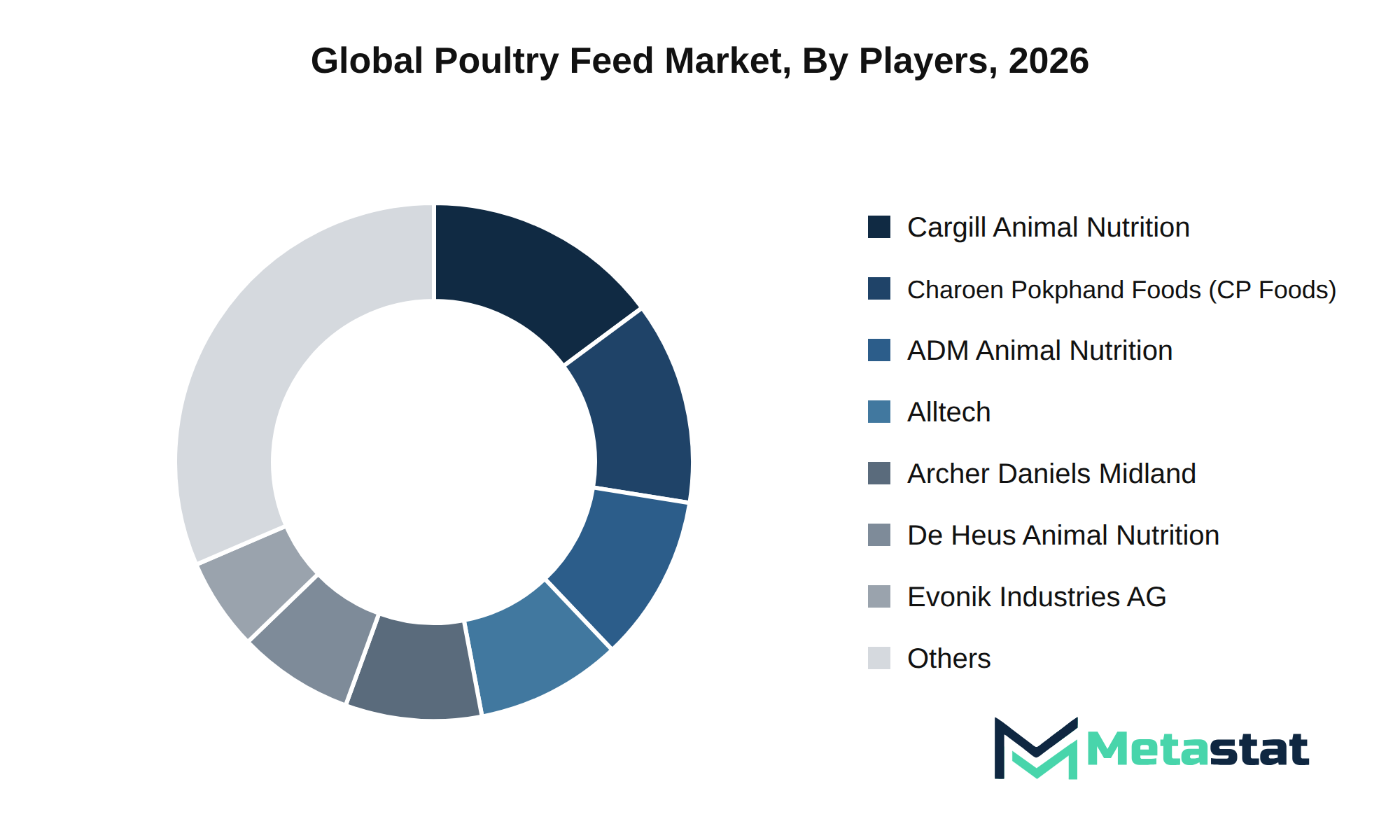
The Poultry Feed market features a diverse competitive environment characterized by various strategic behaviors among key players. Companies including ADM Animal Nutrition, Cargill Animal Nutrition, and Tyson Foods leverage extensive distribution networks and brand equity to maintain strong market presence. Strategic alliances and joint ventures among these firms enhance product offerings and expand geographical reach.
Product differentiation is significant in the competitive landscape, with firms like Alltech Inc and Charoen Pokphand Foods (CP Foods) focusing on innovative feed formulations and proprietary technologies. Research and development initiatives drive advancements in nutritional profiles, thereby catering to specific customer demands. Barriers to entry remain substantial, influenced by established players’ supply chain dominance and procurement leverage, which reinforce market positions.
Market size is forecast to rise from USD 241.4 billion in 2025 to over USD 354 billion by 2033. This growth reflects a 4.9% CAGR, indicating a steady demand trajectory influenced by various macroeconomic factors. The base case anticipates gradual recovery in global poultry production, supported by increased consumption and favorable agricultural policies. Fluctuations in feed ingredient costs and supply chain disruptions pose risks to this outlook.
The bull case envisions a scenario where technological advancements in feed production and processing enhance efficiency. Adoption of next-generation feed formulations, driven by rising consumer awareness of sustainable practices, could further accelerate market growth. The bear case outlines potential impacts from geopolitical tensions and regulatory changes that hinder trade flows and compliance timelines.
Strategic capital allocation focused on R&D will be crucial for industry players seeking to innovate and address emerging consumer trends. Infrastructure commitments toward sustainable practices will enhance long-term growth potential within the poultry feed market. Key players are expected to invest in high-growth regions, particularly in Asia Pacific, where demand for poultry products is rising significantly.
The poultry feed market displays a positive growth outlook, driven by evolving consumer preferences and industry innovation. Companies will navigate dynamic market conditions while capitalizing on emerging opportunities to maintain competitive positions.
The report strategically identifies and profiles the key market players and analyses their core competencies in each sub-segment of the Poultry Feed market.
Report Attributes | Details |
Study Period | 2021-2033 |
Base Year | 2025 |
Estimated Year | 2026 |
Forecast Period | 2026-2033 |
Historical Period | 2021-2025 |
Growth Rate | CAGR 4.9% from 2026 to 2033 |
Revenue Unit | USD billion |
Segmentation | By Feed Type, Form, Ingredient Type, Additives, and Region |
By Region | North America (By Feed Type, Form, Ingredient Type, Additives, and Country)
|
Europe (By Feed Type, Form, Ingredient Type, Additives, and Country)
| |
Asia Pacific (By Feed Type, Form, Ingredient Type, Additives, and Country)
| |
South America (By Feed Type, Form, Ingredient Type, Additives, and Country)
| |
Middle East and Africa (By Feed Type, Form, Ingredient Type, Additives, and Country)
|
Find answers to common questions about this report
The Poultry Feed market size was valued at USD 241.4 billion in 2025.
The Poultry Feed market is projected to grow at a CAGR of 4.9% during the forecast period from 2026 to 2033.
The North America Poultry Feed market size is estimated to reach USD 60.2 billion by 2033.
Broiler Feed leads the Poultry Feed market with a projected value of USD 207.1 billion by 2033, representing the highest growth among the feed type segments.
Key drivers for the Poultry Feed market include growing consumer demand for high-quality protein, particularly in developing regions, and the trend towards protein-rich diets among urban populations. investment in advanced feed technologies and infrastructure development enhances production efficiency and supports operational productivity.
The Poultry Feed market faces growth restraints due to increasing regulatory requirements, heightened operational costs, and macroeconomic headwinds including inflation. Supply chain disruptions and competition from alternative protein sources further complicate market dynamics, impacting availability and pricing of feed ingredients. These factors collectively limit growth opportunities within the market.
Growing consumer demand for high-quality protein, driven by an increasing population and evolving dietary preferences, favors product adoption in the Poultry Feed industry. Producers focus on optimizing feed formulations to enhance nutritional content and efficiency, aligning with the trend towards protein-rich diets, particularly in developing regions.
The Poultry Feed market is estimated to reach a valuation of USD 354 billion by 2033.
Key players operating in the Poultry Feed market include ADM Animal Nutrition, Cargill Animal Nutrition, Charoen Pokphand Foods (CP Foods), De Heus Animal Nutrition, Kemin Industries, Inc, Nutreco NV (SHV Holdings), and Tyson Foods.
Asia Pacific leads the Poultry Feed market, accounting for 45.8 percent of the market share.
The analysts below cover Agriculture research at Metastat Insights.
LEAD ANALYST
Utkarsh Khirodkar is a Lead Market Research Analyst at MetaStat Insight, specializing in market intelligence, technology sector assessments, and competitive strategy.
Tracking capacity expansion in single-use bioprocessing requires dependable data on raw material availability and cleanroom-grade polymer supply chains. The competitive landscape chapter gave a grounded evaluation of secondary component suppliers across North America and Asia-Pacific rather than simply reprinting press releases. Having that level of supplier benchmarking helped clarify dual-sourcing considerations for our clinical pipeline planning.
When evaluating distributed energy resource management systems, standard research summaries tend to gloss over the operational differences between front-of-the-meter utility deployments and behind-the-meter industrial sites. The MetaStat Insight report addressed those distinctions directly, especially regarding software interoperability standards and grid interconnection backlogs. The five-year market sizing across regional transmission organizations provided actionable context for our grid modernization strategy.
Most industry reports on warehouse automation bundle autonomous mobile robots and fixed conveyor installations into the same top-level numbers, which complicates advisory work. This study split the market cleanly by payload tiers, navigation technology, and fleet management software layers. The regional forecast for Western Europe gave our team defensible adoption benchmarks when evaluating capital allocation for logistics clients, saving us days of secondary data scrubbing.
Explore related market intelligence reports worth reading alongside this one.