
LEAD ANALYST
Utkarsh Khirodkar is a Lead Market Research Analyst at MetaStat Insight, specializing in market intelligence, technology sector assessments, and competitive strategy.

Global Used Passenger Cars Market Size, Share, By Type (Hatchback, Sedan / Saloon, SUV / Crossover, MPV / Minivan, Station Wagon / Estate, Coupe and Convertible / Roadster), By Powertrain Type (Petrol / Gasoline, Diesel, Mild Hybrid Electric Vehicle (MHEV), Full Hybrid Electric Vehicle (HEV), Plug-in Hybrid Electric Vehicle (PHEV), Battery Electric Vehicle (BEV) and Others (CNG, LPG, Flex-Fuel)), By Vehicle Age (Less than 3 Years, 3-5 Years, 6-10 Years and More than 10 Years), By Sales Channel (Offline Sales and Online Sales), Industry Analysis, Growth, Trends, and Forecast, 2026-2033
Report ID
MSI-5269
Published
September, 2026
Pages
263 Pages
Format
Historical
Base year
Forecast
Forecast period
Report Details
Market Valuation: Valued at $1,864.1 Billion in 2025, projected to reach $3,063 Billion by 2033 at a 6.4% CAGR.
Dominant Segment: The SUV / Crossover segment leads the market, driven by rising consumer preferences for larger vehicles that offer versatility and comfort.
Geographic Lead: The Asia-Pacific region is expected to grow fastest, fueled by increasing urbanization and a shift towards personal transportation solutions.
What's Inside: The report provides a comprehensive analysis of market segments, competitive landscape, and detailed forecasts from 2026 to 2033.
Emerging Trends: Growing interest in electric and hybrid vehicles is reshaping consumer preferences, with sustainability becoming a key factor in purchasing decisions.
Choose Your License
Global Used Passenger Cars Market
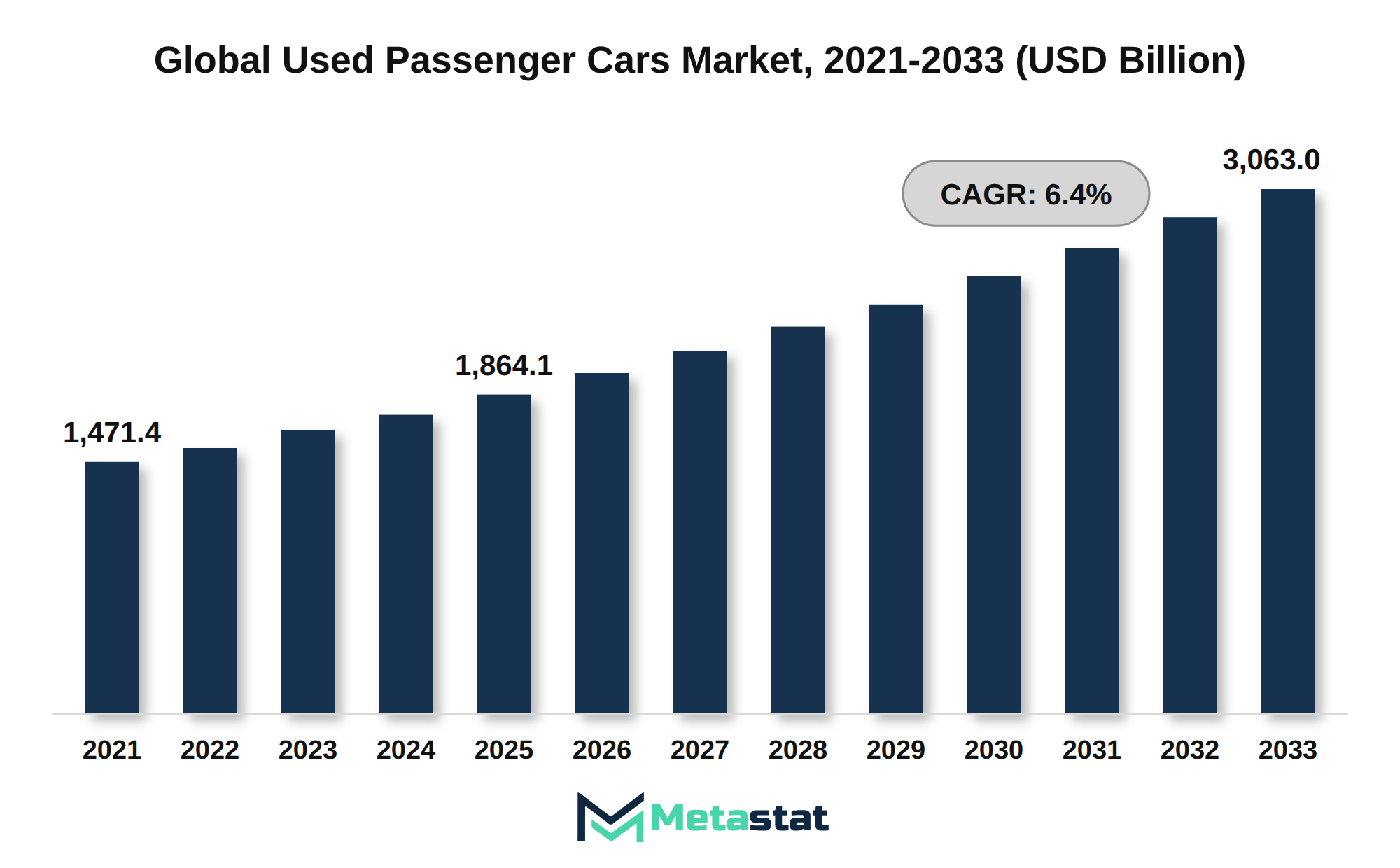
The global Used Passenger Cars market was valued at USD 1,864.1 billion in 2025 and is projected to reach USD 3,063 billion by 2033, growing at a CAGR of 6.4% over the forecast period.
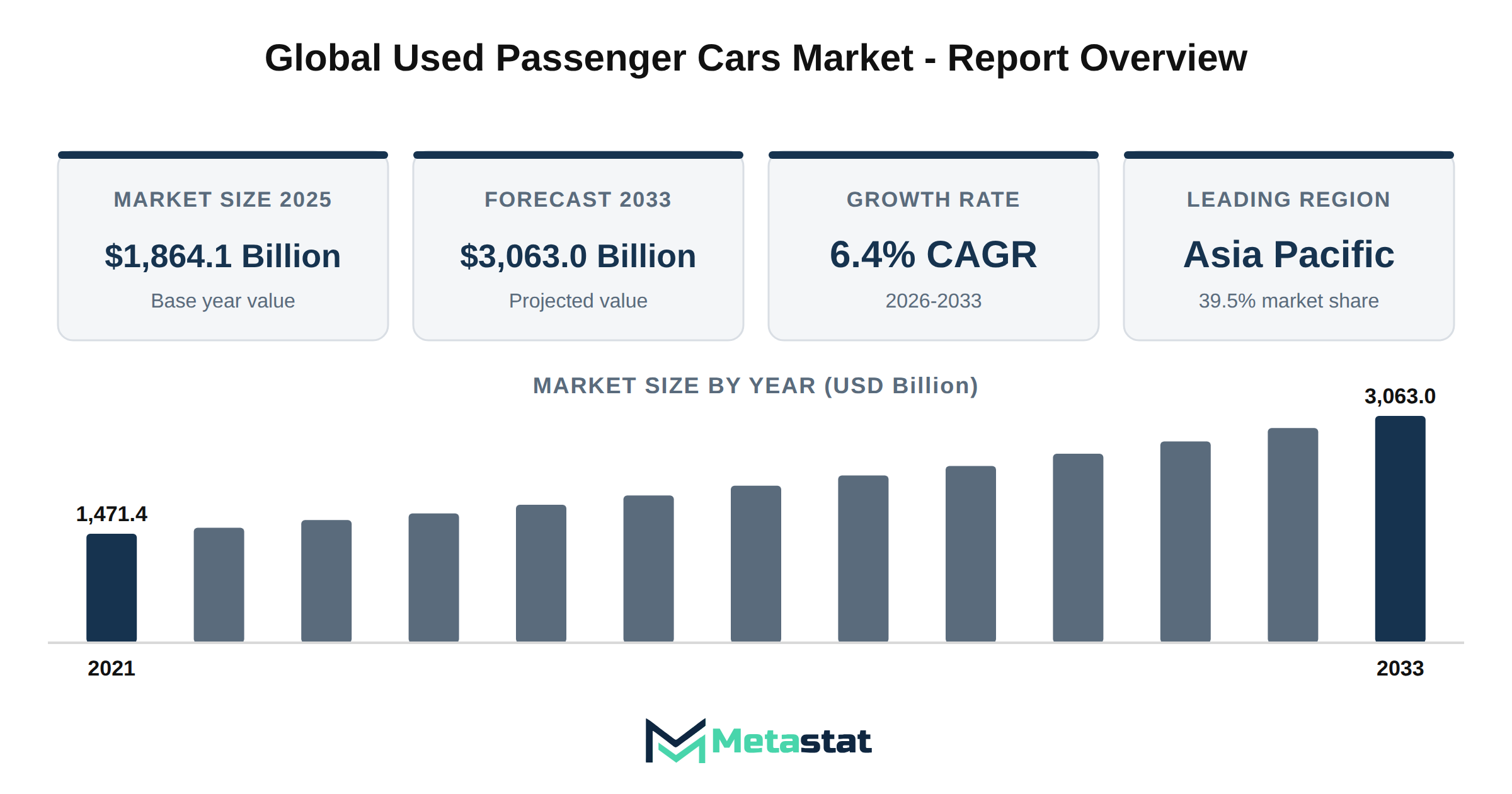
The global Used Passenger Cars market reached a valuation of USD 1,864.1 billion in 2025, with projections indicating growth to USD 3,063 billion by 2033, reflecting a compound annual growth rate (CAGR) of 6.4%. This growth trajectory highlights the increasing consumer preference for used vehicles, driven by various factors including rising new vehicle prices and evolving consumer buying behaviors.
Recent trends indicate a strong demand for used passenger cars, particularly influenced by shifts in consumer preferences towards affordability and value for money. The increasing cost of new vehicles has led many consumers to opt for used cars, enhancing demand across various demographic segments. The availability of online platforms for purchasing used cars has simplified the buying process, attracting tech-savvy consumers who prefer digital transactions.
Pricing dynamics in the used car market hinge significantly on vehicle age and residual values. Used cars, especially those classified because Certified Pre-Owned (CPO), command higher prices attributed to their perceived reliability and warranty coverage. The robust demand for these vehicles contributes to their stable residual values, which remain appealing to consumers seeking quality without the new car price tag.
The rise of online used car sales channels has transformed the market environment, enabling consumers to easily compare prices and access a broader inventory. Digital retail platforms facilitate transactions, catering to the growing preference for convenience among buyers. This shift towards online sales is expected to continue, driven by advancements in technology and changing consumer habits.
In the context of vehicle types, SUVs and crossovers have become increasingly popular in the used passenger cars market. Their versatility and perceived value make them attractive options for consumers. This trend aligns with the broader market shift towards larger vehicles, reflecting changing lifestyle preferences and family needs.
The adoption of used electric vehicles (EVs) and hybrid cars is gaining traction, driven by heightened environmental awareness and government incentives promoting sustainable transportation. Consumers are more inclined to consider these options, especially because charging infrastructure improves and the availability of affordable used models expands.
The relationship between new vehicle prices and used car demand significantly influences market trends. Rising new car prices prompt consumers to explore used options, further driving demand for pre-owned vehicles. This connection highlights the critical factors impacting consumer purchasing decisions in the automotive sector.
Financing and leasing trends shape the used passenger cars market, with evolving financial products enhancing affordability for consumers. Competitive financing options enable a broader range of buyers to access used vehicles, stimulating market growth. The availability of varied financing solutions supports the increasing demand for used cars across diverse consumer demographics.
Competition among dealer networks and independent used car retailers shapes the market dynamics. Traditional dealerships face challenges from online competitors, forcing them to innovate and enhance their customer service offerings. This competitive landscape drives improvements in inventory management and pricing strategies, ultimately benefiting consumers.
Innovations in vehicle inspection, certification, and reconditioning play a crucial role in enhancing consumer confidence in used cars. Effective inspection processes and certification programs ensure vehicle quality, addressing potential buyer concerns regarding reliability and safety.
Recent trends in the Used Passenger Cars market indicate a shift in consumer buying behavior, with increased demand for various vehicle types, particularly SUVs and crossovers. Buyers increasingly prioritize factors including fuel efficiency, safety features, and technology integration when selecting used vehicles. This evolving consumer preference results from changing lifestyles and urbanization, prompting a higher demand for versatile vehicles that cater to diverse driving needs.
Pricing trends indicate that used car prices have experienced fluctuations due to factors including vehicle residual values and overall market demand. The residual value of used cars has shown resilience, particularly for popular models, contributing to higher pricing stability. This dynamic presents challenges for buyers looking for affordable options while maintaining the quality and reliability of their purchases.
The growth of online used car sales and digital retail platforms significantly influences consumer purchasing behavior. These platforms offer convenience and transparency, allowing buyers to compare prices and access detailed vehicle histories. The shift to digital retail enhances the purchasing process, making it easier for consumers to find suitable vehicles while enabling sellers to reach a broader audience.
Certified pre-owned vehicle demand has surged, reflecting a growing consumer inclination towards warranties and assurances regarding vehicle quality. This trend demonstrates consumer confidence in certified programs, driving sales and enhancing the reputation of dealerships that prioritize quality assurance measures.
In the Used Passenger Cars market, the demand for SUVs and crossovers remains robust, attributed to their practicality and perceived value. The versatility of these vehicles makes them appealing to families and urban drivers alike, reinforcing their popularity in the second-hand market.
Adoption trends for used electric and hybrid vehicles continue to evolve, influenced by rising environmental awareness and government incentives. Increased availability of charging infrastructure and consumer education on the benefits of these vehicles contribute to their growing acceptance in the market.
Impact from new vehicle prices on used car demand becomes evident due to consumers seeking budget-friendly alternatives. High prices for new vehicles drive buyers to consider used options, leading to an uptick in demand for previously owned cars across various segments.
Financing and leasing trends in the used car market reveal a shift towards flexible payment options that enhance affordability for consumers. Innovative financing solutions enable a broader range of buyers to access used vehicles, stimulating market growth and enhancing dealer profitability.
Competitive dynamics among dealer networks and independent used car retailers intensify, with both groups striving to attract customers through unique offerings and improved customer service. This competition results in better deals for consumers and encourages innovation in sales strategies.
AI and data analytics play a crucial role in optimizing used car pricing and inventory management. Through advanced algorithms, dealers assess market trends more accurately, ensuring that pricing aligns with demand while managing inventory levels effectively.
Innovations in vehicle inspection, certification, and reconditioning processes enhance buyer confidence in used cars. Rigorous inspection protocols and certification programs ensure that vehicles meet quality standards, building trust among consumers and facilitating smoother transactions.
Availability of used car inventory remains a critical factor in market dynamics, influenced by supply chain challenges and fluctuations in trade-in activity. Adequate inventory levels contribute to competitive pricing and availability for consumers, directly impacting sales volumes.
Trade-in activity reflects changing consumer preferences and vehicle replacement cycles, driving inventory turnover in the used car market. A healthy trade-in environment supports the availability of high-quality used vehicles, ensuring that consumers have access to diverse options.
Regulatory developments impacting used passenger car sales require ongoing attention. Compliance with evolving emission standards and safety regulations is essential for maintaining market integrity while addressing environmental concerns.
Cross-border trade and export market trends create additional opportunities and challenges within the used car sector. Fluctuations in tariffs and trade agreements influence the movement of vehicles across borders, impacting pricing and availability in various regions.
Regional growth opportunities in the Used Passenger Cars market highlight potential for expansion in emerging markets. Increased disposable income and urbanization drive demand for used vehicles, presenting avenues for growth for manufacturers and dealers.
Consolidation within the used car marketplace, including partnerships and mergers, shapes competitive dynamics. These strategic moves enable companies to enhance their market presence, streamline operations, and achieve economies of scale.
Consumer preference shifts by vehicle age and body type illustrate the importance of market adaptability. Understanding these trends allows dealers to tailor their inventory and marketing strategies to meet evolving consumer demands.
Future growth opportunities in the global Used Passenger Cars market stem from ongoing innovations in vehicle technology, financing options, and consumer preferences. Emphasizing quality, reliability, and sustainability will be key to capturing market share in the coming years.
The emphasis on sustainability significantly influences the Used Passenger Cars market. Growing consumer awareness regarding environmental impacts drives demand for vehicles that align with stricter emission limits. Manufacturers respond to this shift by producing more eco-friendly options, including electric and hybrid vehicles, creating a more sustainable automotive ecosystem.
This transition towards sustainability benefits various stakeholders, particularly consumers and manufacturers. Consumers gain access to vehicles that contribute to lower carbon footprints, while manufacturers enhance brand reputation and meet market expectations. The shift incentivizes investments in cleaner technologies, further accelerating market growth.
Tightening emission standards globally compel the market to evolve to meet these requirements. Increased competition among manufacturers to offer innovative solutions ensures a diverse range of choices for consumers. This competitive environment drives technological advancements and operational efficiencies, contributing to overall market expansion.
The focus on sustainability and adherence to emission limits enhances consumer offerings and creates opportunities for manufacturers to differentiate themselves in the Used Passenger Cars market. The ongoing commitment to environmental responsibility shapes future market dynamics and growth trajectories.
Urbanization emerges because a significant driver of growth in the Used Passenger Cars market. The shift towards urban living leads to an increased need for personal transportation solutions among individuals who prefer the convenience and flexibility offered by used cars. While urban areas expand, access to public transport becomes limited, prompting consumers to consider used cars because an affordable and practical option.
Demographic changes, particularly the movement of the population to metropolitan regions, heighten this trend. Younger generations and those entering the workforce prioritize mobility, leading to higher sales in the used passenger segment. The evolving consumer behavior emphasizes the desire for cost-effective transportation solutions, which significantly influences market dynamics.
The rising cost of new vehicles drives consumers towards the used passenger cars market. Economic factors, including fluctuating interest rates and overall GDP growth, shape purchasing decisions. While consumers seek to optimize their budgets, purchasing used vehicles becomes an increasingly attractive option.
Consequently, the ongoing trend of urbanization and the associated demographic shifts create a robust environment for growth in the used passenger cars market. This evolution highlights the importance of understanding consumer preferences and market dynamics, positioning stakeholders to capitalize on emerging opportunities within the industry.
Increased regulatory scrutiny impacts the Used Passenger Cars market by introducing compliance hurdles that affect operational costs and pricing strategies. Regulations require manufacturers and dealers to meet stringent standards, leading to significant investments in technology and infrastructure to ensure compliance. This situation creates financial pressure on suppliers, potentially escalating retail prices for consumers and limiting access to affordable vehicles.
Macroeconomic headwinds, including inflationary pressures, affect consumer purchasing power, leading to decreased spending on used cars. Higher interest rates deter potential buyers, contributing to a slowdown in market growth. These factors create challenges for both dealers and consumers, with high costs hindering sales and reducing overall demand for vehicles.
Supply chain disruptions complicate the acquisition of used passenger cars. Shortages of essential components delay vehicle availability and increase operational costs for dealers. This situation leads to reduced inventory levels, making it challenging for the market to meet consumer demand effectively.
Geopolitical instability creates uncertainty in the market, affecting trade relations and import-export dynamics. Fluctuations in currency values increase the cost of imported vehicles, putting additional pressure on pricing strategies for dealers. This uncertainty influences consumer confidence and impacts sales volumes.
Resource scarcity affects the availability of essential materials needed for vehicle production and refurbishment. The resulting competition for these resources drives costs higher, which is passed on to consumers in the form of increased vehicle prices. Such dynamics limit the growth potential of the market, emphasizing the need for strategic responses to these challenges.
Geopolitical fragmentation introduces significant challenges within the Used Passenger Cars market, impacting trade relationships and creating uncertainty in supply chains. This fragmentation leads to increased trade deficits and tariff friction, which heighten production costs while limiting market access for various manufacturers. The resulting environment pressures suppliers and consumers alike, generating tension in pricing strategies and market competitiveness.
Technological disruptions further complicate the market by necessitating complex research and development integrations. This situation requires companies to adapt their product offerings rapidly in response to evolving consumer preferences and technological advancements. The need for interoperability among various vehicle platforms complicates the market, requiring additional investments that constrain available resources for innovation and expansion.
Supply chain instability remains a crucial challenge. Fluctuations in feedstock and component availability hinder production schedules, leading to increased costs and delayed product launches. Talent retention pressures and workforce skill gaps exacerbate these issues, because companies struggle to secure qualified personnel capable of driving technological advancements and managing complex supply networks.
The pressure on margins from rising input costs constrains profitability for many players in this segment. Environmental lifecycle footprints and sustainability demands introduce additional layers of complexity, pushing companies to invest in decarbonization mandates. Such initiatives often require significant capital investment and strategic shifts, impacting immediate financial performance.
Infrastructure gaps further complicate access to markets while retrofitting barriers hinder the integration of new technologies. While the market evolves, intellectual property protection deficits and cybersecurity risks become more pronounced, posing threats to innovation and consumer trust. This multifaceted environment challenges stakeholders to navigate various pressures and adapt their strategies to maintain competitive positioning within the Used Passenger Cars market.
Rapid advancements in technology significantly impact the Used Passenger Cars market, enhancing vehicle performance and efficiency. The integration of smart technologies into used passenger cars, including advanced driver assistance systems (ADAS) and connectivity features, attracts tech-savvy consumers and boosts resale values. Enhanced digital interfaces and in-car technologies create a competitive edge for vehicles, prompting buyers to seek modern used options that offer these enhancements.
The shift toward electric and hybrid vehicles further shapes market dynamics. Increased consumer interest in sustainable alternatives influences demand for used electric and hybrid models, presenting opportunities for growth within the segment. Manufacturers and dealerships that adapt to this trend by providing a robust inventory of these vehicles capitalize on changing consumer preferences, enhancing market shares.
Geographical expansion remains a vital opportunity, particularly in emerging economies where rising disposable incomes and urbanization create a growing customer base for used passenger cars. Investments in infrastructure and increased access to financing options facilitate vehicle purchases, driving market growth. Regions including Asia Pacific, with its substantial population and expanding middle class, show potential for increased used passenger car sales.
Digital transformation in procurement processes reshapes how consumers buy used cars. Online platforms that streamline the purchasing process and provide detailed vehicle histories enhance transparency and accessibility. The growing trend of digital procurement shifts buying behaviors, enabling consumers to make informed decisions while purchasing used vehicles. This evolution in consumer engagement represents a significant opportunity for businesses that leverage technology to enhance the buying experience.
The trend toward sustainability necessitates a shift in business strategies, aligning with environmentally conscious practices. Companies that embrace green technologies and eco-friendly operations strengthen their market position while meeting consumer expectations for sustainability. This alignment with environmental, social, and governance (ESG) criteria leads to improved brand loyalty and increased market penetration within the used passenger cars market.
The Global Used Passenger Cars market is segmented based on Type, Powertrain Type, Vehicle Age, and Sales Channel.
Valued at USD 437.5 billion in 2026, the Hatchback segment is projected to reach USD 607.7 billion by 2033, reflecting a CAGR of 4.8% during the forecast period. This growth stems from several primary demand drivers, including increased consumer preference for compact and fuel-efficient vehicles, particularly in urban areas where space constraints influence buying decisions. The segment expansion results from the evolving automotive landscape, prompting manufacturers to invest in innovative designs and features that cater to changing consumer needs.
Technological maturation in battery efficiency and emissions control enhances the appeal of hatchbacks, while next-gen upgrades introducing connected technologies and advanced safety features attract a broader customer base. Product evolution focuses on incorporating more sustainable materials and practices, aligning with the global movement toward eco-friendly transportation. Consumption shifts are evident owing to younger generations prioritizing affordability and practicality, leading to a heightened interest in hatchbacks.
Regulatory compliance standards increasingly emphasize low emissions and fuel efficiency, incentivizing manufacturers to innovate within this sub-segment. Cost structures remain competitive due to manufacturers leveraging economies of scale, while pricing volatility reflects consumer demand and raw material sourcing challenges. Strategic opportunity windows arise for players that capitalize on consumer trends towards electric and hybrid hatchbacks, enabling them to capture significant market share in the Used Passenger Cars market.
Anticipation surrounds the Sedan / Saloon segment within the Used Passenger Cars market, estimated to reach USD 635 billion by 2033, at a CAGR of 4.6% during the forecast period. Increasing consumer preference for comfort and style drives demand for sedans, enhancing their popularity in urban and suburban markets. The segment sees consistent demand owing to the balance of affordability and advanced features, appealing to families and professionals.
Technological advancements in safety features, fuel efficiency, and infotainment systems contribute to the segment's growth. Innovations including advanced driver-assistance systems (ADAS) attract consumers seeking enhanced safety and convenience. This trend aligns with evolving consumer expectations, further reinforcing the sedan's position in the market.
Competition among manufacturers emphasizes product evolution and adaptation to market preferences. Brands continuously refine their offerings, introducing new models that cater to the changing dynamics of buyer preferences. This strategic approach enhances market penetration, supporting growth in sales and overall revenue.
Economic factors, including rising disposable incomes and changing lifestyles, support increased adoption of sedans. Urbanization drives individuals to seek vehicles that offer practicality without sacrificing style. This shift in consumption patterns fuels segment expansion, reinforcing the sedan's relevance in the Used Passenger Cars market.
Growth in the SUV / Crossover segment of the Used Passenger Cars market is driven by rising consumer preferences for larger vehicles that offer versatility and comfort. Increased urbanization and lifestyle changes contribute to heightened demand for SUVs, driven by these vehicles providing enhanced cargo capacity and a higher driving position, appealing to families and adventure seekers alike. The segment is expected to reach USD 1,284 billion by 2033, reflecting significant adoption across various demographics.
Technological advancements play a critical role in this segment's expansion, with manufacturers integrating modern features including advanced safety systems, connectivity options, and fuel-efficient powertrains. The gradual shift toward electric and hybrid SUV models indicates a transition in consumer preferences toward more eco-friendly options, further stimulating growth within this sector.
Market dynamics highlight a notable consumption shift, with younger buyers increasingly gravitating towards SUVs due to their perceived safety and spaciousness. Regulatory compliance standards promoting emissions reductions and fuel efficiency drive manufacturers to innovate, enhancing the appeal of SUVs in the market. Competitive pressures necessitate continuous product evolution, pushing brands to differentiate their offerings through unique designs and advanced technology.
Price volatility and margin pressures related to raw material sourcing significantly influence the segment. Manufacturers face challenges in balancing production costs while maintaining competitive pricing. Strategic opportunity windows exist for companies investing in sustainable manufacturing processes and electric vehicle technologies, positioning themselves favorably in an evolving marketplace.
Strong demand for family-oriented vehicles contributes to growth in the MPV / Minivan segment of the Used Passenger Cars market. This segment is projected to grow at a CAGR of 6.9% during the forecast period. Families and individuals seeking spacious transportation options often prefer MPVs and minivans due to their versatility and comfort. The increasing desire for convenience and practicality drives buyers toward these vehicles, which offer ample seating and storage capabilities.
Technological advancements in safety features and fuel efficiency have strengthened the appeal of MPVs and minivans. Manufacturers incorporate next-generation upgrades to enhance the driving experience, which attracts consumers looking for modern amenities. Enhanced connectivity and infotainment systems further increase the attractiveness of these vehicles, aligning with consumer preferences for integrated technology.
Shifts in consumption patterns reflect a growing preference for used vehicles, particularly because economic considerations influence purchasing decisions. Buyers increasingly view used MPVs and minivans because cost-effective alternatives, leading to a rise in demand within the segment. This trend aligns with broader economic factors, including rising new vehicle prices and fluctuating financial conditions.
Regulatory compliance standards, emphasizing emissions and safety requirements, significantly impact the market dynamics. Manufacturers are adapting their offerings to meet these regulations, which increases competition among automakers. Such adaptations result in increased production costs, ultimately affecting pricing strategies within the market.
The outlook for the MPV / Minivan segment remains positive, supported by strategic investments aimed at expanding product lines and enhancing supply chain resilience. Companies are prioritizing innovations that cater to evolving consumer preferences while addressing regulatory challenges. The MPV / Minivan segment is expected to maintain its relevance in the competitive landscape of the Used Passenger Cars market.
Shifts in consumer preferences increasingly favor versatile vehicle types that offer practicality and comfort, driving attention toward the Station Wagon / Estate segment. This segment attracts buyers seeking spacious interiors suitable for families and enhanced cargo capacity, which aligns with lifestyle needs. Demand for these vehicles grows owing to urban dwellers prioritizing functionality alongside style, positioning the segment favorably within the Used Passenger Cars market.
Enhancements in fuel efficiency and safety features contribute to the desirability of station wagon models. Technological maturation in vehicle manufacturing drives innovations that enhance performance, sustainability, and user experience. This evolution aligns with growing consumer expectations and regulatory standards, pushing manufacturers to invest in next-gen upgrades that improve vehicle appeal and compliance.
Cost structures within the segment reflect a competitive market landscape, where pricing volatility influences purchasing decisions. Supply chain resilience remains critical, particularly regarding raw material sourcing for manufacturing. While manufacturers face potential disruptions, strategic opportunity windows arise for adaptability and innovation, ensuring that the segment continues to meet consumer demand effectively.
Consumer preferences increasingly shift towards sporty aesthetics and dynamic performance, fueling interest in the Coupe segment of the Used Passenger Cars market. The appeal of this segment lies in its combination of elegance and agility, attracting buyers who prioritize style and driving experience. Manufacturers focus on enhancing design elements and integrating advanced technologies to appeal to discerning consumers.
The Coupe segment benefits from an expanding demographic targeting younger car enthusiasts, who seek vehicles that reflect personal identity and lifestyle choices. This shift is supported by marketing initiatives that highlight the unique characteristics of coupes, differentiating them from sedans and SUVs. Enhanced social media promotion increases visibility, influencing potential buyers.
Technological advancements play a critical role in the evolution of the Coupe segment. Innovations in performance engineering and fuel efficiency contribute to improved driving dynamics, attracting buyers who value both aesthetic appeal and operational efficiency. Next-generation upgrades including enhanced infotainment systems and connectivity features further enrich the user experience, driving consumer interest.
The segment encounters distinct challenges, including competitive pricing pressures and fluctuating consumer demand. However, strategic opportunities arise through partnerships with automotive technology firms, facilitating the introduction of next-gen features that appeal to tech-savvy customers. Such collaborations enhance market positioning and drive value within the Used Passenger Cars market.
Overall, the Coupe segment stands to benefit from ongoing trends toward personalization and technological integration, positioning it because an attractive choice for a segment of the consumer base seeking a unique combination of style and performance in used passenger vehicles.
Market dynamics reflect a growing interest in the Convertible / Roadster sub-segment within the Used Passenger Cars market. This interest stems from shifting consumer preferences that prioritize performance, style, and an enhanced driving experience. Enthusiasts seek models that offer a unique combination of aesthetics and functionality, driving demand for these vehicles.
Technological advancements in design and engineering play a crucial role in shaping this segment. Consumers increasingly expect features that enhance both safety and performance, pushing manufacturers to innovate. Enhanced powertrains and advanced infotainment systems contribute to the attractiveness of these models, promoting segment growth.
Market expansion is supported by the increasing availability of pre-owned luxury vehicles, which allows a broader consumer base to access convertible options. Strategic marketing efforts targeting younger demographics emphasize the lifestyle associated with owning such vehicles, further stimulating interest in this sub-segment.
Regulatory compliance standards influence the market. Increased emphasis on emissions and fuel efficiency drives manufacturers to develop more environmentally friendly options for convertibles and roadsters. This focus aligns with broader consumer trends favoring sustainable automotive choices.
Investment in marketing and consumer outreach provides strategic opportunities within the market. By capitalizing on emerging trends, manufacturers enhance brand visibility and drive growth in the Convertible / Roadster segment, reinforcing its position within the broader Used Passenger Cars market.
Demand for microcars and specialty passenger cars reflects shifting consumer interests toward compact and efficient vehicle options. Urban dwellers increasingly seek vehicles that offer easy maneuverability and parking in congested areas, boosting interest in this segment. Rising fuel prices accelerate the preference for smaller, more economical vehicles that contribute to lower operating costs.
Technological advancements in materials and manufacturing processes enhance the appeal of these vehicles by improving safety and performance without sacrificing economy. The increasing availability of innovative features, including advanced infotainment systems and connectivity options, drives consumer interest in modernizing older vehicles with these technologies. Regulatory developments emphasizing environmental standards push manufacturers to adapt their offerings in the Used Passenger Cars market, particularly in this sub-segment.
Market participants face challenges related to pricing volatility, which impacts profitability. Strategic opportunities exist in expanding manufacturing capabilities and improving supply chain resilience. By focusing on effective sourcing and production methods, companies capitalize on the growing consumer shift toward microcars and specialty passenger cars, enhancing their competitive position within the market.
Strong interest in the Petrol / Gasoline segment within the Used Passenger Cars market reflects ongoing consumer preference for traditional fuel sources. Valued at USD 937.8 billion in 2026, this segment is projected to reach USD 1,076.3 billion by 2033, at a CAGR of 2% during the forecast period. Factors driving this steady growth include established infrastructure for petrol vehicles and consumer familiarity with internal combustion engines, which support ongoing demand.
The reliability and availability of petrol vehicles enhance their appeal across various demographics. Pricing volatility in alternative fuel sources reinforces petrol options among budget-conscious consumers. Evolving regulatory compliance standards motivate manufacturers to upgrade existing petrol technologies, thus improving fuel efficiency and emissions. These advancements contribute positively to consumer perception and acceptance of petrol-powered vehicles.
Increased utilization of petrol vehicles in ride-sharing and delivery services supports segment expansion, while emerging markets exhibit growing interest in this powertrain type due to affordability and accessibility. Overall, the Petrol / Gasoline segment remains a significant contributor to the Used Passenger Cars market, backed by ongoing investments in supply chain resilience and technological enhancements.
Growing environmental concerns and the push for cleaner alternatives impact the Diesel segment within the Used Passenger Cars market. Regulatory compliance standards increasingly limit the use of diesel vehicles in urban areas, leading to shifts in consumer preferences towards more sustainable options. Despite these challenges, established diesel technology continues to appeal to consumers seeking durability and fuel efficiency, particularly for long-distance travel and heavy-duty applications.
The Diesel segment is projected to reach USD 574.9 billion by 2033, at a CAGR of 1.2% during the forecast period. This growth reflects the ongoing demand for diesel engines in specific applications, despite the broader trend towards electrification. The market features a distinct consumer base valuing the longevity and torque characteristics of diesel-powered vehicles, which enhances their appeal in commercial use.
Technological maturation within the diesel sector focuses on improving emissions control technologies, addressing environmental concerns while maintaining performance. Advances in exhaust systems and fuel injection technologies enhance diesel engines' efficiency and compliance with stringent regulations. Strategic opportunity windows for manufacturers exist in enhancing the performance of existing diesel models while integrating next-generation upgrades that align with emerging regulatory frameworks.
Cost structures within the diesel segment remain under pressure from fluctuating fuel prices and the increasing costs associated with compliance technologies. However, sustained interest in diesel vehicles, particularly in markets with established diesel infrastructure, supports their continued relevance in the Used Passenger Cars market. Consumer education on the benefits of modern diesel technology is essential for maintaining market interest while facing growing competition from alternative powertrains.
Growing interest in Mild Hybrid Electric Vehicles (MHEV) is evident within the Used Passenger Cars market. Increased awareness of environmental issues drives the demand for vehicles that offer improved fuel efficiency without sacrificing performance. The integration of MHEV technology provides a successful balance between traditional combustion engines and electric power, making these vehicles attractive to a wide range of consumers.
The market for MHEV aims to reach USD 266.2 billion by 2033, influenced by several driving factors. Continuous advancements in battery technology and hybrid systems enhance vehicle performance and efficiency, increasing consumer confidence. Regulatory compliance standards promote lower emissions, encouraging manufacturers to adopt MHEV technology in their offerings.
Strategic opportunity windows arise from automakers expanding their MHEV portfolios to cater to demographic shifts favoring eco-friendly vehicles. Investments in marketing and consumer education about the benefits of MHEVs improve adoption rates. The increasing availability of charging infrastructure supports the growth of this segment within the market.
Price volatility in raw materials could impact production costs for MHEV vehicles. The long-term benefits of lower operational costs appeal to budget-conscious consumers. The Mild Hybrid Electric Vehicle segment is positioned to capitalize on evolving consumer preferences and the global shift toward sustainable transportation, ensuring its significance in the overall Used Passenger Cars market.
Growing consumer awareness about environmental sustainability drives demand for Full Hybrid Electric Vehicles (HEV) within the Used Passenger Cars market. This segment is projected to grow at a CAGR of 13.1% during the forecast period. The increasing emphasis on reducing carbon footprints, coupled with rising fuel prices, influences buyers to seek vehicles that offer improved fuel efficiency and lower emissions. Regulatory policies promoting hybrid technology further support this growth, encouraging consumers to consider HEVs because a viable alternative to traditional internal combustion engine vehicles.
Adoption of Full Hybrid Electric Vehicles benefits from advancements in battery technology, enhancing performance and driving range. Improved infrastructure for electric vehicles and charging stations reinforces confidence among potential buyers, facilitating broader acceptance of HEVs. Competitive pricing strategies by manufacturers and dealers in the market contribute to making these vehicles more accessible to a wider audience.
Market dynamics reflect an increasing shift towards environmentally friendly transportation solutions, highlighting the importance of the HEV segment. Continued investments in research and development drive innovation, leading to enhanced vehicle features and capabilities. This evolution not only attracts environmentally conscious consumers but positions HEVs because a strategic choice for those seeking a balance between performance and sustainability in the Used Passenger Cars market.
Growing interest in Plug-in Hybrid Electric Vehicles (PHEV) reflects a broader trend towards sustainability and reduced emissions in the Used Passenger Cars market. This segment experiences significant support from government incentives promoting electric vehicle adoption, enhancing consumer appeal. Increased fuel efficiency and lower operating costs attract environmentally conscious buyers, aligning with global efforts to combat climate change.
Technological advancements in battery technology and charging infrastructure contribute to segment development. Enhanced performance and convenience associated with PHEVs allow for greater consumer acceptance in urban and suburban areas. The versatility of PHEVs, which combine electric and gasoline powertrains, meets diverse driving needs, further establishing their position within the market.
Regulatory compliance standards push manufacturers to innovate and enhance PHEV offerings. Meeting these standards strengthens product credibility and aligns with shifting consumer expectations. The market observes a rise in strategic partnerships aimed at expanding PHEV availability, enhancing competition and driving innovation.
Investment in charging infrastructure remains a crucial factor for segment growth. Improved charging networks alleviate consumer concerns regarding range anxiety and support broader adoption. Overall, the Plug-in Hybrid Electric Vehicle segment represents a significant opportunity within the Used Passenger Cars market, driven by evolving consumer preferences and supportive regulatory frameworks.
Increased consumer demand for environmentally friendly transportation options drives interest in Battery Electric Vehicles (BEV) within the Used Passenger Cars market. The transition towards sustainable mobility reflects a broader commitment to reducing carbon footprints, prompting manufacturers to invest in advanced battery technologies and charging infrastructure. Consequently, BEVs attract environmentally conscious buyers seeking alternatives to traditional combustion engines.
Technological maturation significantly expands the BEV segment. Innovations in battery efficiency and charging speed enhance user experience, while improving affordability makes these vehicles more accessible to a wider audience. Regulatory compliance standards further encourage growth, with governments implementing stringent emissions regulations and offering incentives for electric vehicle purchases.
Shifts in consumption patterns indicate a preference for electric vehicles among younger demographics who prioritize sustainability. Increasing availability of charging stations enhances the convenience of BEV ownership, addressing potential concerns regarding range anxiety. Supply chain resilience, particularly in raw material sourcing for batteries, remains a critical factor influencing the segment's growth trajectory.
The Used Passenger Cars market anticipates further evolution in the BEV sector. Manufacturers focus on next-generation upgrades, enhancing autonomous driving technology and connected vehicle features, which are expected to augment the appeal of BEVs. Strategic opportunities arise from partnerships with charging network providers, ensuring integration into consumers' lifestyles.
Interest in alternative powertrain technologies continues to shape the Used Passenger Cars market, particularly regarding CNG, LPG, and flex-fuel vehicles. Rising fuel prices and growing environmental awareness among consumers drive demand for these vehicles. They offer a more sustainable option compared to traditional fuel sources, aligning with the shift toward greener transportation solutions.
The adoption of these vehicles benefits from favorable government regulations and incentives promoting cleaner energy sources. Such measures support manufacturers in developing models that meet eco-friendly standards while appealing to cost-conscious consumers. Expanding infrastructure for CNG and LPG refueling enhances accessibility, encouraging buyers to consider these options.
Technological advancements play a significant role in evolving product offerings within this segment. Manufacturers focus on improving engine efficiency and reducing emissions, resulting in vehicles that meet stricter regulatory requirements. This technological maturation enables market participants to expand their product line while addressing consumer preferences for environmentally friendly options.
The market for CNG, LPG, and flex-fuel vehicles faces several challenges related to pricing volatility and supply chain resilience. Fluctuating fuel prices impact consumer buying decisions, while sourcing raw materials creates vulnerabilities in production. Strategic opportunity windows exist for stakeholders willing to invest in innovation and adapt to changing consumer dynamics.
The CNG, LPG, and flex-fuel vehicle segment contributes to the overall landscape of the Used Passenger Cars market. Environmental concerns continue to influence consumer choices, and regulatory frameworks evolve, indicating this segment holds potential for growth and enhanced market relevance.
Valued at USD 598.1 billion in 2026, the segment is projected to reach USD 976.5 billion by 2033, at a CAGR of 7.3% during the forecast period. Factors driving demand include the rising preference for newer vehicle models that provide enhanced safety and technology features. Younger consumers exhibit a strong inclination towards vehicles with modern amenities and lower maintenance costs, fueling growth in the segment. The expansion of online sales channels presents additional opportunities for increasing accessibility and convenience for buyers seeking newer used cars.
Increased consumer spending power contributes positively to the market, allowing a broader demographic to consider purchasing vehicles less than three years old. The segment benefits from technological maturation, with newer vehicles typically incorporating advanced safety and connectivity features that appeal to technology-savvy consumers. Regulatory compliance standards regarding emissions and safety significantly influence the market, with newer vehicles often exceeding these standards, making them more attractive to buyers. Overall, these dynamics position the segment favorably within the larger Used Passenger Cars market.
Demand for vehicles within the 3-5 Years segment reflects a growing preference for relatively newer models that balance affordability and modern features. These vehicles offer a compelling option for buyers seeking reliability alongside the latest technological advancements. Increased disposable incomes and shifting consumer purchasing behaviors significantly contribute to the market's growth. Buyers in this segment prioritize value-for-money and dependability, favoring vehicles that provide a mix of performance and fuel efficiency.
Technological maturation in vehicle design and manufacturing enhances the appeal of 3-5 Years cars. Improved safety features, fuel economy, and infotainment systems attract consumers, leading to increasing adoption rates. Regulatory compliance standards surrounding emissions and safety influence buyer decisions, pushing potential customers towards newer models that fulfill these criteria. The 3-5 Years segment is projected to reach USD 923.5 billion by 2033, reflecting a CAGR of 6.9% during the forecast period. This growth trajectory reflects increased consumer confidence and ongoing investment in the Used Passenger Cars market.
Increased demand for vehicles aged between 6 to 10 years stems from a combination of cost-effectiveness and consumer reliance on proven performance. Buyers often prioritize value, leading to heightened interest in this segment. Enhanced reliability associated with vehicles in this age group attracts budget-conscious consumers who seek dependable options without the expense of brand-new cars.
The anticipated market valuation for the 6-10 Years segment is USD 891.3 billion by 2033. This growth reflects a broader trend within the Used Passenger Cars market, driven by the increasing affordability of slightly older models that still offer modern features and technologies. The balance of quality and price creates a compelling option for many buyers, driving ongoing demand.
Competition within the segment intensifies, driven by dealers and online platforms enhancing their offerings to capture a larger share of budget-conscious consumers. Strategic investments in marketing and robust customer service enhance the buying experience, strengthening relationships with potential buyers. Market players are expected to leverage technology to streamline the purchasing process, which supports segment growth.
Regulatory compliance surrounding vehicle emissions and safety standards influences buyer decisions, emphasizing the importance of purchasing from reputable sellers. While regulations evolve, vehicles that meet these standards present an attractive option for consumers focused on compliance and long-term usability. This factor highlights the significance of quality assurance in the Used Passenger Cars market.
Consumer interest in vehicles aged more than 10 years contributes to a stable segment within the Used Passenger Cars market. This demand arises from various factors including affordability, availability, and the appeal of vintage models. Buyers increasingly opt for older vehicles due to financial considerations; used cars present a cost-effective alternative to new models. Older vehicles frequently encompass a wider range of options, attracting enthusiasts and collectors who appreciate classic designs and features.
Technological advancements in vehicle maintenance and repair enhance the appeal of the More than 10 Years segment. Improved access to spare parts and specialized services allows older vehicles to remain operational and reliable, thereby maintaining consumer interest. Evolving regulatory compliance standards regarding emissions and safety for older vehicles influence buyer decisions within this segment. These developments reinforce confidence among consumers, ensuring consistent demand for more mature vehicles.
The More than 10 Years segment is projected to grow during the forecast period. This growth is supported by sustained consumer interest and a favorable economic environment that encourages investment in used vehicles. The segment's performance reflects broader trends in the Used Passenger Cars market, where affordability and variety continue to drive purchasing decisions.
Valued at USD 1,609.2 billion in 2026, the Offline Sales segment is projected to reach USD 2,039.6 billion by 2033, with a CAGR of 3.4% during the forecast period. Consumer preferences significantly influence this segment, with many buyers favoring traditional dealerships for the tactile experience and immediate access to vehicles. The shift towards offline sales reflects a desire for comprehensive customer service, where buyers receive personalized attention and the opportunity to inspect vehicles prior to purchase.
Enhanced inventory management and dealership strategies contribute to the growth of offline sales in the Used Passenger Cars market. Dealerships invest in innovative marketing techniques to attract consumers, applying promotions and financing options to encourage purchases. Price stability remains critical, because fluctuating costs for vehicles deter potential buyers. The market's resilience against economic pressures further supports this segment, indicating strong potential for sustained growth.
Increased emphasis on customer trust influences the Offline Sales segment, with buyers valuing transparency and reliability in transactions. Dealerships focus on building long-term relationships with customers, improving retention and repeat business. This approach creates a competitive environment, compelling dealers to enhance service offerings and develop loyalty programs. Overall, offline sales represent a vital channel within the Used Passenger Cars market, benefiting from evolving consumer behaviors and industry adaptations.
Rapid growth in the Online Sales segment stems from increasing digital adoption among consumers, reshaping purchasing behaviors in the Used Passenger Cars market. This shift results from technological advancements, improved online platforms, and a growing preference for convenience, enabling consumers to explore and purchase vehicles from the comfort of their homes.
Online sales enhance accessibility to a broader range of vehicles, increasing competition among dealerships and platforms. Price transparency and the ability to compare options efficiently drive consumer interest, prompting potential buyers to engage with various online marketplaces and platforms. This dynamic significantly influences purchasing decisions, leading to higher conversion rates and increased sales volumes.
The segment is estimated to reach USD 1,023.3 billion by 2033, at a CAGR of 15.2% during the forecast period. Consumers increasingly prioritize the convenience and time savings associated with online purchases. This trend positions online sales because a key growth driver in the broader Used Passenger Cars market, reflecting evolving consumer expectations and technological integration.
Based on geography, the Global Used Passenger Cars market is divided into North America, Europe, Asia-Pacific, South America, Middle East, and Africa.
North America exhibits significant potential within the Used Passenger Cars market, highlighted by a projected market size of USD 662.5 billion by the end of 2033. The region's market expansion is driven by several factors, including robust consumer demand for vehicles and advancements in automotive technology.
Rapid adoption of digital platforms for vehicle sales influences market dynamics, with online sales channels experiencing substantial growth. Increased convenience and accessibility provided by online platforms attract a wider customer base, enhancing overall market penetration. This trend aligns with consumer preferences for straightforward purchasing experiences.
Regional infrastructure modernization supports market growth, driven by investments in transportation networks that enhance accessibility to dealerships and service centers. The United States, Canada, and Mexico benefit from improved logistics, which facilitates the movement of vehicles and spare parts, supporting sales across various segments.
Domestic market participants, including CarMax, Inc. and AutoNation, Inc., play a crucial role in shaping competitive dynamics. They leverage local knowledge and procurement strategies that align with consumer preferences, building brand loyalty and repeat business. Such vendor consolidation trends strengthen market positioning and improve customer service capabilities.
The market's growth trajectory is further supported by cultural nuances and regional B2B buying behaviors. Understanding local consumer preferences allows for targeted marketing strategies that connect with diverse customer segments. This localized approach results in higher engagement and satisfaction, contributing to increased sales and market stability.
North America Used Passenger Cars market is set to expand at a CAGR of 6.4% within the forecast period, reaching a market size (TAM) of USD 662.5 billion by the end of 2033. This growth signifies a shift towards more environmentally friendly vehicle options, driven by changing consumer attitudes and regulatory frameworks.
The Used Passenger Cars market in Europe represents a significant portion of the global industry, contributing approximately 27.2% of the market share in 2025. Countries including Germany, France, the UK, Italy, Spain, and Russia drive this substantial market presence. Various factors influence growth, including strong consumer preferences for specific vehicle types and increasing environmental awareness.
Germany emerges because a key player, characterized by a high demand for energy-efficient vehicles and robust infrastructure supporting the used car market. France and the UK exhibit similar trends, with growing interest in electric and hybrid options leading to increased sales and adoption rates. Italy and Spain highlight a focus on affordability and value for money, influencing purchasing decisions in the used car segment.
Regional dynamics reflect a maturing market, with established practices shaping consumer behaviors and expectations. High-value replacement cycles indicate that European consumers frequently seek to upgrade to newer models, creating consistent demand for used vehicles. Established supply chains facilitate this transition, ensuring availability across various platforms and sales channels.
Localized manufacturing and procurement strategies enhance supply chain efficiency, providing a competitive edge for key market players. This consolidation leads to a more agile response to market trends, enabling vendors to adapt offerings in line with consumer preferences. The continued evolution of digital sales channels further expands market reach, offering consumers greater access to used vehicles.
Overall, the European Used Passenger Cars market demonstrates steady growth, driven by a combination of consumer preferences, established market practices, and the ongoing shift towards sustainable transportation solutions. This region remains a focal point for industry investment and development.
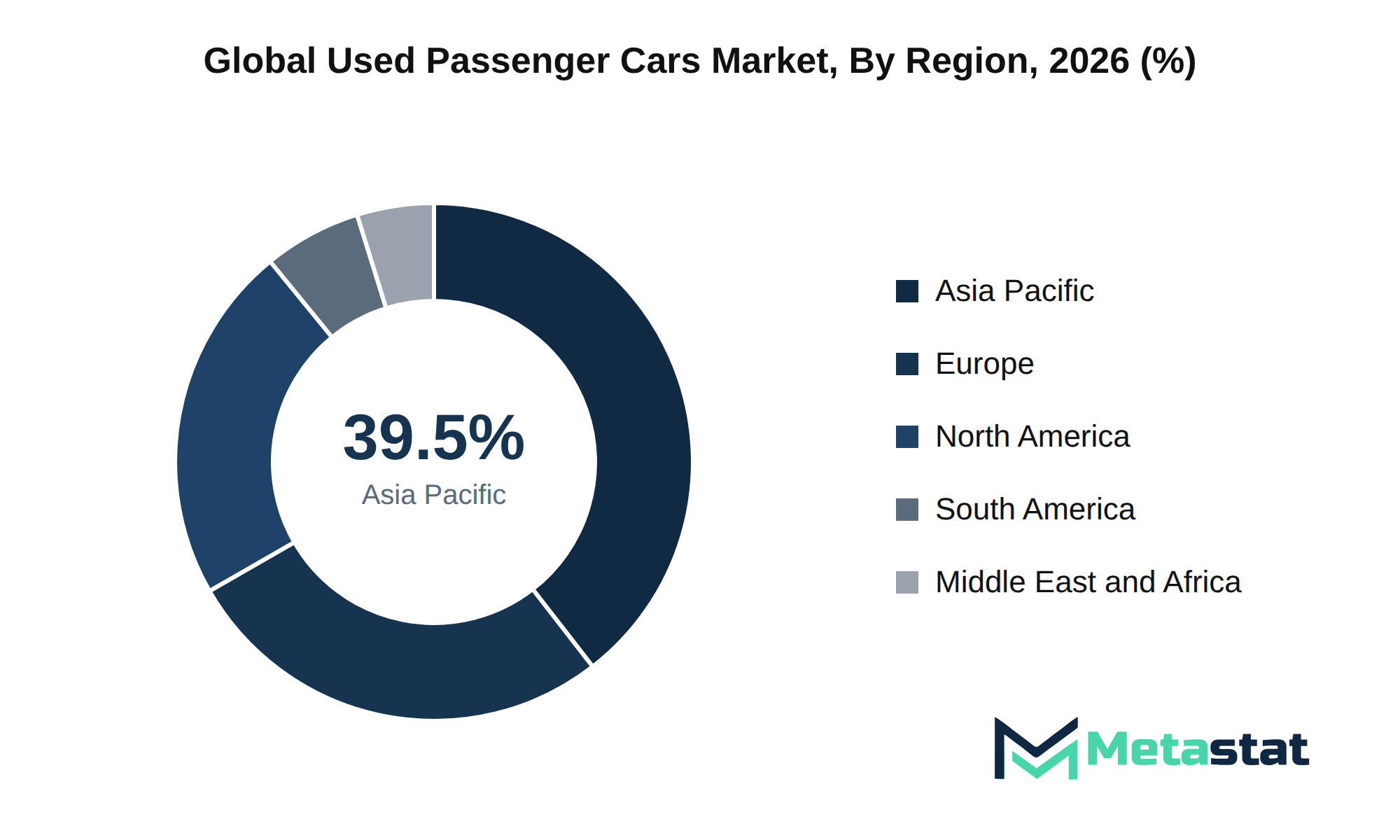
Asia Pacific represents a growing share of the Used Passenger Cars market, accounting for 39.5% in 2025. This dominance stems from rapid urbanization, increasing disposable incomes, and a growing middle class across countries like China, India, and South Korea. The expansion of infrastructure, including improved road networks and increased access to financing solutions, facilitates greater vehicle ownership.
China stands out because a leading market player, driven by strong demand for SUVs and fuel-efficient vehicles. The focus on electric vehicles (EVs) and hybrid technology influences consumer preferences, contributing to higher sales in the used segment. Japan, with its established automotive industry, sees strong demand for both high-quality used vehicles and innovative technologies.
In India, a rising population and urban migration drive the need for affordable transportation solutions, creating opportunities for a dynamic used car market. Meanwhile, South Korea experiences an emerging trend towards environmentally friendly vehicles, promoting hybrid and electric options. Australia experiences steady growth in the market, supported by strong consumer confidence and a well-developed resale ecosystem.
Online sales channels in this region are gaining traction, with digital platforms offering convenience and competitive pricing. Southeast Asia displays untapped potential, driven by increasing internet penetration and smartphone usage, enhancing online vehicle sales. Continuous investment in local infrastructure and regulatory frameworks supports the market's growth trajectory.
The Asia Pacific region's diverse dynamics, including economic growth, evolving consumer preferences, and technological advancements, position it favorably within the global Used Passenger Cars market. The region's potential for expansion and segment diversification further strengthens its market presence, contributing to significant growth forecasts through 2033.
The Used Passenger Cars market in South America presents opportunities driven by growing urbanization and increasing disposable income among consumers. Brazil and Argentina lead the region, with rising demand for affordable used vehicles. Significant interest exists in the SUV and Crossover segments, reflecting consumer preferences for versatile and family-oriented vehicles.
Infrastructure challenges persist, particularly in transportation networks and vehicle availability. Investments in local manufacturing and supply chain regionalization enhance access to quality used passenger cars. The emerging trend of online sales channels facilitates consumer purchases, expanding the market's reach and improving customer convenience.
Cultural attitudes toward vehicle ownership strongly influence purchasing behavior. A preference for used cars reflects economic considerations and local market dynamics. The competitive landscape includes several domestic players, contributing to vendor consolidation trends that enhance market stability.
Growth within the Used Passenger Cars market hinges on strategic entry barriers and foreign direct investment flows, supporting the development of regional supply chains. Rising demand for used vehicles prompts manufacturers and dealers to adapt to local compliance mandates and trade policy shifts, ensuring alignment with market expectations.
The Used Passenger Cars market in the Middle East and Africa exhibits unique characteristics shaped by regional dynamics and consumer preferences. This region demonstrates a growing interest in used vehicles, particularly in countries like Saudi Arabia, UAE, and South Africa. A combination of factors, including rising disposable incomes, urbanization, and evolving consumer attitudes toward mobility, drives demand for used passenger vehicles.
Investment in infrastructure modernization enhances accessibility and improves transactions in the market. Enhanced connectivity through cross-border trade corridors supports the flow of vehicles, increasing competition and improving choices for consumers. Localized procurement dynamics influence purchasing behaviors, emphasizing the importance of cultural nuances and preferences in the buying process.
Regional supply chains reflect shifting patterns, with increased emphasis on localized manufacturing. This trend enhances the market by reducing lead times and improving reliability in vehicle availability. Domestic market players play a crucial role in shaping the competitive landscape, fueling innovation and customer engagement strategies tailored to regional needs.
Incremental growth vectors arise from increasing consumer awareness and preference for different vehicle segments, including SUVs and hatchbacks. The presence of high-value replacement cycles contributes to sustained demand, providing opportunities for market participants to capitalize on the evolving landscape of used passenger cars.
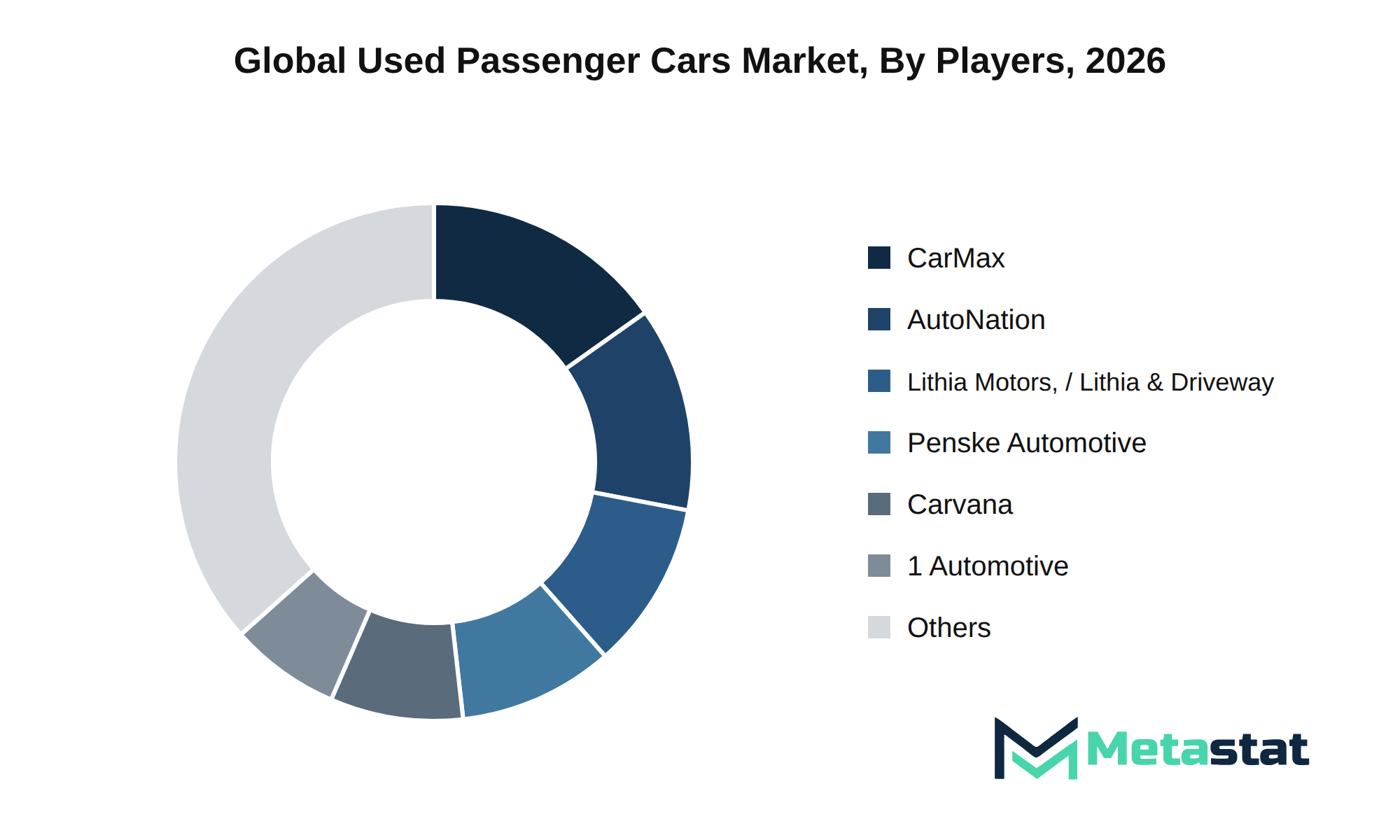
The Used Passenger Cars market experiences significant activity characterized by strategic consolidation and evolving go-to-market strategies. Key players including CarMax, Inc., AutoNation, Inc., and Carvana Co. engage in value chain integration, enhancing their market positions through strategic alliances and acquisitions. Companies like Lithia Motors, Inc. / Lithia & Driveway and Penske Automotive Group, Inc. focus on expanding their geographic reach, benefiting from procurement leverage and supply chain dominance.
Innovative product differentiation remains a critical factor in this competitive environment. Sonic Automotive, Inc. / EchoPark Automotive and Asbury Automotive Group, Inc. invest in proprietary technology, aiming to create unique offerings that enhance customer retention. In addition, firms including Hendrick Automotive Group and Arnold Clark Automobiles Limited leverage brand equity dynamics to fortify their market presence, navigating barriers to entry that challenge new entrants.
The future competitive outlook highlights a focus on defensive imperatives and strategic growth vectors. Companies like Sytner Group Limited and Vertu Motors plc enhance their intellectual property portfolios, ensuring technological defensibility against startup disruption dynamics. Overall, the competitive landscape of the Used Passenger Cars market continues to evolve, shaped by these strategic efforts and market dynamics.
Market size is forecast to rise from USD 1,864.1 billion in 2025 to over USD 3,063 billion by 2033. The base case anticipates a growth trajectory supported by increasing demand for used passenger cars, along with a steady economic recovery that boosts consumer purchasing power. Factors influencing this growth include evolving consumer preferences toward affordable and reliable vehicles, alongside significant advancements in automotive technologies.
In the bullish scenario, heightened demand for innovative features and eco-friendly vehicles could drive higher sales volumes and increase market value beyond the expected projections. Conversely, a bearish outlook suggests potential disruptions from economic downturns or shifts in consumer spending, which could hinder growth and result in lower demand for used passenger cars. Strategic capital allocation and infrastructure commitments from key players will play essential roles in navigating these market dynamics.
Next-generation technology integration, including enhanced vehicle connectivity and automation, is likely to reshape consumer expectations and preferences, influencing purchasing decisions and market trends. R&D commercialization timelines will impact the speed at which new technologies are adopted, further affecting market growth.
Regulatory evolution and compliance milestones, particularly regarding emissions and safety standards, will shape the product landscape. Companies will align their strategies with forthcoming regulatory requirements to maintain competitiveness. Geopolitical realignments and shifting trade corridors affect supply chain dynamics, thereby influencing availability and pricing of used passenger cars across different regions.
Identifying emerging white-space opportunities, unmet enterprise needs, and high-growth pockets will support strategic initiatives aimed at capturing market share. Executive-level strategic imperatives, including defensibility roadmaps, will guide businesses in adapting to evolving market conditions, ensuring sustained growth and profitability in the used passenger cars market.
The report strategically identifies and profiles the key market players and analyses their core competencies in each sub-segment of the Used Passenger Cars market.
Report Attributes | Details |
Study Period | 2021-2033 |
Base Year | 2025 |
Estimated Year | 2026 |
Forecast Period | 2026-2033 |
Historical Period | 2021-2025 |
Growth Rate | CAGR 6.4% from 2026 to 2033 |
Revenue Unit | USD billion |
Segmentation | By Type, Powertrain Type, Vehicle Age, Sales Channel, and Region |
By Region | North America (By Type, Powertrain Type, Vehicle Age, Sales Channel, and Country)
|
Europe (By Type, Powertrain Type, Vehicle Age, Sales Channel, and Country)
| |
Asia Pacific (By Type, Powertrain Type, Vehicle Age, Sales Channel, and Country)
| |
South America (By Type, Powertrain Type, Vehicle Age, Sales Channel, and Country)
| |
Middle East and Africa (By Type, Powertrain Type, Vehicle Age, Sales Channel, and Country)
|
Find answers to common questions about this report
The Used Passenger Cars market size was valued at USD 1,864.1 billion in 2025, according to the Metastat Insights study.
The Used Passenger Cars market is projected to grow at a CAGR of 6.4% during the forecast period from 2026 to 2033.
The North America Used Passenger Cars market size is estimated to reach USD 662.5 billion by 2033.
The SUV / Crossover segment leads the Used Passenger Cars market, projected to reach USD 1,284 billion by 2033. This figure surpasses all other type segments, indicating strong consumer preference for this category.
Key drivers for the Used Passenger Cars market include the increasing emphasis on sustainability, urbanization, and rising costs of new vehicles. Consumer demand for eco-friendly options and personal transportation solutions, alongside economic factors like fluctuating interest rates, significantly influence market dynamics and growth trajectories.
Increased regulatory scrutiny introduces compliance hurdles that raise operational costs and retail prices, limiting access to affordable vehicles. Macroeconomic headwinds, including inflation and higher interest rates, reduce consumer purchasing power, contributing to a slowdown in market growth. Supply chain disruptions and resource scarcity complicate the acquisition of used passenger cars, hindering overall demand.
The increasing emphasis on sustainability significantly influences product adoption in the Used Passenger Cars market. Growing consumer awareness regarding environmental impacts drives demand for eco-friendly vehicles, while urbanization and demographic shifts create a robust environment for personal transportation solutions. These factors collectively enhance the appeal of used cars among consumers.
The Used Passenger Cars market is estimated to reach a valuation of USD 3,063 billion by 2033.
Key players in the Used Passenger Cars market include CarMax, Inc., AutoNation, Inc., Carvana Co., Lithia Motors, Inc., Penske Automotive Group, Inc., Group 1 Automotive, Inc., and Sonic Automotive, Inc.
The Used Passenger Cars market is projected to reach USD 3,063 billion by 2033.
The analysts below cover Automotive and Transportation research at Metastat Insights.
LEAD ANALYST
Utkarsh Khirodkar is a Lead Market Research Analyst at MetaStat Insight, specializing in market intelligence, technology sector assessments, and competitive strategy.

ENERGY & INFRASTRUCTURE INDUSTRY CONSULTANT
Automotive and Transportation · Electronics and Semiconductor · Energy and Power · Machinery & Equipment
Saurabh Vasant Ganvir consults for Energy & Infrastructure Industry at MetaStat Insight, specializing in renewable energy, solar EPC, and electric vehicle (EV) infrastructure markets.
The technical breakdown of ISO 20022 migration readiness across correspondent banking corridors was remarkably thorough. Rather than treating cross-border corporate payments as a single block, the report drew a useful distinction between multilateral netting platforms and domestic instant payment rails across ASEAN economies. MetaStat Insight highlighted regulatory constraints on foreign exchange liquidity management that many publications gloss over. The research material offered practical clarity for our platform development roadmap.
Our group needed clearer visibility into out-of-autoclave processing timelines for high-temperature thermoplastic composites. MetaStat Insight delivered an objective assessment that contrasted automated fiber placement scrap rates with traditional thermoset prepreg layup cycles. The supplier landscape mapped out primary resin suppliers and tape slitting capacity across France, Germany, and Japan with solid technical accuracy. Their analyst handled our questions on precursor supply risks during an unscheduled inquiry call, providing clear, unembellished context.
Evaluating sensor fusion reliability across harsh operating environments can be tricky without field-validated data. The study on agricultural autonomous guidance systems clearly separated stereo vision setups from automotive-grade solid-state LiDAR. We appreciated the regional infrastructure analysis, specifically around RTK network density across North America and South America. During our follow-up consultation, the MetaStat Insight team walked through tier-two perception software partnerships, giving our engineering leads a practical basis for vendor shortlisting.
Explore related market intelligence reports worth reading alongside this one.
Starting from
$2950
Starting from
$2950