
LEAD ANALYST
Utkarsh Khirodkar is a Lead Market Research Analyst at MetaStat Insight, specializing in market intelligence, technology sector assessments, and competitive strategy.

Global Wrought Iron Canopies Market Size, Share, By Structural Configuration (Bracket-Supported Canopies, Cantilevered Canopies, Suspended/Tie-Rod Canopies, Post-Supported Canopies, Freestanding Canopies and Combination/Custom-Support Canopies), By Covering Material (Glass, Polycarbonate, Metal Sheet, Fabric and Membrane and Others (Acrylic, Composite Panels)), By Application (Entrance and Door Canopies, Window Canopies, Porch and Patio Canopies, Balcony and Terrace Canopies, Walkway and Passage Canopies and Garden, Pergola and Gazebo Canopies), By End Use (Residential, Retail and Commercial Buildings, Hospitality and Leisure, Institutional and Public Buildings and Industrial and Transportation Facilities), Industry Analysis, Growth, Trends, and Forecast, 2026-2033
Report ID
MSI-5343
Published
September, 2026
Pages
273 Pages
Format
Historical
Base year
Forecast
Forecast period
Report Details
Market Valuation: Valued at $367.7 Million in 2025, projected to reach $535.2 Million by 2033 at a 4.8% CAGR.
Dominant Segment: Cantilevered Canopies lead the market, projected to reach USD 129.4 million by 2033, driven by increasing demand for contemporary architectural designs that offer unobstructed views.
Geographic Lead: The Asia Pacific region is experiencing rapid urbanization and infrastructure development, significantly contributing to the demand for aesthetically pleasing and functional wrought iron canopies.
What's Inside: This report provides a comprehensive analysis of the global wrought iron canopies market, including competitive coverage, market segmentation by structural configuration, covering material, application, and end use, along with growth trends and forecasts from 2026 to 2033.
Emerging Regional Demands: Emerging markets are seeing increased investment in residential and commercial projects, driving the need for innovative and customizable wrought iron canopies that enhance outdoor spaces.
Choose Your License
Global Wrought Iron Canopies Market
The global Wrought Iron Canopies market was valued at USD 367.7 million in 2025 and is projected to reach USD 535.2 million by 2033, growing at a CAGR of 4.8% over the forecast period.
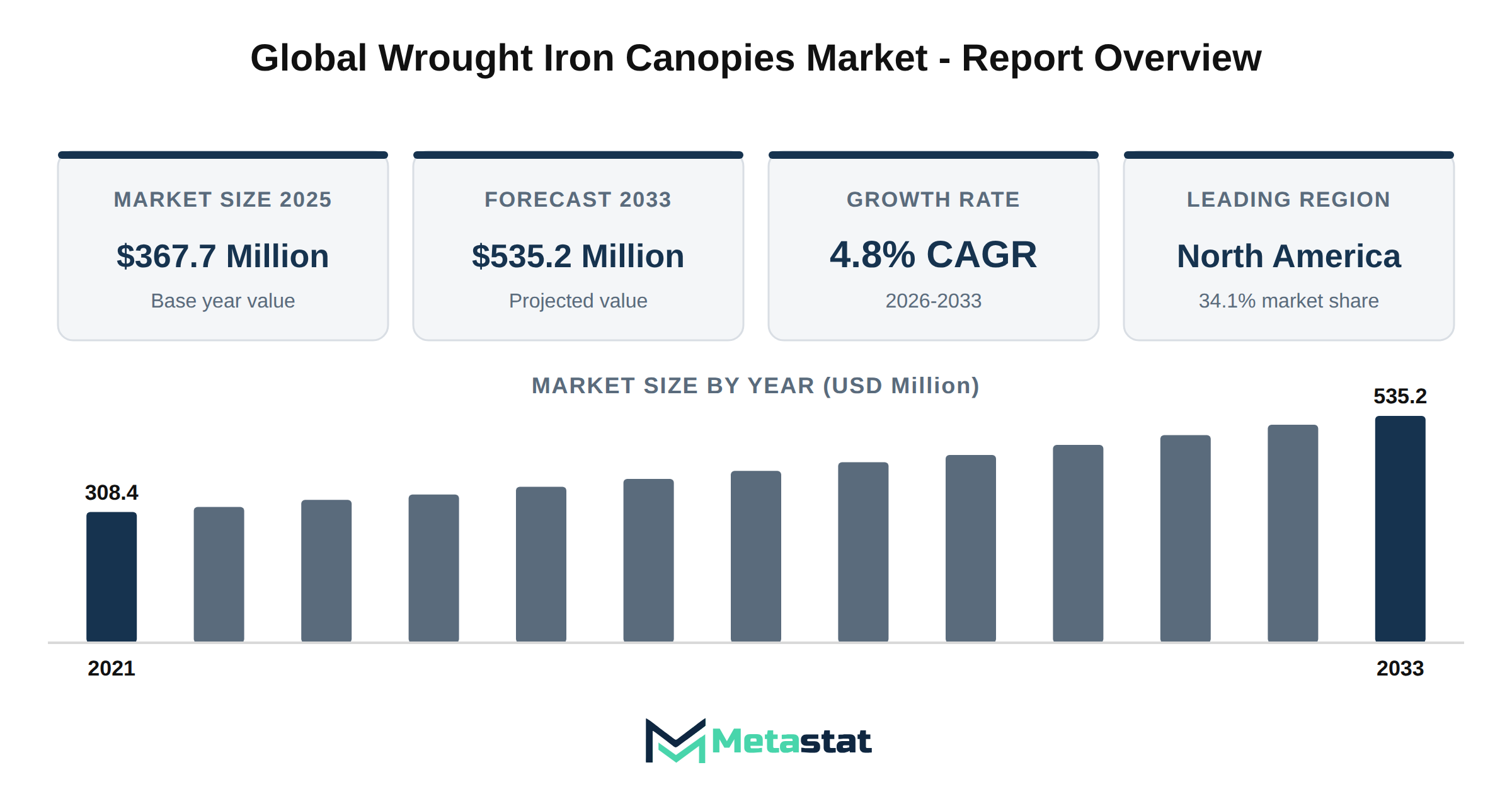
The Wrought Iron Canopies market reached a valuation of USD 367.7 million in 2025, with projections indicating an increase to USD 535.2 million by 2033, reflecting a compound annual growth rate (CAGR) of 4.8%. Historical data shows growth from USD 308.4 million in 2021 to USD 349.6 million in 2024, demonstrating a steady upward trajectory in market demand.
Rising demand for decorative architectural iron canopies significantly influences market expansion. Increasing interest in aesthetic enhancement for both residential and commercial structures drives this trend. Residential renovation activities contribute to heightened installations of wrought iron canopies, driven by homeowners seeking to improve the visual appeal of their properties.
Commercial building projects exhibit a growing demand for custom wrought iron canopies, which provide exclusive design features tailored to specific architectural styles. These custom solutions often address unique client requirements, ensuring that canopies enhance the overall aesthetic of commercial spaces. Wrought iron entrance canopies gain traction within heritage architecture, supporting preservation efforts while offering modern functionality.
Design innovations incorporating glass and polycarbonate coverings transform the traditional appearance of wrought iron canopies. These materials not only improve aesthetics but enhance durability and weather resistance. Custom fabrication trends in the market enable manufacturers to create unique designs that cater to diverse consumer preferences. Innovations in design are reshaping market offerings.
Advancements in powder coating and corrosion protection technologies improve the longevity of wrought iron canopies. These finishes ensure that canopies withstand environmental factors, increasing their appeal to consumers seeking durable solutions. The premium architectural aesthetics provided by wrought iron canopies further support demand, attributed to consumers increasingly prioritizing design quality.
Market pricing trends for wrought iron canopies reflect fluctuations in raw material and steel prices, which impact manufacturers' costs. Automation and CNC fabrication technologies streamline the production process, enhancing efficiency and precision in ornamental iron canopy production. Sustainable coatings and recyclable metals are reshaping canopy manufacturing practices, aligning with the growing emphasis on environmental responsibility.
The Wrought Iron Canopies market experiences growth trends driven by increasing demand for decorative architectural iron canopies. Residential renovation projects significantly contribute to the installations of wrought iron canopies, with homeowners seeking to enhance their properties' aesthetic appeal and functionality.
Commercial buildings exhibit a strong demand for custom wrought iron canopies, aligning with modern architectural designs. This trend reflects the need for tailored solutions that meet specific design requirements and enhance the overall appearance of business establishments.
Wrought iron entrance canopies are gaining adoption in heritage architecture, appealing to restoration projects that prioritize historical accuracy and visual charm. The integration of glass and polycarbonate coverings transforms the design possibilities for wrought iron canopies, offering durability while improving aesthetic qualities.
Custom fabrication trends in wrought iron canopies continue to rise, meeting the unique demands of clients seeking personalized designs. Powder coating and corrosion protection technologies advance canopy durability, ensuring longevity and reducing maintenance costs.
Premium architectural aesthetics support the growing demand for wrought iron canopies, with consumers valuing high-quality materials and innovative designs. Pricing and fabrication cost trends reflect the influence of raw material prices, particularly steel, on manufacturers operating in the market.
Automation and CNC fabrication technologies play a crucial role in ornamental iron canopy production, streamlining processes while improving precision. Sustainable coatings and recyclable metals are reshaping canopy manufacturing, aligning with environmental considerations and consumer preferences.
Building codes and safety standards influence the design of wrought iron canopies, ensuring compliance while addressing practical concerns. Heritage restoration projects create a consistent demand for ornamental iron canopies, highlighting the intersection of functionality and historical preservation.
The competitive landscape of wrought iron canopy manufacturers features local fabricators and custom metalwork specialists who shape market dynamics. North America presents significant opportunities for wrought iron canopy demand driven by ongoing renovation projects, while Europe’s market thrives on heritage and architectural restoration initiatives.
In the Asia Pacific region, the growth of the wrought iron canopies market aligns with residential and commercial construction activities. Hospitality and retail projects expand the demand for decorative iron canopies, reflecting the trend towards enhancing outdoor and entryway aesthetics.
Outdoor living trends support the demand for porch, patio, and garden canopies, driven by consumers seeking to extend their living spaces. Architectural customization emerges because a key purchasing factor, with clients prioritizing unique designs that reflect personal style and preferences. Future opportunities in bespoke and high-end wrought iron canopies align with these evolving consumer demands.
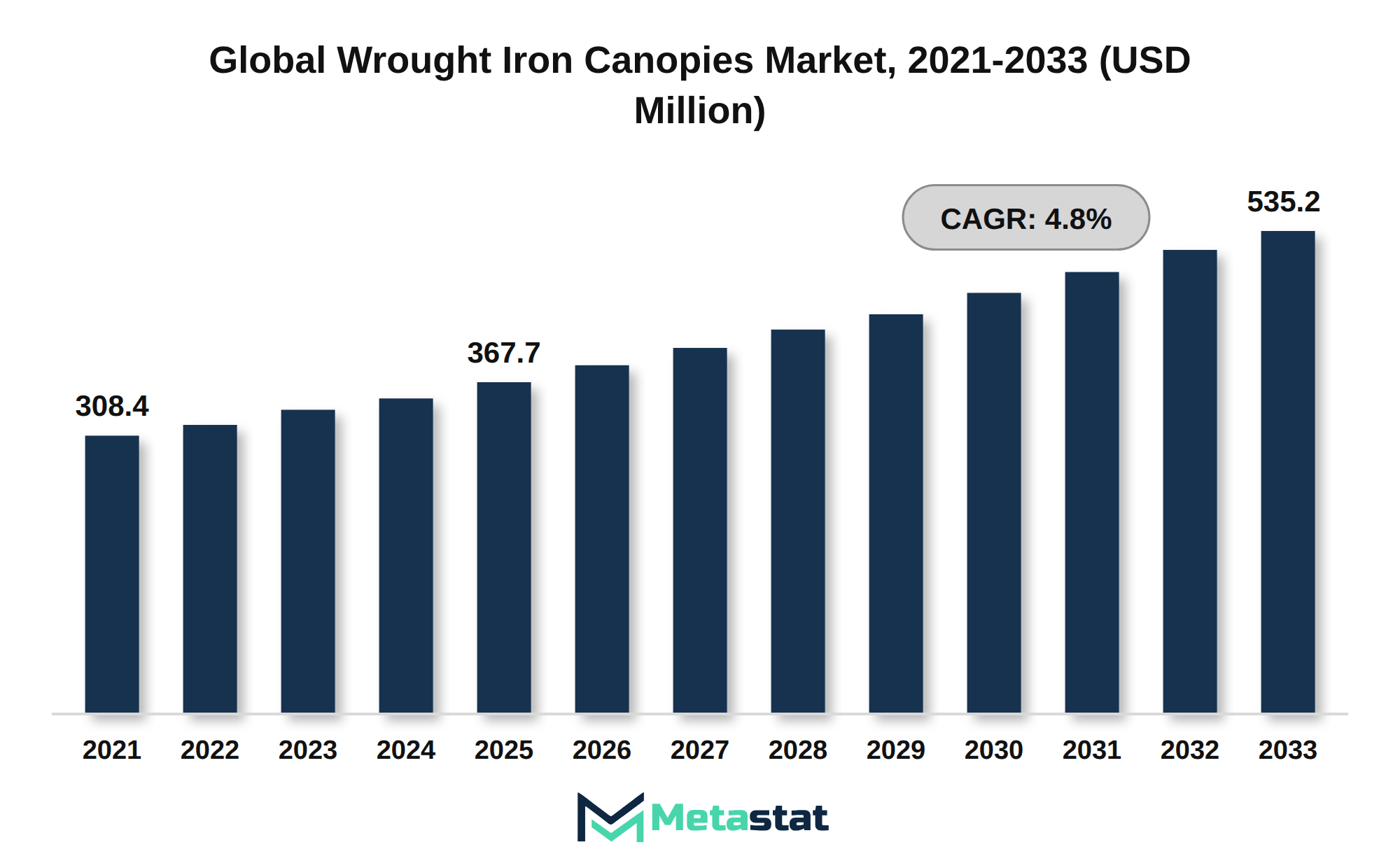
The Wrought Iron Canopies market benefits from several macro-economic factors that stimulate demand and investment. Economic growth, reflected in rising GDP figures, enhances consumer spending and increases demand for residential and commercial construction projects. Robust capital investment environments, characterized by favorable interest rates and increased public-private spending power, encourage investment in wrought iron canopies. This trend leads to enhanced infrastructure development, propelling the market forward.
Urbanization and evolving consumer behaviors contribute significantly to market dynamics, with populations gravitating towards metropolitan areas. This demographic change fuels demand for versatile and aesthetically appealing canopies in both residential and commercial settings. Lifestyle changes among consumers prioritize outdoor spaces, driving interest in canopies for patios, porches, and entrances. The market is projected to experience steady growth driven by these interconnected macro-economic factors.
Investment in infrastructure development significantly influences the Wrought Iron Canopies market, driven by increased public and private sector spending that enhances construction activities across residential, commercial, and institutional buildings. Governments and private entities prioritize infrastructure projects, which incorporate wrought iron canopies to improve aesthetic appeal and functionality. This surge in construction projects results from positive macro-economic indicators, including rising GDP and capital investment in various sectors.
The ongoing trend towards urbanization drives demand for wrought iron canopies, particularly in densely populated areas where outdoor spaces are prioritized. Growing populations in urban centers create a need for additional housing and public amenities, leading to an increase in the installation of canopies in various applications including entrances and patios. This trend reflects evolving consumer preferences for outdoor living spaces, contributing to the overall growth of the market.
Technological integration and innovation play crucial roles in enhancing the infrastructure landscape. Modern construction techniques, including automation and advanced design software, allow for the efficient production and installation of wrought iron canopies. These advancements improve the quality and design flexibility of canopies while reducing lead times, supporting faster project completions. Consequently, stakeholders in the market benefit from improved operational productivity, aligning with consumer expectations for timely and high-quality installations.
Investment in infrastructure development and modernization leads to increased competition among market players, prompting them to innovate and diversify their product offerings. This competitive environment encourages continuous improvement in design, materials, and functionality within the wrought iron canopies market, positioning it for sustained growth through the forecast period.
Regulatory tightening presents a substantial challenge within the Wrought Iron Canopies market. Compliance hurdles related to environmental and safety standards increase operational complexities for manufacturers. This situation affects small to mid-sized enterprises disproportionately, limiting their ability to innovate and compete effectively.
High capital investment requirements restrict market entry for new players and hinder expansion efforts for existing companies. Escalating operating costs, influenced by inflationary pressures, challenge profitability and compel firms to reevaluate pricing strategies.
Supply chain disruptions exacerbate material shortages and lead to delays in production schedules, impacting timely project completions. Geopolitical instability complicates the procurement landscape, with fluctuating tariffs and trade barriers affecting import costs for essential raw materials.
Technological obsolescence poses risks. Manufacturers strive to keep pace with advancements in design and construction methodologies. Substitution risks from alternative materials and offerings divert potential customers, affecting market share.
Infrastructure gaps and connectivity deficits hinder the deployment of new projects, limiting the market's growth potential. Skilled labor deficiencies create challenges, complicating recruitment and retention efforts necessary for maintaining competitive operations.
These factors contribute to a fragmented marketplace where varying regional adoption rates and cultural barriers slow down overall demand. Slowing downstream demand for construction projects indicates that the market faces maturity sooner than anticipated, leading to market saturation that constrains growth opportunities.
Geopolitical fragmentation continues to challenge the Wrought Iron Canopies market by creating uncertainties that disrupt supply chains and trade relationships. Trade deficits and tariff friction between key countries lead to increased costs for manufacturers and suppliers, limiting competitive pricing strategies. These factors particularly affect the transportation of raw materials and finished products across borders, contributing to volatility in feedstock and component availability.
Technological disruptions further complicate the landscape, driven by challenges companies face in integrating new systems and processes. Complex research and development requirements strain resources and slow down product innovation. The pressure to keep up with technological advancements affects smaller firms disproportionately, limiting their market access and competitive capabilities.
Logistics disruptions and supply chain instability pose additional risks to the market. Delays in shipping and transportation increase lead times for customer orders, affecting customer satisfaction and retention. Tightening global regulatory standards impose compliance overhead, adding to operational costs and complicating the management of legal liabilities associated with products.
Rising input costs and margin pressures significantly impact profitability for manufacturers in the Wrought Iron Canopies market. The ongoing struggle to balance quality with cost efficiency drives many companies to explore automation solutions. Workforce skill gaps present challenges in implementing these technologies, potentially hindering productivity improvements and talent retention efforts.
Environmental sustainability demands influence market dynamics. Companies face heightened pressure to reduce their environmental footprint while meeting decarbonization mandates. This requires investment in sustainable practices and materials, which do not align with short-term profitability goals. The combined impact of these market challenges creates a landscape of uncertainty, influencing both strategic decision-making and investment priorities across the industry.
The Wrought Iron Canopies market experiences significant opportunities driven by emerging regional demands. Rapid urbanization and infrastructure development across Asia Pacific and North America contribute to an increasing need for aesthetically pleasing and functional outdoor structures. This demand aligns with a growing trend toward modernized residential and commercial spaces, where wrought iron canopies enhance both visual appeal and utility.
Technological disruptions in manufacturing processes open avenues for innovation in the market. Advancements in materials and design enable manufacturers to create more durable and customizable products, appealing to a wider range of customers. The integration of smart technologies into wrought iron canopies presents growth potential, allowing for features including automated opening mechanisms and integrated lighting solutions.
Sustainability imperatives play a crucial role in shaping market dynamics. Increasing awareness and preference for eco-friendly materials and practices influence purchasing decisions. Manufacturers adopting green transformations and environmentally sustainable practices differentiate their offerings, thereby attracting a segment of environmentally conscious consumers.
The shift in buying behaviors toward digital procurement accelerates market transformation. An increase in online platforms facilitating the purchase of wrought iron canopies allows customers to access a broader range of products and compare options effortlessly. This digital transition supports market penetration and broadens the reach of manufacturers.
Strategic consolidation through mergers and acquisitions strengthens competitive positioning, allowing companies to expand their product portfolios and enhance operational capabilities. Through these initiatives, businesses in the wrought iron canopies market better respond to diverse customer needs and emerging trends.
Overall, the combination of regional demands, technological advancements, sustainability trends, and shifting purchasing behaviors positions the wrought iron canopies market for significant growth in the coming years.
The Global Wrought Iron Canopies market is segmented based on Structural Configuration, Covering Material, Application, and End Use.
Valued at USD 108.5 million in 2026, the Bracket-Supported Canopies segment is projected to reach USD 144 million by 2033, at a CAGR of 4.1% during the forecast period. Increased demand for energy-efficient and aesthetically appealing architectural solutions drives growth within this segment. Urbanization and a rise in construction activities in both residential and commercial sectors significantly influence the expansion of bracket-supported canopies. The need for durable and low-maintenance building materials supports adoption among contractors and builders, aligning with trends in sustainable construction practices.
Technological advancements enhance the structural integrity and design flexibility of bracket-supported canopies, promoting their utilization in various applications. Innovations in materials and manufacturing processes contribute to the evolution of these products, meeting consumer expectations for quality and performance. Regulatory compliance with safety standards and building codes strengthens the market, ensuring that installers and manufacturers align with industry requirements.
End-use dynamics reflect a notable shift towards residential applications, driven by homeowners seeking to enhance outdoor living spaces. High demand for canopies that provide shelter and aesthetic value in patios, entrances, and balconies influences purchasing decisions. In addition, retail and commercial buildings increasingly integrate these structures to improve customer experiences, further expanding the market's reach. The intersection of design trends and functional requirements positions the bracket-supported canopies segment for sustained growth within the broader Wrought Iron Canopies market.
Cantilevered Canopies exhibit a significant growth trajectory within the Wrought Iron Canopies market. This sub-segment is projected to reach USD 129.4 million by 2033, at a CAGR of 5.5% during the forecast period. Factors including increasing demand for contemporary architectural designs support this expansion. The ability of cantilevered canopies to provide unobstructed views and aesthetic appeal positions them favorably among architects and designers.
Technological advancements enhance the structural integrity and design flexibility of cantilevered canopies, further driving their adoption. Innovations in materials and manufacturing techniques drive product evolution, allowing for more diverse and functional designs. These developments attract investments and create strategic opportunity windows for manufacturers aiming to penetrate the residential and commercial building sectors.
End-use dynamics show a growing preference for cantilevered canopies in both residential and retail markets, where they serve practical functions and enhance property value. Regulatory compliance regarding building codes and safety standards influences market participation and shapes product offerings. The rising trend of outdoor living spaces further increases demand, driven by homeowners seeking to maximize the utility of their properties.
Cost structures in the market reflect varying material choices and installation complexities. Pricing volatility associated with raw material sourcing contributes to margin pressures for suppliers. However, enhanced supply chain resilience and established relationships with manufacturers mitigate these risks, allowing for competitive pricing strategies. The cantilevered canopies segment represents a dynamic and evolving component of the broader Wrought Iron Canopies market, characterized by sustained growth and strategic investment opportunities.
Current trends in the Wrought Iron Canopies market indicate a steady demand for Suspended/Tie-Rod Canopies, projected to achieve USD 89.5 million by 2033. Growth in this segment correlates with the rise in architectural innovation, where these canopies provide aesthetic appeal and structural integrity to various constructions. Increased investment in residential and commercial building projects fuels the adoption of these canopies, enhancing their utility and visual impact.
This segment benefits from advancements in manufacturing techniques that improve durability and design flexibility. This evolution aligns with consumer preferences for customized solutions that blend functionality with style. Rising disposable incomes contribute to heightened demand for premium architectural features, driving market growth.
Regulatory standards for building materials and safety requirements underpin the segment's expansion, ensuring that products meet stringent quality benchmarks. This compliance builds trust among consumers and professionals in the construction sector, enhancing market credibility. While competition intensifies, suppliers focus on innovation and quality to differentiate their offerings, benefiting end-users through improved product options.
By leveraging strategic partnerships with contractors and architects, suppliers position themselves effectively within the market. This connectivity enables broader distribution channels and enhances customer reach, crucial for capturing market share in this growing segment. The ongoing evolution in design and functionality is expected to sustain momentum in the Wrought Iron Canopies market.
Growth within the Post-Supported Canopies segment aligns with a projected CAGR of 3.8% during the forecast period. Several factors drive this expansion, including an increase in construction activities and a growing preference for customized architectural solutions among builders and developers. The demand stems primarily from the residential and commercial sectors, where aesthetic appeal and functional advantages influence decision-making processes.
Technological advancements contribute significantly to the market's evolution, leading to enhanced durability and design flexibility in post-supported structures. These advancements improve the integration of modern materials and design techniques, thereby enhancing the appeal of wrought iron canopies. Regulatory compliance with safety standards and building codes influences purchasing decisions, ensuring that suppliers uphold high-quality benchmarks.
Shifts in consumer preferences toward outdoor living spaces have resulted in increased adoption of post-supported canopies, particularly in residential applications. These structures provide valuable shade and protection, enhancing outdoor usability. Consequently, developments in product offerings, including varied designs and materials, create strategic opportunities for manufacturers in the market.
The Post-Supported Canopies segment experiences steady demand growth driven by construction trends, technological innovations, and evolving consumer preferences. This segment's performance contributes to the overall trajectory of the wrought iron canopies market, creating a competitive landscape focused on addressing diverse client needs.
Freestanding canopies represent an evolving segment within the Wrought Iron Canopies market, demonstrating adaptability in design and application. The increasing demand for outdoor structures in residential and commercial settings drives interest in versatile designs that offer both aesthetic appeal and practical benefits. Urbanization and the rising trend of outdoor living spaces contribute to heightened adoption rates, particularly in regions prioritizing outdoor enhancements.
Technological advancements play a significant role in this segment's evolution. Innovations in materials and manufacturing processes enhance the durability and design flexibility of freestanding canopies, making them more attractive to consumers. This technological maturation facilitates customization options, allowing for unique designs tailored to specific architectural and landscaping requirements.
End-use dynamics further influence the segment's growth, with residential applications driving a notable share of demand. Homeowners increasingly seek elegant and functional outdoor structures that enhance their properties. This trend creates a favorable environment for freestanding canopies. In commercial settings, businesses leverage these canopies to create inviting outdoor spaces that attract customers and enhance brand image.
Consumption shifts towards sustainable building practices emphasize the importance of environmentally friendly materials and designs. This trend aligns well with the natural aesthetics of wrought iron canopies, which offer longevity and low maintenance compared to other materials. Regulatory compliance standards focusing on sustainability further enhance the segment's attractiveness to environmentally conscious consumers.
Strategic opportunity windows arise from the growing interest in outdoor aesthetics and functionality. Capital investment in outdoor infrastructure is expected to increase the presence of freestanding canopies, supported by a robust supply chain that ensures timely access to raw materials. Overall, the segment's alignment with emerging consumer preferences positions it favorably within the expanding Wrought Iron Canopies market.
Demand for Combination/Custom-Support Canopies within the Wrought Iron Canopies market arises from the increasing need for personalized architectural solutions. Customization allows for unique designs that cater to specific aesthetic preferences and functional requirements, enhancing the appeal of residential and commercial properties. Designers and architects prioritize these canopies for their ability to integrate seamlessly into various architectural styles, thereby driving adoption across multiple sectors.
Segment expansion occurs through advancements in design technology and materials. Improved software for structural design and visualization facilitates the creation of custom canopies, enabling manufacturers to meet diverse client specifications. Further, innovations in wrought iron fabrication processes enhance the durability and aesthetic value of these products. Consequently, these developments attract a wider client base seeking tailored solutions.
Increased awareness surrounding energy efficiency influences the demand for Combination/Custom-Support Canopies. These structures often incorporate energy-efficient materials that contribute to overall building performance. Architects and builders integrating sustainability into their designs find these canopies beneficial, aligning with growing environmental concerns. The market sees a shift towards products that enhance energy efficiency while offering distinctive design elements.
Regulatory compliance standards play a significant role in shaping market dynamics. Stringent building codes and safety regulations encourage manufacturers to invest in high-quality materials and innovative designs that meet compliance requirements, ultimately enhancing consumer confidence. This regulatory landscape supports the sustained growth of Combination/Custom-Support Canopies in the broader Wrought Iron Canopies market.
Cost structures associated with raw material sourcing and production techniques influence profitability within this sub-segment. Fluctuations in raw material prices affect pricing strategies, compelling manufacturers to optimize their supply chains for cost efficiency. By balancing quality and affordability, companies position themselves competitively within the market.
Strategic opportunity windows arise from the industry's evolution, with market players focusing on collaboration with architects and designers to enhance product offerings. Partnerships facilitate access to emerging market segments, enabling businesses to capture new revenue streams. Engaging with end-users directly allows manufacturers to refine their product lines, ensuring alignment with consumer preferences and increasing market penetration.
Valued at USD 142.6 million in 2026, the Glass segment is projected to reach USD 204 million by 2033, at a CAGR of 5.3% during the forecast period. Increasing demand for aesthetic and functional enhancements within residential and commercial sectors drives growth in this segment. The ability of glass canopies to provide natural lighting while offering protection against the elements aligns with consumer preferences for sustainable and energy-efficient solutions.
Technological advancements, including improvements in glass durability and energy efficiency, enhance the appeal of this covering material. Innovations in manufacturing processes lead to the availability of high-performance glass products, which attract investments and promote expansion in the market. Trends toward urbanization and the development of green buildings create favorable conditions for the adoption of glass canopies in various applications.
End-use dynamics play a significant role in shaping the market landscape. Residential applications, particularly in high-end projects, exhibit strong growth potential. Increased spending on home improvement and renovation projects contributes to expanding demand for glass canopies. Retail and commercial buildings leverage glass canopies to enhance the appearance and functionality of their entrances. This trend propels market growth.
Regulatory compliance regarding building codes and environmental standards influences the adoption rates of glass canopies. Manufacturers who adhere to such regulations and obtain necessary certifications significantly enhance their market position. Continuous monitoring of policy changes enables companies to mitigate risks associated with compliance. This approach ensures operational stability and profitability.
Overall, the Glass segment within the Wrought Iron Canopies market reflects a positive growth trajectory, driven by consumer preferences, technological advancements, and evolving regulatory landscapes. Market players should remain vigilant in capitalizing on emerging trends while navigating challenges posed by competitive pressures and changing consumer demands.
Growing interest in sustainable building materials drives the adoption of polycarbonate in the Wrought Iron Canopies market. This material offers advantages including lightweight properties, durability, and resistance to UV rays, encouraging its integration in various canopy designs. Stakeholders prioritize polycarbonate for its ability to reduce energy costs associated with heating and cooling, presenting a strong value proposition for residential and commercial applications.
Technological advancements in polycarbonate manufacturing enhance its appeal, leading to improved clarity and strength. Innovation in this segment contributes to increased customization options, allowing manufacturers to meet specific aesthetic and functional requirements. These developments attract architects and builders focusing on modern design trends, further propelling market growth.
Investment in residential and commercial properties strengthens the demand for polycarbonate canopies. With urban areas expanding, the need for outdoor spaces with protection against environmental elements influences purchasing decisions. The polycarbonate segment is projected to reach USD 162.9 million by 2033, reflecting a CAGR of 5.5% during the forecast period. This growth reflects shifting consumer preferences towards more versatile and environmentally friendly canopy solutions.
Market dynamics indicate a shift towards enhanced regulatory compliance, with increased focus on safety and material standards. Building codes evolve, and polycarbonate's compliance with these regulations positions it favorably against alternative materials. This alignment ensures that the growth trajectory of the polycarbonate segment remains robust, supporting the overall expansion of the market.
Growth in the Metal Sheet segment aligns with increased demand for durable and cost-effective covering materials in the Wrought Iron Canopies market. Factors driving this demand include a rise in residential and commercial construction activities, which require robust canopies that withstand various environmental conditions. The adoption of metal sheets reflects a shift towards long-lasting solutions, appealing to developers and builders focused on quality and longevity.
Technological advancements contribute significantly to the segment's expansion. Innovations in manufacturing processes enhance the quality and flexibility of metal sheets, allowing for diverse architectural designs. This evolution leads to a growing preference for metal sheets among architects and designers, particularly in high-end residential and commercial projects.
Regulatory compliance regarding safety and building codes drives the use of metal sheets in the market. Stricter guidelines encourage builders to choose materials that meet durability and safety standards, positioning metal sheets because a favorable option. This alignment between regulatory requirements and market offerings creates a conducive environment for segment growth.
Pricing volatility of raw materials, including steel, introduces challenges for manufacturers. Fluctuations in material costs directly influence production expenses, impacting profit margins. Manufacturers strive to implement strategic sourcing and pricing strategies to mitigate these challenges, ensuring competitiveness in the marketplace.
Projected growth for the Metal Sheet segment indicates an expected market value of USD 93.2 million by 2033. This growth reflects ongoing investments in infrastructure and increasing acceptance of metal sheet canopies across various applications, further enhancing the segment's position in the Wrought Iron Canopies market.
Increasing interest in lightweight and flexible materials drives the adoption of Fabric and Membrane canopies within the Wrought Iron Canopies market. This segment, valued at USD 142.6 million in 2026, is projected to grow at a CAGR of 3.1% during the forecast period. The trend towards customization in architectural designs enhances the appeal of Fabric and Membrane canopies, allowing for various aesthetic options that align with consumer preferences. Applications in residential and commercial settings further support demand, with homeowners and architects emphasizing design versatility and functionality.
Technological advancements facilitate the evolution of Fabric and Membrane materials, promoting enhancements in durability and weather resistance. Innovations in coatings and treatments extend the lifespan of these canopies, providing long-term value for consumers while reducing maintenance costs. The competitive landscape encourages manufacturers to invest in R&D to introduce next-generation products, thus meeting the rising expectations of end-users.
Market dynamics reflect shifts in consumer preferences towards sustainable options, with fabric materials increasingly sourced from recycled or eco-friendly components. This alignment with sustainability trends positions the Fabric and Membrane segment favorably against regulatory standards that promote environmentally conscious construction practices. The market experiences heightened interest from both consumers and regulatory bodies, further supporting growth prospects.
In the larger context of the Wrought Iron Canopies market, the Fabric and Membrane segment represents a niche yet significant growth opportunity. The integration of aesthetic appeal, technological advancements, and sustainability considerations creates a compelling case for increased investment and market expansion.
Demand for alternatives in the Wrought Iron Canopies market reflects evolving consumer preferences for lightweight and aesthetically pleasing materials. The incorporation of Acrylic and Composite Panels addresses specific requirements in design flexibility and durability, appealing to both residential and commercial sectors. These materials offer enhanced resistance to environmental stressors, supporting longevity while maintaining visual appeal.
Technological advancements in manufacturing processes enable the development of innovative Acrylic and Composite solutions, resulting in products that are lightweight yet robust. Adoption of these materials aligns with trends prioritizing sustainability and energy efficiency, particularly in urban environments where design aesthetics play a significant role. Consequently, shifting consumer demand influences product evolution within the market.
End-use dynamics indicate a growing inclination toward materials like Acrylic and Composite Panels, particularly in applications where visual design and environmental resistance are essential. Retail and commercial buildings increasingly leverage these materials for canopies, enhancing customer experience while adhering to regulatory compliance standards. Such trends create strategic opportunities, inviting investments in research and development focused on these sub-segments.
With a valuation of USD 121.7 million in 2026, the Entrance and Door Canopies segment is projected to reach USD 161.2 million by 2033, at a CAGR of 4.1% during the forecast period. Increasing demand in residential and commercial constructions drives significant growth within this segment. The shift toward enhanced aesthetic appeal and functionality in building designs influences architects and builders to incorporate wrought iron canopies into their projects.
Technological advancements, including improved manufacturing techniques and materials, support the evolution of entrance and door canopies, allowing for greater customization and durability. Consumers increasingly prioritize quality and longevity in their purchases, impacting buying decisions in favor of wrought iron canopies. The segment benefits from rising awareness of architectural trends that favor stylish, protected entrances.
New regulations surrounding building safety and energy efficiency create opportunities for market players to innovate and enhance product offerings. Meeting these compliance standards is crucial for manufacturers aiming to capture a larger market share. Price stability in raw materials, alongside efficient supply chain management, contributes to competitive pricing strategies that attract a broader customer base.
The Entrance and Door Canopies segment within the wrought iron canopies market demonstrates significant growth potential, driven by evolving consumer preferences, regulatory influences, and technological advancements.
Window Canopies segment is estimated to reach USD 81.9 million by 2033, at a CAGR of 3.4% during the forecast period. The primary drivers of demand for window canopies include the rise in residential and commercial building projects, which increasingly incorporate architectural features that enhance aesthetics and functionality. Homeowners and businesses seek solutions that provide shelter from the elements while improving property appeal, fueling this segment's expansion.
Technological advancements contribute significantly to the evolution of window canopies, with innovations focused on materials including lightweight metals and durable coverings. These developments enhance the product's longevity and performance, aligning with consumer expectations for quality and value. Increasing awareness of energy efficiency and climate resilience drives consumer preferences toward modern, well-designed window canopies.
Regulatory compliance surrounding building codes and safety standards influences market dynamics for window canopies. Manufacturers navigate these regulations while striving to innovate and deliver products that meet or exceed established benchmarks. The market landscape reflects a shift towards sustainable practices, with eco-friendly materials gaining traction in response to consumer demand and government initiatives promoting green building solutions.
Strategic opportunities emerge because producers adapt to shifts in consumer preferences and economic conditions. Capital investments in research and development support the introduction of next-generation upgrades that promise enhanced design versatility and durability. The window canopies segment within the Wrought Iron Canopies market continues to evolve, positioning itself for sustained growth in a competitive environment.
Growing demand for outdoor living spaces drives interest in Porch and Patio Canopies, contributing to market expansion. This segment is expected to reach USD 98.6 million by 2033, reflecting a strong preference for stylish and functional outdoor structures. The rising focus on enhancing residential properties increases the adoption of these canopies, particularly in regions with favorable climates.
Increasing investment in residential construction stimulates the Porch and Patio Canopies segment. Homeowners seek to extend their living areas outdoors, prompting demand for structures that provide shade and protection from the elements. This trend aligns with a broader consumer shift towards outdoor leisure activities, influencing purchasing decisions.
Innovations in design and material technology enhance product offerings within this segment. Advances in wrought iron fabrication lead to more customizable and visually appealing products, catering to diverse aesthetic preferences. Consumers prioritize durability and weather resistance, which drives the evolution of this segment in the market.
Market dynamics reflect a shift in consumer behavior towards larger outdoor spaces, influencing the demand for canopies. While homeowners pursue functional and aesthetically pleasing outdoor environments, Porch and Patio Canopies gain traction because essential additions. This segment's growth aligns with broader trends observed in the Wrought Iron Canopies market.
Increasing demand for outdoor living spaces drives interest in Balcony and Terrace Canopies. Homeowners seek to enhance outdoor aesthetics while adding functional areas for relaxation and entertainment. This trend benefits the segment. Residential construction activity significantly influences market expansion, with developers incorporating these canopies into new builds and renovations.
Technological advancements in materials and design contribute to the segment's growth. Manufacturers invest in innovative solutions that improve durability and weather resistance. Enhanced features, including built-in lighting and integrated drainage systems, attract consumers seeking both functionality and style. These innovations expand the appeal of balcony and terrace applications in the Wrought Iron Canopies market.
Increased consumer preference for customization presents opportunities for manufacturers to differentiate their offerings. Tailored solutions that cater to individual tastes and architectural styles support market penetration. Retailers and suppliers benefit from this shift by expanding their product lines and offering bespoke options, leading to improved sales and customer satisfaction.
The segment's growth trajectory aligns with a broader trend toward enhancing residential properties. Integrating balcony and terrace canopies into outdoor designs enhances property value while creating inviting environments. Demand for balcony and terrace canopies is projected to rise.
Increased focus on urban development and enhanced aesthetic preferences significantly influence the adoption of Walkway and Passage Canopies. Urban planners and architects emphasize the integration of such canopies to improve pedestrian safety and comfort. These structures provide protection from environmental elements, attracting more foot traffic to commercial and residential spaces. The ability of canopies to enhance the visual appeal of buildings drives demand from property developers and municipal projects, contributing to expansion within the market.
Technological advancements in design and materials further support the segment's growth. Innovations in wrought iron processing provide manufacturers with the ability to create more intricate and lightweight designs. These advancements facilitate the construction of canopies that are not only functional but visually striking. Downstream applications across various sectors, including hospitality, retail, and residential, benefit from the versatility of walkway and passage canopies, enhancing customer experience and operational efficiency.
Regulatory compliance and aesthetic standards play a crucial role in shaping market dynamics. Municipal regulations often dictate the design and materials used for canopies, ensuring safety and aesthetic congruence with local architecture. Adherence to these standards builds trust among consumers and developers, making compliance a strategic priority for manufacturers. This combination of factors creates an environment conducive to sustained growth in the Walkway and Passage Canopies segment.
Continued investment in urban infrastructure and public spaces is likely to drive market expansion. While cities evolve, the necessity for functional architectural elements like canopies becomes increasingly apparent. Stakeholders in the Wrought Iron Canopies market recognize this demand, leading to a focus on enhancing product lines and exploring new design possibilities. This strategic response positions manufacturers to capitalize on emerging opportunities in the segment, ensuring competitiveness in a dynamic environment.
Interest in Garden, Pergola and Gazebo Canopies reflects a growing trend towards enhancing outdoor spaces. Homeowners increasingly seek stylish and functional solutions to improve their gardens and patios. This segment benefits from rising consumer preferences for outdoor living areas that facilitate relaxation and social gatherings.
Innovation within the wrought iron canopies market includes designs that integrate functionality with aesthetic appeal. Manufacturers focus on creating customizable options that align with diverse architectural styles. This trend drives increased adoption among consumers seeking unique and personalized outdoor enhancements.
Shifts in consumption patterns highlight a demand for durable and low-maintenance products. Garden canopies constructed from wrought iron offer longevity and resistance to environmental elements, appealing to homeowners looking for long-term investments. The segment's attractiveness strengthens due to buyers prioritizing quality and sustainability in their purchases.
Technological advancements drive product evolution in this segment, with companies exploring modern fabrication techniques. Improved manufacturing processes enhance the strength and design flexibility of wrought iron canopies. Such innovations contribute to overall market growth by expanding the range of options available to consumers.
The segment's development aligns with broader trends within the wrought iron canopies market, where heightened consumer awareness and environmental considerations shape purchasing decisions. The capacity for customization and durability positions this sub-segment favorably in an increasingly competitive environment.
Emerging applications within the Wrought Iron Canopies market include signage covers and fireplace covers, representing niche opportunities that cater to specific consumer needs. Demand for signage covers stems from their ability to enhance visibility and branding for businesses, while fireplace covers provide functional elegance and protection, appealing to homeowners seeking aesthetic enhancements.
Factors influencing adoption encompass the growing trend of customization in architectural designs. Consumers increasingly favor unique designs that reflect their personal style, propelling interest in wrought iron solutions. Regulatory compliance regarding safety and environmental standards shapes product development, compelling manufacturers to innovate while adhering to these regulations.
Consumer preferences shift toward products that combine durability with aesthetic appeal, positioning wrought iron canopies because favorable choices for diverse applications. The segment benefits from technological advancements that enhance production efficiency and product quality, facilitating market penetration. Strategic opportunity windows arise because manufacturers invest in next-gen upgrades to meet evolving consumer demands.
Overall, the segment's evolution within the market highlights a dynamic relationship between consumer preferences, regulatory frameworks, and technological advancements, creating an environment ripe for growth.
Valued at USD 146.6 million in 2026, the Residential segment of the Wrought Iron Canopies market is projected to reach USD 193.6 million by 2033, at a CAGR of 4.1% during the forecast period. This growth reflects increasing consumer preferences for durable and aesthetically pleasing outdoor structures that enhance residential properties. The rising trend of home improvement projects, particularly in urban areas, drives demand for canopies that provide both functional and decorative benefits.
Developers and homeowners prioritize the integration of wrought iron canopies due to their strength and design versatility, contributing to the segment's expansion. Attention to architectural style and design customization influences the selection of canopies, with homeowners seeking unique and elegant solutions for enhancing their living spaces. The increasing focus on outdoor living spaces and functionality further increases interest in this segment of the market.
Technological advancements in manufacturing processes and materials enhance the quality and durability of wrought iron canopies, appealing to discerning consumers. Increased awareness regarding the benefits of wrought iron, including longevity and resistance to weather conditions, supports growth in the Residential segment. While home renovations and outdoor enhancements remain a priority for many, investment in wrought iron canopies is expected to continue rising.
Valued at USD 141.5 million by 2033, the Retail and Commercial Buildings segment experiences a CAGR of 5.3% during the forecast period. This growth aligns with a shift towards enhancing aesthetic appeal and functionality in commercial spaces. Demand for durable and visually appealing canopies supports the construction of retail and commercial buildings, driven by businesses seeking to create inviting entrances and outdoor seating areas. Rising consumer expectations regarding architectural design drive commercial property developers to prioritize the integration of wrought iron canopies.
Increased urbanization and the expansion of retail spaces lead to heightened demand for outdoor structures, which provide protection while enhancing the overall appearance of the properties. The emphasis on customer experience in retail environments encourages businesses to invest in attractive canopies that improve the shopping environment. The market is likely to see innovations in design and materials to accommodate evolving consumer preferences and regulatory standards, driving further growth in the retail and commercial buildings segment.
Increasing investment in hospitality facilities drives demand for Wrought Iron Canopies market products. Enhanced aesthetics and durability of wrought iron contribute to its adoption in hotels, resorts, and recreational venues. Establishments prioritize unique and visually appealing designs to attract customers, driving growth within this segment.
The Hospitality and Leisure segment is expected to reach USD 84.7 million by 2033. The focus on outdoor dining and leisure areas further increases the need for protective canopies, creating opportunities for manufacturers to expand their offerings. Innovations in design and construction methods enhance product appeal and functionality, aligning with evolving consumer preferences.
Regulatory standards concerning safety and sustainability influence product specifications within the market. Compliance with these standards ensures product viability and enhances market acceptance. The segment's growth reflects broader trends in the hospitality industry, where aesthetic and functional demands shape consumer choices.
Strategic partnerships among manufacturers and hospitality providers enhance the market's resilience against economic fluctuations. This collaboration encourages innovation and supports the introduction of next-generation products tailored to the unique demands of the hospitality sector.
Projected growth at a CAGR of 4.4% during the forecast period reflects a significant inclination towards the Institutional and Public Buildings segment of the Wrought Iron Canopies market. Increasing investments in educational and governmental infrastructure create substantial demand for durable and visually appealing canopies that enhance architectural aesthetics while providing essential protection from weather elements.
Growing emphasis on safety and accessibility in public buildings drives the adoption of wrought iron canopies, which offer robustness and low maintenance requirements. Architects and builders increasingly incorporate these structures into designs, resulting in improved aesthetic appeal and functionality. This trend aligns with broader market dynamics where urban development and public infrastructure improvements necessitate versatile architectural solutions.
Strategic opportunities arise from advancements in materials and manufacturing processes that enhance the durability and customization options for canopies. The evolving landscape of public architecture demands innovative solutions that align with regulatory compliance standards. These factors contribute to the anticipated growth trajectory, leading to a projected market value of USD 84.7 million by 2033. This segment plays a significant role in defining outdoor spaces in institutional and public environments, reinforcing the importance of wrought iron canopies in architectural design.
Investment in industrial and transportation facilities significantly influences the demand dynamics within the Wrought Iron Canopies market. A surge in infrastructure projects and the modernization of existing facilities contributes to heightened requirements for durable and aesthetically appealing canopies. These structures provide essential protection against environmental elements, enhancing the functionality and longevity of industrial spaces.
Technological advancements in manufacturing processes enable the development of customized wrought iron canopies that cater to the specific needs of industrial applications. Innovations in design and engineering enhance structural integrity, allowing for the creation of larger and more complex canopy systems. This evolution supports the expansion of applications within transportation facilities, where functionality and durability are critical.
Regulatory compliance for safety and environmental standards necessitates the incorporation of high-quality materials in the construction of canopies. Adhering to these standards ensures that facilities operate efficiently while minimizing risks associated with environmental exposure. This compliance drives investment in better quality wrought iron solutions, ultimately leading to increased market penetration.
Shifts in consumption patterns towards sustainable and energy-efficient building practices prompt facility managers to explore wrought iron canopies because a viable option. These canopies not only provide functional benefits but contribute to the overall aesthetic appeal of industrial spaces, thereby enhancing brand image. The integration of wrought iron canopies into modern architectural designs allows for improved alignment between functionality and visual impact.
Strategic opportunity windows arise from the growing focus on urban development and the need for enhanced security measures within transportation hubs. Wrought iron canopies offer durability and resilience, addressing the demands for safety in increasingly crowded urban environments. Enhanced design features, including integrated lighting and shelter capabilities, cater to evolving consumer preferences and further stimulate market growth.
Based on geography, the Global Wrought Iron Canopies market is divided into North America, Europe, Asia-Pacific, South America, Middle East, and Africa.
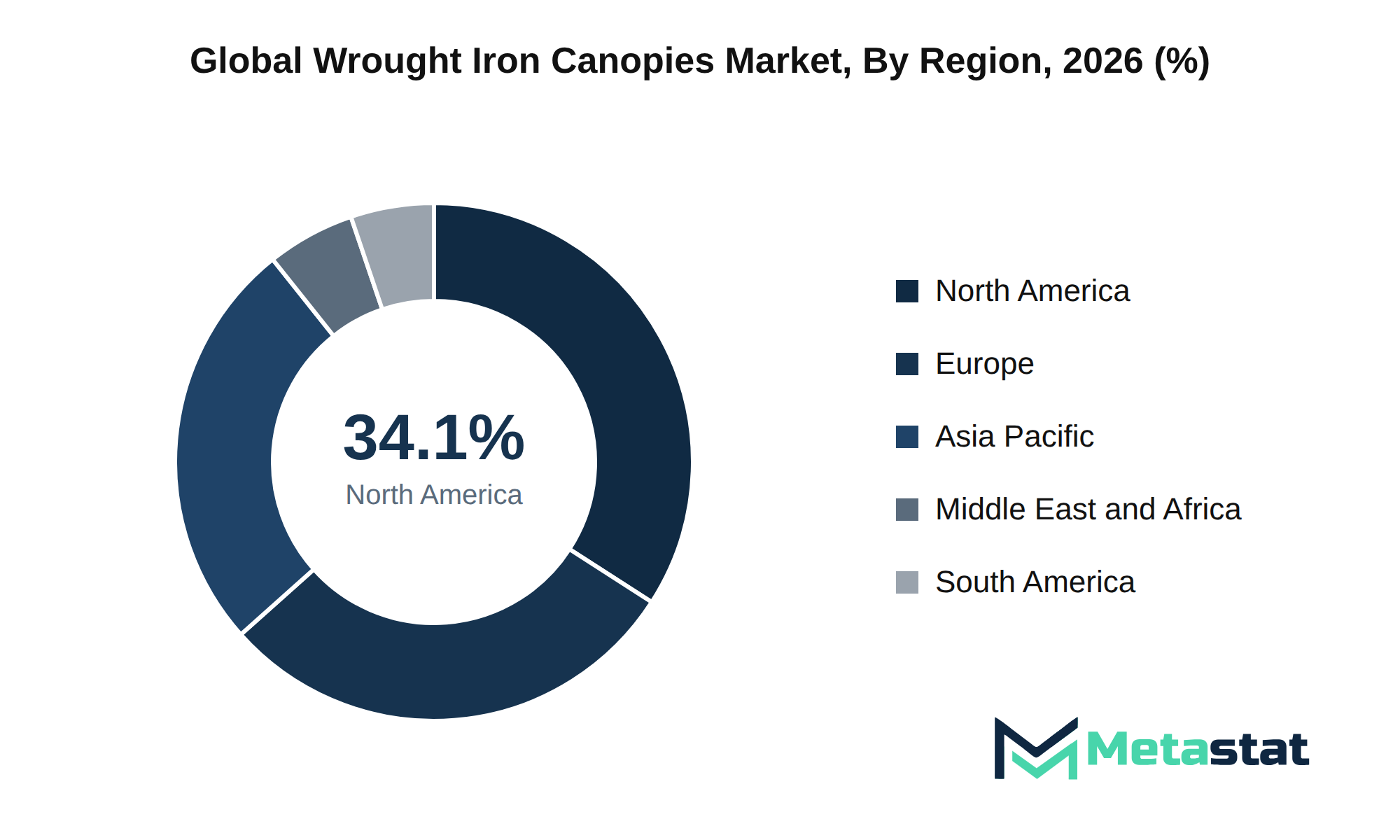
North America Wrought Iron Canopies Market is set to expand at a CAGR of 4.8% within the forecast period, reaching a market size (TAM) of USD 170.4 million by the end of 2033. This region holds a share of 34.1% in the global market at 2025, highlighting its importance in the overall landscape of the wrought iron canopies market.
The growing residential and commercial construction activities across the United States, Canada, and Mexico drive the demand for wrought iron canopies. Urbanization trends and increasing consumer preferences for aesthetic enhancement in architecture contribute to this growth. The market experiences a gradual shift towards premium and customized canopies, encouraging value-added offerings from suppliers.
Infrastructure modernization initiatives across these countries enhance the potential for segment expansion. The need for durable and visually appealing canopies aligns well with current construction trends. Heightened focus on energy efficiency and sustainability influences material choices, with a notable rise in the use of glass and polycarbonate in canopy designs.
The presence of established players in the region strengthens competitive dynamics, driven by manufacturers leveraging localized procurement and supply chain efficiencies. Cross-border trade corridors facilitate access to a broader market, enabling regional players to enhance their distribution networks. This interconnectedness encourages an environment conducive to innovation and collaboration among market participants.
Factors including foreign direct investment flows and favorable regulatory frameworks support market growth. Investment in residential projects, particularly in urban areas, leads to increased adoption of wrought iron canopies. This trend creates opportunities for regional companies to expand their portfolios and cater to evolving consumer preferences.
Europe's position in the Wrought Iron Canopies market reflects significant market dynamics driven by unique cultural preferences and regulatory frameworks. Countries including Germany, France, the UK, Italy, and Spain contribute to the market through localized demand for high-quality and aesthetically pleasing canopies. The regional market is characterized by a mature infrastructure that supports the production and distribution of wrought iron products.
France and Germany exhibit a growing inclination towards modern architectural designs, enhancing the demand for innovative wrought iron solutions. The focus on residential developments and public spaces continues to drive growth, with a projected market share of 29.3% by 2025. The increasing emphasis on sustainability and energy efficiency encourages investment in eco-friendly materials and technology, further supporting market expansion.
Competitive pressures among domestic manufacturers drive continuous innovation, ensuring that offerings align with evolving consumer preferences. High-value replacement cycles manifest due to the aging infrastructure in several areas, prompting upgrades and renovations. Strategic entry barriers exist, influenced by varying local compliance mandates and procurement practices across the region, impacting market accessibility.
Localized manufacturing densities in countries like Italy and Spain enhance supply chain efficiencies while nearshoring initiatives contribute to reduced lead times. These factors position the European market because a front-runner for the Wrought Iron Canopies market, attracting foreign direct investment aimed at capturing emerging opportunities in underpenetrated territories.
Regional resource availability and energy grid resiliency support the operational frameworks of manufacturers, allowing for streamlined production processes. Cultural nuances influence B2B buying behaviors, with buyers displaying preferences for customized solutions that reflect regional aesthetics. Overall, the European market exhibits a blend of maturity and growth potential, providing a fertile ground for continued investment and expansion in the wrought iron canopy sector.
The Asia-Pacific region accounts for 25.9% of the global Wrought Iron Canopies market in 2025. Demand is driven by rapid urbanization, which increases the necessity for aesthetic and functional outdoor structures in residential and commercial spaces. Countries including China, India, and Japan experience strong growth due to their expanding construction sectors, where wrought iron canopies serve both practical and decorative purposes.
Investment in infrastructure modernization further influences market dynamics. Enhanced spending on public and private projects, especially in transportation and hospitality, creates a favorable environment for wrought iron canopies. The increasing emphasis on outdoor aesthetics in urban planning drives demand across various applications, including entrance and door canopies and balcony and terrace canopies.
Emerging market front-runners in the region include India and Southeast Asia, where growing middle-class populations fuel residential construction. Cultural preferences for wrought iron canopies in these regions emphasize not only durability but the intricate designs typical of wrought ironwork. This trend drives higher adoption rates in both new projects and renovations.
Localized manufacturing densities contribute to reduced lead times and enhanced competitiveness within the market. Companies focus on regional supply chains, optimizing production to meet local demands while ensuring compliance with regulatory frameworks. This strategy enhances the availability of customized products, catering to diverse consumer preferences.
High-value replacement cycles characterize the market, particularly in established urban areas where older structures require upgrades. The focus on maintaining aesthetic appeal and structural integrity drives replacement demand for wrought iron canopies in residential and commercial buildings. Growth opportunities exist for vendors in this segment.
Overall, the Asia-Pacific Wrought Iron Canopies market is poised for steady growth, supported by urbanization, cultural trends, and strategic investments in infrastructure. The evolving landscape presents opportunities for both established players and new entrants to capitalize on the increasing demand for wrought iron canopies across the region.
The Wrought Iron Canopies market in South America reflects the region's growing interest in aesthetically pleasing outdoor structures. Brazil and Argentina emerge because primary contributors to market growth, driven by a cultural inclination toward enhancing outdoor living spaces. Local demand is supported by an increasing number of residential and commercial projects, with a focus on integrating canopies into architectural designs.
Infrastructure modernization plays an important role in the region's growth trajectory. Urban centers in Brazil and Argentina undergo significant development, often incorporating wrought iron canopies to improve functionality and aesthetic appeal. Investment in these structures aligns with broader architectural trends, appealing to buyers seeking durable and stylish solutions.
Regional competitive landscapes exhibit a mix of established players and emerging local manufacturers. Domestic vendors capitalize on localized procurement dynamics, responding to unique consumer preferences and cultural nuances. This adaptability strengthens market presence and drives incremental growth within the Wrought Iron Canopies market.
The Middle East and Africa region represents a growing segment in the Wrought Iron Canopies market, contributing 5.5% to the global total in 2025. Key countries including Saudi Arabia, the UAE, and South Africa exhibit strong demand for high-quality wrought iron products, driven by urban development, rising luxury residential projects, and a focus on enhancing outdoor aesthetics.
Investment in infrastructure upgrades supports market expansion, particularly in urban centers where aesthetics and functionality receive increasing emphasis. The trend toward modernization in residential and commercial applications aligns with the region's economic growth and demographic changes, creating new opportunities in the market.
Local manufacturing capabilities, alongside increasing foreign direct investment, strengthen supply chain dynamics within the region. The growth potential in underpenetrated territories presents significant opportunities for both established players and new entrants in the market.
Competitive landscapes feature a mix of local and international firms, with domestic players leveraging regional knowledge and customer relationships. This enhances procurement dynamics and aligns with cultural preferences, further driving demand for wrought iron canopies in various applications.
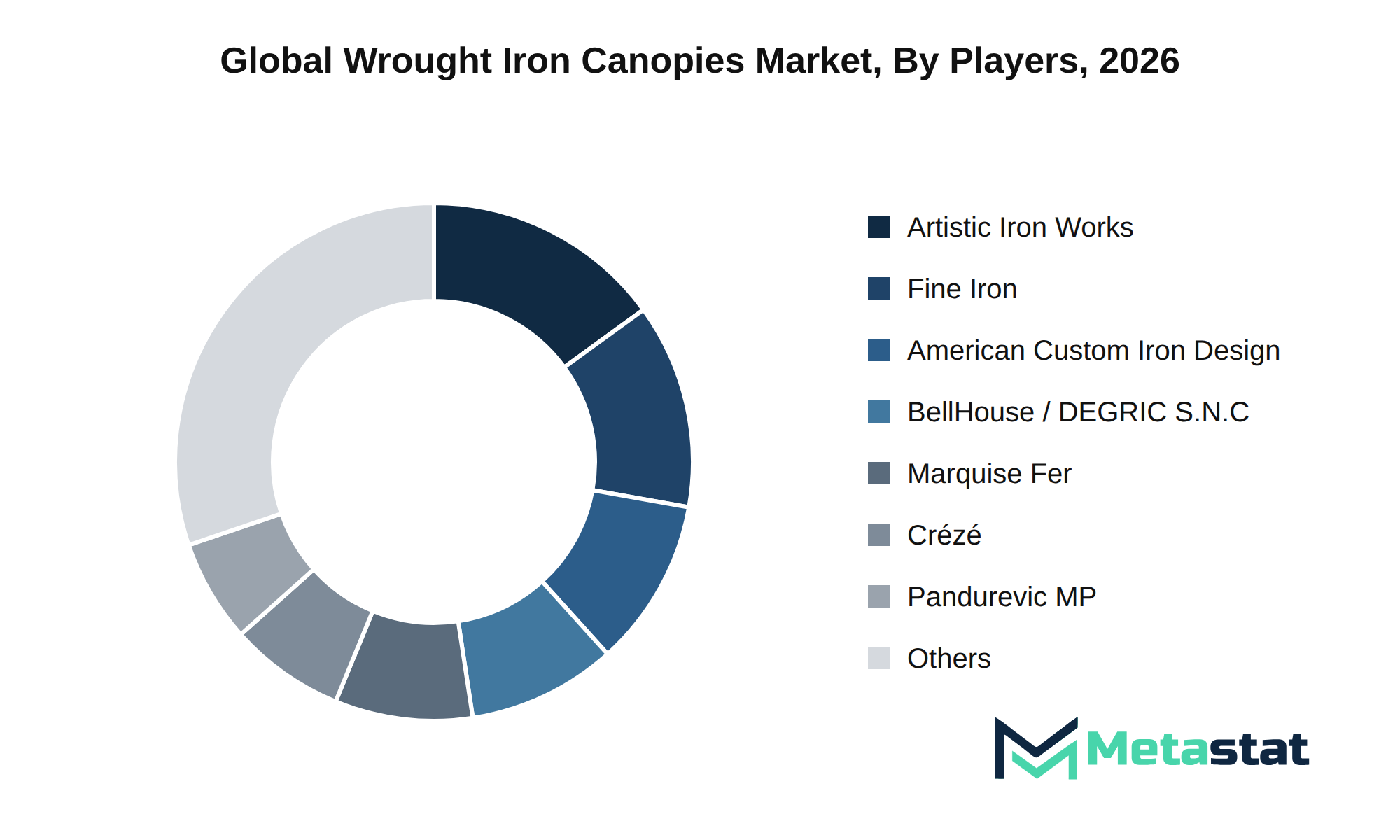
The competitive environment within the Wrought Iron Canopies market reflects a diverse array of strategic behaviors among key players. Companies including Artistic Iron Works and American Custom Iron Design focus on product differentiation through unique designs and high-quality materials, positioning themselves to attract premium customers. In contrast, firms like BellHouse / DEGRIC S.N.C. and Marquise Fer emphasize cost-effective commercial models, targeting a broader market segment with competitive pricing strategies. This dual approach enables various players to capture distinct market shares while pursuing growth trajectories aligned with their strategic goals.
Strategic alliances and partnerships hold significant importance in this market. Companies including Fine Iron and Crézé leverage collaborative efforts to enhance product offerings while expanding geographical reach. Partnerships with regional distributors facilitate entry into new markets, strengthening overall supply chain dynamics. Simultaneously, firms like Pandurevic MP and Pebo explore innovation through R&D pipelines, focusing on proprietary technologies to offer unique product features that distinguish their offerings from competitors.
Threats from new entrants and startup disruptions present challenges in this competitive landscape. Established companies possess strong brand equity and customer retention strategies that create high switching costs for consumers. Companies including Taimco and Pro Weld demonstrate this through their extensive portfolios and loyal customer bases. Market players continuously adapt to maintain their competitive edge, ensuring sustainable growth in the evolving Wrought Iron Canopies market.
Market size is forecast to rise from USD 367.7 million in 2025 to over USD 535.2 million by 2033. The base case reflects steady growth at a 4.8% CAGR. Anticipated macroeconomic factors include evolving consumer preferences, advancements in construction technology, and shifts in regulatory frameworks driving demand for more sustainable building practices. Structural consumption shifts within the residential and commercial sectors significantly influence the growth trajectory of the wrought iron canopies market.
In a bull case scenario, heightened infrastructure investments and increased consumer spending on home improvement projects accelerate market expansion. Economic downturns could lead to reduced capital expenditures and slower adoption rates in emerging segments. The integration of next-generation technologies into product development and enhancements in operational efficiency represents vital components for leveraging competitive advantages and addressing unmet enterprise needs.
Strategic capital allocation and infrastructure commitments remain critical to sustaining growth. Opportunities for innovation and diversification within the wrought iron canopies market arise from addressing high-growth pockets and evolving trade corridors. Continuous assessment of regulatory evolution timelines and compliance milestones will shape market dynamics, influencing stakeholder decisions and investment strategies.
The report strategically identifies and profiles the key market players and analyses their core competencies in each sub-segment of the Wrought Iron Canopies market.
Report Attributes | Details |
Study Period | 2021-2033 |
Base Year | 2025 |
Estimated Year | 2026 |
Forecast Period | 2026-2033 |
Historical Period | 2021-2025 |
Growth Rate | CAGR 4.8% from 2026 to 2033 |
Revenue Unit | USD million |
Segmentation | By Structural Configuration, Covering Material, Application, End Use, and Region |
By Region | North America (By Structural Configuration, Covering Material, Application, End Use, and Country)
|
Europe (By Structural Configuration, Covering Material, Application, End Use, and Country)
| |
Asia Pacific (By Structural Configuration, Covering Material, Application, End Use, and Country)
| |
South America (By Structural Configuration, Covering Material, Application, End Use, and Country)
| |
Middle East and Africa (By Structural Configuration, Covering Material, Application, End Use, and Country)
|
Find answers to common questions about this report
The Wrought Iron Canopies market size was valued at USD 367.7 million in 2025.
The Wrought Iron Canopies market is projected to grow at a CAGR of 4.8% during the forecast period from 2026 to 2033.
The North America Wrought Iron Canopies market size is estimated to reach USD 170.4 million by 2033.
The leading segment in the Wrought Iron Canopies market is the "Entrance and Door Canopies," with a projected value of USD 161.2 million by 2033. This segment demonstrates significant growth potential, driven by increasing demand in residential and commercial applications.
Key drivers for the Wrought Iron Canopies market include economic growth, rising consumer spending, and increased investment in residential and commercial construction. Urbanization trends and evolving consumer preferences for outdoor spaces further fuel demand, while technological advancements enhance production efficiency and design flexibility.
North America holds the dominant share of the Wrought Iron Canopies market, with a value of USD 170.4 million projected for 2033, representing 34.1% of the total market.
Regulatory tightening presents a significant challenge, with compliance hurdles related to environmental and safety standards increasing operational complexities for manufacturers. High capital investment requirements restrict market entry for new players, while escalating operating costs and supply chain disruptions further hinder growth opportunities.
Several macro-economic factors favor product adoption in the Wrought Iron Canopies market. Economic growth, characterized by rising GDP and increased consumer spending, enhances demand for construction projects, while urbanization trends drive interest in outdoor spaces. technological advancements improve production efficiency and design flexibility, further supporting market growth.
The Wrought Iron Canopies market is estimated to reach a valuation of USD 535.2 million by 2033.
Key players in the Wrought Iron Canopies market include Artistic Iron Works, American Custom Iron Design, Fine Iron, BellHouse / DEGRIC S.N.C., Marquise Fer, and Signature Metal Works.
The analysts below cover Chemicals and Materials research at Metastat Insights.
LEAD ANALYST
Utkarsh Khirodkar is a Lead Market Research Analyst at MetaStat Insight, specializing in market intelligence, technology sector assessments, and competitive strategy.

INDUSTRY CONSULTANT - CHEMICALS & ADVANCED MATERIALS
Chemicals and Materials · Machinery & Equipment · Packaging
Amit Gadhekar Consultant for Chemicals and Materials at MetaStat Insight, directing sector-specific intelligence, research, and strategic consulting across global chemical and processing markets.
Scaling antibody-drug conjugate manufacturing hinges on contract manufacturing availability for high-potency active ingredients. The MetaStat Insight analysis looked closely at global cleanroom slot constraints, bioconjugation batch failure rates, and supply chain redundancies between the US, Europe, and India. The supplier capability matrix proved genuinely useful for our team when mapping secondary source options across our clinical pipeline.
Floating offshore wind feasibility relies heavily on specialized installation vessel availability and port crane limits, which most broad renewable energy forecasts ignore. The report delivered a thorough analysis of dry dock capacity, mooring chain supply constraints, and raw material pricing trends for deepwater anchor installations. It served as a solid independent sanity check for our offshore project capital expenditure assumptions.
Assessing commercial microgrid software adoption requires looking past top-level installation numbers and examining utility interconnection queues. The research provided verifiable data on average permitting timelines, tariff structures, and battery storage integration costs across regional utility territories. That grounded perspective was valuable for our team when building five-year demand projections for industrial microgrid controllers.
Explore related market intelligence reports worth reading alongside this one.