
The Leisure Travel Services sector is set for significant changes as consumer preferences shift, technology advances, and rising costs challenge the market. Here’s what to watch.
The market for Leisure Travel Services is on the brink of transformation, influenced by changing travel preferences, technological advancements, and varying economic factors. Stakeholders in this space should closely monitor these developments to leverage upcoming opportunities effectively. For a detailed analysis, refer to the Leisure Travel Services market size and forecast report.
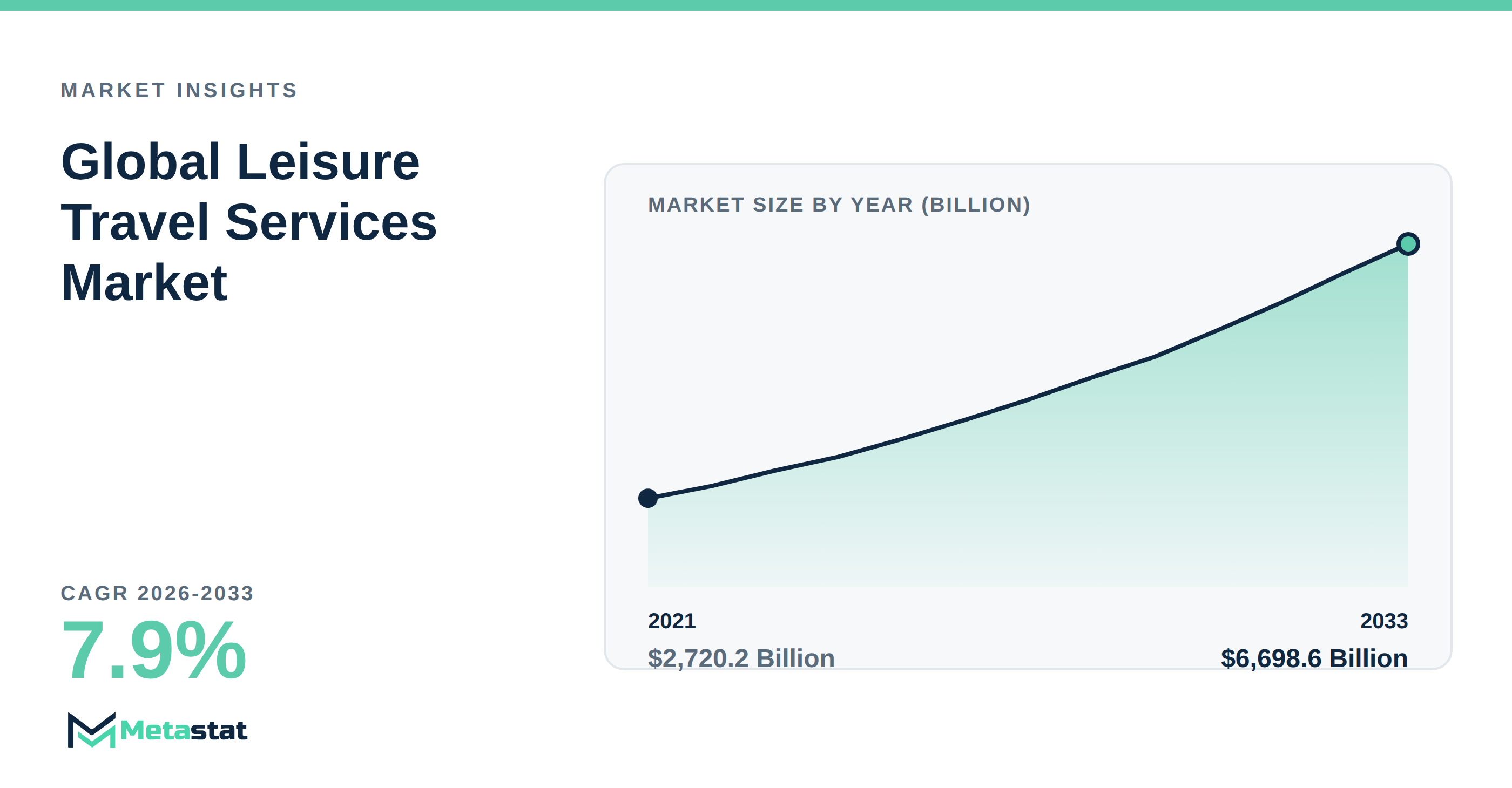
What trends are shaping future travel preferences?
Travelers increasingly favor unique and tailored experiences, often opting for packages that combine accommodation with activities. Family-oriented bundles integrating lodging with theme park access illustrate this trend, reflecting the demand for convenience and comprehensive vacation experiences. These offerings simplify trip planning and enhance family satisfaction, prompting consumers to allocate larger portions of their budgets towards such integrated options. The ongoing shift in preferences signals a growing market for bundled travel experiences that cater to the needs of families seeking memorable vacations.
How is technology impacting booking behaviors?
The rise of direct online booking channels represents a significant shift in how consumers arrange their vacations, with a projected value increase expected by 2033. This trend is driven by travelers’ desires for convenience and personalized services. While more consumers engage with digital platforms, service providers optimize these systems for better user experiences. Investments in user-friendly interfaces and personalized recommendations will be vital for attracting tech-savvy travelers who prioritize streamlined processes. Such enhancements lead to improved customer satisfaction and loyalty.
What shifts are occurring in traveler demographics?
Solo travelers are emerging as a noteworthy demographic, expected to grow at a rate of 8.7% from 2026 to 2033. This group seeks tailored experiences that address individual preferences and interests. Service providers should focus on offering unique itineraries and flexible accommodation options that appeal to the desire for independence characteristic of solo travel. By addressing this demographic's needs, businesses enhance customer loyalty and encourage repeat bookings, positioning themselves favorably within the competitive environment.
What are the implications of rising operational costs?
Despite promising growth prospects, rising operational costs pose challenges for the Leisure Travel Services sector. Increased fuel costs and wage inflation directly impact service providers' pricing strategies. These conditions complicate purchasing decisions for families and cost-sensitive customers who prioritize affordability. To counterbalance these pressures, operators explore dynamic pricing models and implement cost-cutting measures that maintain service quality. Adapting to these financial challenges while ensuring customer satisfaction is crucial for sustaining long-term growth.
How are cross-border tourism trends influencing travel choices?
Cross-border drive tourism is gaining traction, encouraging travelers to explore regional destinations throughout Europe. This trend reflects a growing preference for road trips, particularly among families seeking convenient access to attractions. The accessibility of popular tourist spots boosts bookings for both accommodations and passenger transportation services, thereby increasing demand for regional travel options. This shift indicates an evolving landscape within the Leisure Travel Services sphere, driven by consumer preferences for accessible leisure experiences.
In conclusion, the Leisure Travel Services sector is experiencing significant changes, influenced by trends in consumer behavior, technological innovations, rising costs, and shifting demographics. Stakeholders who remain attentive to these trends and adapt accordingly are more likely to thrive in this competitive landscape.
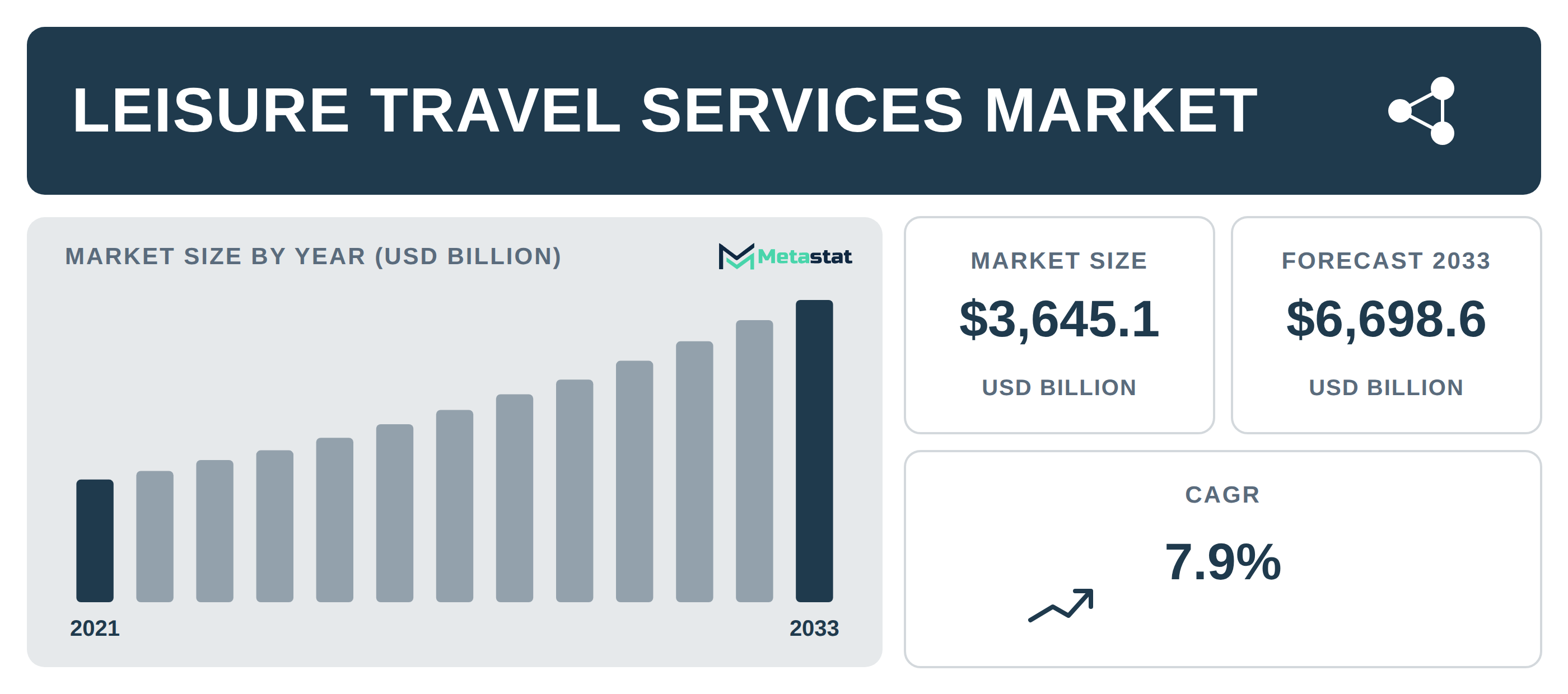
Tags
About the Authors

LEAD ANALYST
Utkarsh Khirodkar is a Lead Market Research Analyst at MetaStat Insight, specializing in market intelligence, technology sector assessments, and competitive strategy.

ENERGY & INFRASTRUCTURE INDUSTRY CONSULTANT
Automotive and Transportation · Electronics and Semiconductor · Energy and Power · Machinery & Equipment
Saurabh Vasant Ganvir consults for Energy & Infrastructure Industry at MetaStat Insight, specializing in renewable energy, solar EPC, and electric vehicle (EV) infrastructure markets.