
Explore the upcoming trends in the Theme Park industry from 2026 to 2033, focusing on demographics, technology, water attractions, and marketing strategies.
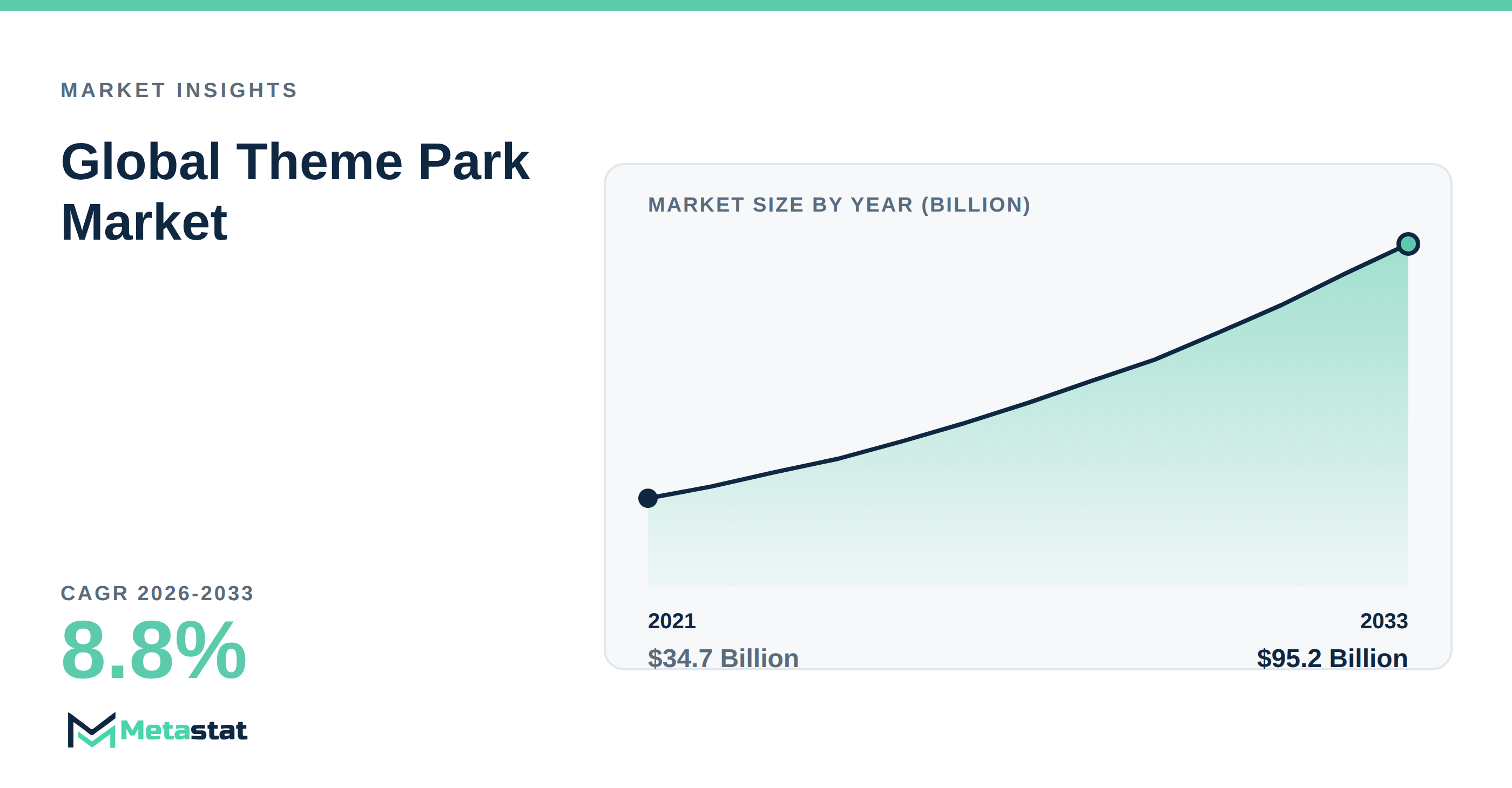
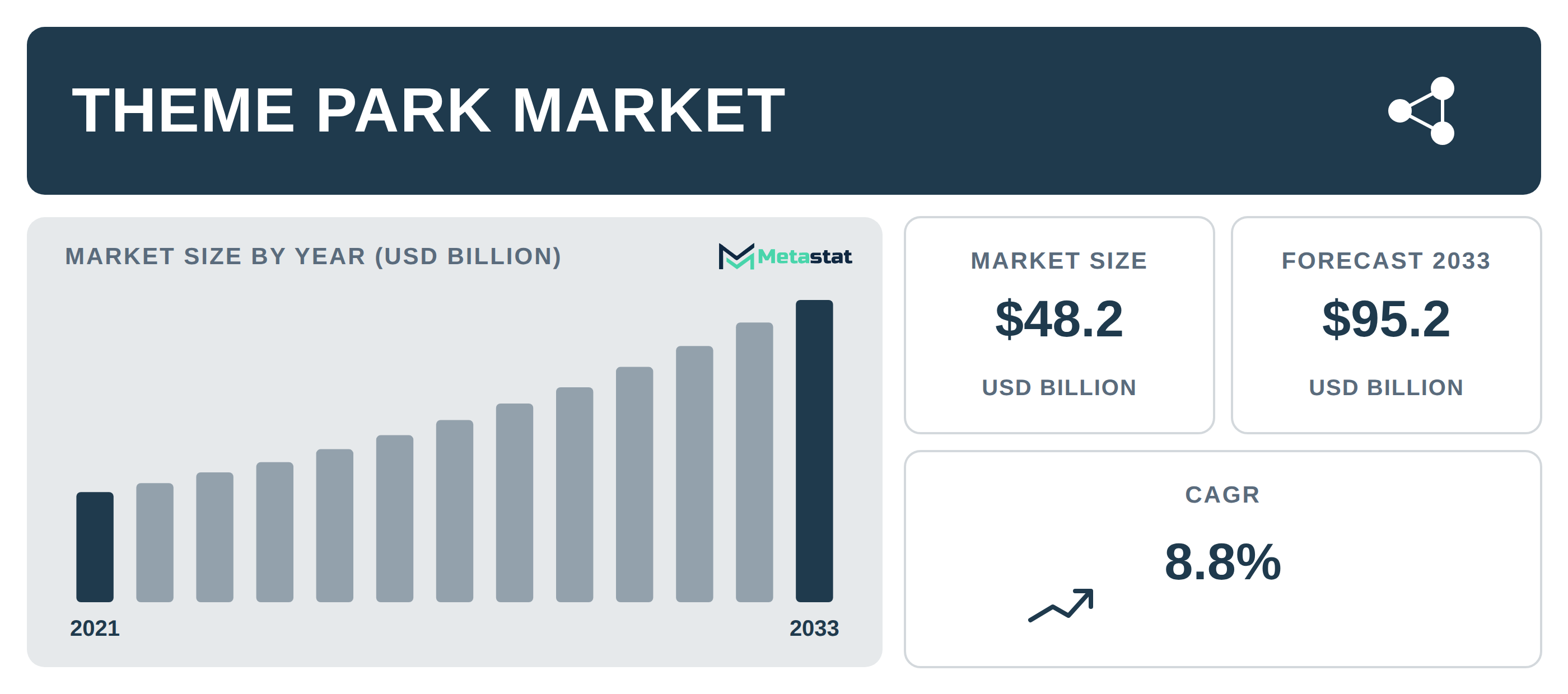
The global Theme Park sector is poised for significant changes as it approaches 2033. With an impressive trajectory ahead, operators and stakeholders monitor critical developments that will reshape visitor experiences and industry dynamics. This discussion explores emerging trends that will define the landscape of theme parks over the next decade. For more detailed insights, refer to the Theme Park market size and forecast report.
What demographic shifts should operators watch?
Visitor demographics are evolving rapidly, with young adults aged 18 to 35 increasingly seeking immersive and unique experiences. This shift compels operators to prioritize attractions designed to meet the expectations of these audiences, enhancing their offerings with innovative technologies and interactive elements. As families and young adults pursue varied recreational opportunities, the focus on themed attractions tailored to their preferences becomes crucial.
How are water attractions shaping future demand?
Water theme parks are projected to become major contributors within the theme park landscape, boasting a growth rate that outpaces many traditional counterparts. Families searching for leisure and adventure during warmer months drive this expansion. Investment in high-quality water attractions, including wave pools and thrilling slides, will be essential for operators looking to draw visitors seeking unique experiences in a refreshing environment. This trend leads parks to emphasize safety and cleanliness, boosting customer satisfaction and repeat visits.
What role does technology play in visitor engagement?
Technological advancements, including augmented reality and virtual reality, are revolutionizing the way visitors interact with theme parks. These innovations create attractions that not only entertain but engage guests more deeply. Parks leveraging these technologies cater to the growing consumer demand for personalized experiences, which helps capture a larger share of visitor attendance. Continuous investment in immersive technologies reflects a strategic response to evolving visitor expectations, positioning parks to succeed in a competitive environment.
What challenges do operators face in enhancing profitability?
Despite the promising outlook, operators face challenges that impact profitability. Rising operational costs, particularly related to staffing and maintenance, exert pressure on profit margins. To address these obstacles, many companies pursue innovative strategies aimed at streamlining operations and managing costs while improving guest experiences. This emphasis on operational efficiency is vital for maintaining competitive positioning and profitability amid fluctuating spending patterns.
How do effective marketing strategies drive attendance?
Limited awareness of theme park attractions hinders efforts to attract visitors despite growth potential. Strong marketing strategies prove essential in informing potential guests about offerings and experiences. Operators increasingly invest in targeted marketing campaigns to boost visibility and engagement, especially in emerging markets. Enhancing public relations and utilizing social media strategies are effective ways for parks to transform visitor awareness into actual attendance.
The outlook for the Theme Park sector is shaped by shifting visitor demographics, technological advancements, and ongoing interest in unique experiences. By monitoring these developments, operators adapt and ensure that their attractions remain relevant and appealing to a diverse visitor base.
Tags
About the Author

LEAD ANALYST
Utkarsh Khirodkar is a Lead Market Research Analyst at MetaStat Insight, specializing in market intelligence, technology sector assessments, and competitive strategy.