
LEAD ANALYST
Utkarsh Khirodkar is a Lead Market Research Analyst at MetaStat Insight, specializing in market intelligence, technology sector assessments, and competitive strategy.

Global Theme Park Market Size, Share, By Park Type (Themed Amusement Parks, Water Theme Parks, Adventure Theme Parks, Marine Life Theme Parks, Cultural and Historical Theme Parks), By Revenue Source (Admissions and Ride Access, Food and Beverage, Merchandise and Retail, Park-Linked Hotels and Resorts), By Visitor Type (Domestic Visitors and International Visitors), By Age Group (Up to 18 Years, 19 to 35 Years, 36 to 50 Years, 51 to 65 Years and Above 65 Years), Industry Analysis, Growth, Trends, and Forecast, 2026-2033
Report ID
MSI-5583
Published
October, 2026
Pages
308 Pages
Format
Historical
Base year
Forecast
Forecast period
Report Details
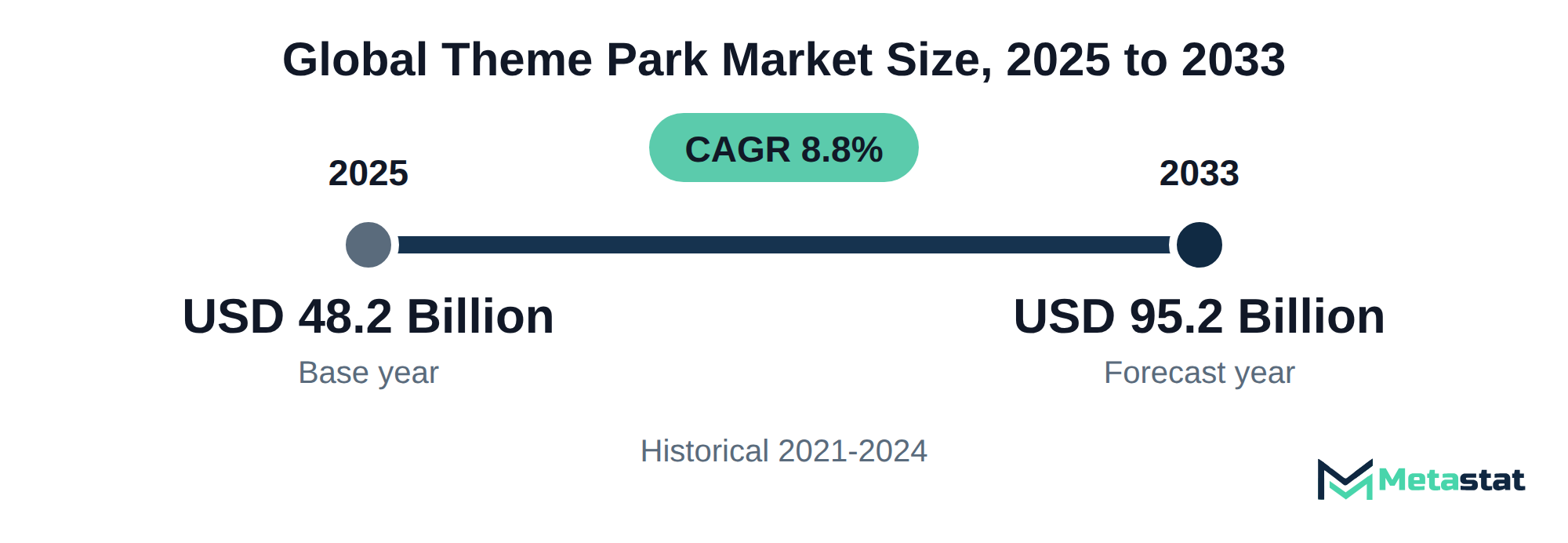
Market Valuation: Valued at $48.2 Billion in 2025, projected to reach $95.2 Billion by 2033 at a 8.8% CAGR.
Dominant Segment: Themed amusement parks lead the market, driven by their ability to offer immersive experiences that cater to diverse audiences. This segment's popularity is reflected in its significant revenue generation, appealing to families and young adults alike.
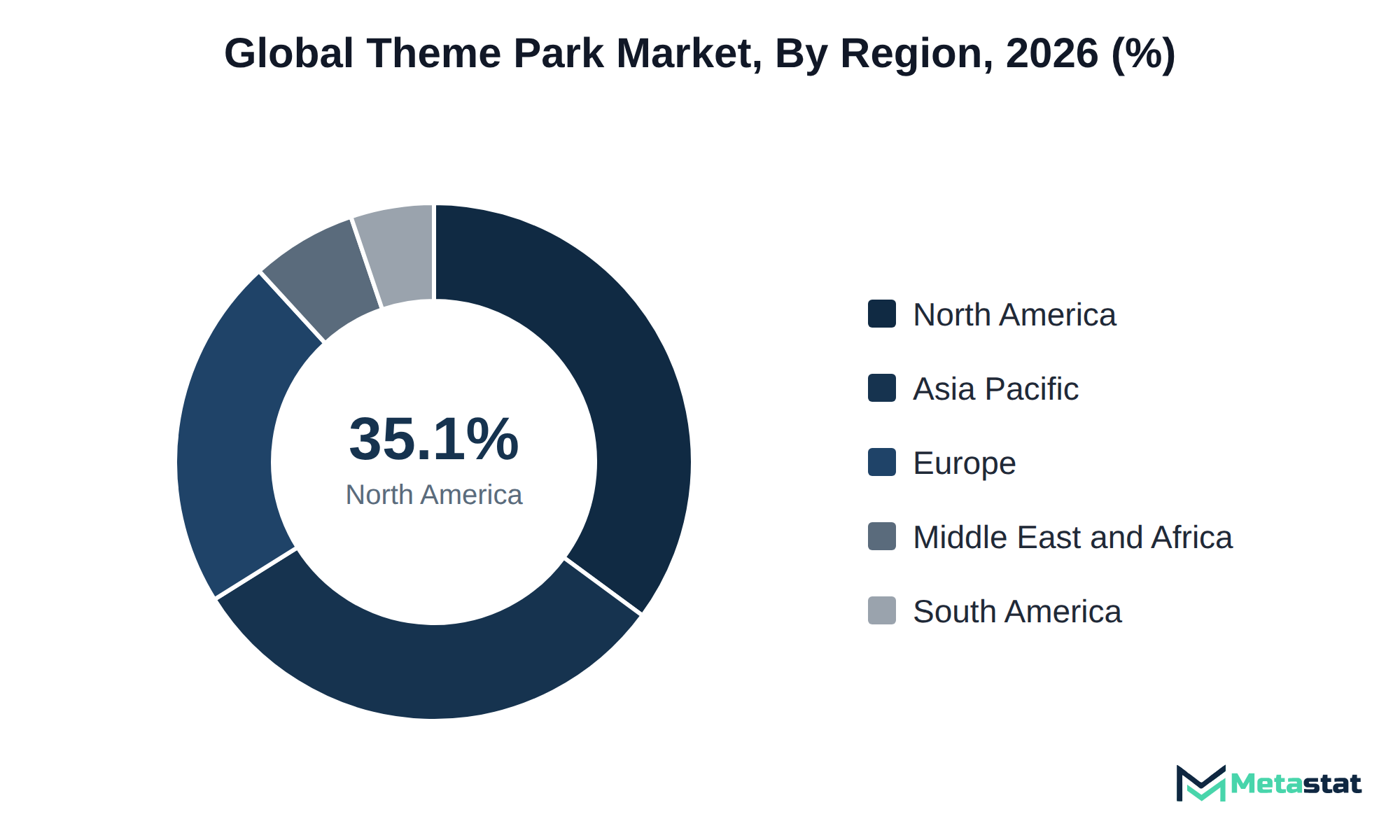
Geographic Lead: North America is the leading region in the theme park market, holding 35.1% of the market share in 2025. The region benefits from a robust infrastructure and a strong presence of major theme park brands, which attract both domestic and international visitors.
What's Inside: The report provides a comprehensive analysis of the global theme park market, covering various segments such as park types, revenue sources, and visitor demographics. It includes competitive insights, growth trends, and a detailed forecast from 2026 to 2033.
Visitor Demographics: The report highlights a shift in visitor demographics, with younger generations, particularly those aged 19 to 35, driving increased demand for unique and immersive experiences. This trend influences spending patterns and shapes the development of new attractions.
Growth in Water Theme Parks: Water theme parks are projected to experience the highest growth rate in the market, with a CAGR of 9.2% expected through 2033. This growth is fueled by rising demand for diverse leisure experiences, especially during warmer seasons.
Choose Your License
Global Theme Park Market
The global Theme Park market was valued at USD 48.2 billion in 2025 and is projected to reach USD 95.2 billion by 2033, growing at a CAGR of 8.8% over the forecast period.
The Theme Park market encompasses various types of entertainment venues that provide immersive experiences for visitors, ranging from themed amusement parks to water parks. Buyers invest in these attractions to enjoy leisure activities, celebrate events, and create memorable experiences with family and friends. The growing demand for unique and engaging recreational activities drives spending in this sector, with consumers seeking destinations that offer fun and excitement.
Growth in the market is fueled by multiple factors, including rising disposable incomes and increasing consumer interest in experiential entertainment. The same appetite for memorable activities is visible in the experiential travel industry. Themed amusement parks are the highest-value park type, serving diverse audiences with innovative attractions and experiences. North America holds 35.1% of the market in 2025, with the US leading in 2026. North America benefits from well-established infrastructure and a strong brand presence among major players in the industry.
One primary growth driver is the expansion of international travel and tourism, which significantly contributes to visitor numbers at theme parks. Increased accessibility to global destinations allows more travelers to explore entertainment options. This trend presents opportunities for parks to enhance their offerings and attract various visitor types, including domestic and international guests.
The Theme Park market includes a diverse range of attractions that cater to various visitor preferences, including themed amusement parks, water parks, and adventure parks. Buyers invest in these attractions to create memorable experiences for families and individuals, driving significant spending in the industry. The demand for unique and engaging entertainment options continues to rise, making this market an essential component of the global leisure and tourism sectors.
Growth in the market is primarily driven by increasing disposable income among consumers and a heightened interest in leisure activities. Themed amusement parks generate the highest revenue, reflecting their popularity among visitors seeking immersive experiences. This region benefits from a well-established infrastructure and a strong brand presence in the theme park sector.
Investment in innovative attractions and technologies further fuels market expansion. Operators increasingly focus on enhancing visitor experiences through advanced rides, entertainment options, and themed environments. The ongoing development and promotion of parks in emerging regions will likely contribute to sustained growth in the Theme Park market, appealing to both domestic and international visitors.
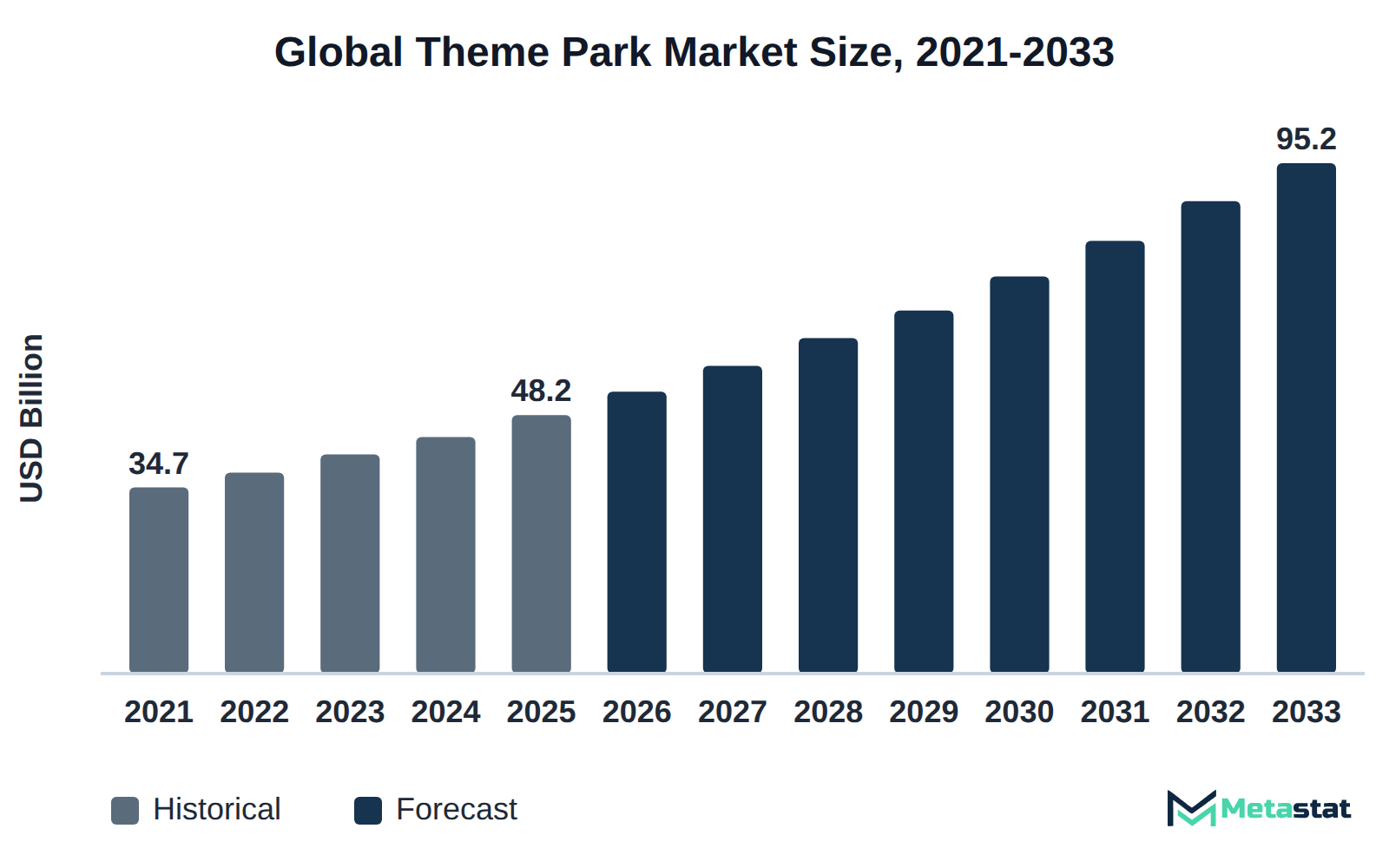
Investment in theme park expansions increasingly focuses on IP-based lands and immersive rockwork. The incorporation of well-known intellectual properties enhances visitor engagement and provides unique experiences that attract guests. The market's emphasis on themed attractions reflects consumer demand for highly immersive environments, which create memorable visits and encourage repeat attendance.
Theme parks are pursuing collaborations with popular franchises to design specialized attractions and lands. For instance, themed amusement parks are projected to grow from USD 35.4 billion in 2026 to USD 63 billion by 2033, reflecting a compound annual growth rate (CAGR) of 8.6%. This expansion allows parks to build on existing fan bases, driving foot traffic and boosting overall revenue through admissions and merchandise sales.
The trend towards immersive rockwork in park design enhances the overall atmosphere and guest experience. This focus on creating realistic environments generates excitement and adventure, promoting social sharing among visitors. As demand for unique experiences intensifies, integrating IP-based themes and immersive elements into designs strengthens a park's competitive edge.
Water-themed attractions drive increased demand for durable scenic finishes, which enhance the overall aesthetic and experience of visitors. These attractions require materials, such as waterproofing membranes, that withstand constant exposure to water and outdoor elements, ensuring longevity and safety. The segment of water theme parks is expected to reach USD 15.5 billion by 2033, reflecting an annual growth rate of 9.2%. This substantial growth incentivizes suppliers to focus on higher-quality materials and innovative design solutions.
Buyers in the market pursue purchasing strategies that emphasize long-term contracts with suppliers, ensuring consistency in quality and pricing over time. Contract models typically include fixed pricing agreements, allowing buyers to manage their budgets effectively while securing necessary materials for construction and maintenance. The commitment to durable materials ensures that water-themed attractions remain operational and attractive, which directly contributes to visitor satisfaction and repeat attendance.
The demand for durable scenic finishes within the theme park market shapes procurement strategies and influences supplier relationships. Buyers benefit from establishing contracts that align with their operational needs and visitor expectations, driving commercial growth in this lucrative segment.
Brownfield retheming and resort extensions present significant opportunities for the Theme Park market, providing recurring fabrication work that caters to evolving visitor preferences. Operators increasingly recognize the importance of refreshing existing attractions to maintain competitiveness and enhance visitor experiences. This strategy attracts repeat visitors and appeals to new demographics seeking fresh entertainment options.
For instance, the revenue from Admissions and Ride Access is projected to rise from USD 26.8 billion in 2026 to USD 46.5 billion by 2033, reflecting the demand for updated and engaging experiences within established parks. Frequent updates through retheming ensure that parks remain relevant in an industry characterized by rapidly changing consumer expectations.
Operators investing in such upgrades contribute to a cycle of innovation that benefits suppliers within the market. This trend leads to ongoing collaboration between theme park operators and design and construction firms specializing in fabrication, enhancing operational efficiencies and strengthening market position. Retheming projects fulfill the immediate needs of park operators and create long-term relationships that drive growth and sustainability in the theme park sector.
Theme park operators weigh several factors when selecting theming and scenic construction suppliers. First, operators analyze the anticipated visitor demographics and preferences to tailor experiences that connect with target audiences. For instance, the age group under 18 years is expected to grow from USD 16 billion in 2026 to USD 28.2 billion by 2033, reflecting a significant opportunity for attractions appealing to younger visitors. This demographic trend drives operators to choose suppliers specializing in themes that attract families and younger audiences.
Operational efficiency and cost-effectiveness significantly influence supplier selection. With revenue from admissions and ride access projected to reach USD 46.5 billion by 2033, operators prioritize suppliers who deliver high-quality theming solutions within budget constraints. This focus on value enhances the overall visitor experience while maximizing profitability, which is crucial in an increasingly competitive market.
Lastly, the reputation and track record of potential suppliers influence the decision. Operators seek out partners with proven success in delivering immersive environments that enhance the overall theme park experience. Maintaining a strong brand image and ensuring customer satisfaction relies heavily on the ability to select the right theming and scenic construction suppliers, which ultimately impacts the market's growth and competitiveness.
Changing demographics among visitors significantly influence expenditure patterns within the market. Younger generations, particularly those aged 18 to 35, increasingly seek unique and immersive experiences, prompting operators to enhance attractions and offerings. This shift results in a surge in demand for themed attractions and high-energy experiences tailored to this age group. Consequently, the overall spending in the Theme Park market is expected to rise, reflecting a compound annual growth rate of 8.8% from 2025 to 2033.
The focus on attracting younger visitors compels operators to invest in innovative technologies and entertainment options. Themed amusement parks, which cater specifically to these demographics, anticipate substantial revenue growth, with total revenue projected to reach USD 63 billion by 2033, up from USD 35.4 billion in 2026. The evolving visitor composition, emphasizing younger audiences, drives increased competition among parks to adapt and enhance their offerings, thereby shaping the market's future.
Enhanced consumer expectations for immersive experiences drive growth within the Theme Park market. Operators invest in advanced technologies including augmented reality and virtual reality to improve visitor experiences. These innovations create opportunities for unique attractions that cater to diverse audiences, thereby increasing visitor engagement and spending. The integration of interactive elements within attractions transforms traditional experiences into more engaging and memorable ones. This shift in focus leads to higher ticket sales and increased revenue from ancillary services, including food, merchandise, and park-linked accommodations.
Investments in immersive technologies reflect a strategic response to evolving consumer preferences, emphasizing personalized experiences. Theme parks that leverage such innovations capture a larger share of the market by appealing to both domestic and international visitors. These advancements increasingly contribute to overall market expansion, projected to reach USD 95.2 billion by 2033. This focus on immersive experiences highlights the importance of adapting to consumer trends to maintain competitive advantages and enhance revenue generation.
Limited awareness among potential visitors significantly hampers growth within the market. Consumers unfamiliar with available attractions, experiences, and events postpone plans to visit, impacting ticket sales and overall revenues. Domestic and international visitors often need strong marketing to learn about offerings, which influences their decision-making process. Inadequate exposure to new parks and attractions, particularly in emerging markets, results in slower uptake and smaller order sizes for park operators. Without sufficient promotional efforts, facilities struggle to attract the anticipated number of visitors, thereby delaying potential investments and expansions. This challenge highlights the importance of targeted marketing initiatives aimed at enhancing visibility within the theme park market.
The need for educational outreach regarding park features and experiences reinforces the relevance of marketing campaigns in driving engagement. Increased efforts in public relations and social media presence mitigate the effects of low awareness and create a stronger connection with potential visitors. As parks introduce new themes and attractions, consistent marketing plays a significant role in turning visitor awareness into actual attendance, directly affecting revenue streams.
Suppliers in the market face escalating operational costs, particularly related to staffing, maintenance, and technology upgrades. These increasing expenses impact profit margins and force operators to explore innovative solutions to maintain financial viability. To address these challenges, many companies implement cost-control measures, including optimizing workforce management and leveraging automation to improve efficiency. Several suppliers invest in technology that streamlines operations and reduces long-term costs. This strategic shift enables operators to enhance guest experiences while managing expenses effectively. Continued focus on operational efficiency and innovative cost management will be essential to sustaining profitability and competitive positioning. Companies that successfully navigate these challenges expect to improve their ability to attract visitors and drive revenue growth in an increasingly competitive environment.
Water theme parks demonstrate the highest projected growth within the Theme Park market, with a compound annual growth rate (CAGR) of 9.2% expected through 2033. This segment addresses increasing demand for diverse leisure experiences, particularly during warmer seasons. The growing popularity of water parks is attributed to their unique attractions, which appeal to families and young adults seeking both adventure and relaxation. The segment's projected revenue is expected to reach USD 15.5 billion by 2033, reflecting significant expansion potential.
Investments in innovative water attractions, including wave pools, lazy rivers, and thrilling slides, attract visitors looking for unique experiences. Facilities that prioritize safety, cleanliness, and family-friendly environments stand out in a competitive environment, enhancing customer satisfaction. This heightened focus on quality experiences supports revenue generation and positions water theme parks as a vital component of the overall market strategy.
Enhanced marketing strategies targeting both domestic and international visitors further boost the performance of water theme parks, creating opportunities for operators to capture under-penetrated markets. By addressing consumer preferences effectively, the segment contributes significantly to the market's overall growth trajectory.
The Global Theme Park market is segmented based on Park Type, Revenue Source, Visitor Type, and Age Group.
These parks primarily cater to families and young adults seeking immersive experiences that combine entertainment with themed storytelling. Consumer preferences shift toward unique and engaging experiences, driving demand for themed attractions. The segment distinguishes itself with a strong focus on intellectual properties and character-driven themes, which attract visitors willing to spend on admissions and merchandise. While Water Theme Parks experience a higher growth rate of 9.2%, Themed Amusement Parks maintain significant appeal by offering diverse attractions that include thrill rides, shows, and interactive experiences. The anticipated growth reflects demand for experiences that blend entertainment and storytelling and create lasting memories for visitors.
This segment appeals to families and thrill-seekers, providing an array of slides, pools, and water-based attractions. Demand for Water Theme Parks is driven by the desire for leisure activities that cater to hot weather and summer vacations. The segment stands out with higher anticipated growth compared to other park types, reflecting strong consumer preference for water-related experiences. Unlike traditional amusement parks, which focus on rides and entertainment, water parks emphasize relaxation and family-friendly attractions, enhancing their appeal to a broader audience. Visitors increasingly look for diverse recreational options, making investment in innovative water attractions and amenities essential for maintaining competitiveness in the market.
Adventure Theme Parks segment is expected to reach USD 8.2 billion by 2033. These parks focus on thrilling experiences, catering primarily to families and young adults seeking excitement and adventure. A significant force driving this segment includes the rising demand for unique attractions that engage visitors, resulting in an increased emphasis on innovative ride technologies and immersive experiences. The segment's growth is projected at a compound annual growth rate (CAGR) of 8.2%, making it a vital area of interest compared to other park types. This growth outpaces several other segments, indicating a stronger consumer preference for adventure-oriented attractions and experiences. Competitive pricing strategies play a role, attracting diverse visitor groups and enhancing overall attendance figures. The market thrives due to its ability to adapt to consumer trends, focusing on enhancing visitor experiences through new technologies and engaging content.
Marine Life Theme Parks segment is projected to grow at a CAGR of 8.2% during the forecast period. This segment appeals to visitors seeking educational and entertainment experiences related to marine life, attracting families and school groups. Rising awareness regarding marine conservation drives interest in these parks, aligning with patrons' desires for educational value. Unlike other segments, including Water Theme Parks, which are anticipated to reach USD 15.5 billion by 2033, Marine Life Theme Parks focus on providing immersive experiences that blend fun with learning. The offering emphasizes exhibits and interactions with aquatic animals, differentiating it from traditional amusement parks. Although the segment has a slower growth trajectory compared to others, it significantly contributes to promoting awareness about marine ecosystems within the market.
Cultural and Historical Theme Parks focus on providing educational and entertainment experiences that celebrate local heritage and history. These parks attract visitors interested in learning about cultural narratives through immersive attractions and exhibits. Demand for this segment arises from a growing interest in heritage tourism, particularly among domestic visitors. Several families and school groups seek educational tourism experiences that blend fun with learning. This segment typically experiences slower growth compared to water theme parks and themed amusement parks, reflecting a niche market appeal. Cultural and Historical Theme Parks emphasize engagement through historical reenactments and interactive displays, differentiating them from other park types that prioritize thrill rides or water-based attractions. The market benefits from partnerships with educational institutions and cultural organizations, enhancing its relevance and appeal.
This segment encompasses ticket sales and associated ride access fees, serving visitors seeking entertainment and thrill experiences. The demand for this segment is influenced by rising disposable incomes and the increasing popularity of theme parks among families and young adults. Compared to other revenue sources, including Food and Beverage or Merchandise, this segment exhibits solid growth trends, driven by the expansion of new attractions and facilities. While the Admissions and Ride Access segment experiences steady growth, the Food and Beverage segment shows an even higher CAGR of 9.7%, reflecting changing visitor preferences for dining experiences within the parks. This differentiation highlights the competitive dynamics within the market, where various revenue sources adapt to evolving consumer demands.
The Food and Beverage segment is estimated to reach USD 19.6 billion by 2033, at a CAGR of 9.7% during the forecast period. This segment caters to visitors seeking refreshments and dining experiences throughout their theme park visits. Domestic and international visitors increasingly prioritize food and beverage offerings, influencing spending patterns. Demand for diverse culinary options, including local and international cuisines, drives growth in this segment. Compared to other revenue sources, the Food and Beverage segment features faster growth, with a CAGR of 9.7%, outpacing merchandise and retail. This emphasis on food and beverage highlights the importance of enhancing visitor experience, making it integral to the overall appeal of the market. Visitors seek memorable experiences, and theme parks respond with innovative dining concepts and enhanced foodservice, contributing to increased revenue potential.
Merchandise and Retail segment is expected to reach USD 13.6 billion by 2033. This segment includes a variety of products sold to visitors, including souvenirs, apparel, and themed merchandise that enhance the overall experience at theme parks. Domestic and international visitors purchase these items, often mementos from their visits. A significant driver of growth in this segment stems from increasing consumer spending patterns, reflecting the desire for immersive experiences. With a compound annual growth rate (CAGR) of 9.7%, the Merchandise and Retail segment experiences faster growth compared to other revenue sources, including Admissions and Ride Access, which has a CAGR of 8.2%. The diversity of products offered and the strategic placement of retail outlets enhance its appeal, drawing visitors to spend more during their time at various attractions, ultimately contributing to overall market growth.
Park-Linked Hotels and Resorts segment is projected to grow at a CAGR of 9.9% during the forecast period. This segment serves visitors seeking convenience and enhanced experiences during their theme park visits. Families and groups often choose these accommodations, which provide easy access to park attractions, increasing overall satisfaction. Demand for integrated lodging options drives growth, reflecting travelers' preference for comprehensive entertainment packages. This segment exhibits higher growth compared to other revenue sources, including Merchandise and Retail, which does not show a specific CAGR. While Food and Beverage options target broader audiences, Park-Linked Hotels and Resorts cater specifically to visitors seeking an efficient experience. The unique positioning within the market allows operators to capitalize on visitor trends, enhancing profitability through improved service offerings.
This segment encompasses revenue from parking, sponsorship, and venue hire associated with theme parks. Parking services cater to visitors who drive to the parks, while sponsorship agreements provide financial support from brands looking to enhance visibility through promotional opportunities. Venue hire supports event services such as corporate events, private functions, or exclusive use of park areas, attracting organizations seeking unique experiences for their events. Growth in this segment relies on increased visitor numbers and strategic partnerships with brands and enterprises. Unlike other revenue sources, which focus on direct consumer spending within the parks, this segment capitalizes on ancillary services. The diverse revenue streams in this segment demonstrate its potential for resilience against fluctuations in visitor spending, which directly affect other areas of the market.
Domestic Visitors segment is valued at USD 39.5 billion in 2026 and is projected to reach USD 69.8 billion by 2033, at a CAGR of 8.5% during the forecast period. This segment serves families and individuals seeking leisure and entertainment experiences at theme parks. Demand for domestic visits increases due to rising disposable incomes and a growing preference for local attractions over international travel. Compared to international visitors, domestic visitors typically have lower travel costs, allowing them to spend more on park experiences. This segment's growth rate outpaces that of international visitors, projected at a CAGR of 10%. Increased marketing and promotional efforts targeting local markets further support the growth of domestic visitors in the market. Enhanced services and amenities in parks tailored to this audience reinforce their appeal, driving sustained interest and engagement.
International Visitors segment is estimated to reach USD 25.5 billion by 2033, at a CAGR of 10% during the forecast period. This segment attracts tourists seeking leisure and entertainment experiences in theme parks, driving demand for unique attractions and memorable visits. Factors influencing this segment include increasing global travel and tourism trends, leading to higher international visitor numbers. Compared to domestic visitors, international visitors typically have different spending patterns, often prioritizing experiences including exclusive events and premium access. The higher spending potential of international visitors contributes to a strong growth trajectory, distinguishing it from other visitor segments. The market demonstrates significant opportunities for expansion, particularly in regions with growing tourism infrastructure.
Valued at USD 16 billion in 2026, the Up to 18 Years segment is projected to reach USD 28.2 billion by 2033, at a CAGR of 8.4% during the forecast period. This segment attracts families and youth seeking entertainment options, which include thrilling rides and interactive experiences designed for younger audiences. The increasing focus on family-oriented activities drives growth, encouraging parks to cater specifically to this demographic with tailored attractions. Compared to other age groups, this segment exhibits significant growth, primarily fueled by a consistent influx of domestic visitors who prioritize experiences suitable for children. The demand for engaging and safe attractions influences park strategies, driving innovation to enhance visitor satisfaction. This segment's distinct appeal contrasts with older demographics who favor different experiences, including leisure and cultural attractions, within the Theme Park market.
19 to 35 Years segment is estimated to reach USD 27.1 billion by 2033, at a CAGR of 9.3% during the forecast period. This demographic primarily includes young adults seeking entertainment and social experiences, often resulting in increased spending on theme park admissions, food, and merchandise. The rising trend of experiential spending among millennials and Generation Z drives demand, with parks enhancing offerings tailored to this age group's preferences. Compared to other age segments, this group exhibits faster growth due to a higher willingness to travel for leisure and engage in social activities. The substantial increase in disposable income among individuals aged 19 to 35 allows for greater discretionary spending on experiences, distinguishing it from older demographics who prioritize savings or family-oriented activities. Robust expansion is anticipated in this segment, contributing significantly to overall revenue growth in the Theme Park market.
Segment 36 to 50 Years is expected to reach USD 23.1 billion by 2033. This age group often seeks leisure activities that provide both entertainment and social interaction, with theme parks serving popular destinations for family outings and group celebrations. The increasing focus on experiences that cater to adults drives demand in this segment. Higher disposable income among individuals in this age range allows for greater spending on premium experiences, distinguishing it from the younger demographic, which typically has lower purchasing power. This segment's growth is supported by a compound annual growth rate (CAGR) of 9.1%, reflecting increased interest in immersive entertainment options. Unlike younger visitors, who prioritize thrill rides, adults value themed events, dining options, and overall park ambiance. Robust demand from this demographic contributes significantly to the overall growth of the market.
The 51 to 65 Years segment is projected to grow at a CAGR of 9.1% during the forecast period. This demographic primarily seeks recreational activities that provide enjoyable experiences and relaxation. Visitors in this age group often appreciate themed attractions that offer nostalgia, alongside entertainment tailored for families and friends. Increasing disposable income among this age group drives demand, allowing them to invest in leisure activities. Compared to younger segments, this group exhibits a preference for comfortable and accessible attractions. The segment differs from others through its unique focus on family-oriented experiences while maintaining a steady growth rate, which aligns with the overall expansion of the market.
Individuals aged above 65 years represent a distinct segment within the broader age categorization. This demographic visits theme parks for leisure and entertainment, seeking experiences that cater to their interests and comfort. Factors influencing this segment include accessibility to park facilities and targeted marketing strategies aimed at older adults. Compared to younger segments, this demographic typically exhibits a preference for attractions with lower physical intensity and more leisurely experiences. The market has observed digital engagement efforts directed towards this age group, promoting tailored offerings including guided tours and special events. Differentiating from other age segments, the above 65 years group engages with theme parks in ways that prioritize comfort and accessibility rather than thrill-seeking, shaping unique preferences in the market.
Based on geography, the Global Theme Park market is divided into North America, Europe, Asia-Pacific, South America, Middle East, and Africa.
North America is a significant driver within the Theme Park market, expected to reach USD 30.7 billion by the end of 2033. The region's market share accounted for 35.1% of the global total in 2025. The United States, Canada, and Mexico host numerous large-scale parks, creating a competitive environment that attracts millions of visitors annually. Key consumer groups include families seeking entertainment and experiences, alongside young adults drawn to themed attractions. Infrastructure investments further support market growth, enhancing accessibility and the overall visitor experience. Growing emphasis on innovative attractions and immersive experiences contributes to heightened visitor engagement.
The European market represents a significant portion of the global Theme Park market, accounting for 22.1% in 2025. Key drivers of demand in this region include family entertainment, cultural attractions, and a rich history of theme park development. The countries of Germany, France, the UK, Italy, Spain, and Russia host numerous established parks, each attracting millions of visitors annually. Investments in infrastructure, enhanced visitor experiences, and the incorporation of advanced technologies contribute to growth. The increasing popularity of water theme parks highlights a shift in consumer preferences toward diverse attractions. The market is projected to expand, driven by rising disposable income and a robust tourism sector.
Asia-Pacific accounts for 31.0% of the global Theme Park market in 2025. The region's growth is driven by increasing disposable incomes and a growing middle class, particularly in countries like China and India. Infrastructure development, including improved transportation networks and urbanization, enhances access to theme parks, facilitating higher visitor numbers. The strong demand from domestic visitors reflects shifts in consumer behavior, with families increasingly seeking recreational activities. Water Theme Parks show robust potential, projected to reach USD 15.5 billion by 2033, supported by rising temperatures and leisure preferences. The market's expansion aligns with evolving consumer trends, making it a vital region for ongoing investments in the theme park industry.
The Theme Park market in South America benefits from a growing interest in entertainment options and leisure activities among residents and tourists. Brazil and Argentina represent key markets within this region, characterized by a rise in domestic travel and increasing disposable income levels. Investment in infrastructure improvements and urban development projects enhances accessibility to various parks, encouraging higher visitor numbers. The market share in South America is projected to grow significantly, reflecting the region's increasing engagement with the global theme park industry. Rising competition among local operators spurs innovation in attractions and service offerings, contributing to market growth. Changing consumer preferences and enhanced facilities are driving a dynamic shift in the South America Theme Park market, supporting a positive outlook.
The Middle East and Africa represent a developing market within the Theme Park market, accounting for 6.6% of the global share in 2025. Saudi Arabia and the UAE drive significant investment in entertainment infrastructure, aiming to diversify their economies and attract tourism. This focus on entertainment aligns with national objectives to enhance leisure options for residents and tourists. South Africa shows a growing interest in theme parks, enhancing visitor experience and supporting local economies. The establishment of new attractions and entertainment initiatives in the region reflects a strategic move to boost overall economic growth. This environment encourages competition among international and local operators, enhancing market vibrancy.
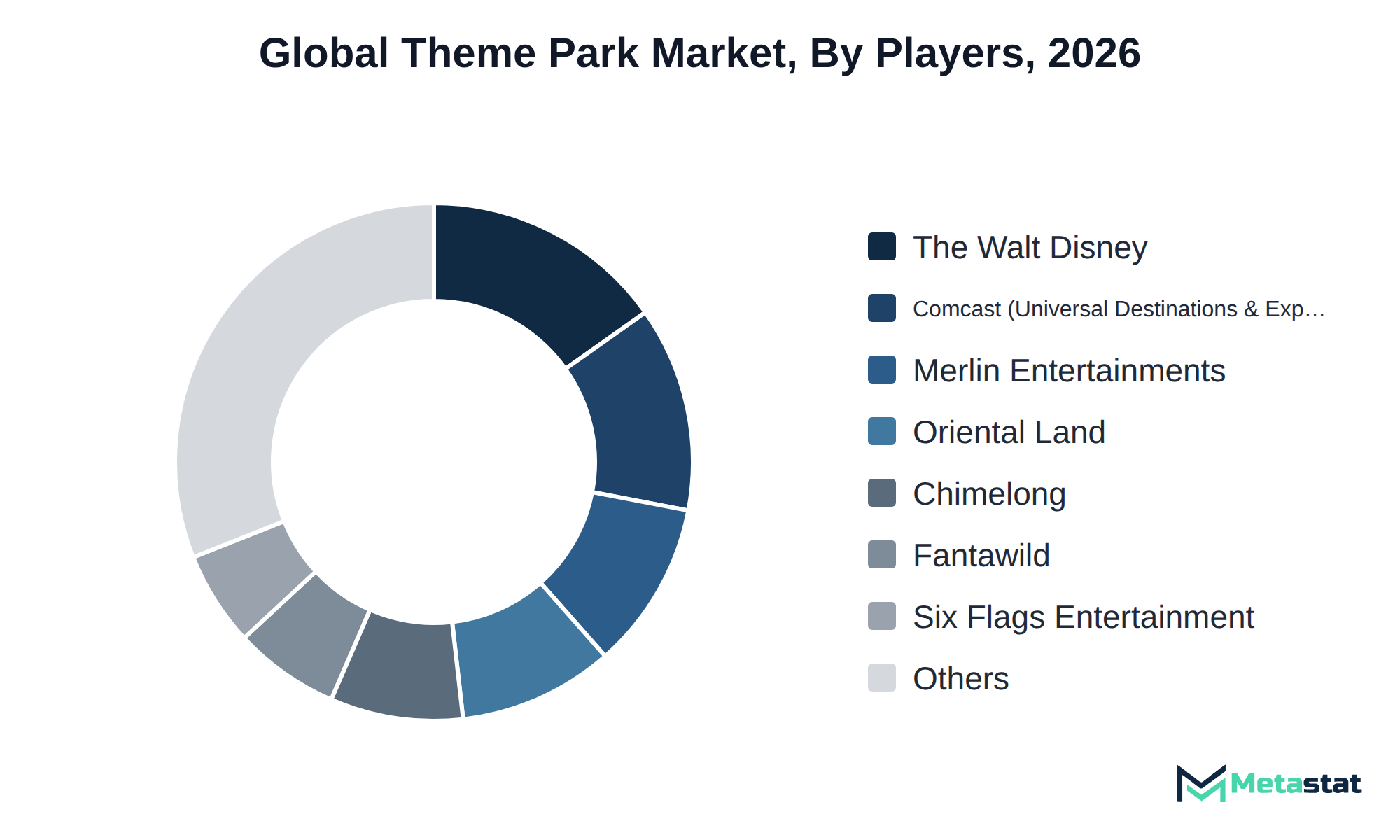
Competition in the Theme Park market revolves around diverse strategies where companies focus on attracting visitors through unique offerings and experiences. Many players focus on themed attractions and entertainment to differentiate themselves, appealing to various visitor demographics, including families, thrill-seekers, and international tourists.
Price competitiveness impacts decision-making, while the integration of food, beverage, and retail experiences enhances overall visitor satisfaction. For instance, The Walt Disney Company emphasizes immersive entertainment and strong branding. Merlin Entertainments Limited focuses on diverse attractions to engage a wide audience. Comcast Corporation, through Universal Destinations & Experiences, leverages popular franchises to enhance visitor appeal within its parks.
The revenue landscape primarily consists of admissions, ride access, food and beverage sales, and merchandise. Companies develop their offerings based on visitor preferences for diverse experiences and value for money. Fantawild Holdings Inc. and Chimelong Group Co., Ltd. focus on integrating cultural elements into their parks, enhancing visitor engagement and generating additional revenue through unique themed experiences.
Visitor choices reflect a broader trend toward seeking value-added experiences, emphasizing the importance of service quality and ecosystem integration. Sun Group (Sun World) expands its offerings related to local culture and adventure to capture the growing domestic visitor segment, indicating a strategic response to evolving market demands.
Reaching USD 95.2 billion by 2033 depends on several key developments in the Theme Park market. First, the expansion of domestic visitor numbers is crucial, with projections showing growth from USD 39.5 billion in 2026 to USD 69.8 billion by 2033, driven by increased entertainment options and improved infrastructure in regions including North America. Finally, the water theme parks segment represents a significant opportunity, with expected growth reaching USD 15.5 billion by 2033, appealing to families seeking unique recreational offerings. The main risk to this forecast involves economic fluctuations, which could impact discretionary spending on leisure activities. A downturn could slow growth, particularly affecting visitor types that rely on international travel, exemplified by the anticipated increase in international visitor revenue to USD 25.5 billion by 2033. Addressing these challenges will be vital for the market to reach its potential.
By Park Type: Themed Amusement Parks, Water Theme Parks, Adventure Theme Parks, Marine Life Theme Parks, Cultural and Historical Theme Parks
By Revenue Source: Admissions and Ride Access, Food and Beverage, Merchandise and Retail, Park-Linked Hotels and Resorts, Others (Parking, Sponsorship, Venue Hire)
By Visitor Type: Domestic Visitors, International Visitors
By Age Group: Up to 18 Years, 19 to 35 Years, 36 to 50 Years, 51 to 65 Years, Above 65 Years
The report strategically identifies and profiles the key market players and analyses their core competencies in each sub-segment of the Theme Park market.
Report Attributes | Details |
Study Period | 2021-2033 |
Base Year | 2025 |
Estimated Year | 2026 |
Forecast Period | 2026-2033 |
Historical Period | 2021-2025 |
Growth Rate | CAGR 8.8% from 2026 to 2033 |
Revenue Unit | USD billion |
Segmentation | By Park Type, Revenue Source, Visitor Type, Age Group, and Region |
By Region | North America (By Park Type, Revenue Source, Visitor Type, Age Group, and Country)
|
Europe (By Park Type, Revenue Source, Visitor Type, Age Group, and Country)
| |
Asia Pacific (By Park Type, Revenue Source, Visitor Type, Age Group, and Country)
| |
South America (By Park Type, Revenue Source, Visitor Type, Age Group, and Country)
| |
Middle East and Africa (By Park Type, Revenue Source, Visitor Type, Age Group, and Country)
|
Find answers to common questions about this report
The Theme Park market size was valued at USD 48.2 billion in 2025.
The market is projected to grow at a CAGR of 8.8% during the forecast period from 2026 to 2033.
The North America Theme Park market size is estimated to reach USD 30.7 billion by 2033.
Themed Amusement Parks lead the market with a projected value of USD 63 billion by 2033, reflecting the highest growth potential among the segments.
Key drivers for the Theme Park market include changing demographics, with younger generations seeking unique and immersive experiences. Enhanced consumer expectations for interactive attractions drive growth, prompting operators to invest in advanced technologies. These factors collectively contribute to an anticipated compound annual growth rate of 8.8% from 2025 to 2033.
North America holds the dominant share of the Theme Park market, with a value of USD 30.7 billion projected for 2033, representing 35.1 percent of the total market.
Limited awareness among potential visitors restrains Theme Park market growth, as consumers unfamiliar with attractions postpone plans to visit, impacting ticket sales and overall revenues. Escalating operational costs related to staffing, maintenance, and technology upgrades challenge profit margins, compelling operators to explore innovative solutions for financial viability.
The Theme Park market is estimated to reach a valuation of USD 95.2 billion by 2033.
Key players operating in the Theme Park market include The Walt Disney Company, Comcast Corporation (Universal Destinations & Experiences), Merlin Entertainments Limited, Overseas Chinese Town Group Co., Ltd., Chimelong Group Co., Ltd., Fantawild Holdings Inc., and Six Flags Entertainment Corporation.
Water theme parks are projected to reach USD 15.5 billion by 2033, reflecting a compound annual growth rate of 9.2%.
The analysts below cover Consumer Goods research at Metastat Insights.
LEAD ANALYST
Utkarsh Khirodkar is a Lead Market Research Analyst at MetaStat Insight, specializing in market intelligence, technology sector assessments, and competitive strategy.
Tracking maintenance cycle demand for secondary flight display units and terrain collision avoidance systems across regional jet fleets involves complex aftermarket dynamics. MetaStat Insight provided practical analysis separating airline retrofit programs from OEM forward-fit production schedules in North America and Southeast Asia. The supplier matrix highlighted component obsolescence timelines without resorting to vague generalizations. The dataset served as a dependable reference during our annual program review meetings.
Evaluating secondary resin quality across post-consumer packaging streams requires reliable technical segmentation. MetaStat Insight delivered an objective assessment that distinguished between extrusion-grade flake pricing and optical sorting throughput limitations across Western Europe. The competitive positioning breakdown for licensed depolymerization technology providers answered several questions during our feedstock feasibility audit. Their team clarified regional trade restrictions on mixed plastic scrap quickly when our team submitted follow-up requests.
Evaluating sovereign cloud deployments for core banking platforms demands a clear view of data residency regulations and migration exit strategies. MetaStat Insight delivered an exhaustive review of regional latency tolerances, mainframe decommission milestones, and third-party vendor concentration risk. The regulatory compliance mapping across European and Asian financial jurisdictions gave our team a dependable baseline for multi-cloud infrastructure discussions.
Explore related market intelligence reports worth reading alongside this one.