
Explore the critical factors influencing Aluminium pricing, from energy costs to sustainability initiatives. Make informed procurement decisions with insights from the Aluminium market.
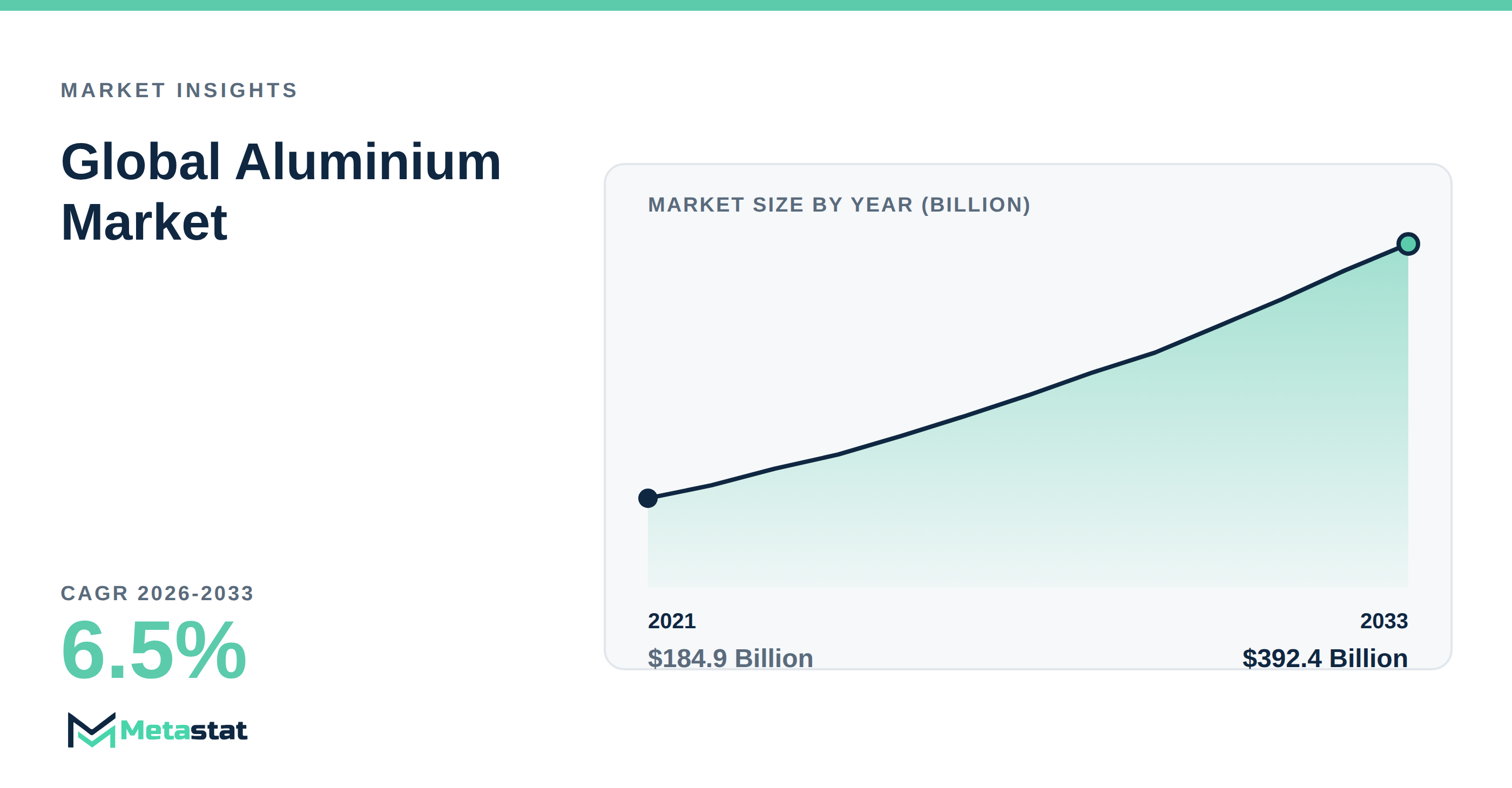
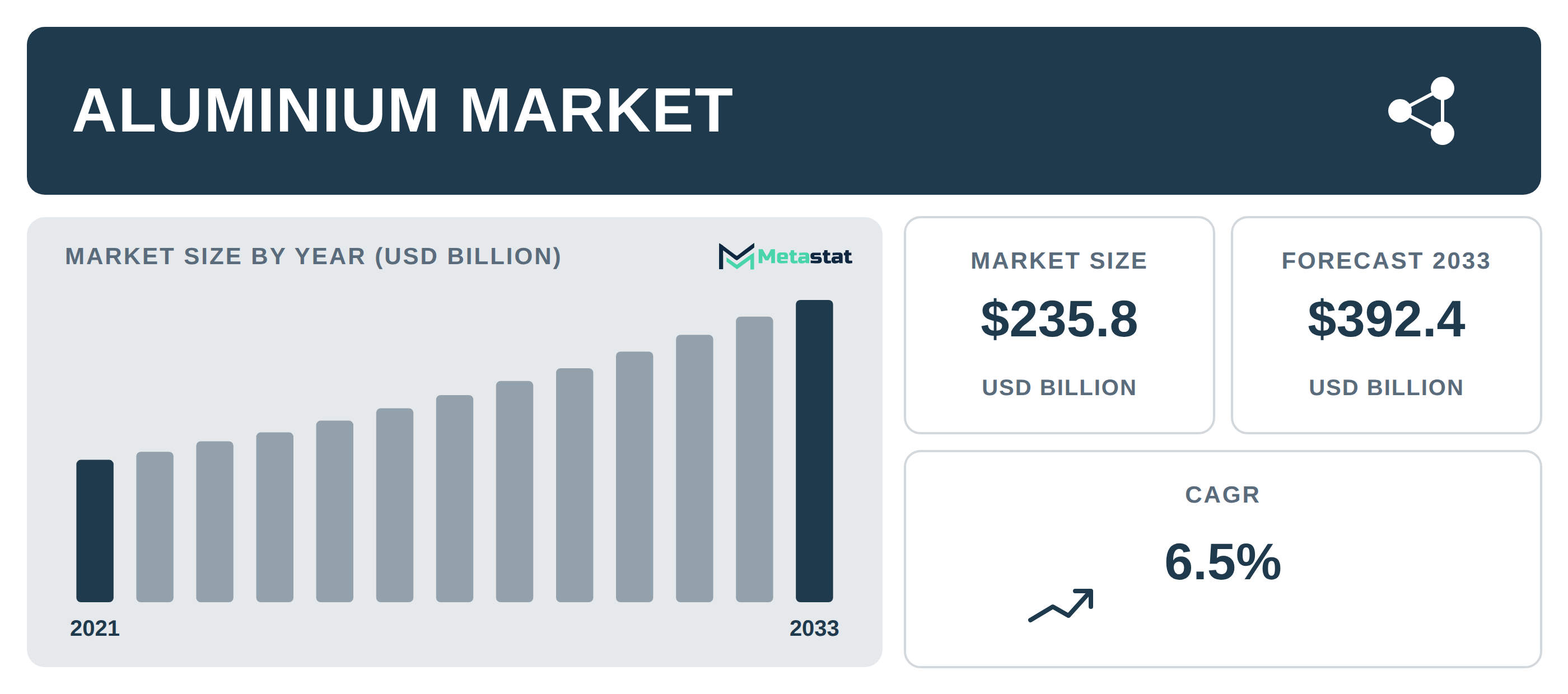
The price of Aluminium is influenced by various factors that directly affect procurement strategies for buyers in different industries. Understanding these influences helps stakeholders make informed decisions on sourcing and budgeting. This post highlights critical components shaping Aluminium pricing and identifies areas where buyers exert leverage. The full figures are in our Aluminium market size and forecast report.
1. Energy costs impact production expenses
Energy costs significantly shape Aluminium pricing due to the energy-intensive nature of the smelting process. Rising electricity prices put pressure on producers, leading to increased operational costs. Consequently, these expenses are typically passed on to buyers, resulting in higher procurement prices. Manufacturers in the automotive and construction sectors, who rely heavily on Aluminium, may see project delays or increased costs. This situation prompts them to seek alternative sourcing options or invest in energy efficiency measures to mitigate impacts.
2. Elevated raw material prices drive costs
The prices of raw materials like bauxite and energy have seen significant increases, directly affecting the overall cost structure for Aluminium production. Higher input costs constrain profit margins, pushing suppliers to explore alternative sourcing strategies and optimize their production processes. Buyers face rising expenses as suppliers adjust prices to maintain profitability, prompting firms to carefully evaluate their procurement strategies to navigate these cost pressures and secure competitive pricing.
3. Recycling initiatives shape demand and pricing
The growing emphasis on sustainability and the adoption of recycled Aluminium significantly influence pricing trends. Buyers increasingly prioritize recycled materials due to their cost-effectiveness and lower environmental impact. The value of recycled Aluminium is projected to reach USD 159.2 billion by 2033. This shift enhances procurement strategies and enables suppliers to offer more competitive pricing models, further positioning recycled Aluminium as an attractive option for various industries.
4. Regional metal premiums affect procurement costs
Regional metal premiums vary based on local supply chain dynamics and market conditions, impacting the overall cost of Aluminium. For example, Asia Pacific accounts for 65.6% of global demand, contributing to heightened premiums in the region due to increased demand. Buyers in North America, whose consumption is expected to top USD 55.7 billion by 2033, must navigate these premiums, which inflate procurement costs. Understanding regional dynamics allows buyers to optimize their sourcing strategies and mitigate cost increases.
5. Low-carbon aluminium premiums drive sustainable choices
Low-carbon Aluminium premiums are becoming increasingly significant in purchasing decisions, driven by a commitment to sustainable production. Buyers tend to seek Aluminium produced through cleaner energy sources, enhancing the appeal of low-carbon options. By integrating sustainability into their procurement strategies, buyers align with regulatory frameworks and leverage potential cost savings associated with cleaner production methods. The rising demand for low-carbon Aluminium supports a shift in pricing structures, reflecting consumer preferences for environmentally friendly solutions.
Understanding how these factors influence Aluminium pricing allows buyers to navigate the complexities of procurement more effectively. By focusing on energy efficiency, sustainability, and market conditions, stakeholders develop strategies that leverage pricing advantages in their favour.
Tags
About the Authors

LEAD ANALYST
Utkarsh Khirodkar is a Lead Market Research Analyst at MetaStat Insight, specializing in market intelligence, technology sector assessments, and competitive strategy.

INDUSTRY CONSULTANT - CHEMICALS & ADVANCED MATERIALS
Chemicals and Materials · Machinery & Equipment · Packaging
Amit Gadhekar Consultant for Chemicals and Materials at MetaStat Insight, directing sector-specific intelligence, research, and strategic consulting across global chemical and processing markets.