
Explore five critical factors that impact Thermal Spray pricing, including material choices, technology, and compliance requirements.
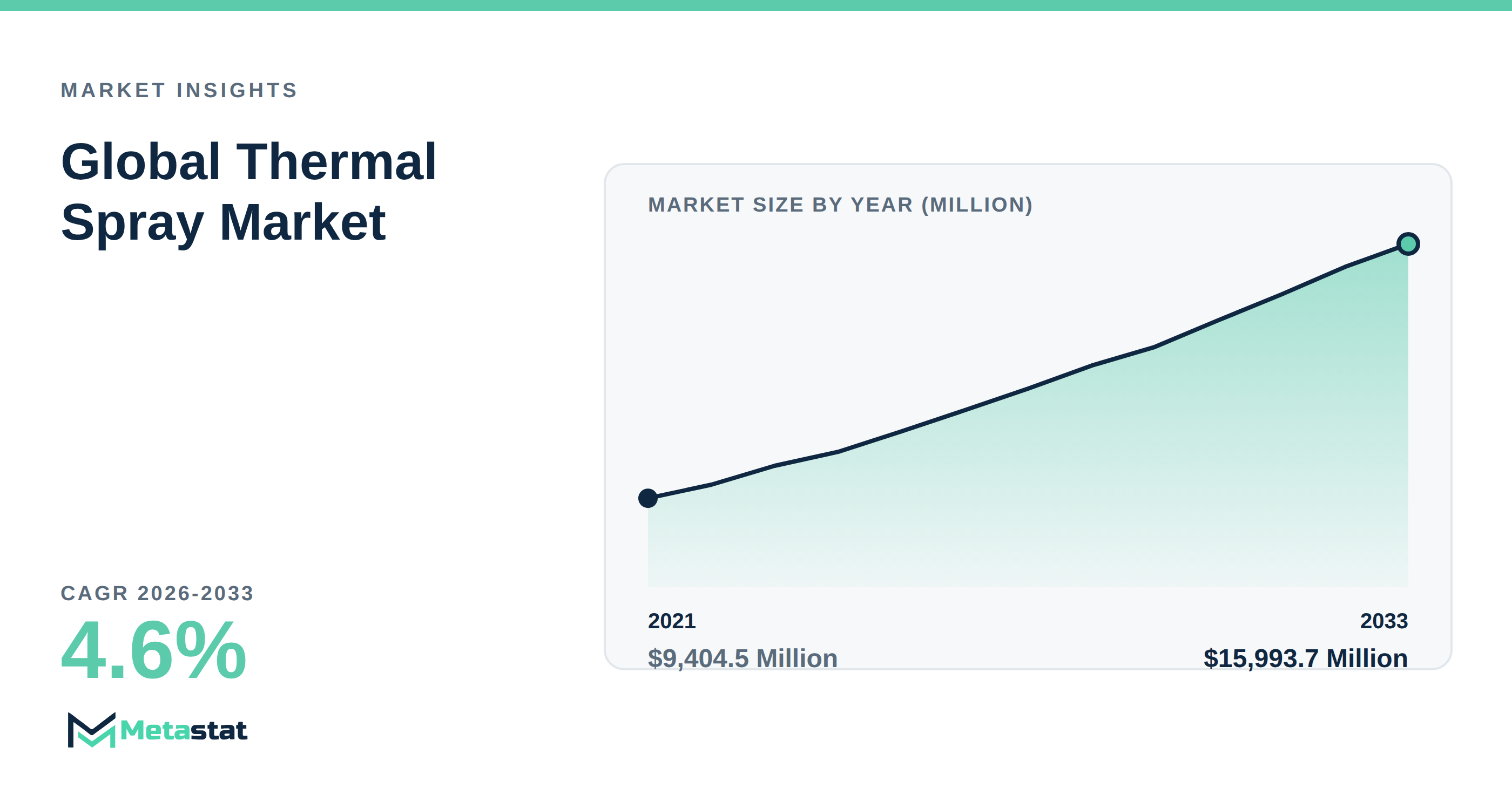
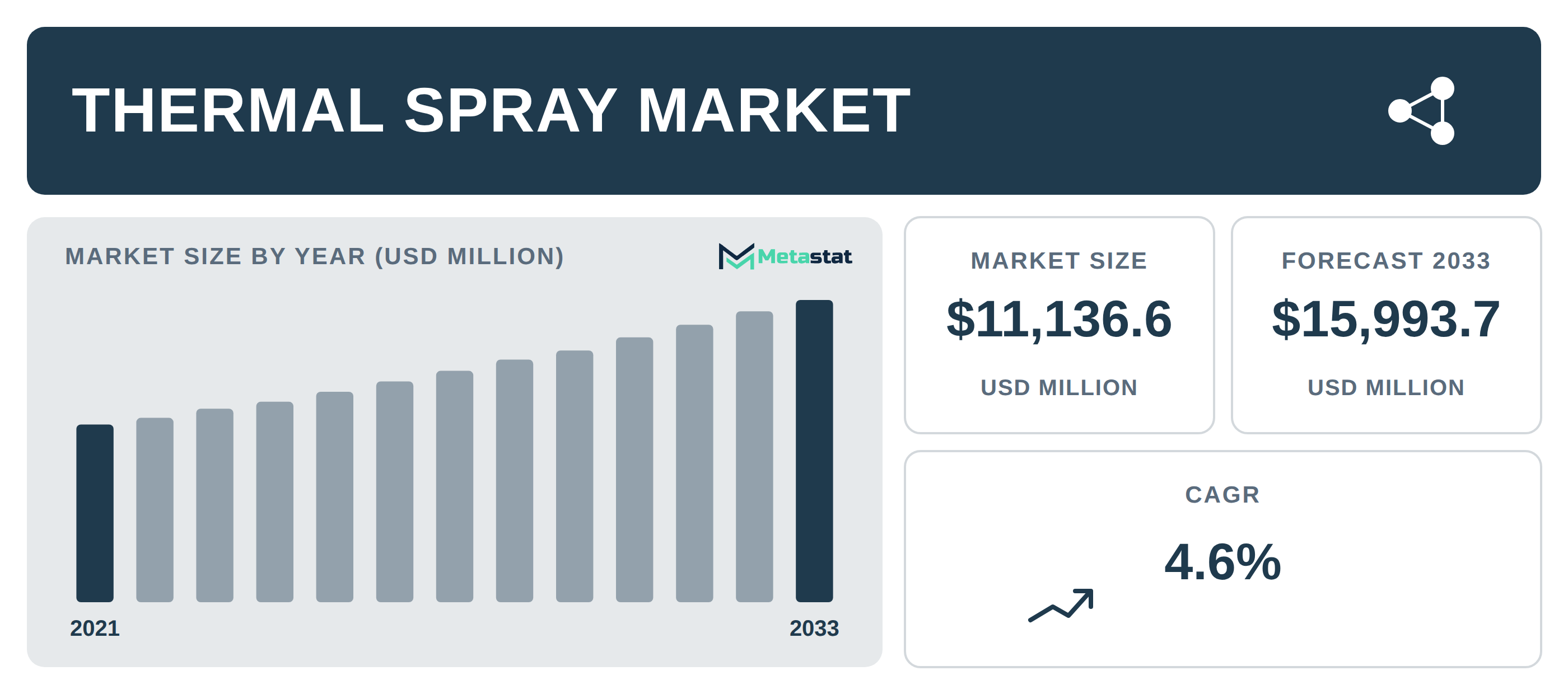
The market for Thermal Spray is shaped by various factors that influence pricing. Understanding these factors enables buyers to make informed decisions when investing in thermal spray solutions. Are the key elements affecting Thermal Spray pricing. The full figures are in our Thermal Spray market size and forecast report.
1. Material Selection Impacts Costs
The choice of materials used in thermal spray coatings directly affects both the initial costs and the longevity of the coatings. For instance, higher-quality materials often come with a premium price tag but result in significantly longer-lasting coatings. This means reduced maintenance and replacement costs over the lifespan of the component. Buyers who prioritize durable materials enhance the value of their investment, offsetting higher upfront costs through lower lifecycle expenses.
2. Advanced Technology Drives Premium Pricing
Innovations in thermal spray technology, particularly techniques including Plasma Spray, result in superior coating performance. These advanced methodologies often command higher prices due to their ability to produce dense, high-quality coatings that enhance component durability. Buyers looking for effective wear and corrosion protection find that this higher investment leads to reduced operational costs and extends the lifespan of critical components.
3. Regulatory Compliance Increases Costs
Regulatory standards within industries including aerospace and automotive necessitate compliance with specific performance criteria. This often leads to increased costs for thermal spray services, as suppliers invest in producing compliant coatings and maintaining certifications. Buyers understand these compliance-related costs will influence overall pricing strategies and supplier selection.
4. Competitive Pricing Structures for Coating Services
Pricing for thermal spray services varies based on project scope and substrate materials. Larger projects often feature fixed pricing models, while smaller applications involve variable pricing structures. This flexibility allows buyers to negotiate and potentially find cost-effective solutions that meet their specific project requirements. Engaging with suppliers that offer varied pricing options helps buyers optimize their expenditures.
5. Influence of Supply Chain Dynamics
Fluctuations in raw material costs and supply chain disruptions significantly influence thermal spray pricing. Increased prices for essential components lead to higher costs for thermal spray services. Buyers should be aware of these trends and consider timing their purchases or exploring alternative suppliers to mitigate the impact of rising material prices on their budgets.
By understanding these key factors affecting Thermal Spray pricing, buyers enhance their decision-making process. Being informed allows them to leverage insights into material selection, technology investments, and pricing strategies while navigating the complexities of the thermal spray landscape.
Tags
About the Authors

LEAD ANALYST
Utkarsh Khirodkar is a Lead Market Research Analyst at MetaStat Insight, specializing in market intelligence, technology sector assessments, and competitive strategy.

INDUSTRY CONSULTANT - CHEMICALS & ADVANCED MATERIALS
Chemicals and Materials · Machinery & Equipment · Packaging
Amit Gadhekar Consultant for Chemicals and Materials at MetaStat Insight, directing sector-specific intelligence, research, and strategic consulting across global chemical and processing markets.