
This blog explores critical trends affecting High-Temperature Superconducting (HTS) Tape, impacting sectors like energy, fusion research, and manufacturing.
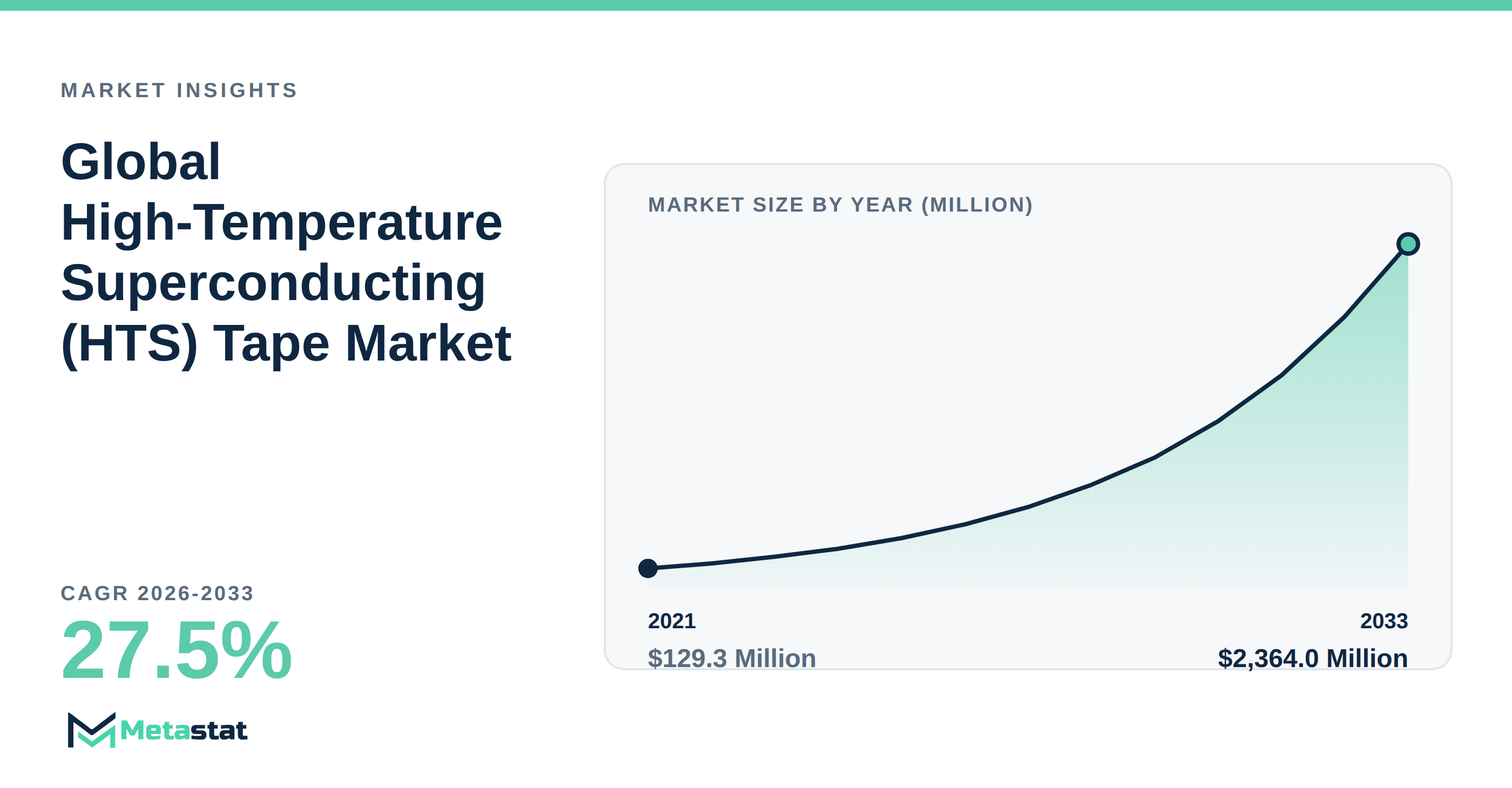
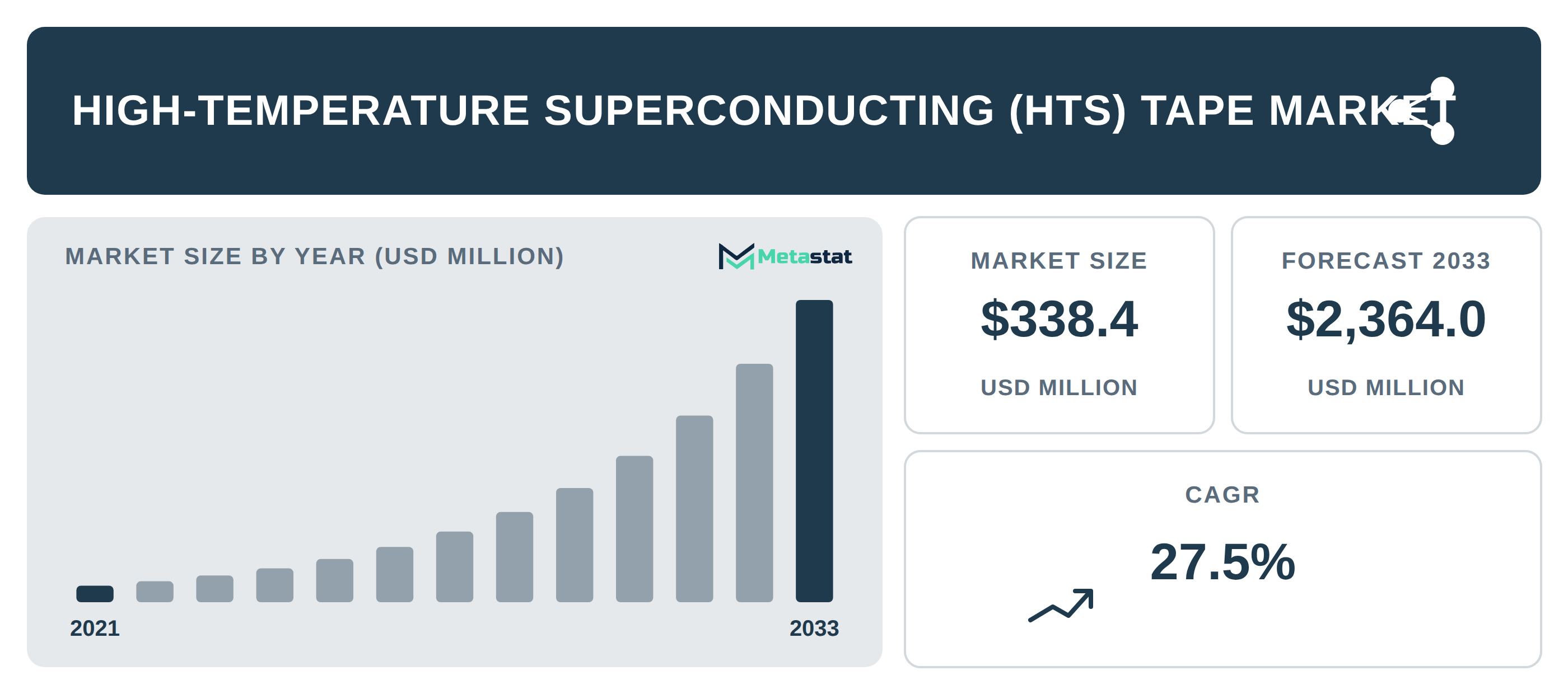
The global landscape for High-Temperature Superconducting (HTS) Tape is undergoing significant transformation driven by multiple forces. These trends are essential for buyers and operators to understand, as they shape procurement decisions and operational strategies across various sectors. The following outlines the critical trends impacting the HTS tape industry. The full figures are in our High-Temperature Superconducting (HTS) Tape market size and forecast report.
1. Increased Demand from Energy and Utilities
Growing investment in grid modernization and renewable energy integration has spurred heightened demand for High-Temperature Superconducting (HTS) Tape. The energy and utilities sector leads in procurement, seeking solutions that reduce energy losses while maximizing current-carrying capacity. The adoption of HTS tape supports utilities in tackling challenges associated with fluctuating loads and aging infrastructure. This trend signals a shift towards advanced energy transmission technologies that enhance efficiency and reliability in power distribution.
2. Advancements in Fusion Energy Research
Intensifying global activity in fusion research has led to a notable increase in the procurement of REBCO coated-conductor tapes. These materials are crucial for high-field magnet applications in fusion reactors. As public and private investments in fusion energy initiatives expand, procurement dynamics increasingly favor REBCO tapes due to their superior performance in high-demand environments. This trend positions suppliers focused on REBCO technology to capture a greater share of the market.
3. Trends in High-Temperature Superconducting (HTS) Tape Manufacturing Yields
The demand for consistent quality and reliability in HTS tape production has prompted buyers to prioritize suppliers that demonstrate higher manufacturing yields. Improved production processes directly influence contract negotiations, as manufacturers who achieve superior defect rates secure long-term agreements with utilities and research institutions. The emphasis on yield performance enhances procurement stability and competitive pricing structures, influencing overall purchasing behavior in the sector.
4. Growing Preference for Critical Current Performance
Buyers in fusion and advanced particle physics projects increasingly prioritize critical current performance in their procurement decisions. REBCO coated-conductor tapes, known for their high critical current densities, are becoming the preferred choice for applications requiring reliable performance under demanding conditions. This trend reflects a willingness among buyers to invest in higher unit costs when it translates to significant gains in system stability and operational efficiency.
5. Regional Investment in Infrastructure
Asia Pacific is leading the way in HTS tape adoption with substantial investments in research infrastructure and grid upgrades. Countries like China, Japan, and South Korea are directing public and private funding towards advanced energy transmission projects, driving demand for HTS solutions. This regional focus on infrastructure development creates significant opportunities for suppliers equipped with scalable manufacturing and technical expertise to meet evolving project requirements.
6. Impact of Raw Material Costs on Pricing
Volatility in raw material prices, particularly for key components used in the production of HTS tape, affects manufacturers’ margins. Fluctuations in the cost and availability of rare earth elements and high-purity metals challenge suppliers to maintain competitive pricing while ensuring product quality. While companies explore strategies to mitigate these costs, procurement dynamics shift towards suppliers with stable sourcing capabilities and efficient production practices.
The ongoing evolution of trends within the High-Temperature Superconducting (HTS) Tape landscape highlights the necessity for buyers to adapt their procurement strategies. Understanding these forces leads to informed decisions that enhance operational efficiency and support long-term project goals.
Tags
About the Authors

LEAD ANALYST
Utkarsh Khirodkar is a Lead Market Research Analyst at MetaStat Insight, specializing in market intelligence, technology sector assessments, and competitive strategy.

PRINCIPAL CONSULTANT - ENTERPRISE AI & EMERGING TECHNOLOGIES
Banking & Finance · Electronics and Semiconductor · Energy and Power · Healthcare IT · Information & Technology · Professional Services
Vijay Gunti is a Principal Consultant at MetaStat Insight, bringing over two decades of experience across enterprise digital transformation, technology strategy, and intelligent systems.

PRINCIPAL CONSULTANT - QUALITY SYSTEMS & COMPLIANCE
Electronics and Semiconductor · Machinery & Equipment · Professional Services
Omkar Phadtare is an Industry Consultant at MetaStat Insight, specializing in quality systems, regulatory compliance, and standards benchmarking to drive data-driven market intelligence and strategic industry research.

ENERGY & INFRASTRUCTURE INDUSTRY CONSULTANT
Automotive and Transportation · Electronics and Semiconductor · Energy and Power · Machinery & Equipment
Saurabh Vasant Ganvir consults for Energy & Infrastructure Industry at MetaStat Insight, specializing in renewable energy, solar EPC, and electric vehicle (EV) infrastructure markets.

LEAD CONSULTANT - COMMUNICATION, TELECOM, AND IT
Electronics and Semiconductor · Information & Technology · Machinery & Equipment · Professional Services
Ravindra Sathe Consultants for Communication, Telecom, and IT at MetaStat Insight. He leads the firm's industry research initiatives across telecommunications infrastructure, digital connectivity, enterprise networking, and emerging information technology domains.